目录
C001 [描述性拆分] 摘要与作者信息
- C001-S001 [描述性拆分] Abstract
- 页码:1-1
- C001-S002 [描述性拆分] Author Affiliation
- 页码:1-1
C002 Introduction
- C002-S001 [描述性拆分] Meaningful Learning and Goal Imaging in Performance
- 页码:2-2
- C002-S002 [描述性拆分] Imagery, Metaphor, and the Teacher–Student Context
- 页码:2-2
- C002-S003 [描述性拆分] Practice Sessions and the Cognitive Translation Process
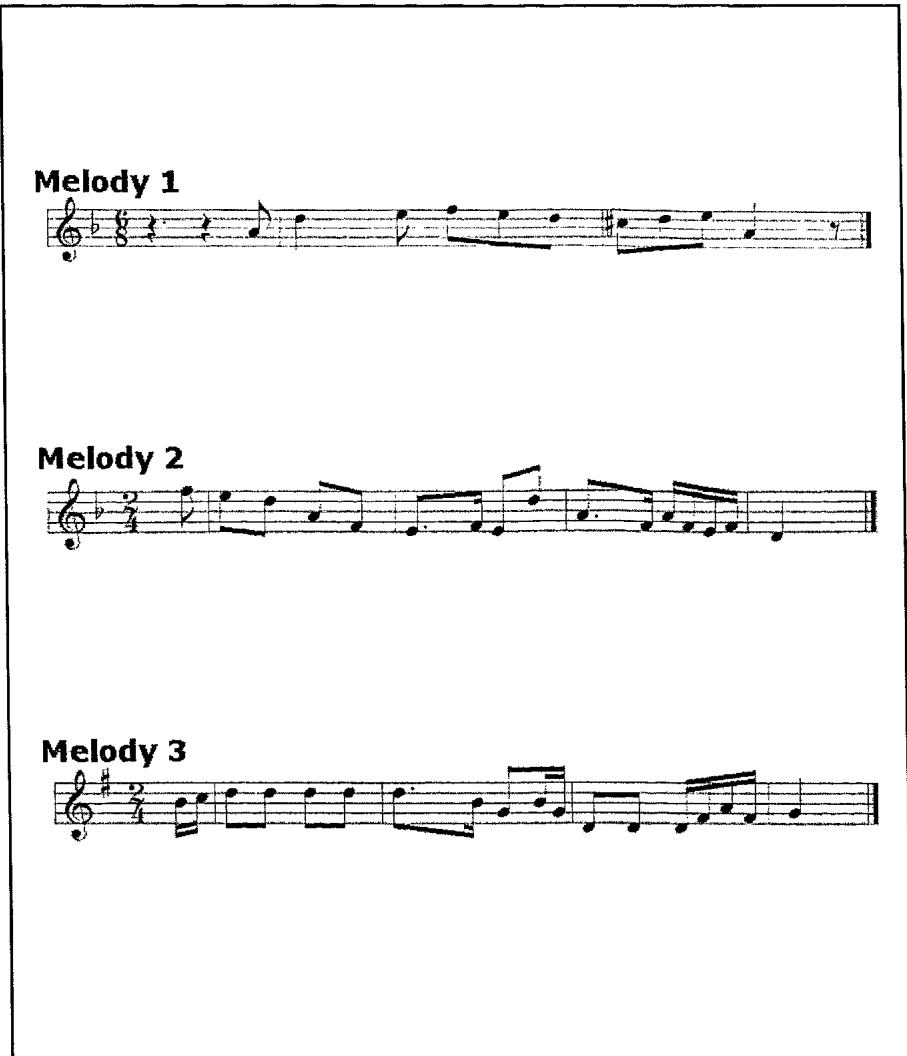
- 页码:3-3
C003 Method
- C003-S001 [描述性拆分] Stimuli and Materials
- 页码:4-5
- C003-S002 [描述性拆分] Imagery Examples for the Three Melodies
- 页码:5-5
- C003-S003 [描述性拆分] Research Packet Procedure
- 页码:5-6
C004 Results
- C004-S001 [描述性拆分] Scoring and Coding of Cognitive Translation
- 页码:6-6
- C004-S002 Examples of Subject Thought Processes
- 页码:6-8
- C004-S003 [描述性拆分] Practice Counts, Effectiveness Ratings, and Translation Scores
- 页码:8-9
- C004-S004 [描述性拆分] Private Instruction and the Inverted-U Pattern
- 页码:9-10
C005 Discussion
- C005-S001 [描述性拆分] Technical Mastery, Imagery Meaning, and Instructional Vocabulary
- 页码:10-10
- C005-S002 [描述性拆分] Interpreting the Inverted-U Relationship Across Experience Levels
- 页码:11-11
- C005-S003 [描述性拆分] Implications for Private Instruction and Future Research
- 页码:12-12
C006 References
- C006-S001 References
- 页码:12-13
C001-S001 [描述性拆分] Abstract
第1段(P0001)
原文复述
This study investigated the cognitive processes by which musicians use imagery to enhance expressive performance. More specifically, it examined the extent to which musicians translate imagery into explicit plans regarding the sound properties of music. Eighty-four undergraduate and graduate music majors completed a research packet during individual practice sessions. Participants worked with three melodies, each paired with an imagery example presented as a teacher’s instructions for performing more expressively. The research packet guided subjects through considering the imagery-based instruction, practicing in light of it, and giving a final performance, while they wrote down their thoughts throughout the process. The findings indicated that some musicians engaged in a cognitive translation process, whereas others chose to develop and personalize the imagery they were given. The data further revealed a curvilinear pattern, suggesting an inverted-U relationship between the amount of private instruction received and the use of cognitive translation. The authors offer an interpretation of this result in light of previous research.
中文讲解
这段是关于"音乐家如何利用意象来提升富表现力演奏"这一认知过程的实证研究摘要。
中心主张:本研究考察的核心并不是意象本身,而是音乐家如何把意象"翻译"成关于声音的具体演奏计划——即从意象到声音属性的认知转化过程。摘要以"This study addressed…“总起,再用"Specifically"把焦点收窄到"翻译程度"这一可观察变量上,是一种"先总后分"的写法。
方法要点:
- 被试为84名本科与研究生阶段的音乐专业学生,在个人练习时段完成研究材料包(research packet);
- 刺激材料为三首旋律,每首配一个意象范例,该范例以"教师对更富表现力演奏的指导"形式呈现——将意象操作化为外部提供的"教师指令”,避免被试自行生成意象带来的差异;
- 材料包引导被试经历三个阶段:考虑意象指导 → 据此练习 → 最终演奏,全程书面记录思维(write down their thoughts),属于"思考记录"式的资料收集;
- 三首旋律提供重复测量基础,使个体差异可在多任务下稳定呈现。
主要结果有两条:
- 个体差异:部分音乐家进行"认知翻译"(cognitive translation),即把意象转化为具体声音计划;另一部分则选择发展并个性化所提供的意象,并未直接翻译。
- 统计模式:私人指导量与认知翻译使用之间呈倒U型曲线(inverted-U relationship),说明二者关系非线性,存在一个最适水平——过少或过多私人指导都与较低的翻译使用相关。
最后一句"an interpretation…in light of previous research is offered"预告讨论部分将把这一倒U型发现与既有文献对接,进行诠释性整合。
容易误解之处:
- “Cognitive translation"不是语言学意义上的翻译,而是认知层面的转化——把意象映射为声音处理计划;
- “Develop and personalize the imagery"并非"忽略意象”,而是主动改造意象,二者构成研究中区分被试类型的两个方向;
- “Private instruction"指的是学生所接受的私人课量,作为个体差异变量,而非教学法本身。
补充说明
本摘要范围内可直接确认的术语关系:意象(imagery)以"教师指导"形式外化提供给被试;认知翻译(cognitive translation)指将其转化为关于声音属性的具体计划,二者共同构成研究中区分被试类型的关键维度。倒U型关系则连接"私人指导量"与"认知翻译使用"两个变量,提示非线性影响。原文未列举"声音属性"包含哪些具体维度(如音色、力度、节奏处理等),故不可在本段内补写。
脚注 / 边栏 / 图表 / 附加信息(如有)
本节为单段摘要(Abstract),无脚注、图表、边栏或图片占位符。整段即一段连续文本。
💡 本节核心要点
- 研究聚焦的不是意象本身,而是音乐家将意象转化为关于音乐声音属性的明确演奏计划(即 cognitive translation)的认知过程。
- 方法上以84名本科与研究生音乐专业学生在个人练习中完成研究材料包为框架,配合三首旋律与以"教师指令"形式呈现的意象范例,通过"考虑—练习—演奏"三阶段并书面记录思维。
- 结果显示被试存在两种倾向:部分进行认知翻译,另一部分则发展并个性化所提供的意象。
- 数据呈倒U型曲线,提示私人指导量与认知翻译使用之间存在非线性关系,存在一个最适水平。
- 摘要末句预告作者将基于先前研究对该结果进行解释,暗示讨论部分将进一步整合既有文献。
🔑 关键术语
- Imagery:意象;在本研究中特指用于引导更富表现力演奏的心理表征或外部提示,以"教师指导"形式外化提供给被试,而非泛指视觉图像。
- Cognitive translation:认知翻译;在本研究中特指音乐家将意象转化为关于音乐声音属性的明确演奏计划这一认知过程,与"发展并个性化意象"构成被试类型的两个方向。
- Sound properties of music:音乐的声音属性;本研究中与意象相对应的可听特征总体,原文未列举具体维度。
- Expressive performance:富于表现力的演奏;指超越音符准确度、传达音乐意图的演奏,是本研究中意象所要改善的目标对象。
- Private instruction:私人指导;本研究中作为个体差异变量,指被试所接受的私人课程量,用于与认知翻译使用进行相关分析。
- Inverted-U relationship:倒U型关系;在本研究中指私人指导量与认知翻译使用之间的非线性曲线关系,提示存在一个最适水平。
C001-S002 [描述性拆分] Author Affiliation
第1段(P0002)
原文复述
Robert H. Woody, University of Nebraska–Lincoln
中文讲解
这是文章首页页眉位置的作者署名行,标注作者姓名为 Robert H. Woody,所属机构为 University of Nebraska–Lincoln(内布拉斯加大学林肯分校)。该行只给出作者名与机构缩写,说明本文为单一作者作品,作者来自该校。详细职称、通信地址与版权信息则交由紧随其后的脚注 P0005 提供。两行相互呼应:P0002 提供抬头可见的快速识别信息,P0005 提供完整披露,二者合在一起才构成期刊对作者身份的完整交代。
第2段(P0003)
原文复述
Musicians’ Cognitive Processing of Imagery-Based Instructions for Expressive Performance
中文讲解
这是文章的正式标题。行首的 ‘#’ 属于 markdown 一级标题格式标记,在排版中表现为大字号标题样式;标题正文为 ‘Musicians’ Cognitive Processing of Imagery-Based Instructions for Expressive Performance’。从标题可拆出四个关键元素:‘Musicians’ 限定研究对象为音乐家;‘Cognitive Processing’ 指明研究层面(认知加工,而非纯外显行为);‘Imagery-Based Instructions’ 给出研究刺激物(教师以意象形式发出的演奏表现指令);‘Expressive Performance’ 给出目标产出(具有表现力的演奏)。标题由此预先勾勒出全文主线:在演奏表现层面,音乐家如何接收、理解并转化教师发出的意象性提示。
补充说明
行首的 ‘#’ 是 markdown 用于将段落标记为一级标题的格式符号,并非标题文字本身的一部分;正文转录时若去除该符号,语义不变。
第3段(P0004)
原文复述
It is worthwhile to remember that meaningful learning is necessarily indicated by a change in behavior. Music teachers hope that their instruction is the stimulus that leads to positive change in the musical behavior of their students. While it is good practice to ultimately judge the efficacy of teaching by the exhibition of learning, it is also important to consider the internal cognitive skills that mediate behavioral manifestations of musicianship. In terms of musical performance, for example, it is well established that a musician’s mental “image” of a melody directs how he or she will actually perform it (e.g., Clarke, 1993; Gabrielsson, 1999; Krumhansl, 1992; Woody,
中文讲解
本段位于文章正文开端,承担’问题铺垫与立论定位’的功能。论述分三层递进:第一,作者先把’meaningful learning’(有意义的学习)与’change in behavior’(行为变化)挂钩,确立学习的可观测性判据;第二,紧接指出’以学习是否外显为行为’来评判教学效果是良好做法,但仅凭此仍不够,还必须考察介于’教’与’演奏行为’之间、起到中介作用的’internal cognitive skills’(内部认知技能);第三,落到演奏层面,举出已确立的事实——演奏者头脑中对旋律的 mental ‘image’(心理意象)会直接引导其实际演奏方式,并援引 Clarke (1993)、Gabrielsson (1999)、Krumhansl (1992) 以及’Woody,’ 作为支撑。
这一段在全文中的作用是把研究关切从外显’演奏行为’上移到’认知加工层’。既然心理意象能决定演奏呈现,那么教师发出的意象式指令也必然需要经由这条机制起作用,从而为后续研究’意象式指令如何被学生认知加工’提供了理论合法性。它也隐含了文章的核心研究问题——除’有没有效果’之外,还要弄清学生’在脑子里到底如何处理’老师的意象提示。注意最后括号中的 ‘Woody,’ 在此处被版面截断,提示作者自我引用延续至下页。
补充说明
‘Woody,’ 在括号末尾被截断,表示这一自我引用将与下一段开头的剩余文字相接,下一节方可补全;本节内部无须补充其他内容。
第4段(P0005)
原文复述
Robert H. Woody is an associate professor of music education in the School of Music, University of Nebraska–Lincoln, 354 Westbrook Music Building, Lincoln, NE 68588-0100; e-mail: rwoody2@unl.edu. Copyright © 2006 by MENC: The National Association for Music Education.
中文讲解
这是学术期刊首页常见的作者脚注,内容由两部分组成:(1) 作者身份信息——Robert H. Woody 是 University of Nebraska–Lincoln 音乐学院(School of Music)的音乐教育副教授(associate professor of music education),办公地址为 354 Westbrook Music Building, Lincoln, NE 68588-0100,并附电子邮箱 rwoody2@unl.edu;(2) 版权信息——2006 年版权归 MENC: The National Association for Music Education(全国音乐教育协会)所有。
该脚注与 P0002 的署名行互为补充:P0002 仅给出姓名与机构缩写,P0005 则补全头衔、通信方式及出版方。结合 P0004 引用列表里出现的’Woody’,可确认作者本人是该领域的活跃研究者,能够以亲历者身份讨论意象式教学法。版权方与出版年份也为定位该文所在的刊物与版权归属提供了关键线索。
补充说明
MENC: The National Association for Music Education 是出版该文的学术团体;‘Copyright © 2006’ 明确出版年份,与 P0004 所引文献的发表年代一致。
脚注 / 边栏 / 图表 / 附加信息(如有)
本节内的非正文内容仅有一条——P0005 为作者脚注,附加了作者的完整职称、办公地址、邮箱以及版权方与出版年份(MENC: The National Association for Music Education, 2006)。该脚注与 P0002 的作者署名行互补,构成本文作者身份与版权归属的完整披露。本节范围(首页)内无图表、边栏、附录或其他附加材料。
💡 本节核心要点
- 本文由 Robert H. Woody 一人署名,归属 University of Nebraska–Lincoln 音乐学院,担任音乐教育副教授,版权方为 MENC: The National Association for Music Education(2006)。
- 文章标题直接揭示研究主线:考察音乐家对’基于意象的演奏表现指令’所进行的认知加工,及其与’具有表现力的演奏’之间的关联。
- 开篇段(P0004)以三层递进建立立论锚点:把’meaningful learning’界定为行为变化,仅看行为不足,进而把研究对象上移到内部认知加工层。
- P0004 援引 Clarke (1993)、Gabrielsson (1999)、Krumhansl (1992) 及作者自我引用(‘Woody’),主张演奏者对旋律的心理意象直接引导其实际演奏方式,为后续研究意象式指令提供既成事实基础。
- 本页通过’署名—标题—引言起句—脚注’的版面安排,完成了’谁—写什么—为何要写’的完整信息披露,为正文展开提供身份与背景支撑。
🔑 关键术语
- meaningful learning:有意义的学习。本文中被界定为必然表现为可观测的行为变化(change in behavior),是作者立论的起点,用以引出’只看行为不够,还须考察认知’。
- internal cognitive skills:内部认知技能。介于’教师教学’与’学生外显演奏行为’之间的中介心理过程,是本文真正要研究的对象层面,而非可直接观测的演奏行为本身。
- mental image of a melody:对旋律的心理意象。在 P0004 中作为已确立事实出现:演奏者头脑中对旋律形成的意象会直接引导他/她的实际演奏方式,本文以此作为后续研究意象式指令合理性的支点。
- expressive performance:具有表现力的演奏。本文标题中的目标产出,指受认知加工与意象式指令共同塑造、最终外显的演奏形态。
- imagery-based instructions:基于意象的指令。本文核心研究刺激物,指教师为启发学生表现力所发出的、以心理意象形式呈现的教学提示;与 ‘mental image of a melody’ 共同构成全文聚焦。
C002-S001 [描述性拆分] Meaningful Learning and Goal Imaging in Performance
第1段(P0006)
原文复述
Thus, even when a teacher spends a great deal of time talking about how a melody should be treated differently and even demonstrates this treatment repeatedly, there is no basis for expecting a reliable change in the student’s performance until the student’s internal representation of the melody—that is, what the melody should sound like to the student—actually changes. External verbal instruction and modeling, on their own, do not ensure that performance will change.
中文讲解
本段承接前文(开头括号中的1999表明延续上一页的引文),明确提出本节的一个核心前提:教学行为(讲解、反复示范)若不改变学生头脑中对旋律的"内在表征”(internal representation),即学生内心所听到的"这段旋律应当是什么样子”,就不可能带来稳定、可预期的演奏变化。句中的关键限定词是"until there is a change"——作者强调这是一个必要条件,而非充分条件。“no reason to expect a reliable change"中的reliable一词也值得注意:不是"不可能变化”,而是"没有理由期待可靠的、稳定的"变化。这一区分直接为下一段引入"goal imaging"(目标意象)这一认知技能埋下伏笔——goal imaging正是作者所指的"内在表征",本节接下来的任务就是把它拆解成一个可操作的认知成分。
补充说明
本段开头的"1999).“是上一页引文(某文献1999年版)的收尾标记,并非本段主语;理解时应跳过此残片,从Thus起读。reliable在此处强调变化的稳定性和可重复性,而非变化是否发生。
第2段(P0007)
原文复述
Music performance is composed of the cognitive skill of goal imaging—creating a representation of what the music should sound like—and motor production—generating the physical movements and fine motor skills required to produce the music on one’s instrument (Lehmann & Davidson, 2002; Woody, 2003). These component skills, particularly motor production, are experienced in a highly conscious way by a musician who is learning a new performance technique or practicing an unfamiliar piece of music; the processes involved are effortful and deliberate. Sloboda (1985) labeled this the cognitive stage of skill development, which precedes the associative and autonomous stages, stages that are characterized by the skill becoming more automatized, that is, requiring less conscious thought (p. 216). Experienced musicians who have carried out a fully automatized skill for many years may forget that the earliest stages of development required explicit planning and conscious attention. As a consequence, they may have difficulty explaining the skill to young students and, in some cases, may come to believe that acquiring that skill is a “hands-off affair that is best left alone” (Juslin & Persson, 2002, p. 227).
中文讲解
本段完成两件事。第一,把"演奏"拆成两个认知成分:goal imaging(目标意象,即在脑中先形成"音乐应当听起来是什么样"的表征)和motor production(动作产生,即把这种意象转化为乐器上的精细动作)。引用Lehmann & Davidson (2002)和Woody (2003)表明这是有据可循的二分法,而非作者自创。第二,借助Sloboda (1985)的三阶段模型(cognitive → associative → autonomous),指出在初学时——尤其是接触新技法或陌生曲目时——这两个成分都需要高度有意识、刻意、费力的处理;而随着熟练度提高,动作会逐渐自动化,意识参与减少。这一自动化带来一个作者明确点出的教学悖论:经验丰富的演奏者因为长期在自动化阶段操作,反而遗忘了早期那种刻意的、需高度关注的努力过程;于是他们向初学者讲解时常常说不清楚,甚至滑向一种错误的教学信念——认为该技能是"放手不管就好”(“hands-off affair that is best left alone”)。引号在原文中带有反讽意味,作者借此引语批评这种放任态度。整体上,本段为后续小节论证"教师必须关注并干预学生的目标意象"提供了双重理论支撑:认知成分的二分法解释了教学应当作用于何处,三阶段模型则解释了为什么经验型教师容易忽视这一作用。
补充说明
Sloboda三阶段名称在原文中以斜体前的描述形式出现(cognitive stage, associative stage, autonomous stage),三者是线性递进关系,automatized对应后两阶段。Juslin & Persson (2002, p. 227)的引文是作者用以代表并批评的教学观念,本身并非作者立场。
脚注 / 边栏 / 图表 / 附加信息(如有)
本小节引用的主要文献为Sloboda (1985)关于技能发展的三阶段模型,以及Juslin & Persson (2002)关于经验型教师放任态度的观察;Lehmann & Davidson (2002)与Woody (2003)被并列引用以支撑goal imaging / motor production的二分法。引文括号中的页码(p. 216、p. 227)显示作者做了精确引用。除正文中以斜体出现的术语外,本节无图表、边栏或脚注。
💡 本节核心要点
- 演奏可拆解为两个认知成分:目标意象(goal imaging)——在脑中形成音乐应当听起来怎样的表征;动作产生(motor production)——把意象转化为乐器上的精细动作。
- 教师的外在讲解与示范若不能改变学生头脑中对旋律的内在表征,就无法期待演奏发生可靠的改变。
- 在认知阶段,新技法和陌生曲目需要高度有意识、刻意、费力的处理;随着练习,动作进入联想阶段与自主阶段,自动化程度提高,对意识的要求降低。
- 经验丰富的演奏者因长期处于自动化阶段,可能遗忘学习初期所需的刻意规划与高度注意。
- 这种遗忘导致经验型教师在向初学者传授时无所适从,甚至错误地认为某些技能的习得是"放手不管"的放任过程——这正是本节及后续论证试图纠正的教学误区。
🔑 关键术语
- goal imaging(目标意象):在本节中指演奏者脑中形成的对"音乐应当听起来是什么样"的内部表征;它是演奏认知成分之一,与"动作产生"并列,详见Lehmann & Davidson (2002)、Woody (2003)。
- motor production(动作产生):本节中指产生演奏音乐所需的身体动作与精细运动技能;学习新技法或陌生曲目时,这一成分需要高度有意识的努力。
- cognitive stage(认知阶段):Sloboda (1985)技能发展三阶段中的最初阶段,学习者需对任务进行刻意、有意识的处理;先于associative与autonomous阶段。
- automatized(自动化):在本节中指技能进入联想阶段和自主阶段后,对有意识思考的需求显著降低的状态;长期自动化会导致学习者遗忘早期所需的刻意努力。
- internal representation of the melody(对旋律的内在表征):本节指学生头脑中对"旋律应当听起来是什么样"的心智图像;作者主张它是演奏发生可靠改变的前提条件,也是后续讨论goal imaging的入口。
C002-S002 [描述性拆分] Imagery, Metaphor, and the Teacher–Student Context
第1段(P0008)
原文复述
When teaching expressive performance, some musicians avoid verbal instruction directed at concrete musical properties (e.g., “in a phrase like this, it is appropriate to slow down at the end”) and instead favor visual imagery and emotion-based metaphorical language (Barten, 1998; Davidson, 1989; Laukka, 2004; Sheldon, 2004). Such verbal instruction addresses expressive qualities more broadly, usually conveying a general mood or depicting motion to guide students’ performing (Woody, 2002). This approach may reflect a belief that musicians should create personal expressive renditions based on felt emotion (Laukka, 2004; Lindström, Juslin, Bresin, & Williamon, 2003), rather than “simulating expressivity” through explicit planning of dynamics and tempo changes (Woody, 2000, p. 18). Of course, the imagery or metaphor-based approach is not without drawbacks. Persson’s (1996) case study of an acclaimed concert pianist, who outlined her teaching strategy as “pictures and images” (p. 28), documented that intense metaphorical language can leave students confused and frustrated.
中文讲解
本段引出本节的核心现象:在表情演奏教学中,部分音乐家刻意回避针对具体音乐参数(如“在这样的乐句末尾适当渐慢”)的言语指导,转而借助视觉意象和基于情感的隐喻语言(Barten, 1998; Davidson, 1989; Laukka, 2004; Sheldon, 2004)。作者区分了两种言语指导:一种是直接指向音乐本体属性的具体指令,另一种只在更宽泛的层面描述情绪氛围或动作形象(Woody, 2002)。这种偏好的背后是一种教学信念:演奏者的表现力应当来自“被感受到的情感”(felt emotion,Laukka, 2004; Lindström 等, 2003),而不是通过对力度与速度变化进行显性编排来“模拟表现力”(simulating expressivity,Woody, 2000, p. 18)。注意这里的限定词“may”与“some”:作者并非主张所有教师都如此,而是指出存在这样一种倾向及其背后的信念。接下来作者用 Persson (1996) 的个案研究来揭示这种方法的代价——一位著名钢琴家以“图画与意象”为教学策略(p. 28),结果浓烈的隐喻语言使学生感到困惑和受挫。在本节论证链中,这一段的功能是:先确立“意象/隐喻取向”的存在正当性,同时亮出其内部风险,从而为下一段在“一对一教学”这一具体情境中探讨“教师如何补足纯意象教学的不足”做铺垫。
补充说明
“felt emotion”与“simulating expressivity”是本段的核心对立:前者指演奏者将真实情绪体验注入演奏,由内而外生成表现细节;后者指演奏者仅在外部参数(力度、速度等)上复制“像是有表情”的样式,缺乏内在情感驱动。两者构成关于“真实表现力来源”的两种立场,作者通过“rather than”明确将意象/隐喻取向与后者对立起来。
第2段(P0009)
原文复述
The nature of a teacher-student relationship within one-to-one private instruction is critical to its success (Reid, 2001; Siebenaler, 1997), and it seems to be the principal means through which student musicians learn expressive performance skills (Woody, 2000, 2003). Within this context, teachers often supplement their verbal instruction with aural modeling, which has been shown to be effective in music performance training (Davidson, 1989; Lindström et al., 2003; Rosenthal, 1984). It seems that the development of goal imaging abilities is being accomplished through such strategies. In the case where a teacher’s use of verbal imagery is accompanied by an aural model, a listening student may use the image as an “extramusical template” for committing to memory the sound of the model (Sloboda, 1996). In other words, the expressive performance details related to timing, dynamics, and articulation, which otherwise would be too memory-intensive, are made more manageable by using extramusical analogies (e.g., gesture, feeling).
中文讲解
本段从“教师—学生关系”入手,将其界定为一对一私教成功的关键(Reid, 2001; Siebenaler, 1997),并指出这一关系也是学生学习表情演奏技巧的主要途径(Woody, 2000, 2003)。承接上一段关于纯意象教学可能让学生困惑的缺点,本段提出一种常见补救:教师在言语意象之外,常常辅以“听觉示范”(aural modeling),而这种示范在表演训练中已被证明有效(Davidson, 1989; Lindström 等, 2003; Rosenthal, 1984)。作者进一步推断,正是经由这种言语意象加听觉示范的组合策略,学生的“目标意象能力”(goal imaging abilities)得以发展。关键的解释机制借自 Sloboda (1996):当言语意象与听觉示范同时出现时,学生会把该意象当作一个“音乐外部的模板”(extramusical template),用来把示范的声音“记忆住”。换言之,那些关于 timing、dynamics、articulation 的表情演奏细节若逐项硬记会过于耗费记忆资源,而借助“音乐外部的类比”(如手势、感觉)则可显著降低记忆负担。作者用“may”与“seems to be”等弱化措辞,说明这是基于现有研究的合理推断而非定论。本段的功能是:把上一段悬置的“纯意象教学的缺陷”通过加入“听觉示范”加以化解,并由此提出“音乐外部模板”这一解释模型,为后续讨论奠定理论支点。
补充说明
“extramusical template”(音乐外部模板)是本段关键概念:它指向一种“非音乐的”图像或感觉(extramusical),被学生借用作记忆支架,把示范的音响“挂靠”其上,从而绕开逐项记忆具体演奏参数的高负荷。所谓“goal imaging abilities”,指的是学生在表演前预先形成关于目标音响或情感意象的心理表征能力,本段将其视为这种言语+听觉组合策略的结果。
脚注 / 边栏 / 图表 / 附加信息(如有)
无(本节范围内未出现独立脚注、图表或边栏;段落中的 p. 18、p. 28 均为正文内的引文页码标注,非独立脚注)。
💡 本节核心要点
- 部分音乐教师在表情演奏教学中,刻意回避指向具体音乐参数(力度、速度等)的言语指令,转而使用视觉意象与基于情感的隐喻语言。
- 这一倾向背后是一种教学信念:表现力应源自演奏者“感受到的情感”,而非通过对参数的显性编排来“模拟表现力”。
- 纯意象/隐喻教学存在已被记录的代价:Persson (1996) 的个案研究显示,浓烈的隐喻语言会使学生困惑与受挫。
- 在一对一私教情境中,教师—学生关系是学习表情演奏的主要途径;教师常以“听觉示范”补充言语指导,二者共同支撑“目标意象能力”的发展。
- 当言语意象伴随听觉示范出现时,意象充当“音乐外部模板”,帮助学生记忆示范声音;借助手势、感觉等音乐外部类比,可显著降低对 timing、dynamics、articulation 等细节的记忆负荷。
🔑 关键术语
- Imagery / metaphor-based instruction(意象/隐喻式教学):本节所讨论的特定教学取向:指在表情演奏教学中以视觉意象与情感性隐喻替代对具体音乐参数(力度、速度等)的直接言语指令;其背后假设是表现力来源于被感受到的情感。
- Felt emotion vs. simulating expressivity(被感受到的情感 vs. 模拟表现力):本段用以区分两种表现力来源的对照概念:前者强调内在情感体验驱动演奏细节,后者指仅在外部参数层面复制“像是有表情”的样式;作者将意象/隐喻取向与“模拟表现力”对立起来。
- Aural modeling(听觉示范):教师通过亲自演奏(或演唱)示范,作为学生模仿对象;在本节中与言语意象配合使用,被视为表情演奏训练中的有效策略。
- Extramusical template(音乐外部模板):Sloboda (1996) 提出的概念;指学生在听到教师示范时,借助一个非音乐的意象(手势、感觉等)作为记忆支架,把示范的音响“挂靠”其上,从而避免逐项记忆具体演奏参数。
- Goal imaging abilities(目标意象能力):学生在表演前形成关于目标音响或情感意象的心理表征的能力;本节将其视为言语意象加听觉示范的组合策略所促成的发展结果。
C002-S003 [描述性拆分] Practice Sessions and the Cognitive Translation Process
第1段(P0010)
原文复述
Students’ individual practice sessions are where they build the motor production skills needed to realize the goal images they generate. Research has confirmed that musicians consider the development of expressive abilities to be an important—if not the most important—part of practice (Kostka, 2002; Lindström et al., 2003; Woody, 2000). Much less clear, however, is the manner in which they work on these skills. This is especially true for explicating the underlying cognitive skills of expressive performance. In an observation study that used a “think aloud” methodology, Rosenthal (2004) compared the expression-centered practice sessions of professional musicians to those of college music majors. Among all participants, statements using conventional music terminology (e.g., related to tempo, dynamics) were made three times more often than imaginative (metaphorical) terminology. This result suggests that musicians recognize that the ultimate success of their expressive performance hinges on their emotional intentions being manifested as perceptible sound properties. Another result of this study was that the students tended to address technical issues of performance more than did the professionals. Perhaps this reflects that, among the advanced musicians, more aspects of expressive performance have become automatized and demand less explicit attention.
中文讲解
本段是小节的引子,明确把"练习(practice sessions)“定位为连接内心目标图像与实际演奏声响之间的关键环节。作者承认:音乐家普遍认为表达能力的培养是练习中重要甚至最重要的部分(Kostka 2002;Lindström 等 2003;Woody 2000),但"他们到底怎么练"以及"背后有哪些认知过程"却并不清楚,尤其缺乏对表达性演奏认知机制的揭示。承接前文关于"goal image / mental image"的讨论,本段把抽象的内在表征落到具体的练习行为:光有图像不够,必须把图像转换为手指、呼吸、弓弦等能够执行的运动指令,这便是"motor production skills"与"goal image"之间的桥梁关系。为填补这一空缺,作者介绍 Rosenthal(2004)使用"think aloud”(边做边说)方法比较职业演奏家与音乐专业学生的练习。结果有两点:① 传统乐理术语(如 tempo、dynamics)的使用频率约为想象性/隐喻性语言的三倍,这暗示无论内心多么有感情,演奏是否能"动人"取决于情绪是否被显化为可听见的声学参数;② 学生比职业演奏家更多地讨论技术问题,作者推测这是因为高水平演奏家的许多表达性操作已经自动化(automatized),不再需要占用显性注意力。需要小心理解的点:“automatized"并不意味着表达变得机械或刻板,而是熟练到不再消耗意识资源,从而为更高层的艺术判断让出带宽。整段的功能是把"实践—运动技能—表达性声响"这条因果链建立起来,并显出真正需要追问的是"图像如何被翻译成声音”,从而为下一段引入 Woody 的"cognitive translation process"做铺垫。
第2段(P0011)
原文复述
Music students often enter their practice sessions with the goal of more fully implementing the instruction received at their last lesson. While some musicians may prefer to work with concrete properties like loudness, tempo, and articulation, surely many of their teachers make heavy use of imagery and metaphor examples. A recent study by Woody (2006) offered preliminary support to a theory that musicians undergo a “cognitive translation process” whereby they convert imagery and metaphors into more explicit plans for changing the expressive musical properties of their performance. The present study was undertaken to gain insight into the cognitive aspects of imagery-based teaching. In other words, what happens within the minds of student musicians after they are provided a mental image or emotional metaphor by their teacher? It seems that there are two broad strategies that students might use. First, they might exclusively focus their mental energies on “mustering up” certain felt emotions evoked by the imagery, and trust that their emotional state will affect the sound properties of their performance. An alternative cognitive strategy is a translation process by which the imagery is used to build an explicit plan of how to perform certain sound properties of the music.
中文讲解
本段紧接上一段对"如何练"的追问,把焦点进一步收窄到"教师用图像/隐喻教学时,学生心里究竟发生了什么"这一具体研究问题上。承接关系上:前段揭示职业演奏家在表达性练习中更依赖技术/声学语言,本段则反向观察——既然教师上课时常给出图像或情绪隐喻(例如"这里要像暴风雨前的宁静"),学生如何把这些比喻内化为演奏?作者介绍 Woody(2006)所提出并初步验证的"认知翻译过程(cognitive translation process)“理论:学生并非简单存储隐喻本身,而是在心里把隐喻转化为"我要把这段做出何种具体声响"的显性计划。这一理论把教学端的"图像/隐喻"与学习端的"声学操控"在心智层面连接起来。由此,作者明确本研究的目的:探究图像式教学背后的认知机制,即学生被给予某种心理图像或情感隐喻后,大脑到底走的是哪条路。作者进一步概念化出两条可竞争的策略:① 情感唤起策略——学生专注于"mustering up"隐喻所唤起的真实情绪,并相信这种情绪会自动渗入演奏的声学属性,走的是"以情带声"的路径;② 翻译策略——学生把图像当作蓝图,主动构建一份关于力度/速度/发音等声学参数的显性演奏计划,走的是"以图译声"的路径。需要小心理解的关键限定词:原文用"exclusively"和"alternative”,因此这是概念化的对照而非互斥的二元选择,作者把二者分开是为了便于后续研究分别检验。整段在本节中起的作用是提出研究问题并搭建理论框架,为后续的方法与结果部分奠基。
脚注 / 边栏 / 图表 / 附加信息(如有)
本节正文(页码 3)中没有出现独立的脚注、图表、边栏或图像/乐谱占位符。所有引用(Kostka 2002;Lindström et al. 2003;Woody 2000;Rosenthal 2004;Woody 2006)均以括注形式直接出现在正文句中,不构成独立附加条目。
💡 本节核心要点
- 练习是把"内在目标图像"转化为"可听见的演奏声响"的关键环节,核心任务是培养 motor production skills。
- Rosenthal(2004)think-aloud 研究显示,无论内心表征为何,演奏者最终都要把情绪意图显化为 tempo、dynamics 等可听见的声学参数;学生比职业演奏家更多讨论技术问题,可能因职业演奏家的表达性操作已自动化。
- 教师在教学中常使用图像与隐喻,但学生究竟如何内化这些隐喻尚不清楚,这构成本研究的切入点。
- Woody(2006)提出并初步支持"认知翻译过程(cognitive translation process)":学生倾向于把图像/隐喻翻译成针对具体声学参数的显性演奏计划。
- 本研究聚焦图像式教学的认知机制,提出两种可竞争的策略假设:一是纯粹"唤起情绪、以情带声",二是"以图像为蓝图、显性规划声学参数"的翻译过程。
- 两条策略是概念化的对照(exclusively / alternative),并非互斥的二元选择,作者用这种对比结构为后续分别检验两种路径提供框架。
🔑 关键术语
- motor production skills:把内心目标图像转化为实际演奏动作(指、唇、呼吸、弓弦等)的运动执行能力,是"想到"与"做到"之间的关键桥梁。
- goal image:演奏者在练习前于心中形成的、带有情感与表现意图的音响理想,必须通过运动技能才能被实现为真实的声音。
- think aloud methodology:要求被试在练习时同步口头报告心中想法的方法,研究者据此分析其认知过程;Rosenthal(2004)用此法比较职业演奏家与音乐专业学生。
- conventional music terminology vs. imaginative (metaphorical) terminology:前者指 tempo、dynamics 等可直接对应声学参数的术语,后者指借助情绪或意象的比喻说法;Rosenthal 发现前者在练习中的使用频率约为后者的三倍。
- automatized:指熟练到不再占用显性意识资源的操作;在高水平演奏者身上,表达性操作已自动化,因此较少在练习中显性讨论技术问题。
- cognitive translation process:Woody(2006)提出的理论:学生在接收教师的图像/隐喻后,会在认知上把它翻译成针对具体声学参数(力度、速度、发音等)的显性演奏计划。
- imagery-based teaching:教师借助心理图像或情感隐喻(而非纯技术指令)来引导学生表现力的教学方式;本研究关注的是它背后的学生认知过程。
C003-S001 [描述性拆分] Stimuli and Materials
第1段(P0012)
原文复述
中文讲解
This is an embedded image placeholder occupying a slot in the manuscript where Figure 1 would normally appear; the figure caption identifies it as “The three melodies used in the study,” showing that all stimuli presented to subjects in this experiment are three short melodies. The image itself cannot be inspected from the text input, so the actual notes, rhythms, and keys of the three melodies must be consulted in the original figure. In the section’s argumentative flow, this placeholder precedes the description of the materials, signaling to the reader that the three melodies referenced in the subsequent Method text are available for direct visual verification on the page opposite or nearby.
补充说明
无额外补充(图注所列之外的具体乐谱内容无法在本任务输入中定位)。
第2段(P0013)
原文复述
METHOD
中文讲解
This is a level-2 Markdown heading that opens the METHOD section of the paper. The transition from the preceding descriptive figure setup signals that the authors are moving from stimulus display to formal procedural reporting. The Method section, as it unfolds across the following paragraphs, will enumerate participants, materials (melodies and imagery texts), procedures, and presumably measurements—i.e., the elements a reader needs in order to evaluate whether the design supports the authors’ claims about expressive performance.
第3段(P0014)
原文复述
Subjects were 84 undergraduate and graduate music majors at the researcher’s university. Subject ages ranged from 18 to 44, with a mean age of 21.3. The sample consisted of 48 women and 36 men.
中文讲解
This paragraph defines the participant pool: exactly 84 people, all students majoring in music (undergraduate or graduate), recruited from a single institution that is anonymous in the text (“the researcher’s university”). Ages span 18 to 44, but the mean of 21.3 indicates that the sample is heavily skewed toward young undergraduates; the maximum age of 44 reflects a small tail of older graduate students. The gender breakdown of 48 women and 36 men yields 57.1% women and 42.9% men. The exclusive use of music majors is a deliberate design choice: expressive-performance studies require participants who can already produce musically shaped phrasing, so the authors are restricting inference to trained musicians rather than to general listeners or non-musicians.
补充说明
无额外补充。“the researcher’s university” 说明作者未在此处点名具体高校,机构名称需在原文其他位置查找,本输入中不提供。
第4段(P0015)
原文复述
The music materials used in the study consisted of the three short melodies shown in Figure 1. All three melodies have been used in previous studies of expressive music performance. Melody 1 was written for use in an experiment by Clarke and Baker-Short (1987). Melodies 2 and 3 are from the Schubert song cycles Die Winterreise and Die schöne Müllerin, respectively, and have been used in a number of past studies (Clarke, 1993; Woody, 2006).
中文讲解
This paragraph identifies the three stimuli as already-circulated test materials in the expressive-performance literature, which gives the experiment continuity with prior findings. Melody 1 is a purpose-composed item created by Clarke and Baker-Short (1987). Melodies 2 and 3 are excerpts from two well-known Schubert lieder cycles—Die Winterreise (冬之旅) and Die schöne Müllerin (美丽的磨坊女)—and have been used in earlier studies by Clarke (1993) and Woody (2006). The deliberate mix of one original composition and two canonical Romantic excerpts allows the authors to argue that their imagery manipulations generalize beyond a single musical style: even a short, didactic melody and well-established art-song melodies can be shaped under imagery-based expressive instructions. The numbering “Melody 1/2/3” forms the cross-reference key that ties the upcoming imagery instructions to the figure.
补充说明
Schubert 两部声乐套曲 Die Winterreise(《冬之旅》)与 Die schöne Müllerin(《美丽的磨坊女》)均为其本人的著名作品;此处解释来源于本段原文。
第5段(P0016)
原文复述
In the print materials supplied to subjects, each melody was accompanied by imagery-based text that served as instructions for making the performance of the melody expressive. The specific imagery examples were drawn from Woody (2002). In that study, college professors of applied music performance contributed examples of descriptive imagery that they would use with students. The resulting pool of examples was evaluated by a panel of expert music educators to determine the single best (highest-rated) imagery example for each melody (greater detail about this process can be found in Woody, 2002). The three imagery examples used in the study were:
中文讲解
This paragraph explains the non-musical ingredient of the stimulus package: the printed materials paired each melody with an imagery-based text whose function is to instruct the performer in shaping an expressive rendition. The wording “imagery-based” signals a deliberate theoretical choice—rather than giving technical directives (dynamics, articulation marks), the authors give images (scenes, metaphors) that the performer internally conjures while playing. The imagery examples are not freshly authored; they were selected from Woody (2002), where applied-music college professors originally generated descriptive imagery and an expert panel of music educators then ranked the pool, retaining only the single highest-rated example per melody. The authors thus inherit an already-validated stimulus set rather than introducing untested instructions. The sentence ends with a colon, meaning the next paragraph (not included in this section) will list the three chosen imagery examples in full.
补充说明
无额外补充。Woody (2002) 的具体人物身份与实验细节属于本段引用的二手信息,不在本任务输入内进一步追述。
脚注 / 边栏 / 图表 / 附加信息(如有)
本节包含一处图像占位符(图 1:三首所用旋律)。该图位于 P0012,描述了实验所用的全部三首旋律;具体乐谱细节需查阅原图,本任务输入中无法定位。引用的外部出处包括 Clarke and Baker-Short (1987)、Clarke (1993)、Woody (2002) 与 Woody (2006)。P0016 末尾的冒号表明后接段落将列出三段意象示例,但这些内容超出本节范围,未包含在本次输出中。
💡 本节核心要点
- 实验刺激由"音乐材料"(三首旋律)与"意象指令文本"两部分共同构成,三首旋律如图 1 所示。
- 三首旋律中只有一首(Melody 1)是专为研究创作,另外两首来自 Schubert 的声乐套曲 Die Winterreise 与 Die schöne Müllerin,均为既有表达性表演文献中反复使用的材料。
- 参与者为 84 名音乐专业本研学生,平均年龄 21.3 岁,女性 48 人、男性 36 人,全部来自同一所高校(匿名),属于经验筛选后的熟练演奏者样本。
- 意象指令文本复用了 Woody (2002) 的成果:由应用音乐教师生成—专家小组评级—每首旋律只保留评分最高的意象描述,从而避免使用未经检验的自撰指令。
- 向受试者呈现的是旋律与意象文本的组合包,而非附加表情记号的技术性指示,这使得研究真正检验的是"意象驱动下的表达性演奏"。
- P0016 末尾的冒号提示读者:紧随其后的内容将逐一列出三段意象示例,但该部分不在本节边界内。
🔑 关键术语
- expressive music performance:表达性音乐演奏。指演奏者在忠实于乐谱的基础上,通过速度、力度、音色等参数的变化赋予音乐情感与结构上的表现力;本节所讨论的三首旋律均曾用于该领域的研究。
- imagery-based instruction:基于意象的指导。一种非技术性的演奏指导方式,演奏者通过联想画面、情景或隐喻来塑造音乐表现;本节中与每首旋律一起以文字形式呈现给受试者。
- Die Winterreise / Die schöne Müllerin:Schubert 的两部声乐套曲,分别为《冬之旅》与《美丽的磨坊女》;本研究中 Melodies 2 与 3 即取自这两部作品。
- applied music performance professors:应用音乐表演方向的教授(即在高校以器乐/声乐个别课教学为主的教师);他们在 Woody (2002) 中贡献了描述性意象的原始素材。
C003-S002 [描述性拆分] Imagery Examples for the Three Melodies
第1段(P0017)
原文复述
For Melody 1, the player is directed to perform with sadness and intensity, drawing on the emotional state one would adopt when expressing the loss of a loved one. The author characterizes the feeling as a bittersweet remembrance, in which great tenderness and great loss coexist.
中文讲解
本段为旋律1提供了演奏的情感意象。作者用’悲伤而强烈’(sadness and intensity)这对复合情绪来定义旋律1的性格,并用一个具体的生活情境——‘表达失去亲人’——作为类比。这不是单纯的’悲伤’,而是带有强烈内心冲击的复合情感状态。段落第二句进一步用 ‘bittersweet remembrance’(苦乐参半的回忆)凝练这种情感的双重性:‘bitter’(苦)对应 ‘great loss’(巨大的失落),‘sweet’(甜)对应 ‘great tenderness’(巨大的温柔)。作者特别用 ‘great’ 两次强调这两个相反情感各自的强度——失去得越深,所承载的温柔也就越重。演奏启示:演奏者不能只表达哀痛,也不能只表达温柔,而需要让两者同时在场并彼此呼应,形成张力。
补充说明
本段使用了 ‘bittersweet’ 这一合成词来命名旋律1的情感内核——‘bitter’与’sweet’两个相反味道并存,正好与本段中’great tenderness’与’great loss’的并列结构相对应。
第2段(P0018)
原文复述
For Melody 2, the musical character suggested is that of a person who is pensive, reflective, searching, and exploring.
中文讲解
本段为旋律2提供了四个并列的形容词来描绘其音乐性格:pensive(沉思的)、reflective(内省的)、searching(探寻的)、exploring(探索的)。与旋律1那种指向明确对象(‘失去亲人’)的情感不同,旋律2的形象没有具体情境,而是一种’内心活动进行时’的描绘。这四个词并非简单的同义堆叠,而构成一条从静态到动态、从向内到向外的微线索:pensive 描述一种安静的沉思状态,reflective 是向内回望自我的过程,searching 意味着带着问题寻找答案,而 exploring 则更进一步——主动走向未知、向外探索新的可能。演奏启示:旋律2不需要’失去’或’回忆’这类明确对象,演奏者应呈现一种’正在思考、正在寻找’的持续性精神状态。
补充说明
四个形容词虽然并列,但语义层级不同——前两个偏静态(沉思/反观),后两个偏动态(寻找/探索),这一区分对演奏时的’内在节奏’有直接影响。
第3段(P0019)
原文复述
For Melody 3, the character is bouncy and happy, and rustic in quality—as though the player were a happy peasant free from cares or worries, strolling along while singing a song.
中文讲解
本段为旋律3提供了与前两条旋律截然相反的形象。段落由两层描述构成:第一层是总体性格 ‘Bouncy and happy’(轻快而愉悦);第二层是更具体的画面 ‘Rustic’(田园的、质朴的),并通过一个角色设定——‘a happy peasant with no cares or worries’(一个无忧无虑的快乐农夫)——来落实这种气质。值得注意的是几个具体用词:作者选用 ‘strolling along’(悠闲漫步)而非 ‘walking briskly’(快步走),强化了从容不迫的节奏;‘singing a song’(唱着歌)暗示旋律3的线条具有声乐化的歌唱特质。整条旋律的情感负担在三条中最为轻盈,提供的是一种朴素、接地气、毫无精神负担的快乐,与旋律1的深沉丧失、旋律2的内心思索构成对照。
补充说明
三条旋律的形象对比构成一条情感光谱:旋律1是’失去至亲的深沉哀痛’,旋律2是’沉思者的内心探索’,旋律3是’田园农夫的纯粹快乐’——三者分别落在’沉重的失去’、‘进行时的思索’、‘轻盈的当下’三种不同的情感状态上。
脚注 / 边栏 / 图表 / 附加信息(如有)
无额外附加材料。本节由三条并列的演奏意象提示构成,无脚注、图表、边栏或其他版面元素。
💡 本节核心要点
- 三条旋律各自配有独立的演奏情感意象,彼此不重叠
- 旋律1:‘悲伤而强烈’,形象为’失去至亲的苦乐参半的回忆’,核心张力在’tenderness’与’loss’的并存
- 旋律2:由 pensive / reflective / searching / exploring 四个词定义,呈现’思考者进行时’的内心活动
- 旋律3:‘轻快而田园’,形象为’无忧无虑、漫步歌唱的快乐农夫’,是三条中情感负担最轻的一条
- 三者在情感强度与方向上构成对照:向内的丧失、向内的思索、向外的轻盈快乐
- 这些意象属于演奏想象提示,而非具体技术指示(如速度、力度、弓法等)
🔑 关键术语
- bittersweet remembrance:苦乐参半的回忆。本节用来命名旋律1的情感内核——‘bitter’对应 ‘great loss’,‘sweet’对应 ‘great tenderness’,强调两种相反情感的并存与相互映衬。
- pensive / reflective / searching / exploring:沉思 / 内省 / 探寻 / 探索。旋律2的四个并列性格关键词,整体描绘一种’正在进行’的内心活动;前两者偏静态与向内,后两者偏动态与向外。
- rustic:田园的、质朴的。本节用于定位旋律3的整体风格,与旋律1的深沉和旋律2的沉思形成对比,指向一种朴素、接地气的情绪基调。
- strolling along:悠闲漫步。本节用此短语(而非更快的 ‘walking briskly’)暗示旋律3的节奏感是从容、不急迫的。
C003-S003 [描述性拆分] Research Packet Procedure
第1段(P0020)
原文复述
A five-page research packet was designed so that subjects could carry out the procedure in an individual practice session on their own time. Copies of the packets were placed in the hallway outside the practice rooms in the university’s music building. Participating students could choose from packets in which the melodies were notated in treble, bass, or alto clef; the instructions also encouraged them to perform the melodies in a different octave if the written range was not well suited to their instrument. The first page of the packet shared general information and instructions for participating. It directed subjects to carry out the process alone and at the beginning of a practice session (or after warming up), presented the three melodies, prompted them to practice the melodies until they had all the pitches and rhythms correct, and gave an overview of what to expect on the following pages.
中文讲解
本段说明研究材料包的整体设计和第 1 页的内容。它有两个核心目的:一是让被试能在自己支配的时间里独立完成实验,以排除研究者现场干预造成的暗示;二是保证不同乐器、不同读谱习惯的被试都能拿到适合自己的一份材料。
设计上的关键细节有三处。第一,材料包只有 5 页但承载了完整实验流程,说明作者追求的是“轻量、便携、可自取”的设计。第二,乐谱提供高音、低音、中音三种谱号选项,并允许被试在书面音域不适合其乐器时移高或移低八度演奏,这说明实验面向的是多元乐器背景的音乐专业学生,而不是限定在某一类乐器上;这一设计也避免了“音域不合手”成为额外干扰变量。第三,材料被放在琴房外走廊,由被试自取,这本身就内嵌了一种招募/同意机制:取材料即等于自愿参与。
第 1 页承担三项任务:设定执行情境(单独、在练琴开始或热身之后)、呈现三条旋律并要求被试先掌握音高与节奏、再预告后页的内容。这一页其实是“预热 + 知情同意 + 任务铺垫”的合并页:被试要先把技术障碍(音准、节奏)解决掉,才能进入真正被测量的“表达性”层面。这是后页测量“表达性提升”可信度的基础——如果被试还在纠结音高节奏,所谓的“表达性评分”就难以归属到意象教学本身。
补充说明
本段中“练习直到所有音高和节奏正确”这一要求,与后页测量“表达性表现”构成方法学上的配套:先剥离技术门槛,再观察意象教学在表达性上的作用。两者的因果归属关系可在本段内部定位。
第2段(P0021)
原文复述
Each of the next three pages contained one of the melodies together with its imagery example, presented as a music teacher’s instructions for making a performance of the melody more expressive. The rest of the page consisted of step-by-step instructions for reading and considering the imagery example, practicing the melody in light of the expressive instructions, and giving a final performance. Throughout this progression, subjects were questioned about their thought processes and directed to write their responses in space provided on the page. More specifically, the musicians were first asked what they were thinking about as they prepared to perform the melody (after just reading the imagery example). Then, after being instructed to perform the melody for the first time, subjects indicated what they thought about during this initial performance. Finally, after being given the opportunity to practice the melody as many times as needed to work up their best expressive performance, they wrote down their thoughts while practicing. Also on this page, subjects indicated how many times they practiced the melody, rated how effective the imagery-based instructions were in making their performance more expressive (on a 5-point Likert scale), and explained why they felt that way. All subjects completed a page for each of the three melodies, but the presentation order of the three was counterbalanced across the sample.
中文讲解
本段是实验材料包的核心,说明作者如何把“意象教学对表达性的影响”转化为可测量的纸面流程。
每一页对应一条旋律,并被框架为“一位音乐教师给出的表达性建议”。这一框架的作用是给意象教学赋予真实的教学语境,避免被试把它当成抽象实验任务;作者关心的不是意象本身,而是“被包装成教师指导的意象”如何被学生接收和使用。
页面上要求被试依次报告三种思维状态:刚读完意象时的思考、首次演奏时的思考、自由练习时的思考。这是一个“过程追踪”设计——作者并不只测最终表现,而是分阶段捕捉被试是否真的把意象内容整合到演奏决策中。如果只在练习结束后问“你怎么想的”,被试会倾向于事后合理化,而分阶段书写能在最大程度上保留思维痕迹。
附加测量有三项:练习次数、5 点李克特量表上的意象教学有效性评分,以及“为什么这样评”的开放式解释。练习次数可以排除“多练几遍”这一混淆变量对表达性的贡献;评分解释让被试说出他们认为有效或无效的具体原因,为后续定性分析留出空间。
最后一句“presentation order was counterbalanced across the sample”是实验控制的关键:三条旋律以平衡顺序呈现给不同被试,用以排除“顺序效应”(例如疲劳、熟悉度、先读到的意象更受关注等)对结果的影响。这意味着三条旋律在被试内是重复测量,但顺序被随机化或拉丁方化处理。
补充说明
本段中“意象教学有效性”的李克特量表(5-point Likert scale)是唯一显式出现的量化评分工具,与本节其他定性书写数据并列。这种“量+质”并置在原文中可定位为同一页内的并行设计。
第3段(P0022)
原文复述
The packet’s final page was a questionnaire that collected musical demographic data, including principal instrument, degree being sought, and number of years of private lessons as a child and adult. Respondents also estimated the number of hours per week they practiced and the percentage of that time which was devoted to working on expression. Finally, they indicated their preferred approach for receiving expressive instruction, choosing from the following: (a) aural modeling and imitation; (b) instruction (either verbal or marked in the score) addressing tempo, dynamics, and articulation; or (c) instruction based on mental imagery or metaphors. After completing the entire packet, subjects were directed to turn it into a sealed drop box outside the researcher’s office in the music building.
中文讲解
本段说明材料包最后一页问卷的内容和材料回收方式。这一页承担了三类功能:人口学描述、练习习惯描述、教学偏好自报。
第一类变量(主修乐器、攻读学位、童年与成年时期的私课年数)用于刻画样本构成,并允许作者在分析时检查不同背景是否对意象教学反应有影响。需要特别注意的是,原文区分了“as a child”和“as an adult”两个时期的私课年数——这意味着作者意识到音乐学习的早期经验和成年后经验可能对“如何接受表达性教学”产生不同作用。
第二类变量(周练习时长,以及其中用于表达性练习的百分比)则把“练习量”和“表达性取向”分别量化。原文用的是自报估值(estimated)而非客观记录,因此带有自我感知的偏差,但作为辅助描述变量在自填式问卷中是合理选择。
第三类变量是被试偏好的表达性教学方式,原文给出三个互斥选项:(a) 听觉示范与模仿;(b) 针对速度、力度与音色的口述或乐谱标注式教学;(c) 基于心理意象或隐喻的教学。这三项不是随机列举,它们正好对应表达性教学中三种主流路径:模仿式、技术参数式、意象式。作者之所以让被试选“偏好”,是要看是否偏好意象教学的人对本次意象材料的评分更高——这是对“教学方式匹配效应”的一种探索性检验,但原文只把它作为一项附加问题,并未声称有因果结论。
材料回收方式——密封投件箱——的作用是保证匿名性,从而鼓励被试在书写思维过程和评价时更诚实,符合本研究的自陈数据性质。
补充说明
本段中三个教学偏好选项 (a)(b)(c) 与第 P0021 段中“imagery example”被框架为教师指导之间存在内在呼应:选项 (c) 即是被试刚刚体验过的教学方式,把它放在人口学问卷末尾,可以让被试在已经体验之后进行偏好自评,从而避免仅凭印象作答。
脚注 / 边栏 / 图表 / 附加信息(如有)
无。本节描述的是研究材料包的具体内容,未在输入范围内出现脚注、图表、边栏或其他附加材料。
💡 本节核心要点
- 研究材料包采用 5 页结构,让被试在自取、自练、自填的条件下完成实验,以最大限度减少研究者的现场干预。
- 材料在谱号(高、中、低)和八度位移上做了灵活处理,使实验适用于不同主修乐器的被试,并控制音域不匹配作为干扰变量。
- 中间三页用“意象教学→分阶段思维书写→练习与评分”的流程,把意象对表达性的影响转化为可记录的过程数据,而非仅看最终演奏结果。
- 三条旋律以平衡顺序(counterbalanced)呈现,用以排除顺序效应;每页同时收集练习次数与 5 点李克特评分,以控制练习量混淆并提供量化的有效性判断。
- 最后一页问卷同时收集人口学、练习习惯与表达性教学偏好三类数据,其中三类偏好选项(示范模仿/技术参数/意象隐喻)与本研究的核心干预方式形成对照,可用于检验教学方式匹配效应。
- 材料以密封投件箱回收,保证匿名性,从而提高自陈数据的可信度。
🔑 关键术语
- counterbalanced:在本节中指三条旋律的呈现顺序在被试间进行平衡(如拉丁方设计),用于抵消顺序效应,使得任何一首旋律上的差异不能归因于它是先读到还是后读到。
- 5-point Likert scale:本节中用于让被试在 1–5 的等级上评价“意象教学是否让自己的演奏更具表达性”,是材料包中唯一的量化评分工具。
- principal instrument:本节人口学问卷中要求被试填写的主修乐器,用于刻画样本构成,并在分析中作为分组或控制变量。
- aural modeling and imitation:本节教学偏好选项 (a),指通过听教师示范并进行模仿来学习表达性演奏,是与意象式教学并列的传统路径之一。
- mental imagery or metaphors:本节教学偏好选项 (c),指用心理意象或隐喻进行表达性教学,正是本研究材料包中每页“imagery example”所对应的教学路径。
C004-S001 [描述性拆分] Scoring and Coding of Cognitive Translation
第1段(P0023)
原文复述
RESULTS
中文讲解
这是一个二级章节标题,原文为 “## RESULTS”,标志着论文从研究方法阶段正式进入结果呈现阶段。该标题的功能是宣告:作者将在此章节汇报实验数据的处理过程与得分情况,而非再次描述方法本身。本节正是 RESULTS 之下描述"打分与编码"操作流程的开篇小节,承接前文 METHOD 中对实验刺激、被试任务与意象例子的说明,开始交代原始数据如何被转化为可量化的指标。
补充说明
该标题本身不包含实质论述,仅承担版面分节与论题转换的功能;后文 P0024 是它开启的第一段实质性内容。
第2段(P0024)
原文复述
Subjects’ written responses in the research packets were transcribed into computer text files. Subjects’ responses to questions about their thinking were then analyzed in terms of the extent that their thought processes reflected translating the provided imagery example into plans for concrete musical properties. The four-level scoring rubric shown in Table 1 was applied to each subject’s responses for each melody to indicate the extent to which a cognitive translation process was used. Using this rubric, each melody for each subject received a numerical score from 0 to 3. To check the reliability of the researcher’s scoring, a second coder scored 15% of the subject thought reports. A percent agreement statistic indicated satisfactorily high reliability between coders, PA = 0.95. Using this researcher’s scores, a “cognitive translation index” was computed by totaling each subject’s scores across the three melodies.
中文讲解
本段交代的是"认知翻译"这一构念如何被打分并编码为可分析的数值,逻辑上可拆为五个连续的步骤。
第一步是数据形态的转化:研究包中的书面回答被誊录为计算机文本文件,这是后续文字分析的前提——只有先有可检索的电子文本,才能逐句审视被试的思维报告。
第二步是分析维度的确立:作者关注的是被试在回答"你是怎么思考的"这类元认知问题时,其思维过程在多大程度上体现了把所给的意象例子(imagery example)“翻译"为具体音乐属性计划的过程。换言之,评分对象不是被试最终的作曲成果,而是其思维报告中是否出现并展开了从意象到音乐参数(如音高、节奏、力度等)的转化链条。这一界定把抽象的"认知翻译"操作化为可观察的文本特征。
第三步是评分工具:使用 Table 1 中展示的四级评分量表(four-level scoring rubric),对每位被试针对每条旋律的回答评定一个 0 到 3 之间的整数分,用来标示认知翻译过程被运用的程度。四级设计意味着评分者要在"完全未出现翻译"到"完整、清晰地把意象映射为音乐属性"之间做出有序区分。
第四步是评分者间信度检验:为避免研究者本人打分的主观偏差,第二位编码者独立评阅了 15% 的被试思维报告;通过"百分比一致率”(percent agreement, PA)统计得到 PA = 0.95,表明两位编码者在绝大多数评分点上达成一致,信度令人满意。这一数字是本段方法严谨性的关键证据。
第五步是个体综合指标的合成:以研究者本人在三位编码者中作为主编码者的分数为准,将每位被试在三条旋律上的得分相加,得到一个"认知翻译指数"(cognitive translation index)。这样每位被试获得一个跨旋律的累计分,便于后续在群体层面进行统计比较。
整体而言,本段的作用是把方法章中提出的"认知翻译"理论构念,落实为一套可重复的编码与计分流程:文本化→按四级量表逐条评分→信度检验→合成指数,从而为后文呈现统计结果奠定可量化的基础。
补充说明
- Table 1 在本段被引用但未在本节内展开其具体四级描述,故四级量表的实际内容需结合原文 Table 1 查看。
- “percent agreement"与常见的 Cohen’s κ 不同,它只统计两位评分者给出完全相同分数的百分比,不校正机遇一致性;本段使用 PA 而非 κ 这一选择本身是一种方法学限定。
- “cognitive translation index"是每位被试在三条旋律上得分的简单加总(取值范围 0–9),用于跨被试比较其整体认知翻译倾向的强度。
脚注 / 边栏 / 图表 / 附加信息(如有)
本节附加材料包括:(1) Table 1,四级评分量表的完整内容未在本节段落中列出,需查阅原表;(2) 第二位编码者评阅了 15% 思维报告并取得 PA = 0.95 的信度数据,是支撑评分客观性的关键旁证;(3) 无脚注、图表说明或边栏文本出现在这两段中。
💡 本节核心要点
- 本节在 RESULTS 章下,专门交代如何把被试关于"思维过程"的书面回答转化为可量化的得分。
- 评分维度聚焦于被试是否在思维报告中体现"把意象例子翻译为具体音乐属性计划"的过程,而非评分最终作品本身。
- 使用 Table 1 的四级评分量表,对每位被试在每条旋律上的回答给出 0–3 的整数分。
- 通过第二位编码者独立评阅 15% 的报告,并以 PA = 0.95 验证评分者间信度,确保编码可靠。
- 最终以主编码者的分数相加,合成每位被试在三条旋律上的"认知翻译指数”,作为后续统计分析的因变量基础。
🔑 关键术语
- cognitive translation (process):本节核心构念,指被试在思维报告中把所给意象例子转化为具体音乐属性(如音高、节奏、力度等)计划的心理过程;评分者据此判断被试是否以及多大程度上完成了这一转化。
- four-level scoring rubric (0–3):Table 1 中展示的评分工具,针对每位被试对每条旋律的回答给出 0 到 3 的整数分,用以标示认知翻译过程被运用的程度;0 代表未出现翻译迹象,3 代表完整清晰的意象—音乐属性映射。
- percent agreement (PA):两位编码者评分结果完全一致的比例,本研究中 PA = 0.95,用于报告评分者间信度;它不校正机遇一致性,是较简单直观的信度指标。
- cognitive translation index:每位被试在三条旋律上的 0–3 评分之和(取值范围 0–9),由研究者本人作为主编码者的分数计算得到,作为后续统计分析中衡量个体认知翻译强度的综合指标。
- second coder / 15% of thought reports:为检验研究者评分可靠性而引入的第二位独立评分者,仅对全部思维报告的 15% 进行重打分,其结果用于计算 PA 以验证编码一致性。
C004-S002 Examples of Subject Thought Processes
第1段(P0025)
原文复述
Examples of Subject Thought Processes
中文讲解
这是一个二级小节标题(## 层级),标志着作者从理论论述转入具体案例分析。标题功能是宣告:本节将通过若干受试者的内省报告,呈现不同受试者在面对同一意象指引时所采取的"思考过程"差异,为前文建立的概念框架(mental imagery 如何被翻译为音乐表达)提供经验证据。
第2段(P0026)
原文复述
The musicians’ responses illustrated interesting contrasts between strategies for using mental imagery to guide expressive performance. Consider the following example of a subject working with the imagery provided for Melody 3:
中文讲解
本段是过渡段,承接前文对 mental imagery 与 expressive performance 关系的论述,引出下面的具体案例。作者用 “interesting contrasts” 预先提示读者:接下来的例子并非单一类型,而是策略之间的对比。所举案例限定在 “Melody 3”——即研究材料中第三段旋律,是实验控制下的同一刺激,从而保证受试者之间的差异反映的是个体策略而非材料差异。
第3段(P0027)
原文复述
Subject 57
中文讲解
这是第一个案例的受试者编号小标题(## 层级),标志 Subject 57 的报告开始。该编号仅为匿名化标识,便于引用,不携带其他含义。
第4段(P0028)
原文复述
[Thinking while preparing to perform] Tempo, space between the notes, ‘going to’ the D in the dotted rhythm, sounding happy!
中文讲解
括号 “[Thinking while preparing to perform]” 是研究设计的阶段标签,标识这一内省属于"准备演奏阶段”。受试者 57 在此阶段列出的要素包括:速度(tempo)、音符间距(space between the notes)、向点状节奏中 D 音的"趋近感"(‘going to’ the D in the dotted rhythm),以及"听起来快乐"(sounding happy)的整体感受。注意该受试者已经将意象拆解为可操作的音乐参数(速度、节奏指向性、情绪色彩),而非停留在具象的画面。
第5段(P0029)
原文复述
[Thinking while performing] I could put a crescendo through the four Ds preceding the dotted rhythm to make it ‘go to’ the D in the dotted rhythm and make the whole line go somewhere. Putting vibrato on the longer notes.
中文讲解
演奏阶段的内省。受试者明确提出在点状节奏前四个 D 音上做渐强(crescendo),以制造"走向"该 D 音的倾向性(‘go to’),并对长音施加揉弦(vibrato)。这些都是具体的音乐执行手段(dynamics、articulation、ornament),显示受试者的注意力已从意象本身转向如何用声音参数实现意象所暗示的"方向感"。
第6段(P0030)
原文复述
[Thinking while practicing for best performance] Still thought of a bouncy feel, but making a line out of it. I put a crescendo through the first four eighth notes, slurred the first two sixteenth notes to give them ‘something.’
中文讲解
追求最佳演奏的练习阶段的内省。受试者保留了"弹性感"(bouncy feel)的意象,但更强调"将其组织成一条线"(making a line out of it)——即赋予音乐结构上的方向性。具体手段包括:在前四个八分音符上渐进式渐强,以及对前两个十六分音符做连奏(slurred),“给它们以内容”(give them ‘something’)。这些显示受试者反复将意象翻译为具体的力度与连断处理。
第7段(P0031)
原文复述
This subject did not mentally develop the imagery at all, but devoted virtually all attention to formulating a plan for incorporating variations in dynamics and articulation in specific points of the melody. Using the translation scoring rubric, this subject’s work with this melody was scored a 3.
中文讲解
作者对 Subject 57 的总结与评分。该受试者并未在心理上"发展"意象本身(即没有深化画面或加入个人记忆),而是几乎把全部注意力用于在旋律的具体位置规划力度与 articulation 的变化。这一行为被记为 translation scoring rubric 上的 3 分——即"认知翻译"程度最高的等级,意指该受试者将意象彻底转化为可操作的音乐参数。
第8段(P0032)
原文复述
The use of cognitive translation can be contrasted to the following example, also with Melody 3:
中文讲解
转折段。承接 Subject 57 的"高翻译"案例,作者用 “can be contrasted to” 明确引出下一案例作为对照,使读者预期将看到一个翻译程度极低甚至为零的受试者。同样限定在 Melody 3,以保持变量控制一致。
第9段(P0033)
原文复述
Subject 55
中文讲解
第二个案例的受试者编号小标题(## 层级),标志 Subject 55 的报告开始。
第10段(P0034)
原文复述
[Thinking while preparing to perform] Strolling down a country road free of the chains of society, Huck Finn. I’m reminded of walking out of the gymnasium after receiving my diploma from high school.
中文讲解
Subject 55 在准备阶段的内省。值得注意的是,该受试者完全没有提到速度、音符间距或力度等音乐参数,而是沉浸在具象意象中:“沿乡间小路漫步,摆脱社会的枷锁,Huck Finn”(即马克·吐温《哈克贝里·费恩历险记》主角的典故),并联想到自己高中毕业走出体育馆的个人记忆。这显示其意象使用方式是叙事性、个体化的,而非技术性的。
第11段(P0035)
原文复述
[Thinking while performing] Light, free playing. “Happy thoughts.”
中文讲解
演奏阶段的内省。Subject 55 用极简的描述(“轻盈、自由地演奏"“快乐的想法”)维持意象氛围,没有提出具体的力度、articulation 或节奏处理方案。相较 Subject 57 的技术化语言,此处的描述更接近情绪氛围的维持,而非具体的声音指令。
第12段(P0036)
原文复述
[Thinking while practicing for best performance] Light, bouncy, happy.
中文讲解
追求最佳演奏阶段的内省,仅三个形容词:“light、bouncy、happy”。整份报告中 Subject 55 始终停留在意象的情绪色调层面,未将其转化为具体的音乐参数。
第13段(P0037)
原文复述
132 WOODY
中文讲解
这是页眉/版面标识:左为页码 132,右为作者姓氏 WOODY,表明该页属于作者 Woody 撰写章节的连续页码。本身为版面元素,无学术内容。
第14段(P0038)
原文复述
This subject seems to take the imagery provided and develop it further, including individualizing it by drawing on a memory of a personal experience. Using the translation scoring rubric, this subject’s work with this melody was scored a 0.
中文讲解
作者对 Subject 55 的总结与评分。该受试者不仅停留在给定意象上,还"进一步发展"了意象——通过调用个人经验(高中毕业走出体育馆的记忆)使意象个体化。作者用 “individualizing” 一词点出该受试者把共享的意象转化为个人化的内在场景。在 translation scoring rubric 上得到 0 分,意指几乎没有"认知翻译”——意象未转化为可识别的音乐参数。
第15段(P0039)
原文复述
Of course, many subjects’ scores fell between these two extremes represented above. Consider, for example, another subject’s work with Melody 3:
中文讲解
承接段。作者承认 Subject 57(3 分)与 Subject 55(0 分)是连续分布的两端,而"许多受试者"实际上处于中间地带,从而引出第三个中间型案例。同样使用 Melody 3 以保持对照的可比性。
第16段(P0040)
原文复述
Subject 14
中文讲解
第三个案例的受试者编号小标题(## 层级),标志 Subject 14 的报告开始。
第17段(P0041)
原文复述
[Thinking while preparing to perform] Light bouncy articulation. What would the melody sound like if a person with the above characteristics was singing or whistling.
中文讲解
Subject 14 在准备阶段的内省。该受试者既提到了具体的音乐参数(“轻盈、有弹性的 articulation”),又试图在心理上模拟一位"具备上述性格特征"的人在哼唱或吹口哨时的声音。前者体现对音乐参数的意识,后者则保留了对意象本身的想象,显示其思考过程介于纯翻译与纯意象之间。
第18段(P0042)
原文复述
[Thinking while performing] Rhythmic intensity. Let end notes last a little longer. Happy, sun, green.
中文讲解
演奏阶段的内省。前半部分是较为音乐化的描述——“节奏强度"“让结束音持续稍长”,显示对节奏与时值的关注;后半部分突然跳跃到意象性词汇(“阳光"“绿色”),使本段呈现出技术语言与意象词汇的混杂。
第19段(P0043)
原文复述
[Thinking while practicing for best performance] What makes the melody happy and bouncy? Dotted-eighth D needs to have presence. I thought about being happy strolling through the park on a sunny day. Cartoon-like happiness.
中文讲解
追求最佳演奏阶段的内省。Subject 14 提出具体的音乐需求(点状八分音符处的 D 音需具有"存在感” presence),同时仍调用意象(“在晴天漫步公园"“卡通式的快乐”)。这显示其既尝试将意象翻译为音乐参数(presence),又依赖具象想象。
第20段(P0044)
原文复述
This musician seems to meditate on the provided image, but also makes some attempt to translate it into musical properties. The concrete sound property of articulation is focused on, but is not addressed with specificity to notes or measures of the melody. This example also includes what might be called “quasi-musical” properties in the references to “intensity” and “presence.” Using the translation scoring rubric, this subject’s work with this melody was scored a 1.
中文讲解
作者对 Subject 14 的总结与评分。作者指出三点:(1) 该受试者"冥想"于给定意象;(2) 同时尝试将其翻译为音乐属性;(3) 但只触及较具体的 articulation,且未指明具体音或小节——即翻译停留在一般层面。作者特别指出 “intensity” 和 “presence” 是"准音乐属性”(quasi-musical properties),意指这些词借用音乐术语但缺乏精确指向。在 translation scoring rubric 上得 1 分,处于 0(无翻译)与 3(充分翻译)之间。
第21段(P0045)
原文复述
One final characteristic of the subjects’ comments deserves mentioning. Many of the subjects’ thought processes reflected attention to technical aspects of their performance:
中文讲解
收束性段落,预示作者将给出最后一个观察:受试者关注点常落在演奏的技术层面(technical aspects),而非纯意象或纯翻译。这一观察为接下来 Subject 10 与 Subject 12 的引文铺垫。
第22段(P0046)
原文复述
Subject 10
中文讲解
Subject 10 的编号小标题(此为作者直接列出受试者编号,未使用 ## 标题层级)。
第23段(P0047)
原文复述
[Thinking while performing] The first few times I forgot the images and focused on consistent articulation, clear sound, blowing through the notes and so on. But after playing it a few times, I remembered the image.
中文讲解
Subject 10 在演奏阶段的内省。受试者描述了一个时间序列:前几次演奏时遗忘了意象,专注于技术性目标(一致的 articulation、清晰音色、气息贯通音符);演奏若干次后才"想起"意象。这说明技术关注有时会挤占意象的维持,意象并非自动持续在工作记忆中。
第24段(P0048)
原文复述
Subject 12
中文讲解
Subject 12 的编号小标题(作者直接列出受试者编号,未使用 ## 标题层级)。
第25段(P0049)
原文复述
[Thinking while performing] I mainly concentrated on hitting the notes—I couldn’t really decide what tempo to play.
中文讲解
Subject 12 在演奏阶段的内省。受试者主要关注"击中音符”(即音高与节奏的准确性),并坦承自己无法决定演奏速度。“hitting the notes” 在此处指演奏者将精力集中于基本音高/节奏层面,未能进入表达层面的速度或情感处理。
第26段(P0050)
原文复述
This aspect of the subject comments is especially salient given that the research packet instructed subjects to start the procedure by playing through the melodies until they had all pitches and rhythms correct (i.e., before dealing with the expressive instruction).
中文讲解
作者对前两段引文的解释性补充。研究指导语(research packet)实际上明确要求受试者先"把旋律吹奏直至所有音高与节奏均正确",然后再处理表情指令。这意味着 Subject 10 与 Subject 12 的技术关注并非违反实验要求——他们执行的是指导语的第一步。因此当作者说"这一特征尤其突出"(especially salient)时,其逻辑是:即使技术层面被预设为"先行完成的任务",许多受试者仍然在后续阶段反复回到技术上,挤占了处理意象与表达的时间。这是一个值得注意的实验现象——技术精修在受试者自发的演奏思考中占据显著比重。
脚注 / 边栏 / 图表 / 附加信息(如有)
本节内除受试者内省引文外,无脚注、图表、边栏或附录材料。仅 P0037 为页眉(页码 132 与作者姓氏 WOODY),属版面元素,无学术内容。所有评分依据均直接来自正文所述的 translation scoring rubric,未在本节中给出该量表的完整描述或具体条目。
💡 本节核心要点
- 作者通过三个同一旋律(Melody 3)的案例构建了一个 0–3 分的"翻译程度"连续谱,展示受试者如何把心理意象转化为(或不转化为)可操作的音乐参数。
- Subject 57(3 分)代表"高认知翻译"极端:受试者几乎不深化意象本身,而是把全部注意力投入到在旋律具体位置安排力度与 articulation 的变化。
- Subject 55(0 分)代表另一极端:受试者停留在给定意象并将其个人化(调用 Huck Finn 与高中毕业记忆),完全没有把意象翻译为可识别的音乐参数。
- Subject 14(1 分)展示了混合型策略——既尝试将意象翻译为 articulation、intensity、presence 等"准音乐属性",又依赖具体场景想象,但翻译缺乏针对具体音或小节的精确性。
- 此外,许多受试者的思考过程中反复回到技术层面(consistent articulation、clear sound、hitting the notes),即便实验指导语已要求他们先完成音高/节奏的正确性。
- translation scoring rubric 作为分类工具贯穿全节,使三个案例的对比具有可量化的判据,而作者的写作策略是"两端对比 + 中间过渡 + 一条补充观察",由对照到综合再到方法论反思。
🔑 关键术语
- mental imagery / cognitive translation:心理意象与认知翻译;前者指受试者在脑中维持的具象或情绪性画面(如 Huck Finn、毕业走出体育馆),后者指把该意象转化为具体音乐参数(力度、articulation、时值等)的过程。本节用这一对概念区分 Subject 57(高翻译)与 Subject 55(零翻译)两种极端策略。
- translation scoring rubric:翻译评分量表;本研究使用的 0–3 分工具,衡量受试者将意象翻译为音乐参数的程度。0 分(Subject 55)= 未翻译;1 分(Subject 14)= 部分翻译但停留在准音乐属性层面;3 分(Subject 57)= 充分翻译至具体音或小节位置。
- expressive performance:表情性演奏;与纯技术性演奏相对,强调通过力度、articulation、节奏变化等表达音乐意图。本节所有案例均围绕"在表达层面如何运用意象"展开。
- articulation:演奏法/连断;在本节中指音符之间的连接或分离方式(如 Subject 14 的 “light bouncy articulation”、Subject 57 的 “slurred the first two sixteenth notes”),是受试者最常提到的可翻译参数之一。
- quasi-musical properties:准音乐属性;作者借用的术语,指借用音乐词汇但缺乏精确指向的描述词,如 Subject 14 内省中的 “intensity” 与 “presence”——它们听起来像音乐指令,但未指明作用于哪个音或小节。
- research packet:研究指导材料;本研究中交给受试者的书面指示,其中规定演奏流程:先确认音高/节奏均正确,再处理表情指令。这一程序设置是 P0050 中作者讨论技术关注"尤其突出"的对照基准。
C004-S003 [描述性拆分] Practice Counts, Effectiveness Ratings, and Translation Scores
第1段(P0051)
原文复述
Data Gathered from the Research Packet
中文讲解
这是一处二级标题,使用 Markdown 的 ## 标记,标题文字为 “Data Gathered from the Research Packet”(来自研究资料包的数据)。它出现在 C004-S003 小节的开头,承担版面功能:把这一节定性为对研究采集所得数据的描述性汇报,宣告下面即将以表格/均值的形式呈现练习次数、有效性评分与认知翻译分数等客观测量结果。它本身不包含任何数据或论证,只是本节论题的入口标签。
第2段(P0052)
原文复述
Results showed that subjects dealt with all three melodies similarly. The averages for number of times subjects reported practicing each melody were: Melody 1 M = 3.90, Melody 2 M = 4.65, and
中文讲解
本段宣告了一个总体观察:被试对三条旋律的处理方式大体相似(dealt with all three melodies similarly)。随后开始报告练习次数的均值,列出了 Melody 1(M = 3.90)和 Melody 2(M = 4.65),句尾以 “and” 悬空,提示数据在下一页继续。它在小节中的作用是为读者建立基调——三条旋律在练习量上没有显著差异——同时引出后续的表格化数据。注意句子被分页切断,“and” 后面的内容(Melody 3 的均值)实际出现在 P0054。
补充说明
本段文字在原文中跨页,P0052 与 P0053、P0054 在排版上属于同一句被分页截断,应作为一个完整句子理解。
第3段(P0053)
原文复述
$$ ^ {*} p < . 0 1 $$
中文讲解
这是一个数学公式占位符,使用 LaTeX 风格的双美元符号包裹,渲染为:上标星号 * 后面跟随 “p < .01”。在统计学惯例中,它是一个脚注式的显著性标记——星号(*)通常对应显著性水平 p 值小于 0.01,意味着相关统计量达到了较强的统计显著标准。它在原文中扮演版面辅助角色:告诉读者本研究中达到统计显著的结果以单星号标注,与正文中的统计报告配合使用。该占位符本身不携带新的数据或结论,仅作为显著性标记的视觉呈现。
补充说明
无额外补充。原文中的空格(如 “. 0 1”)为排版/OCR 残留,不影响其作为显著性符号 p < .01 的含义。
第4段(P0054)
原文复述
Melody 3 M = 3.98. Subjects also indicated for each melody how effective they thought the provided imagery example was in making their performance more expressive, using a 5-point Likert scale (1 = not at all effective, 5 = very effective). The average ratings for the melodies were: Melody 1 M = 3.94, Melody 2 M = 3.07, and Melody 3 M = 3.90. These ratings suggest that subjects generally believed the imagery-based instructions to be useful in guiding their expressive performance attempts. Interestingly, the lowest rated imagery example of Melody 2 corresponded with the melody that was practiced the most. Subjects’ written comments suggested that many of them did not know what the word “pensive” means—or did not understand how to interpret it musically—and others expressed concern about technically executing the ascending seventh interval in their performance.
中文讲解
本段是 P0052 句子被分页截断后的续写,首先补完 Melody 3 的练习均值(M = 3.98),从而完成三首旋律练习次数的对比:Melody 1 = 3.90,Melody 2 = 4.65,Melody 3 = 3.98。
随后段落的重心转移到对意象示例(imagery example)有效性的评分。方法学上,作者使用了 5 点 Likert 量表(1 = 完全无效,5 = 非常有效),并报告了三首旋律的均值:Melody 1 = 3.94,Melody 2 = 3.07,Melody 3 = 3.90。三者均高于量表中点(3),作者据此推断被试普遍认为基于意象的指导对引导表现性演奏有帮助。
作者特别标注了一个值得关注的反向关系(Interestingly):评分最低的 Melody 2 恰恰是被练习次数最多的旋律。这一对照引出了对原因的探讨——被试的书面反馈揭示了两条可能解释:其一,许多人不认识 “pensive”(沉思的)这个词,或不知道如何在音乐上落实它;其二,被试对演奏上行的七度音程(ascending seventh interval)在技术上能否实现表达了担心。前者是意象词汇的语义/语义—音乐映射障碍,后者是技术可行性的疑虑,两者都说明:练习次数最多并不等于意象最有效,理解与执行障碍会拉低主观效用评价。
补充说明
“pensive” 在中文中常译为"沉思的、忧郁的";“ascending seventh interval” 指两个音高相距七度且上行进行的音程(如 C 到 B)。两者均为 Melody 2 的意象/演奏要点。
第5段(P0055)
原文复述
The average cognitive translation scores, using the 0 to 3 rubric, were as follows: Melody 1 M = 1.43, Melody 2 M = 1.35, and Melody 3 M = 1.38. There were no statistically significant differences between these scores. In fact, the correlation matrix in Table 2 shows positive relationships among the scores for the sample. This result indicates that subjects tended to use the same type of strategy (with regard to cognitive translation or focus on felt emotion) with all melodies.
中文讲解
本段报告认知翻译(cognitive translation)分数。评分采用 0 到 3 的量表(rubric),三首旋律的均值分别为:Melody 1 = 1.43,Melody 2 = 1.35,Melody 3 = 1.38,三者非常接近,作者明确指出这些分数之间没有统计显著差异。
作者进一步引用 Table 2 的相关矩阵,指出分数之间存在正相关关系。基于这两条证据,作者得出推论:被试在面对不同旋律时倾向于使用同一种策略——无论该策略是聚焦于认知翻译(即把意象/情绪转译为演奏参数),还是聚焦于感受性的情绪本身,三首旋律之间呈现出策略一致性。
本段在小节论证中的作用是:与前文"练习次数相似"“意象评分总体有效"相互印证,共同支撑"被试对三条旋律的处理方式大体相似"这一总体观察。它同时引出对内部策略稳定性的讨论,为读者提供比单纯均值更结构化的统计依据(相关矩阵)。
补充说明
无额外补充。“cognitive translation” 与 “focus on felt emotion” 在本节中作为对偶策略被并置:前者偏向把意象转化为可执行的演奏技术参数,后者偏向在演奏中直接体验情绪。
脚注 / 边栏 / 图表 / 附加信息(如有)
本节包含一处数学/显著性公式占位符(paragraph_id P0053),渲染为上标星号配合 p < .01,是正文显著性结果的脚注式标记;正文指向 Table 2(相关矩阵),但本小节未提供表格的行列内容,仅以文字形式描述其结论。
💡 本节核心要点
- 被试在练习次数、意象有效性主观评分和认知翻译分数三个维度上,对三条旋律的处理方式大体相似,未见显著差异。
- 练习次数均值:Melody 1 = 3.90,Melody 2 = 4.65,Melody 3 = 3.98;意象有效性 5 点 Likert 均值:3.94 / 3.07 / 3.90;认知翻译 0–3 量表均值:1.43 / 1.35 / 1.38。
- 意象有效性评分的整体水平高于量表中点,说明被试普遍认为基于意象的指导对表现性演奏有用。
- 评分最低的 Melody 2 同时是练习次数最多的旋律;被试书面反馈将原因归结为对 “pensive” 语义的不理解,以及对上行七度音程演奏技术的担忧。
- Table 2 的相关矩阵显示三条旋律的认知翻译分数之间存在正相关,提示被试在不同旋律之间采用了相对稳定的策略取向。
🔑 关键术语
- Likert scale (5-point):5 点李克特量表,本节用于让被试评价所提供的意象示例对表现性演奏的帮助程度;1 = not at all effective,5 = very effective,得分越高代表被试主观上认为意象指导越有效。
- cognitive translation (0–3 rubric):认知翻译分数,使用 0 到 3 的评分量表,衡量被试是否能把意象/情绪转译为具体的演奏处理方式;本节报告其三首旋律的均值均接近且无显著差异。
- imagery example:研究者为每条旋律提供的意象提示文本(如 “pensive”),用以引导被试进行表现性演奏;其效用由被试在 Likert 量表上主观评分。
- ascending seventh interval:上行七度音程;本节中作为 Melody 2 演奏中的技术难点出现,被试在书面反馈中表达了能否技术上执行它的担忧。
- correlation matrix (Table 2):Table 2 中展示的相关系数矩阵;本节以文字描述其结论——三首旋律的认知翻译分数之间存在正相关,说明被试策略取向具有跨旋律的一致性。
C004-S004 [描述性拆分] Private Instruction and the Inverted-U Pattern
第1段(P0056)
原文复述
The research packet’s final page questionnaire had subjects indicate the number of years they received private lessons as a child (i.e., high school and younger) and as an adult (i.e., after high school). Each subject’s numerical responses were added together to determine their cumulated years of private instruction received. Regression procedures were used to examine the relationship between years of instruction and the cognitive translation index. An analysis using a quadratic term revealed a curvilinear (inverted U) pattern in the data, R^2 = .201, F(2, 80) = 10.09, p < .001. That is, reported thoughts tended to emphasize an emotion-based approach among those subjects who had received the least and most years of private instruction. Those subjects in the middle range of cumulated instruction tended to direct more attention to the concrete elements of performance. The possibility of this relationship being merely a function of maturity was ruled out by running a subsequent analysis using subject age as the independent variable, R^2 = .030, F(2, 79) = 1.21, p = .305.
中文讲解
本段报告了一项关于"私人授课年限"与"认知翻译指数"之间关系的回归分析结果。研究者在问卷最后让被试分别报告自己在儿童期(高中及以前)和成年期(高中以后)所接受的私人课程年限,并将两者相加得到累计授课年限。
分析的关键是引入了二次项(quadratic term),从而检验的不是简单的线性关系,而是曲线关系。统计结果显示存在显著的倒U型曲线(inverted U pattern):R^2 = .201 意味着累计授课年限及其平方项共同解释了认知翻译指数约20.1%的方差,F(2, 80) = 10.09, p < .001 表明该模型在统计上显著。
所谓"倒U型”,是指随着累计授课年限增加,某种认知加工方式(这里指基于具体表演元素的关注)先上升后下降,形成一个拱形。具体而言:两端(授课年限最少和最多)的被试更倾向于使用"情绪取向"(emotion-based approach)的思考方式,而中间范围(moderate instruction)的被试则更关注"表演的具体元素"(concrete elements of performance)。这一发现的理论含义值得深思——经验并非越丰富越好,过度训练可能反而让演奏者脱离具体技术细节,重新回到情绪层面的笼统表达;而训练不足者由于缺乏具体技术词汇和经验,也只能借助情绪来描述音乐。
为了排除一个合理的替代解释——即这种倒U关系可能仅仅反映被试年龄(成熟度)而非授课经验本身的影响——研究者又跑了一个以年龄为自变量的回归。结果 R^2 = .030, F(2, 79) = 1.21, p = .305,模型不显著,说明年龄不能解释认知翻译指数的变化。这一补充分析加强了原结论的可信度:倒U型关系确实是私人授课年限的功能,而非被试年龄的副产品。
补充说明
本段中的"cognitive translation index"(认知翻译指数)是衡量被试在思考音乐时如何将抽象感受转化为具体表演指令的指标;其与上一节(P0055)讨论的三种思考取向(具体元素、情绪、意象/隐喻)直接对应。本节中"emotion-based approach"指上一节提到的 emotion category,“concrete elements of performance"则对应 concrete elements category。回归中加入平方项是检验曲线关系而非线性关系的标准方法,此处相当于检验 y = β0 + β1·x + β2·x² 中的 β2 是否显著。
第2段(P0057)
原文复述
The questionnaire also collected from subjects information about their practice habits and preferred method of being taught expressivity. Subjects reported practicing an average of 10.7 hours per week. The percentage of practice time devoted to expressive performance averaged 27.7%. Regarding their preferred approach for receiving expressive instruction, 29% indicated aural modeling/imitation, 8% identified instruction directly addressing tempo, dynamics, and articulation, and 55% indicated imagery- or metaphor-based instruction. None of these variables—practice time, percentage of practice devoted to expression, or preferred mode of instruction—was found to be related to subjects’ use of the cognitive translation process.
中文讲解
本段报告了问卷中另一组变量(练习习惯与表达性教学偏好)的描述性统计及其与认知翻译过程的关系检验结果,目的是检验这些常见变量是否能解释被试在认知翻译上的差异。
在练习方面:被试平均每周练习10.7小时,其中约27.7%的时间用于"表达性演奏”(expressive performance)。这两个数字描绘了一幅典型的严肃业余或半专业演奏者的练习图景——每天约1.5小时、其中近三分之一专门用于表达性练习。
在教学偏好方面:被试选择"听录音模仿"(aural modeling/imitation)的占29%;选择"直接针对速度、力度和咬字(articulation)的教学"的仅占8%;选择"意象或隐喻式教学"(imagery- or metaphor-based instruction)的占55%,是最大的一类。这一分布说明在表达性教学领域,意象/隐喻是最常用的方法,直接技术指令最少见,这与许多表演教学著作(如 Matz、McGill 等人所倡导的)相一致。
然而,本段的核心信息是这些变量与认知翻译过程之间均未发现显著关系。换言之,无论被试每周练多少小时、练习中投入表达性演奏的比例是多少、抑或偏爱何种表达性教学方式,都无法预测他们在思考音乐时是更倾向于使用具体元素、情绪还是意象。这一"零结果"(null finding)在科学论证中具有重要价值:它排除了若干可能的混淆变量和竞争解释,使得上一段中"私人授课年限"对认知翻译的解释显得更为孤立、也更为可信。
补充说明
本段中的"articulation"在音乐语境中并非指一般意义上的"咬字清晰度"或"关节活动度",而是特指演奏中的起音、连断、音与音之间的衔接方式(连奏 legato、断奏 staccato 等),是音乐表达的核心参数之一,与 tempo(速度)、dynamics(力度)并列构成表达性演奏的三大基本维度。“Aural modeling/imitation"即示范—模仿教学法,与上一节提到的"learning by listening to recordings of experienced performers"基本对应。
脚注 / 边栏 / 图表 / 附加信息(如有)
本节(P0056–P0057)本身不包含脚注、图表、边栏或图示说明。所有数据均来自同一份"research packet"问卷中由被试自我报告的题目,分析方法均为回归程序。两个段落共同构成对一组自变量(私人授课年限、练习量、表达性练习比例、教学偏好)的系统性检验。
💡 本节核心要点
- 私人授课年限与认知翻译指数之间存在显著的倒U型关系:累计授课年限居中的被试最关注具体表演元素,而两端(最少和最多)的被试更偏向情绪取向的表达性思考。
- 研究者通过单独以年龄为自变量的回归排除了"成熟度"这一替代解释,使倒U关系更可能确实反映私人授课经验本身的作用。
- 认知翻译过程与练习时长、表达性练习比例以及表达性教学偏好均无显著相关,这些零结果排除了若干潜在的混淆或竞争解释。
- 在表达性教学偏好的分布中,意象/隐喻式教学占比最高(55%),直接技术指令式教学最少(8%),反映了表达性教学领域的主流范式。
- 本节的方法论特点是同时检验变量间是否存在显著效应(P0056)和变量间为何不显著(P0057),通过正反两方面的证据共同界定私人授课年限的解释力。
🔑 关键术语
- cognitive translation index:认知翻译指数,衡量演奏者在思考音乐时如何将抽象感受(情绪、意象)转化为具体表演指令(速度、力度、articulation 等)的指标,由访谈中报告的思考内容编码得到。
- inverted-U pattern (倒U型关系):曲线关系的一种形态——自变量处于中等水平时因变量最高,两端则较低;本节中意味着私人授课年限与"具体表演元素取向"之间呈拱形关系。
- quadratic term (二次项):回归方程中自变量的平方项(x²),用于检验曲线而非直线关系;在本节中是识别倒U型的关键统计手段。
- aural modeling/imitation:听录音—模仿式教学法,教师或学生通过反复聆听范例录音并模仿来进行学习。
- articulation:在音乐表演中指音与音之间的衔接方式(如连奏、断奏、起音方式),是与 tempo、dynamics 并列的三大基本表达参数。
C005-S001 [描述性拆分] Technical Mastery, Imagery Meaning, and Instructional Vocabulary
第1段(P0058)
原文复述
DISCUSSION
中文讲解
这是论文主体部分的一个一级标题,标为 DISCUSSION(讨论),出现在第 10 页的顶部。它标志着作者开始把前文(通常是 Results 结果部分)所报告的发现,放回研究问题与既有文献中去解释、对比与推论。也就是说,从这一行起,作者将不再只陈述数据,而是转入对结果的解读、对教学含义的阐发,并就研究本身的局限与启示展开讨论。本小节由三段构成,紧随这个标题之后。
第2段(P0059)
原文复述
The results of this study suggest that musicians use a variety of cognitive strategies when dealing with mental imagery provided by an instructor. While some tried to explicitly translate the qualities of the image into musical sound properties, others seemed to meditate on the provided imagery in an effort to personally internalize it. More basically, however, the musicians’ written comments about their thinking suggested that they must first feel mastery over the technical aspects of performance before they can turn their thoughts to any expressive consideration. When subjects identified technical challenges in the music, such as performing wide pitch intervals or uniform rhythms precisely, their thoughts were less oriented to the imagery provided. This supports the well-accepted notion among music teachers and musicians that technically accurate performance (i.e., the correct pitches and rhythms) is a prerequisite to working on expression (Reid, 2001).
中文讲解
这一段是 Discussion 的开篇,承担两项工作:先勾勒总体发现,再为后文的教学含义铺路。
第一句给出整体判断——面对教师所给的 mental imagery(心智意象),乐手并非只用一种方式思考,而是调用了多种 cognitive strategies(认知策略)。这里用 “a variety of” 强调多样性,避免把受试者同质化。
第二句把这种多样性具体化为两种典型路径:一是把图像所暗示的特质明确地映射到声音特征上(“translate the qualities of the image into musical sound properties”),二是更内向地沉思该意象并尝试在自身内部把它消化(“meditate on the provided imagery … personally internalize it”)。这种二元对照说明作者承认存在不同的认知风格,也为后文提出教师应注意差异埋下伏笔。
第三句以 “More basically, however” 转折,把论证拉回到一条更根本、更普遍的规律:乐手所写的思维记录显示,他们必须先对演奏的技术层面产生把握(“feel mastery over the technical aspects of performance”),才可能把注意力转向任何表现层面的思考(“turn their thoughts to any expressive consideration”)。这里的 “feel mastery” 措辞值得注意——它强调的是主观掌控感,而不只是客观达到正确音准节奏。
第四句给出经验证据:当受试者在乐曲中辨认出技术难点——例如需要精准演奏较宽的音程(wide pitch intervals)或均匀的节奏(uniform rhythms)——他们当时的想法就较少朝向所提供的意象(“less oriented to the imagery provided”)。也就是说,技术负荷会"挤占"意象处理所需的认知资源,这是一条关于注意力分配的具体观察。
第五句把上述结果接到既有共识上:作者明确指出,技术上准确的演奏(正确的音高与节奏)是进行表达性工作的前提条件(“prerequisite”),并引 Reid (2001) 作为佐证。这里的 “supports the well-accepted notion” 表明作者并非声称自己的新发现,而是把本研究的观察嵌入教师与演奏者群体中长期共享的观念之中,从而为整篇 Discussion 奠定一个被广泛承认的基线——技术先于表达。
第3段(P0060)
原文复述
Examination of the transcripts of subjects’ thought processes provided a reminder that a teacher’s imagery must be meaningful to the student. In this study, a number of musicians expressed uncertainty about the word “pensive” in the imagery example of Melody 2. Said one subject, “I didn’t change much expressively. … I just don’t know what the word pensive means.” Certainly the vocabulary used by instructors must be age-appropriate for their students, and match their experience base. More generally, however, it seems important that students not only understand the meanings of words used in their teachers’ verbal descriptions, but also be fairly familiar with the broader point of the entire image. This point also emphasizes that a teacher’s influence—for good or for bad—can extend well beyond the classroom or studio. Confusing instruction on the part of the teacher can contribute to inefficient practicing by the student. Recall how the imagery example using the word “pensive” was rated the lowest in terms of effectiveness and its melody (Melody 2) was practiced the most by the sample. When musicians enter their practicing with unclear goals, they may put in extra practice time, yet fail to achieve improvement they desire. This lack of results, of course, can lead to frustration and a critical decrease in motivation.
中文讲解
本段从受试者的思维记录(transcripts)出发,对教师使用意象性语言的方式提出三条层层递进的教学含义:词汇要可懂、意象要能整体把握、教师的影响会延伸至课后练习并影响动机。
第一句把定性材料浓缩为一句提醒:教师给出的意象必须对学生而言是有意义的(“must be meaningful to the student”)。这是从受试者实际思维痕迹中提炼出的、针对教学的告诫。
第二、三句用 Melody 2 的意象实例加以具体化。多位受试者对其中 “pensive”(沉思的)一词表达出不确定感;作者直接引用一位受试者的话:“I didn’t change much expressively. … I just don’t know what the word pensive means.” 这个引语同时承担两项功能:一是说明该受试者面对此意象几乎未做出表现性改变,二是暴露其原因是词义理解本身的缺失。换言之,问题不在于乐手缺乏表现力,而在于教师给出的语言没有在学生那里接通相应的概念。
第四句以 “Certainly” 给出第一条教学准则:教师所用语言必须符合学生年龄(age-appropriate),并与他们的经验基础相匹配(match their experience base)。这是对前述案例最直接的实用推论。
第五句以 “More generally, however” 推进到更一般的要求:学生不仅要理解教师言语描述中各词的字面意义(“meanings of words”),还要对整幅意象的"更宽泛的指向”(the broader point of the entire image)相当熟悉。这把要求从"听懂字"升级到"看懂图",强调意象作为一个整体而不是单词堆。
第六句再向前一步,把它转化为关于教师影响的更一般命题:教师的影响——无论好坏——其作用范围可以远超课堂或琴房(“extend well beyond the classroom or studio”)。这一句把讨论的视野从"课上说什么"扩大到"课下发生什么"。
第七至九句描绘了一条因果链:教师的含混指导会让学生练琴变得低效(“inefficient practicing”);作者请读者回想起前文结果——含 “pensive” 的意象示例在效果上被评为最低,而其旋律 Melody 2 又是整个样本中练习次数最多的(“practiced the most by the sample”)。这一对照颇具论证力量——练习时间最长与效果评分最低同时出现在同一段意象上,提示练习量并不等于练习效果。
最后两句完成这条因果链:当乐手带着不清晰的目标进入练习,他们可能投入更多练习时间却得不到想要的进步;这种结果缺失会带来受挫感,并造成动机上的关键性下降(“critical decrease in motivation”)。“of course” 表示在作者看来这一推理是合乎常识的;“critical” 强调下降幅度不可轻视,提示教师用词不当的代价不止于一次练习,而可能动摇学习动力。整段的结构是:具体案例(pensive)→ 教学准则(词汇与意象)→ 延伸影响(课后练习与动机),由近及远、由具体到一般。
补充说明
本段对 Melody 2 与 “pensive” 意象的引用,承接前文(Results 部分)所报告的同一组数据:含 “pensive” 的意象在效果评分上最低,而 Melody 2 又是被练习次数最多的。这一对照是本段推理经验事实的依据,因此本段应放在已经读过 Results 的读者语境中理解。
脚注 / 边栏 / 图表 / 附加信息(如有)
本小节中 P0058 为一级小节标题 “DISCUSSION”;P0059 与 P0060 为该小节的前两段正文。P0059 在论证末端以括号形式引用 Reid, 2001,作为对"技术先于表达"这一观点的来源标注;P0060 通过直接引语呈现一位受试者对 “pensive” 一词的困惑(“I didn’t change much expressively. … I just don’t know what the word pensive means."),并回指前文 Results 中关于 Melody 2 与 “pensive” 意象的评分与练习次数数据。
💡 本节核心要点
- Discussion 部分在第 10 页顶部开启,作者从报告结果转入对结果的解释与教学含义的阐发。
- 本研究发现乐手在处理教师所给心智意象时调用了多种认知策略:既包括把意象特质转译为声音属性,也包括向内沉思并内化意象。
- 更基本的发现是,乐手必须先对演奏的技术层面获得掌控感,才可能将注意力转向任何表现性思考。
- 当受试者识别出技术难点(如宽音程、均匀节奏)时,他们对意象的注意会相应减少,说明技术负荷会挤占意象处理的认知资源。
- 技术准确(正确的音高与节奏)被视为进行表达性工作的前提条件,这一观点由 Reid (2001) 等既有文献支持。
- 教师使用的意象性语言必须对学生而言是有意义的:词汇应符合年龄与经验基础,整体意象也应能被学生把握。
- 教师的用词不当会在课堂之外持续影响学生:含 “pensive” 的意象在效果上评分最低、其 Melody 2 却被练习得最多,提示练得多不等于练得有效;目标不清的练习最终会引发受挫感与动机下降。
🔑 关键术语
- mental imagery (心智意象):在本节中特指教师在指导演奏时,向学生提供的、用以引导表现性思考的意象性语言或描述(如 Melody 2 中 “pensive” 这类形容词);它不是心理学意义上的随意联想,而是带有教学意图的表现提示。
- cognitive strategies (认知策略):指乐手面对教师意象时所采用的不同思维方式;本节具体区分了"把意象特质转译为声音属性"与"向内沉思并个人内化"两种典型路径。
- technical mastery / technically accurate performance (技术掌控 / 技术上准确的演奏):在本节中指对正确音高与节奏的把握,以及对较宽音程、均匀节奏等技术难点的处理;作者强调它是表达性思考得以展开的前提。
- expression / expressive consideration (表达 / 表现性思考):指在技术正确之上对音乐所作的情绪、形象与诠释层面的处理;本节的关键主张是它必须建立在技术掌控之后。
- prerequisite (前提条件):作者借 Reid (2001) 所支持的观点,把技术准确性定位为表达性工作的前提,意在强调两项工作在认知次序上不可颠倒。
- pensive (沉思的):本节反复出现的关键词,是 Melody 2 意象示例中所使用的形容词;多位受试者表示不理解其含义,并因此未做出相应的表现性改变,用以说明教师词汇对学生可懂性的重要性。
- age-appropriate vocabulary, experience base (符合年龄的词汇、经验基础):作者对教师用词所提出的两条具体要求:语言应在学生年龄上合适,并能与学生已有经验对接;它是"意象必须对学生有意义"这一总原则在词汇层面的落实。
C005-S002 [描述性拆分] Interpreting the Inverted-U Relationship Across Experience Levels
第1段(P0061)
原文复述
Perhaps this study’s most important result was the inverted-U relationship between the private instruction and use of the cognitive translation process. Those subjects with the fewest years of private instruction tended to use an emotion-based strategy when dealing with the provided imagery examples, as did those who had cumulated the most years of private lessons. Those in the middle range of cumulated instruction, however, tended to translate imagery examples into explicit plans for the sound properties of their performance. Although the least experienced and most experienced musicians showed a similar trait in this respect (i.e., their comments were mostly emotion- or imagery-based), the reasons for the trait likely differed between these groups. If viewing the inverted-U as a developmental progression, it is plausible that the least experienced musicians have not yet fully appreciated the audience perspective to expressive performance, namely their dependence on the sound properties of a musician’s performance in order to perceive its emotional content.
中文讲解
本段是本节的核心论断段落,作者明确指出本研究最重要的结果是私人教学年限与认知翻译过程使用之间呈倒U型关系。复述这一图形化关系:经验最浅的被试在面对提供的意象(imagery)例子时倾向于使用基于情绪的策略;累计教学年限最长的被试也表现出同样的倾向;而处于中间范围的教学累计者则倾向于把意象例子翻译成关于演奏声音属性的明确计划。也就是说,倒U的左端(经验少)和右端(经验多)都低,中间高。作者强调:尽管两端被试在"以情绪或意象为评论主导"这一表面特征上相似,但其背后的原因应当不同。作为本节论证的引子,作者提出一种发展性解释(developmental progression)——经验最少的音乐学习者可能尚未充分认识到听众视角(audience perspective)对表达性演奏的重要性:听众必须依赖演奏者实际发出的声音属性,才能感知其中的情绪内容。本段由此把"情绪策略"与"声音策略"的对立,放进了"是否考虑听众"这一更高一层的问题中,为下一段关于技能发展与自动化的解释做了铺垫。
第2段(P0062)
原文复述
Inexperienced musicians may need to become more intentional with the expressive “cues” they include in their music as a necessary part of their developing musicianship (Juslin & Persson, 2002). Such explicit attention to properties such as dynamics, tempo, and articulation is seen in the greater use of cognitive translation among those in the middle range of cumulated instruction. If this emotion-to-sound process is in fact a skill of musicianship, then it would be expected to take a similar course of development as other skills and eventually lead to automaticity. In other words, the most experienced subjects in this study may have dwelt on and developed the emotional aspects of the imagery because that is what engages a translation process that has become automatized for the most part.
中文讲解
本段承接上一段,把倒U型关系解释为一条技能发展曲线。作者借Juslin与Persson(2002)的工作指出,经验不足的音乐学习者需要把演奏中包含的表达性"线索"变得更具有意识性(intentional),这是其音乐能力发展中必要的一环;而那些明确的、对力度(dynamics)、速度(tempo)、发音法(articulation)等声音属性的注意,正体现在处于教学累计中段的被试对认知翻译的更多使用上。接下来作者提出一个关键假设:若"情绪—声音"的转换过程本身就是一项音乐能力,那它的发展轨迹应当与其他技能相似——最终走向自动化(automaticity)。由此,经验最丰富的被试在评论中专注于情绪方面的意象,是因为那正是触发一项已经基本自动化的翻译过程的入口;换言之,他们不需要再刻意把情绪翻译成声音参数,因为这项翻译对他们而言已经几乎自动化。本段的作用是把上一段留下的"原因不同"明确展开:中间组处于刻意建构阶段,最有经验组处于熟练自动化阶段,而最低经验组尚未进入该链条。
补充说明
本段对Juslin & Persson (2002)的引用以括号形式出现在正文中,作为对"经验不足者需要变得更具有意识性"这一主张的来源支持;本节其他文献信息在task_input中未出现,不予补充。
第3段(P0063)
原文复述
To better understand such theorized differences between the least and most experienced musicians, it is important to evaluate the actual quality of their performances. This, of course, was beyond the scope of the present study. However, given the importance of private instruction in musical skill development, one might expect that the most experienced musicians would give better performances, especially in terms of expressive quality. This would be the ultimate proof of whether an emotion-based strategy is working. If young performers strive to generate felt emotion in themselves, yet listeners are unable to detect it in the music produced, then it seems advisable to change the strategy to include more explicit attention to the expressive properties of sound. Teachers may need to remind students that listening audiences cannot “look inside” performers to ascertain their emotional intentions. When practicing, student musicians must be careful not to be so caught up in the emotion of their performing that they are unable to objectively monitor the sounds they are producing.
中文讲解
本段把前两段的理论性解释引向一个验证问题和一个实践建议。作者承认,要真正分辨最低经验组与最高经验组之间的差异,必须评估其实际演奏质量,而这一点在当前研究范围之外。然而,基于私人教学在音乐技能发展中的重要性,作者推测最有经验的被试应能产生更好的演奏,尤其在表达质量方面;这将成为判断"基于情绪的策略是否真正奏效"的最终标准。接下来,作者给出一个反事实式的判定原则:若年轻演奏者努力在自己内心生成被感受到的情绪,但听众却无法在所产生的音乐中察觉,则应当把策略改为更明确地关注声音的表达属性。落到教学层面,作者建议教师应提醒学生:听者无法"看穿"演奏者以探知其情绪意图;练习时学生也须避免被自己演奏中的情绪裹挟,以致无法客观监控自己实际发出的声音。本段的功能是把"倒U"现象从一种描述性发现转化为可操作的教学原则,同时诚实地标出本研究在演奏质量评估上的边界。
脚注 / 边栏 / 图表 / 附加信息(如有)
本节仅包含一段正文内的文献引用(Juslin & Persson, 2002),其作用是为"经验不足者需更具有意识地处理表达性线索"这一主张提供来源支持。节中未出现独立的脚注、表格、图示或边栏。
💡 本节核心要点
- 本节核心结果是私人教学累计年限与认知翻译过程使用之间呈倒U型关系:教学年限最少与最多者倾向基于情绪/意象的策略,中间者倾向把意象翻译成对声音属性的明确计划。
- 两端经验组表面相似但原因不同:最少经验组尚未认识到听众视角对表达性演奏的依赖;最多经验组则因翻译过程已基本自动化而无需在评论中显化声音参数。
- 如果"情绪—声音"转换本身是一种音乐能力,其发展应与其他技能相似,从有意识过渡到自动化(automaticity),这解释了中段被试对认知翻译的高频使用。
- 作者承认本研究的边界:要真正区分两端经验组,需要评估实际演奏质量,尤其是表达质量,这超出了本研究范围。
- 在教学层面,作者提出一个判定原则与实践建议:当听众无法在音乐中察觉演奏者的情绪意图时,应改用更明确关注声音表达属性的策略,并警惕练习中被情绪裹挟而无法客观监控自身声音。
🔑 关键术语
- inverted-U relationship:在本节中指私人教学累计年限与认知翻译过程使用之间的非线性关系:两端(年限最少与最多)使用低,中间使用高,图形上呈倒U形。
- cognitive translation process:在本节中指把意象/情绪例子翻译(转换)为关于演奏声音属性(如力度、速度、发音法)的明确计划的过程,是介于"纯情绪意象"与"实际声音输出"之间的认知环节。
- audience perspective:在本节中指音乐家在表达性演奏中意识到"听众须依赖实际声音属性来感知情绪内容"的视角;缺乏这一视角是作者对低经验组使用情绪策略的拟测解释。
- automaticity:在本节中指"情绪—声音"翻译过程经反复练习后达到几乎不需刻意监控即可完成的状态,作者据此解释高经验组为何在评论中只停留在情绪层面。
- expressive cues:在本节中指演奏中具有表达功能的可听信号,主要涉及力度、速度、发音法等声音属性;“对线索的有意关注"被作者视为中段被试认知翻译增加的表现。
C005-S003 [描述性拆分] Implications for Private Instruction and Future Research
第1段(P0064)
原文复述
The results of this study further corroborate previous research identifying one-on-one private instruction as particularly critical in the development of expressive performance skills (Woody, 2000, 2003). It is reasonable to think that this individualized context is the primary one in which aspiring musicians acquire and refine a metaphorical vocabulary or imagery repertoire as applied to music. Also based on previous research, it is likely that this acquisition/refinement is accomplished as instructors combine imagery examples with aural modeling and more concrete verbal instruction (Woody, 2006).
中文讲解
本段在本节中承担"对私人教学的启示"功能。中心主张有两条须分清:第一,本研究的结果与Woody (2000, 2003) 的既有研究相互印证,再次确认一对一的私人授课是培养表达性演奏能力的关键情境,关键词"corroborate"表明本研究的发现是证据支持,而非独立首创;第二,作者在已有证据之上作出温和推测(用"it is reasonable to think"“it is likely"这类模糊限制语)——私人课是立志成为演奏家者获取并精修一套"隐喻词汇"或"意象库"的主要场域,而该过程的机制是教师把意象范例、听觉示范、较具体的言语指导三者结合(援引Woody, 2006)。
理解本段需注意三点:其一,“metaphorical vocabulary / imagery repertoire"是同一现象的两种说法,指演奏者谈论音乐时使用的非字面、可在内心激起感受的意象和隐喻集合;其二,三种教学要素—意象(imagery examples)、听觉模型(aural modeling)、具体言语(concrete verbal instruction)——的组合并非本文重新发现,而是作者援引既有文献来加固其推断,使其不只是作者本人的猜想;其三,“acquire and refine"与"combine"这两个动词暗示该能力既需要学到新意象,也需要在长期教学中不断打磨、替换原有意象,这为前文强调"教学交流过程"埋下了从学到教的延伸空间。
补充说明
段中三处引文均出自同一位研究者Woody,按年代排列:2000、2003年为关于表达性演奏的实证性前期文献,2006年为关于意象教学法的研究——其中两次是"corroborate"对象,最后一次是机制依据。这种分层使用引文的方式提示读者:结论部分得到更早研究支持,而机制推测则依赖更晚一篇专门讨论意象教学的来源。
第2段(P0065)
原文复述
Additional research is needed to understand the cognitive aspects of imagery-based music learning. This study suggested that the cognitive translation of imagery is a skill that musicians acquire as part of expressive performance training. Most learned skills start out as novel behaviors that require much thought, but with ample repetition become partially or fully automatized. Perhaps this progression toward automaticity provides an explanation for expert musicians who produce intensely expressive performances from felt emotion, seemingly with no conscious thought.
中文讲解
本段把论域从教学情境转入"未来研究方向与认知机制”,并为本研究的核心发现——意象与表达性演奏之间的认知翻译——提供一种学习心理学层面的解释。论证链可拆为四步:
① 研究空白:开篇即承认"the cognitive aspects of imagery-based music learning"尚未被充分理解,需要更多研究,因此本研究的讨论应被读作可被后续研究推进的起点,而非定论。 ② 核心发现再陈述:本研究的发现可被概括为"对意象的认知翻译(cognitive translation)是一项技能”,它属于表达性演奏训练的一部分,与上一段强调的私人教学情境相互呼应——技能在教学情境中被获取。 ③ 一般学习原理:作者援引一条常见的技能学习规律——“大部分习得技能最初是有意识的、需要反复思考的全新行为,经足够练习后变为部分或完全自动化的程序”。“partially or fully automatized"两种程度并存,避免了"一刀切"的过度泛化,提示不同演奏者或不同层次的自动化程度存在差异。 ④ 推到专家案例的解释:以"Perhaps"作出有保留的推论——该自动化进程可以解释一个被广泛观察到但常被误解的现象:成熟演奏家仿佛可以"无须有意识思考"就从felt emotion(已感发的情绪)生成极具表达力的演奏。
关键理解:作者并非声称表达性演奏完全无需意识,而是借"practice → automatization"这一经典模式来说明,为何专家层面的表达看起来是非反省性的——其底层仍是习得的认知翻译技能,只是被自动化了。这为后文谈论高级表演中的意象使用扫清了"自动化≠无需学习"这一常见混淆。
补充说明
段落中"cognitive translation of imagery"是本研究最核心的术语性提法,意指演奏者把抽象意象转化为实际演奏参数(如力度、节奏起伏、音色变化)的内部操作。该说法在本节中同时充当"已得到的结论"和"待进一步研究的认知机制入口”,因此它既是已有研究的落点,也是后续研究的方向标——这正是本段兼具总结与展望两层功能的原因。
脚注 / 边栏 / 图表 / 附加信息(如有)
本节无脚注、图表或边栏材料;两段均为正文段落,仅在P0064中含三处Woody系列研究的文献引证。
💡 本节核心要点
- 本研究的发现印证了既有研究:发展表达性演奏能力高度依赖一对一的私人教学情境(Woody, 2000, 2003)。
- 作者作出有保留的推测:私人课是立志演奏者获取并打磨音乐隐喻与意象词汇的主要场域。
- 意象能力的传授机制由三种要素组合——意象范例、听觉示范、具体言语指导(援引Woody, 2006)。
- 本研究的核心发现可被概括为"对意象的认知翻译是一项属于表达性演奏训练的技能”。
- 作者援引一般技能学习规律——从有意识的新行为经重复后变为部分乃至完全的自动化——来解释意象翻译的获得过程。
- 由此推论(以Perhaps保留):自动化进程可解释专家演奏家"看似无需意识思考地从内在情感生成表达性演奏"这一现象,并指明后续研究应进一步探究意象学习的认知机制。
🔑 关键术语
- metaphorical vocabulary / imagery repertoire:指演奏者谈论和思考音乐时使用的一套非字面、能够唤起特定感受与音响想象的隐喻与意象合集;本节认为它是个体在长期私人课中逐步习得与精修的资源库,是表达性演奏得以生成的重要中介物。
- cognitive translation of imagery:指演奏者把内部意象加工并转换成实际演奏参数(力度、节奏起伏、音色等)的内在认知操作;本研究将其定位为一项通过表达性演奏训练获得、可经重复走向自动化的技能。
- automaticity:在本节中指经过充分练习后,原本需要刻意注意的认知/动作过程变为部分或全部无须意识参与即可执行的状态;作者借此说明专家层面"非反省"的表达性演奏背后仍是习得的翻译技能在运作。
- felt emotion:指演奏者当下在主观上真实感受到的情绪状态;与前文讨论的听觉意象、语义意象不同,它在专家演奏中被作者当作一种"输入源”——经自动化的意象翻译环节被映射为可听见的表达性演奏输出。
- aural modeling:在本节中特指教师在私人课上以示范演奏或播放范例音频的方式,让学生直接通过听觉感知目标音响的教学环节,与"意象范例"“具体言语指导"并列为意象传授机制的三种构成要素之一。
C006-S001 References
第1段(P0066)
原文复述
REFERENCES
中文讲解
这是一个二级小节标题,标志着文末参考文献列表的开始。在APA风格下,本节按作者姓氏字母顺序排列,每条以悬挂缩进的格式提供完整的书目信息,便于读者按需追溯正文中提及的文献来源。
第2段(P0067)
原文复述
Barten, S. S. (1998). Speaking of music: The use of motor-affective metaphors in music instruction. Journal of Aesthetic Education, 32 (2), 89–97.
中文讲解
作者Barten于1998年在《Journal of Aesthetic Education》第32卷第2期发表题为《Speaking of music: The use of motor-affective metaphors in music instruction》的文章。从标题看,该文聚焦于教师在音乐教学中如何运用“运动—情感”类比喻(motor-affective metaphors)来帮助学生理解与表达音乐。期刊定位为“审美教育”,表明该文从审美教育视角切入教学语言研究,而非纯心理学实验。
补充说明
此条目与正文论及“教师用隐喻语言启发学生表达”的主题直接相关,是引用频率较高的经典文献之一。
第3段(P0068)
原文复述
Clarke, E. F. (1993). Imitating and evaluating real and transformed musical performances. Music Perception, 10 (3), 317–341.
中文讲解
Clarke于1993年在《Music Perception》第10卷第3期发表《Imitating and evaluating real and transformed musical performances》。从标题判断,该研究让被试模仿并评价“原版”与“变形版”演奏,借此分离音乐表达中可被识别与可被复制的成分,常被作为“听觉模仿任务”(aural modeling task)的早期方法学范式引用。
补充说明
该条目页码为317–341,属较长论文,可能既包含实验也包含理论讨论。
第4段(P0069)
原文复述
Clarke, E. F., & Baker-Short, C. (1987). The imitation of perceived rubato: A preliminary study. Psychology of Music, 15 (1), 58–75.
中文讲解
Clarke与Baker-Short合作于1987年在《Psychology of Music》第15卷第1期发表《The imitation of perceived rubato: A preliminary study》。从标题看,这是对“rubato”(弹性速度)感知与模仿的初步探索,强调被试不仅能感知速度变化,还能将其再现于演奏之中。
补充说明
作为“preliminary study”,作者本人已注明此为探索性工作,后来的Clarke 1993可视为其延伸。
第5段(P0070)
原文复述
Davidson, L. (1989). Observing a yang ch’in lesson: Learning by modeling and metaphor. Journal of Aesthetic Education, 23 (1), 85–99.
中文讲解
Davidson于1989年在《Journal of Aesthetic Education》第23卷第1期发表《Observing a yang ch’in lesson: Learning by modeling and metaphor》。从标题判断,作者对扬琴(yang ch’in)课程进行课堂观察,考察学生在“示范—模仿”与“隐喻”两种学习机制下的获得过程,是音乐学习研究中“文化—方法”并重的典型案例。
补充说明
标题中的yang ch’in是中文“扬琴”的威妥玛拼音写法,本课例为非西方乐器,但研究问题与西方乐器教学相通。
第6段(P0071)
原文复述
Gabrielsson, A. (1999). The performance of music. In D. Deutsch (Ed.), The psychology of music (2nd ed.). San Diego, CA: Academic Press.
中文讲解
Gabrielsson于1999年为Deutsch主编《The psychology of music》(第二版)撰写章节《The performance of music》。从章节标题判断,作者综述了音乐演奏心理学的研究脉络,涵盖表演者、表演过程与表演效果等多方面,是该领域被频繁引用的“教科书级”参考。
补充说明
该章节由Academic Press出版,位于San Diego, CA,是心理学与音乐学交叉领域的标准参考书。
第7段(P0072)
原文复述
Juslin, P. N., & Persson, R. S. (2002). Emotional communication. In R. Parncutt & G. E. McPherson (Eds.), The science and psychology of music performance: Creative strategies for teaching and learning (pp. 219–236). New York: Oxford University Press.
中文讲解
Juslin与Persson于2002年为Parncutt和McPherson主编《The science and psychology of music performance: Creative strategies for teaching and learning》撰写章节《Emotional communication》,位于第219–236页。从标题与书名看,章节讨论演奏中的情感交流机制,并将之与“创造性教学策略”联系起来。
补充说明
Juslin长期从事音乐表达与情绪研究,其BRIME模型亦常被本领域引用。
第8段(P0073)
原文复述
Kostka, M. J. (2002). Practice expectations and attitudes: A survey of college-level music teachers and students. Journal of Research in Music Education, 50, 145–154.
中文讲解
Kostka于2002年在《Journal of Research in Music Education》第50卷发表《Practice expectations and attitudes: A survey of college-level music teachers and students》。从标题看,作者对大学阶段的音乐教师与学生进行了问卷调查,比较双方在“练习期望”和“练习态度”上的异同。
补充说明
JRME是音乐教育研究领域的核心期刊之一,该调查数据为后续关于练习与表达的研究提供了参照。
第9段(P0074)
原文复述
Krumhansl, C. L. (1992). Internal representations for music perception and performance. In M. R. Jones & S. Holleran (Eds.), Cognitive bases of musical communication (pp. 197–211). Washington, DC: American Psychological Association.
中文讲解
Krumhansl于1992年为Jones和Holleran主编《Cognitive bases of musical communication》撰写章节《Internal representations for music perception and performance》,位于第197–211页。从章节标题判断,作者讨论听者与演奏者如何形成音乐的“内部表征”,并说明该表征如何支撑感知与演奏之间的桥梁。
补充说明
出版方为American Psychological Association,表明该章节面向认知心理学受众。
第10段(P0075)
原文复述
Laukka, P. (2004). Instrumental music teachers’ views on expressivity: A report from music conservatories. Music Education Research, 6 (1), 45–56.
中文讲解
Laukka于2004年在《Music Education Research》第6卷第1期发表《Instrumental music teachers’ views on expressivity: A report from music conservatories》。从标题看,作者对音乐学院器乐教师进行调查,了解他们如何理解与讲授“表达性”(expressivity)。
补充说明
“Conservatories”(音乐学院)的设置使该报告聚焦于高水平专业训练情境,而非普通中小学。
第11段(P0076)
原文复述
Lindström, E., Juslin, P. N., Bresin, R., & Williamon, A. (2003). “Expressivity comes from within your soul”: A questionnaire study of music students’ perspectives on expressivity. Research Studies in Music Education, 20, 23–47.
中文讲解
Lindström、Juslin、Bresin与Williamon于2003年在《Research Studies in Music Education》第20期发表题为《“Expressivity comes from within your soul”: A questionnaire study of music students’ perspectives on expressivity》的论文。从标题判断,作者通过问卷调查音乐学生对“表达性”的看法,主标题以受访者原话凸显学生倾向于将表达视为“源自内心”的体验。
补充说明
该文引号中的“Expressivity comes from within your soul”即为受访学生原话,研究者以此凸显学生视角的内省特征。
第12段(P0077)
原文复述
Lehmann, A. C., & Davidson, J. W. (2002). Taking an acquired skills perspective on music performance. In R. Colwell & C. Richardson (Eds.), The new handbook of research on music teaching and learning (pp. 542–560). New York: Oxford University Press.
中文讲解
Lehmann与Davidson于2002年为Colwell和Richardson主编《The new handbook of research on music teaching and learning》撰写章节《Taking an acquired skills perspective on music performance》,位于第542–560页。从章节标题判断,作者主张从“后天习得的技能”角度解释演奏表现,强调刻意练习与教学的作用,而非“天生才华”论。
补充说明
“Acquired skills perspective”与Ericsson的“刻意练习”框架相呼应,是演奏专长研究的重要视角。
第13段(P0078)
原文复述
Persson, R. (1996). Brilliant performers as teachers: A case study of commonsense teaching in a conservatoire setting. International Journal of Music Education, 28, 25–36.
中文讲解
Persson于1996年在《International Journal of Music Education》第28期发表《Brilliant performers as teachers: A case study of commonsense teaching in a conservatoire setting》。从标题看,作者对“杰出演奏家如何教学”进行案例研究,关注他们依赖“常识性”教学策略的程度。
补充说明
“Conservatoire setting”强调该研究在专业音乐学院情境中开展,与中小学教学语境形成对照。
第14段(P0079)
原文复述
Reid, A. (2001). Variations in the ways that instrumental and vocal students experience music learning. Music Education Research, 3, 25–40.
中文讲解
Reid于2001年在《Music Education Research》第3卷发表《Variations in the ways that instrumental and vocal students experience music learning》。从标题看,作者比较器乐与声乐学生在“音乐学习体验”上的差异,凸显学习情境多样性。
补充说明
该研究以“体验”差异为切入点,与Lindström等人的学生视角研究在方法上相通。
第15段(P0080)
原文复述
Rosenthal, R. K. (1984). The relative effects of guided model, model only, guide only, and practice only treatments on the accuracy of advanced instrumentalists’ musical performance. Journal of Research in Music Education, 32, 265–273.
中文讲解
Rosenthal于1984年在《Journal of Research in Music Education》第32卷发表《The relative effects of guided model, model only, guide only, and practice only treatments on the accuracy of advanced instrumentalists’ musical performance》。从标题判断,作者针对高阶器乐生比较四种教学处理——“示范+引导”“仅示范”“仅引导”“仅练习”——对演奏准确性的相对效果,是研究“示范—模仿”教学的经典实验之一。
补充说明
四种条件的对照设计是该文的显著方法学特征,常被后续相关研究借鉴。
第16段(P0081)
原文复述
Rosenthal, R. K. (2004, April). Practicing musical expression. Poster session presented at the National Biennial In-Service Conference of MENC: The National Association for Music Education, Minneapolis, MN.
中文讲解
Rosenthal于2004年4月在MENC(美国国家音乐教育协会)双年进修会议上以海报形式报告《Practicing musical expression》,地点为明尼苏达州明尼阿波利斯市。从标题与形式看,作者就“练习音乐表达”这一议题进行阶段性的研究成果展示。
补充说明
“Poster session”表明该成果为未正式刊出的会议报告,可能为后续完整研究的雏形。
第17段(P0082)
原文复述
Sheldon, D. A. (2004). Listeners’ identification of musical expression through figurative language and musical terminology. Journal of Research in Music Education, 52, 357–368.
中文讲解
Sheldon于2004年在《Journal of Research in Music Education》第52卷发表《Listeners’ identification of musical expression through figurative language and musical terminology》。从标题看,作者研究听者能否通过“比喻性语言”与“音乐术语”识别音乐中的表达意图,对应了“语言标签是否能替代音乐感受”这一问题。
补充说明
与Barten 1998、Davidson 1989等关注“隐喻教学语言”的文献形成方法上的呼应。
第18段(P0083)
原文复述
Siebenaler, D. J. (1997). Analysis of teacher-student interactions in the piano lessons of adults and children. Journal of Research in Music Education, 45, 6–20.
中文讲解
Siebenaler于1997年在《Journal of Research in Music Education》第45卷发表《Analysis of teacher-student interactions in the piano lessons of adults and children》。从标题看,作者分析成人与儿童钢琴课中“师生互动”的差异,为后续教学语言研究提供微观互动层面的参照。
补充说明
“Adults and children”的对照设计是该文的特色,便于读者比较年龄差异对教学互动模式的影响。
第19段(P0084)
原文复述
Sloboda, J. A. (1985). The musical mind: The cognitive psychology of music. Oxford, UK: Clarendon.
中文讲解
Sloboda于1985年由Oxford的Clarendon出版社出版《The musical mind: The cognitive psychology of music》。从书名判断,这是以“认知心理学”视角系统讨论音乐的专著,是音乐认知领域的奠基性著作之一。
补充说明
出版社Clarendon为牛津大学出版社旗下品牌,常用于学术专著。
第20段(P0085)
原文复述
Sloboda, J. A. (1996). The acquisition of musical performance expertise: Deconstructing the “talent” account of individual differences in musical expressivity. In K. A. Ericsson (Ed.), The road to excellence (pp. 107–126). Mahwah, NJ: Lawrence Erlbaum Associates.
中文讲解
Sloboda于1996年为Ericsson主编《The road to excellence》撰写章节《The acquisition of musical performance expertise: Deconstructing the “talent” account of individual differences in musical expressivity》,位于第107–126页。从章节标题看,作者对“天赋”解释音乐表达个体差异的说法进行解构,强调专长发展中的后天学习因素。
补充说明
Ericsson是“刻意练习”理论的主要倡导者,本章节为其框架下的批判性应用。
第21段(P0086)
原文复述
Woody, R. H. (1999). The relationship between advanced musicians’ explicit planning and their expressive performance of dynamic variations in an aural modeling task. Journal of Research in Music Education, 47, 331–342.
中文讲解
Woody于1999年在《Journal of Research in Music Education》第47卷发表《The relationship between advanced musicians’ explicit planning and their expressive performance of dynamic variations in an aural modeling task》。从标题看,作者在“听觉模仿任务”情境下研究高阶音乐人“明确规划”与“动态变化演奏表达”之间的关系。
补充说明
“Aural modeling task”承袭Clarke 1993以来的实验范式,是本研究的方法学支点。
第22段(P0087)
原文复述
Woody, R. H. (2000). Learning expressivity in music performance: An exploratory study. Research Studies in Music Education, 14, 14–23.
中文讲解
Woody于2000年在《Research Studies in Music Education》第14期发表《Learning expressivity in music performance: An exploratory study》。从标题看,这是关于“如何在演奏中学会表达”的探索性研究,为其后续系列工作铺垫。
补充说明
标题中的“exploratory”提示读者此为前期试点研究,不必过度期待结论性结果。
第23段(P0088)
原文复述
Woody, R. H. (2002). Emotion, imagery and metaphor in the acquisition of musical performance skill. Music Education Research, 42, 213–224.
中文讲解
Woody于2002年在《Music Education Research》第42卷发表《Emotion, imagery and metaphor in the acquisition of musical performance skill》。从标题看,作者探讨“情绪”“意象”“隐喻”三者在演奏技能习得中的作用,是其系列研究中偏理论整合的一篇。
补充说明
该文与Barten 1998、Davidson 1989共同构成“隐喻—意象—表达”研究脉络。
第24段(P0089)
原文复述
Woody, R. H. (2003). Explaining expressive performance: Component cognitive skills in an aural modeling task. Journal of Research in Music Education, 51, 51–63.
中文讲解
Woody于2003年在《Journal of Research in Music Education》第51卷发表《Explaining expressive performance: Component cognitive skills in an aural modeling task》。从标题看,作者将“表达性演奏”拆解为若干“组成性认知技能”,并在听觉模仿任务中加以检验,体现“分析—分解”的研究取向。
补充说明
该文与Woody 1999属于同一研究项目的延伸,可视为“分项技能”版本的实证研究。
第25段(P0090)
原文复述
Woody, R. H. (2006). The effect of various instructional conditions on expressive music performance. Journal of Research in Music Education, 54, 21–36.
中文讲解
Woody于2006年在《Journal of Research in Music Education》第54卷发表《The effect of various instructional conditions on expressive music performance》。从标题看,作者比较不同教学条件对“音乐表达性演奏”的效果,是其系列研究的整合性实证总结。
补充说明
该文与Rosenthal 1984在“比较教学条件”思路上相通,但焦点由“准确性”扩展至“表达性”。
第26段(P0091)
原文复述
Submitted March 28, 2006; accepted June 2, 2006.
中文讲解
这是正文末尾常见的期刊投稿与录用日期脚注:稿件于2006年3月28日投稿,于2006年6月2日被接受。该信息通常用于学术诚信与发表时序记录,并暗示从投稿到录用约两个月,属于较快周期。
补充说明
“Submitted”与“accepted”的时差常被读者用于推断审稿流程的效率。
脚注 / 边栏 / 图表 / 附加信息(如有)
本小节为文末参考文献列表(References),不含图表或边栏;除正文P0091的投稿/录用日期脚注外,其余条目均为作者—年份制式的期刊论文或专著章节,按字母顺序排列,跨页于第12—13页之间。
💡 本节核心要点
- 本节按APA风格组织参考文献,每条保留作者、年份、标题、出版物及页码等完整书目信息。
- 文献主题高度集中于‘音乐演奏中的表达性(expressivity)’及其教学,涉及模仿任务(aural modeling)、隐喻与意象、师生互动、练习态度与情绪交流等子议题。
- Woody的多篇文献(1999、2000、2002、2003、2006)构成本研究最直接的方法学与理论谱系,呈系列性推进。
- Rosenthal 1984与Woody 2006在‘比较教学条件’的方法学上形成前后呼应,反映该领域从‘准确性’向‘表达性’的关注迁移。
- Clarke 1993与Woody 1999/2003共享‘听觉模仿任务’实验范式,是本研究方法的重要支柱。
- P0091的投稿/录用日期脚注提示本文于2006年内完成审稿与发表,为后续读者定位文献时效提供参考。
🔑 关键术语
- Expressivity(表达性):本节高频出现的核心概念,指演奏者在力度、速度、音色等参数上所附加的、能被听者识别为情绪与意图差异的演奏处理;本节文献围绕其感知、模仿与教学展开。
- Aural modeling task(听觉模仿任务):一种让被试通过听觉聆听示范演奏后进行即时模仿的实验范式,常用于分离音乐表达的感知—再现成分;Clarke 1993与Woody 1999/2003是代表。
- Rubato(弹性速度):演奏中对节拍的细微伸缩处理;Clarke与Baker-Short 1987专门考察其感知与模仿的初步规律。
- Motor-affective metaphor(运动—情感隐喻):用身体动作或情感词汇描述音乐演奏或感受的比喻性语言;Barten 1998探讨其在教学中的运用。
- Acquired skills perspective(后天习得技能视角):强调专长来自刻意练习与教学,而非天生才华;Lehmann与Davidson 2002以此视角讨论演奏表现。