目录
ch01 Article Front Matter and Header
- ch01-s1 [描述性拆分] Article Identification and JSTOR Header Material
- 页码:1-2
ch02 Introduction
- ch02-s1 [描述性拆分] Introduction
- 页码:2-2
- ch02-s2 [描述性拆分] Demographic Shifts and the Need for Responsive Perspectives
- 页码:2-3
ch03 Culturally Responsive Education: A Definition and Framework
- ch03-s1 [描述性拆分] Culturally Responsive Education: A Definition and Framework
- 页码:4-4
- ch03-s2 [描述性拆分] Emergence of CRE in Music Education and the Critical Race Theory Extension
- 页码:5-6
ch04 Conceptual Framework and Bounding the Review
- ch04-s1 Conceptual Framework and Bounding the Review
- 页码:6-7
ch05 Culturally Responsive Education in Music Education
- ch05-s1 [描述性拆分] Identity and Achievement in Music Education CRE Literature
- 页码:8-10
- ch05-s2 [描述性拆分] Equity and Excellence: Equal Access and Religious Inclusion
- 页码:10-11
- ch05-s3 [描述性拆分] Equity and Excellence: Multicultural Content and Preservice Dispositions
- 页码:11-14
- ch05-s4 [描述性拆分] Developmental Appropriateness in Music Teaching
- 页码:14-16
- ch05-s5 [描述性拆分] Teaching Whole Child, Student-Teacher Relationships, and Description of the Literature
- 页码:16-17
ch06 Implications
- ch06-s1 Implications
- 页码:18-18
- ch06-s2 PK-12 Practitioners
- 页码:18-19
- ch06-s3 Teacher Educators
- 页码:20-21
- ch06-s4 Researchers
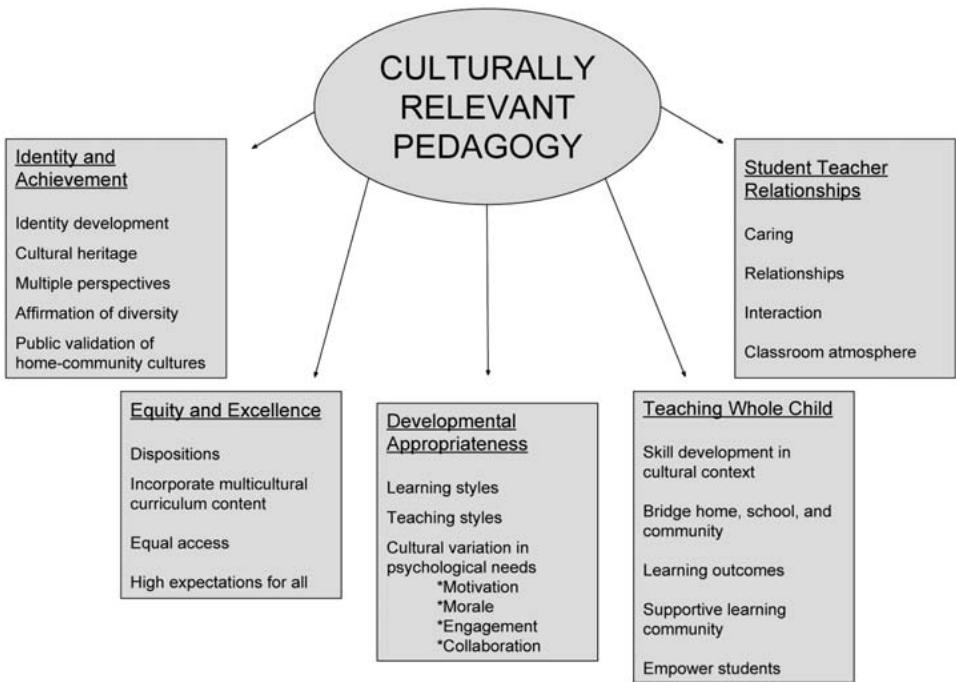
- 页码:21-22
ch07 The Field at Large
- ch07-s1 The Field at Large
- 页码:22-23
ch08 Endnotes
- ch08-s1 Endnotes
- 页码:23-23
ch09 References
- ch09-s1 References
- 页码:24-29
ch01-s1 [描述性拆分] Article Identification and JSTOR Header Material
第1段(P0001)
原文复述
Culturally Responsive Education in Music Education: A Literature Review
中文讲解
这是文章的完整标题。它同时交代了两个关键信息:一是研究主题——将“文化响应式教育”(Culturally Responsive Education)引入音乐教育领域;二是文章体裁——这是一篇“文献综述”(A Literature Review)。标题用冒号将主题与体裁分开,是英文学术文献综述类文章的常见命名惯例。
第2段(P0002)
原文复述
Author(s): Vanessa L. Bond
中文讲解
标识文章作者为 Vanessa L. Bond,使用 Author(s) 的复数形式括号提示原作者可能不止一人,但实际仅列出该一位作者。
第3段(P0003)
原文复述
Source: Contributions to Music Education , Vol. 42 (2017), pp. 153-180
中文讲解
这是文献的来源出处信息。它表明文章发表于期刊《Contributions to Music Education》(《音乐教育贡献》),第 42 卷,出版于 2017 年,页码范围为第 153–180 页。这些信息构成了学术引用的核心书目数据。
第4段(P0004)
原文复述
Published by: Ohio Music Education Association
中文讲解
标注出版方为 Ohio Music Education Association(俄亥俄州音乐教育协会)。这与刊名《Contributions to Music Education》相吻合,表明该期刊由俄亥俄州音乐教育协会主办。
第5段(P0005)
原文复述
Stable URL: https://www.jstor.org/stable/10.2307/26367441
中文讲解
给出文章在 JSTOR 数字档案库中的稳定链接(Stable URL)。该链接是文章的数字对象唯一标识,使用了 JSTOR 的稳定 URL 方案,可在档案库中永久定位本文。
第6段(P0006)
原文复述
REFERENCES
中文讲解
此条目带有“##”前缀,是被收录系统所带有的标题层级标记;去除标记后即“REFERENCES”(参考文献)。它在 JSTOR 的文章封面页中充当分区标题,提示读者下方内容为本文的参考文献列表入口,但本节内并不展开参考文献条目。
补充说明
本节为 JSTOR 提供的文章首页元数据区,并不包含正文段落。
第7段(P0007)
原文复述
Linked references are available on JSTOR for this article:
中文讲解
JSTOR 提示语,告知读者本文的参考文献在 JSTOR 上存在可点击的链接版本。这是 JSTOR 在文章页自动生成的导航说明,旨在引导读者跳转查看引文出处。
第8段(P0008)
原文复述
https://www.jstor.org/stable/10.2307/26367441?seq=1&cid=pdf-
中文讲解
此为参考文献标签页对应的链接片段,承接 P0005 的稳定 URL,并附加了 seq=1&cid=pdf- 参数,指定序列号与 PDF 关联的引文标签视图。
补充说明
本条目与 P0009 拼合构成完整链接。
第9段(P0009)
原文复述
reference#references_tab_contents
中文讲解
URL 的锚点片段,以 LaTeX 转义形式书写,实际内容为 reference#references_tab_contents,其中 #references_tab_contents 指定页面内“参考文献标签内容”区域。
补充说明
该条目与 P0008 拼合形成完整 URL。
第10段(P0010)
原文复述
You may need to log in to JSTOR to access the linked references.
中文讲解
JSTOR 的访问提示,说明查看关联参考文献可能需要登录账号。它明确了参考文献链接的访问权限控制——非登录用户可能仅能浏览摘要。
第11段(P0011)
原文复述
JSTOR is a not-for-profit service that helps scholars, researchers, and students discover, use, and build upon a wide range of content in a trusted digital archive. We use information technology and tools to increase productivity and facilitate new forms of scholarship. For more information about JSTOR, please contact support@jstor.org.
中文讲解
这是 JSTOR 平台的自我介绍文字,附属于每篇文章页脚。它强调三点:JSTOR 的非营利属性、服务对象(学者、研究人员、学生)以及联系方式(support@jstor.org)。这是 JSTOR 的标准宣传文案,并非文章内容。
第12段(P0012)
原文复述
Your use of the JSTOR archive indicates your acceptance of the Terms & Conditions of Use, available at https://about.jstor.org/terms
中文讲解
JSTOR 的使用条款声明,告知用户访问档案即视为接受使用条款,并给出条款详情链接。该声明为标准法律提示,与文章本身观点无关。
第13段(P0013)
原文复述
is collaborating with JSTOR to digitize, preserve and extend ccess to Contributions to Music Education
中文讲解
此句主语因 OCR 或排版缺失而被截断(“is”之前缺少主语),但根据上下文可还原为“Ohio Music Education Association is collaborating with JSTOR…”。文中“ccess”明显为“access”的缺字,应理解为“数字化、保存并扩展对《Contributions to Music Education》的访问”。这是出版方与 JSTOR 之间合作关系的声明。
补充说明
OCR 文本存在两处残缺:句首主语缺失与“ccess”缺首字母“a”。
第14段(P0014)
原文复述
a
中文讲解
此条目仅为单字符“a”,在 JSTOR 封面页的位置通常对应出版方标识或图标旁的孤立字母(也可能为 OCR 残留)。需查看原图确认其具体视觉形式与位置。
补充说明
OCR 可能捕获到版面中的孤立字符,需对照原图确认。
第15段(P0015)
原文复述
JSTOR
中文讲解
此为 JSTOR 品牌名称文字,应为文章页脚中 JSTOR 的标识或链接。需查看原图确认其字体与版式。
第16段(P0016)
原文复述
This content downloaded from 140.182.176.13 on Wed, 12 Aug 2026 12:46:53 UTC All use subject to https://about.jstor.org/terms
中文讲解
JSTOR 自动生成的下载水印信息。它记录了下载源 IP(140.182.176.13)、下载时间(2026 年 8 月 12 日,周三,UTC 时间 12:46:53),并再次提示使用条款链接。这是每次下载 PDF 时由系统附加的元数据,并非文章作者所写。
第17段(P0017)
原文复述
Vanessa L. Bond University of Hartford
中文讲解
这是位于第 2 页的作者署名行,列明作者全名 Vanessa L. Bond 及其所属机构 University of Hartford(哈特福德大学)。该行出现在正文起始页,属于期刊惯用的作者署名格式。
脚注 / 边栏 / 图表 / 附加信息(如有)
本节内容(第 1–2 页)全部为 JSTOR 数字档案库与出版方提供的元数据、链接和水印信息,不含正文段落。其中包含 OCR 残缺两处:P0013 句首主语缺失及“ccess”缺字;P0014 与 P0015 可能对应版面上的孤立字符或品牌标识,需查看原图确认。
💡 本节核心要点
- 本节是文章首页的元数据区,并非正文起始。
- 文章标题为《Culturally Responsive Education in Music Education: A Literature Review》,作者 Vanessa L. Bond 供职于哈特福德大学。
- 文献出处为《Contributions to Music Education》第 42 卷(2017 年),第 153–180 页,由 Ohio Music Education Association 出版。
- 本节附带的 JSTOR 元信息包括稳定 URL、参考文献标签链接、使用条款、下载水印与平台简介,均与文章内容无关。
- P0013 存在 OCR 残缺,主语与“access”一词被截断;P0014、P0015 可能为版面中孤立字符或品牌标识。
🔑 关键术语
- Stable URL:JSTOR 为每篇文章分配的数字对象永久链接,使用“stable + DOI”形式,确保在不同时间访问均能定位到同一资源。
- JSTOR:一个非营利的学术数字档案库,本节中反复出现的 JSTOR 元信息(链接、水印、条款)均来自该平台,并非文章内容。
- REFERENCES:本文参考文献列表区的导航标题。在 JSTOR 文章封面页中它充当分区入口标签,但本节内并不展示具体引文。
- Contributions to Music Education:本文所发表的期刊名,由 Ohio Music Education Association 主办,本节多处引用其作为来源与版权对象。
- Culturally Responsive Education:本文研究主题——一种承认并回应学生文化背景的教育取向,作者将其引入音乐教育领域开展文献综述。
ch02-s1 [描述性拆分] Introduction
第1段(P0018)
原文复述
Culturally Responsive Education in Music Education: A Literature Review
中文讲解
这是全文标题,以井号(#)开头,标识其为一级标题。标题由三层信息构成:核心概念层(‘Culturally Responsive Education’,文化回应性教育)、学科限定层(‘in Music Education’,置于音乐教育领域)和研究形式层(‘A Literature Review’,文献综述)。标题的功能在于:把一个原本属于普通教育领域的概念引入音乐教育的话语场,并预告作者的工作方式是系统梳理现有文献,而非提出原创实证研究或新理论模型。这也为后文P0019中将CRE与音乐教育结合起来的引言段埋下伏笔。
第2段(P0019)
原文复述
Demographic shifts in public school enrollment within the United States necessitate preparing preservice teachers to teach students with backgrounds that differ from their own ethnically, linguistically, racially, and economically. Culturally responsive education (CRE) is a pedagogy used to validate students’ varied experiences, and to teach to and through their strengths. CRE emphasizes high expectations, the formation of cultural competence, and development of a critical consciousness. Although the philosophical principles of culturally responsive education have been addressed in general education literature for over thirty years, the presence of the term culturally responsive education in music education dialogue is a relatively recent phenomenon. The purpose of this literature review was to describe how and for what purposes culturally responsive education has been addressed in music education.
中文讲解
本段是全文的引言段,承担四项功能:交代研究背景、界定核心概念、指出研究空白、声明研究目的。
第一句提出现实驱动力:美国的公立学校在学人口结构正在发生变化(demographic shifts),这意味着职前教师(preservice teachers,即正在接受培养、尚未正式入职的教师)必须做好准备,去教导那些在族裔、语言、种族、经济背景上都与自己不同的学生。’necessitate’一词强调这种准备不是可选项,而是人口结构变化所强制提出的要求;四个并列的差异维度(族裔、语言、种族、经济)提示学生差异是多层面的,不能只从单一角度理解。
第二、三句给出CRE的定义与支柱。第二句把CRE定位为一种教学法(pedagogy),其功能有二:一是’validate students’ varied experiences’,即承认并肯定学生既有经验的合法性;二是’teach to and through their strengths’,即教学既’针对’学生的优势(to)也’借助’学生的优势展开(through),前者关乎目标,后者关乎手段。第三句以’emphasizes’领出CRE的三大支柱:高期待(high expectations)、文化能力的形成(cultural competence)以及批判性意识的发展(critical consciousness),三者共同构成CRE的操作框架。其中’批判性意识’一词意味着让学生能够审视社会中的权力与不公结构,仅有文化知识是不够的。
第四句指出研究的落差:CRE的哲学原理在普通教育(general education)领域已被讨论三十年以上,但作为术语进入音乐教育(music education)的话语是相对晚近的事。这里’dialogue’提示作者关注的是专业话语层面的出现频率与使用方式,而不是任意一篇零散文章;‘relatively recent’为后文具体回顾的时间窗口提供了理由。
第五句以’purpose of this literature review was to describe’明确研究目的:描述CRE在音乐教育中是’如何’被讨论(how,方法与运用方式)和’为何目的’被讨论(for what purposes,作者们引入CRE想要达成什么)。文中使用’describe’而非’evaluate’或’propose’,将本综述任务锁定为描述性工作——只梳理既有文献,不提出新的实证或理论。
整段的论证链条是:人口结构变化(背景)→ 要求职前教师具备跨文化教学能力 → 引入CRE作为对策 → CRE在普通教育有长久根基但在音乐教育中尚为新生 → 因此有必要综述后者中的运用方式与目的。这一段既开篇立题,也为后面小节的检索范围与问题框架奠定基础。
补充说明
‘preservice teachers’指向正在接受培养阶段、尚未正式入职的教师;本段提到他们,是因为人口结构变化最先影响到新教师的培养课程,这也是本综述的应用场景与潜在受众。
脚注 / 边栏 / 图表 / 附加信息(如有)
本节包含一个章节级标题(P0018)和一段正文引言(P0019),无脚注、图表、边栏或图像占位符。
💡 本节核心要点
- 美国公立学校人口的族裔、语言、种族与经济层面的多元性,迫使职前教师培养必须为文化差异教学做好准备。
- CRE被定义为一种既肯定学生既有经验、又’针对’并’借助’学生优势展开教学的教学法。
- CRE的三大支柱为:高期待、文化能力、批判性意识。
- CRE的哲学根基在普通教育领域已逾三十年,但作为术语进入音乐教育话语是相对晚近的现象,存在明显的引入空白。
- 本综述的研究目的被限定为描述性的:梳理CRE在音乐教育中是’如何’被讨论以及’为何目的’被讨论,不提出新的理论或原创实证。
- 本段的论证结构由’背景→概念→落差→目的’四步组成,为后续小节的检索范围和问题框架奠定基础。
🔑 关键术语
- Culturally Responsive Education (CRE):文化回应性教育,一种既肯定学生多元经验、又通过学生优势进行教学的教学法,核心要素包括高期待、文化能力与批判性意识,本综述将其从一个普通教育概念引入音乐教育领域加以考察。
- Preservice teachers:职前教师,指正在接受培养、尚未正式入职的教师;本段指出,正是人口结构的变化对他们的培养提出了应对文化差异的新要求。
- Critical consciousness:批判性意识,指学生能够辨识并反思社会结构中的权力、不公与文化压迫,是CRE超越多元文化知识层面的关键支柱。
- Cultural competence:文化能力,指教师与学生在跨文化情境中有效互动、理解并回应文化差异的能力,是CRE在能力层面的具体培养目标。
- Literature review:文献综述,以系统梳理既有研究为目的的研究形式;本段将本综述的任务限定为’describe how and for what purposes’,因而属于描述性而非建构性的工作。
ch02-s2 [描述性拆分] Demographic Shifts and the Need for Responsive Perspectives
第1段(P0020)
原文复述
Introduction
中文讲解
这是一个二级标题,标志着文章主体论述开始进入引言部分。从标题本身来看,它承担的是结构信号的功能,告知读者:接下来出现的段落将不再属于前置性的元数据或下载声明,而是作者开始正面陈述研究背景、动机与目的的正文区域。本节被命名为"Demographic Shifts and the Need for Responsive Perspectives"(人口结构变迁与回应性视角的必要性),因此该标题开启了作者对音乐教育领域多元化诉求的论证脉络:先交代人口与师资的现实落差,再推导出回应性视角的必要性。
补充说明
在学术文本中,二级标题通常与上一级标题共同构成章节层级。本节的小节标题已由section标题给出,本段作为更小的结构标记,仅起开启正文之用,无需补充额外信息。
第2段(P0021)
原文复述
The demographics of public school enrollment continue to shift in the United States. The percentage distribution of students enrolled in public schools has changed across racial/ethnic groups, and the number of English language learners and children living in poverty has increased in the past 20 years (National Center for Education Statistics [NCES], 2014). For teacher educators, these statistics alert us to the challenge of preparing a population of teachers to effectively teach students with backgrounds that differ from their own ethnically, linguistically, racially, and economically. The majority of music teachers, as well as those in other subjects, are White, middle class, monolingual English speaking, female, and from small towns or suburban areas (Benham, 2003; Dekaney & Robinson, 2014; Howard, 2003; Kindall-Smith, McKoy, & Mills, 2011; Villegas & Lucas, 2007). Perhaps as a result of the relatively homogenous population of music educators, an Eurocentric perspective continues to dominate curriculum, pedagogy, and the general climate of music education in the United States (Johnson, 2004; Kindall-Smith et al., 2011).
中文讲解
本段是引言部分的事实基础段落,承担三重功能:第一,用NCES 2014的数据指出美国公立学校学生群体在族裔、英语学习者(ELL)数量和贫困儿童比例三个维度上发生的变化,并以"过去20年"明确时间范围;第二,揭示学生群体与教师群体之间的结构性差异——教师以白人、中产、单语英语、女性、小镇或郊区背景为主,而学生则日益多元化,这构成了教师培养的核心挑战;第三,承接前两句,建立因果关联(作者用"或许正因为"Perhaps as a result of这一推测性措辞),指出教师群体的相对同质性可能与音乐教育中欧式中心视角持续主导课程、教学法与整体氛围相关。作者在此处的论证逻辑是:学生多元化(事实)→教师同质化(事实)→两者落差形成教学挑战(推论)→欧式中心视角的主导是这一挑战的体现(推测性因果)。需要注意的关键限定是,欧式中心与教师同质性的关联是"或许"的结果,而非确证,这为后文提出替代视角保留了论证空间。
补充说明
本段引用的NCES 2014、Braham 2003等多位学者的文献构成了第一层证据基础。文中"ethnic, linguistic, racial, and economically"四个修饰语精确地框定了差异的维度,与后文Brown-Jeffy & Cooper的多元文化清单形成呼应;“monolingual English speaking"特指单一英语使用者,与ELL的增长形成对照。无需补充原文未涉及的外部信息。
第3段(P0022)
原文复述
This content downloaded from 140.182.176.13 on Wed, 12 Aug 2026 12:46:53 UTC All use subject to https://about.jstor.org/terms
中文讲解
这是JSTOR数字图书馆在每页底部自动插入的下载与使用声明,属于版面性元数据,并非作者撰写的正文内容。其作用仅限于告知读者该文来自JSTOR存档、注明下载时间,并提醒使用须遵守JSTOR的服务条款。在文本分析层面,该信息不具备论证功能,仅作为页脚标识存在。
第4段(P0023)
原文复述
As the population in American schools continues to diversify (projections indicate as such), a responsive perspective is necessary in order to adapt instruction to meet the needs, expectations, and norms of cultures outside of one’s own (Benham, 2003). Currently, the music education field generally operates under the assumptions of the Western European tradition with acceptance of a monolithic canon, narrow definition of artistic beauty, a focus on notational literacy, and Eurocentric views of the roles of musicians (i.e., composer, performer, listener) and their place in a hierarchy of importance (i.e., composer is primary) (Johnson, 2004). These assumptions are not universal to the cultures present in today’s classrooms, particularly when one considers the many facets of culture that can exist for an individual.
中文讲解
本段从事实陈述推进到规范判断,是论证的关键转折。它做了三件事:首先用"人口多样化趋势有预测支持"作为承接,从P0021的既成事实延伸到未来趋势;其次提出回应性视角(responsive perspective)的必要性,目的是让教学适应本文化之外的需求、期望和规范;最后具体列举当前音乐教育领域的欧式中心假设:单一的经典曲目(monolithic canon)、对艺术美的狭隘定义、对识谱能力的强调,以及音乐家角色(作曲者、表演者、听者)的等级排序(作曲者为首位)。作者用"generally operates under"表明这是领域普遍运作的底层假设,用"not universal"强调这些假设并非跨文化普适,论证的关键是:欧式传统的具体内容(曲目、美学、识谱、角色等级)并非中性或普遍的标准,而是特定文化选择的产物,因此当课堂文化多元时,这些假设就需要被重新审视。这一段建立了"问题—必要性"的论证结构,为后文引入"文化回应性教育"这一解决方案铺垫。
补充说明
段中"monolithic canon"指单一化的经典曲目体系,与多元音乐文化形成对照;“notational literacy"特指以乐谱读写为核心的音乐能力,区别于口传、即兴等其他音乐传承方式;作曲家—表演者—听者的等级排序揭示了音乐实践内部的价值分层。这些概念在Johnson (2004)等文献中有专门讨论,但本输入未提供其具体内容,故仅作上下文功能说明。
第5段(P0024)
原文复述
Language, behavioral expressions, interpretations of actions, and societal expectations are all culturally borne and implemented. Culture includes ethnicity and race, as well as gender, class, language, region, religion, exceptionality, and other diversities that help to define individuals. Participating as a member of these microcultures makes each individual a multicultural being. (Brown-Jeffy & Cooper, 2011, p. 72)
中文讲解
本段是Brown-Jeffy与Cooper 2011年著作第72页的直接引文,在论证中承担"文化概念定义"的功能,为前一段对欧式中心假设的批判提供理论支点。引文的核心主张有三层:第一,“文化"不只停留在族群与种族层面,而是渗透到语言、行为表达、动作解读与社会期望等日常层面(即"culturally borne and implemented”,文化的承载与执行属性);第二,文化是一个多维范畴,包含性别、阶级、语言、地域、宗教、特殊需要(exceptionality)及其他差异维度;第三,正因为每个人同时属于多个微观文化群体(microcultures),每个个体本质上是多元文化的存在(multicultural being)。作者之所以引入此引文,是为了反驳前段暗含的"课堂中存在一种主流文化+若干少数文化"的二元假设,转而建立一个更复杂的前提:如果每个人本身已是多元文化的,那么"回应性"教学的施与受双方都并非铁板一块,这与后文倡导"文化回应性教育"的逻辑直接相连。
补充说明
段中"exceptionality"在美国教育语境中通常指特殊教育需要或身心差异;“microcultures”(微观文化)强调亚群体层面的文化归属,与宏观的族群文化概念相对。两者均依据本段上下文功能说明,不引入原文未提供的信息。
第6段(P0025)
原文复述
In recognition of the multicultural presence across and within the students enrolled in schools in the United States, a critique of the modus operandi within music education has emerged. Scholars have urged us to reevaluate traditional structures (e.g., Allsup & Shieh, 2012; Williams, 2011), problematize issues of exclusion and inclusion (e.g., DeLorenzo, 2012; Palkki, 2015), expand beyond Eurocentric views and teaching strategies that prioritize one way of musical knowing (e.g., Benedict, 2012; Johnson, 2004), and consider issues of social justice (e.g., Benedict, Schmidt, Spruce, & Woodford, 2015; Bowman, 2007; Gould, 2007). Culturally responsive education is found at one of the intersections of this conversation. Seen with greater frequency in publication and presentation in the past ten years, culturally responsive education is a significant theme in music education dialogue. However, an investigation of how and for what purposes culturally responsive education (and its connected terms) has been adopted in the literature has yet to surface. The purpose of this literature review was to describe how and for what purposes culturally responsive education has been addressed in music education.
中文讲解
本段是引言的收束段落,承担"文献综述必要性论证+研究目的陈述"的双重功能。逻辑上分为四步:第一步,以P0024的多元文化存在为前提,指出音乐教育领域内部已出现针对既有运作方式(modus operandi)的批判;第二步,用并列的文献群归纳出批判的四个方向——重新评估传统结构(Allsup & Shieh, 2012; Williams, 2011)、将排斥与包容议题问题化(DeLorenzo, 2012; Palkki, 2015)、超越单一音乐认知方式(Benedict, 2012; Johnson, 2004)、引入社会正义议题(Benedict等, 2015; Bowman, 2007; Gould, 2007);第三步,定位"文化回应性教育"是上述对话的交汇点之一,并指出该议题在过去十年中在出版物与会议中出现的频率显著上升;第四步,识别文献空白——尚无研究系统考察文化回应性教育(及其相关术语)在音乐教育文献中是如何被采纳、出于何种目的被采纳的,由此引出本文献综述的目的:描述文化回应性教育在音乐教育中是如何被论述以及为何被论述的。理解这段的关键是把握"问题化—交汇点—空白—目的"的论证节奏:作者不是简单呼吁变革,而是通过揭示已有批判与现有研究之间的差距,为自己的文献综述确立合法性。
补充说明
段中"modus operandi"为拉丁语借词,意为运作方式或工作方式,作者借此强调批判的对象是音乐教育领域的整体运作惯性,而非单一教学方法。“connected terms"提示文化回应性教育与多元文化音乐教育、反偏见教育等概念存在语义关联,但本段未具体展开这些术语,故仅作功能性说明。
第7段(P0026)
原文复述
This content downloaded from 140.182.176.13 on Wed, 12 Aug 2026 12:46:53 UTC All use subject to https://about.jstor.org/terms
中文讲解
这是JSTOR在第三页底部再次出现的下载与使用声明,与P0022性质完全一致,属于平台自动生成的页脚信息,不构成作者论证内容,仅作为页面标识。
脚注 / 边栏 / 图表 / 附加信息(如有)
本节包含两处JSTOR下载声明(P0022与P0026),分别位于第2页和第3页底部,是数字存档自动插入的版面元数据,不影响正文论证。本节无脚注、图表或边栏内容。引文中唯一明确标注页码的是P0024的Brown-Jeffy & Cooper (2011, p. 72),作为对"文化"概念的权威定义支撑。
💡 本节核心要点
- 美国公立学校学生群体在族裔、英语学习者比例和贫困儿童三个维度上发生结构性变化,而音乐教师群体仍以白人、中产、单语英语、女性、小镇或郊区背景为主,两者形成落差。
- 教师群体的相对同质性被作者推测为音乐教育中欧式中心视角持续主导课程、教学法与整体氛围的可能原因,该因果关联以"或许"措辞呈现,留有论证余地。
- 作者列举了当前音乐教育领域的欧式中心假设——单一经典曲目、狭隘的艺术美定义、识谱中心主义、音乐家角色的等级排序——并指出这些并非跨文化普适,构成教学适应的障碍。
- 通过Brown-Jeffy与Cooper的定义,作者将文化从族群与种族扩展为涵盖性别、阶级、语言、地域、宗教、特殊需要等多维范畴,并强调每个个体因同时归属多个微观文化而本质上是多元文化的存在。
- 音乐教育领域已形成四股相互交叉的批判潮流:重新评估传统结构、将排斥与包容问题化、超越单一音乐认知方式、引入社会正义议题,文化回应性教育位于这些潮流的交汇点。
- 作者识别出一个具体的文献空白:尚无研究系统考察文化回应性教育在音乐教育文献中"如何"及"为何"被采纳,由此确立了本文献综述的目的。
🔑 关键术语
- Eurocentric perspective:指以西欧传统音乐审美、曲目与教学法为标准主导音乐教育课程、教学与整体氛围的视角;本节将其作为需要被超越的既有运作方式提出。
- Responsive perspective:指能够调整教学以适应本文化之外的需求、期望与规范的视角;本节将其作为应对学生群体多元化的规范性主张提出。
- Monolithic canon:指被单一化的经典曲目体系;本节将其列为音乐教育领域欧式中心假设的具体表现之一,与多元音乐文化形成对照。
- Microcultures:指个人同时归属的多个亚群体文化(如性别、阶级、地域、宗教等层面的归属);本节借Brown-Jeffy与Cooper的定义说明每个个体本质上是多元文化的存在。
- Culturally responsive education:指文化回应性教育,是本文献综述的核心研究对象;本节将其定位为音乐教育多元批判潮流的交汇点之一,并指出其在过去十年出版物与会议中出现频率显著上升。
- Modus operandi:拉丁语借词,意为运作方式;本节用以指代音乐教育领域被批判的整体运作惯性,区别于单一教学方法。
ch03-s1 [描述性拆分] Culturally Responsive Education: A Definition and Framework
第1段(P0027)
原文复述
Culturally Responsive Education: A Definition and Framework
中文讲解
本句是本章第一节的标题,提示本节的核心任务:为"文化回应性教育”(Culturally Responsive Education, CRE)给出一个明确的概念定义,并搭建一个可用的分析框架。它不是论述性段落,而是一个章节标牌,宣告作者下面要回答的是"它是什么”(定义层面)和"由哪些要素构成”(框架层面)这两个问题。读者可以从标题预判:本节会先追溯术语来源(definition),再拆解关键维度(framework)。对没有读过前文的读者来说,这个标题也是整章定位的入口——把文化回应性教育从模糊的口号转化为有内部结构的教学实践取向。
第2段(P0028)
原文复述
The cultural match or mismatch between school and home cultures has been a topic of interest to education scholars for over thirty years. First examined in the anthropology-of-education literature (Brown-Jeffy & Cooper, 2011), what is associated with culturally relevant pedagogy (Ladson-Billings, 1995a) or culturally responsive teaching (Gay, 2000) today was expressed through many labels, including culturally appropriate (Au & Jordan, 1981), mitigating cultural discontinuity (Macias, 1987), and culturally compatible (Jordan, 1985). The term culturally relevant pedagogy emerged in the educational dialogue in the mid-1990s and was most notably articulated by Gloria Ladson-Billings (1995a, 1995b) who is credited with coining the term. She defined culturally relevant pedagogy as:
中文讲解
这一段在为后面的定义做"知识谱系"的铺垫。它先点出一个已存在三十多年的研究问题——学校文化与家庭文化之间的契合或断裂——然后说明:今天大家熟悉的"文化相关性教学法"和"文化回应性教学"并不是凭空出现的,而是多年来用多种名称表达过的同一种关怀,包括 Au & Jordan(1981)的 culturally appropriate、Macias(1987)的 mitigating cultural discontinuity、Jordan(1985)的 culturally compatible。段末把术语正式定格到 Ladson-Billings 1995 年的表述上:culturally relevant pedagogy 一词在 1990 年代中期进入教育对话,由她(1995a, 1995b)最明确地阐述出来并被普遍视为该词的创造者。理解这段的关键有三:(1)术语虽多,但所指相近,作者用"labels"而非"competing theories"来描述它们,说明这是同一传统的不同命名;(2)作者选 Ladson-Billings 作为锚点,是因为她的定义后续成了该领域的标准参照;(3)段末用一个冒号收尾,明确告诉读者:下面的 P0029 就是她给出的定义原文。
补充说明
段中所有引文标注(Brown-Jeffy & Cooper, 2011; Ladson-Billings, 1995a; Gay, 2000; Au & Jordan, 1981; Macias, 1987; Jordan, 1985; Ladson-Billings, 1995a, 1995b)均为作者本段提供的出处信息,未补充任何外部信息。
第3段(P0029)
原文复述
a pedagogy of opposition not unlike critical pedagogy but specifically committed to collective, not merely individual, empowerment. Culturally relevant pedagogy rests on three criteria or propositions: (a) Students must experience academic success; (b) students must develop and/or maintain cultural competence; and (c) students must develop a critical consciousness through which they challenge the status quo of the current social order. (1995a, p. 160)
中文讲解
这是 Ladson-Billings 对 culturally relevant pedagogy 的原始定义,由作者直接引用(1995a, p. 160)。它包含两层信息。性质层面:它把这种教学法界定为一种"对抗性"(pedagogy of opposition)的取向,与批判教育学(critical pedagogy)有相通之处,但存在关键差别——它的承诺是集体的(collective)赋权,而不仅仅是个体的(individual)赋权。这是个不能忽略的限定:仅仅让个别学生成功是不够的,必须改变学生所属群体的处境。结构层面:定义给出三条标准或命题——(a)学生必须体验到学业成功;(b)学生必须形成和/或维持文化胜任力(cultural competence);(c)学生必须发展出一种批判意识,使他们能够挑战现存社会秩序的既定结构(status quo)。这三条标准是后续讨论的骨架,理解时要注意它们是同时成立、缺一不可的整体:学业成绩解决"学术合法性",文化胜任力解决"文化认同",批判意识解决"社会变革"。作者把这段定义原文化照搬,意在让读者掌握这条被广泛沿用的标准表述。
第4段(P0030)
原文复述
More succinctly, this pedagogy emphasizes high expectations, the formation of cultural competence,1 and development of a critical consciousness (Morrison, Robbins, & Rose, 2008).
中文讲解
这一句是前一段 Ladson-Billings 三条标准的浓缩版,作者换用 Morrison、Robbins 与 Rose(2008)的概括来重述同一框架,把它压缩为三个短语:高期望(high expectations)、文化胜任力的形成(formation of cultural competence)、批判意识的发展(development of a critical consciousness)。这样做的教学意义在于:让读者看到 Ladson-Billings 1995 年的三命题如何在后续文献中被简化为更便于记忆的口号式表述。要注意第一项的措辞变化——Ladson-Billings 原文写的是 students must experience academic success(学业成功),这里改写为 high expectations(高期望),意涵并不完全等同:前者强调"学生在结果上获得成功",后者强调"教师对学生的期待水平";这两者密切相关但并不相同,读者在后续讨论中需要留意作者是在谈"结果"还是"期待"。句末文化胜任力后附有脚注标注 1,提示下文有关于这一术语的进一步说明或限定。
补充说明
句末"cultural competence"后的上标"1"对应本节(页 4)一条未在 P0027–P0032 范围内展开的脚注,本任务输入未提供该脚注正文,因此此处只能说明存在一条脚注标记,不能补写其内容。
第5段(P0031)
原文复述
Also known as culturally responsive teaching (Gay, 2000/2010), this pedagogy is validating, emancipatory, and comprehensive. In recognizing each student’s cultural and social capital, one is able to validate students’ backgrounds and empower them to promote their experiences as a resource. As a constructivist practice, learning, therefore, becomes an emancipatory process that frees students from the notion that a particular kind of cultural capital is worth having; difference does not equal deficit. This is not to say that knowledge of macro-level culture is unnecessary; rather, that “there is a way to introduce the mainstream that does not erode the childs appreciation of his or her own culture” (Brown-Jeffy & Cooper, 2011, p. 68). Alongside maintaining one’s culture while learning to navigate school culture, educators must also address the “insidious undercurrent of power and privilege [that] lies behind the immense differences in educational achievement among students of diverse backgrounds” (Nieto, 1999, p. 46). To address inequalities in education due to power and privilege, CRE must also be comprehensive (Gay, 2000/2010) in creating systemic change in policies and practices, not just curriculum, in order to foster conditions of learning for all students (Nieto, 1999).
中文讲解
这是本节最长的段落,在 Ladson-Billings 三条标准之上,进一步引入 Geneva Gay 的另一并列称谓(culturally responsive teaching),并把该取向总结为三个属性:validating(确认性的)、emancipatory(解放性的)、comprehensive(综合性的)。下面逐层拆开来讲。“确认性"指的是:承认每个学生都携带文化资本与社会资本(cultural and social capital),由此赋予学生的家庭背景以正当性,把它转化为学习的资源。“解放性"则把它放到建构主义(constructivist practice)的逻辑下:学习由此成为一种把学生从"只有某一种文化资本才算数"这种观念中解放出来的过程。句中"difference does not equal deficit”(差异不等于缺陷)这句话是该取向的标志性口号,必须正确理解:它不是说所有学生表现都一样,也不是要求无视主流文化,而是要否定"差异 = 缺陷"这层等号。第三句用让步结构划清界限——这并不等于说宏观层面(macro-level)的文化知识无须学习,而是强调:引入主流文化的方式,不能以侵蚀儿童对自身文化的认同为代价,这正是 Brown-Jeffy & Cooper(2011, p. 68)的引文原意。紧接着作者把视野抬高一档,借 Nieto(1999, p. 46)指出:不同背景学生在学业成就上的巨大差距背后,还有"权力与特权的暗流”(insidious undercurrent of power and privilege)在起作用。最后,作者据此推出第三个属性——综合性(comprehensive):CRE 要回应这种由权力与特权造成的不平等,就必须在政策与实践层面推动系统性变革(systemic change),而不仅仅停留在课程层面(not just curriculum),从而为所有学生营造学习条件。这一句呼应了开篇第(c)条标准中的"挑战现存秩序",并把抽象命题落到实处:系统变革是批判意识在制度上的延伸。
补充说明
段中所有括号内的出处标注(Gay, 2000/2010; Brown-Jeffy & Cooper, 2011, p. 68; Nieto, 1999, p. 46; Nieto, 1999)以及关键短语(cultural and social capital、constructivist practice、difference does not equal deficit、insidious undercurrent of power and privilege、systemic change)均来自本段原文,未引入其他外部解释。
第6段(P0032)
原文复述
This content downloaded from 140.182.176.13 on Wed, 12 Aug 2026 12:46:53 UTC All use subject to https://about.jstor.org/terms
中文讲解
这是该页的 JSTOR 平台页脚:左侧说明文本下载来源 IP 与下载时间(UTC 时间 2026 年 8 月 12 日 12:46:53),右侧给出 JSTOR 使用条款的链接说明。它属于平台自动添加的版式信息,与本章论证内容无关,阅读时可忽略,但引文规范上仍需照录以忠实保留页面结构。
脚注 / 边栏 / 图表 / 附加信息(如有)
本小节范围内出现的非正文材料仅有:(1)P0030 中"cultural competence"后附上标"1"的脚注标记,指向本节内一条未在 P0027–P0032 段落正文中展开的脚注,输入未提供其正文内容,故此处仅说明存在该脚注标记;(2)P0032 为 JSTOR 平台自动生成的下载与版权页脚,含下载来源 IP(140.182.176.13)、UTC 下载时间(2026-08-12 12:46:53)以及 JSTOR 使用条款链接说明,与本节论证无关。P0027 为章节小节标题。除上述外,本小节无其他图表、边栏或附录类附加材料。
💡 本节核心要点
- 文化回应性教育(CRE)是同一传统的多种命名之一,其正式术语 culturally relevant pedagogy 由 Ladson-Billings 在 1990 年代中期明确提出并被广泛采纳。
- Ladson-Billings 的原始定义同时强调三件事:学生体验学业成功、学生形成或维持文化胜任力、学生发展出能挑战现存社会秩序的批判意识,三者缺一不可,且承诺的是集体而非仅是个体的赋权。
- Morrison 等(2008)将上述三命题浓缩为"高期望、文化胜任力、批判意识"三个关键词,其中"高期望"对应学业成功维度,但措辞已从"结果"转向"期待"。
- 在 Gay 框架下,CRE 还具有三个补充属性:validating(确认学生文化与社会资本,把背景转化为资源)、emancipatory(以建构主义为载体,让学生从"只有一种文化资本才有价值"的观念中解放出来)、comprehensive(不仅改课程,还要推动政策与实践层面的系统性变革)。
- “difference does not equal deficit"是该取向的核心口号:差异不等于缺陷,但作者也明确澄清,这并不否定主流文化知识的必要性,而是要求引入主流的方式不以侵蚀学生自身文化认同为代价。
- CRE 不仅要回应文化差异,还必须回应 Nieto 所指出的"权力与特权的暗流"背后的结构性不平等,因此其综合性要求延伸至制度层面的系统变革。
🔑 关键术语
- Culturally Relevant Pedagogy / Culturally Responsive Education (CRE):中文常译为"文化相关性教学法"或"文化回应性教育”。本节中指 Ladson-Billings(1995a, 1995b)正式命名的教学取向,亦即 Gay(2000/2010)所称的 culturally responsive teaching,作者把两者视作同一传统的近义称谓。其核心承诺是对抗性的、面向集体赋权的教学实践。
- Cultural Competence(文化胜任力):Ladson-Billings 三条标准中的第二条,指学生形成并维持对自己所属文化的理解、认同与表达能力。在本节中,它既是个体层面的文化自信,也是教学中可被动员为学习资源的文化资本。段中标有上标"1"的脚注,但脚注正文不在输入范围内。
- Critical Consciousness(批判意识):Ladson-Billings 三条标准中的第三条,指学生发展出用以观察和挑战现存社会秩序(status quo)的意识。在本节中,它把教学与制度层面的不平等联系起来,是 CRE 从课堂走向系统性变革的桥梁。
- Cultural and Social Capital(文化与社会资本):本节中指学生从家庭与社区带入学校的文化资源与社会资源。CRE 的 validating 维度强调承认这些资本,并通过教学把它们转化为学习资源,而非视为需要弥补的缺陷。
- “Difference Does Not Equal Deficit”(差异不等于缺陷):本节中的标志性命题,用以否定"文化差异 = 学习缺陷"的等号。作者强调这一立场并不取消主流文化知识的学习,只是要求以不侵蚀学生自身文化的方式引入主流。
- Comprehensive / Systemic Change(综合性 / 系统性变革):本节中 Gay 与 Nieto 共同强调的属性。指 CRE 要回应权力与特权造成的不平等,不能只停留在课程层面,而必须在政策与实践层面推动系统性变革,为所有学生营造学习条件。
ch03-s2 [描述性拆分] Emergence of CRE in Music Education and the Critical Race Theory Extension
第1段(P0033)
原文复述
The term culturally responsive teaching, or its associated terms that are grouped under the umbrella term culturally responsive education (CRE) in this review, has only started to become commonplace in the field of music education in the past few years. Although the term originated twenty years ago in the general education literature, mention of any variant of CRE did not begin to emerge in music education until the mid 2000s. Whereas CRE was an outgrowth of multicultural education (Kindall-Smith, 2006) in the general education field and was developed from studies of teachers working with African-American students (Robinson, 2006), the theory and application of CRE in music education surfaced in connection to the need for developing strategies to work with urban populations. Although many music educators still have a limited understanding of CRE and are not successfully implementing relevant experiences in their classrooms (Dekaney & Robinson, 2014), a discussion of CRE is found in best practices articles, empirical research studies, and in keynote speeches of professional conferences (e.g., Society for Music Teacher Education Symposium, the Mountain Lake Colloquium). Authors participating in the CRE discussion in music education often refer to the work of Ladson-Billings, Gay, and Nieto; hence, I have referenced their work in this review to provide not only a basic context for CRE in general, but also context for how it is presented in music education. A discussion of the disruptions, challenges, or extensions to the CRE narrative is emerging in general education literature, but appears to be rare, at present, in music education.
中文讲解
本段交代了“文化响应式教育”(Culturally Responsive Education,下文统称 CRE)这一术语在音乐教育领域的兴起时间、来源脉络以及当前的应用状态,是整个小节的“来历说明”。
需要重点理解的几个判断:
-
概念范围的人为约定:作者明确表示,在本综述中,他把“culturally responsive teaching”以及与之关联的若干术语统一归入“文化响应式教育(CRE)”这一伞形概念之下。这意味着后文中出现的 culturally responsive teaching、culturally relevant pedagogy、culturally responsive pedagogy 等说法都会被当作同一谱系来讨论,读者不应被术语差异所干扰。
-
时间差:CRE 在普通教育文献中约二十年前就已出现,但直到 2000 年代中期才进入音乐教育领域。这说明音乐教育界在引入外来教育理论时存在明显的“延迟采纳”特征,作者暗示这种延迟本身就值得反思。
-
两个领域的不同生长路径:CRE 在普通教育领域源自多元文化教育(multicultural education),并基于与非裔美国学生打交道的教师研究而发展起来;但在音乐教育领域,它却是为了回应“与城市人口(urban populations)共事”的现实需要而浮现。这里出现了两个重要差异——理论基础不同(多元文化教育 vs. 城市教学实践)和服务对象不同(少数族裔学生 vs. 城市学生)。作者用 Whereas… 这一对照句式把这种差异点明,暗示音乐教育中的 CRE 讨论可能缺少对种族议题的深入关注,这恰恰为下一段引入批判种族理论埋下伏笔。
-
当前实施现状的判断:作者引用 Dekaney & Robinson (2014),指出许多音乐教师对 CRE 理解有限,并未真正在课堂中落实相关经验;但 CRE 的讨论已经出现在最佳实践文章、实证研究和专业会议主旨演讲中。这是“讨论热度大于实践深度”的典型学术现象——话题已经在学界走热,但一线课堂尚未跟上。
-
三位奠基学者:Ladson-Billings、Gay 和 Nieto 是 CRE 讨论中被频繁援引的源头作者。作者明确表示将引用他们的著作,以便为读者提供 CRE 的一般背景以及它在音乐教育中是如何被呈现的。
-
本段的论证落点:最后一句是整段的真正重心。作者指出,对 CRE 叙事进行“打断、挑战或延伸”的讨论在普通教育文献中正在出现,但在音乐教育中目前仍然罕见。这一判断是本小节论证的引擎——正是因为音乐教育界缺少这种批判性延伸,作者才有必要把 Brown-Jeffy 和 Cooper 的工作引入进来。
补充说明
本段脚注和引用中提到的 Kindall-Smith (2006)、Robinson (2006)、Dekaney & Robinson (2014) 仅作为支持作者论断的来源被点名,未在段内展开论述;Mountain Lake Colloquium 与 Society for Music Teacher Education Symposium 两个会议名称是作者用来证明“CRE 讨论已进入主流学术场合”的具体例子。
第2段(P0034)
原文复述
An example of work that does extend the narrative in general education is found in Brown-Jeffy and Cooper (2011). Brown-Jeffy and Cooper argued that because CRE focuses on culture, and does not explicitly problematize race, the dialogue would be broadened by an examination of CRE through the lens of critical race theory. An outgrowth of the critical legal studies movement, critical race theory stems from the recognition of racism as “enmeshed in the fabric of our social order” to the extent that “it appears both normal and natural to people in this culture” (Ladson-Billings, 1998, p. 11). Critical race theory is used as a tool to reveal the inequities that are maintained by the preservation of “the hegemonic practices of White supremacy as masked by a carefully (re)produced system of meritocracy” (Brown-Jeffy & Cooper, 2011, p. 70). Although connections can be made to the philosophical underpinnings of CRE, as Brown-Jeffy and Cooper stated, the pedagogy “does not question or critically examine the structures that feed into the cultural incongruence perspective. This is where critical race theory updates the [culturally responsive pedagogy] framework” (p. 71). By exposing structures and practices that marginalize certain groups through use of critical race theory, one can embrace CRE in a manner in which “the centrality of race to
中文讲解
本段是本小节的论证核心,引入 Brown-Jeffy 与 Cooper (2011) 的工作来展示如何用批判种族理论(critical race theory,下文简称 CRT)延伸 CRE 的讨论。需要拆解三层逻辑:
-
延伸的必要性:Brown-Jeffy 和 Cooper 的论点是——CRE 关注“culture”(文化),但没有明确把“race”(种族)作为问题化(problematize)的对象。这两者听上去相近,实际上差别巨大:文化可以指饮食习惯、方言、节庆等表层特征,而种族则指向结构性、制度性的不平等。Brown-Jeffy 和 Cooper 因此主张,把 CRE 放在 CRT 的透镜下检视,才能真正拓宽对话。
-
CRT 的理论定位:作者给出 CRT 的两条关键信息——它源自批判法学运动(critical legal studies movement),并且建立在 Ladson-Billings (1998) 对种族主义的著名定义之上:种族主义已经“交织在我们的社会秩序之中”(enmeshed in the fabric of our social order),以至于“对这一文化中的人而言它显得既正常又自然”。这两句引文的作用是把种族主义从“个人偏见”重新定位为“结构性常态”,从而为后续把 CRE 与结构性种族主义挂钩奠定基础。
-
CRT 究竟如何更新 CRE:作者引用 Brown-Jeffy 和 Cooper 的关键判断:CRE 与 CRT 的哲学基础虽可相通,但 CRE “并不追问或批判性地检视那些滋生出文化错位视角(cultural incongruence perspective)的结构性原因”。换句话说,CRE 只看到学生与课堂之间的“文化不匹配”,但不去追究这种不匹配背后是谁、通过什么制度在维系。于是 CRT 的介入就成为“框架更新(updates the framework)”的关键动作——它把分析对象从“文化差异”转向“权力结构”。本段在末尾的引文被截断(“the centrality of race to”),下一段续接。
补充说明
本段中三处直接引文分别承担不同功能:Ladson-Billings (1998) 引文给出种族主义的定义;Brown-Jeffy & Cooper (2011, p. 70) 引文说明 CRT 的工具性用途;同作者 p. 71 引文则明确指出 CRE 的盲点以及 CRT 的更新作用。读者应留意三处引文是层层递进的。段末截断的引文将在下一段续完,因此本段的判断必须与 P0036 合并阅读才能完整。
第3段(P0035)
原文复述
This content downloaded from 140.182.176.13 on Wed, 12 Aug 2026 12:46:53 UTC All use subject to https://about.jstor.org/terms
中文讲解
本段是 JSTOR 数据库自动生成的标准使用声明(下载来源 IP、下载时间戳 UTC、使用条款链接),属于页面元信息,并非正文论证。它出现在正文中是因为扫描或 PDF 转换过程中未能自动剔除,但其中不含学术观点,不影响 P0034 与 P0036 之间论证的连贯性。
第4段(P0036)
原文复述
American culture is acknowledged” (p. 71). Therefore, Brown-Jeffy and Cooper used the work of Gay (1994, 2000), Ladson-Billings (1994), and Nieto (1999) to develop a conceptual framework of CRE that incorporates the tenets of critical race theory to underscore the significance of race and racism in discussion of American culture (see Figure 1).
中文讲解
本段承接 P0034 末尾被截断的引文,完成了那句话——“在美国文化中种族的核心地位被承认(the centrality of race to American culture is acknowledged)”。这个补全很关键:它把 CRT 介入 CRE 之后所达到的目标说清楚了——不只是补充一个变量,而是要求承认“race 是美国文化的核心要素”这一根本判断。
随后作者给出 Brown-Jeffy 和 Cooper 的具体做法:他们综合了 Gay (1994, 2000)、Ladson-Billings (1994) 和 Nieto (1999) 三位学者的既有成果,开发出一套融合 CRT 要义的 CRE 概念框架(conceptual framework),目的就是在关于美国文化的讨论中凸显种族与种族主义的意义。括号中的“see Figure 1”提示读者去查看紧随其后的图 1,即该概念框架的可视化呈现。
因此 P0034—P0036 三段实际上构成一个完整的论证单元:先指出 CRE 缺少对 race 的关注,再借 CRT 补足这一空白,最后用 Brown-Jeffy 与 Cooper 的概念框架作为示范,并配以图示说明。
补充说明
本段将 Brown-Jeffy 与 Cooper 综合性工作的源头作者与上一段出现的 Ladson-Billings (1998) 区分开:1994 年与 1998 年两本著作在 CRE 文献中常被同时引用,但前者偏教学法与课堂层面,后者偏理论定义层面,读者应注意年份与论点对应。
第5段(P0037)
原文复述
中文讲解
本段是图 1 的图注(caption),属于图像占位条目,原始图像数据在当前输入中已省略,仅保留图注文字与位置标记。
从图注可确认的信息如下:图 1 名为“文化响应式教学法(culturally relevant pedagogy)原则的概念框架”,由 Brown-Jeffy 和 Cooper 在 2011 年发表于《Teacher Education Quarterly》第 38 卷第 72 页,原题为《Toward a Conceptual Framework of Culturally Relevant Pedagogy: An Overview of the Conceptual and Theoretical Literature》。版权由 California Council on Teacher Education 于 2011 年持有,作者在本综述中将其“recreated”(再制/重绘)后加以引用。
从论证功能上看,这幅图是 P0036 中提到的那个“incorporates the tenets of critical race theory”的概念框架的可视化呈现,是把抽象理论主张转化为读者可以一眼把握的图示。需查看原图才能确认框架中具体的方框、连线与原则条目;当前输入未提供这些视觉细节,故不应进行猜测。
补充说明
图注中“Recreated from”一词提示作者并非直接复制原图,而是按其结构进行了重新绘制;这一点对学术引用规范有意义。
脚注 / 边栏 / 图表 / 附加信息(如有)
本小节包含两处非正文材料:
- P0035 是 JSTOR 自动生成的使用声明(下载时间戳 UTC 2026-08-12 12:46:53,来源 IP 140.182.176.13,使用条款 https://about.jstor.org/terms),属于版面目信息,不参与论证。
- P0037 是图 1 的图注,对应 Brown-Jeffy 与 Cooper (2011, Teacher Education Quarterly, 38, p. 72) 的概念框架再制图,起到把 P0036 中提到的“融合 CRT 要义的 CRE 概念框架”可视化呈现的作用,原图需查阅原始期刊方能获取。 此外,正文中出现的 Society for Music Teacher Education Symposium、Mountain Lake Colloquium、California Council on Teacher Education 等机构名称承担着为 CRE 讨论“已进入主流学术场合”以及“图示来源合法”提供证据的功能。
💡 本节核心要点
- CRE 这一伞形术语在音乐教育中 2000 年代中期才出现,相比普通教育晚了约二十年,体现出理论引入的滞后性。
- CRE 在普通教育中源自多元文化教育和与非裔美国学生的教学研究,在音乐教育中却主要回应城市人口教学需求,两者的理论起点与对象人群存在错位。
- 音乐教育界对 CRE 的讨论已在最佳实践文章、实证研究和专业会议主旨演讲中出现,但一线课堂的实施仍十分有限。
- Brown-Jeffy 与 Cooper (2011) 指出 CRE 关注文化却不明确问题化种族,因此主张以批判种族理论(CRT)来延伸 CRE 的讨论。
- CRT 的引入把分析对象从“文化差异”转向“权力结构”,要求承认种族在美国文化中的核心地位,从而补足 CRE 的结构性盲点。
- 图 1(重制自 Brown-Jeffy & Cooper 2011, p. 72)以可视化方式呈现融合 CRT 要义的 CRE 概念框架,是本节论证的最终落脚点。
🔑 关键术语
- Culturally Responsive Education (CRE):“文化响应式教育”,本综述把 culturally responsive teaching 以及若干相关术语统一归入此伞形概念之下,泛指与学生文化背景相呼应的教学取向;在本节中既是讨论对象,也是被延伸和批判的对象。
- Critical Race Theory (CRT):“批判种族理论”,源自批判法学运动,强调种族主义已嵌入社会结构并通过看似中立的“精英统治”话语得以维系;在本节中作为补足 CRE 结构性盲点的理论透镜出现。
- Culturally Relevant Pedagogy:“文化相关教学法”,Brown-Jeffy 与 Cooper 文献中的具体提法,与 culturally responsive teaching 属同一谱系;图 1 的标题即用此术语,是 CRE 伞形概念下的具体形态之一。
- Cultural incongruence perspective:“文化错位视角”,指仅把课堂冲突解释为师生文化差异而不追究结构性原因的看法;Brown-Jeffy 与 Cooper 认为 CRE 在未引入 CRT 之前正是停留在此视角。
- Hegemonic practices of White supremacy / system of meritocracy:“白人至上霸权实践 / 精英统治制度”,CRT 框架下用以指称维持种族不平等的结构性话语与制度安排;Brown-Jeffy 与 Cooper 借此说明 CRT 揭示的对象。
- Urban populations:“城市人口”,在本节中指 CRE 在音乐教育领域兴起时所回应的主要教学对象,与一般教育领域最初所关注的 African-American 学生人群在表述上形成对照。
ch04-s1 Conceptual Framework and Bounding the Review
第1段(P0038)
原文复述
Conceptual Framework and Bounding the Review
中文讲解
本条是该小节的二级标题,标题为「概念框架与综述边界」。它告诉读者本节承担两项任务:一是交代作者用以分析音乐教育文献的概念框架(conceptual framework)来源,二是划定文献综述的纳入范围(bounding the review)。从论证结构上看,本节是文章方法论性质的一环:先给出分析工具,再规定工具可以作用于哪些文献。
第2段(P0039)
原文复述
I have adopted Brown-Jeffy and Cooper’s framework in this article (see Figure 1) to serve as a tool to explore how CRE is addressed in music education literature. The authors identified five major themes within this framework: (a) identity and achievement, (b) equity and excellence, (c) developmental appropriateness, (d) teaching whole child, and (e) student teacher relationship. Identity and achievement encompasses addressing student and teacher identity development, embracing multiple perspectives, viewing diversity as an asset, recognizing and validating all cultural heritages, and connecting home and school experiences. Subthemes of equity and excellence are equal access, a disposition to affirm students’ cultural capital, the incorporation of multicultural content, and the desire to give students what they need while still maintaining high expectations.
中文讲解
本段宣布作者采用 Brown-Jeffy 与 Cooper 的框架作为分析工具,工具的具体形态由图 1 呈现,用途是检视音乐教育文献如何处理「文化回应教育」(CRE, Culturally Responsive Education)。作者随即列出该框架的五大主题:(a) 身份与成就、(b) 公平与卓越、(c) 发展适宜性、(d) 整体儿童教学、(e) 师生关系。作者先展开其中两个主题:身份与成就涵盖师生身份发展、容纳多元视角、将多样性视为资源、确认并尊重所有文化传统,以及连接家庭与学校经验;公平与卓越的子主题包括平等入学机会、肯定学生文化资本的心向、纳入多元文化内容,以及在保持高期待的同时满足学生所需。理解本段时要注意,框架是作者借来的外部理论工具,而非作者本人原创;它将作为后面所有文献分析的概念坐标系。
补充说明
本段中 CRE 是 Culturally Responsive Education 的缩写,作者在该缩略语下选择性地涵盖了多种相近说法(参见 P0043 的说明)。framework 一词在本节指代分析工具,而非具体调查方法。
第3段(P0040)
原文复述
This content downloaded from 140.182.176.13 on Wed, 12 Aug 2026 12:46:53 UTC All use subject to https://about.jstor.org/terms
中文讲解
此为 JSTOR 平台的页眉/水印条目,记录下载来源 IP、时间戳(2026 年 8 月 12 日 12:46:53 UTC)以及使用须遵守的 JSTOR 条款链接。它属于版面包信息,不承载实质内容。
第4段(P0041)
原文复述
Developmental appropriateness as a theme includes knowledge of where children are in their cognitive, emotional, and psychosocial development, and recognition of the ways in which culture affects this development through learning style, learning preference, and cultural variation in psychological needs. Within the broad theme of teaching whole child, teachers are encouraged to utilize the funds of knowledge (Moll, 1992) or cultural capital (Bourdieu as cited in Lareau, 2001) students possess in the teaching and learning process. By acknowledging culturally based patterns of behavior alongside appreciation of the uniqueness of each individual, teachers can strive to meet the needs of the total child. Doing so necessitates heightened cultural sensitivity inclusive of the ways culture shapes academic identity.
中文讲解
本段继续展开五大主题中的第三、第四个。「发展适宜性」要求教师掌握儿童在认知、情绪与社会心理发展上所处的位置,并承认文化会通过学习方式、学习偏好和心理需求的差异塑造发展过程;这里的文化不是装饰性变量,而是与发展轨迹直接交织的要素。「整体儿童教学」则把学生带入课堂的既有知识当作资源加以运用——文中点出两条理论线索:Moll(1992)的「知识储备(funds of knowledge)」以及 Bourdieu 经 Lareau(2001)转引的「文化资本(cultural capital)」。作者强调,承认文化型行为模式与珍视个体独特性必须并行,教师才能回应「整体儿童」的需求;而真正做到这一点,需要提升文化敏感性,特别是对文化如何塑造学业身份(academic identity)这一机制保持敏感。这两个主题共同传达一个判断:文化不是可加的附加项,而是同时渗透于「发展阶段」与「知识构成」两个层面的结构性力量。
补充说明
Moll 的 funds of knowledge 与 Bourdieu 的 cultural capital 都属「学生带入课堂的文化资源」类概念,但侧重点不同:前者强调家庭与社区中的实操知识体系,后者强调社会分层语境下可转化为学业优势的资源;本段将二者并置,意在支撑「把学生的文化背景当作教学资源」这一共同主张。
第5段(P0042)
原文复述
The fifth and final theme, student teacher relationship, addresses the need for caring, a safe and supportive school environment, and “awareness, appreciation, and acceptance” (p. 78) of varied communication styles. CRE teachers view the relationship between student and teacher as fluid, equitable, and extending beyond the classroom walls. In building a supportive classroom community, CRE teachers are “demanding, but facilitative, supportive and accessible, both personally and professionally” (Gay, 2000, p. 48). All literature reviewed will be addressed as it pertains to Brown-Jeffy and Cooper’s (2011) conceptual framework.
中文讲解
本段介绍五大主题中的最后一个——师生关系。核心要素包括关怀、安全且支持性的学校环境,以及对不同沟通方式的「觉知、欣赏与接纳」(引文出自原框架 p. 78)。CRE 框架下的师生关系具有三项特征:流动性(角色与互动方式非固定)、平等性,以及超越课堂物理边界。作者借 Gay(2000, p. 48)的引语「要求严格却具促成性、在个人与专业层面都给予支持并可亲近」勾画出该关系在课堂层面的人格化形象。段末承诺:后文所有被纳入的文献都将被放在 Brown-Jeffy 与 Cooper(2011)的概念框架内加以处理。这句话是关键的过渡标记,把概念框架和后续文献分析正式绑定,使本节同时具有「定义工具」和「宣告使用规则」的双重功能。
补充说明
括号中的页码(p. 78 与 p. 48)分别指向 Brown-Jeffy & Cooper 框架原文与 Gay 2000 的著作,是作者对二手引用的标准学术标注;并不代表本研究自行产生的页码。
第6段(P0043)
原文复述
I bounded the literature included in this review to a discussion of CRE as considered in music education literature addressing music education contexts within the United States. I am choosing to use the term culturally responsive education to be inclusive of the many ways in which this view of teaching has been described (e.g., culturally relevant pedagogy, culturally responsive teaching, culturally sustaining pedagogy) and for the practical purposes of establishing a unique acronym (e.g., CRT might refer to culturally responsive teaching or critical race theory). Despite being as inclusive as possible in regard to the term itself, I have established a boundary, albeit an artificial one, between work in which authors are explicit about using a variant of CRE and those whose work is connected to and/or embraces the ideals of CRE, but who are not intentional in using the term. I have made this choice for several reasons.
中文讲解
本段开始划定综述的边界。两个限制叠加生效:地理上限于美国境内的音乐教育情境,主题上限于讨论 CRE 的文献。在术语层面,作者有意使用「culturally responsive education」这一上位表述,以兼容诸如 culturally relevant pedagogy、culturally responsive teaching、culturally sustaining pedagogy 等相近提法;选择这一术语还有现实考量——CRT 这一缩写在文献中可能指 culturally responsive teaching,也可能指 critical race theory,使用 CRE 可避免歧义。然而作者随即承认,尽管在术语层面尽量包容,仍存在一条人为的边界:只纳入作者本人明确使用 CRE 变体的作品,将虽与 CRE 理念相通但未明确使用该术语的文献排除在外。作者预告,下一段将给出这样做的具体理由。理解本段的关键在于把握「在术语上包容、在使用上严格」之间的张力——这是综述透明性的来源,也意味着读者需要知道哪些邻近文献被刻意排除。
补充说明
“although an artificial one” 是作者对自身方法论边界的诚实标注,提醒读者:这种边界并非来自研究对象的本质区别,而是出于操作便利由作者自行设定。
第7段(P0044)
原文复述
Pragmatically, addressing all literature associated with similar philosophical underpinnings of CRE is unwieldy for a single article. In regard to the timeliness of this piece, my initial venture into this task began in reaction to prominent usage of CRE in conference presentations, keynote addresses, and publications. I am operating under the assumption that the emergence and, now, common usage of the term is significant as a reflection of the zeitgeist of the past ten years in our field. Lastly, I also have worked under the assumption that authors are purposeful in their usage or non-usage of this term. Certainly, the work of those who problematize marginalization, equity, and justice as they relate to critical theory, feminism, queer theory, and globalism is connected, at times intimately, at others peripherally (e.g., Bergonzi, 2009; Bradley, 2006; Koza, 2008; Schippers, 2009). However, for the practical and theoretical reasons stated, this review is inclusive of published work with explicit reference to culturally responsive education or an appropriate variant thereof.
中文讲解
本段逐一交代设置边界的三条理由。第一是务实理由:在单篇文章内处理所有具有相近哲学基础的文献并不现实。第二是时效理由:本研究的起点是作者观察到 CRE 在会议演讲、主题报告与出版物中的高频出现,作者由此假设该术语在过去十年间的兴起与常态化反映了本领域的时代精神(zeitgeist),因此值得作为综述对象。第三是署名意图假设:作者相信研究者对术语的选择或回避是有意为之,因此「明确使用 CRE」可作为可操作、可验证的纳入标准。段末承认批判理论、女性主义、酷儿理论、全球主义等脉络下的边缘化与公正议题与 CRE 关系密切(引用 Bergonzi 2009;Bradley 2006;Koza 2008;Schippers 2009),但在综合考量务实与理论理由后,本综述仍只纳入明确使用 CRE 或其合适变体的已发表作品。这一段的功能是为前面的边界提供正当性说明,使读者理解:被排除的文献不是被判定为无关,而是因入选标准的可操作性而被搁置。
补充说明
段中四个被点名引用(Bergonzi, 2009; Bradley, 2006; Koza, 2008; Schippers, 2009)以举例方式代表「与 CRE 理念相通但使用不同术语」的相邻文献,作者借此显示边界之内的文献确实存在,但出于综述篇幅与可操作性考虑而未纳入。
第8段(P0045)
原文复述
This content downloaded from 140.182.176.13 on Wed, 12 Aug 2026 12:46:53 UTC All use subject to https://about.jstor.org/terms
中文讲解
此为 JSTOR 平台的页眉/水印条目,性质与 P0040 相同,仅作为版面包信息出现,不承载论述内容。
脚注 / 边栏 / 图表 / 附加信息(如有)
本小节内出现的非正文附加材料仅为两条 JSTOR 下载水印(P0040 与 P0045),其作用是标识电子文献的下载来源、时间和使用条款,不影响本节的方法论说明。文中引用了 Brown-Jeffy & Cooper(2011)框架原文(p. 78)以及 Gay(2000, p. 48)的著作作为概念支撑,但本小节本身未提供独立图表或脚注,章节导览图(图 1)仅在 P0039 中以指引方式被提及。
💡 本节核心要点
- 本节承担双重任务:声明分析工具(Brown-Jeffy & Cooper 2011 的五大主题框架)与界定综述边界。
- 该框架包含五大主题:身份与成就、公平与卓越、发展适宜性、整体儿童教学、师生关系,用以贯穿后文对音乐教育 CRE 文献的检视。
- 作者选用「culturally responsive education」一词覆盖 culturally relevant、culturally responsive、culturally sustaining 等相近提法,并因 CRT 一词存在歧义而选定 CRE 作为统一缩略语。
- 综述在术语层面尽量包容,但在使用层面以「作者明确使用 CRE 变体」为硬性纳入标准。
- 设置该边界的理由有三条:篇幅上的可操作性、对该术语在过去十年间兴起的时代判断、以及对作者术语选择具有意图性的工作假设。
- 作者承认批判理论、女性主义、酷儿理论、全球主义等相邻脉络与 CRE 紧密相关,但出于务实与理论考量仍将其排除在本综述之外。
🔑 关键术语
- Culturally Responsive Education (CRE):本节使用的上位术语,作者以此覆盖 culturally relevant pedagogy、culturally responsive teaching、culturally sustaining pedagogy 等相近表述,并避免 CRT 一词与 critical race theory 的混淆;本节是该术语作为本综述分析对象的正式登场处。
- Conceptual framework:本节指作者借用的 Brown-Jeffy & Cooper (2011) 五主题框架,作为分析音乐教育 CRE 文献的概念工具,而非研究方法本身。
- Funds of knowledge:出自 Moll (1992),指家庭与社区中积累的实操知识体系;在本节「整体儿童教学」主题下被引为将学生既有文化经验转化为教学资源的理论依据。
- Cultural capital:出自 Bourdieu,经 Lareau (2001) 转引,指在社会分层语境下可转化为学业优势的文化资源;在本节与 funds of knowledge 并列,共同支撑「把文化背景当作教学资源」的主张。
- Zeitgeist:本节中作者用以指过去十年间音乐教育领域对 CRE 术语的常态化使用所折射的时代精神,是作者为综述时效性提供的辩护理由。
- Bounding the review:本节核心方法论动作,指人为划定文献纳入与排除的边界;作者承认这条边界是「artificial」,但出于篇幅、时效与术语使用意图三方面理由而坚持。
ch05-s1 [描述性拆分] Identity and Achievement in Music Education CRE Literature
第1段(P0046)
原文复述
The paragraph is a level-2 markdown heading reading ‘Culturally Responsive Education in Music Education.’ It serves as a structural marker that opens the subsection within the broader section on identity and achievement in music education CRE literature.
中文讲解
本段是二级小节标题“音乐教育中的文化响应教育”(Culturally Responsive Education in Music Education),位于“Identity and Achievement in Music Education CRE Literature”主标题之下,承担版面结构功能:把全文从更宏观的CRE文献综述推进到音乐教育场景中CRE原则的具体应用。标题本身不承载论证,但为随后所有段落限定了论域——围绕音乐课堂中如何体现文化响应教育展开。
第2段(P0047)
原文复述
Identity and achievement serve as a starting point for embracing culturally responsive education, beginning with student and teacher identity development. Educators are encouraged to reflect on their own experiences and to evaluate the innate biases that result from those experiences (Fitzpatrick, 2012). In her discussion of general music as it relates to children living in poverty, McAnally (2013) sought to uncover the complexities that children in poverty encounter, to examine how general music educators’ work with this population can be guided by culturally responsive pedagogy, and to identify what efforts by national organizations might be fruitful in removing roadblocks to strong programs in poverty-filled schools. With child poverty at its highest level since 1933 (NCES, 2014), more children than ever confront underfunded schools, chronic absenteeism, and a lack of access to resources that can lead to success on the academic landscape. McAnally asserted that general music educators may be uniquely suited to address the widening achievement gap associated with socioeconomic status, in that they often see the entirety of the school population, have more curricular freedom, and teach content that allows for personal expression. Although McAnally noted that ‘poverty is not synonymous with culture’ (p. 27), she endorsed using culturally responsive teaching as a lens for considering work with populations in poverty. For example, what biases or misconceptions might educators have of their students’ financial circumstances? How might the experiences of children in poverty differ from one’s own? When educators examine their own identity and how that identity has been shaped through culture, they become open to recognizing the unique experiences of each student.
中文讲解
本段的核心主张是:实施CRE的第一步是发展师生双方的身份认同,而教师对自身经验与潜在偏见的反思,是应对贫困儿童普通音乐教育议题的基本前提。
逐层解析:
- 起点论:作者以Fitzpatrick (2012) 为起点,主张“身份发展”是拥抱CRE原则的起点,倡导教师反思自身经历并评估由此形成的“innate biases”(内化偏见)。“innate”一词强调这种偏见是深层且非外显的,需要主动审视。
- McAnally (2013) 的三问:本段以McAnally关于贫困儿童的普通音乐教育研究为案例,提出三个研究问题——贫困儿童面临哪些复杂性、普通音乐教师的工作如何由文化响应教学法引导、国家层面的努力如何能消除贫困学校建设强势音乐项目的障碍。
- 背景数据:通过NCES (2014) 的统计——儿童贫困率达到1933年以来最高——给出问题的紧迫性,与贫困相联系的具体处境包括:经费不足的学校、慢性缺勤、缺乏通向学业成功的资源。
- 教师角色的独特性:McAnally 论断普通音乐教师可独特地担当缩小社会经济地位相关成绩差距的角色,理由包括三点:能看到整个学校群体、享有更大课程自由、教授允许个人表达的内容。第三点尤其关键,它把音乐学科“允许个人表达”的特点与贫困学生的需求连接起来。
- 关键限定:McAnally 明确指出“poverty is not synonymous with culture”(贫困并非文化的同义词),但她仍主张把文化响应教学作为处理贫困人群工作的视角——这是一种策略性的方法选择,而非把贫困等同于某种文化身份。
- 自我反思的具体化:作者以两组设问(教师可能对学生财务状况存在哪些偏见?贫困儿童的体验与教师自身有何不同?)演示如何把抽象的“身份反思”转化为可操作的具体问题。结尾落到结论——当教师审视自身身份及其文化塑造,他们便能对每个学生的独特经历保持开放。
本段在小节中的作用:为下文所有具体做法(认识学生、容纳多元视角、曲目验证、家校联系)提供哲学起点——教师的自我身份反思与对偏见的觉察。
补充说明
McAnally (2013) 第27页原引语与NCES (2014) 的统计数据均在原文直接呈现,读者无需补充外部背景即可理解原意。
第3段(P0048)
原文复述
Knowing one’s students is at the core of CRE and is a sentiment repeated throughout the literature. Abril (2013) suggested that teachers see and know their students, both as individuals and as citizens within their social context. Rather than making assumptions based on physical attributes or stereotypes, culturally responsive educators solicit the students’ self-proclaimed culture of identity and create a nuanced understanding of individual students’ lives. Bond (2014) remarked that knowing one’s students requires acknowledgement of the multicultural nature of individuals—culture as expressed through race, gender, class, and so forth. Similarly, Shaw (2012), drawing on Ladson-Billings (1994, p. 28), noted that one’s ‘culture of reference’ might be different from one’s culture of origin. Acknowledgement and validation of one’s culture of reference can be manifested in the selection of rehearsal strategies, as well as repertoire choice. For example, Shaw suggested that a choral educator might ask students and families about their background and include them as culture bearers in the teaching process. Fitzpatrick (2012) also suggested bringing in artists who can serve as role models in and beyond the classroom, since knowledge about the achievements of members of the same cultural group, the presence of role models, and the encouragement of significant adults are factors that can lessen home-school identify conflict (Tatum, 2004).
中文讲解
本段的核心主张是:“认识学生”是CRE的核心命题,要求教师把学生既看作个体、也看作社会情境中的公民,并通过承认学生自我宣认的文化认同来取代外貌或刻板印象式的判断。
逐层解析:
- 命题位置:“Knowing one’s students is at the core of CRE”被点名为核心且为文献反复出现的共识。
- Abril (2013) 的双重定位:教师应同时把学生看作“个体”与“社会语境中的公民”——这避免了把个性化误读为孤立的个人主义。
- Bond (2014) 的多元维度:个体的“multicultural nature”通过种族、性别、阶级等维度交织呈现,提醒教师不能用单一标签理解学生。
- Shaw (2012) 与Ladson-Billings (1994) 的关键区分:作者引用Ladson-Billings (1994, p. 28) 区分“culture of reference”(参照文化)与“culture of origin”(原生文化)。学生当下主动认同并用以自我表达的文化(参照文化)可能不等于其原生文化——这是文化响应教学承认学生能动性的重要理论前提。
- 课程落地:对参照文化的承认与验证应落到排练策略与曲目选择上。Shaw 以合唱教学为例,提出询问学生与家庭背景、邀请其作为“culture bearers”(文化承载者)参与教学的具体做法。
- 课堂外的支持系统:Fitzpatrick (2012) 提倡引入艺术家作为课堂内外榜样,依据Tatum (2004) 的论述——同文化群体成员的成就知识、榜样存在与重要成人鼓励都是缓解“home-school identify conflict”(家校认同冲突)的因素。原文写作“identify”而非“identity”,属于原文拼写,本段予以保留。
本段作用:在前段教师自我反思之后,正式展开CRE对师生互动的要求——通过主动了解而非假设建立教学关系,为下一段“容纳多元视角”做铺垫。
补充说明
“culture of reference”与“culture of origin”出自Ladson-Billings (1994),原文已给出页码(p. 28),属于原文直接引用范畴,不补充外部文献。“home-school identify conflict”按原文拼写保留。
第4段(P0049)
原文复述
The paragraph is a JSTOR access notice stating: ‘This content downloaded from 140.182.176.13 on Wed, 12 Aug 2026 12:46:53 UTC. All use subject to https://about.jstor.org/terms.' It is a platform-generated footer that records the download origin IP, the download timestamp, and the JSTOR terms-of-use URL.
中文讲解
本段是JSTOR平台自动插入的版权与下载声明,记录下载来源IP(140.182.176.13)、时间(2026年8月12日星期三,UTC 12:46:53)与使用条款链接(about.jstor.org/terms)。该声明仅作版式与版权说明,与本段正文论述无关。
第5段(P0050)
原文复述
In conjunction with knowing the students, embracing multiple perspectives becomes imperative in a culturally responsive classroom. Bond (2014) suggested recognizing and sharing multiple viewpoints as an appropriate strategy for a culturally responsive choral classroom, particularly in connection to text. The presence of text necessitates discussion of interpretation, and one can make space for sharing varied interpretations and personal meanings in whole- and small-group discussion. Taking time for such discussions communicates a view of diversity as an asset in addition to validating student perspectives.
中文讲解
本段主张:在前段“认识学生”的基础上,文化响应课堂还须主动“拥抱多元视角”,尤其在涉及歌词文本的合唱课堂中,需要为不同的诠释与个人意义创造共享空间。
逐层解析:
- 承接关系:开头“In conjunction with knowing the students”把本段定位为前段的延伸——从“认识”到“容纳多元”的两步推进。
- Bond (2014) 的合唱课建议:识别并分享多种视角被定为合唱课堂的适当策略,尤其针对文本(歌词)。
- 内在逻辑:文本本身要求诠释,因此课堂讨论就成为不可回避的一环。
- 做法层面:通过全班或小组讨论为不同诠释与个人意义开辟空间。
- 双重功能:花时间做这类讨论同时承担两种作用——把多样性视为资产(asset),以及验证学生视角——后者延续了前段Fitzpatrick与Shaw的“validation”思路。
本段作用:把CRE从态度层面推进到课堂讨论的真实做法上,与前段“knowing”一起形成“认识—容纳”的递进结构。
第6段(P0051)
原文复述
Student perspectives and cultural heritage(s) are validated when their music repertoire and musical practices are embraced. Fitzpatrick (2012) warned that when students’ music and values are ignored or degraded in a music program, it creates cultural conflict that can make a school music program undesirable. Well-intentioned music educators may attempt to entice students into participation with pops concerts and multicultural festivals. However, a consistent diet of varied musics helps educators avoid unintentional marginalization of world and popular music; when music outside of the Western European art music tradition is reserved for specific concert performances, one may transmit the belief that this music is not worthy of the standard canon (Bond, 2014). If repertoires are limited to Eurocentric traditions, students can become indifferent to school music, as it may not contain the same musical complexity or process-orientation as home music constructions. Furthermore, when one way of musical knowing is held in greater esteem than others, such as is often the case for notation literacy, the musicality of some communities is diminished. CRE calls for the public validation of culture, which should include not just heritage repertoires, but also explicit use and valuing of various music literacies.
中文讲解
本段的核心主张是:当学生的音乐曲目和音乐实践被纳入课程,他们的视角与文化遗产才被真正验证;看似善意的招揽做法(如流行音乐会、多元文化节)若成为唯一接触方式,反而会造成无意的边缘化。
逐层解析:
- 总命题:学生视角与文化遗产通过其音乐曲目和音乐实践被纳入课程而得到验证。
- Fitzpatrick (2012) 的警示:忽视或贬低学生的“music and values”(音乐与价值观)会在项目内部制造文化冲突,使学校音乐项目令人却步。
- 好意的两难:常见做法——流行音乐会(pops concerts)与多元文化节(multicultural festivals)——出于吸引学生的良好意愿,但若仅以“特别事件”形式出现而非作为常规教学主体,则构成“unintentional marginalization”(无意的边缘化)。
- 核心证据(Bond 2014):若把Western European art music传统之外的曲目只留给“特别音乐会”演出,就向学生传递了“这种音乐不属于标准经典(standard canon)”的隐含信息。也就是说,曲目的呈现方式本身承载价值判断:仅在特别场合演出,等同于宣告它不是“日常经典”的一部分。
- Eurocentric曲目的具体代价:当曲目局限于欧洲中心传统时,学生可能对学校音乐变得冷漠,因为缺乏其家庭音乐所具有的“musical complexity”(音乐复杂度)或“process-orientation”(过程取向)——后者通常指口传、即兴等参与方式。
- 音乐认知方式的不平等:当某种音乐认知方式(如notation literacy,记谱读写能力)被置于更高威望时,某些社群的“musicality”被弱化。CRE 要求对文化进行“public validation”(公开的验证),不仅包括遗产曲目,还应包括对各种“music literacies”(音乐读写能力,复数)的明确使用与重视。
本段作用:把CRE原则从“教师—学生关系”延伸到“教学内容本身对学生文化的容纳”,是本小节中最具体、涉及课程实质的一段。
补充说明
“standard canon”在本节中特指以Western European art music传统为中心形成的经典曲目集合;“notation literacy”特指以读谱为基础的音乐读写能力,与口传、即兴、听觉学习等构成对比;“music literacies”采用复数形式,提示音乐能力的多样形态——这些都可在原文语境中确认,不补充外部词源。
第7段(P0052)
原文复述
The paragraph is a JSTOR access notice stating: ‘This content downloaded from 140.182.176.13 on Wed, 12 Aug 2026 12:46:53 UTC. All use subject to https://about.jstor.org/terms.' It is a platform-generated footer identical in form to the earlier JSTOR notice and contains no substantive argument.
中文讲解
本段是与P0049 相同的JSTOR版权与下载声明,仅作版式记录,无正文论述。
第8段(P0053)
原文复述
Identity and achievement also encompasses connection between home and school experiences. For some, bridging the gap between home and school has assisted in creating relevant music experiences for the broader school population. Abril (2009) documented one teacher’s journey in developing a Mariachi group in order to attract more Hispanic students to what had become a program that ‘was not a microcosm of the school,’ but rather a ‘subculture of the school, bordered along ethnic and socioeconomic lines’ (p. 77). The mismatch between the general school population and the music program was the initial catalyst for making change toward a culturally responsive approach in Nancy’s, the participant’s, program. As seen in the experiences of other teachers (see Robinson, 2006), Nancy sought ways outside of her classroom to learn more about the musical lives of her students, including taking lessons from an accomplished Mariachi musician and playing in a Mariachi ensemble.
中文讲解
本段的核心主张是:身份与成就也体现在家校经验的连接上;Abril (2009) 报告Nancy 创办Mariachi小组的案例,展示了从意识到行动的文化响应改革过程。
逐层解析:
- 总论转向:开头“Identity and achievement also encompasses connection between home and school experiences”把小节论题从“认识学生”与“容纳多元视角”进一步扩展到“家校联系”,与前两段形成并列而非重复。
- 家校鸿沟的现实意义:弥合家校鸿沟有助于为更广泛的学校群体创造相关的音乐体验——这是文化响应的具体价值。
- Abril (2009) 的案例:Nancy 的学校音乐项目不再是“microcosm of the school”(学校的缩影),而沦为“subculture of the school, bordered along ethnic and socioeconomic lines”(学校的子文化,沿族裔与社会经济线划分,p. 77)。这一对照是本段最关键的一对概念:前者表征代表性,后者表征排他性——即项目只为某一族裔/阶层学生服务、与整体校园人口脱节。
- 改变的触发:正是这种错位推动了Nancy 向文化响应方向的转型,案例展示了从意识到行动的关键转折。
- 课堂外的学习:Nancy 走出教室去了解学生的音乐生活,包括向一位成熟的Mariachi 乐手学习,并加入Mariachi 合奏团一同演奏。这一步骤的关键在于:教师学习的是学生的音乐文化,而非让学生来适应教师的既有体系。
- 跨案例共性:这种做法与Robinson (2006) 等其他教师的经验一致——文化响应需要教师超越课堂。
本段作用:把抽象的CRE原则落到一个具体、长期、可见的课程改革案例上,与前段抽象的“教材与音乐认知方式”议题形成对照,并以跨案例引证说明这是多位教师的共同路径,而非孤例。
补充说明
无额外补充。原文未对Mariachi 的音乐形态作进一步定义,因此本段对该词的概念仅以原文所及为限,不补充外部文化背景知识。
脚注 / 边栏 / 图表 / 附加信息(如有)
本小节除正段论述外还包含以下非正文内容:
- 一个二级小节标题“## Culturally Responsive Education in Music Education”(P0046),其作用是开启本节的具体讨论范围。
- 两处JSTOR平台自动插入的版权与下载声明(P0049 与P0052),分别位于第8 页底部与第9 页底部,记录下载来源IP(140.182.176.13)、下载时间(2026年8月12日)与使用条款链接(about.jstor.org/terms),不承担论证。
- 段内出现的作者-年份引用指向Fitzpatrick (2012)、McAnally (2013)、Abril (2013, 2009)、Bond (2014)、Shaw (2012)、Ladson-Billings (1994)、Tatum (2004)、Robinson (2006) 与NCES (2014),为论述提供实证与文献依据。这些引文均出自原文,无外部补充。
💡 本节核心要点
- CRE在音乐教育中的起点是师生身份发展:教师通过反思自身经历与“innate biases”来为应对贫困学生的成绩差距(achievement gap)做好准备;普通音乐教师因覆盖面广、课程自由、容许个人表达而具有独特作用(McAnally 2013; Fitzpatrick 2012)。
- “认识学生”是CRE的核心命题,要求教师同时把学生看作个体与社会情境中的公民,并以学生“self-proclaimed culture of identity”取代基于外貌或刻板印象的判断(Abril 2013; Bond 2014)。
- 学生当下的“culture of reference”可能不同于其“culture of origin”;承认与验证参照文化应落到排练策略与曲目选择的具体行为中(Shaw 2012; Ladson-Billings 1994);缓解home-school identify conflict需要同文化榜样与重要成人的支持(Tatum 2004)。
- 文化响应课堂须主动“embracing multiple perspectives”,通过文本诠释的全班与小组讨论,把多样性视为资产并验证学生视角(Bond 2014)。
- 曲目与音乐实践的容纳方式决定学生文化是否真正被验证:把非西方艺术音乐限于特别音乐会、以notation literacy压制其他音乐素养,会构成“unintentional marginalization”;CRE要求公开验证包括多种music literacies在内的音乐文化(Bond 2014; Fitzpatrick 2012)。
- 家校联系的弥合是身份与成就的延伸维度:通过创办Mariachi 小组等具体课程改革,可使音乐项目从“subculture of the school”重新走向“microcosm of the school”;Nancy 走出课堂向学生音乐文化学习的做法与Robinson (2006) 等其他教师的经验一致(Abril 2009; Robinson 2006)。
🔑 关键术语
- CRE (Culturally Responsive Education):文化响应教育,本节核心论题;指以学生文化背景为资源、旨在缩小学业差距并使教学对学生相关的取向,贯穿全文论证。
- Innate biases:经验内化的隐性偏见;Fitzpatrick (2012) 与本段提示教师需要主动审视,而非外显歧视,构成CRE起点的关键对象。
- Achievement gap:因社会经济地位等因素造成的学生群体间学业表现差距;McAnally (2013) 主张普通音乐教师可独特地缩小此类差距。
- Culture of reference / Culture of origin:Ladson-Billings (1994) 提出的区分:参照文化指当下个人认同并使用的文化,原生文化指出生或成长中形成的文化。Shaw (2012) 据此论证CRE不能套用家庭文化假设。
- Home-school identify conflict:Tatum (2004) 概念(原文如此保留拼写),指家庭文化与学校文化之间的认同错位;可由同文化榜样、显著成人支持等因素缓解。
- Standard canon:本节特指以Western European art music传统为中心形成的经典曲目集合;隔离式呈现非西方音乐会传递“不入经典”的隐含信息(Bond 2014)。
- Music literacies:复数形式提示音乐读写能力的多样形态(记谱、即兴、听觉、口传等);CRE 要求对多种形式给予明确使用与承认。
- Microcosm vs. subculture of the school:Abril (2009) 的对照性表述(p. 77):前者表征音乐项目代表整个人群,后者表征项目只服务按族裔/阶层划分出的部分学生;本节用以衡量音乐项目的文化代表性。
ch05-s2 [描述性拆分] Equity and Excellence: Equal Access and Religious Inclusion
第1段(P0054)
原文复述
Equity and excellence constitute a substantial theme within the music education literature on Culturally Responsive Education (CRE). This theme specifically includes the subthemes of equal access, incorporation of multicultural curricular content, and dispositions. Although equal access is mentioned in relation to creating relevant school music experiences, only a few scholars have drawn attention to the skewed demographics within school music programs in connection to CRE; Bates (2012), Hoffman (2011), and DeLorenzo (2012) are identified as three exceptions to this general neglect.
中文讲解
本段是本小节的总纲句,为随后三段(Bates、Hoffman、DeLorenzo)的研究综述设定框架。作者把"公平与卓越"拆成三个子主题:平等准入、多元文化课程内容的纳入、以及教师的态度倾向(dispositions)。关键判断是:尽管学界已经反复提到"平等准入"和"让音乐课更有相关性",真正把校内音乐项目中族裔/阶层人口比例失衡的现象与CRE框架联系起来的人极少;因此本节只介绍这三位作为"例外"的研究者。这一句的论证作用是:先承认CRE音乐教育文献数量可观(“a substantial amount”),再缩小讨论范围(“specifically”),最后用三个例外来支撑后面逐一展开的文献综述,让读者预期接下来是三篇文献的并列呈现。
补充说明
三个子主题(equal access / multicultural curricular content / dispositions)中,前两个与本节标题"Equal Access and Religious Inclusion"直接呼应,第三个(dispositions)指教师对多元文化的态度与信念,会在后续段落隐含呈现。“Skewed demographics"是一个中性但揭示性的表述,指音乐项目参与者的人口构成与社会整体人口构成不成比例。
第2段(P0055)
原文复述
Bates (2012) focused on the impact of financial resources, cultural practices, and social networks on school music. He argued that the added expense of participation that accompanies many school music programs might limit or deny access and achievement to those with fewer financial resources. Students may also be discouraged from participation in music programs that target middle-class values, exalt “high culture” music (i.e., Western European art music), and are populated with peers outside of their social network. To provide greater equity in school music, Bates suggested that teachers “provide a free and equal music education” to all, “understand and respect each student’s cultural background,” and “recognize the social forces (including those within schools) that perpetuate poverty” (pp. 35-36). To put his strategies into action, Bates suggested calling on culturally relevant practices, specifically: acknowledging students’ musical preferences, downplaying competition in the classroom, and considering more sustainable alternatives to the large ensemble structure prioritized in most music programs. As McAnally noted, “the children of whom we speak are experiencing a poverty of opportunity, not a poverty of potential. It is not our job to ‘fix’ them, but instead to do our part in mitigating their circumstances” (2013, p. 25).
中文讲解
本段集中呈现Bates (2012) 关于经济不平等如何渗透进校内音乐项目的论证。作者把阻碍平等准入的因素拆成三层:(1) 物质层面——参与音乐项目的附加费用(如乐器、制服、私课、交通等);(2) 文化资本层面——项目推崇中产阶级价值观和"高雅文化”(即西欧艺术音乐),与某些学生的家庭文化脱节;(3) 社会网络层面——同伴构成与学生自身社交圈不一致。这三层障碍共同造成项目人口构成的偏斜。Bates开出的处方是"文化相关性实践"(culturally relevant practices),包括承认学生的音乐偏好、弱化课堂竞争、反思大型合奏团这一主流结构是否可持续。段末McAnally (2013) 的引言是本段的修辞高峰:它把责任从"学生需要被改变"转移到"教育者应缓解学生的处境",与Bates的整体立场形成呼应——学生的潜能没有问题,问题在于机会被系统性剥夺。
补充说明
McAnally 2013年的引文嵌在Bates的段落中,作者用它来佐证Bates的"经济/社会障碍"论点,而非独立展开McAnally的研究。这里"high culture"被括号注明为"Western European art music",这是音乐教育学界对古典音乐传统的一个常见标注方式。“Large ensemble structure"指美国K-12音乐教育中以管乐团、合唱团、管弦乐团为主的大型合奏团模式。
第3段(P0056)
原文复述
Hoffman (2011) called on Gay’s (2000) work to address questions surrounding religion in music education. Hoffman asked the field to consider those we unintentionally exclude from participation in our school programs due to a lack of understanding or concern for their religious beliefs. By programming specific repertoire for the purposes of satisfying an arbitrary requirement, such as representing dominant religious winter holidays, an educator may tokenize individuals. If students are forced to celebrate only one religious tradition through music, an educator might allow students to relinquish their religious identities to accommodate the traditions of the dominant group, at the very least, or, at worst, exclude students from participation. She suggested that music educators should strive to avoid creating conflict between home and school values, such as eschewing places of worship or days of religious observation, including Sabbath, for performances.
中文讲解
本段把讨论从族裔/经济不平等转向宗教包容问题,这也是本节副标题"Religious Inclusion"的核心出处。Hoffman援引Gay (2000) 的多元文化教育框架,把宗教当作一个长期被音乐教育忽视的多元文化维度。她的核心论点是:教师并非有意排斥,而是因为缺乏对宗教多样性的意识和关切而"无意中"排斥学生。作者用从轻到重的递进结构呈现后果:轻者——学生被迫放弃自身宗教身份去迎合主流;重者——学生被排除在音乐活动之外。“Tokenize”(象征化/刻板化)是一个关键概念:即教师为了显示"包容"而挑选某首代表性曲目(如圣诞节音乐),实际上把学生个体降格为一个符号。段末的实操建议呼应了Bates段落的策略:不要让学校活动(演出时间、地点)与家庭宗教实践(安息日、礼拜场所)产生冲突。
补充说明
文末有上标"2”,提示存在脚注2,但本节输入的段落范围内未提供该脚注内容,因此脚注的具体支持或限定作用无法在此确认。Gay (2000) 是多元文化教育领域的经典作者,其代表作Culturally Responsive Teaching常被引用作为CRE的理论奠基之一。“Sabbath"在此特指犹太教从周五日落到周六日落的安息日,但作者用其作为宗教观察日的代表性例子,泛指各类宗教的禁工/礼拜时间。
第4段(P0057)
原文复述
This content downloaded from 140.182.176.13 on Wed, 12 Aug 2026 12:46:53 UTC. All use subject to https://about.jstor.org/terms
中文讲解
此段为JSTOR数据库自动附加的使用声明与下载元数据,标明内容的下载来源IP地址、UTC时间戳以及使用条款链接。它属于期刊论文PDF的标准化页脚/版权声明版面元素,与作者正文论证无关,仅用于记录电子分发信息。
补充说明
本段不承载任何学术信息,在正文中应忽略。
第5段(P0058)
原文复述
DeLorenzo (2012) articulated concerns about the lack of students of color in school-based classical music ensembles and noted that there is little evidence available to uncover why they are skewed demographically. She speculated that a lack of appeal to cultural heritage and financial barriers might account for the low membership of students of color. To take steps to ameliorate this issue, DeLorenzo suggested that students of color would benefit from culturally responsive teaching and encouraged the music teaching profession to resist isolation from the CRE dialogue in general education. Another pertinent strategy to begin to address underrepresented populations may be the use of culturally responsive performing ensembles that meet the needs of a diverse population through content and instructional approaches that match the culture(s) of the students (Doyle, 2014; Fitzpatrick, 2012; Mixon, 2009).
中文讲解
本段是三位"例外"研究者中的第三位DeLorenzo (2012),专门聚焦校内古典音乐合奏团中少数族裔学生缺失的现象。与Bates段相比,DeLorenzo的贡献在于明确把研究对象限定在classical music ensembles,并坦承学界对"为什么会出现这种偏斜"的实证证据仍然很少。她提出的两种解释(文化相关性不足 + 经济壁垒)与Bates的论点形成呼应,但增加了"缺乏对自身文化遗产的吸引力"这一文化维度。DeLorenzo的策略层面推进是双向的:上接一般教育领域的CRE对话(反对音乐教学与一般教育中的CRE讨论脱节),下落到具体的"文化回应性表演合奏团”——后者通过曲目和教学法匹配学生文化来吸引多元人口。段末括注的Doyle (2014)、Fitzpatrick (2012)、Mixon (2009)是支持这一策略的进一步文献。
补充说明
“Culturally responsive performing ensembles"是一个与"大型合奏团"相对的实操概念,指在曲目选择、编排、教学法上都与学生文化背景匹配的表演团体。三位引用的研究者(Doyle、Fitzpatrick、Mixon)提供了具体的实践案例佐证。“Skewed demographically"与P0054中的用法一致,本段通过古典音乐合奏团这个更具体的场景再次落到这个核心问题上。
脚注 / 边栏 / 图表 / 附加信息(如有)
P0056末尾的上标"2"提示存在脚注2,但该脚注内容不在本节输入段落范围内,故其对正文的具体限定或来源作用无法在本节内确认,仅作为版面标记记录。其余段落无附加图表、边栏或图注。
💡 本节核心要点
- 本节设定在CRE音乐教育文献的"公平与卓越"主题下,重点关注三个子主题中的平等准入,并扩展到宗教包容议题。
- 作者明确指出:将校内音乐项目人口构成偏斜与CRE框架相联系的研究极少,Bates (2012)、Hoffman (2011)、DeLorenzo (2012) 是三位被识别出的例外,构成全节并列展开的骨架。
- Bates把平等准入障碍分解为经济、文化资本与社会网络三层,开出"文化相关性实践"处方;McAnally关于"机会贫困而非潜能贫困"的引言强化了责任归属。
- Hoffman把宗教多样性纳入CRE框架,警示"无意排斥"与"象征化"风险,主张避免学校音乐活动与家庭宗教实践冲突。
- DeLorenzo聚焦古典音乐合奏团中少数族裔学生缺失的现象,建议音乐教育界与一般教育的CRE对话接轨,并提出"文化回应性表演合奏团"作为具体策略。
- 三段文献综述的共同主张是:CRE要求教师重新审视音乐项目的结构性排斥,而非简单地把"多元"作为装饰加入现有框架。
🔑 关键术语
- CRE (Culturally Responsive Education):文化回应性教育,起源于Gay (2000) 等人的多元文化教育传统,强调教学要回应学生的文化背景。在本节中作为评估音乐教育是否真正公平的分析框架。
- Equal access (平等准入):指所有学生不论经济、文化或宗教背景都应能参与学校音乐项目,是本节"公平与卓越"主题下的核心子主题,也是Bates、DeLorenzo段落的共同关切。
- Dispositions (态度倾向):P0054提到的第三个子主题,指教师对多元文化的信念与态度。本节未单独展开,但隐含在Bates"理解并尊重学生文化背景"与Hoffman"避免无意中排斥"的论述中。
- Tokenize / Tokenism (象征化):Hoffman段落的关键概念,指为了显示包容而把学生或某种文化缩减为一个符号性代表(如用一首圣诞曲目代表所有宗教节日),实际反而固化主流地位。
- Culturally relevant / responsive teaching:“文化相关性"或"文化回应性"教学,与Bates的culturally relevant practices和DeLorenzo的culturally responsive teaching相对应,强调教学内容和方式要与学生文化匹配;DeLorenzo进一步将其具体化为"文化回应性表演合奏团”。
- High culture / Western European art music:“高雅文化”,即西欧艺术音乐传统(古典音乐、交响乐等),Bates段中指出这是学校音乐项目推崇的对象,可能排斥来自其他音乐传统的学生。
- Large ensemble structure:“大型合奏团结构”,指美国K-12音乐教育中以管乐团、合唱团、管弦乐团为代表的标准化组织形式,Bates认为其成本和竞争性会限制部分学生参与。
ch05-s3 [描述性拆分] Equity and Excellence: Multicultural Content and Preservice Dispositions
第1段(P0059)
原文复述
The incorporation of multicultural content has been a point of discussion in music education since before the Tanglewood Declaration. However, the use of multicultural content has a more exacting focus in Culturally Responsive Education (CRE). Culturally responsive educators strive to connect home and school experiences by choosing relevant materials and resources to include in the formal, symbolic, and societal curricular content provided to children (Gay, 2002; Robinson, 2006). It is not a matter of choosing a variety of materials at random; materials are chosen and reevaluated constantly in reaction to student background and need. When selecting music materials that are informed by the student populations in one’s classroom, Abrur (2013) warned that one should avoid “contrived songs, stereotypical music selections, or exoticized portrayals of cultural groups” in that they “are as insidious as not considering culture at all” (p. 9). Yet, he cautioned the field in focusing solely on the materials used; to do so would not address context in a manner that is culturally responsive. Dekaney and Robinson (2014) reiterated this point, warning against approaching CRE from a materialistic perspective in which one adds content about marginalized populations to the curriculum.
中文讲解
本段是本小节的总论点,划清了"多元文化内容"与"文化回应性教育(CRE)“之间的边界。读者需要把握以下三层意思:(1)多元文化内容的引入并非新话题——早在《Tanglewood宣言》之前就已经是音乐教育讨论的一部分,但在CRE中它获得了更严格的焦点;(2)选择材料的逻辑不是"随便拿一些不同文化的作品来用”,而是要以学生群体的背景与需要为依据,持续地挑选和再评估;(3)Abril的警告具有双重意义:一方面,提醒教师避免"人造歌曲、刻板印象式的音乐选择、或对文化群体的异域化呈现”,因为这些做法的危害与"完全不考虑文化"一样严重;另一方面,他又提醒不要把焦点仅仅停留在"用什么材料"上,否则仍无法以文化回应性的方式处理课堂语境。Dekaney和Robinson(2014)则进一步指出,CRE不应被简化为一种"物质主义"做法,即仅仅在课程中"加进"一些关于边缘群体的内容。综合来看,本段的核心主张是:CRE中的多元文化内容是"服务于回应性教学"的工具,而不是教学目标本身;选择材料的标准是学生背景而非猎奇,而材料选择并不能替代对课堂语境的真正回应。
补充说明
本段是整个小节的总纲,把"多元文化内容"定位为CRE的一个子问题而非全部。后续段落(P0061–P0063)将进一步把讨论从"内容"扩展到"经验"和"日常互动”,再延伸到职前教师培养层面的态度(dispositions)议题——这恰好对应小节标题中的"Equity and Excellence: Multicultural Content and Preservice Dispositions"。需要注意作者用了一个有意的张力:既批评"只换材料"的做法,又批评"完全不换材料"的做法,两端都要避免。
第2段(P0060)
原文复述
This content downloaded from 140.182.176.13 on Wed, 12 Aug 2026 12:46:53 UTC All use subject to https://about.jstor.org/terms
中文讲解
此段为JSTOR平台自动加入的下载说明与版权声明,并非作者正文。它说明本文来自JSTOR期刊数据库的访问记录,包含IP地址、下载时间戳以及使用条款链接。该占位文本与本节论证无直接关系,仅是电子出版物的版面包袱。
第3段(P0061)
原文复述
In their investigation of the alignment between topics presented within a world drumming ensemble and culturally relevant practices, Dekaney and Robinson stressed that a cultural product does not equate a culturally relevant experience. Using multicultural content in and of itself does not ensure relevant and responsive practice; “teachers [must] move beyond teaching only cultural products to providing culturally relevant experiences in the music classroom” (2014, p. 91). Furthermore, CRE goes beyond content and selected strategies (Robinson, 2006):
中文讲解
本段把上一段的"材料层"批评进一步抽象为一个原则性的命题:“文化产品 ≠ 文化回应性经验”。Dekaney和Robinson通过研究世界鼓合奏团(world drumming ensemble)中所呈现的主题与文化回应性实践之间的契合度,得出这一结论。这句话是本节非常关键的一句断言——它把CRE从一个"加内容"的问题重述为"造经验"的问题。作者用括号形式保留了引文中的方括号[must],提示读者原文里该词为插入强调,并非原句的主谓成分。Robinson(2006)则指出CRE还超出内容与所选策略,本段以冒号引出下一段的具体引文作支撑。
补充说明
“cultural product"与"culturally relevant experience"的区分是本段的核心概念对照。文中冒号的作用是引出Fitzpatrick(2012)的引文作为Robinson(2006)观点的具体例证,二者构成"原则—具体表现"的呼应。
第4段(P0062)
原文复述
Our pedagogy is reflected, then, not only in our…content but also in the ways that we handle questions, concerns, and dialogue. In this way, even our most informal interactions with students – hallway discussion, end-of-class questions, or mumbled asides – become important parts of our curriculum. (Fitzpatrick, 2012, p. 58)
中文讲解
这段直接引自Fitzpatrick(2012),其论点是教师的教育学(pedagogy)不仅体现在所选内容上,更体现在处理学生提问、关切与对话的方式上。作者由此把"课堂"这一概念从正式教学空间扩展到走廊交谈、课末提问、低声旁白等非正式互动——也就是说,这些非正式互动也构成课程的一部分。此段是P0061中Robinson(2006)所说"CRE goes beyond content and selected strategies"的具体化体现:它回答了"如果CRE不只是内容,那它还是什么”——它还是教师与学生之间所有形式互动的总和。
补充说明
引文使用省略号(…)省略了部分原文,但保留的核心句是"我们的教育学不仅反映在我们的内容上,也反映在我们处理提问、关切与对话的方式上"。该引文与上文"cultural product ≠ culturally relevant experience"形成论证上的递进:先否定"只看内容",再指出要"看一切互动"。
第5段(P0063)
原文复述
Spradley (2013) noted similar sentiments in her investigation of the beliefs and expectations of effective secondary choral teachers who work with culturally diverse populations. The most effective teacher in the study, according to Spradley, shared a belief that culture impacts all aspects of a choral program including, but moving beyond, chosen repertoire; rehearsal strategies and the choir’s sound should reflect the cultural heritages present in the ensemble. The participant also believed that teachers bear the majority of responsibility for student learning and that learning is achieved through high expectations, providing critical feedback, seeking professional development, and using culturally responsive pedagogies for student engagement.
中文讲解
本段通过Spradley(2013)的一项研究,把上文的原则落到一个具体学科场景——中学合唱教学——中加以验证。研究的逻辑是:作者考察了与多元文化群体合作的"有效"中学合唱教师的信念与期望,并从中提炼出一位"最有效教师"的共识。要点有三:(1)文化影响合唱项目的方方面面,包括但不限于选曲,排练策略与合唱音色都应反映合奏团中实际存在的文化传统;(2)“moving beyond chosen repertoire"一语与上段"cultural product ≠ culturally relevant experience"形成直接呼应;(3)学习成效主要取决于教师,并经由四项具体路径实现——高期待、批判性反馈、寻求专业发展、使用文化回应性教学法以促进学生参与。注意原文"similar sentiments"一词把Spradley的研究与前两段Fitzpatrick和Dekaney/Robinson的论点连接起来,本质上是同一论点的第三方独立佐证。
第6段(P0064)
原文复述
The majority of preservice music teacher literature lives within the broad theme of equity and excellence, and the subtheme of dispositions. In alignment with the origins of CRE discussion in music education, preservice music teacher literature in CRE often is connected to the need to prepare teachers for urban settings. According to Kindall-Smith et al. (2011), students in urban settings have missed opportunities because the field is not preparing teachers for these settings. In order to properly prepare preservice teachers for engagement with all populations, music teacher educators can equip preservice teachers with the tenets of culturally responsive teaching, the characteristics of successful urban teachers, and strategies for encouraging社会正义 for all school populations (Kindall-Smith, 2006). Although these skills and knowledge may have particular merit in teaching underserved populations, they are applicable to all settings as culturally relevant classrooms benefit all students (Fitzpatrick, 2012).
中文讲解
本段是本节论述重心的一个明显转折:上文都在谈在职课堂中CRE的运用原则,从本段开始转入"职前音乐教师培养”(preservice music teacher preparation)这一更上游的问题。作者先给出一个文献地图——大多数关于职前音乐教师的文献都落在"公平与卓越"(equity and excellence)这一大主题之下,并集中于一个子主题:教师倾向(dispositions)。然后作者追溯CRE讨论在音乐教育中的源头:常常与"为城市学校培养教师"这一需求绑定。Kindall-Smith等人(2011)的论点说明这是一种"错配"——城市学校的学生之所以错失机会,正是因为整个领域没有为这些学校培养教师。最后,作者既强调这些技能与知识在服务"弱势群体"(underserved populations)时具有特殊价值,又用Fitzpatrick(2012)的话将视野扩大到"所有情境"——即文化相关课堂对所有学生都有益。这一收束为本节后续讨论"如何培养教师形成正确的倾向"留出了空间。
补充说明
文中"社会正义"保留了原文"social justice"的英文表达,因原句中含中英夹杂(如"strategies for encouraging社会正义"),此处在复述中保留英文原词social justice以反映这一文本现象。“equity and excellence"与"dispositions"是本节后半部分反复出现的关键词,前者界定价值取向,后者指教师对多元文化群体的态度与价值倾向。
第7段(P0065)
原文复述
Developing knowledge of culturally responsive teaching is a process that occurs over time. Researchers have suggested, therefore, that CRE is emphasized throughout the music education curriculum (Kindall-Smith, 2006). Within this curriculum, developing positive attitudes toward diversity is a primary concern. Pedagogues have recommended assigning social justice readings (Kindall-Smith et al., 2011) and readings that facilitate conversation about race, teaching students of color, and urban teaching at large (DeLorenzo, 2012). By encouraging students to think about the influences of culture on learning (DeLorenzo, 2012), music teacher educators can lead students to develop a positive disposition about diversity, both in regard to populations and musics. These strategies may be most pertinent for students within the cultural majority; as DeLorenzo stated:
中文讲解
本段回答了"如何培养职前教师形成文化回应性倾向"这个实操问题。其论证结构是:先承认CRE知识的培养是"一个时间过程”——从而引出"必须在整个音乐教育课程中持续强调"这一课程设计原则(Kindall-Smith,2006)。再指出课程中的核心目标是培养"对多元的积极态度"。具体做法包括两类阅读作业:分配社会正义相关阅读(Kindall-Smith等人,2011),以及促成关于种族、教导有色人种学生、城市教学的对话的阅读(DeLorenzo,2012)。最后一句"These strategies may be most pertinent for students within the cultural majority"具有特殊重要性:它提示作者意识到这些策略对来自文化主流群体的学生最为关键——因为他们最不习惯从多元视角看问题。作者以冒号引出下一段DeLorenzo(2012)的直接引文作为这一论点的支撑。
补充说明
“cultural majority”(文化主流群体)指在某一社会中处于支配地位的文化/种族群体的成员,作者暗示主流群体的学生最缺乏对自身文化视角的反思,因此最需要这些干预措施。
第8段(P0066)
原文复述
This content downloaded from 140.182.176.13 on Wed, 12 Aug 2026 12:46:53 UTC All use subject to https://about.jstor.org/terms
中文讲解
此段为JSTOR平台自动插入的下载说明与版权声明,并非作者正文。它仅表示本文来自JSTOR期刊数据库,包含下载来源IP、时间戳与使用条款链接,与本节论证无直接关联。
第9段(P0067)
原文复述
For preservice teachers unschooled in ways of thinking about how one’s cultural context shapes the way students think and construct their identity, discussions of race and ethnicity can seem secondary or unimportant in the larger scheme of teaching music. Yet, avoiding conversations about race or the special skills that one needs to teach in an urban school allows preservice teachers to persist in seeing teaching through their own cultural lens. From this perspective, they may unknowingly construct a mindset that homogenizes the experiences and learning needs of their students. (2012, p. 45)
中文讲解
本段直接引用DeLorenzo(2012),是上段末尾冒号所引出的论点。其论证可拆为三层递进:(1)起点——若职前教师从未学过"文化语境如何塑造学生的思维与身份建构",那么关于种族与族裔的讨论在他们的音乐教学整体图景中就会显得次要甚至无关;(2)转折——回避这些对话反而让他们继续透过自己单一的文化透镜去看教学;(3)后果——这种透镜会不知不觉地把学生的经验与学习需求"同质化"(homogenizes)。关键术语"homogenizes"揭示作者的核心担忧:教师并非故意忽视差异,而是因为没有相应的反思工具,结果把所有学生都看成"和自己一样的学生"。这段引文与本节标题中的"excellence"形成内在张力——若不能正视差异,所谓的"卓越"教学其实只是复制主流群体的视角。
补充说明
“homogenizes"一词在本节中是关键诊断词,它把"回避对话"的具体后果从态度层面落到认知层面:不是不尊重差异,而是根本无法看到差异。
第10段(P0068)
原文复述
Teacher educators might use the conceptual model developed by Butler, Lind, and McKoy (2007) to identify dimensions of teaching and learning that take culture into account, recognizing the many components at play in an educational phenomenon. To exemplify application of this model, Kindall-Smith et al. (2011) discussed the phenomenon of “missing voice in music education.” For example, African American voices are missing from the folk song collections of Appalachia, demonstrating the impact of cultural hegemony on the musical canon; those who create the canon are empowered to decide who and what to include, and who and what to exclude. Sharing this information with students can assist them in building a critical consciousness of the musical materials chosen for inclusion in the classroom.
中文讲解
本段把抽象的"文化回应性教学"进一步具体化为一个可操作的工具——Butler、Lind与McKoy(2007)的概念模型。该模型的作用是帮助教师教育者识别"教学中涉及文化的多个维度”,从而避免把文化简化为单一变量。作者用"missing voice in music education"(音乐教育中缺失的声音)这一现象作为应用范例:阿巴拉契亚地区的民歌集里缺少非裔美国人的声音,这一具体缺失揭示了"文化霸权"(cultural hegemony)对音乐经典(canon)的塑造作用——经典是由谁来"决定纳入/排除什么"的产物。段末以"sharing this information"指出与职前学生分享这些内容的目的,是培养他们对所选教材的"批判意识"(critical consciousness)。本段把上文的"倾向培养"具体化为一种"内容+分析"的教学策略。
补充说明
“missing voice"与"cultural hegemony"是本节中相互绑定的两个概念:前者是可观察的现象(哪些群体/声音在教材中缺席),后者是对该现象背后权力机制的命名。“canon”(经典/正典)一词在音乐教育语境下指被承认为标准曲目的作品集合,作者用它提示"经典"并非自然形成,而是社会建构。
第11段(P0069)
原文复述
In addition to promoting dialogue about culture and creating a critical consciousness through content, preservice experiences within music education preparation programs appear related to the attitudes young teachers develop about teaching diverse populations (Schmidt, 2013). Researchers investigating the outcomes of music teacher education courses designed to address and encourage work with diverse populations have found increased positivity in preservice teacher attitudes, comfort, and cross-cultural competence when using a curriculum aimed to promote tolerance (Standley, 2000), intensive immersion experiences (Emmanuel, 2003; Henry & Emmanuel, 2009), and field experience in an urban school (Neill, 2004).
中文讲解
本段从"对话+批判意识"扩展到"职前实践经验"对教师态度的影响,引入Schmidt(2013)的总结作为基调:培养项目中的职前经验与年轻教师日后形成的"教导多元群体的态度"相关。段中列举了四种被证明能带来正向效果的具体课程设计:(1)以促进宽容为目标的课程(Standley,2000);(2)密集的浸入式体验(Emmanuel,2003;Henry & Emmanuel,2009);(3)城市学校的实地经验(Neill,2004)。这三个方向都指向同一目标——提升职前教师的态度正向度、舒适感与跨文化胜任力(cross-cultural competence)。需要注意的是,原文使用了"appear related"等较弱的措辞,提示作者意识到这是相关性而非因果关系;这也为下一段McKoy(2013)发现"无显著效应"埋下伏笔。
补充说明
“cross-cultural competence"指跨文化胜任力,是本节核心评估指标之一,与上一段"critical consciousness"互补——前者侧重教师在多元文化情境中的实操能力,后者侧重对教材与制度的批判分析。
第12段(P0070)
原文复述
164 164 This content downloaded from 140.182.176.13 on Wed, 12 Aug 2026 12:46:53 UTC All use subject to https://about.jstor.org/terms
中文讲解
此段为版面元素,包括页码"164 164"与JSTOR下载声明。“164"重复出现通常表示跨页位置(双面打印中同一内容被识别两次),并非作者论证的组成部分。
第13段(P0071)
原文复述
In contrast, McKoy (2013) found that the school community setting in which practicum and student teaching experience occurred did not seem to have a significant effect on students’ cross-cultural competence development. Participants within the ethnic minority of her study of self-reported cross-cultural competence development appeared to hold fewer attitudes and beliefs that would constrain their preparedness to teach in culturally diverse schools; no factors were found to be significant that would foster readiness to teach in these settings. In response to these results, McKoy called for experiences in a wide variety of culturally diverse teaching settings to be paired with multicultural course work and opportunities for discussion/debriefing. Benham (2003) offered similar suggestions for teacher preparation programs, including field experiences that allow long-term engagement with another culture, the use of autobiography, critical analysis of teaching interactions, and collaboration with mentors adept at culturally responsive pedagogy.
中文讲解
本段以"In contrast"开始,与P0069中多个研究发现的正向结果形成对照——McKoy(2013)的研究表明:教学实践与学生教学所处的"学校社区情境"对跨文化胜任力的发展并无显著效应。值得注意的是,McKoy研究中的族裔少数参与者本身已"较少持有会限制其教导多元文化学校的态度和信念”,但研究同样未发现任何显著因素能进一步促进其在这类情境中的教学准备度。基于这一组负面/中性发现,McKoy呼吁把"多种多元文化教学情境中的经验"与"多元文化课程学习"以及"讨论/反思机会"三者配套起来。Benham(2003)的建议则给出具体的培养方案:长期浸入另一种文化的实地经验、自传写作、对教学互动的批判性分析、与擅长文化回应性教学法的导师合作。本段的论证功能是对前文过于乐观的研究结论做出限定与修正,避免读者简单得出"只要安排实地经验就有效"的结论。
补充说明
“practicum"与"student teaching"都是职前教师培养中的实地教学环节,前者通常为短期见习,后者为较长时间的正式实习,McKoy的研究将两者合在一起考察。“discussion/debriefing”(讨论/反思)一词提示作者把反思环节视为与实地经验同等重要的培养要素。
第14段(P0072)
原文复述
Baker (2012) sought to create a profile of an effective urban music educator to assist teacher education programs in finding such mentors and promoting successful teaching in urban schools. Baker gathered data from three Texas urban school districts (N = 158) via a researcher-designed questionnaire and supplemental survey. Baker reported that those with the longest tenure working in urban schools were graduates of urban schools and that the majority of participants believed urban students have different needs than suburban students. The identified challenges unique to an urban environment (e.g., a lack of parental support, minimal resources, and the economic/cultural diversity of students) imply a need for culturally relevant teaching. Her resulting profile included possessing characteristics such as empathy, flexibility, patience, determination, commitment to student learning, and strong classroom management skills. Perhaps the most salient of these dispositions are resilience and open-mindedness; as Robinson (2006) remarked in her case study of culturally relevant teachers, the participants embarked on a journey and will continue on this journey because they are “willing to move out of their comfort zones, and they are willing to fail, but always hoping to succeed” (p. 51).
中文讲解
本段为本小节收束段,把前文关于"职前培养"的讨论落到一个具体的"有效城市音乐教师画像"上。Baker(2012)的研究方法是:对德州三个城市学区(N = 158)的教师发放自编问卷与补充调查。研究的发现包含三层:(1)描述性——在城市学校任职时间最长的教师本身就是城市学校的毕业生;(2)信念——多数参与者认为城市学生与郊区学生有不同的需求;(3)画像层面——结合城市环境中独特挑战(缺乏家长支持、资源匮乏、学生经济与文化多元),Baker提炼出一组教师特质:同理心、灵活性、耐心、坚定、对学生学习有承诺、强大的课堂管理能力。作者用"perhaps the most salient”(也许是最突出的)引出全节的关键结论:心理弹性(resilience)与开放性(open-mindedness)是最核心的倾向。Robinson(2006)的案例研究引文则把这种倾向升华为一种"愿意走出舒适区、愿意失败但永远希望成功"的旅程姿态,为本节定下了一种持续学习与自我突破的基调。
补充说明
“resilience"与"open-mindedness"在本节末尾被作者特意突出,因为它们分别对应前文的两个困难——城市环境的结构性挑战与多元文化情境中对自身文化视角的反思需求。N = 158 是Baker研究中的样本量,作者用以说明研究的实证基础。
脚注 / 边栏 / 图表 / 附加信息(如有)
本小节非正文元素较少,主要包括:P0060、P0066为JSTOR下载与版权声明(重复出现于偶数页),P0070为页码164与JSTOR声明的组合(跨页占位)。无图表、无脚注编号说明(原文中有cross-cultural competence后的上标3,但未在所给段落中给出对应的脚注内容),因此additional_information仅汇总这些版面元素。
💡 本节核心要点
- 多元文化内容是CRE中一个有焦点的子问题——CRE不是简单地"加进不同文化的材料”,而是要求材料选择与学生背景持续匹配,并避免刻板化或异域化。
- 文化产品不等于文化回应性经验:教师的教学法不仅体现在选曲与策略上,更体现在处理学生提问、关切和对话的方式上,包括走廊交谈等非正式互动。
- 职前音乐教师文献集中在"公平与卓越"主题下的"教师倾向(dispositions)“子题,其源头常与"为城市学校培养教师"的需求绑定,但其适用范围不限于城市或弱势群体。
- 培养积极的多元倾向是一个持续的过程,应贯穿整个音乐教师教育课程,并通过社会正义阅读、对种族/族裔/城市教学的对话来推进,对文化主流群体学生尤为关键。
- 若回避关于种族与族裔的对话,职前教师会不知不觉地用自身单一的文化视角去看教学,从而把学生的经验与学习需求同质化。
- 职前实践经验与教师对多元群体的态度相关,但McKoy(2013)的研究表明仅靠学校情境的实地经验并不足以显著提升跨文化胜任力;必须把多元情境经验、多元课程学习与反思/讨论配套进行。
- 有效的城市音乐教师画像中,最核心的倾向是心理弹性(resilience)与开放性(open-mindedness),本质是愿意走出舒适区并接受失败可能性的持续学习姿态。
🔑 关键术语
- Culturally Responsive Education (CRE):文化回应性教育。本节的核心概念,指教师以学生的文化背景为依据选择材料、设计互动、调整策略,使学生家庭与学校的经验得以联结。它强调材料选择的持续评估、对刻板化与异域化的警惕,以及对课堂语境的回应性。
- cultural product vs. culturally relevant experience:“文化产品"指可被加进课程的某文化素材(如一首世界音乐曲目);“文化回应性经验"指学生在课堂中实际经历的整体学习过程。本节强调二者不能等同——仅引入文化产品并不构成文化回应性教学。
- preservice dispositions:职前教师倾向,指尚未正式任教阶段所形成的对多元文化群体、多元音乐的态度与价值倾向,是本节后半部分讨论的重点培养对象。
- equity and excellence:公平与卓越,本节所归纳的职前音乐教师文献的两大主题:既要让所有学生都有学习机会(公平),又要维持高水准的教学成效(卓越);CRE被定位为同时实现二者的路径。
- critical consciousness:批判意识,指对所选音乐教材背后"谁决定纳入/排除"的权力机制进行反思的能力,是本节Butler-Lind-McKoy模型与"missing voice"案例所共同指向的培养目标。
- cultural hegemony:文化霸权,指某些群体的文化偏好被默认为"标准”,从而影响教材、经典曲目的形成;本节以阿巴拉契亚民歌集中缺少非裔美国声音为例说明其对音乐经典(canon)的塑造作用。
- cross-cultural competence:跨文化胜任力,指教师在多元文化情境中有效教学的能力,是Schmidt(2013)、McKoy(2013)等研究共同使用的评估指标。
- resilience and open-mindedness:心理弹性与开放性,Baker(2012)与Robinson(2006)共同强调的有效城市音乐教师最关键的两种倾向,体现为愿意走出舒适区、愿意失败但持续追求成功的旅程姿态。
ch05-s4 [描述性拆分] Developmental Appropriateness in Music Teaching
第1段(P0073)
原文复述
Developmental appropriateness. Culturally responsive educators strive for students to experience academic success while developing, or deepening, their cultural competence. These teachers acknowledge the variation that exists in students’ preferred learning style and psychological need, and use this understanding to influence their teaching style and strategies. As Abril stated, “Culturally responsive teaching helps move the attention from the things we teach to the children we teach and the social learning environment where music experiences occur” (2013, p. 8). In music education, discussion of developmental appropriateness leads one to consider how knowledge of the children present in the classroom and their development can guide the presentation and practice of music.
中文讲解
本段是小节标题下的开篇定义段,作用是把"发展适宜性”(developmental appropriateness)与"文化回应性教学”(CRT)这两个概念并置起来。作者提出三个相互关联的主张:其一,文化回应型教师的教学目标同时包含"学业成功"与"文化胜任力"的双重发展;其二,这类教师承认学生在学习风格和心理需求上存在差异,并据此调整自己的教学风格与策略;其三,在音乐教育语境下,发展适宜性的讨论最终要落到"认识学生"这一基础动作上,进而引导音乐的呈现与练习方式。引用 Abril (2013) 的话是本段的关键,“从我们教什么转向我们教谁以及音乐经验发生在什么样的社会学习环境里”,这一引述把发展适宜性的核心从内容层面重新聚焦到了学习者与环境层面,为后文讨论教学风格、学习风格、文化背景如何相互作用提供了论述起点。
第2段(P0074)
原文复述
This content downloaded from 140.182.176.13 on Wed, 12 Aug 2026 12:46:53 UTC All use subject to https://about.jstor.org/terms
中文讲解
本段是 JSTOR 平台的版权与下载声明页眉,属于版面信息而非正文内容。其作用是说明本电子书文本由 140.182.176.13 IP 于 2026 年 8 月 12 日下载,使用须遵守 JSTOR 的服务条款。它不承载任何学术主张,因此本节对该段落不作内容性讲解。
第3段(P0075)
原文复述
Many scholars have drawn attention to the continued dominance of Western European art music in schools within the United States despite the changing demographics of student populations (Johnson, 2004; Kindall-Smith et al., 2011). As a culturally appropriate alternative, authors have promoted repertoire selection that “capitalize[s] on [students’] cultural knowledge,” (Shaw, 2012, p. 76), and is taught with consideration of performing style, preferred learning style, and culturally appropriate pedagogy (Bond, 2014; Shaw, 2012). These considerations have led scholars to question the promotion of Eurocentric views of musical knowing and practice, views that persist regardless of the repertoire used.
中文讲解
本段承接 P0073 关于"发展适宜性"的定义,把问题从抽象原则推向了具体的课程内容选择层面。论证分两层推进:第一层先承认现实——尽管美国学生的人口结构已经多元化,但学校中"西欧艺术音乐"仍然占据主导地位(援引 Johnson, 2004;Kindall-Smith et al., 2011);第二层提出对策——以"利用学生文化知识"的曲目选择(Shaw, 2012)以及结合演奏风格、学习风格、文化适宜性教学法的实践(Bond, 2014; Shaw, 2012)作为替代方案。最关键的是段末的转折:作者提醒读者,仅仅更换曲目并不足以动摇更深层的"欧洲中心主义的音乐认知与实践观”,这意味着即便选用了多元文化的音乐,教学背后的认识论假设仍可能延续白人主导的音乐传统。这一观察为下一段以 Kodály 教学法为案例的批判分析埋下了伏笔。
第4段(P0076)
原文复述
For example, when general music educators rely solely on approaches historically linked to Eurocentric content and instructional sequencing, such as found in Kelly-McHale’s (2013) study, they may unintentionally reinforce the dominance of Western European art music and further isolate school music experiences from home music experiences even if using a varied repertoire. Kelly-McHale equated the use of the Kodály approach as observed in her work, with its focus on notational literacy and traditional American folk repertoire, to a color-blind approach to music teaching; regardless of prior knowledge or cultural affiliation, this one-size-fits-all curricular decision perpetuates Western classical norms. Kelly-McHale suggested that the unresponsive classroom in her study had no effect on the musical identity development or development of self-concept as a musician for second-generation students. Students viewed school music experiences as an isolated practice with no connection to how music is learned or experienced outside of Western classical contexts.
中文讲解
本段是上一段末尾观点的具体化例证,用 Kelly-McHale (2013) 对 Kodály 教学法的研究来揭示"形式多元但观念单一"的陷阱。段中包含几个值得辨析的论证环节:1) 作者指出,即使教师选用了多元化的曲目,只要在教学法和教学顺序上仍依赖历史上与欧洲中心主义绑定的路径(如 Kodály 强调的识谱能力训练与传统美式民谣曲目),就可能在无意中强化西欧艺术音乐的主导地位,并将"学校音乐经验"与"家庭音乐经验"进一步割裂。2) Kelly-McHale 把这种做法类比为种族研究中的"色盲”(color-blind)立场——即声称"看不到种族差异",但实际上维持了主流规范——这是一种跨学科的隐喻迁移,提醒音乐教育者警惕"一视同仁"背后的同化逻辑。3) 研究结论对第二代移民学生尤为关键:在缺乏文化回应的课堂中,他们的"音乐身份发展"和"作为音乐家的自我概念"并未受到影响,但这是消极意义上的——他们只是把学校音乐视为与外部西方古典语境割裂的孤立实践,而非真正被整合进自我音乐认同之中。整段的功能是用一个微观案例证明 P0075 的总论点:换曲目不等于去欧洲中心化。
第5段(P0077)
原文复述
Teaching style, when referenced in the literature, is acknowledged most often in the CRE literature when at odds with student learning style. In Abril’s (2009) case study, a teacher developing a Mariachi ensemble for her students felt anxiety about her initial attempts with a sociocultural approach to teaching. The approach marked a significant detour from the skill-based approach she had learned in school and seen modeled throughout her own education. Although she struggled to find a balance between approaches, sociocultural elements emerged strongly in lively discussion with students about stereotyping and tensions between student ethnicity and music, and differing teacher and student ethnicities. Even when teaching style has been altered to better align with student learning style, additional barriers may still need to be overcome. Shaw (2016) investigated students’ perceptions of culturally responsive teaching through a multiple embedded case study of an urban community children’s choir. Although students affirmed the presence of cultural responsiveness in regard to developing increased cultural competence within their own cultures during rehearsals, they also identified barriers to CRE. Three barriers were the teacher’s self-efficacy about teaching diverse musics, the multicultural nature of each student’s identity, and addressing the varied cultures of the heterogeneous ensemble in the time constraints given.
中文讲解
本段把讨论从"教什么"转向"怎么教",聚焦于教学风格与学习风格的匹配问题,但同时论证了"即使匹配了,障碍依然存在"。论证由两个案例组合而成:Abril (2009) 的 Mariachi 合奏团案例展示了教师在从"技能本位"转向"社会文化取向"时所经历的身份焦虑——这种焦虑本身就说明教师原有的培养路径与文化回应性教学之间存在结构性张力。该案例的积极部分是,社会文化元素在课堂讨论中(关于刻板印象、学生族群与音乐的关系、师生族群差异)显著涌现,提示教学风格转变带来的可能性。Shaw (2016) 的城市儿童合唱团案例则补足了负面一侧:学生承认文化回应性元素确实存在,但仍指出三类持续性障碍——教师对教授多元音乐的能力自信不足、每个学生身份本身的多元文化性、有限课时内难以兼顾异质性合奏团中各异的文化背景。两案并置揭示的核心是:风格对齐只是必要条件,教师的自我效能感、对个体多元身份的承认、以及资源/时间限制都是文化回应性落地时必须正视的阻力。
第6段(P0078)
原文复述
This content downloaded from 140.182.176.13 on Wed, 12 Aug 2026 12:46:53 UTC All use subject to https://about.jstor.org/terms
中文讲解
本段为 JSTOR 平台版权声明页眉,属版面信息,不承载学术主张,故本节对该段不作内容性讲解。
第7段(P0079)
原文复述
Teachers in Fitzpatrick’s (2011) mixed methods study emphasized the recognition of cultural variation in psychological need. Participants deemed culturally responsive practices, such as knowing one’s students and showing concern for their in-school and out-of-school lives, important skills. Teachers within this study identified the music room as a haven from difficulties encountered in the school and community; understanding these difficulties was considered a vital component of the job. As one participant shared, knowing the contexts of students’ lives was “inseparable from his job as a band director” (p. 239). Fitzpatrick connected these comments to the teacher knowledge base and noted that exploration of pedagogical context knowledge within urban music education merit further study. Shaw (2015) explored teacher’s knowledge of context in her collective case study of urban choral educators’ experiences and found parallel findings to Fitzpatrick’s work.
中文讲解
本段把"心理需求"维度的文化回应性具体化为"了解学生在校内外的生活"。Fitzpatrick (2011) 的混合方法研究给出了三个相互支撑的发现:1) 教师把"了解学生"和"关心学生校内外生活"视为重要的文化回应性实践;2) 教师群体普遍把音乐教室描述为学生在学校与社区中遭遇困难时的"避风所"(haven),这意味着文化回应不仅是教学方法问题,更涉及学生所处的社会处境;3) 某位参与者直言"了解学生生活背景"与"作为乐队指挥的工作密不可分",这一引用是全段的核心证据。Fitzpatrick 将这些发现整合进"教师知识基础"(teacher knowledge base) 的理论框架,并指出城市音乐教育中的"教学情境知识"(pedagogical context knowledge) 值得进一步研究。Shaw (2015) 关于城市合唱教育者的集体案例研究呼应了上述结论,使本段的论证获得了来自不同方法论与不同教学场景的相互印证。
第8段(P0080)
原文复述
In striving to make connections between culture and learning style, as suggested in the literature, one should take care to acknowledge the multicultural identities of individuals to avoid stereotyping cultural groups. For example, Boon (2014) concluded that educators must acknowledge children’s musical lives outside of the classroom and incorporate them into classroom activity as a result of her hermeneutical study of the violin experiences of ten African American children. She identified several cultural musical characteristics of African American children, such as the desire to use rhythm, movement, percussion, and to play familiar musics, and their view of music as a communal activity that occurs in particular settings. Boon suggested that this knowledge could assist educators in their planning of relevant experiences. However, although these characteristics align with previous literature (e.g., DeLorenzo, 2012; Fitzpatrick, 2012; Robinson, 2006), do they not also describe many children of various ethnic or racial groups? Is the profession comfortable applying generalizations of this nature? In what ways do they serve or disserve music education practice? Whether in research or in practice, a critical lens is crucial to embracing culturally responsive education.
中文讲解
本段是小节的收束段,承担两个功能:一是重申"文化与学习风格"联结时需要避开"刻板印象"陷阱;二是用 Boon (2014) 的诠释学研究作为案例展开批判性反思。Boon 通过对十名非裔美国儿童小提琴经验的诠释学研究,提炼出若干文化音乐特征——对节奏、动作、打击乐、熟悉乐曲的偏好,以及把音乐视为发生在特定场景中的社群活动;并主张教师可借此规划更具相关性的教学经验。然而,作者用一个连续追问把论证推向纵深:既然这些特征与既有文献(DeLorenzo, 2012; Fitzpatrick, 2012; Robinson, 2006)一致,那么它们是否同样适用于许多不同族裔或种族背景的儿童?换言之,“非裔美国儿童的文化音乐特征"是否本身就是过度概括?这一连串反问(do they not also…? Is the profession comfortable…? In what ways do they serve or disserve…?)的核心是质疑将群体文化特征等同于所有个体成员的做法,从而可能反向制造新的刻板印象。段末以"无论研究还是实践,批判性视角都是拥抱文化回应性教育的关键"作结,把前面所有关于风格匹配、文化知识利用、心理需求承认的讨论,最终收束到"批判性自省"这一伦理与方法论要求上。这一收束也回应了 P0075-P0077 中关于"换曲目不等于去欧洲中心化"的隐忧,构成全节论证的闭环。
脚注 / 边栏 / 图表 / 附加信息(如有)
本小节包含两段 JSTOR 平台版权与下载声明页眉(P0074、P0078),分布于第 14 页末与第 15 页末,仅起版面标识作用,无学术内容。小节内出现的所有实证案例与引用(Abril 2009/2013、Kelly-McHale 2013、Shaw 2012/2015/2016、Fitzpatrick 2011、Boon 2014、DeLorenzo 2012、Robinson 2006、Bond 2014、Johnson 2004、Kindall-Smith et al. 2011)均以正文形式呈现,未另设脚注或图表说明。
💡 本节核心要点
- 发展适宜性在文化回应性教学中的核心是"从教什么转向教谁以及音乐经验发生在何种社会环境”,要求教师同时促进学业成功与文化胜任力的发展。
- 即使采用了多元文化曲目,只要教学法与教学顺序仍以西欧艺术音乐传统(如 Kodály 的识谱训练模式)为底层逻辑,课堂就在无意中维持了欧洲中心主义的音乐认知观,造成"换曲目而不换观念"的色盲式教学。
- 教学风格与学习风格的匹配是文化回应性的必要条件,但仍面临三重持续障碍:教师对教授多元音乐的能力自信不足、学生身份本身的多元文化性、有限课时与异质性合奏团之间的张力。
- 文化回应性还要求教师承认学生心理需求的文化变异性,把"了解学生校内外生活"视为不可与教学分离的专业知识,城市音乐教室在此被赋予避风所的隐喻功能。
- 把文化群体特征直接迁移为教学依据存在刻板印象风险:对非裔美国儿童音乐特征的研究发现虽与既有文献一致,却未必能区分族群边界,关键在于以批判性视角检视任何群体化概括在研究与实践中的服务性与危害性。
🔑 关键术语
- developmental appropriateness(发展适宜性):在本节中指教师依据学生的发展水平、学习风格与心理需求调整教学内容与方式的原则;作者将其与文化回应性教学结合,强调对学习者及其社会学习环境的关注重于对所教内容本身的关注。
- culturally responsive teaching(文化回应性教学,CRT):本节核心概念,指教师通过承认学生的文化背景、调整教学策略以促进其学业成功与文化胜任力发展的教学取向;在本节中与"发展适宜性"互为补充。
- Eurocentric views of musical knowing and practice(欧洲中心主义的音乐认知与实践观):指以西欧艺术音乐传统的识谱、演奏、审美标准为默认的音乐知识与实践范式;本节认为这一观念即使在更换曲目后仍可能延续,是文化回应性需要批判的对象。
- color-blind approach(色盲式做法):本节借自种族研究的概念,Kelly-McHale 用来比喻 Kodály 教学法看似对所有学生一视同仁、实际却以西方古典规范为默认而无视文化差异的教学立场。
- learning style vs. teaching style(学习风格与教学风格):本节用来说明文化回应性的具体着力点:教师需要识别学生的偏好学习风格并据此调整自己的教学风格;但两者即使匹配,仍可能受制于教师自我效能、身份多元性与时间资源等障碍。
- teacher knowledge base / pedagogical context knowledge(教师知识基础/教学情境知识):本节借 Fitzpatrick 的框架指代教师对学生生活背景与教学情境的理解;作者主张该维度尤其值得在城市音乐教育研究中进一步探究。
- critical lens(批判性视角):本节收束性主张:无论研究还是教学实践,推行文化回应性都必须对群体文化概括保持警觉,避免以反刻板印象之名制造新的本质化叙述。
ch05-s5 [描述性拆分] Teaching Whole Child, Student-Teacher Relationships, and Description of the Literature
第1段(P0081)
原文复述
Teaching whole child and student teacher relationship. Literature related to the themes of teaching whole child and student teacher relationship overlaps with other components of the framework. For example, discussion of bridging home and school (e.g., Abril, 2009; Albert, 2006; Shaw, 2012, 2015, 2016; Robinson, 2006), relationships (e.g., Fitzpatrick, 2011, 2012), and empowering students (e.g., Kindall-Smith et al., 2011) is found in studies previously mentioned under other framework themes. Although connected to other framework components, the subtheme of creating a supportive learning community finds clear voice in Robinson’s (2006) empirical work.
中文讲解
本段是’教全人(teaching whole child)‘与’师生关系(student-teacher relationship)‘这一小节的开场。作者先承认一个事实:这两个主题在文献中并非孤立存在,它们与本概念框架的其他维度(特别是前面已讨论的主题)大量重叠。作者随即举出三类典型内容来具体说明这种交叉——‘架起家校桥梁’(Abril 2009;Albert 2006;Shaw 2012, 2015, 2016;Robinson 2006)、‘关系本身’(Fitzpatrick 2011, 2012)、‘赋权于学生’(Kindall-Smith 等 2011)。这些引文同时提示读者:相关研究在前几个主题中已经出现过,本节不会再重复展开。在承认交叉之后,作者把焦点收拢到 Robinson(2006)的实证研究,指出’创建支持性学习社区(creating a supportive learning community)‘这一子主题在该研究中得到了最清晰的呈现。整体上这是一种’承认边界—锁定主证据’的写法,为下一段详细介绍 Robinson 的研究做铺垫。
补充说明
本段中括号内的引文都是作者明确给出的归属标注,提示读者这些研究在框架的其他主题中已被引用过;‘finds clear voice’(找到清晰的声音)一词限定了本小节重点引用的研究范围。
第2段(P0082)
原文复述
This content downloaded from 140.182.176.13 on Wed, 12 Aug 2026 12:46:53 UTC All use subject to https://about.jstor.org/terms
中文讲解
本段为 JSTOR 平台自动添加的版权与下载声明,出现在第 16 页底部,属于版面元素(页脚/水印),不构成正文主张。文字指出该 PDF 内容下载自 IP 140.182.176.13,下载时间为 2026 年 8 月 12 日 UTC 时间,并声明其使用受 https://about.jstor.org/terms 条款约束。
第3段(P0083)
原文复述
Robinson (2006) spent six years getting to know the classrooms, pedagogy, and students of three White teachers working in an urban environment. She used her observations and data collected in formal interviews to explore how the participants’ work exemplified the essential elements of CRE. The stories of these ‘vibrant models’ (p. 51) provided concrete examples of the ways in which these women strove to learn about their students and community in order to teach students of color more effectively. Rather than base their work on a particular method or approach, they immersed themselves in the community to better understand the musical lives of their students, and called on community members to serve as culture bearers. The subtheme of caring is implied in the actions of these teachers as well. When referencing caring in this way it is important to make a distinction between general care and ‘culturally responsive caring,’ which, as Gay (2000) stated, places ’teachers in an ethical, emotional, and academic partnership with ethnically diverse students, a partnership that is anchored in respect, honor, integrity, resource sharing, and a deep belief in the possibility of transcendence’ (p. 52).
中文讲解
本段是本小节的核心证据段,详细展开 Robinson(2006)的研究,全文可分三层。第一层是研究设计:作者用六年时间深入三位在城市环境中工作的白人教师的课堂、关注其教学法与学生,使用观察与正式访谈收集数据,意在探讨这些参与者的工作如何体现文化响应性教育(Cultural Responsive Education,简称 CRE)的基本要素。‘vibrant models’(充满活力的范例,p. 51)这一表述揭示了 Robinson 对研究对象的态度——她并非把教师当作待研究的问题,而是当作可学习的正面典范。第二层是研究发现:这些教师并不依赖某一种固定的教学方法,而是’浸入’社区以更好地理解学生的音乐生活,并邀请社区成员担任’文化承载者(culture bearers)’。这一描写直接呼应 P0081 中提到的’创建支持性学习社区’子主题。第三层是作者的概念辨析:当使用’care(关怀)‘来描述这些教师时,必须区分’一般性关怀(general care)‘与’文化响应性关怀(culturally responsive caring)’。作者引用 Gay(2000, p. 52)的定义:后者意味着教师与不同族裔学生结成一种’伦理、情感与学业上的伙伴关系’,其基础是尊重、荣誉、诚信、资源共享,以及对’超越可能性(possibility of transcendence)‘的深信。Gay 的长定义给本段的关怀主题划出了精确边界——关怀不是泛泛的善意,而是伦理承诺、学术协作与信念投入的复合体。
补充说明
Robinson(2006)与 Gay(2000)的引文在本段形成证据链:前者提供现象层的实证观察——教师如何做,后者提供概念层的命名与定义——这种做法叫什么。’transcendence’一词在此语境中保留原文,作者并未给出更具体的所指,理解为’突破既定限制的可能性’。
第4段(P0084)
原文复述
Despite the overlap that is seen across the broad themes of the conceptual framework, the categories of teaching whole child and student teacher relationship are not addressed to the same extent as the first three themes. The framework has served, then, both to organize the literature reviewed and to assist in exposing how CRE has been addressed in music education.
中文讲解
本段为本小节做总结性收束,并承接下一节做过渡。作者承认’教全人’与’师生关系’两个主题在文献覆盖深度上不及前面的三个主题,从而为接下来的整体文献描述做铺垫。其功能有两点:第一,对小节内部的相对权重作出判断——这两个主题在所综述文献中被讨论得较少;第二,把概念框架的总体功能总结为’既用于组织所综述的文献,也用于揭示 CRE 在音乐教育中是如何被处理的’。这一句为后文引入 Brown-Jeffy 与 Cooper 的概念框架提供了方法论上的合法性——框架不仅是分类工具,也是暴露研究空白与失衡的诊断工具。
补充说明
’the first three themes’指概念框架中排在’教全人’与’师生关系’之前的三个主题,作者未在本段中具名,需结合前文理解。
第5段(P0085)
原文复述
Description of the literature. Brown-Jeffy and Cooper’s (2011) conceptual framework of culturally responsive pedagogy provided a useful tool to explore the CRE literature in music education. Music education scholars seem to have focused on identity and achievement, and equity and excellence within the conceptual framework. Prominent themes in the literature included knowing and validating students’ cultural heritage(s), developing a disposition to affirm students’ cultural capital, and incorporating multicultural materials. Other subthemes were addressed, but to a lesser extent; few connections to skill development, high expectations, learning outcomes, and interaction seem to exist.
中文讲解
本段以明确的小节标题’Description of the literature’开启对整个文献领域的整体描写。作者声明本节的诊断工具来自 Brown-Jeffy 与 Cooper(2011)提出的文化响应性教学(culturally responsive pedagogy)概念框架。借助该框架,作者对所综述的音乐教育 CRE 文献做出第一个总体判断:学者们主要聚焦于’身份与成就(identity and achievement)‘与’公平与卓越(equity and excellence)‘两大维度。更具体地,文献中突出的主题包括(1)了解并验证学生的文化传承;(2)形成肯定学生文化资本的倾向;(3)融入多元文化教材。作者随即指出研究覆盖的不平衡:技能发展、高期望、学习成果、互动等子主题被涉及得很少。本段结构是’工具→主要发现→次要发现/缺口’,为下一段(涉及种族、课型、研究类型等维度)的细节刻画定下基调。
补充说明
小节标题’Description of the literature’提示读者接下来的内容不再是单一研究的引述,而是对整个文献领域的整体刻画。‘cultural heritage(s)‘中的括号 s 保留原文,表示该框架允许承认多重文化传承。
第6段(P0086)
原文复述
Authors in most of the literature reviewed focused on CRE as it pertains to race or ethnicity, with few examples that explore other manifestations of culture, such as socioeconomic status and religion. Within the discussion of race and ethnicity, the majority of prose is focused on African American and Hispanic populations. The literature is somewhat balanced in regard to music class type as traditionally defined in school music, meaning general music (e.g., Abril, 2013; Robinson, 2006; Kelly-McHale, 2013), choral music (Bond, 2014; Shaw, 2012, 2015, 2016; Spradley, 2013), and instrumental music (e.g., Abril, 2009; Boon, 2014; Dekaney & Robinson, 2014; Fitzpatrick, 2011); music teacher education is perhaps the most robust area of the literature. Of all works reviewed, only twelve (i.e., Abril, 2009; Baker, 2012; Bell-Tolliver & Lind, 2014; Boon, 2014; DeKaney & Robinson, 2014; Fitzpatrick, 2011; Kelly-McHale, 2013; McKoy, 2013; Robinson, 2006; Shaw, 2015, 2016; Spradley, 2013) are the result of empirical study, most of which were published in past five years.
中文讲解
本段从四个维度对文献总体格局进行精细刻画。第一维度是’文化的定义范围’:大部分文献只从种族/族裔角度切入 CRE,几乎没有涉及社会经济地位、宗教等’文化的其他显现形式(other manifestations of culture)’。第二维度是’族裔内部的偏向’:在种族与族裔的讨论中,研究又集中在非裔美国人与西班牙裔人群,其他族裔被显著忽略。第三维度是’课型分布’:按传统学校音乐课分类——普通音乐(Abril 2013;Robinson 2006;Kelly-McHale 2013)、合唱音乐(Bond 2014;Shaw 2012, 2015, 2016;Spradley 2013)、器乐音乐(Abril 2009;Boon 2014;Dekaney & Robinson 2014;Fitzpatrick 2011)——文献分布’大致均衡(somewhat balanced)’,但音乐教师教育(music teacher education)本身可能是最丰富的研究领域。第四维度是’研究方法的实证程度’:在所有综述作品中,只有十二篇是实证研究(作者列出了完整清单),且其中大部分发表于过去五年,提示 CRE 在音乐教育中的实证积累近期才开始显著增长。本段的功能是把前文定性印象(‘突出主题’与’被忽视的子主题’)落到具体的人名、课型与数字上。
补充说明
本段中括号内的人名/年份是作者直接给出的清单而非举例性引用;其中同一作者在不同位置分别拼写为 Dekaney & Robinson 2014 与 DeKaney & Robinson 2014,按原文保留。‘in past five years’以本小节所在文献的发表语境理解,指所综述文献的整体发表时间分布而非当前时间。
第7段(P0087)
原文复述
168 This content downloaded from 140.182.176.13 on Wed, 12 Aug 2026 12:46:53 UTC All use subject to https://about.jstor.org/terms
中文讲解
本段为第 17 页的页码(‘168’,对应原书/期刊在该平台 PDF 中的页码)与 JSTOR 下载/版权声明,属于版面元素,不构成正文主张。声明指出该内容下载自 IP 140.182.176.13,下载时间为 2026 年 8 月 12 日 UTC,使用受 https://about.jstor.org/terms 约束。
脚注 / 边栏 / 图表 / 附加信息(如有)
本小节包含两段 JSTOR 平台自动生成的水印/版权声明(P0082、P0087),分别出现在第 16 页底部与第 17 页底部,标示文献来源 IP、下载时间(UTC 时间)及使用条款链接;包含一个明确的小节标题’Description of the literature’(P0085),标志本节从单一研究案例描述转向对整个文献领域的整体刻画;其余段均为正文叙述。
💡 本节核心要点
- ‘教全人’与’师生关系’两个主题与框架内其他主题在文献上存在明显重叠,但’创建支持性学习社区’这一子主题在 Robinson(2006)的实证研究中得到了最清晰的呈现。
- Robinson(2006)以六年时间深入三位白人城市音乐教师的课堂,发现她们并非依赖固定方法,而是通过浸入社区与邀请社区成员担任’文化承载者’来开展文化响应性教学。
- 作者借用 Gay(2000)对’文化响应性关怀’的定义,把关怀从情感善意升格为’伦理、情感与学业上的伙伴关系’,以此澄清本研究中’caring’的精确含义。
- 作者承认’教全人’与’师生关系’两个主题在文献覆盖深度上不及前三个主题,并把概念框架的双重功能概括为’组织文献’与’揭示 CRE 在音乐教育中的处理方式’。
- 借助 Brown-Jeffy 与 Cooper(2011)的框架,作者对整体音乐教育 CRE 文献做出诊断:突出主题集中于文化传承的验证、文化资本的肯定与多元教材的融入,而技能发展、高期望、学习成果与互动等子主题被关注得很少。
- 文献整体呈现出四条结构性偏向:文化定义偏窄(多聚焦种族/族裔,少涉社会经济地位与宗教);族裔内部分布失衡(以非裔美国人与西班牙裔为主);课型分布相对均衡(普通、合唱、器乐音乐);实证研究数量极少(仅十二篇)且大多发表于近五年。
🔑 关键术语
- Cultural Responsive Education (CRE):文化响应性教育,本书/本节反复回扣的核心概念,指教师根据学生的文化背景调整教学、关系与课程,以促进不同族裔学生的学业与成长;Robinson(2006)的工作被作为该理念在音乐教育中的典范呈现。
- Culturally Responsive Caring:文化响应性关怀,Gay(2000)所下的定义:教师与不同族裔学生结成的伦理、情感与学业伙伴关系,其基础在于尊重、荣誉、诚信、资源共享以及对’超越可能性’的信念;用于与一般性关怀相区分。
- Culture Bearers:文化承载者,Robinson(2006)研究中三位教师邀请的社区成员,他们把社区的音乐生活带入课堂;该词揭示教师并非独自承担文化中介,而是把社区本身作为文化资源。
- Vibrant Models:‘充满活力的典范’,Robinson(2006, p. 51)对三位白人教师的称呼,强调研究者把研究对象视为可学习的正面范例,而非待改造的问题个案。
- Brown-Jeffy and Cooper’s (2011) Conceptual Framework of Culturally Responsive Pedagogy:本节用来诊断整个音乐教育 CRE 文献的概念框架;它把文化响应性教学分解为多个维度(如身份与成就、公平与卓越),作者借助它来判断哪些主题被充分讨论、哪些被忽略。
- Supportive Learning Community:支持性学习社区,‘教全人/师生关系’维度下的子主题之一;在本节中最清晰的实例来自 Robinson(2006)的研究。
ch06-s1 Implications
第1段(P0088)
原文复述
Implications
中文讲解
本段是小节标题“Implications”(启示/意涵)。它标志着作者在此处从前面章节对CRE(culturally relevant education,文化相关性教育)在音乐教育文献中的分析,转入对该分析所产生的实践、研究与师资培养层面后果的讨论。该标题宣告后文将围绕“基于分析得出的若干启示”展开,是典型的学术章节过渡标记。
第2段(P0089)
原文复述
Music education scholars have striven to connect theory to practice by suggesting strategies for the incorporation of CRE principles in music classroom. In doing so, they have focused on particular elements of the CRE framework, but not all. Scholars, too, have focused on theoretical or best practice offerings rather than empirical work in which the operationalization of CRE is described. Whether in practice- or research-based publication, authors have interpreted CRE through narrow parameters – the breadth and depth of culture, and therefore CRE, has not been explored. The analysis of the CRE body of literature in music education has several implications for PK-12 practitioners, teacher educators, and researchers.
中文讲解
本段是“Implications(启示)”小节的第一段实质内容,承担双重功能:一是概括前文文献分析发现的核心局限,二是宣告后续要面向三类读者展开具体启示。其推理链可拆解为三层:
-
已有努力的性质:作者肯定音乐教育学者一直在尝试“将理论与实践对接”,具体做法是为音乐课堂中纳入CRE原则提供策略建议。但“connect theory to practice”这一表述本身就暗示,作者并不认为现有努力已经完成对接——它只是“一直在努力(have striven)”,带有未竟之意。
-
已有努力的三个具体局限:
- 覆盖不完整:学者们只关注CRE框架中的“particular elements”(特定元素),而不是“all”(全部)。这意味着CRE被零碎地、挑选式地借用,而非作为一个完整体系被引入。
- 性质偏理论:作品多为“theoretical or best practice offerings”(理论性的或最佳实践性的论述),而非“empirical work in which the operationalization of CRE is described”(描述CRE如何被操作化的实证研究)。换言之,大家在谈“应该怎么做”,却很少有人报告“在真实课堂里实际是怎么做的、效果如何”。
- 解读狭窄:无论作品属于实践类还是研究类,作者们都“through narrow parameters”(通过狭窄的参数)来理解CRE,结果是“文化(culture)的广度与深度……未被探索”。这一句是全段的诊断核心:CRE本应以文化的丰富性为基础,但现有文献把文化简化成了几条可操作的窄通道。
- 由分析产生的后果:作者据此宣称“The analysis … has several implications for PK-12 practitioners, teacher educators, and researchers”。这是典型的“分析→启示”结构:由上述三个局限,自然引出对三类受众(K-12阶段的在职教师、教育教师者[即培养师资的高校教师]、研究者)的若干意涵。
理解时需注意“practice- or research-based publication”这一并列结构:作者并不是只批评实践类文章,而是把研究和实践两类出版物一同纳入批评,指出二者皆受“narrow parameters”之困。这一立场比单纯批评实践文章要更强,也使后文对研究者的启示具有合理性——研究者自身也被认为对这一狭窄化负有责任。
补充说明
本段中“operationalization of CRE”指对CRE原则如何在课堂层面具体落地(化为可观察、可实施的操作步骤)进行描述的工作;“narrow parameters”与“breadth and depth of culture”形成对照,作者用前者批评现有文献对文化的处理过于狭窄,用后者指出文化本身具有的丰富性未被尊重,二者在本节后文的启示部分会被进一步展开。
脚注 / 边栏 / 图表 / 附加信息(如有)
本小节为“Implications”,仅含一个小节标题(P0088)和一段引出全文启示的过渡段落(P0089),未出现脚注、图表或边栏材料。
💡 本节核心要点
- 音乐教育学者虽长期尝试让CRE从理论走向课堂实践,但其努力仍属于“尝试中”,尚未完成真正的理论–实践对接。
- 现有文献只选取CRE框架中的部分元素,而非整体引入,导致该框架被碎片化使用。
- 现有作品以理论建议和最佳实践论述为主,缺少描述CRE如何在课堂中被具体操作化的实证研究。
- 无论是实践导向还是研究导向的出版物,都以狭窄的参数理解CRE,未能探索文化应有的广度与深度。
- 由上述分析得出的若干启示将面向PK-12教师、教师教育者和研究者三类受众分别展开。
🔑 关键术语
- CRE (Culturally Relevant Education):文化相关性教育,本节及全文的核心对象;指以学生文化背景为资源进行教学的教育取向。作者认为它在音乐教育文献中被零碎借用并以狭窄参数加以解读。
- operationalization of CRE:把CRE原则转化为课堂中可观察、可实施的操作步骤;作者指出音乐教育领域缺乏描述这一过程的实证研究。
- narrow parameters:用以解读CRE的狭窄边界或维度;作者以此批评现有文献把文化简化为少数可操作通道,未能反映文化的广度与深度。
- PK-12 practitioners, teacher educators, and researchers:本节启示所面向的三类受众:K-12阶段的在职音乐教师、培养师资的高校教师、以及从事相关研究的学者。
ch06-s2 PK-12 Practitioners
第1段(P0090)
原文复述
PK-12 Practitioners
中文讲解
这是一个二级小节标题,正式将论述对象从更宏观的概念层面收束到 K-12(即幼儿园至高中)阶段的音乐教育实践者身上。它开启了本章对“教师可以做什么”这一行动层面的讨论,标志着作者从理论铺垫转向对在职与职前音乐教师的具体建议。
第2段(P0091)
原文复述
Music educators can take a critical look at one’s own teaching and one’s curriculum to develop strong connections between selected pedagogical strategies, school music curricula, and students’ cultural identities. The music and associated norms of the Western European classical tradition dominate most American music programs. As a result, one way of knowing, evaluating, and doing music is promoted; this one way may, at best, conflict with or, at worst, lessen the value of students’ musical understanding. As Johnson (2004) noted, “The narrow definition of artistic beauty reflected in this [Western classical] tradition and the legitimizing function served by it relegates the musical preferences of students whose culture or social position fall outside of this tradition to an inferior status” (p. 133). Likewise, establishing reading notation as the paramount curricular outcome relegates the musical knowing of aurally based cultures to an inferior status; Kelly-McHale (2013) suggested that such a score-centered approach could be considered analogous to color-blinded teaching. If the objectives of a music classroom do not resonate with the desired skills of what it means to be a musician in a student’s culture, any skills developed in the classroom will remain as isolated school-based experience. Music educators must provide opportunities to practice making music as it is made in many cultures to ensure attainment of musical skills that have application beyond the school setting.
中文讲解
本段的核心主张是:音乐教师应对自己的教学与课程进行批判性审视,从而在教学方法、学校音乐课程与学生文化身份之间建立紧密联系。
作者首先指出问题:美国大多数音乐项目由西欧古典音乐传统及其规范主导,因此只推崇一种“认知、评价与实践音乐”的方式。这种单一路径轻则与学生的音乐理解相冲突,重则贬低其价值。Johnson(2004)的引文提供了关键支撑——“狭隘的艺术美定义”以及这种传统的“合法化功能”会将不属于该传统的学生的音乐偏好贬入较低地位。读者应注意 Johnson 用的是“relegates to an inferior status”这样的强表述,作者借以说明贬抑并非偶然,而是结构性的。
接着,作者把同样的逻辑延伸至识谱这一常见课程核心目标:通过将识谱确立为最高课程成果,依赖听觉传承的文化的音乐知识同样被矮化。Kelly-McHale(2013)提出的“color-blinded teaching”类比很有力——以种族研究中的“色盲”比喻“只看得到乐谱”的教学,说明这种做法表面中立、实则抹除差异。教师若仅以“看不见文化差异”为中立,则其课程实际上偏向某一种文化。
段末,作者给出行动原则:音乐课堂的目标若不能与学生在自身文化中“作为音乐人”应有的技能相呼应,课堂所学就只能是孤立于学校之外的、与生活脱节的技能。因此教师必须提供“在多种文化中实际那样做音乐”的机会,确保所获音乐技能能够迁移出学校语境。
全段在论证链中起奠基作用:先诊断“为何要批判性审视”,再提出“批判的对象是什么”,最后落到“必须做什么”,为后续具体策略铺路。
补充说明
本段中的术语关系值得读者留意:“aurally based cultures”(以听觉为基础的文化)与“score-centered approach”(以乐谱为中心的方法)形成对照,前者强调口传心授、听觉记忆的音乐传承方式,后者指西方古典传统以书面乐谱为权威媒介的教学取向。两者并非对立于“音乐本身”,而是“如何传递与确认音乐知识”的不同路径。
第3段(P0092)
原文复述
This content downloaded from 140.182.176.13 on Wed, 12 Aug 2026 12:46:53 UTC All use subject to https://about.jstor.org/terms
中文讲解
此段为 JSTOR 平台自动生成的内容下载与使用声明,属于页脚性质的版面信息,说明该文电子版由指定 IP 于 2026 年 8 月 12 日下载,并受 JSTOR 服务条款约束。它不承载学术内容,但在引用与传播时需保留该声明。
第4段(P0093)
原文复述
Contributions to Music Education
中文讲解
这是位于第 19 页的二级小节标题,标志着论述从“PK-12 Practitioners”这一面向教师的总论,转入对“文化回应性教学(CRE)可为音乐教育做出哪些贡献”的具体展开。读者可将其视为前一段诊断“问题”与后文“教师如何行动”之间的转折节点。
第5段(P0094)
原文复述
The hegemonic status of Western European art music in American music education may contribute to the underrepresentation of certain populations in music programs across the United States (see Elpus & Abril, 2011). Creating cultural congruity between in- and out-of-school experiences may attract students who are currently underserved in music education. Researchers have reported that elective participation in music in urban areas increased in programs in which the teacher created courses that aligned with local student interest, offered nontraditional ensembles, and integrated multicultural repertoire (Albert, 2006; Legette, 2003). These might include jam band experiences, songwriting courses, a world music drumming ensemble (Dekaney & Robinson, 2014; Mixon, 2009), or a marching band modeled after the performance style of African American southern collegiate bands (Albert, 2006). Regardless of musicking opportunity, in any of these examples it is vital that aspects of culture, pedagogy, and community are addressed in order to ensure that the educational focus is not solely on the products produced, but rather, that culturally relevant experiences are occurring (Dekaney & Robinson, 2014).
中文讲解
本段把前段对“西欧古典传统主导地位”的诊断进一步落到“学生群体代表性”这一可观察后果上,并据此提出解决方案与具体例证。
首先,作者点出因果判断:西欧艺术音乐在美国音乐教育中的霸权地位,可能导致某些群体在全美音乐项目中的代表性不足(援引 Elpus & Abril, 2011)。这是一个需要读者谨慎理解的“may”——它提示的是结构上的相关性,而非机械的、逐一对应的因果。
然后,作者提出对策:在校内外经验之间创造“文化一致性”(cultural congruity),可以吸引目前在音乐教育中服务不足的学生。注意“文化一致性”并不等同于“迁就”,而是使课堂音乐实践与学生已有的音乐生活发生联系。
为支撑这一主张,作者引述了 Albert(2006)与 Legette(2003)的研究,发现在城市地区,当教师设计的课程能贴合本地学生兴趣、提供非传统合奏形式并融入多元文化曲目时,自主选修音乐的学生人数会增加。段中列出的例子——jam band(自由即兴合奏)、歌曲创作课、世界音乐鼓乐合奏,以及仿照非裔美国南方大学行进乐队表演风格建立的行进乐队——是作者用以呈现“非传统、贴近社区”可能形态的具体图景,而不是详尽无遗的清单。
最后,作者通过 Dekaney & Robinson(2014)强调一条易被忽视的原则:无论何种“musicking”(此处可理解为“任何形式的音乐参与活动”),关键都在于同时关注文化、教学法与社区三个层面,避免把焦点仅仅放在“产出物”(如演出、比赛成绩)上,唯有如此才能确保“真正发生的是文化相关性经验”而非表面的产品堆砌。
本段在论证链中承担“从诊断过渡到干预”的桥梁作用:通过具体课程形态展示 CRE 如何转化为招募更多元学生的实践。
补充说明
本段中的“musicking”一词为音乐人类学家 Christopher Small 推广的概念,强调“做音乐”是动词性的、参与性的活动,而非仅仅“做出音乐产品”,用以跳出对音乐作为静态对象的传统理解。读者无需依赖外部资料,但需注意作者借此把“产品”与“过程”对照起来。
第6段(P0095)
原文复述
The strategies culled from the literature provide an entry point for practitioners who wish to embrace CRE principles. Still, they represent an incomplete picture of CRE. I posit that these elements, specifically knowing and validating culture and incorporating multicultural context, are highlighted because they are approachable and observable. CRE is not a method, a curriculum, or a nicely packaged set of strategies, however. Ultimately, “culturally responsive teaching is more of an attitude than a method” (Robinson, 2006, p. 38); this “attitude” necessitates a critical perspective that seeks to explore injustice, one’s own privilege, and how power is awarded and maintained in the American education system. CRE leads to facilitating skill development in a caring community motivated through high expectations. These elements of CRE may find a more prominent position in the music education literature if they are described and reinforced through empirical evidence. With few examples of how CRP is operationalized in music education (see Abril, 2009; Robinson, 2006; Shaw, 2015, 2016; Spradley, 2013), one may look to the models found in general education literature.
中文讲解
本段在整节中具有关键的“概念定性”功能:作者提醒读者,前述可操作的策略虽有用,但并不等同于文化回应性教学(CRE)本身。
作者首先承认,从文献中梳理出的策略(如“了解并肯定学生文化”“融入多元文化语境”)为希望实践 CRE 的教师提供了切入点。紧接着以“Still”转折,明确指出这些只是 CRE 的“不完整图景”。作者进一步推测(posit,注意这里使用的是作者自己的判断而非实证结论),这些元素之所以被反复强调,是因为它们“便于接近、便于观察”——这是一个关于学术研究偏好的反思,提示读者不要把“可观察性”误当作“重要性”。
段中最重要的论断是 Robinson(2006)的直接引文:文化回应性教学“与其说是一种方法,不如说是一种态度”(more of an attitude than a method)。作者借此重新定义 CRE:它不是一套现成的方法、课程或可打包的策略集;它要求教师具备一种批判性视角,去探究不公正、自身特权,以及美国教育体系中权力如何被赋予与维系。换言之,仅在课堂上加入一些多元文化曲目并不足以构成 CRE;CRE 还需要教师反思自身在权力结构中的位置。
作者随后明确 CRE 的目标指向:在一个充满关怀的共同体中促进技能发展,并以高期望作为动力。这一表述把 CRE 从“内容添加”提升为“关系与期待”的维度。
最后,作者承认本领域实证不足:CRE 的这些要素若要在音乐教育文献中获得更显著地位,需要通过实证加以描述与强化;而由于音乐教育中关于文化回应性教学(CRP)操作化的例子有限(援引 Abril, 2009; Robinson, 2006; Shaw, 2015, 2016; Spradley, 2013),读者可借鉴一般教育文献中的模型——这自然引出下段对 Morrison 等人综合研究的介绍。
整段起到了“降阶策略、提升态度”的认识论提升作用:先承认有用,再抬高要求。
补充说明
本段中“CRE”与“CRP”交替出现:CRE 是 culturally responsive education(文化回应性教育)的缩写,CRP 是 culturally relevant pedagogy(文化相关性教学法)的缩写,二者在本节中作为近义术语使用,作者未做严格区分,读者也不必将二者视为对立概念。
第7段(P0096)
原文复述
For example, in their synthesis of classroom-based research on the implementation of culturally relevant pedagogy, Morrison et al. (2008) outlined strategies within Ladson-Billings’ (1995a) theoretical framework of high expectations, cultural competence, and critical consciousness. Examples included inviting students families and communities into the daily workings of the school, selecting materials with a critical perspective, modeling the strengths of code-switching (i.e., shifting between expectations in the culture of power and students’ home culture), and overtly communicating one’s investment in students’ successes. This research has provided models of CRE that might be shared in teacher education programs and examples of design that might be used in gathering more empirical data in music education settings.
中文讲解
本段是上一段“应借鉴一般教育文献模型”的具体落实,给出可操作的范例。
作者援引 Morrison 等(2008)对课堂层面文化相关性教学法实施研究的综合分析。该综合建立在 Ladson-Billings(1995a)所提出的三大理论支柱之上:高期望(high expectations)、文化胜任力(cultural competence)与批判意识(critical consciousness)。这三大支柱是 CRE/CRP 领域最具影响力的理论框架,读者需将其视为“筛选用以判断某策略是否属于 CRE 的尺度”,而非仅仅“口号的列举”。
作者随即给出框架下的具体策略示例,每一项都对应框架的不同侧面:
- “邀请学生家庭与社区进入学校日常运作”——回应文化胜任力,强调打破学校与社区的边界;
- “以批判性视角选择教学材料”——回应批判意识,要求审视教材背后的权力与价值观;
- “示范 code-switching 的优势”——以括号补充解释为“在权力文化的期待与学生家庭文化的期待之间切换”,这是文化胜任力与批判意识的结合:既承认“权力文化”存在,又教会学生双线操作;
- “公开表达对学生成功的投入”——回应高期望,体现教师对学生学业与人生成就的可见承诺。
段末,作者指明这类研究的双重用途:一方面供职前教师教育项目参考,另一方面也为音乐教育情境中的实证研究设计提供可借鉴的样板。读者由此看到从“理论—一般教育模型—音乐教育研究”层层落地的论证脉络。
整段在全节中的作用是“用别学科的成熟模型补足本领域的实证空缺”,呼应前段末尾“音乐教育需要更多实证”的呼吁。
补充说明
“code-switching”原本是社会语言学概念,指双语者根据语境切换语言或语体;作者在教育语境中借用,扩展为在“文化代码”层面的切换,括号内定义已把这一点说清,读者无需借助外部资料。Ladson-Billings(1995a)在本节里被作为理论源头引用,是理解 CRE 三支柱不可绕过的坐标。
第8段(P0097)
原文复述
This content downloaded from 140.182.176.13 on Wed, 12 Aug 2026 12:46:53 UTC All use subject to https://about.jstor.org/terms
中文讲解
此段与 P0092 性质相同,为 JSTOR 平台自动附加的内容下载与使用声明,属于页脚性质的版面信息,不承载学术论点。它提示读者本文电子版受平台服务条款约束,引用与传播时需保留该声明。
脚注 / 边栏 / 图表 / 附加信息(如有)
本小节包含两条 JSTOR 自动生成的页脚声明(P0092、P0097),它们不是作者论述的内容,仅为电子版分发与版权说明;以及两处小节标题(P0090、PK-12 Practitioners;P0093、Contributions to Music Education),它们标示出论述从“面向 K-12 教师的总论”转入“文化回应性教学对音乐教育的具体贡献”。正文段落(P0091、P0094、P0095、P0096)形成“诊断—示例—概念定性—跨学科模型”的完整论证链。
💡 本节核心要点
- 美国 K-12 音乐教育中长期由西欧古典传统及乐谱中心教学主导,这种单一取向可能贬低不属于该传统的学生的音乐知识与身份。
- 在课堂与学生校外音乐生活之间建立“文化一致性”,是吸引代表性不足学生群体、扩大音乐教育参与度的可行路径。
- 文献中常被强调的 CRE 要素(了解并肯定学生文化、融入多元文化语境)只是切入点,并非 CRE 的全部;CRE 更是一种批判性态度,要求教师审视不公正、自身特权与教育系统中的权力结构。
- CRE 的实质目标是在充满关怀的共同体中促进技能发展,并以高期望作为动力,不能只看产出物(演出、比赛),还要看文化相关性经验是否真正发生。
- 音乐教育领域关于 CRE 操作化的实证范例仍然不足,因此可借鉴一般教育文献中成熟模型,例如 Ladson-Billings 的高期望、文化胜任力、批判意识三支柱框架及其课堂策略示例。
- 职前教师教育与未来实证研究都需要继续把 CRE 描述得更细致、更可观察,使这一“态度”逐步获得扎实的实证支撑。
🔑 关键术语
- Culturally Responsive Education / Culturally Relevant Pedagogy (CRE/CRP):本节中作为近义术语交替使用,指一种以学生文化背景为起点、强调高期望、文化胜任力与批判意识的教学取向;在本节被定性为“态度”而非“方法”。
- Cultural congruity:指学校音乐课程与学生校外音乐生活之间的一致性与衔接,是本节用以解释为何某些课程能吸引代表性不足学生的关键概念。
- Score-centered approach:以书面乐谱为核心与权威媒介的教学取向;本节借 Kelly-McHale(2013)将其类比为“色盲教学”,用以说明表面中立实则偏倚。
- Aurally based cultures:指主要依靠听觉记忆、口传心授而非书面记谱传承音乐的文化群体;本节用以对照“乐谱中心”所忽略的另一类音乐知识传统。
- Musicking:强调“做音乐”是参与性、过程性活动的概念,本节用以提醒读者关注文化、教学法与社区层面,而非仅看演出等产出物。
- High expectations / Cultural competence / Critical consciousness:Ladson-Billings(1995a)提出的文化相关性教学法三大支柱,本节将其作为判断与组织 CRE 策略的评估框架。
- Code-switching:原为社会语言学概念,本节借指教师示范学生在“权力文化的期待”与“家庭文化的期待”之间灵活切换的能力。
ch06-s3 Teacher Educators
第1段(P0098)
原文复述
Teacher Educators
中文讲解
这是第六节的小节标题,使用 Markdown 二级标题格式,标题词为 “Teacher Educators”(教师教育者)。它开启了本节的论题:作者把"教师教育者"作为推进文化回应性教育(culturally responsive education, CRE)的关键行动者,后续段落围绕教师教育者能在职前培养、在职培训和招生三个层面做些什么展开。
第2段(P0099)
原文复述
A natural starting point for the development of culturally responsive education is in preservice preparation programs. Music teacher educators can revise curricula at the undergraduate and graduate levels, provide professional development to in-service practitioners, and strive to recruit preservice teachers from all backgrounds. Villegas and Lucas (2002, 2007) shared a vision for developing culturally responsive teachers within a curriculum that infuses issues of diversity throughout the teacher preparation program. They posited that addressing strands of CRE within and across classes would be more effective in preparing teaching for diverse classrooms than stand alone multicultural education courses. Throughout the program students would be led to critically examine the curriculum, learn to use examples that relate to students’ lives when working with unknown concepts, and create assessments that have meaning to students’ lives both in and out of school.
中文讲解
本段提出本节的核心出发点:发展文化回应性教育的天然起点在于职前培养项目。作者列出音乐教师教育者可以做的三件事——修订本科与研究生课程、为在职教师提供专业发展、并努力从各种背景中招募职前教师。随后引入 Villegas 与 Lucas(2002, 2007)的愿景:在整个教师培养项目中贯穿多元议题,而不是孤立开设一门多元文化教育课程。作者强调,把 CRE 的线索嵌入并贯穿各门课程,比单设一门课更有效。其论证逻辑是:要让职前教师准备好面对多元课堂,需要让他们在整个项目期间反复批判性地审视课程、用与学生生活相关的例子来阐释陌生概念,并设计在课堂内外对学生生活有意义的评估。文中关键限定语 “would be more effective … than stand alone multicultural education courses” 揭示了作者对传统做法(单独开课)的隐含批评,并确立了"贯穿式融入"的立场。这一段为整节奠定基调:教师教育者的工作不是增设一门新课,而是重塑整个培养生态。
补充说明
本段出现的 Villegas and Lucas (2002, 2007) 是作者反复引用的理论基础,其核心主张——将多元议题贯穿整个培养项目而非孤立设课——在下一段被进一步具体化为音乐教育语境中的实践样态。文中"strands of CRE"指的是嵌入课程各处的 CRE 主题线索,而非独立模块。
第3段(P0100)
原文复述
A program emulating Villegas and Lucas’ vision can occur in a music education curriculum that provides “embedded opportunities” to “engage in meaningful discussions” of CRE (Dekaney & Robinson, 2014) with the intention of encouraging a critical consciousness and reflection (DeLorenzo, 2012) about who preservice educators are as teachers, the current musical canon, and who is served presently in music programs. An immersion field experience, such as the threeweek urban internship experience documented in Emmanuel’s (2003) work, may be paired with courses in which students explore their own musical development through reflective writing or the creation of autobiographical podcasts. The exploration of one’s musical identity while confronting the experiences of students in learning environments different than one’s own will lead students “to negotiate the idealized realities of their musical past with the realities they uncover[sic] about the power structures influencing music education” (Kindall-Smith et al., 2011, p. 382). In doing so, the goal would be not to ignore the traditions of music education, but, rather, that all strategies would be taught in an atmosphere in which critique of established practices and music is welcomed. Teacher educator modeling would be an essential element in such a program; as Villegas and Lucas (2002) acknowledged, in order for students to know culturally responsive teaching, they need to have experienced it in their own learning.
中文讲解
本段把 Villegas 与 Lucas 的抽象愿景落地到音乐教育课程的具体设计中。其结构由四个层次递进:首先提出课程需提供"嵌入式机会"(embedded opportunities)以促成关于 CRE 的有意义讨论(援引 Dekaney & Robinson, 2014),目的是培养批判意识与反思(援引 DeLorenzo, 2012),反思对象包括教师自身身份、当前的音乐经典曲目(the current musical canon)以及当下音乐课程服务了谁;其次引入 Emmanuel(2003)记录的三周都市浸入式实习作为现场经验,并搭配反思写作或自传式播客制作;第三层是关键论证——通过让职前教师同时探索自己的音乐身份、并面对与自己不同的学习环境中的学生,他们将被迫"协商自己理想化的音乐过去与揭示出的音乐教育权力结构现实"(援引 Kindall-Smith et al., 2011, p. 382);第四层是限定与提升:作者明确目标并非抛弃音乐教育传统,而是让所有策略都在欢迎对既定实践和音乐进行批判的氛围中教授,并以教师教育者的示范(modeling)作为必要元素。值得注意的是 [sic] 标记,表明作者保留了 Kindall-Smith 等人原文中的语法瑕疵(uncover 应为 uncover),这是学术诚信的细节。作者援引 Villegas and Lucas (2002) 的关键判断——“要让学生了解文化回应性教学,他们必须先在自己的学习中体验过它”——这是整段乃至整节的隐含价值主张:教师教育者不能只讲怎么做,他们必须先做出来。
补充说明
“the current musical canon” 指的是当前音乐课程中被视为经典、正统的作品集合,作者暗示这一经典本身需要被批判性审视。“power structures influencing music education” 在本段被引入,提示音乐教育并非中立场域,其中存在选择谁的音乐作为标准的权力关系。"[sic]" 是学术编辑符号,表示原文错误予以保留。
第4段(P0101)
原文复述
In addition to serving one’s own students, music teacher educators can encourage the development of culturally responsive teaching through professional development training for current practitioners. CRE ideals might be shared and discussed at conferences, district professional development days, and in web-based learning communities. Although CRE has been featured in certain music education conferences within the United States (e.g., Mountain Lake Colloquium, Society for Music Teacher Education), CRE-focused sessions are rare at practitioner conferences. In any discussion of CRE, it is imperative to put forth a clear definition of the term, one that addresses all three pillars of the pedagogy articulated by Ladson-Billings. As Young (2010) stated, “what it means to be a culturally relevant pedagogue is widely misconceived by scholars and practitioners alike” (p. 249). Although it may be more accessible to target academic achievement and cultural competence, developing sociopolitical consciousness is a necessary element if one hopes to truly harness the emancipating power of CRE. All three components must be omnipresent in the planning of culturally responsive teachers (Ladson-Billings, 2006; Young, 2010).
中文讲解
本段把视角从职前培养转向在职教师的专业发展。作者先指出教师教育者除服务自己的学生外,还可以通过会议、学区专业发展日、网络学习社群来传播 CRE 理念;随后用一个转折(“Although … CRE-focused sessions are rare at practitioner conferences”)揭示现实差距——CRE 在某些学术性音乐教育会议(如 Mountain Lake Colloquium、Society for Music Teacher Education)中已出现,但在面向一线教师的会议中仍属罕见。本段的核心主张集中在后半段:在讨论 CRE 时必须给出明确定义,且必须涵盖 Ladson-Billings 所阐述的三大支柱。作者引用 Young(2010)说明"文化相关性教学者"一词在学界与实务界均被广泛误解(p. 249);并进一步指出,虽然聚焦学业成就与文化能力更易操作,发展社会政治意识(sociopolitical consciousness)对于真正释放 CRE 的解放力量是必要的;最后强调三大支柱必须在规划中同时在场(omnipresent),援引 Ladson-Billings (2006) 与 Young (2010) 作为支撑。其论证策略是:用"易操作 vs. 必要"的张力提醒读者,简化版 CRE 是不完整的,从而为后文强调完整三支柱做铺垫。
补充说明
“three pillars of the pedagogy articulated by Ladson-Billings” 在本节内指的是学业成就(academic achievement)、文化能力(cultural competence)与社会政治意识(sociopolitical consciousness),三者在 Ladson-Billings (2006) 与 Young (2010) 的引用处被反复并列。“Mountain Lake Colloquium” 与 “Society for Music Teacher Education” 是本段作为例证的会议名称,作者仅说明它们是 CRE 已出现的场合,不暗示其规模或地位。
第5段(P0102)
原文复述
This content downloaded from 140.182.176.13 on Wed, 12 Aug 2026 12:46:53 UTC All use subject to https://about.jstor.org/terms
中文讲解
这是 JSTOR 平台自动生成的内容使用声明,属于页面脚注/版权说明类版面元素。它声明本文档下载自 IP 140.182.176.13(时间为 2026 年 8 月 12 日),并提示所有使用须遵守 about.jstor.org/terms 的条款。其作用仅为来源与版权提示,不参与正文论证。
第6段(P0103)
原文复述
Similar to the populace of public school music students, many demographic groups are underrepresented in the music teaching profession. To ameliorate this imbalance, music teaching must be promoted as a viable occupation for all populations. In order to recruit preservice teachers outside of the typical profile (i.e., ethnically, economically, musically), the field may need to reconsider knowledge of Western European art music theory as its established gatekeeping element of admittance (Kindall-Smith, 2006). If teacher educators wish to promote the acceptance of many ways of musical knowing in preservice teachers, these practices need to be modeled within certification programs.
中文讲解
本段把教师教育者的责任进一步扩展到招生与认证环节。作者开篇用一个类比(“Similar to”)建立对应关系:与公立学校音乐学生群体相似,许多人口学群体在音乐教学职业中代表性不足。为纠正这种失衡,必须把音乐教学塑造为对所有人可行的职业。为招募突破典型画像(族裔、经济、音乐背景)的职前教师,音乐教育领域"可能需要"重新审视将西欧艺术音乐理论知识作为既定入门门槛(gatekeeping element)的做法(援引 Kindall-Smith, 2006)。最后一句以条件句收束:如果教师教育者希望职前教师接受多种音乐认知方式,这些做法必须在认证项目中被示范出来。其论证逻辑是:职前教师的多元化和课堂学生的多元化是同一现象的两面,而当前的认证标准本身(特别是西欧艺术音乐理论的强制性)可能在结构上排斥了本应进入该领域的群体;因此,教师教育者要在课程里示范多元音乐认知方式,否则言行不一。作者用 “may need to” 表达了有保留的判断,承认这是建议而非定论。
补充说明
“gatekeeping element of admittance” 在本段指的是决定谁能进入音乐教育专业的入门门槛,作者质疑的是这一门槛的内容(西欧艺术音乐理论)而非门槛本身的存在。“many ways of musical knowing” 强调音乐认知方式具有多元性,与前文 “musical identity” 的反思相呼应。
脚注 / 边栏 / 图表 / 附加信息(如有)
P0102 为 JSTOR 平台自动附加的内容使用声明(包含 IP 地址、下载时间戳 2026-08-12 12:46:53 UTC 与 about.jstor.org/terms 链接),属于版权/来源标记,不参与正文论证。本节无图表、无脚注编号、无边栏内容。
💡 本节核心要点
- 教师教育者是发展文化回应性教育的关键行动者,其工作涵盖职前培养课程修订、在职专业发展与招生三个层面。
- Villegas 与 Lucas 的核心主张——把多元议题贯穿整个培养项目而非孤立设课——被作为本节的理论框架,并被具体化为音乐教育课程中的"嵌入式机会"与浸入式实习。
- 课程设计应同时让职前教师反思自身音乐身份与面对不同于自身的学生,从而协商"理想化的音乐过去"与"音乐教育中的权力结构现实"。
- 在职专业发展层面,CRE 在面向一线教师的会议中仍属罕见,且在讨论中必须给出涵盖 Ladson-Billings 三大支柱的明确定义,不可简化为只追求学业成就与文化能力。
- 音乐教学职业在族裔、经济、音乐背景等维度上存在代表性不足;为拓宽招聘面,领域可能需要重新审视以西欧艺术音乐理论作为入门门槛的做法。
- 教师教育者的亲身示范(modeling)是贯穿全节的核心要求:学生要了解文化回应性教学,必须先在自己的学习中体验过它。
🔑 关键术语
- culturally responsive education (CRE):文化回应性教育,本节将其作为教师教育者需要贯穿培养全过程的核心理念,并强调必须完整涵盖 Ladson-Billings 的三大支柱。
- Villegas and Lucas’ vision:本节反复引用的理论框架,主张在教师培养项目中贯穿多元议题,而非仅开设独立的多元文化教育课程。
- embedded opportunities:嵌入式机会,指在音乐教育课程中提供讨论 CRE 的有意义场合,对应 Dekaney & Robinson (2014) 的表述。
- musical canon:音乐经典曲目,指当前音乐课程中被视为正统的作品集合;作者在本节中暗示其本身需要被批判性审视。
- three pillars of the pedagogy articulated by Ladson-Billings:Ladson-Billings 文化相关性教学法的三个支柱:学业成就、文化能力、社会政治意识;本节强调三者必须同时在场,不可省略社会政治意识。
- gatekeeping element of admittance:入门门槛元素,本节特指将西欧艺术音乐理论知识作为进入音乐教育专业的决定性条件,作者主张应重新审视。
ch06-s4 Researchers
第1段(P0104)
原文复述
Researchers
中文讲解
本段是小节标题 “## Researchers”(研究者),标志着讨论视角从课堂实践转向对音乐教育研究者的启示。该小节将围绕本综述所揭示的研究空白,向研究者提出后续工作的方向与标准,因此它开启的论题是:当前 CRE(文化相关教育)在音乐教学中的实证基础是否充分,以及研究者应当如何弥补这些不足。
补充说明
标题本身的层级(两个井号)表明它是与上一节并列的下属小节标题,开启"对研究者的建议"这一论题。
第2段(P0105)
原文复述
In light of the research shared in this review, the implication for music education researchers is that more empirical data about the operationalization of culturally relevant pedagogy in music teaching and learning is needed. Of the work reviewed, only eleven authors in twelve publications provided evidence of what they defined as CRE practices. Furthermore, the designation of the term culturally relevant education may have been applied liberally, at times, to include any research and practice with an emphasis on culture. As noted by Young (2010), CRE is a three-pronged paradigm and the three theoretical underpinnings of academic success, cultural competence, and critical consciousness must be present in work claiming a culturally responsive lens or the presence of culturally responsive teaching. In Morrison et al.’s (2008) meta-analysis of classroom-based studies in general education, less than one third of the classroom teachers in studies reviewed met this criterion. In the empirical research reviewed in this article, only half of studies included documentation of teachers addressing all three pillars. The field needs more classroom-based research on the implementation of CRE to provide robust, varied models addressing all strands of the approach.
中文讲解
本段是面向研究者的核心主张段,包含三层递进论证:
第一层(量化现状):综述中只有11位作者在12篇文献里实际提供了他们所定义的CRE实践证据,这说明真正具备实证支撑的CRE工作数量非常有限;同时作者提示,“culturally relevant education” 这一标签可能被过于宽松地套用,只要研究中带点"文化"色彩就自称CRE。
第二层(确立判定标准):作者借 Young (2010) 给出严格定义——CRE 是一个"三足鼎立"(three-pronged)的范式,三个理论支柱缺一不可:学业成功(academic success)、文化胜任力(cultural competence)、批判意识(critical consciousness)。任何声称使用了文化响应视角或文化响应教学的研究,三者必须同时在场。这是本段的关键理论锚点。
第三层(对照比较):用两个对照数字说明问题严重性——(1) Morrison 等人 (2008) 对普通教育课堂研究的元分析显示,符合三支柱标准的课堂教师不足三分之一(less than one third);(2) 本综述覆盖的音乐教育实证研究中,也只有一半(only half of studies)的文献记录了教师同时涉及全部三个支柱。这意味着音乐教育领域在CRE的严格实证上甚至比普通教育领域更弱(因为普通教育中至少还有接近三分之一的教师达标,而音乐教育中只有一半的研究"记录了"三支柱——而"记录了"未必等同于"达标")。
由此推出行动呼吁:本领域需要更多基于课堂的CRE实施研究,以提供涵盖所有支柱的多样化模型。
理解要点:作者并非否定CRE的价值,而是批评研究中对概念的稀释使用——如果不以三支柱为标准,CRE就退化为普通的"多元文化教育"或"文化融合",丧失其批判性内核。
补充说明
段中数字关系需注意:Morrison et al. (2008) 的"不足三分之一"针对的是"达标教师",而本综述的"只有一半"针对的是"记录了三支柱的研究",二者比较的单位不同,作者意在并置显示双重不足,而非直接比例对比。
第3段(P0106)
原文复述
This content downloaded from 140.182.176.13 on Wed, 12 Aug 2026 12:46:53 UTC All use subject to https://about.jstor.org/terms
中文讲解
本段是页脚声明,告知读者本文内容下载自IP地址 140.182.176.13,下载时间为 2026 年 8 月 12 日 12:46:53 UTC,并提示 JSTOR 的使用条款约束。它属于 JSTOR 平台的自动嵌入版权声明,不承载学术信息,因此正文栏目无须展开解释。
第4段(P0107)
原文复述
In addition, future researchers should address work in heterogeneous classrooms to increase the applicability of findings and speak to the complex realities of multicultural classrooms (Morrison et al., 2008). Culturally responsive teaching is for all, not just those in an urban setting or homogenous groupings. Information gleaned from such work would assist music teacher educators in their endeavor to address cultural and musical diversity in preparation programs. Longitudinal research may then be used to investigate how the development of preservice teachers’ CRE beliefs are put into practice (or not) in the early years of teaching and beyond. As Villegas and Lucas (2002) noted:
中文讲解
本段在 P0105 “需要更多实证"的基础上,进一步细化两类研究空白:
第一,关于研究情境的拓展。作者指出未来研究应进入"异质课堂”(heterogeneous classrooms)——即学生文化、语言、背景多元混合的真实课堂,而非仅仅在城市学校或同质化群体中采样。其理由是:异质课堂的研究结论可推广性更强,能回应当下多元文化课堂的复杂性(援引 Morrison et al., 2008)。这里有一个常被误解之处:作者强调文化响应教学"面向所有人"(is for all),不是城市学校专属,也不是某些族裔群体的专属。这一句是本段最重要的纠偏陈述,意在破除"CRE 只适用于少数族裔学生"的刻板印象。
第二,关于研究的纵向延伸。作者提议用纵向研究(longitudinal research)追踪职前教师 CRE 信念的形成,并观察这些信念在其任教最初几年乃至更长时段中是否真正转化为教学实践(“put into practice (or not)“中的 “or not” 是一个关键限定,表明作者预期可能存在信念与实践脱节的现象)。
第三,下游价值:上述研究产生的信息将帮助音乐教师教育者(music teacher educators)在职前培养项目中处理文化和音乐多样性问题。
段末 “As Villegas and Lucas (2002) noted:” 是引语引入语,为下一段(P0108)的直接引文做铺垫,因此本段的论证在 Villegas 引言处戛然而止,意在让引文承担"设定现实期望"的结论功能。
补充说明
“put into practice (or not)” 中括号里的 “or not” 提示信念—实践落差是作者预设的研究议题之一,而非偶然插入的修辞。
第5段(P0108)
原文复述
It would be unrealistic to expect teachers-to-be to develop the extensive and sophisticated pedagogical knowledge and skills of culturally responsive teachers during their preservice preparation… It is realistic, however, to expect prospective teachers to come away from their…teacher education programs with a vision of what culturally responsive teaching entails and an understanding of what culturally responsive teachers do. (p. 30)
中文讲解
本段是 Villegas 和 Lucas (2002, p. 30) 的直接引语,承担本小节的结论性功能。引文通过一组对照划清了对职前教师培养的现实期望边界:
不应期望(unrealistic):在短短的职前准备阶段就让准教师们发展出文化响应教师所需的"广泛而精深的教学知识与技能”——也就是说,不能期待他们在毕业时就已经是成熟的CRE教师。
应当期望(realistic):让准教师带着两样东西离开培养项目——(1) 一幅关于文化响应教学"是什么"的愿景(a vision),(2) 对文化响应教师"做什么"的理解(an understanding)。
这种"降级期望"并非妥协,而是对职前教育时间有限性、专业成长阶段性的尊重。作者用这段引文来回应 P0107 中提出的纵向研究呼吁:既然职前阶段只能种下"愿景"和"理解”,那么后续的纵向追踪研究就具有正当性——研究者需要观察这些早期种子如何在真实教学中生长或枯萎。
理解要点:“vision” 与 “understanding” 是本段两个核心动作词——前者指向方向感和价值观,后者指向行动画像;二者都是认知层面而非技能层面的产物,与前半句的 “extensive and sophisticated… knowledge and skills” 形成认知/技能的二分对照。
补充说明
引文中 “…” 表示原文有省略,本复述保留了省略号以忠实呈现引文样态。引文页码 p. 30 为 Villegas and Lucas (2002) 原著页码。
脚注 / 边栏 / 图表 / 附加信息(如有)
本小节涉及的附加信息包括:(1) 来自 P0105 的两个外部引用——Young (2010) 提供 CRE 三支柱定义,Morrison et al. (2008) 提供普通教育课堂研究的元分析数据,用作本综述的对照基准;(2) 来自 P0107 的两个外部引用——Morrison et al. (2008) 再次被引以支撑"异质课堂"建议,Villegas and Lucas (2002) 被引以设定对职前教师的现实期望;(3) P0108 是 Villegas and Lucas (2002, p. 30) 的直接引语,承担本小节结论功能;(4) P0106 是 JSTOR 平台的下载与版权声明脚注,不含学术内容。这些引用共同构成"三支柱标准—实证缺口—研究情境拓展—纵向追踪—现实期望划线"的论证链。
💡 本节核心要点
- 本小节的核心主张是:当前音乐教育领域在 CRE 上的实证基础薄弱,研究中对 “culturally relevant education” 一词存在宽松套用的倾向,需要以更严格的判定标准重新审视已有研究。
- 作者借 Young (2010) 确立 CRE 的严格定义:三支柱范式——学业成功、文化胜任力、批判意识——三者必须同时在场,缺一不可。
- 两个对照数字凸显缺口:在普通教育中不足三分之一的课堂教师达到三支柱标准,而在本综述覆盖的音乐教育实证研究中,也只有一半的研究记录了教师同时涉及全部三个支柱。
- 作者特别澄清:文化响应教学 “面向所有人”(is for all),并非城市学校或特定族裔群体的专属,以破除常见误解。
- 作者呼吁两类后续研究:一是进入异质课堂以提高研究结论的可推广性,二是用纵向研究追踪职前教师 CRE 信念在任教初期及更远阶段的实践转化。
- Villegas and Lucas (2002) 的引文为本节定调:对职前阶段的合理期望是培养 “愿景” 与 “理解”,而非要求准教师在毕业时即具备成熟 CRE 教师所需的精深技能。
🔑 关键术语
- Culturally Relevant Education (CRE):文化相关教育,本节使用的核心概念,作者借 Young (2010) 将其界定为必须同时包含学业成功、文化胜任力、批判意识三个支柱的范式;同时段中也以 “culturally responsive teaching”(文化响应教学)互换使用,二者在本文中共享同一判定标准。
- Three pillars / three-pronged paradigm:CRE 的三支柱——academic success(学业成功)、cultural competence(文化胜任力)、critical consciousness(批判意识),是判定一项研究或教学是否真正属于 CRE 的形式条件;三者须同时在场。
- Heterogeneous classrooms:异质课堂,指学生在文化、语言、背景上多元混合的课堂;与"同质化群体"和单纯的城市学校情境相对,本节强调 CRE 研究应进入此类课堂以提升结论的普适性。
- Longitudinal research:纵向研究,指对同一对象在较长时间跨度内进行追踪的研究;本节特指追踪职前教师 CRE 信念如何转化为(或者未转化为)早期任教实践的研究设计。
- Preservice teachers:职前教师,即正在接受教师培养但尚未独立任教的准教师;本节以此限定培养对象,对应 Villegas & Lucas 引文中 “teachers-to-be” 和 “prospective teachers”。
- Music teacher educators:音乐教师教育者,即在高校或其他培养项目中负责培训音乐教师的人员;本节指出异质课堂研究与纵向研究的最终受益方是这一群体,因为他们需要在培养方案中处理文化与音乐多样性问题。
ch07-s1 The Field at Large
第1段(P0109)
原文复述
Level-2 section heading: ‘The Field at Large’.
中文讲解
本段为第二章的小节标题「The Field at Large」(直译可作「在更宏观的场域中」或「作为一个整体来看的该领域」)。其作用是开启本节的论题:在前面各小节已完成对CRE相关文献的具体梳理之后,作者把视角从个别研究转向音乐教育作为整个学科领域对待CRE的方式、共识与不足。该标题预示本节将不再纠缠细节,而是从「领域全景」的高度回看CRE在过去十余年间的节奏与现状,为后文呼吁改革埋下伏笔。
第2段(P0110)
原文复述
Culturally responsive education appeared in the music education literature about ten years after what Paris and Ball (2009) called the golden age of resources pedagogies in general education. Given the sharp increase in CRE publications and presentations in music education, the field may now be approaching its own ‘windfall moment’ (Paris, 2012, p. 93) as a critical mass of literature forms. This may therefore be a critical juncture at which to reflect on how CRE is being interpreted in the field. As this literature review shows, CRE is a complex, multidimensional approach; yet, not every facet of the approach and not every population to whom we must be responsive has been addressed in music education. Narrow conceptions of culture, along with stale, outdated, or superficial interpretations of CRE scholarship, prevent music educators from realizing the full potential of cultural responsiveness. What is needed is a ‘remix’ (Ladson-Billings, 2014) of CRE.
中文讲解
本段是本节的核心主张段落,先用时间对照确立历史坐标:一般教育领域「资源教学法」(resources pedagogies)的「黄金时代」(Paris & Ball, 2009)之后约十年,CRE才进入音乐教育文献。借此对照,作者借用Paris 2012年提出的「windfall moment」(丰收时刻/关键节点)概念,指出随着CRE相关出版物与会议发言在数量上急剧增加,本领域可能正迎来类似的临界点,因此此刻正是反思「CRE在该领域被如何解读」的恰当时机。
关键概念:
- “windfall moment”(Paris, 2012, p. 93)——指资源积累到临界体量、足以推动领域质变的关键时刻,作者借以说明CRE文献的数量已具备自我审视的条件。
- “remix”(Ladson-Billings, 2014)——作者主张对CRE进行再混合、再创造,而非停留于既有、窄化的版本。
论证逻辑:CRE虽是「复杂、多维的方法」(complex, multidimensional approach),但在音乐教育实践中却出现了「窄化的文化观」以及对CRE学术成果的「陈旧、过时或表面化」解读;这种解读差距阻碍了音乐教育者实现「文化回应性」(cultural responsiveness)的全部潜能。段末以「remix」收束,呼应Ladson-Billings 2014年的主张,为下一段(P0111)的具体谱系梳理做铺垫。
补充说明
本段提及的Paris & Ball (2009)、Paris (2012)与Ladson-Billings (2014)三处文献,作者在P0111中对其中两位的核心论点作了进一步展开。
第3段(P0111)
原文复述
In 2012, Paris called for a change in ‘stance, terminology, and practice’ within the resource pedagogies literature, with particular reference to Ladson-Billings’ (1995) concept of culturally relevant pedagogy. He argued that relevance and responsiveness ‘do not explicitly enough support the linguistic and cultural dexterity and plurality necessary for success and access in our demographically changing U.S. and global schools and communities’ (Paris, 2012, p. 95, emphasis in the original). To replace culturally responsive pedagogy, Paris proposed culturally sustaining pedagogy (CSP) as a better fit for a pluralistic society. He defined CSP as seeking to ‘perpetuate and foster – to sustain – linguistic, literate, and cultural pluralism as part of the democratic project of schooling’ (p. 95). CSP treats culture as a fluid construction, an element that is often lost in interpretations of CRE (Ladson-Billings, 2014). In an article that supported this new term, Ladson-Billings herself lamented static conceptions of her original approach and shared the concern about the omission of the sociopolitical component of her three-pronged paradigm. The author of the present piece believes that these concerns are likewise reflected in music education interpretations of CRE, as the literature shows in the uneven treatment of all facets of the CRE framework.
中文讲解
本段紧承P0110的「remix」主张,回到Paris 2012年的原始论证,把概念谱系补全,并为「remix」提供具体的替代名词。
- Paris的具体诉求:他呼吁在资源教学法文献中改变「立场、术语与实践」(stance, terminology, and practice),明确针对Ladson-Billings 1995年的「culturally relevant pedagogy」(文化相关性教学法)。
- 论证理由:Paris认为「relevance」与「responsiveness」两个术语「并不足够明确地支持……语言与文化的灵活性(dexterity)和多元性(plurality),而这种灵活性与多元性对于在人口结构不断变化的美国及全球学校与社区中取得成功和获得资源是必要的」(p. 95)。
- 替代方案:他提出「culturally sustaining pedagogy(CSP,文化维系教学法)」,定义为「寻求延续并培育——即维系(sustain)——语言、文字与文化的多元性,使之成为学校民主事业的一部分」(p. 95)。
- 关键观念转向:CSP把「文化」视为「流动的建构」(fluid construction),这正是「在CRE解读中常被丢失的要素」(Ladson-Billings, 2014)。
- 双向背书:Ladson-Billings本人2014年的文章呼应了新术语,同时批评对其原初方法的「静态化」解读,并指出其「三足鼎立范式」(three-pronged paradigm)中的社会政治维度(sociopolitical component)常被遗漏。
- 作者的桥接作用:作者明确以第一人称(I believe)声明,这些关切同样反映在音乐教育对CRE的解读中——前文文献综述已暴露CRE框架内部各面向被处理得不均衡。
本段在本节中的功能:为P0110的「remix」号召提供理论谱系与具体的替代名词(CSP),并由原作者本人加入背书,从而把一般教育学界的争论「嫁接」回音乐教育领域。
补充说明
「three-pronged paradigm」指Ladson-Billings 1995年原初框架中的三个面向:学业成就(academic achievement)、文化能力(cultural competence)、社会政治批判意识(sociopolitical critical consciousness)。此处的展开完全基于本段文字中「three-pronged paradigm」与「sociopolitical component」的搭配,未引入任务输入之外的人名或学说。
第4段(P0112)
原文复述
Page footer notice: ‘This content downloaded from 140.182.176.13 on Wed, 12 Aug 2026 12:46:53 UTC. All use subject to https://about.jstor.org/terms'. This is an access log generated by the JSTOR platform together with a pointer to the platform’s terms of use.
中文讲解
本段并非正文,而是由JSTOR平台自动插入的下载声明与版权提示。它记录了内容下载来源IP、下载时间(UTC 2026年8月12日 12:46:53)以及使用条款链接(https://about.jstor.org/terms)。对本节论证没有实质推进作用,仅作为版式信息予以保留。
第5段(P0113)
原文复述
Let us not wait, then, until ten years have passed before we embrace the scholarship of our education colleagues. As music educators and music teacher educators, we can respond to the multicultural nature of students in our pluralist society, acknowledge and embrace their cultural fluidity, including multi-musical and bicultural identities, and remain flexible as we adapt our approaches to the continuing demographic shifts predicted in the American education system, in order to address the needs of all learners. As researchers, we can use theoretical frameworks that reflect the ’evolving needs of dynamic systems’ (Ladson-Billings, 2014, p. 76) in order to maintain relevance within the educational research landscape. ‘Remixing is vital to innovation in art, science, and pedagogy, and it is crucial that we are willing to remix what we created and/or inherited’ (Ladson-Billings, 2014, p. 76). Culturally sustaining pedagogy can serve as a pathway forward for expanding both our practice and our scholarship of CRE in the field of music education.
中文讲解
本段是本节乃至本章的总结与行动呼吁,把前文从历史回顾、概念争论中累积起来的论证转化为对实践共同体与研究共同体的双向行动要求。
- 时间紧迫性:「不要等十年过去」(呼应P0110中CRE进入音乐教育比一般教育晚了十年的历史事实),作者希望音乐教育不再滞后于相邻学科。
- 对实践者(音乐教师与音乐教师教育者)的具体建议:
- 回应多元文化学生群体;
- 承认并接纳学生的「文化流动性」(cultural fluidity),包括「多音乐身份」(multi-musical identities)与「双文化身份」(bicultural identities);
- 随美国教育系统持续的人口结构变化保持灵活;最终目的是「回应所有学习者的需要」。
- 对研究者的具体建议:使用能反映「动态系统的演化需求」(evolving needs of dynamic systems, Ladson-Billings, 2014, p. 76)的理论框架,以维持在教育研究版图中的相关性。
- 以Ladson-Billings 2014年的另一句名言收束:「再混合对于艺术、科学与教学法的创新至关重要,必须愿意对我们所创造的和/或继承的内容进行再混合」(p. 76)。
- 把CSP定位为「前进路径」(pathway forward),同时拓展CRE在音乐教育中的「实践」与「学术」两条线索。
本段的功能:把前文从历史回顾、概念争论(CSP替代CRE)所累积的论证,转化为对实践共同体与研究共同体的双向行动要求,并以CSP作为收束,把整章批判性的回顾落到一个建设性、可操作的出口。
补充说明
「multi-musical」与「bicultural」是作者为本节提出的复合术语,强调学生同时持有多种音乐传统与跨文化身份;此处的展开仅基于本段文字本身。
脚注 / 边栏 / 图表 / 附加信息(如有)
本节包含一段由JSTOR自动生成的下载/版权页脚(P0112),属于版式信息,对论证无实质贡献;本节无图、无表、无独立边栏。
💡 本节核心要点
- CRE在音乐教育中的兴起比一般教育领域「资源教学法」的「黄金时代」晚了约十年,但目前可能正迎来Paris所说的’windfall moment’,具备进行领域级自我反思的条件。
- 作者主张音乐教育领域对CRE的解读存在窄化、陈旧化、浅表化的倾向,需要Ladson-Billings所说的’remix’——对CRE进行再混合、再创造。
- Paris 2012年提出用culturally sustaining pedagogy(CSP,文化维系教学法)替代culturally relevant/responsive pedagogy,理由是后者不足以支持语言与文化的灵活性与多元性,难以适应人口结构变化中的学校与社会。
- CSP的核心定义是把语言、文字与文化的多元性作为学校民主事业的一部分予以维系,并将文化视为流动的建构,而非静态、固化的实体;Ladson-Billings 2014年本人亦对此加以支持。
- Ladson-Billings同时批评对其三足鼎立范式(学业成就、文化能力、社会政治批判意识)的「静态化」解读与「社会政治维度」的遗漏;作者认为这些关切同样反映在音乐教育对CRE各面向的不均衡处理中。
- 作者在末段提出双向行动要求:实践者须回应多元文化学生、接纳文化流动性(包括多音乐与双文化身份);研究者须使用能反映动态系统演化需求的理论框架;以CSP作为同时推进CRE实践与学术的前进路径。
🔑 关键术语
- Culturally responsive education (CRE):本节中作为统称使用,泛指一系列强调对学习者文化背景作出回应的教育取向,包括Ladson-Billings 1995年的culturally relevant pedagogy与Paris 2012年提出的culturally sustaining pedagogy等;在音乐教育文献中既被用作整体标签,也常被窄化使用,是本节批判性回顾的主要对象。
- Windfall moment:Paris 2012年提出的概念,指资源或证据积累到临界体量、足以推动领域质变与自我反思的关键节点;作者借此说明音乐教育CRE文献的数量已足以让领域停下来检视自身的解读方式。
- Remix (再混合):Ladson-Billings 2014年主张的概念,指对既有方法或理论进行重新组合、改造与再创造;本节中作者借以呼吁音乐教育跳出对CRE的静态、窄化版本,并在末段将其升格为艺术、科学与教学法创新的共同要求。
- Culturally sustaining pedagogy (CSP, 文化维系教学法):Paris 2012年用以替代culturally relevant/responsive pedagogy的新术语,核心主张是把语言、文字与文化的多元性作为民主事业的一部分予以维系,并将文化视为流动的建构;作者在末段将其作为音乐教育CRE实践与学术的「前进路径」。
- Three-pronged paradigm (三足鼎立范式):Ladson-Billings 1995年culturally relevant pedagogy的原初框架,由学业成就、文化能力、社会政治批判意识三个相互关联的面向构成;本节中讨论的「静态化」与「社会政治维度遗漏」即指对该框架的曲解。
- Cultural fluidity (文化流动性):本节中作者用以描述学生身份具有跨传统、跨文化、可变化特性的术语,与「多音乐身份」「双文化身份」并列出现,强调音乐教育实践须随学生身份的变化保持灵活。
ch08-s1 Endnotes
第1段(P0114)
原文复述
Endnotes
中文讲解
本段为小节标题 “Endnotes”(尾注),用以引出后续三条编号脚注/尾注的列表。标题本身不承载论证内容,仅起结构标识作用,提示读者以下 P0115–P0117 三段均为对本章正文观点的来源标注或补充说明。
补充说明
该标题以二级 Markdown 标记(##)呈现,说明它在版式层级上独立于正文段落,仅作为尾注区的开篇标识。
第2段(P0115)
原文复述
1Paris explained, “by ‘cultural competence,’ Ladson-Billings was speaking of supporting students in maintaining their community and heritage ways with language and other cultural practices in the process of gaining access to dominant ones” (2012, p. 94).
中文讲解
本段为第一条尾注,转引 Paris(2012, p. 94)对 Ladson-Billings 提出的 “cultural competence”(文化胜任力)一词的解释。Paris 指出,Ladson-Billings 所说的文化胜任力,并非要求学生抛弃自身的社区与族群传统去单向融入主流文化,而是在获取主导文化(dominant)资源的同时,保留并支持学生在语言及其他文化实践层面延续其社区和族群的方式(community and heritage ways)。该限定条件 “in the process of gaining access to dominant ones” 至关重要:它表明作者并不否认主流文化的可及性,而是强调这种获取不应以牺牲原有文化身份为代价。引文以括号给出年份和页码 (2012, p. 94),属于来源标注,使正文中的相关主张可追溯至 Paris 的阐释而非 Ladson-Billings 的原话。
补充说明
本尾注中的引文本身已为完整陈述,Paris 是转述者,Ladson-Billings 是术语的原始提出者;阅读时应注意区分 “Paris 的解释” 与 “Ladson-Billings 的原义”。页码 p. 94 指向 Paris 2012 年著作中具体论述该术语的页面。
第3段(P0116)
原文复述
2Although the separation of church and state is an expected right in the United States, the performance of religious music is still a common practice in some public schools. Therefore, religion can act as an exclusionary force in music programs if it is allowed to be.
中文讲解
本段为第二条尾注,对正文中关于宗教在音乐教育中可能成为排斥性力量(exclusionary force)的论点作出限定与说明。作者首先承认一个前提:政教分离(separation of church and state)在美国是一项被普遍接受的权利(an expected right);但随后用 “Although… still…” 转折指出,宗教音乐(religious music)的演出在部分公立学校(public schools)中仍是常见做法。因此,作者得出的结论是——若不加约束,宗教有可能在音乐项目中扮演排斥性的角色(exclusionary force),关键词 “if it is allowed to be” 提示这种排斥性是条件性的、可避免的,而非必然结果。该尾注扩展了正文对该风险的限定,避免读者误以为作者主张宗教本身必然具有排斥性。
补充说明
句中 “common practice in some public schools” 中的 “some” 限定了范围,并非全国普遍现象;“if it is allowed to be” 强调排斥性后果取决于制度是否默许。
第4段(P0117)
原文复述
3According to McKoy (2013), “cross-cultural competence is reflected in teachers who are able to affirm the unique cultural experiences, values, and knowledge students bring to the classroom and use these resources as tools to teach more effectively, thereby increasing student learning and achievement” (p. 376).
中文讲解
本段为第三条尾注,引用 McKoy(2013, p. 376)对 “cross-cultural competence”(跨文化胜任力)的定义。该定义包含两层操作化要素:第一,教师须肯定(affirm)学生带入课堂的独特文化经验、价值观与知识;第二,教师应将这些资源作为教学工具(tools),用以更有效地教学,由此提升学生的学习与成就(student learning and achievement)。括号中的页码 (p. 376) 提供精确出处。“thereby” 一词揭示了作者对因果链条的强调——文化胜任不仅是态度,更应可观察地转化为学业成果。该尾注与第一条形成呼应:P0115 强调保留学生自身文化,P0117 则强调将学生文化转化为教学资源,两者共同支撑正文中关于文化回应性教学的主张。
补充说明
McKoy 的定义以教师行为(affirm、use)而非抽象态度为中心,具有可操作性;引文出处 (2013, p. 376) 与 P0115 中 Paris (2012, p. 94) 共同构成正文文化胜任议题的文献支撑。
第5段(P0118)
原文复述
This content downloaded from 140.182.176.13 on Wed, 12 Aug 2026 12:46:53 UTC All use subject to https://about.jstor.org/terms
中文讲解
本段为 JSTOR 平台自动添加的下载与使用声明,属于页脚性质的版面信息。它说明本文档由 IP 地址 140.182.176.13 于 2026 年 8 月 12 日 12:46:53 UTC 下载取得,并指出所有使用须遵循 about.jstor.org/terms 中的条款。该声明与正文内容无关,仅为版权与使用规则的提示,提示读者所阅读内容来源于 JSTOR 受控访问数据库。
补充说明
此类页脚属于 JSTOR 数字图书馆的标准化附加信息,不代表作者观点;阅读时可忽略其论证价值,仅作为获取来源的标识。
脚注 / 边栏 / 图表 / 附加信息(如有)
本小节全部由编号尾注(1–3)和一条 JSTOR 标准化页脚构成:P0115 引用 Paris (2012, p. 94) 转述 Ladson-Billings 关于 cultural competence 的定义;P0116 以限定性陈述说明宗教音乐在美国公立学校的现状及其作为排斥性力量的条件;P0117 引用 McKoy (2013, p. 376) 给出 cross-cultural competence 的操作性定义;P0118 为 JSTOR 下载与使用条款声明,无实质论证内容。
💡 本节核心要点
- P0115 强调 Ladson-Billings 的 cultural competence 主张在获取主流文化资源的同时保留学生社区与族群文化实践
- P0116 以 “Although… still…” 与 “if it is allowed to be” 两处限定,区分了政教分离原则与宗教音乐在公立学校的现实存在及其条件性排斥风险
- P0117 通过 McKoy 的定义将跨文化胜任力操作化为教师肯定学生文化并将其转化为教学工具的行为
- 三条尾注分别从定义、风险限定与操作化三个维度支撑正文关于文化回应性音乐教学的主张
- P0118 为 JSTOR 平台页脚,不承载作者论证
🔑 关键术语
- cultural competence:Paris(2012, p. 94)转述 Ladson-Billings 的定义:指在获取主导文化资源的过程中,支持学生保留其社区与族群在语言及其他文化实践层面的方式,强调获取与保留的双向性。
- cross-cultural competence:McKoy(2013, p. 376)的定义:教师肯定学生带入课堂的独特文化经验、价值观与知识,并将这些资源作为教学工具,从而提升学生学习与成就,强调态度向可观察行为的转化。
- separation of church and state:美国语境下的政教分离原则,P0116 指出该原则虽被普遍接受,但宗教音乐在部分公立学校的演出实践中仍构成可观察的张力。
- exclusionary force:P0116 提出的概念:在不加约束的条件下,宗教可能在音乐项目中扮演排斥性角色,关键词 “if it is allowed to be” 表明该后果具有条件性而非必然性。
- dominant ones:P0115 引文中指主流文化或主流文化资源,与 “community and heritage ways” 形成对应,二者构成文化胜任力的双重取向。
ch09-s1 References
第1段(P0119)
原文复述
References
中文讲解
这是参考文献部分的小节标题,标识本节为整章末尾的文献列表。其下逐条列出作者按字母顺序排列的文献条目,覆盖与文化回应性教学、社会正义与音乐教育等议题相关的学术资源。
第2段(P0120)
原文复述
Abril, C. R. (2009). Responding to culture in the instrumental programme: A teacher’s journey. Music Education Research, 11(1), 77-91.
中文讲解
Abril 2009 年发表于《Music Education Research》第 11 卷第 1 期第 77–91 页的文章,标题表明该文记录一位教师在器乐教学项目中回应文化议题的实践历程。属于音乐教育研究领域的实证叙事类文献。
第3段(P0121)
原文复述
Abril, C. R. (2013). Toward a more culturally responsive general music classroom. General Music Today, 27, 6–11. doi: 10.1177/1048371313478946
中文讲解
同一位作者 2013 年发表于《General Music Today》第 27 卷第 6–11 页的文章,主题是建设更具文化回应性的普通音乐课堂,并配有 DOI 号便于检索。
补充说明
DOI 前缀 10.1177 对应 SAGE 出版平台的期刊。
第4段(P0122)
原文复述
Albert, D. J. (2006). Strategies for the recruitment and retention of band students in low socioeconomic school districts. Contributions to Music Education, 33(2), 53-71.
中文讲解
Albert 2006 年发表于《Contributions to Music Education》第 33 卷第 2 期第 53–71 页的研究,主题是低收入学区管乐队学生的招生与保留策略,与本章关注的社会阶层议题相关。
第5段(P0123)
原文复述
Allsup, R., & Shieh, E. (2012). Social justice and music education: The call for a public pedagogy. Music Educators Journal, 98(4), 47-51.
中文讲解
Allsup 与 Shieh 2012 年发表于《Music Educators Journal》第 98 卷第 4 期第 47–51 页的论文,呼吁在音乐教育中落实社会正义并提出“公共教学法”的主张。
第6段(P0124)
原文复述
Au, K., & Jordan, C. (1981). Teaching reasoning to Hawaiian children: Finding a culturally appropriate solution. In H. Trueba, G. Guthrie, & K. Au. (Eds.), Culture and the bilingual classroom: Studies in classroom ethnography (pp. 139-152). Rowley, MA: Newbury House.
中文讲解
Au 与 Jordan 1981 年收录于 Trueba、Guthrie 与 Au 主编的《Culture and the bilingual classroom: Studies in classroom ethnography》(第 139–152 页)的章节,介绍对夏威夷儿童进行推理教学时寻找文化适宜方案的研究。出版地为麻州 Rowley,由 Newbury House 出版。
补充说明
该章节是该论文集中探讨双语课堂民族志的经典研究之一。
第7段(P0125)
原文复述
Baker, V. D. (2012). Profile of an effective urban music educator. Update: Applications of Research in Music Education, 31, 44–54. doi: 10.1177/8755123312458293
中文讲解
Baker 2012 年发表于《Update: Applications of Research in Music Education》第 31 卷第 44–54 页的文章,勾勒有效城市音乐教育工作者的特征画像。
第8段(P0126)
原文复述
Bates, V. C. (2012). Social class and school music. Music Educators Journal, 98, 33–37. doi: 10.1177/0027432112442944
中文讲解
Bates 2012 年发表于《Music Educators Journal》第 98 卷第 33–37 页的论文,主题是社会阶层与学校音乐教育的关系。
第9段(P0127)
原文复述
Bell-Tolliver, L., & Lind, V. R. (2014). Finding a voice through music: Implications for culturally responsive pedagogy. The Phenomenon of Singing, 9, 137–142.
中文讲解
Bell-Tolliver 与 Lind 2014 年发表于《The Phenomenon of Singing》第 9 卷第 137–142 页的论文,探讨通过音乐找到声音对文化回应性教学法的影响。
第10段(P0128)
原文复述
Benedict, C. L. (2012). Critical and transformative literacies: Music and general education. Theory Into Practice, 51(3), 152-158. doi: 10.1080/00405841.2012.690293
中文讲解
Benedict 2012 年发表于《Theory Into Practice》第 51 卷第 3 期第 152–158 页的文章,论述批判性与变革性读写能力在音乐与普通教育中的关系。
第11段(P0129)
原文复述
Benedict, C., Schmidt, P., Spruce, G., & Woodford, P. (2015). The Oxford handbook of social justice in music education. Oxford: Oxford University Press.
中文讲解
Benedict、Schmidt、Spruce 与 Woodford 2015 年由牛津大学出版社出版的《The Oxford handbook of social justice in music education》,是音乐教育中社会正义议题的综合性手册。
第12段(P0130)
原文复述
Benham, S. (2003). Being the other adapting to life in a cultutally diverse classroom. Journal of Music Teacher Education, 13, 21–32. doi: 10.1177/10570837030130010104
中文讲解
Benham 2003 年发表于《Journal of Music Teacher Education》第 13 卷第 21–32 页的论文,标题表述中存在原刊的拼写“cultutally”,讨论在文化多元课堂中作为“他者”的适应体验。
补充说明
原文标题保留了“cultutally”的拼写,未做改动。
第13段(P0131)
原文复述
Bergonzi, L. (2009). Sexual orientation and music education: Continuing a tradition. Music Educators Journal, 96(2), 21-25. doi: 10.1177/0027432109350929
中文讲解
Bergonzi 2009 年发表于《Music Educators Journal》第 96 卷第 2 期第 21–25 页的论文,讨论性取向与音乐教育的关系,延续传统中相关议题的讨论。
第14段(P0132)
原文复述
Bond, V. L. (2014). Culturally responsive teaching in the choral classroom. Choral Journal, 55(2), 8-14.
中文讲解
Bond 2014 年发表于《Choral Journal》第 55 卷第 2 期第 8–14 页的文章,主题是在合唱课堂中实施文化回应性教学。
第15段(P0133)
原文复述
175 This content downloaded from 140.182.176.13 on Wed, 12 Aug 2026 12:46:53 UTC All use subject to https://about.jstor.org/terms
中文讲解
这是第 175 页的页码及 JSTOR 平台自动生成的水印信息,包含下载来源 IP、下载时间(2026 年 8 月 12 日 12:46:53 UTC)和使用条款链接,并非参考文献正文内容。
补充说明
水印为 JSTOR 数字图书馆自动添加。
第16段(P0134)
原文复述
Boon, E. T. (2014). Making string education culturally responsive: The musical lives of African American children. International Journal of Music Education, 32(2), 135-146. doi: 10.1177/0255761413513662
中文讲解
Boon 2014 年发表于《International Journal of Music Education》第 32 卷第 2 期第 135–146 页的文章,聚焦于弦乐教育的文化回应性改造,以美国黑人儿童的音乐生活为研究对象。
第17段(P0135)
原文复述
Bowman, W. D. (2007). Who’s asking? (Who’s answering?) Theorizing social justice in music education. Action, Criticism, and Theory for Music Education, 6(4), 1-20.
中文讲解
Bowman 2007 年发表于《Action, Criticism, and Theory for Music Education》第 6 卷第 4 期第 1–20 页的论文,标题以反问句提出“谁在提问?谁在回答?”,以理论化方式讨论音乐教育中的社会正义。
第18段(P0136)
原文复述
Bradley, D. (2006). Music education, multiculturalism, and anti-racism: Can we talk? Action, Criticism, and Theory for Music Education, 5(2), 2-30.
中文讲解
Bradley 2006 年发表于《Action, Criticism, and Theory for Music Education》第 5 卷第 2 期第 2–30 页的论文,探讨音乐教育、多元文化主义与反种族主义之间的关系。
第19段(P0137)
原文复述
Brown-Jeffy, S., & Cooper, J. E. (2011). Toward a conceptual framework of culturally relevant pedagogy: An overview of the conceptual and theoretical literature. Teacher Education Quarterly, 38, 65–84.
中文讲解
Brown-Jeffy 与 Cooper 2011 年发表于《Teacher Education Quarterly》第 38 卷第 65–84 页的论文,旨在构建文化相关性教学的概念框架,并对相关概念与理论文献进行综述。
第20段(P0138)
原文复述
Butler, A., Lind, V. L., & McKoy, C. L. (2007). Equity and access in music education: Conceptualizing culture as barriers to and supports for music learning. Music Education Research, 9, 241–253. doi: 10.1080/14613800701384375
中文讲解
Butler、Lind 与 McKoy 2007 年发表于《Music Education Research》第 9 卷第 241–253 页的论文,把文化概念化为音乐学习的障碍与支持,讨论音乐教育中的公平与机会。
第21段(P0139)
原文复述
Dekaney, E. M., & Robinson, N. R. (2014). A comparison of urban high school students’ perception of music, culture, and identity. Journal of Music Teacher Education, 24(1), 89-102. doi: 10.1177/1057083713505221
中文讲解
Dekaney 与 Robinson 2014 年发表于《Journal of Music Teacher Education》第 24 卷第 1 期第 89–102 页的研究,对城市高中生关于音乐、文化与身份的看法进行比较。
第22段(P0140)
原文复述
DeLorenzo, L. C. (2012). Missing faces from the orchestra: An issue of social justice? Music Educators Journal, 98, 39–46. doi: 10.1177/0027432112443263
中文讲解
DeLorenzo 2012 年发表于《Music Educators Journal》第 98 卷第 39–46 页的论文,将管弦乐团中“缺席的面孔”作为社会正义议题加以讨论。
第23段(P0141)
原文复述
Doyle, J. L. (2014). Cultural relevance in urban music education: A synthesis of the literature. Update: Applications of Research in Music Education, 32, 44–51. doi: 10.1177/8755123314521037
中文讲解
Doyle 2014 年发表于《Update: Applications of Research in Music Education》第 32 卷第 44–51 页的论文,对城市音乐教育中文化相关性的研究进行文献综合。
第24段(P0142)
原文复述
Elpus, K., & Abril, C. R. (2011). High school music ensemble students in the United States: A demographic profile. Journal of Research in Music Education, 59(2), 128-145. doi: 10.1177/0022429411405207
中文讲解
Elpus 与 Abril 2011 年发表于《Journal of Research in Music Education》第 59 卷第 2 期第 128–145 页的研究,提供美国高中音乐合奏团学生的人口统计学概况。
第25段(P0143)
原文复述
Emmanuel, D. T. (2003). An immersion field experience: An undergraduate music education course in intercultural competence. Journal of Music Teacher Education, 13(1), 33–41. doi: 10.1177/10570837030130010105
中文讲解
Emmanuel 2003 年发表于《Journal of Music Teacher Education》第 13 卷第 1 期第 33–41 页的文章,介绍一门旨在培养跨文化能力的本科音乐教育课程的浸入式田野体验。
第26段(P0144)
原文复述
Fitzpatrick, K. R. (2011). A mixed methods portrait of urban instrumental music teaching. Journal of Research in Music Education, 59(3), 229–256. doi: 10.1177/0022429411414912
中文讲解
Fitzpatrick 2011 年发表于《Journal of Research in Music Education》第 59 卷第 3 期第 229–256 页的研究,运用混合方法描绘城市器乐教学的样貌。
第27段(P0145)
原文复述
Fitzpatrick, K. R. (2012). Cultural diversity and the formation of identity: Our role as music teachers. Music Educators Journal, 98(4), 53–59. doi: 10.1177/0027432112442903
中文讲解
Fitzpatrick 2012 年发表于《Music Educators Journal》第 98 卷第 4 期第 53–59 页的论文,讨论文化多样性与身份形成,并强调音乐教师在此过程中的角色。
第28段(P0146)
原文复述
Gay, G. (1994). The essence of learning. Bloomington, IN: Kappa Delta Pi.
中文讲解
Gay 1994 年由印第安纳州 Bloomington 的 Kappa Delta Pi 出版的《The essence of learning》,是该作者讨论学习本质的早期著作。
补充说明
Kappa Delta Pi 是美国的教育荣誉学会。
第29段(P0147)
原文复述
176 This content downloaded from 140.182.176.13 on Wed, 12 Aug 2026 12:46:53 UTC All use subject to https://about.jstor.org/terms
中文讲解
这是第 176 页的页码及 JSTOR 下载平台自动添加的水印信息,包含来源 IP 与下载时间。
补充说明
水印为 JSTOR 自动添加。
第30段(P0148)
原文复述
Gay, G. (2000/2010). Culturally responsive teaching: Theory, research, and practice. New York, NY: Teachers College Press.
中文讲解
Gay 的《Culturally responsive teaching: Theory, research, and practice》一书由纽约 Teachers College Press 出版,记录了 2000 年初版与 2010 年版本,是文化回应性教学领域的经典著作。
补充说明
“2000/2010”双年份表明该书经历再版。
第31段(P0149)
原文复述
Gay, G. (2002). Preparing for culturally responsive teaching. Journal of Teacher Education, 53(2), 106–116. doi: 10.1177/0022487102053002003
中文讲解
Gay 2002 年发表于《Journal of Teacher Education》第 53 卷第 2 期第 106–116 页的论文,主题是为文化回应性教学做准备。
第32段(P0150)
原文复述
Giroux, H. (1983). Theory and resistance in education. Boulder, CO: Westview Press.
中文讲解
Giroux 1983 年由科罗拉多州 Boulder 的 Westview Press 出版的《Theory and resistance in education》,是批判教育学中的重要著作。
第33段(P0151)
原文复述
Gould, E. (2007). Social justice in music education: The problematic of democracy. Music Education Research, 9(2), 229-240.
中文讲解
Gould 2007 年发表于《Music Education Research》第 9 卷第 2 期第 229–240 页的论文,讨论音乐教育中的社会正义及其与民主议题的复杂性。
第34段(P0152)
原文复述
Henry, W., & Emmanuel, D. (2009). Globalizing music education: A contextual approach to developing students’ intercultural competence. In M. Schmidt (Ed.), Collaborative action for change in music teacher education (pp. 71–84). Lanham, MD: MENC/Rowman & Littlefield.
中文讲解
Henry 与 Emmanuel 2009 年收录于 M. Schmidt 主编的《Collaborative action for change in music teacher education》第 71–84 页的章节,提出以语境化方法发展学生跨文化能力的全球化音乐教育路径。该书由 MENC 与 Rowman & Littlefield 在马里兰州 Lanham 出版。
第35段(P0153)
原文复述
Hoffman, A. R. (2011). Rethinking religion in music education. Music Educators Journal, 97(4), 55–59. doi: 10.1177/0027432111404606
中文讲解
Hoffman 2011 年发表于《Music Educators Journal》第 97 卷第 4 期第 55–59 页的论文,呼吁在音乐教育中重新思考宗教议题。
第36段(P0154)
原文复述
Howard, T. C. (2003). Culturally relevant pedagogy: Ingredients for critical teacher reflection. Theory Into Practice, 42, 195–202. doi: 10.1207/s15430421tip4203_5
中文讲解
Howard 2003 年发表于《Theory Into Practice》第 42 卷第 195–202 页的论文,论述文化相关性教学法的组成要素以及教师的批判性反思。
补充说明
原 DOI 中含 LaTeX 转义的下划线“_”,予以保留。
第37段(P0155)
原文复述
Johnson, B. L. (2004). A sound education for all: Multicultural issues in music education. Educational Policy, 18, 116–141. doi: 10.1177/0895904803260028
中文讲解
Johnson 2004 年发表于《Educational Policy》第 18 卷第 116–141 页的论文,主题是面向所有人的良好音乐教育以及其中涉及的多文化议题。
第38段(P0156)
原文复述
Jordan, C. (1985). Translating culture: From ethnographic information to educational program. Anthropology and Education Quarterly, 16, 105-123.
中文讲解
Jordan 1985 年发表于《Anthropology and Education Quarterly》第 16 卷第 105–123 页的论文,讨论如何把民族志信息转化为教育项目中的“文化翻译”。
第39段(P0157)
原文复述
Kelly-McHale, J. (2013). The influence of music teacher beliefs and practices on the expression of musical identity in an elementary general music classroom. Journal of Research in Music Education, 61, 195–216. doi: 10.1177/0022429413485439
中文讲解
Kelly-McHale 2013 年发表于《Journal of Research in Music Education》第 61 卷第 195–216 页的研究,考察音乐教师信念与实践对小学普通音乐课堂中学生音乐身份表达的影响。
第40段(P0158)
原文复述
Kindall-Smith, M. (2006). I plant my feet on higher ground: Music teacher education for urban schools. In C. Frierson-Campbell (Ed.), Teaching music in the urban classroom (Vol. 2, pp. 47-66). Lanham, MD: MENC/Rowman & Littlefield.
中文讲解
Kindall-Smith 2006 年收录于 C. Frierson-Campbell 主编的《Teaching music in the urban classroom》(第 2 卷,第 47–66 页)的章节,标题借自著名灵歌,论述面向城市学校的音乐教师教育。
第41段(P0159)
原文复述
Kindall-Smith, M., McKoy, C. L., & Mills, S. W. (2011). Challenging exclusionary paradigms in the traditional musical canon: Implications for music education practice. International Journal of Music Education, 29, 374–386. doi: 10.1177/0255761411421075
中文讲解
Kindall-Smith、McKoy 与 Mills 2011 年发表于《International Journal of Music Education》第 29 卷第 374–386 页的论文,挑战传统音乐经典中的排斥性范式并讨论其对音乐教育实践的影响。
第42段(P0160)
原文复述
Koza, J. E. (2008). Listening for whiteness: Hearing racial politics in undergraduate school music. Philosophy of Music Education Review, 16(2), 145-155.
中文讲解
Koza 2008 年发表于《Philosophy of Music Education Review》第 16 卷第 2 期第 145–155 页的论文,呼吁在本科学校音乐中“倾听白人性”,觉察其中潜藏的种族政治。
第43段(P0161)
原文复述
Ladson-Billings, G. (1994/2009). The dreamkeepers: Successful teachers of African American children. San Francisco, CA: Jossey-Bass.
中文讲解
Ladson-Billings 的《The dreamkeepers: Successful teachers of African American children》由旧金山的 Jossey-Bass 出版,记录 1994 年原版与 2009 年版本,是研究美国黑人儿童成功教师的重要著作。
第44段(P0162)
原文复述
177 This content downloaded from 140.182.176.13 on Wed, 12 Aug 2026 12:46:53 UTC All use subject to https://about.jstor.org/terms
中文讲解
这是第 177 页的页码与 JSTOR 平台水印信息。
补充说明
水印为 JSTOR 自动添加。
第45段(P0163)
原文复述
Ladson-Billings, G. (1995a). Toward a theory of culturally relevant pedagogy. American Educational Research Journal, 32(3), 465–491. doi: 10.3102/00028312032003465
中文讲解
Ladson-Billings 1995 年发表于《American Educational Research Journal》第 32 卷第 3 期第 465–491 页的论文(标记为 1995a),提出文化相关性教学法的理论框架。
补充说明
1995a 与紧随其后的 1995b 为同作者同年发表的两篇姊妹文献。
第46段(P0164)
原文复述
Ladson-Billings, G. (1995b). But that’s just good teaching!: The case for culturally relevant pedagogy. Theory Into Practice, 34(3), 159-165.
中文讲解
Ladson-Billings 1995 年发表于《Theory Into Practice》第 34 卷第 3 期第 159–165 页的论文(标记为 1995b),以反问句为题,主张文化相关性教学本身就是“好教学”。
第47段(P0165)
原文复述
Ladson-Billings, G. (1998). Just what is critical race theory and what’s it doing in a nice field like education? Qualitative Studies in Education, 11(1), 7-24. doi: 10.1080/095183998236863
中文讲解
Ladson-Billings 1998 年发表于《Qualitative Studies in Education》第 11 卷第 1 期第 7–24 页的论文,介绍批判种族理论及其在教育领域的引入。
第48段(P0166)
原文复述
Ladson-Billings, G. (2006). Yes, but how do we do it? Practicing culturally relevant pedagogy. In J. Landsman & C. W. Lewis (Eds.), White teachers/diverse classrooms: A guide to building inclusive schools, promoting high expectations, and eliminating racism (pp. 29-42). Sterling, VA: Stylus.
中文讲解
Ladson-Billings 2006 年收录于 Landsman 与 Lewis 主编的《White teachers/diverse classrooms》第 29–42 页的章节,回应“如何做”的问题,实践文化相关性教学法。
第49段(P0167)
原文复述
Ladson-Billings, G. (2014). Culturally relevant pedagogy 2.0: a.k.a. the remix. Harvard Educational Review, 84(1), 74-84.
中文讲解
Ladson-Billings 2014 年发表于《Harvard Educational Review》第 84 卷第 1 期第 74–84 页的论文,将文化相关性教学法升级为 2.0 版本,自称为“混音版”。
第50段(P0168)
原文复述
Lareau, A. (2001). Linking Bourdieu’s concept of capital to the broader field: The case of family-school relationships. In B. J. Biddle (Ed.), Social class, poverty, and education: Policy and practice (pp. 77-100). NewYork: Routlege/Falmer.
中文讲解
Lareau 2001 年收录于 Biddle 主编的《Social class, poverty, and education: Policy and practice》第 77–100 页的章节,把 Bourdieu 的“资本”概念与更广泛的领域相联系,以家庭—学校关系为案例。出版信息中将“New York”拼为“NewYork”,属原书拼写,予以保留。
第51段(P0169)
原文复述
Legette, R. M. (2003). Multicultural music education attitudes, values, and practices of public school music teachers. Journal of Music Teacher Education, 13, 51–59. doi: 10.1177/10570837030130010107
中文讲解
Legette 2003 年发表于《Journal of Music Teacher Education》第 13 卷第 51–59 页的研究,调查公立学校音乐教师对多文化音乐教育的态度、价值观与实践。
第52段(P0170)
原文复述
Macias, J. (1987). The hidden curriculum of Papago teachers: American Indian strategies for mitigating cultural discontinuity in early schooling. In G. Spindler & L. Spindler (Eds.), Interpretive ethnography at home and abroad (pp. 363-80). Hillsdale, NJ: Lawrence Erlbaum Associates.
中文讲解
Macias 1987 年收录于 Spindler 夫妇主编的《Interpretive ethnography at home and abroad》第 363–380 页的章节,揭示美国印第安帕帕戈教师用以缓解早期教育中文化断裂的“隐性课程”策略。
第53段(P0171)
原文复述
McAnally, E. A. (2013). General music and children living in poverty. General Music Today, 26, 25–31. doi: 10.1177/1048371313478611
中文讲解
McAnally 2013 年发表于《General Music Today》第 26 卷第 25–31 页的文章,主题是普通音乐教育与生活在贫困中的儿童。
第54段(P0172)
原文复述
McKoy, C. L. (2013). Effects of selected demographic variables on music student teachers’ self- reported cross-cultural competence. Journal of Research in Music Education, 60, 375–394. doi: 10.1177/0022429412463398
中文讲解
McKoy 2013 年发表于《Journal of Research in Music Education》第 60 卷第 375–394 页的研究,考察若干人口学变量对音乐实习教师自评跨文化能力的影响。
第55段(P0173)
原文复述
Mixon, K. (2009). Engaging and educating students with culturally responsive performing ensembles. Music Educators Journal, 95, 66–73. doi: 10.1177/0027432109335479
中文讲解
Mixon 2009 年发表于《Music Educators Journal》第 95 卷第 66–73 页的文章,讨论如何在表演合奏团中通过文化回应性方式吸引与教育学生。
第56段(P0174)
原文复述
Moll, L. (1992). Bilingual classroom studies and community analysis. Educational Researcher, 21(2), 20-24.
中文讲解
Moll 1992 年发表于《Educational Researcher》第 21 卷第 2 期第 20–24 页的论文,论述双语课堂研究与社区分析。
第57段(P0175)
原文复述
178 This content downloaded from 140.182.176.13 on Wed, 12 Aug 2026 12:46:53 UTC All use subject to https://about.jstor.org/terms
中文讲解
这是第 178 页的页码及 JSTOR 平台水印信息。
补充说明
水印为 JSTOR 自动添加。
第58段(P0176)
原文复述
Morrison, K. A., Robbins, H. H., & Rose, D. G. (2008). Operationalizing culturally relevant pedagogy: A synthesis of classroom-based research. Equity & Excellence in Education, 41, 433–452. doi: 10.1080/10665680802400006
中文讲解
Morrison、Robbins 与 Rose 2008 年发表于《Equity & Excellence in Education》第 41 卷第 433–452 页的论文,对课堂层面的文化相关性教学研究进行综合,旨在将其操作化。
第59段(P0177)
原文复述
National Center for Education Statistics. (2014). The condition of education. Retrieved October 24, 2014 from http://nces.ed.gov/programs/coe/ indicator_cce.asp.
中文讲解
美国国家教育统计中心 2014 年发布的《The condition of education》报告,2014 年 10 月 24 日检索自其官网。
补充说明
原网址路径中含 LaTeX 转义的下划线“_”,予以保留。
第60段(P0178)
原文复述
Neill, S. (2004). Preserving music teaching field experiences utilizing an urban minority after school program. Action, Criticism & Theory for Music Education, 3(3). Retrieved from http://act.maydaygroup.org/articles/Neill3_3.pdf
中文讲解
Neill 2004 年发表于《Action, Criticism & Theory for Music Education》第 3 卷第 3 期的文章,介绍借助城市少数族裔课外项目保留音乐教学田野体验的做法。
补充说明
原网址路径中含 LaTeX 转义的下划线“_”,予以保留。
第61段(P0179)
原文复述
Nieto, S. (1999). The light in their eyes: Creating multicultural learning communities. New York, NY: Teachers College Press.
中文讲解
Nieto 1999 年由纽约 Teachers College Press 出版的《The light in their eyes: Creating multicultural learning communities》,是多元文化学习社区研究领域的代表性著作。
第62段(P0180)
原文复述
Palkki, J. (2015). Gender trouble: Males, adolescence, and masculinity in the choral context. Choral Journal, 56(4), 24-35.
中文讲解
Palkki 2015 年发表于《Choral Journal》第 56 卷第 4 期第 24–35 页的文章,借鉴“性别麻烦”概念讨论合唱语境中男性青少年与男性气质议题。
第63段(P0181)
原文复述
Paris, D. (2012). Culturally sustaining pedagogy: A needed change in stance, terminology, and practice. Educational Researcher, 41(3), 93-97. doi: 10.3102/0013189X12441244
中文讲解
Paris 2012 年发表于《Educational Researcher》第 41 卷第 3 期第 93–97 页的论文,提出“文化可持续性教学法”,主张在立场、术语与实践方面做出必要改变。
第64段(P0182)
原文复述
Paris, D., & Ball, A. (2009). Teacher knowledge in culturally and linguistically complex classrooms: Lessons from the golden age and beyond. In L. M. Morrow, R. Rueda, & D. Lapp (Eds.), Handbook of research on literacy instruction: Issues of diversity, policy, and equity (pp. 379-395). New York, NY: Guilford.
中文讲解
Paris 与 Ball 2009 年收录于 Morrow、Rueda 与 Lapp 主编的《Handbook of research on literacy instruction: Issues of diversity, policy, and equity》第 379–395 页的章节,论述文化与语言复杂课堂中教师知识的议题。
第65段(P0183)
原文复述
Robinson, K. (2006). White teacher, students of color: Culturally responsive pedagogy for elementary general music in communities of color. In C. Frierson-Campbell (Ed.), Teaching music in the urban classroom: A guide to survival, success, and reform (Vol. 1, pp. 35–53). MD: MENC/Rowman & Littlefield.
中文讲解
Robinson 2006 年收录于 Frierson-Campbell 主编的《Teaching music in the urban classroom: A guide to survival, success, and reform》(第 1 卷,第 35–53 页)的章节,主题是白人教师在有色族裔社区为有色族裔学生开展小学普通音乐课时使用的文化回应性教学法。
第66段(P0184)
原文复述
Schippers, H. (2009). Facing the music: Shaping music education from a global perspective. Oxford: Oxford University Press.
中文讲解
Schippers 2009 年由牛津大学出版社出版的《Facing the music: Shaping music education from a global perspective》,从全球视角探讨音乐教育的塑造。
第67段(P0185)
原文复述
Schmidt, M. (2013). Transition from student to teacher: Preservice teachers’ beliefs and practices. Journal of Music Teacher Education, 23, 27–49. doi: 10.1177/1057083712469111
中文讲解
Schmidt 2013 年发表于《Journal of Music Teacher Education》第 23 卷第 27–49 页的论文,考察实习教师从学生到教师的转变及其信念与实践。
第68段(P0186)
原文复述
Shaw, J. (2012). The skin that we sing: Culturally responsive choral music education. Music Educators Journal, 98, 75–81. doi: 10.1177/0027432112443561
中文讲解
Shaw 2012 年发表于《Music Educators Journal》第 98 卷第 75–81 页的文章,主题是合唱音乐教育中的文化回应性。
第69段(P0187)
原文复述
Shaw, J. (2015). “Knowing their world”: Urban choral music educators’ knowledge of context. Journal of Research in Music Education, 63(2), 198-223.
中文讲解
Shaw 2015 年发表于《Journal of Research in Music Education》第 63 卷第 2 期第 198–223 页的论文,研究城市合唱音乐教育者对所处语境的认知。
第70段(P0188)
原文复述
Shaw, J. (2016). “The music I was meant to sing”: Adolescent choral students perceptions of culturally responsive pedagogy. Journal of Research in Music Education, online first, 1-26.
中文讲解
Shaw 2016 年发表于《Journal of Research in Music Education》在线优先出版(online first)第 1–26 页的论文,呈现青少年合唱学生对文化回应性教学法的感知。
补充说明
“online first”表示该文先于纸质期刊的网络版发表。
第71段(P0189)
原文复述
179 This content downloaded from 140.182.176.13 on Wed, 12 Aug 2026 12:46:53 UTC All use subject to https://about.jstor.org/terms
中文讲解
这是第 179 页的页码与 JSTOR 平台水印信息。
补充说明
水印为 JSTOR 自动添加。
第72段(P0190)
原文复述
Spradley, M. V. (2013). The beliefs and expectations of effective secondary choral teachers in culturally diverse schools (Unpublished doctoral dissertation). University of North Texas.
中文讲解
Spradley 2013 年在北德克萨斯大学完成的未公开发表的博士论文,研究文化多元学校中有效中学合唱教师的信念与期望。
补充说明
标注“未发表博士论文”以区别于正式出版文献。
第73段(P0191)
原文复述
Standley, J. M. (2000). Increasing prospective music educators’ tolerance for student diversity. Update: Applications of Research in Music Education, 19, 27–32.
中文讲解
Standley 2000 年发表于《Update: Applications of Research in Music Education》第 19 卷第 27–32 页的研究,关注如何提高职前音乐教育者对学生多样性的包容度。
第74段(P0192)
原文复述
Tatum, B. D. (2004). Family life and school experience: Factors in the racial identity development of Black youth in White communities. Journal of Social Issues, 60(1), 117-135. doi: 10.1111/j.0022-4537.2004.00102.x
中文讲解
Tatum 2004 年发表于《Journal of Social Issues》第 60 卷第 1 期第 117–135 页的论文,分析家庭生活与学校经验如何影响白人社区中黑人青年的种族身份发展。
第75段(P0193)
原文复述
Villegas, A. M., & Lucas, T. (2002). Educating culturally responsive teachers: A coherent approach. Albany, NY: State University of New York Press.
中文讲解
Villegas 与 Lucas 2002 年由纽约州立大学奥尔巴尼分校出版社出版的《Educating culturally responsive teachers: A coherent approach》,提出培养文化回应性教师的连贯方案。
第76段(P0194)
原文复述
Villegas, A., & Lucas, T. (2007). The culturally responsive teacher. Educational Leadership, 64(6), 28–34. doi: 10.1080/08878730.2014.934129
中文讲解
Villegas 与 Lucas 2007 年发表于《Educational Leadership》第 64 卷第 6 期第 28–34 页的论文,介绍文化回应性教师的特征与实践。
第77段(P0195)
原文复述
Williams, D. A. (2011). The elephant in the room. Music Educators Journal, 98(1), 51-57.
中文讲解
Williams 2011 年发表于《Music Educators Journal》第 98 卷第 1 期第 51–57 页的短文,以“房间里的大象”为喻,提示音乐教育中常被忽视的关键议题。
第78段(P0196)
原文复述
Young, E. (2010). Challenges to conceptualizing and actualizing culturally relevant pedagogy: How viable is the theory in classroom practice? Journal of Teacher Education, 61(3), 248-260. doi: 10.1177/0022487109359775
中文讲解
Young 2010 年发表于《Journal of Teacher Education》第 61 卷第 3 期第 248–260 页的论文,探讨文化相关性教学法在概念化与落实层面的挑战及其在课堂实践中的可行性。
第79段(P0197)
原文复述
180 This content downloaded from 140.182.176.13 on Wed, 12 Aug 2026 12:46:53 UTC All use subject to https://about.jstor.org/terms
中文讲解
这是第 180 页的页码与 JSTOR 平台水印信息。原文 IP 前含一处连续空格,保留原样。
补充说明
水印为 JSTOR 自动添加。
脚注 / 边栏 / 图表 / 附加信息(如有)
本节为参考文献列表,主体由按字母顺序排列的文献条目构成;其中穿插的 P0133、P0147、P0162、P0175、P0189、P0197 为 JSTOR 数字图书馆自动添加的页码与水印文字(包含下载来源 IP、时间戳与使用条款),并非正文参考文献内容。
💡 本节核心要点
- 参考文献按作者姓氏字母顺序排列,跨越第 175–180 页。
- 文献覆盖的核心主题是文化回应性教学(culturally responsive teaching)、文化相关性教学法(culturally relevant pedagogy)及音乐教育中的社会正义(social justice in music education)。
- 主要理论奠基者包括 Geneva Gay 与 Gloria Ladson-Billings,两人均有 1995 年发表的代表性文献;Ladson-Billings 的 2014 年《Culturally relevant pedagogy 2.0》代表其延续与发展。
- 文献中包含针对不同教学场域的实证研究:普通音乐课、合唱队、弦乐、管乐队、器乐合奏及城市与多元文化背景下的具体案例。
- 多篇文献聚焦于社会阶层、贫困、种族与身份等议题,例如 Elpus 与 Abril 的人口学分析、Koza 的“白人性”批判、Tatum 的种族身份发展研究。
- 部分文献以新兴概念扩展讨论,如 Paris 的“文化可持续性教学法”(culturally sustaining pedagogy)、Bergonzi 的性取向议题、Palkki 的男性气质议题。
- 文献既包括期刊论文,也包括牛津、Teachers College Press 等出版社的专著与未发表的博士论文(如 Spradley 2013)。
- 文献中保留了若干原始拼写与转义特征,如 “cultutally”、DOI 与 URL 中的下划线转义“_”、以及 P0197 的多余空格,遵循忠实复述原则予以保留。
🔑 关键术语
- Culturally responsive teaching(文化回应性教学):本章文献列表中出现频率最高的关键词之一,指教师在教学中主动认可并回应学生文化背景的教学取向,由 Geneva Gay 在 2000/2010 年同名著作及 2002 年《Preparing for culturally responsive teaching》中系统阐述。
- Culturally relevant pedagogy(文化相关性教学法):由 Ladson-Billings 1995 年提出的教学理论,强调教学必须与学生的文化经验相关;本章收录其 1995a、1995b、2006、2014 年等多次发表的代表性文献。
- Culturally sustaining pedagogy(文化可持续性教学法):Paris 2012 年在《Educational Researcher》上提出的概念,呼吁超越“相关性”走向“可持续性”,在立场、术语与实践上做出改变;与文化回应性教学形成概念延伸。
- Social justice in music education(音乐教育中的社会正义):贯穿本节文献的宏观议题;既有 Benedict 等人 2015 年的牛津手册作为综合性整理,也分散于 Bowman、Gould、Koza 等学者关于民主、种族政治的讨论中。
- Whiteness(白人性):由 Koza 2008 年论文《Listening for whiteness》提出的批判性视角,指在本科学校音乐中需要被“听见”的种族政治与隐性权力结构,是社会正义议题在音乐教育中的具体化讨论。
- Urban music education(城市音乐教育):本节多篇文献(Fitzpatrick、Baker、Kindall-Smith、Robinson、Shaw)聚焦的教学语境,涉及城市学校中种族、社经与文化多样性对教学的挑战。
- Demographic profile(人口学概况):Elpus 与 Abril 2011 年的研究通过统计高中音乐合奏团学生的人口学特征,揭示代表性差距,为讨论公平与机会问题提供实证依据。