目录
ch_4 4. The Written-Out Ornaments in the Fitzwilliam Virginal Book
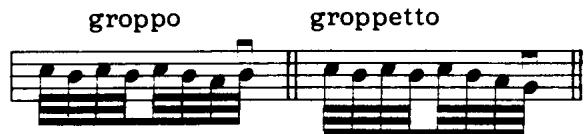
- 4.2.3 4.2.3 The Groppo as Decoration of the Tenor Close
- 页码:1-4
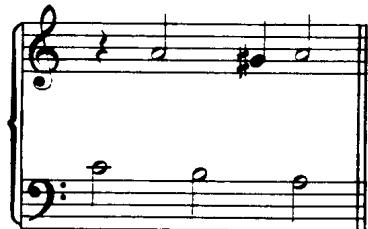
- 4.3 4.3 The Groppetto
- 页码:4-5
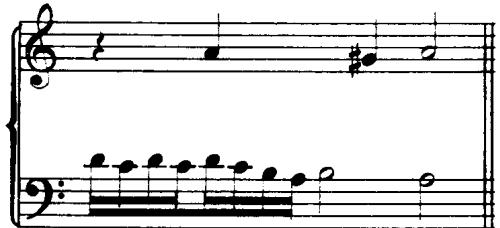
- 4.3.1 4.3.1 The Groppetto as Decoration of the Tenor Close
- 页码:5-8
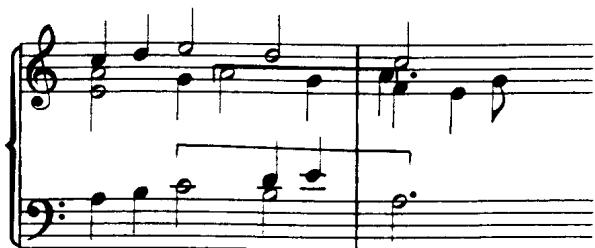
- 4.3.2 [描述性拆分] 4.3.2 The Groppetto as Decoration of the Discant Close
- 页码:9-14
- 4.3.3 [描述性拆分] 4.3.3 The Groppetto as Decoration of the Bass Close
- 页码:14-18
- 4.4 4.4 Groppo and Groppetto as Virtuoso Decoration
- 页码:18-26
- 4.5 4.5 The Tirata
- 页码:26-33
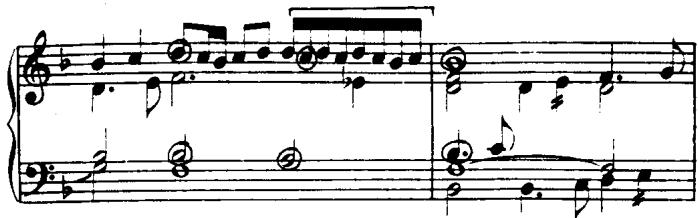
- 4.6 4.6 The Accento
- 页码:33-34
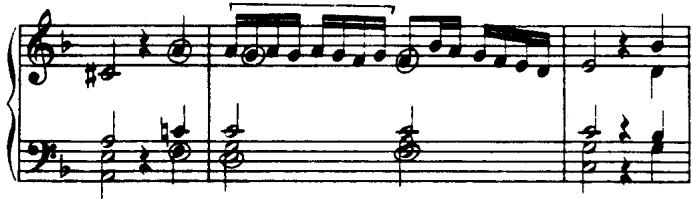
- 4.7 4.7 The Tremolo
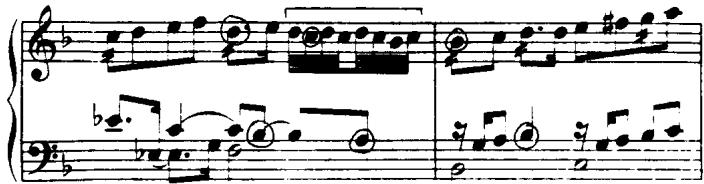
- 页码:34-35
- 4.8 4.8 The Tremoletto
- 页码:35-42
- 4.9 4.9 The Slide
- 页码:42-49
ch_5 5. The Ornaments Indicated by Sign in the Fitzwilliam Virginal Book
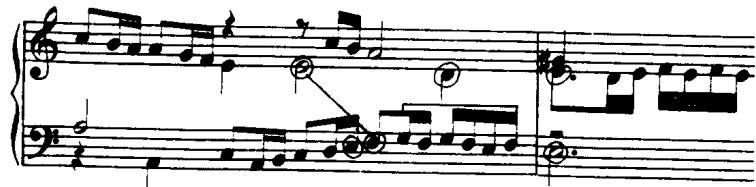
- 5.1 5.1 The Purpose and Use of the Single- and Double-Stroke Signs
- 页码:50-50
4.2.3 4.2.3 The Groppo as Decoration of the Tenor Close
第1段(P0001)
原文复述
Figure caption: Fre., Heaven and Earth (FVB I 417:4:1).

中文讲解
本条目仅是位于第1页的图像说明文字,引自FVB(菲茨威廉姆古钢琴曲集)第一卷第417页第4小节第1个音位的作品,作曲者署名为Fre.(Frescobaldi的缩写)。它出现在本节起始处,但实际内容属于前一节(4.2.2)的收尾图例,作用是为上一小节关于discant close第三种花样的讨论提供最后的实例参照。本节讲解不会重新展开其内容。需查看原图以了解谱例细节。
第2段(P0002)
原文复述
In the third pattern (Ex.4.39), the dissonance is introduced at the last moment, thus creating a miniature discant close: Ex.4.39
中文讲解
本句承接前一节对discant close三种花样的讨论,指出第三种样式的特征:不协和音(Dissonanz)不是在准备阶段,而是在最后一刻才被引入,由此在终止式中制造出一个微小化(miniature)的discant close。这里的关键词是"introduced at the last moment",强调不协和音的延后出现使得整个终止被压缩为简短的小型结构。句末的"Ex.4.39"作为引子,引出紧随其后的谱例。
补充说明
本句仍属上一节4.2.2的延续内容,作为4.2.2第三种花样的概括并自然过渡到Ex.4.39。
第3段(P0003)
原文复述
Figure: musical score example (image data omitted; position and caption retained).
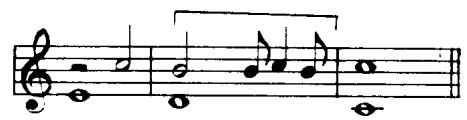
中文讲解
第1页的乐谱示例占位符,标签为Ex.4.39。该谱例对应P0002所提及的第三种花样,作者将在随后的多个小节中分别以(a)–(f)各亚例展示其变体。需查看原谱以观察音符实际形态。
第4段(P0004)
原文复述
Figure caption: Byrd, Pavana Bray (FVB I 361); (a) 2:4.
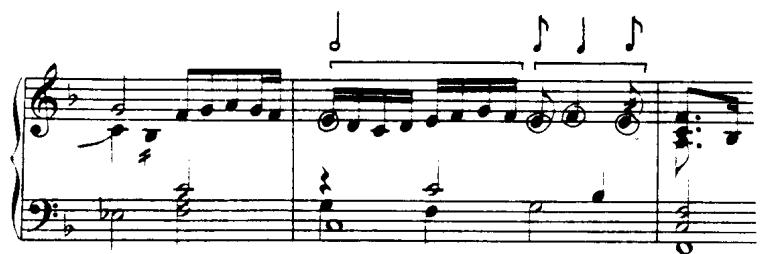
中文讲解
这是Ex.4.39的子图(a)说明,引自Byrd的《Pavana Bray》,位于FVB第I卷第361页第2小节第4个音位。位于此处表明(a)是第三种花样(last-moment dissonance, miniature discant close)的基础实例之一。
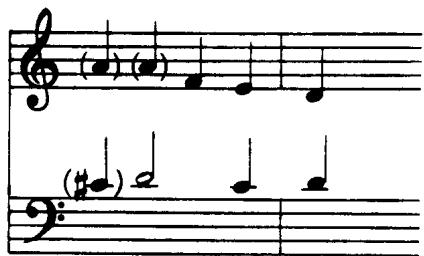
第5段(P0005)
原文复述
Figure caption: (b) 362:1:4.

中文讲解
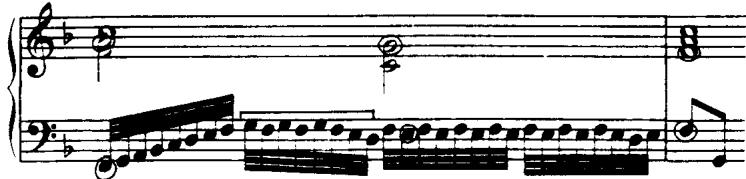
这是Ex.4.39的子图(b)说明,紧接(a)之后,仍引自FVB I 362:1:4(即同一首Byrd的Pavana Bray的下一个相关音位)。它与(a)形成变奏重复关系,是P0009说明中将(b)称为"varied repeat of (a)“的依据。
第6段(P0006)
原文复述
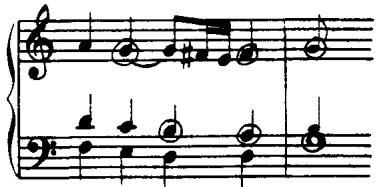
Figure caption: Bull, Pavana (FVB I 127:3:3); (c).
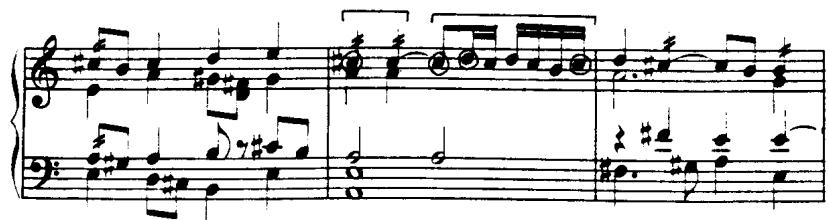
中文讲解
这是Ex.4.39的子图(c)说明,引自John Bull的《Pavana》,位于FVB第I卷第127页第3小节第3个音位。它将第三种花样应用于另一位作曲家与作品,证明该样式并非Byrd一家的孤立现象。
第7段(P0007)
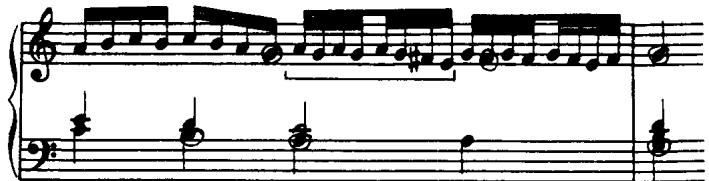
原文复述
Figure caption: Richardson, Galiarda (FVB I 33:2:3); (d).
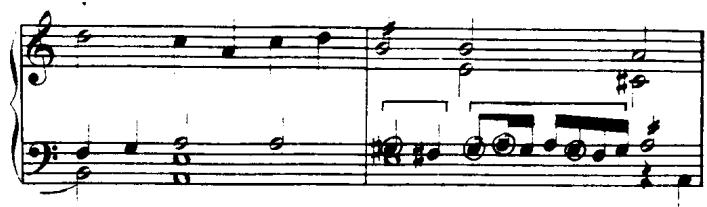
中文讲解
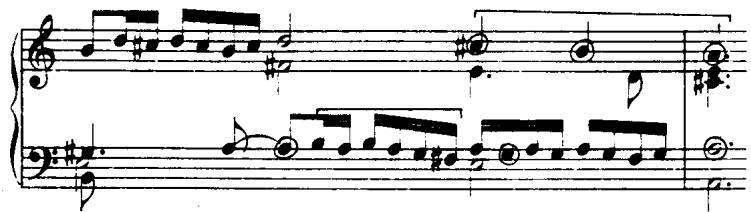
这是Ex.4.39的子图(d)说明,引自Richardson的《Galiarda》,位于FVB第I卷第33页第2小节第3个音位。与(c)同属第三种花样,作者用以展示同一类型在不同舞曲体裁(Galiarda)中的应用。
第8段(P0008)
原文复述
Figure caption: Tomkins, Pavana (FVB II 56:1:1).

中文讲解
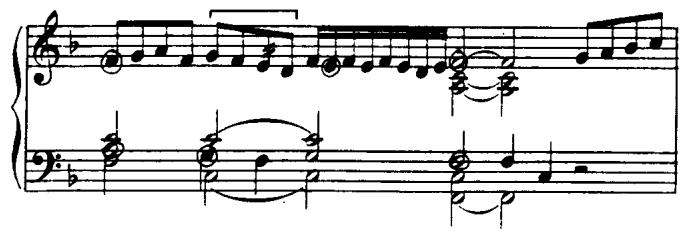
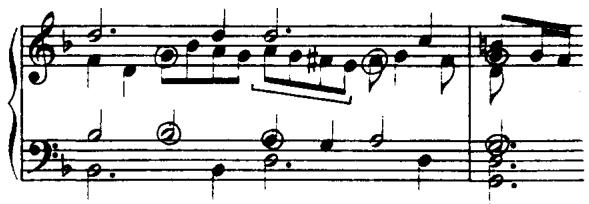
这是Ex.4.39的子图说明,引自Thomas Tomkins的《Pavana》,位于FVB第II卷第56页第1小节第1个音位。该条目未在文字中直接命名其序号,但从P0009可知它应为(e)或(f)之一。
第9段(P0009)
原文复述
Figure caption: Byrd, Pavana (FVB II 395:4:3); (£); In Ex.4.39, (a) and (b) are particularly illustrative as (b) is the varied repeat of (a). In Ex.4.39 (c) the anticipation in-lieu-of the suspension is decorated with a double-stroke ornament, and in (d) with the plain lower auxiliary. In (e) and (f) all of the basic note values of the third pattern are subject to diminution.

中文讲解
本段位于Ex.4.39的最后一幅子图之后,先给出Byrd另一首《Pavana》(FVB II 395:4:3)的图注(标签疑似OCR误读,可能应为(f)),随后给出整组谱例的解释性说明。其要点有三:其一,(a)与(b)关系特别紧密,因为(b)是(a)的变奏重复(varied repeat),便于对比同一种终止处理在变奏中的细节变化;其二,在(c)中本应作为suspension的位置被一个anticipation(先现音)所取代,并以double-stroke ornament(双音回转?)装饰,(d)中同样的位置则以plain lower auxiliary(下方辅助音)装饰,二者展示了第三种花样在不协和音装饰方式上的两种不同选择;其三,(e)与(f)是对第三种花样所有基础音符时值的整体缩减(diminution),即通过细分音符展现更精致的终止处理。需注意括号中的”£“符号疑为OCR对(f)字母的误读。
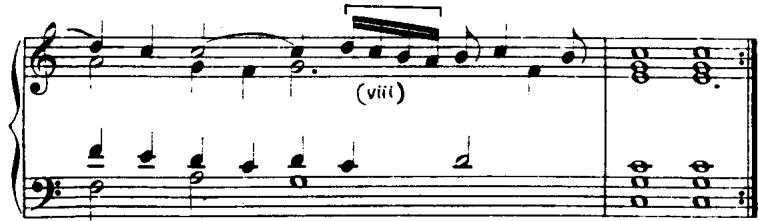
补充说明
原文中的"anticipation in-lieu-of the suspension"是术语对位:suspension是保留音造成的不协和,anticipation是先现音提前到达不协和位置;此处作者强调(c)中先现音替代了原本可能存在的suspension位置。“double-stroke ornament"与"plain lower auxiliary"是十六世纪英国键盘音乐中常见的两种小型装饰手法,但具体符号与演奏方法需查原谱。
第10段(P0010)
原文复述
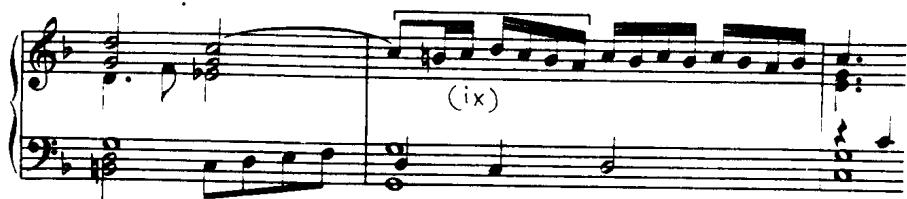
4.2.3 The Groppo as Decoration of the Tenor Close
中文讲解
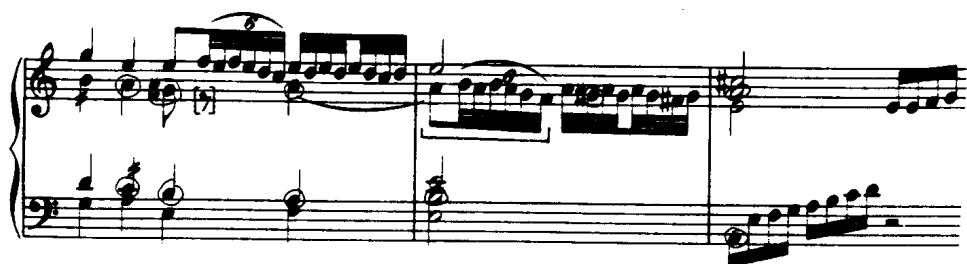
本节标题:“4.2.3 Groppo作为终止式低声部(Tenor Close)的装饰”。它开启了一个新的论题:在4.2.1和4.2.2中讨论了groppo装饰discant close之后,本节将考察groppo装饰tenor close的少见情形,并对比二者在功能上的差异——前者兼有和声意义,后者仅作装饰。
第11段(P0011)
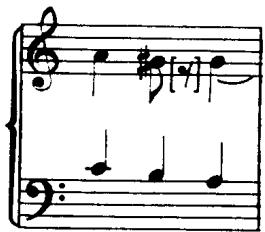
原文复述
The groppo makes rare appearances as decoration of the tenor close. ⁵⁰ As in the discant close, it is the penultimate note of the tenor close on which the groppo occurs, and the groppo consists of an alternation between the first two notes of the close. In contrast to the discant close, the function of the groppo is here purely decorative whilst drawing attention to the cadence, and no harmonic significance is attached to it. In Ex.4.40, (a) and (b) are simple cadences, whereas (c) is a diminuta cadence. The basic notes of the discant and tenor closes are encircled:
中文讲解
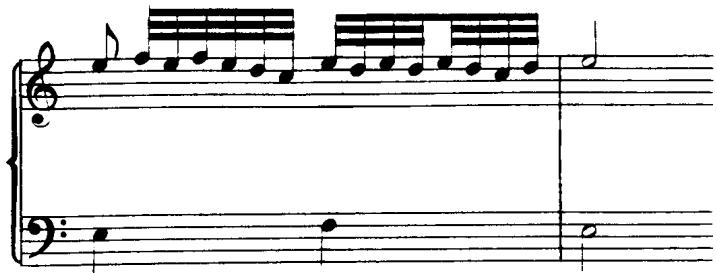
本段是4.2.3小节的核心开篇,其论点可分四层理解。第一层:groppo装饰tenor close的现象在FVB中"rare”(罕见),这一点由脚注⁵⁰引出的若干实例编号作为支撑,区别于groppo装饰discant close的常见程度。第二层:装饰发生的位点与discant close相同,即落在tenor close的倒数第二个音(penultimate note),且groppo自身由终止式的头两个音交替构成——这是与discant close的相同之处。第三层:关键的对比与差异——与discant close中groppo既装饰又承担和声功能不同,在tenor close此处groppo"purely decorative”(纯粹装饰),仅起到吸引听众注意终止(drawing attention to the cadence)的作用,并不承载和声含义。这是本节最重要的概念区分。第四层:作者预告了Ex.4.40将展示的三类终止——(a)与(b)是简单终止(simple cadences),(c)是diminuta cadence(减七度终止),并指出图例中将用圈圈标注discant与tenor close各自的基础音,以便读者对照。读者应特别注意"rare"、“penultimate note”、“purely decorative”、“no harmonic significance"这四个关键词。
补充说明
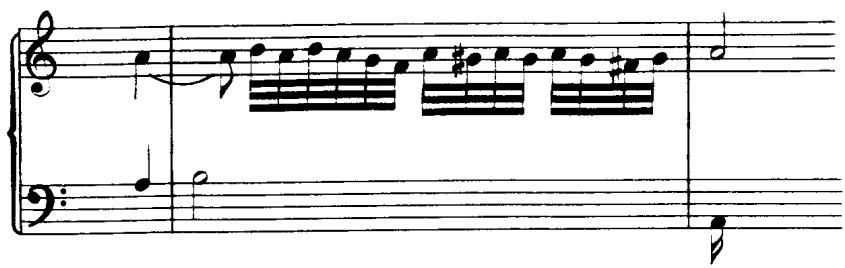
术语"diminuta cadence"指含有减七度(或减五度关系)的特殊终止式,与简单终止(semitonal/modal cadence)相对,这是文艺复兴晚期英国键盘音乐中常见的和声类型区分。“penultimate note"作为倒数第二个音,是groppo装饰发起的位点,与4.2.1-4.2.2节中discant close的装饰位点结构相同。
第12段(P0012)
原文复述
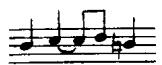
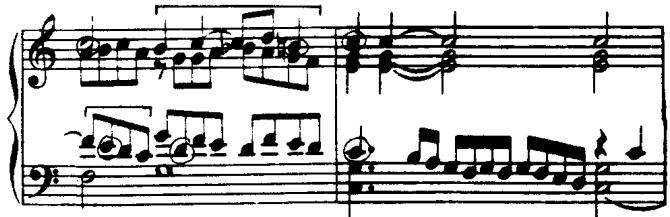
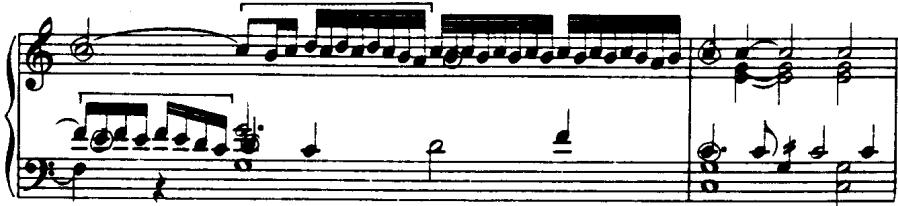
E.g., FVB I 3:1:1; 89:2:1; 268:2:4; 273:1:2; 281:2:4; II 344:4:2.
中文讲解
此条为脚注⁵⁰的具体FVB出处列表,列举了groppo作为tenor close装饰的若干具体音位:第一卷中第3页第1小节第1个音位、第89页第2小节第1个音位、第268页第2小节第4个音位、第273页第1小节第2个音位、第281页第2小节第4个音位,以及第二卷第344页第4小节第2个音位。它对应正文"rare appearances"的论断,以实例编码支撑groppo装饰tenor close之稀少——总共仅列出六个音位,证明其并非主流现象。
补充说明
此脚注提供经验性证据,使"rare"从定性描述变为可计数的来源列表。
第13段(P0013)
原文复述
II 244:4:2; 273:3:3; 367:4:1,3.
中文讲解
此条为脚注的延续部分,列举了另外三个FVB第二卷中的音位作为groppo装饰tenor close的实例:第244页第4小节第2个音位、第273页第3小节第3个音位,以及第367页第4小节第1和第3个音位。其中367:4:3与367:4:1共同出现在第367页同一小节,反映同一终止位置内groppo的两种不同装饰处理。这些实例在正文中将作为后述讨论的依据,特别是后两个与Ex.4.40和Ex.4.41直接相关。
第14段(P0014)
原文复述
Ex.4.40
中文讲解
此条目为乐谱标签"Ex.4.40”,对应正文中预告的、由三个子图(a)(b)(c)组成的谱例集合。它是支撑本段论点(即groppo在tenor close中的装饰功能)的核心证据。需查看原谱以了解音符实际排列。
第15段(P0015)
原文复述
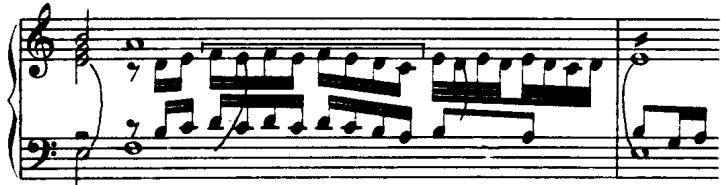
Byrd, Walsingham (FVB I 273:1:2)
中文讲解
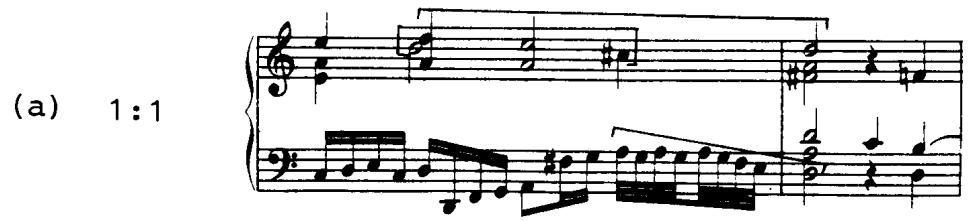
这是Ex.4.40子图(a)的来源说明:Byrd的《Walsingham》,FVB第I卷第273页第1小节第2个音位。此作品即P0012脚注中列举的实例之一,作者将其作为Ex.4.40(a)的标本。该作品是一首著名的变奏曲主题(ground),常用于展示Byrd的终止处理手法。
第16段(P0016)
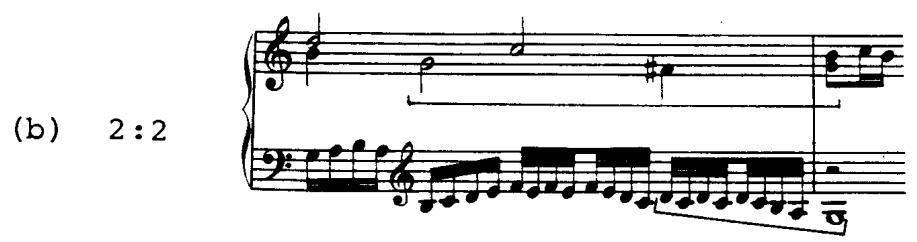
原文复述
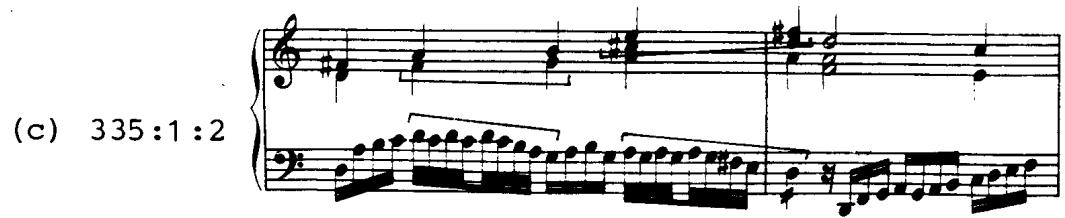
(a)
中文讲解
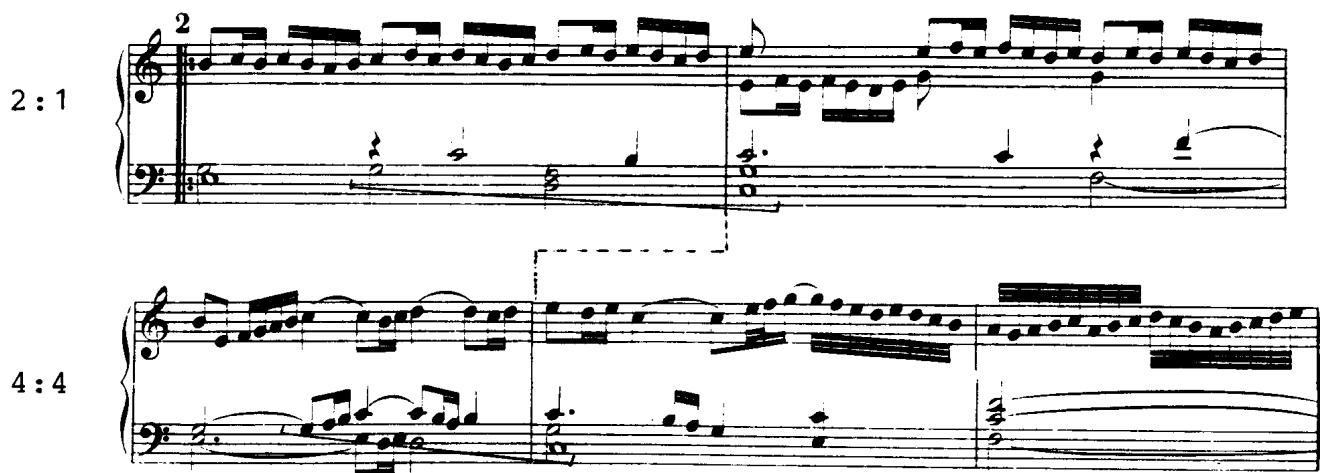
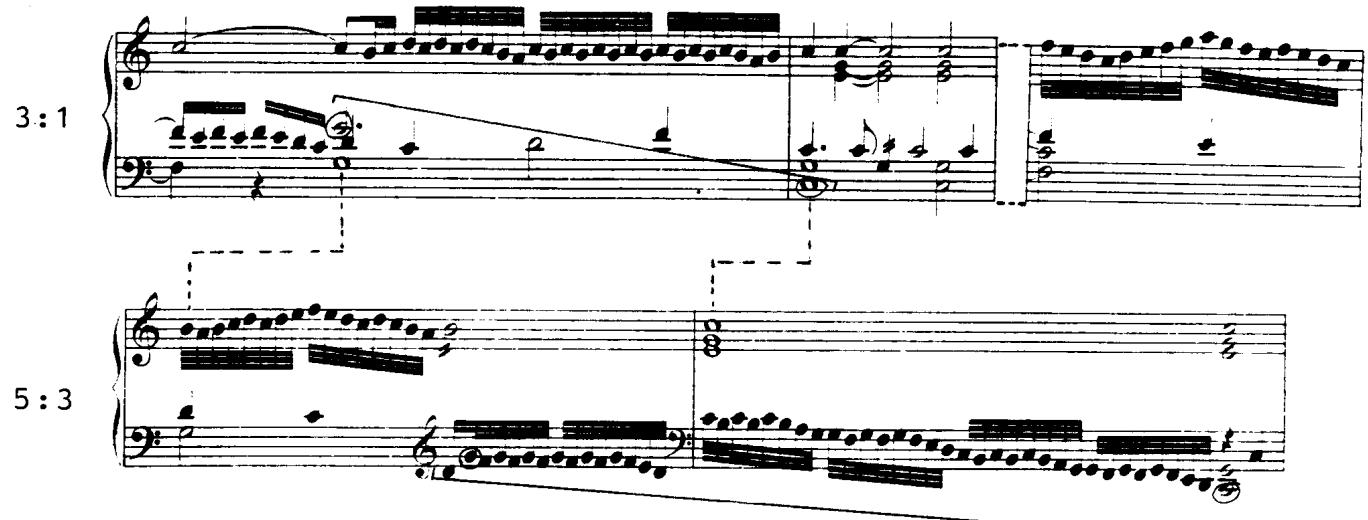
此为Ex.4.40子图(a)的简短标签,正式归属Byrd的《Walsingham》(FVB I 273:1:2)。其与正文描述的关系是:(a)属于"simple cadence"类型,tenor close的"first note"被分割成更小音符时值(依据P0019的说明)。
第17段(P0017)
原文复述
Figure caption: Jhonson, Jhonson’s Medley (FVB II 367:4:2).
中文讲解
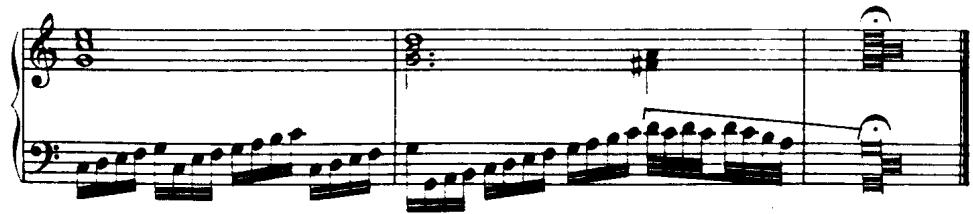
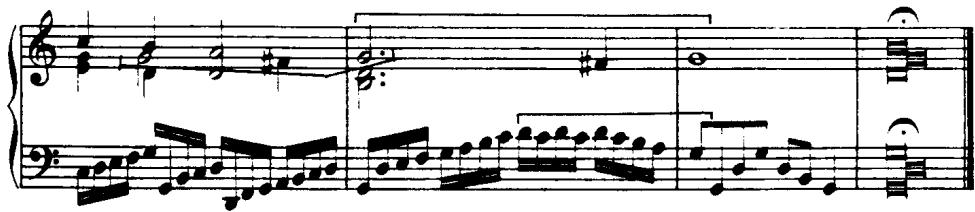
这是Ex.4.40子图(b)的来源说明:Jhonson的《Jhonson’s Medley》,FVB第II卷第367页第4小节第2个音位。该作品是一首混杂风格的舞曲集,常见于FVB的舞曲体裁展示。它是P0013脚注中的367:4:3(注意:367:4:2紧邻367:4:3)实例之一,作为Ex.4.40(b)展示"simple cadence"的第二种情况。
第18段(P0018)
原文复述
Figure caption: (b); Farnaby, A Maske (FVB II 273:3:3).
中文讲解
本条目同时承载两层信息:第一层确认上一图(b)对应Jhonson的《Jhonson’s Medley》;第二层引入Ex.4.40(c)的来源Farnaby《A Maske》,位于FVB II 273:3:3。它是P0013脚注中的实例之一,作为Ex.4.40(c)展示"diminuta cadence"的特殊情况。
第19段(P0019)
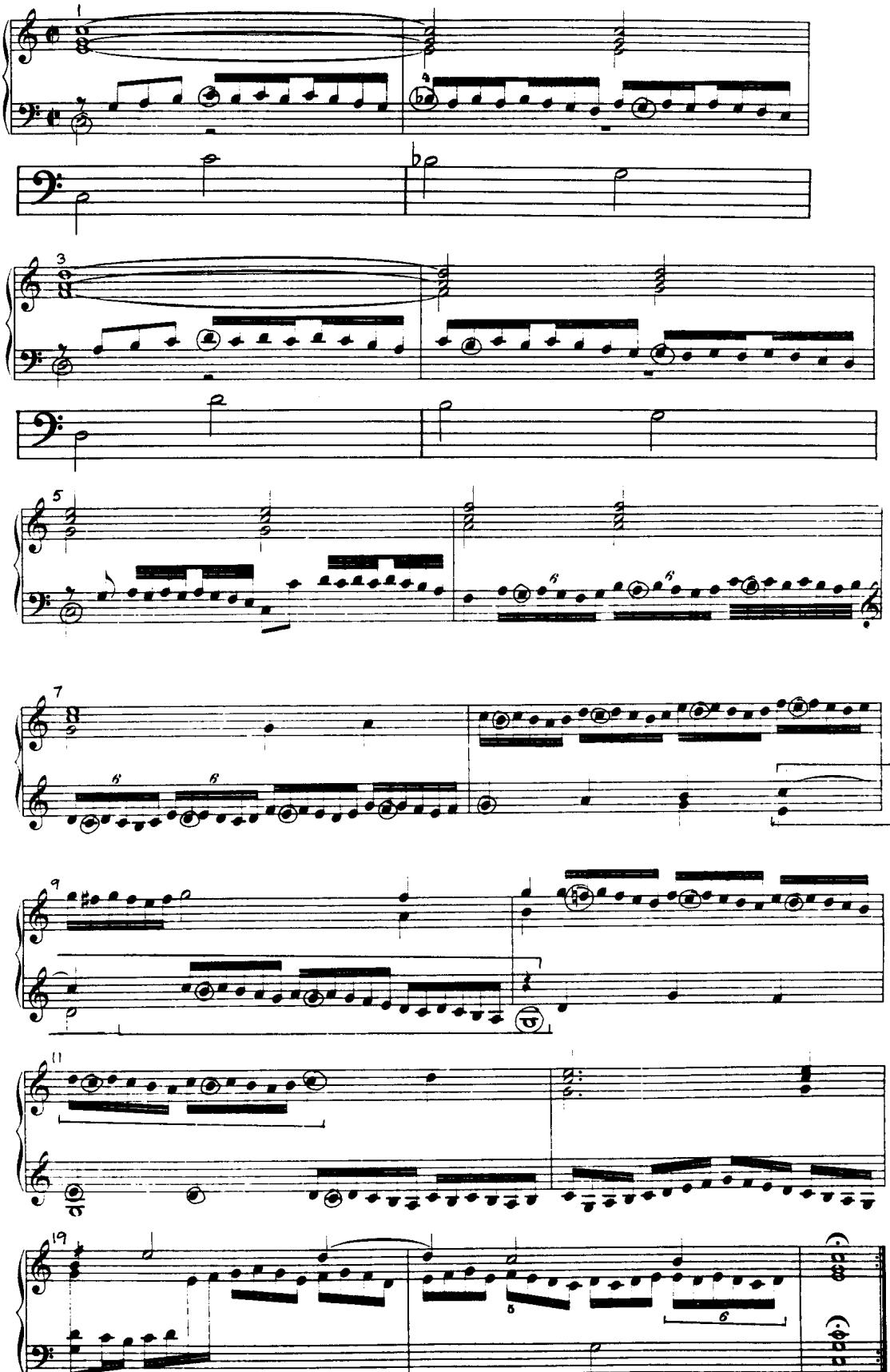
原文复述
Figure caption: (c); In Ex.4.40 (a) - (c) the tenor closes are in the soprano, with the discant closes in (a) and (c) in the tenor, and in (b) in the bass. In (a) the first note of the tenor close is broken up into even smaller note values. In (c) the groppo begins at the point where the penultimate note of the tenor close (c”) forms a dissonance with the suspended first note of the discant close (b♭). The discant close here is incomplete, unless one regards the last note (b♭), which occurs only on the second pulse of the next bar, as the retarded last note of the discant close.
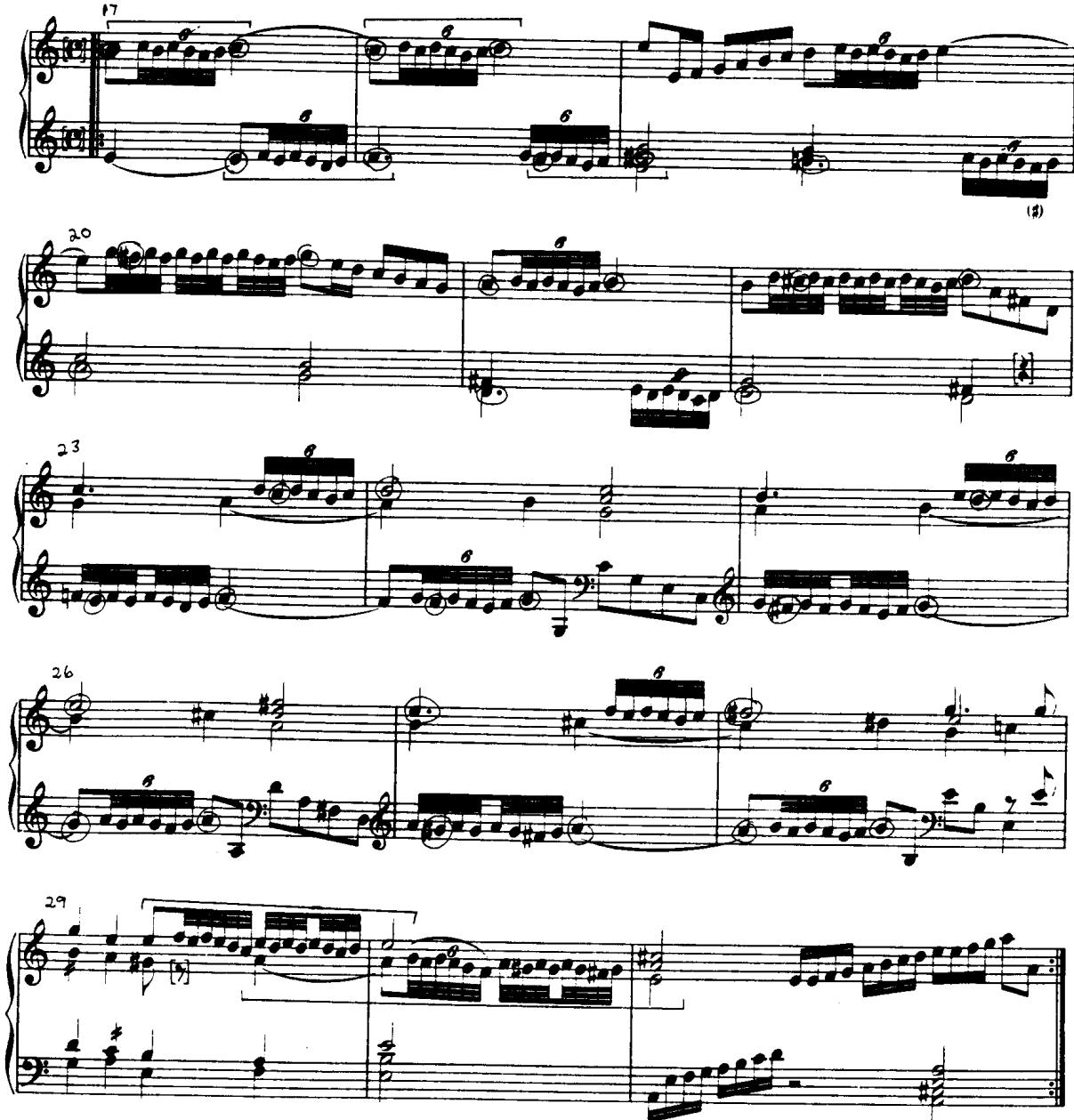
中文讲解
本段在Ex.4.40(c)图注之后给出了对全部三个子图的结构性解释,包含五层信息。第一层:三个子图的声部配置相同——tenor close均位于女高音(soprano)声部;discant close的位置则各异,a与c在tenor声部,b在bass声部。第二层:(a)中tenor close的"first note"被进一步分割为更小音符时值,体现了groppo装饰在最小结构单元上的细化。第三层:(c)中groppo的发起点位于一个特殊位置——tenor close的倒数第二个音(c")与discant close被suspension(保留)住的第一个音(b♭)形成不协和的瞬间,这是diminuta cadence特有的情形。第四层:(c)中的discant close被作者判定为"incomplete"(不完整),因为按常规分析该close缺失了最后一个音;第五层:作者给出一个挽救性解读——可以将下一小节第二拍出现的那个b♭视为discant close被延后(retarded)的最后一个音,从而补全close。这是一个重要的诠释学细节,揭示了终止结构在跨小节延后时的边界模糊性。读者应注意c"与b♭的音程关系、“retarded last note"这一概念,以及为何此处的groppo发起位点与简单终止不同。
补充说明
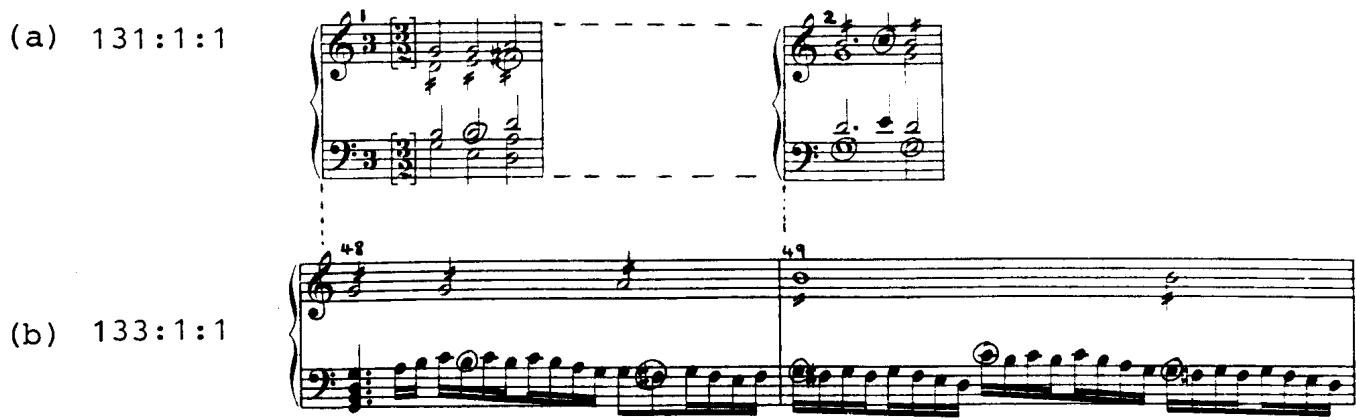
“second pulse of the next bar"暗示此处可能涉及跨小节的节拍结构问题,与英式键盘音乐的节拍划分传统有关。“retarded last note"并非标准音乐学术语,作者用于说明某终止音因节奏延后而看似"迟到”。
第20段(P0020)
原文复述
The ornamented tenor close in the FVB is associated with a specific location of the tenor and discant close: except for Ex.4.40 (b) and three exceptions to be referred to later, the
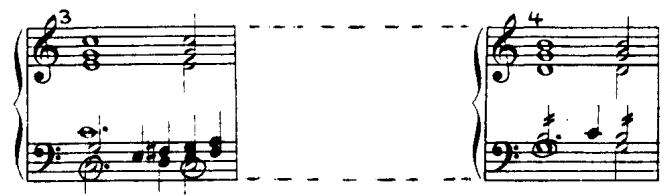
中文讲解
本段开启本节第二层论证:在FVB中,“被装饰的tenor close"通常与discant close和tenor close在整体声部配置中的特定位置相关联。“specific location"是关键词——即这些终止的发生位置有可观察的固定模式。作者预告:除了Ex.4.40(b)以及三个后文将讨论的例外情况之外,下一句将给出一个普遍规则。读者应留意本段末尾在版面中被跨页断开,规则陈述延续至下一页。
补充说明
本段是论证转折点:从个别谱例的描述(Ex.4.40)过渡到对整组现象的归纳(“associated with a specific location”)。
第21段(P0021)
原文复述
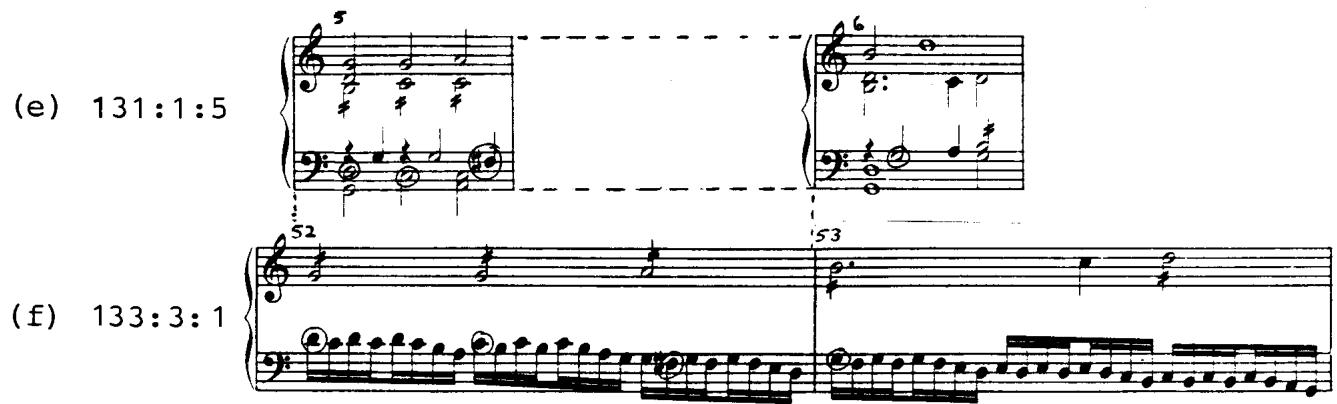
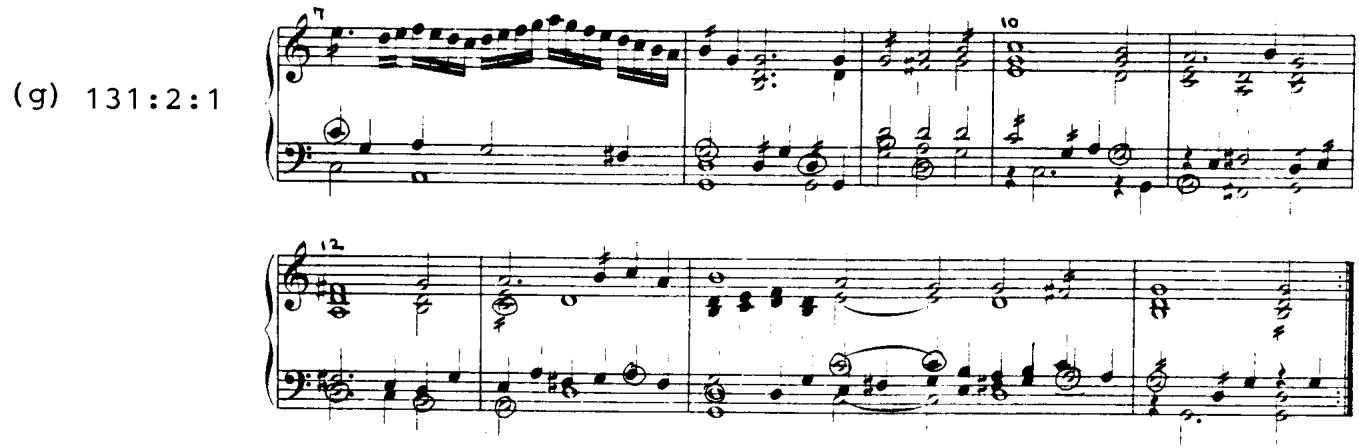
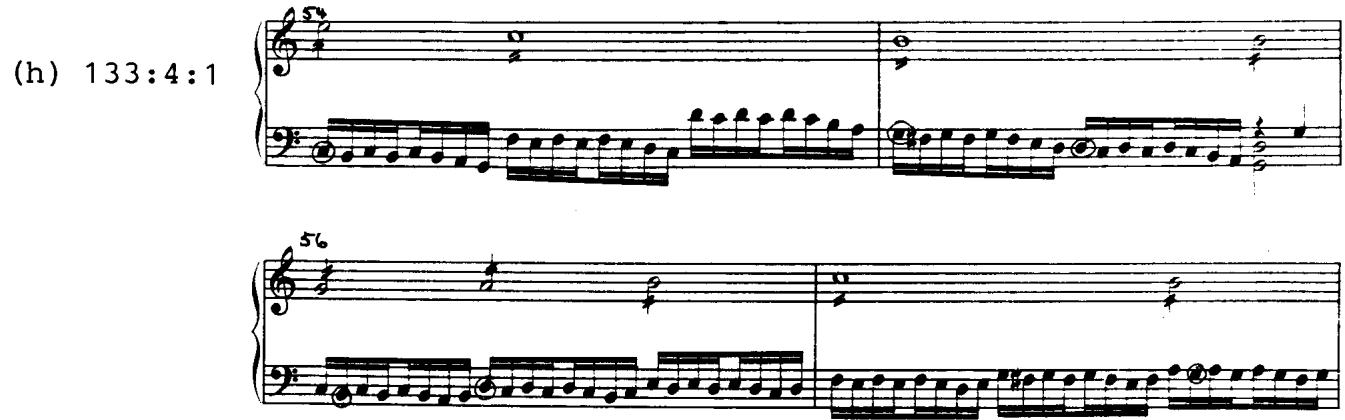
tenor close is always in the soprano, with the two closes moving downward in parallel thirds and closing on the unison through contrary motion. This can be observed in the three examples above. All the tenor closes which conform to this pattern are simple cadences (except Ex.4.40(b)). The three exceptions are all diminuta cadences, with the discant close above (in either the soprano or alto) and the tenor close below in the bass. In all three the groppo is preceded by the penultimate note of the tenor close, which first sounds against the corresponding note of the discant close:
中文讲解
本段是本节的核心规则陈述,由四个要点构成。第一要点(位置规则):tenor close始终在女高音声部;discant close与tenor close两条线以平行三度下行,最终通过反向运动(contrary motion)汇聚到同度终止(unison)。这一规则可通过上文Ex.4.40的三个子图得到验证。第二要点(终止类型):凡遵循此规则的tenor close都是"simple cadences”——除了Ex.4.40(b)这一孤例。这暗示(b)的声部配置虽与其它子图不同,但仍归类为简单终止而非diminuta。第三要点(三个例外):三个例外均为diminuta cadences;其声部配置倒置——discant close在上(女高音或女低音),tenor close在下(bass),与常规模式相反。第四要点(groppo发起特征):在所有三个例外中,groppo的发起都由tenor close的倒数第二个音开始,且该音先与discant close的相应音同时发声,构成纵向的不协和音响。这一特征与Ex.4.40(c)中diminuta的情形一致,但与简单终止不同——为下文Ex.4.41(a)与(b)的对比奠定基础。“penultimate note"与"corresponding note of the discant close"是关键词,需特别留意。
补充说明
“contrary motion"与"parallel thirds"的对比是文艺复兴对位写作的核心技法;此处作者指出终止采用parallel thirds下行并contrary motion合一的固定模式。“the three exceptions"在正文P0025中通过Ex.4.41的两个例子得到部分展示。
第22段(P0022)
原文复述
Ex.4.41
中文讲解
此条目为乐谱标签"Ex.4.41”,对应本段提及的"三个例外"中的两个实例(a)与(b)。它用以支撑P0021中关于diminuta cadence下声部配置倒置与groppo发起时机的论断。需查看原谱以了解音符实际排列。
第23段(P0023)
原文复述
Richardson, Pavane (FVB I 89:1:2)
中文讲解
这是Ex.4.41子图(a)的来源说明:Richardson的《Pavane》,FVB第I卷第89页第1小节第2个音位。该条目亦出现在P0012脚注(作为tenor close装饰的实例)以及P0021所提"三个例外"之一。
第24段(P0024)
原文复述
Figure caption: (a); Bull, Variatio Ejusdem (FVB II 244:4:2); (b).

中文讲解
本条目包含两层信息:第一层确认上图(a)对应Richardson的《Pavane》(FVB I 89:1:2);第二层引入Ex.4.41子图(b)的来源——Bull的《Variatio Ejusdem》(“同一主题的变奏”),位于FVB第II卷第244页第4小节第2个音位。这一作品也是P0013脚注中的实例之一,作为"三个例外"中的第二个,与(a)构成对比。
补充说明
“Variatio Ejusdem"是拉丁文短语,意为"同一主题的变奏”,属于16世纪键盘音乐常见的标题形式。
第25段(P0025)
原文复述
Figure caption: In Ex.4.41 (a) the groppo commences in the tenor close at the point where the discant close’s note of resolution sounds (interval b - g’), but in (b) it starts at the moment that the dissonance is formed (interval f - e’). This is also the case in the other diminuta cadence where the tenor close is ornamented (FVB I 3:1:1).
中文讲解
本段是Ex.4.41两图后的总结性说明,对比(a)与(b)中groppo发起时机的差异。其要点为:在(a)中,groppo在discant close的resolution(解决音)发声的那一刻开始——具体为音程b–g’(即从属音到主音的解决瞬间);而在(b)中,groppo则在dissonance(不协和音)形成的那一刻就开始——具体为音程f–e’(不协和被引入的瞬间)。换言之,(a)的groppo延迟到解决后才发起,(b)的groppo则与不协和同步发起。作者最后指出(b)的模式同样出现在第三个diminuta cadence例外中(FVB I 3:1:1),即与(b)同类的groppo发起方式共存在于P0021所提的"三个例外”。这一对比揭示了一个先前未明说的区分——即便同为diminuta cadence下声部配置倒置的情形,groppo的发起时机仍可能不同,分别对应resolution point与dissonance point两个不同节点。读者应特别注意"note of resolution"与"the moment that the dissonance is formed"的对照,以及为何此区分具有音乐分析意义。
补充说明
“note of resolution"指不协和音被解决到协和音的瞬间目标音;“the moment that the dissonance is formed"指不协和音响首次出现的瞬间。二者构成时间序列上的两极:(a)的groppo在解决之后发起,(b)的groppo在不协和发生时立即发起,这种时机差异反映了作曲家对装饰音进入点的不同审美选择。
脚注 / 边栏 / 图表 / 附加信息(如有)
本小节附有两组谱例(Ex.4.40与Ex.4.41)以及两段脚注(⁵⁰与对应编号列表),是支撑正文中两类规则(普遍规则与三个例外)的全部视觉与来源证据。脚注⁵⁰由P0012与P0013两部分构成,共列九个FVB音位(I卷六处+II卷三处),用于支撑"rare appearances"的论断;P0017–P0018、P0023–P0024等图注中的FVB坐标与该脚注存在重叠,但并非全部——尚有部分实例未在谱例中展示。脚注本身无解释性文字,仅起来源索引作用。
💡 本节核心要点
- groppo作为tenor close的装饰在FVB中极为罕见,脚注所列实例总数仅九个左右,区别于装饰discant close的常见程度
- groppo装饰tenor close的发起点仍是终止式的倒数第二个音,且由头两个音交替构成,与discant close装饰的结构相同
- 在tenor close中groppo仅起纯粹装饰与吸引注意的作用,不再承担和声功能——这是与discant close装饰的关键功能差异
- FVB中装饰过的tenor close通常与一种固定声部配置相关联:tenor close在女高音,与discant close以平行三度下行并终止于同度(反向运动汇合);符合此模式的几乎都是简单终止
- 存在三个例外,全部为diminuta cadence,声部配置倒置(discant close在上,tenor close在bass);在三个例外中,groppo的发起时机又可分为两种:a型在discant close解决音发声时发起,b型在不协和音形成时即发起
- Ex.4.40展示普遍规则(含一个简单终止孤例Ex.4.40(b)与一个diminuta例Ex.4.40(c)的并置),Ex.4.41集中展示例外情形下groppo发起时机的两种变体
🔑 关键术语
- Groppo:十六世纪意大利与英国键盘音乐中的一种装饰音型,由两个音的快速交替构成;本节讨论其在终止式中作为装饰的使用。
- Tenor close:FVB分析中指以tenor(或任意声部)作为终止线的close结构,本节特指其作为groppo装饰对象的终止线,与discant close形成对比。
- Discant close:FVB分析中以高音线条为主导的终止结构,与tenor close平行进行;本节强调groppo装饰其时具有和声功能,而装饰tenor close时则不具和声意义。
- Diminuta cadence:含有减七度(或减五度)不协和关系的特殊终止式,本节中作为三个例外情形的终止类型,与简单终止相对。
- Simple cadence:本节中指不含减七度关系的常规终止式,是装饰tenor close的"普遍规则"下所对应的终止类型。
- Penultimate note:倒数第二个音,本节指groppo装饰的发起点,无论是装饰discant close还是tenor close均落在该位置。
- Contrary motion:反向运动,本节指终止时两条线从平行三度下行转为反向汇合至同度终止的运动方式,是装饰tenor close的普遍规则之一。
- Resolution point / Dissonance point:本节用以刻画groppo在diminuta情形中两种不同时机:a型groppo在discant close的解决音发声时发起(resolution point),b型在不协和音形成的瞬间发起(dissonance point)。
4.3 4.3 The Groppetto
第1段(P0026)
原文复述
Section heading: 4.3 The Groppetto.
中文讲解
这是第4章第3节的小节标题,开启了一个新主题:groppetto(回转音饰的另一种变体)。在结构上,它与前一节4.2讨论的groppo并列出现,作者将在本节区分两者并阐明groppetto的独立作用。
第2段(P0027)
原文复述
The groppetto, together with the groppo, is the written-out ornament which occurs most often in the FVB. It is similar to the groppo, being employed both in cadences and as abstract decoration (as diminution of a note or interval) in the course of a piece, the latter being the more frequent use. As far as the rhythmic and melodic shape of the groppetto is concerned, it is a variant of the groppo; only the last note is different, which descends instead of ascends: Ex.4.42
中文讲解
本段给出groppetto的定义并将其与groppo对比。三个要点:第一,groppetto和groppo是《菲茨威廉维金纳琴曲集》(FVB)中最常被写出的装饰音;第二,两者用途相似,既用于终止式,也作为乐句中间的抽象装饰(对一个音或音程作diminution),而后一种用途更常见;第三,在节奏与旋律轮廓上,groppetto是groppo的变体,唯一的差异在最后一个音——groppetto以向下进行收尾,而groppo向上结束。结尾引出Ex.4.42作为示例。
补充说明
“written-out ornament"指作曲家直接写入谱面而非留给演奏者即兴发挥的装饰音;“diminution"在此指把一个长音或音程分割为较短时值的装饰化处理。Ex.4.42的具体乐谱在本节范围内被省略,但其作用是直观展示groppetto与groppo最后一个音方向上的差异。
第3段(P0028)
原文复述
[第5页图像或乐谱示例](内嵌图像数据已省略;位置与图注保留)
中文讲解
本条为第5页的图像或乐谱占位符,位于Ex.4.42所对应的位置,作用是以谱例直观呈现上一段所述groppetto与groppo在旋律轮廓上的区别(特别是末音的上下行方向)。因图像数据被省略,需查看原图才能确认谱例细节。
第4段(P0029)
原文复述
The groppetto is employed in all instances of full or passing cadences, and occurs in all the closes except for the counter-tenor close. In each close it fullfils a different function. It also shares the rhythmic variants and notation in metric diminution of the groppo. The role that the groppetto plays in the discant, tenor and bass closes, however, differs from that of the groppo. The groppetto never replaces the groppo, but may occur in combination with it, where it precedes the groppo:
中文讲解
本段阐明groppetto在终止式中的具体用法。关键信息包括:其一,groppetto出现在所有full cadence与passing cadence中,并且在除counter-tenor close之外的所有close里都被使用;其二,在不同close中它承担不同的功能;其三,它继承了groppo的节奏变体与"metric diminution"记谱;其四,在discant、tenor、bass三类close中,groppetto所扮演的角色与groppo不同;其五,groppetto从不替代groppo,但可与之组合,顺序为groppetto在前、groppo在后。末句以冒号引出下一个谱例。
补充说明
“full cadence"指完全终止式;“passing cadence"指经过性终止式;“close"在此指FVB语境下各声部(discant/tenor/bass/counter-tenor)各自收束的终止样式;“metric diminution"指以更短时值书写同一装饰型态的缩谱记法,原文拼写为"fullfils”(fulfils的拼写错误),复述保留原文拼写。
第5段(P0030)
原文复述
Ex.4.43
中文讲解
这是第5页上的谱例编号Ex.4.43,作为视觉占位条目。它紧接着前段末句的冒号出现,作用是以实例展示groppetto与groppo前后相连的组合形式。具体乐谱内容因图像数据被省略,需查阅原图。
第6段(P0031)
原文复述
Bull, Walsingham (FVB I 14:1:1)
中文讲解
本条是Ex.4.43的图注,标明该谱例取自作曲家John Bull所作《Walsingham》一曲,引自Fitzwilliam Virginal Book第一卷,第14首,第1声部的第1小节。这是文献引证的标准格式,作用是把上一段所述的groppetto+groppo组合用法落实到一个具体的曲目位置。
补充说明
“FVB I 14:1:1"的解析方式为:卷号I → 第14首 → 声部1 → 小节1,这种编号是研究FVB时的常见定位方式。
第7段(P0032)
原文复述
This combination of groppetto and groppo is identical to the ornament labelled ‘double relish’ by Mace and Simpson, who regarded it as an entity in itself.
中文讲解
本段把上一谱例所示的groppetto–groppo组合与17世纪英国音乐理论家Thomas Mace和Christopher Simpson所用的术语"double relish”(双重回旋)联系起来。作者强调两点:第一,这一组合形态恰好等同于Mace和Simpson所命名的"double relish”;第二,17世纪的这两位作者将其视为一个独立的装饰单位,而非两个装饰音的简单相加。这是把FVB的谱面现象置入更晚近的理论传统中加以确认的关键过渡句,提示读者该组合在历史理论中早已被识别并独立命名。
脚注 / 边栏 / 图表 / 附加信息(如有)
本节包含两个谱例编号(Ex.4.42、Ex.4.43)和一幅未给出数据的图像占位符;Ex.4.43附有曲目引注"Bull, Walsingham (FVB I 14:1:1)",用于把groppetto+groppo组合的讨论落实到具体实例。Ex.4.42的作用是直观展示groppetto与groppo末音方向上的差异;Ex.4.43则展示二者前后相连的组合形态,并由此连接到17世纪Mace与Simpson所谓"double relish"这一独立装饰术语。
💡 本节核心要点
- groppetto与groppo同属FVB中最常见的写定装饰音,二者既用于终止式,也用于乐句中间的抽象装饰,以后者居多
- groppetto在节奏与旋律轮廓上是groppo的变体,唯一差异在最后一个音的方向(groppetto下行收尾,groppo上行收尾)
- groppetto用于所有full cadence与passing cadence,出现在除counter-tenor close之外的所有close中,且在不同close中承担不同功能
- groppetto继承groppo的节奏变体与metric diminution记谱,且在discant、tenor、bass三类close中扮演的角色与groppo不同
- groppetto从不替代groppo,但可与之组合,固定顺序为groppetto在前、groppo在后
- 该groppetto–groppo组合被17世纪Mace与Simpson命名为"double relish”,并被视为一个独立的装饰单位
🔑 关键术语
- groppetto:FVB中常见的写定装饰音之一,是groppo的变体,末音下行收尾;用于终止式及乐句中作为对长音或音程的diminution抽象装饰。
- groppo:FVB中最常出现的写定装饰音之一,与groppetto同源,但末音上行收尾;可单独使用,也可与groppetto前后相连。
- written-out ornament:作曲家直接写入谱面而非留给演奏者即兴处理的装饰音,是本节讨论对象的基本属性。
- diminution:把一个长音或音程拆分为较短时值的装饰化处理,本节中作为groppetto/groppo在乐句内部使用的功能描述。
- close:FVB语境下各声部(discant、tenor、bass、counter-tenor)各自收束的终止样式,作者按声部分类讨论groppetto的功能。
- full cadence / passing cadence:完全终止式与经过性终止式,是groppetto所适用的两类终止类型。
- metric diminution:以更短时值书写同一装饰型态的缩谱记法,groppetto继承了groppo在此方面的记谱惯例。
- double relish:17世纪Mace与Simpson使用的术语,指groppetto紧接groppo的组合形态,二人将其视为独立的装饰单位。
4.3.1 4.3.1 The Groppetto as Decoration of the Tenor Close
第1段(P0033)
原文复述
4.3.1 The Groppetto as Decoration of the Tenor Close
中文讲解
本行为章节小标题,标题为「4.3.1 作为终止式次中音装饰的groppetto」。该标题明确界定了本节的研究范围:讨论groppetto(一种回旋式装饰音)作为一种装饰手段,作用于终止式(close)中次中音声部(tenor close)的具体使用情况。
第2段(P0034)
原文复述
The groppetto is only employed in exceptional cases as decoration of the tenor close in the FVB, and then always in the diminution form of the first note of the close. This diminution consists of four different pitches - the diatonic note above the first note of the tenor close, the first note of the tenor close, and the two diatonic notes below:
中文讲解
本段是本节的开篇主旨句。作者首先提出一个限定性事实:groppetto在FVB(《菲茨威廉维金纳琴曲集》)中极少用作终止式次中音的装饰,仅在例外情况下出现;并且一旦使用,它总是采取对终止式第一个音的「diminution」(音值细分/缩短)形式。接着作者刻画了这种diminution的具体音高构成:由四个不同的音级组成——终止式首音上方的自然音级、终止式首音本身、以及首音下方的两个自然音级。换言之,groppetto以「上—本—下—下」四个音的方式细分了原本一个长音的值,段末冒号引出紧随其后展示未装饰版本与装饰版本的乐谱。
补充说明
段末的冒号表明接下来要展示具体的乐谱对照示例,这是作者引出P0035—P0039乐理材料的方式。
第3段(P0035)
原文复述
215
中文讲解
此行内容为「215」,从上下文判断,应为FVB中该作品编号或音值细分比例(如2:1:5的某一变体)的标记。鉴于其独立成行且无句法结构,可视为版面中的编号/计量标记,用于对应随后的乐谱。
补充说明
该数字的具体含义需结合原书版面对照核实;本节正文论证不依赖此编号。
第4段(P0036)
原文复述
Unornamented discant and tenor close
中文讲解
此为乐谱图注,意为「未经装饰的高声部与次中音终止式」,标示紧随其后的乐谱示例展示的是高声部(discant)与次中音(tenor)终止式的原始未装饰状态,以便与下一幅装饰版形成对照。
第5段(P0037)
原文复述
中文讲解
此为第6页的图像/乐谱占位符。结合上一行图注「Unornamented discant and tenor close」,该图示应当呈现的是discant与tenor两条声部终止式中未加装饰的对照谱例,为下一幅装饰版乐谱提供基准参照。具体音符内容因图像未嵌入而不可见,需查看原书第6页。
补充说明
需查看原书第6页对应谱例。
第6段(P0038)
原文复述
Ornamented first note of tenor close
中文讲解
此为乐谱图注,意为「装饰后的次中音终止式首音」,标示紧随其后的乐谱示例展示的是次中音终止式首音被装饰(即加上groppetto细分)之后的版本。
第7段(P0039)
原文复述
中文讲解
此为第6页的图像/乐谱占位符。结合上一行图注,本图示呈现的是tenor终止式首音被groppetto装饰之后的版本,与P0037的未装饰版本形成对照,直观展示P0034所述「四个不同音级」的diminution形态。具体音符细节需查看原图。
补充说明
需查看原书第6页对应装饰版谱例。
第8段(P0040)
原文复述
The groppetto in this case is a virtuoso diminution of one note only, and not of an interval. Although it appears to be nothing but virtuoso decoration of the tenor close, on closer examination an interesting phenomenon emerges: the decorated first note of the tenor close in the FVB consistently occurs (with one exception) against an unornamented first note of the discant close (Ex.4.45). As a result of the groppetto’s occurrence against the unornamented first note of the tenor close, the groppetto therefore also serves to prepare for the motion that follows on the second note of either the tenor or discant close, as in Ex.4.45 (b) and (d). The exception, Ex.4.45 (g), features groppetti moving in parallel sixths in both the discant and tenor closes in a simple cadence.
中文讲解
本段是本节的核心论证段落,作者完成了三个层次的推进。
第一,澄清性质:groppetto在此是对单个音的diminution,而非对「音程(interval)」的装饰——这一区分很重要,意味着groppetto的音乐功能从局部技法跃升为可承担结构意义的手段。
第二,发现现象:表面上看,groppetto仅是tenor终止式的炫技装饰;但细察之下,作者指出在FVB中(除一处例外),被装饰的tenor终止式首音几乎总是与「未经装饰的」discant终止式首音同时发声。这就是Ex.4.45所展示的对比:一条声部在静态长音上保持不动,另一条声部则用groppetto在同样的时长内进行细分,从而产生声部间的对位运动。
第三,推出功能:由于groppetto在静态的长音上提供了运动,它同时为下一个音(tenor或discant终止式的第二音)做了「预备」——即让两声部从运动状态自然过渡到终止式的后续进行,如Ex.4.45 (b)和(d)所示。
最后,作者交代唯一例外Ex.4.45 (g):在该例中discant与tenor终止式中都出现了groppetto,并作平行六度运动,处于一个简单的收束(simple cadence)中。这与其他例中只有tenor被装饰、discant保持静态的格局形成对照。
补充说明
本段将本节从「groppetto是什么」(P0034)推进到「groppetto起什么作用」,确立了「装饰不仅是个别声部的炫技,还承担声部间对位运动的预备」这一核心论点。
第9段(P0041)
原文复述
Ex.4.45 Bull, Walsingham (FVB I 2)
中文讲解
此为谱例总标题,说明Ex.4.45取自John Bull所作的Walsingham一曲,文献位置为FVB第I卷第2首。该曲将作为本节的主要例证被反复引用与逐子例分析。
补充说明
Walsingham是FVB中著名的作品之一;其在FVB中的卷/首/小节/拍编号体系为后续谱例引用提供定位。
第10段(P0042)
原文复述
中文讲解
此为第6页谱例占位符,子例标记为(a),数字「2:5:1」可能表示该处的拍号或节奏细分比例(如2:5:1的细分结构)或FVB I 2第5:1小节的具体位置。需查看原图确认具体谱面内容。
补充说明
需查看原书第6页子例(a)对应谱例。
第11段(P0043)
原文复述
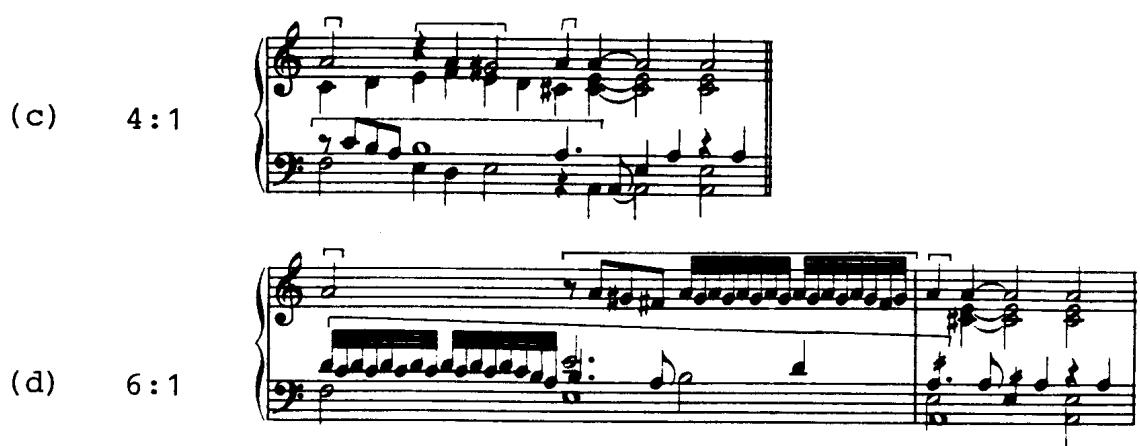
中文讲解
此为第7页的图像/乐谱占位符,属于Ex.4.45系列谱例的延续部分,其具体子例归属及音符细节需结合上下文及原图确认。
补充说明
需查看原书第7页对应谱例。
第12段(P0044)
原文复述
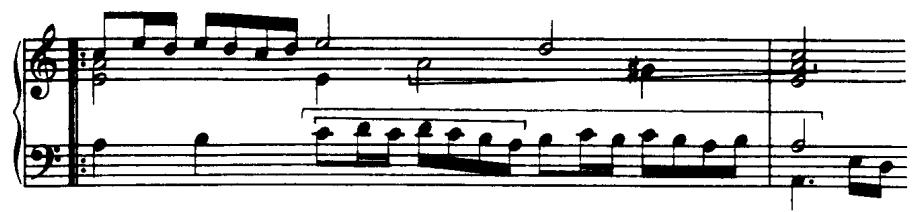
中文讲解
此为第7页谱例占位符,子例标记为(b),数字「3:1:1」为该处节奏细分比例或定位标记;并标注此例取自Bull的Piper’s Galliard,文献位置为FVB II 243。该曲是P0040所述「groppetto装饰tenor close首音」现象的另一典型例证。
补充说明
此例为P0040中提到的Ex.4.45 (b)的乐谱对应物。
第13段(P0045)
原文复述
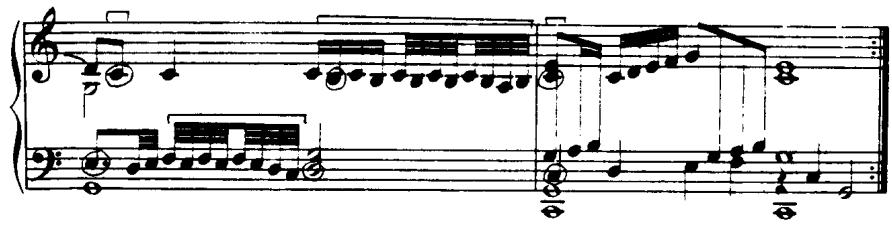
中文讲解
此为第7页谱例占位符,同时包含了多个子例与多首作品的标注:Philips所作Pavana(FVB I 321:3:2)对应子例(c);子例(e)取自Morley的Fantasia(FVB II 60:5:2)。这些子例在P0050的长图注中将得到详细对比分析。
补充说明
需查看原书第7页对应谱例;Philips与Morley均为FVB中收录的伊丽莎白时期作曲家。
第14段(P0046)
原文复述

中文讲解
此为第7页谱例占位符,子例标记为(f),表示Ex.4.45系列中的第六个子例。其具体内容与节奏特征将在P0050的图注中得到说明。
补充说明
需查看原书第7页子例(f)对应谱例。
第15段(P0047)
原文复述
4:1
中文讲解
此行为「4:1」,应与紧随其后的某子例相关,可能表示节奏细分比例(如四个音符对一个基本音符的diminution),或为谱例中标记的拍号/比率。
补充说明
该比率的具体对应位置需查看原图确认。
第16段(P0048)
原文复述
6:1
中文讲解
此行为「6:1」,与「4:1」类似,应为节奏细分比例或谱例中的某种比率标记(如六个音符对一个基本音符)。
补充说明
该比率的具体对应位置需查看原图确认。
第17段(P0049)
原文复述
Philips, Tirsi (FVB I 281:5:2)
中文讲解
此行标注了Philips所作的Tirsi一曲,文献位置为FVB第I卷第281首第5:2小节。该作品对应Ex.4.45 (g)的唯一例外情形——其中discant与tenor两条终止式都使用了groppetto,并作平行六度运动。
补充说明
此即P0040所述的「例外(exception)」所在的乐曲来源。
第18段(P0050)
原文复述
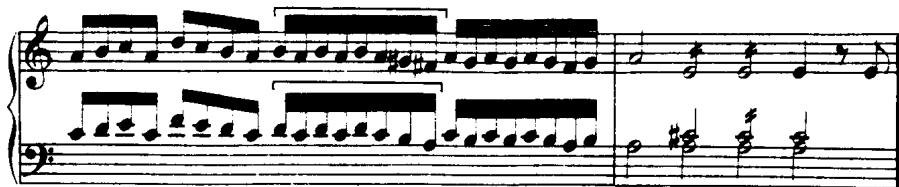
中文讲解
此为Ex.4.45的长图注,逐子例说明各终止式的装饰形态,是本节最重要的实证说明。
第一,对照关系:(a)与(c)展示的是未经装饰的tenor终止式;它们的装饰反复版(即同一终止式被装饰再现)分别出现在(b)和(d)中。这种「未装饰—装饰反复」并列安排,正是P0040「装饰tenor首音 vs 静态discant首音」论点的实证基础。
第二,子例(a):diminuta cadence(细分终止式),以简单音符值进行,无装饰。
第三,子例(b):仅tenor终止式被细分,用groppetto和groppo(groppo为更大规模的细分装饰)将原本的长音值分成更小的音符。
第四,子例(c):tenor终止式首音已经过diminution处理(已被装饰过)。
第五,子例(d):即(c)的装饰反复版;其中groppetto是(c)图形的diminution变体,区别在于它填满了整个基本音符的时值——也就是说,(d)的groppetto是(c)中已被装饰的图形的进一步细分覆盖整个长音。
第六,子例(e):tenor终止式首音的后半部分出现groppetto(前半部分保持不动)。
第七,子例(f):两个groppetti出现在groppo之前。但只有第二个groppetto真正属于tenor终止式,因为两个终止式(discant与tenor)运行在不同的节奏层次上。图注末尾以冒号引出Ex.4.46,作为该节奏层次错位现象的进一步示例。
本图注的功能是把P0040的论点落到每一具体子例上,让读者看到「groppetto装饰tenor首音」在不同乐曲中分别表现为整音细分、半音细分、双groppetto等变体形式。
补充说明
「diminuta cadence」是FVB中常见的细分终止式类型,指终止式的音符值被细分为更小单位的处理方式。「groppo」是与groppetto相关的更大规模的细分装饰。
第19段(P0051)
原文复述
中文讲解
此为第8页的图像/乐谱占位符,对应P0050图注末尾提到的Ex.4.46,用于展示P0050所述「两条终止式运行在不同节奏层次」的现象。其具体谱面内容需查看原图。
补充说明
需查看原书第8页Ex.4.46对应谱例。
第20段(P0052)
原文复述
In this case, the tenor close causes the cadence to be simple, as there can be no suspension. Ex.4.45(b) and (f) are exceptional in that they feature groppi in the tenor closes; in the others, the discant closes are ornamented, commencing on the note of resolution, and continuing the movement initiated by the groppetto in the tenor close.
中文讲解
本段是本节的总结收束,分三层推进。
第一,承接P0050图注末尾Ex.4.46所述情形(两条终止式节奏层次错位):作者指出在该例中tenor终止式使整个cadence成为「simple cadence」(简单终止式),因为tenor终止式的形态导致不可能形成suspension(挂留)。这就把节奏层次错位与和声结果(无挂留)联系起来。
第二,标注例外:Ex.4.45 (b)和(f)较为特殊——tenor终止式本身就带有groppi(即装饰延伸到tenor终止式内部,而不仅仅在首音)。
第三,归纳一般规律:在其余例子中,被装饰的是discant终止式(而非tenor),它们从「resolution」(解决音)开始,从而延续了tenor close中groppetto所开启的运动。
这一收束把整节论证定格在一个关键原则上:groppetto不只是tenor局部的炫技,而是一个跨越声部的「运动起点」——它启动的运动由discant的装饰接续完成,两条声部由此在终止式中形成连贯的对位运动。
补充说明
本段将本节主旨从「groppetto是什么」(形态)推进到「groppetto在声部关系中起什么作用」(功能),完成论证闭环。
脚注 / 边栏 / 图表 / 附加信息(如有)
本节包含的附加材料包括:
- P0035的数字标记「215」(可能为FVB编号或节奏细分比例);
- P0036—P0039两幅第6页乐谱图示(未装饰版与装饰版对照),用于直观展示groppetto的四个音级细分形态;
- P0037与P0039的图像占位符(嵌入数据已省略,需查原图);
- Ex.4.45系列谱例(P0041—P0050),分(a)至(g)七个子例,分别取自Bull的Walsingham、Piper’s Galliard、Philips的Pavana与Tirsi、Morley的Fantasia等FVB作品;
- Ex.4.46(P0051占位符),用于说明两条终止式运行在不同节奏层次的现象;
- 数字标记「4:1」与「6:1」(P0047—P0048),可能为节奏细分比例标记;
- P0049对Philips Tirsi(FVB I 281:5:2)的作品位置标注,对应唯一例外Ex.4.45 (g)。 这些附加材料的作用是把P0040的核心论点(groppetto装饰tenor首音 vs 静态discant首音)落到具体的、可视的实证基础上。
💡 本节核心要点
- groppetto在FVB中极少作为tenor终止式的装饰,仅在例外情况出现,且一旦出现总是采取对tenor终止式首音的diminution形式。
- 这种diminution由四个自然音级构成:首音上方一音、首音本身、首音下方两音,即「上—本—下—下」的细分形态。
- groppetto在此并非对音程的装饰,而是对单个音的炫技细分,但承担了重要的声部间对位功能。
- 在FVB中(除一处例外),被groppetto装饰的tenor终止式首音几乎总是与未经装饰的discant终止式首音同时发声,形成「静态—运动」的声部对比。
- groppetto因此不仅装饰tenor终止式,还为终止式的下一个音(tenor或discant的第二音)做了运动上的预备。
- Ex.4.45 (g)是唯一例外:discant与tenor终止式均含groppetto并作平行六度运动。
- 本节最终结论是:groppetto是终止式中跨声部运动的起点,其启动的运动由discant终止式中的装饰所延续,使终止式形成连贯的对位运动。
🔑 关键术语
- groppetto:一种回旋式细分装饰音,在本节中专指对tenor终止式首音进行的四个音级(上一、本、下二、下二)的炫技细分。
- tenor close:终止式中次中音声部的收束进行;在本节中是groppetto所装饰的对象。
- discant close:终止式中高声部的收束进行;在本节中通常与被装饰的tenor close首音同时发声但保持静态。
- diminution:将原本较长音符的时值细分为多个较短音符的装饰处理;本节中groppetto即采取此形式覆盖tenor终止式首音的整个时值。
- FVB:《菲茨威廉维金纳琴曲集》(Fitzwilliam Virginal Book),本节所有例证材料的曲谱来源。
- simple cadence:不包含suspension(挂留)的简单终止式;本节末尾指出在Ex.4.46情形下tenor close使cadence只能以simple cadence形式出现。
- diminuta cadence:终止式的音符值被细分为更小单位的特殊终止式类型,Ex.4.45 (a)中以简单音符值进行即属此类型。
- groppo:比groppetto规模更大的细分装饰形式;Ex.4.45 (b)和(f)中tenor终止式内除groppetto外还出现groppo。
4.3.2 [描述性拆分] 4.3.2 The Groppetto as Decoration of the Discant Close
第1段(P0053)
原文复述
4.3.2 The Groppetto as Decoration of the Discant Close
中文讲解
小节标题:4.3.2 格罗佩托作为高音声部终止的装饰。该标题开启本章4.3中专门讨论 groppetto 的一个子小节;标题中的 “Decoration of the Discant Close” 限定了分析视角——以高音声部终止为骨架,把 groppetto 视为覆盖在该骨架上的装饰层。
第2段(P0054)
原文复述
Here the groppetto is employed as diminution of the first note of the discant close, or as diminution of the anticipated note of resolution where, prior to the groppo, it prepares for the motion that follows in an ornamented discant close. As such it serves to introduce the groppo. The groppetto as a diminution of the first note of the discant close can take the whole value of the note, or part of it, in either a simple or diminuta cadence. Ex.4.45 (g) is an illustration of a groppetto used in place of the first note of a discant close in a simple cadence, occupying the full value of this note. In the following simple cadence, the groppetto takes up half the value of the first note of the discant close, the diminution consisting of a tirata and a groppetto:
中文讲解
此段定义 groppetto 在小节内承担的两类角色:其一是作为高音声部终止首音的细分(diminution),其二是作为解决音预期音(anticipated note of resolution)的细分——后者位于 groppo 之前,为其后装饰化终止中的动作作准备,因此它又被界定为 groppo 的"引子”。进一步规定 groppetto 作为首音细分时,可占用首音的整时值或部分时值,并可出现在简单终止(simple cadence)或 diminuta 终止两类语境中。Ex.4.45 (g) 是简单终止中 groppetto 代为承担首音整时值的实例;接下来一个简单终止里 groppetto 只占首音一半时值,该细分由 tirata 加 groppetto 组合而成。
教学要点:(1) diminution 在早期键盘/声乐装饰理论中指把一个长音符拆解为若干短音的"加花细分”,它既可以指装饰过程本身,也可指加花所得的音型。(2) “anticipated note of resolution” 即"预期解决音”,是终止动作中先于真正解决音出现的半提前音;此段明示 groppetto 既能装饰首音,也能装饰这种预期音,二者均为本节后续例证的对象。(3) tirata 在这里与 groppetto 联合形成"细分+加花"的复合装饰——这是细分的细分,作者随后将以此为基础推出四分之一时值的情况。
补充说明
Ex.4.45 (g) 在本节正文中只作为交叉引用被提及,其自身并不展开;该例的全貌应见更早的小节。
第3段(P0055)
原文复述
Ex.4.47 Philips, Passamezzo Pavana (FVB I 302:5:3)
中文讲解
图例4.47的题注:引自 Philips 的《Passamezzo Pavana》,Fitzwilliam Virginal Book 第一册第302页第5首第3小节。该例为上面段落提到的"groppetto 占终止首音一半时值、由 tirata 与 groppetto 共同构成"这一情形的实例。
补充说明
FVB = Fitzwilliam Virginal Book,全书沿用"卷号:页码:曲号:小节号"的速记定位法。
第4段(P0056)
原文复述
中文讲解
第9页乐谱占位符,对应 Ex.4.47 的实际谱面;内嵌图像数据已省略,需查阅原书原图以确认其中音型细节。
第5段(P0057)
原文复述
Illustrated below are three discant closes in diminuta cadences, which are accorded different treatments:
中文讲解
此处为 Ex.4.48 的总导言句:下文将要展示的三个 diminuta 终止中的高音声部终止,分别被施以不同的装饰处理。该句为接下来 (a)、(b)、(c) 三段示例的纲。
教学要点:全用 diminuta cadence 而非 simple cadence,是为了让读者在同一类型的终止里比较不同装饰处理带来的差异;这凸显了"在固定骨架之上变换装饰"这一研究方法。
第6段(P0058)
原文复述
Ex.4.48 Farnaby, 24. (FVB II 332)
中文讲解
Ex.4.48 的总题注:引自 Farnaby 的《24》曲,FVB 第二册第332页。该例包含三个分别标记 (a)(b)(c) 的 diminuta 终止中的高音声部终止,对应上一段落的导言。
第7段(P0059)
原文复述
(a) 2:3
中文讲解
Ex.4.48 的第一种处理,标记 “2:3”。该记号表示(a)处理中两个声部(高音终止与男高音终止等)起始点之间的节拍/小节位置比;具体对应于 (b) “2:4” 与 (c) “3:2” 形成三组对比。
补充说明
“2:3”、(b)“2:4”、(c)“3:2” 这三组数字很可能指两声部终止起始所落的小节:拍位,作者以此构建听觉/视觉上的"起始节奏位置"对照。
第8段(P0060)
原文复述
中文讲解
第9页乐谱占位符,对应 Ex.4.48 (a) 的实际谱面;具体音符需查阅原书原图。
第9段(P0061)
原文复述
(b) 2:4
中文讲解
Ex.4.48 第二种处理,标记 “2:4”。与 (a) “2:3”、(c) “3:2” 共同构成同一例的三个变体;本处理中两声部起始位置的节拍/小节比由此变化反映出来。
第10段(P0062)
原文复述

中文讲解
第9页乐谱占位符,对应 Ex.4.48 (b) 的实际谱面。
第11段(P0063)
原文复述
中文讲解
第10页乐谱占位符,对应 Ex.4.48 (c);标号 “(c) 3:2” 作为图像说明合于同一行。
第12段(P0064)
原文复述
In Ex.4.48 (a) the anticipated note of resolution appears in the discant close; in (b), the anticipation takes the place of the suspension and in (c), a groppetto also takes the place of the suspension, being a diminution of the anticipation in (b). Here, as in Ex.4.49, a simple cadence, the groppetto takes only part of the value of the first note of the discant close:
中文讲解
此段给出三段示例的具体释义,构成一条层层递进的细分链:(a) 预期解决音(anticipated note of resolution)保留在高音声部终止之内;(b) 预期音替代了原本延留音(suspension)所占的位置;(c) 一个 groppetto 也替代了延留音的位置,其本身又是 (b) 中预期音的进一步细分。接着作者类比到 Ex.4.49——一个简单终止——指出此处的 groppetto 也只占高音声部终止首音的部分时值。
教学要点:(1) (a)、(b)、(c) 三个变体正好铺出"延留→预期→groppetto 细分"的链条——这是本节最具方法论意义的论断。(2) 注意 (c) 中的 groppetto 并非直接放在延留音位置,而是替代延留音的"位置属性”,即从前一和弦延续过来的功能位;这种"功能位被细分装饰占据"的思路贯穿全节。
补充说明
此段同时把 Ex.4.49 引入:下文将以该例作"groppetto 仅占部分时值"的典型实例。
第13段(P0065)
原文复述
中文讲解
第10页乐谱占位符,对应紧接其后的 Ex.4.49 实际谱面(一个简单终止,其 groppetto 仅占终止首音的部分时值)。
第14段(P0066)
原文复述
In Ex.4.49 the tenor and discant closes move on different metric levels: the tenor close only starts at the note of resolution in the discant close, due to the fact that it has half the note values of the discant close. While the groppetto as diminution of the first note in a discant close can take the whole value of this note in a simple cadence, this is not the case in a diminuta cadence. Here it will occupy half the value of the first note, and it replaces the suspension: $^{51}$
中文讲解
此段就 Ex.4.49 给出规则性总结。第一层观察:在该例中,男高声部(tenor)与高音声部(discant)的终止运行于不同的节拍层级(metric levels),男高终止只在高音声部终止的解决音所在位置才开始,原因是男高声部的时值只有高音声部时值的一半。第二层为可推广到全节的规则:(i) 在简单终止中,groppetto 作为高音声部终止首音的细分可占用该首音的整时值;(ii) 在 diminuta 终止中情况不同——此处 groppetto 仅占首音一半时值,并替代延留音的位置。原句末尾附尾注 51。
教学要点:(1) “tenor and discant on different metric levels” 直译为"两者运行于不同的节拍层级”——本例以双倍时值差记谱(tenor 时值减半),所以其终止在节拍上必然滞后,这一现象是文艺复兴英国键盘复调写作常见的多层时值对位。(2) 由 contrast “simple vs. diminuta” 引出的"整 vs. 半时值"二选规则,是本节核心要点之一;尾注 51 据此放置,作者或据此给出文献证据。
补充说明
尾注 51 是本节唯一出现的 footnote 标记;其具体内容需查原书页脚,此处不复述。
第15段(P0067)
原文复述

中文讲解
图像占位符附可读题注:作者署名为"Fre."(按姓氏首字母缩写的惯例,原书应注全名),曲名《Heaven and Earth》,出自 FVB 第一册第417页第5首第3小节。该图作为 Ex.4.49 简单终止中 groppetto 占首音部分时值的实例。
第16段(P0068)
原文复述
Others occur at FVB I 295:6:2; II 170:2:3.
中文讲解
补充指明同样的处理(FVB 中简单终止里 groppetto 占首音部分时值的其他用例)另见于 FVB 第一册295页第6首第2小节,以及第二册170页第2首第3小节。
教学要点:作者用这类指示提示读者自行查阅其他位置,从而把单一例证提升为"模式化手法”。
补充说明
“Others"指与前例 Ex.4.49 处理类似的其他实例。
第17段(P0069)
原文复述
The groppetto in-lieu-of the suspension created here can be regarded as a further diminution of the ornamented anticipation in-lieu-of the suspended dissonance, indicated thus: in Ex.4.51:
中文讲解
此段把上一段观察到的 groppetto 重新置于细分链的更上端:本例所产生的"代延留音的 groppetto”,可视作"代延留不协和音的装饰化预期音"的进一步细分。指示参见 Ex.4.51。
教学要点:(1) 这里的"细分链"由三层组成——suspended dissonance(延留的不协和音)→ ornamented anticipation in-lieu-of the dissonance(代延留的装饰化预期音)→ groppetto in-lieu-of suspension(代延留音的 groppetto),后者是前者的进一步细分;(2) 这是本节从 Ex.4.48 (a)(b)(c) 起步的同一个方法论在不同例上的延续,说明作者并非孤立地描述乐谱,而是把多个例以"细分深度"为轴重新组织。
第18段(P0070)
原文复述
Ex.4.51
中文讲解
图例编号 4.51,单独成行作为下接例的引导号。
第19段(P0071)
原文复述
Byrd, Galliard (FVB II 198:5:1)
中文讲解
题注:Byrd 的 Galliard,FVB 第二册第198页第5首第1小节。该题注标记 Ex.4.51 的乐曲来源。
第20段(P0072)
原文复述
中文讲解
图像占位符,附可读题注:Morley 的 Pavana,FVB 第二册第211页第2首第3小节。属 Ex.4.51 的图面组件之一。
第21段(P0073)
原文复述
中文讲解
第11页乐谱占位符,对应 Ex.4.51 的实际谱面。
第22段(P0074)
原文复述
The relationship between the groppetto of Ex.4.50 and the ornamented anticipation in-lieu-of the suspended dissonance of Ex.4.51 is clear: the groppetto consists of an alternation between the first two notes, with the last two notes added at the end.
中文讲解
此段对 groppetto 给出少有的构造性定义:Ex.4.50 中的 groppetto 与 Ex.4.51 中"代延留不协和音的装饰化预期音"在音型上的关系是清楚的——groppetto 由前两音之间的一次"交替(alternation)“构成,末尾再追加两个音。
教学要点:(1) “alternation between the first two notes” 揭示了 groppetto 的核心骨架——它本质上是首二音的上下来回(或同度重复等);(2) “the last two notes added at the end” 说明 groppetto 的尾部有两音作为对交替的收束。这一定义把 groppetto 从"功能标签"还原为具体的音型,是本节少有的形态描述。
补充说明
Ex.4.50 本身在本节正文中并未被展开为完整乐例,但 P0074 直接把它与 Ex.4.51 关联,可推测 Ex.4.50 即前段紧接 Ex.4.49 的相关实例。
第23段(P0075)
原文复述
The groppetto also occurs as diminution of the ornamented anticipation of the note of resolution, where it precedes the groppo and precipitates the motion that follows, thus taking a quarter of the value of the suspended note. It is an embellishment of figs. (viii) and (ix) from Table 4.4:
中文讲解
此段提出 groppetto 的又一具体角色:作为"解决音装饰化预期音"的细分,处于 groppo 之前并催发(precipitates)随后的动作,因此占用延留音时值的四分之一。作者明确把它定性为表4.4(Table 4.4)中第 (viii)、(ix) 两图样的加花装饰。
教学要点:(1) “precipitates the motion” 一词精准刻画了 groppetto 在时间维度上的功能——它作为短促前缀,推动听者期待随后的 groppo 出现。这是 groppetto 与 groppo 之间"前导—本体"关系的关键定性。(2) “a quarter of the value” 给出本节第三种时值比例(整时值—半时值—四分之一时值),与前面的 simple/diminuta 区分共同构成 groppetto 时值占用的完整规则集。(3) 引用 Table 4.4 把 groppetto 锚定到全章既有的"骨架图样 vs. 装饰图样"对照表,从而保持前后术语一致。
补充说明
Table 4.4 应在前文(如 4.3.1 或更早)已经出现,作者在本节复用 (viii)(ix) 两条作为"骨架"基底。
第24段(P0076)
原文复述
Ex.4.52
中文讲解
图例编号 4.52,单独成行作为下接例的引导号。
第25段(P0077)
原文复述
Byrd, Pavana (FVB II 227:1:2)
中文讲解
题注:Byrd 的 Pavana 曲,FVB 第二册第227页第1首第2小节,对应 Ex.4.52 (a) 的来源。
第26段(P0078)
原文复述
中文讲解
第11页乐谱占位符,附小标 “(a)",对应 Ex.4.52 (a)。
第27段(P0079)
原文复述
Morley, Pavana (FVB II 211:3:2)
中文讲解
题注:Morley 的 Pavana 曲,FVB 第二册第211页第3首第2小节,对应 Ex.4.52 (b)。该曲目与 P0072 同属 Morley Pavana,但指示的是同一作品中不同段落。
第28段(P0080)
原文复述
中文讲解
图像占位符附小标 “(b)” 并紧随一段说明文字:Ex.4.52 (a) 与 (b) 分别展示了 Table 4.4 中第 (viii)、(ix) 两个图样在 FVB 中的实际应用形态;接下来要摘录的实例中,grippetti(拼写变体)即是这两个图样的细分。
教学要点:(1) “grippetti” 是 groppetti 的异拼,词源相同,作者借此提示意大利语拼写在键盘装饰文献中的不统一。(2) 此句承上:前面 Ex.4.52 的 (a)(b) 是"原始骨架” (figs (viii)(ix));接下来的 Ex.4.53 则将骨架进一步加花细分——前后两段构成"原始—细分"对偶。
第29段(P0081)
原文复述
Ex.4.53 Tomkins, The Hunting Galliard (FVB II 102:1:1)
中文讲解
Ex.4.53 的题注:引自 Tomkins 的《The Hunting Galliard》,FVB 第二册第102页第1首第1小节。
第30段(P0082)
原文复述
中文讲解
第12页乐谱占位符,附小标 “(a)",对应 Ex.4.53 (a)。
第31段(P0083)
原文复述

中文讲解
图像占位符附小标 “(b)"。其后正文给出了 Ex.4.53 (a) 与 (b) 各自的音型来源与一处重要的结构现象:在 Ex.4.53 (a) 中第二小节的 groppetto 是 Ex.4.52 (a) 中十六分音符图样的细分;在 Ex.4.53 (b) 中,groppetti 源自 Ex.4.52 (b) 的图样,只是两个 groppetti 中的第一个以一个休止(rest)替代了延留音。值得专门指出的是,Ex.4.53 (a) 中出现了引人注目的"终止叠加(superimposition of cadences)“现象——第一小节内便已同时存在一个未装饰的高音声部终止和男高声部终止,二者共同构成一个简单终止。本句以冒号收尾,引出紧随的 Ex.4.54。
教学要点:(1) “a rest replaces the suspension” 是有意思的细节:原本由延留音占据的位置被休止符让出,从而为 groppetto 的细分腾出空间——结构上的"位置"与装饰上的"音型"分离,是文艺复兴英国键盘音乐常见的写作策略。(2) “superimposition of cadences” 是本节关键术语之一——指多组终止在同一小节内同时或相继开始;这是英国维基尔琴乐派区别于欧陆风格的核心特征之一。该句以"remarkable"加以强调,预示后文将细致分析这一叠加现象。
补充说明
“unornamented” 一词用在此处,是为了与后文 P0086—P0089 中"叠加于其上的、更晚开始的加花终止"形成对照;这一对偶是后续小节论证的支点。
第32段(P0084)
原文复述
Ex.4.54
中文讲解
图例编号 4.54,单独成行作为下接例的引导号,对应前段末尾"第一小节存在一个未装饰的简单终止"的乐段。
第33段(P0085)
原文复述
中文讲解
第12页乐谱占位符,对应 Ex.4.54 的实际谱面。
第34段(P0086)
原文复述
On the third beat of this bar yet another simple cadence begins, the first note of which is embellished with a groppetto: Ex.4.55
中文讲解
该小节的第三拍上又一组简单终止开始,其第一音以 groppetto 装饰,例见 Ex.4.55。
教学要点:(1) “yet another” 强调在前例 Ex.4.54 第一小节里已有"未装饰"的简单终止;现在第三拍又出现"加花"的另一简单终止,两组终止在同一小节内并存。(2) 这里把 groppetto 的角色还原为"在已有终止骨架之上,再生成一个加花终止的第一音”——这是把 groppetto 与终止叠加(superimposition)现象直接关联的关键过渡句。
补充说明
此句承前 Ex.4.54 “第一小节存在一个简单终止”,指出该小节内部还有第三个加花终止;下一句则会给出第四个事件。
第35段(P0087)
原文复述
中文讲解
第13页乐谱占位符,对应 Ex.4.55 的实际谱面。
第36段(P0088)
原文复述
On the fourth crotchet of this bar a diminuta cadence commences in the alto, adorned with a groppetto which is a diminution of the anticipated note of resolution: Ex.4.56
中文讲解
在该小节的第四个四分音符上,alto(次高音/中音)声部开始一组 diminuta 终止,其上以一个 groppetto 装饰——该 groppetto 是解决音预期音的细分。例见 Ex.4.56。
教学要点:(1) “fourth crotchet” 与前句 “third beat” 紧邻,构成同一小节内逐拍加密的节奏事件序列——但应注意一个是按四分音符计数、一个是按拍位计数;二者具体对应关系需结合原谱。(2) 此句把 alto 声部引入终止叠加:至此该小节内已并置高音(未装饰)+ tenor 终止(简单终止)→ 高音第三拍起的 groppetto 加花简单终止 → alto 第四个四分音符起的 groppetto 加花 diminuta 终止——三层叠加,逐拍加密。
补充说明
“alto” 一词在此前文本中未曾出现,此处首次作为活跃声部登场,可视为本节开始从高音/tenor 转向多声部叠加的标记。
第37段(P0089)
原文复述
中文讲解
第13页乐谱占位符,对应 Ex.4.56 的实际谱面。
第38段(P0090)
原文复述
In Ex.4.53(b), a new diminuta cadence begins in the alto against the note of resolution of the first discant close.
中文讲解
在 Ex.4.53 (b) 中,相对(against)第一个高音声部终止的解决音,alto 声部开始一组新的 diminuta 终止。
教学要点:(1) “against the note of resolution” 意味着 alto 的 diminuta 终止与高音声部终止在时间点上落在同一节拍上,但分属不同声部、不同功能层——这是终止叠加的对位化形式。(2) 此句呼应小节标题"groppetto 作为高音声部终止的装饰”,并把该手法延展到 alto 声部在高位解决音之上的新终止动作,显示 groppetto 的装饰功能可跨声部发生。
补充说明
此句是对 Ex.4.53 (b) 中 alto 行为的总结性判断。
第39段(P0091)
原文复述
In the following example by Bull, the original and its variation in diminution are illustrated: the groppetto in the tenor close is a diminution of the four-note descending figure in the original, and the groppetto and ensuing groppo are based upon the figuration of the discant close in FVB II 242:5:4:
中文讲解
在接下来 Bull 的例子里,原形(original)与其细分变体(variation in diminution)被并列展示:tenor 终止中的 groppetto 是原形中"四音下行图样"的细分;而 groppetto 与随后紧接的 groppo 一道,以 FVB 第二册242页第5首第4小节一处高音声部终止的音型为基础。
教学要点:(1) “original and its variation in diminution” 是文艺复兴变奏思维的实例化呈现——以原形与加花变体并列,作者由此对二者进行音型溯源。(2) 此处同时呈现两组 groppetto/groppo 关系——tenor 的 groppetto 来自"四音下行"原形,discant 的 groppetto+groppo 则来自另一首 FVB 曲目的高音终止音型——体现作者能在多个声部同时追溯装饰来源。(3) “ensuing groppo” 再次确认 groppetto 与 groppo 的"前导—本体"关系,是本节反复出现的主题。
补充说明
“discant close in FVB II 242:5:4” 在 P0093 的题注中即为 Bull 的 Piper’s Galliard;此处把当前作品的音型与同作者他作的音型进行了交叉参照。
第40段(P0092)
原文复述
中文讲解
乐谱占位符,附图例编号 Ex.4.57。该例为 Bull 例子里原形与细分变体的并列展示,其实际谱面需查阅原图。
第41段(P0093)
原文复述
中文讲解
乐谱占位符附可读题注:Bull 的《Piper’s Galliard》,FVB 第二册第242页第5首第4小节。该图与 P0092 的 Ex.4.57 共属同一例的来源图之一;其高音终止的音型在 P0091 中被明确指为 groppetto 与随后 groppo 的"基础图样”。
第42段(P0094)
原文复述
中文讲解
乐谱占位符附三条文本信息:左边页码 “223”;题注 “Bull, Variatio Ejusdem (FVB II 245:3:1)"——Bull 的《同名变奏》(FVB 第二册245页第3首第1小节);以及下一小节小标题 “4.3.3 The Groppetto as Decoration of the Bass Close”。
教学要点:(1) “Variatio Ejusdem” 在拉丁文中意为"同一曲之变奏”,与 P0091 中"原形—变体"的分析视角完全对应,说明 Bull 在同一作曲家名下既提供主题原形又提供其加花变奏。(2) 跨越页码至223,提示本段已跨入书的下一页。(3) 紧随的小节标题预告下小节 4.3.3 将处理 groppetto 对低音终止(bass close)的装饰——与本章 4.3.2(discant = 高音)形成对称结构。
补充说明
页码 223 标注的是此图像所在版面的页码;下一小节的实际起首位置需以原书为准。
脚注 / 边栏 / 图表 / 附加信息(如有)
本节所附附加材料可分为三类:(一) 尾注 51,仅出现一次,位于 P0066 末尾,针对 simple vs. diminuta 终止中 groppetto 时值占用差异提供出处证据;(二) 多处 FVB 卷/页/曲/小节号的交叉引用,具体为:I 295:6:2、II 170:2:3、I 302:5:3、II 198:5:1、II 211:2:3、II 211:3:2、II 227:1:2、II 102:1:1、II 332、II 242:5:4、II 245:3:1、I 417:5:3,这些引用既支持论点又为读者提供独立检索路径;(三) Table 4.4 的两条图样 (viii) 与 (ix) 被反复用作骨架对照基线;此外,各 Ex. 编号(4.45(g)、4.47—4.57)所对应的乐谱多因内嵌图像省略仅留占位,读者需结合原书原图。这些附加材料整体上共同支撑了"以细分链骨架 + 跨声部叠加观察"分析 groppetto 的方法论。
💡 本节核心要点
- groppetto 在本节具有双重角色——既可作为高音声部终止首音的细分,也可作为解决音预期音的细分;前者承担"导引 groppo"的触发功能,后者直接替代延留音位。
- simple cadence 与 diminuta cadence 中 groppetto 对首音的时值占用规则不同:简单终止中可占整时值,diminuta 终止中只占半时值并替代延留音位置;其后又引入第四种比例——延留音四分之一时值——对应 sonority 更密的情形。
- 终止装饰呈现一条"细分链”:延留不协和音 → 装饰化预期音 → groppetto 替代延留音位 → groppetto 细分预期音。Ex.4.48 (a)(b)(c) 三段示例正是该链上三种连续阶段,构成本节最具方法论意义的论证。
- groppetto 与 groppo 之间存在"前导—本体"关系:groppetto 先于 groppo 出现并催发后续动作(precipitates the motion);这一关系贯穿 Ex.4.49、Ex.4.52、Ex.4.53 与 Bull 例。
- groppetto 的音型构造本质是"前两音交替+末两音追加”(见 P0074),这一形态定义为后面所有时值/位置讨论提供了底层依据。
- 本节末段通过 Bull《Piper’s Galliard》原形与《Variatio Ejusdem》变体的并列,展示终止装饰同样可对应"原形—细分变奏"的写作范式;而 Tomkins《Hunting Galliard》终止叠加(superimposition of cadences)一例把 groppetto 置于多声部多拍位的精微写作之中,是本节的高潮性观察。
🔑 关键术语
- groppetto:一种导引性细分装饰,出现在 groppo 之前,可细分高音声部终止的首音或替代延留音位;在音型上为"前两音交替+末两音追加”。
- groppo:由若干短音构成的装饰纹样本体;本节侧重于它的前奏 groppetto;二者构成"导引—本体"关系。
- discant close:高音声部终止,即上方声部(discant)的终止动作;本节把它视为 groppetto 装饰的骨架。
- diminuta cadence:比简单终止装饰密度更高的终止类型;其中 groppetto 仅占终止首音半时值,并替代延留音位置。
- simple cadence:本节与 diminuta cadence 对照使用的较素朴的终止类型;其中 groppetto 可占用首音整时值。
- anticipation / anticipated note of resolution:预期音——终止前先触及的半解决音;groppetto 可以细分这种音,也可替代延留音位而成为它本身。
- suspension (suspended dissonance):延留音——前和弦的音被延续到下一和弦形成的不协和音;本节在多个例中展示它的位置如何被预期音或 groppetto 替代。
- diminution:细分——把一个长音拆成若干短音的装饰化操作;在本节也用于指"经细分而产生的变体音型”。
- tirata:一种级进短音装饰跑句;在 Ex.4.47 中与 groppetto 共同构成复合细分。
- tenor close:男高音/次中声部(tenor)的终止动作;在本节中其时值常为 discant 的一半,与 discant 终止形成节拍层级差。
- alto:次高音/中音声部;本节末段把它引入终止叠加,与 tenor 和 discant 并列。
- FVB:Fitzwilliam Virginal Book,本节主要的文献来源;定位记号为"卷号:页:曲号:小节号"。
- superimposition of cadences:终止叠加——多组终止在同一小节内同时或相继开始,是本节 Tomkins 例中揭示的现象。
- original and variation in diminution:原形与细分变体并列的研究范式;Bull 的 Piper’s Galliard 与 Variatio Ejusdem 即此对偶。
- Table 4.4:本章既有的"骨架—装饰"对照表;本节反复引用其第 (viii)、(ix) 两个图样作为 groppetto 的加花基底。
4.3.3 [描述性拆分] 4.3.3 The Groppetto as Decoration of the Bass Close
第1段(P0095)
原文复述
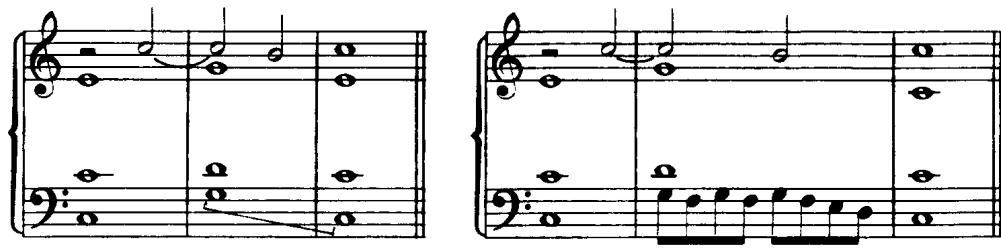
The descending interval of a fifth in a bass close is often subject to diminution, and a groppetto may be used to embellish this progression:
中文讲解
本段点出本小节的核心议题:在低声部终止式(bass close)中常见的下行五度音程,往往会被加以“缩减化”(diminution),而groppetto正是用来装饰这种五度下行的装饰音。作者用一句话预告本节将围绕一个具体音程(五度下行)来观察装饰音的运作逻辑,因此它是一个论题引入段,读者应带着“groppetto如何填补五度下行”的期待进入后续例子。
补充说明
本节出现的“bass close”“discant close”“tenor close”等术语沿用前面小节的脉络,此处不需补述。
第2段(P0096)
原文复述
Ex.4.58
中文讲解
这是例4.58的标题标记,本身不包含文字说明,作为正文段落处理时仅指示此处引出一段谱例。
第3段(P0097)
原文复述
中文讲解
这是例4.58对应的谱例占位符,位于第14页,紧接在作者指出groppetto可装饰低声部五度下行之后。需查看原图以获得具体音型、节奏与声部排列。
第4段(P0098)
原文复述
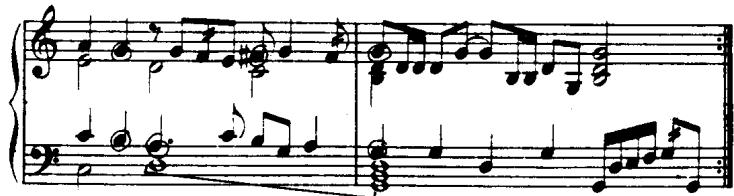
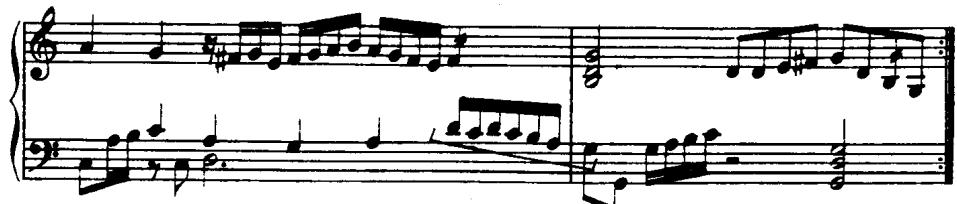
The groppetto differs here from its use in the discant and tenor closes: because it connects a disjunct interval it therefore fulfills the same function as a tirata. In this Galliarda by Bull, the use of a groppetto decorating the bass close (d - G) in the varied repeat is shown:
中文讲解
本段提出本节最重要的功能判断:在低声部终止式中使用的groppetto与在高声部(discant)或次中声部(tenor)终止式中使用的groppetto不同——它跨越的是一个“跳进”(disjunct interval),因而其功能相当于“tirata”(一种音阶式经过音填补)。随后引出Bull的《Galliarda》,其中变奏重复(varied repeat)中的groppetto装饰的是d–G的低声部五度下行。读者需要抓住两点:一是“功能等同于tirata”这一类比,二是它为后续例子提供具体音高d–G的参照。
补充说明
“varied repeat”即“变奏重复”,指文艺复兴键盘舞曲中第一遍陈述原形、第二次陈述加花重复的常见结构;本节多处使用这一概念作为groppetto出现的语境。
第5段(P0099)
原文复述
Ex.4.59 Bull, Galliarda (FVB I 170)
中文讲解
例4.59的来源信息:Bull的Galliarda,载于FVB(菲茨威廉古钢琴曲集)第I卷第170首。这一行仅作为谱例的出处标注,本身不陈述分析。
第6段(P0100)
原文复述
$$ 1 7 0: 3: 1 $$
中文讲解
这是例4.59原形陈述(未变奏版本)的小节/拍位指示:第1小节第7拍的0(即第1小节末)之后进入第3小节第1拍。读者可借此定位谱例中的对应陈述位置,以与后面的变奏重复作对照。
第7段(P0101)
原文复述
中文讲解
这是例4.59原形陈述的谱例占位符,位于第14页,应显示Bull《Galliarda》对应位置的原谱声部与终止式。需查看原图。
第8段(P0102)
原文复述
 )
中文讲解
这是例4.59的(b)部分——变奏重复段——的谱例占位符,小节定位为FVB I 171:1:1。它与原形陈述形成对照,正是groppetto加入低音的位置。需查看原图。
第9段(P0103)
原文复述
In the repeat (Ex.4.59(b)), the semibreve d in the bass becomes a dotted minim, and is further ornamented with a groppetto transposed an octave higher (d’), connecting it with the g,a fifth lower. The original G is reached again by an octave transposition. The fact that the groppetto acts as a tirata in the bass close can be demonstrated by examining the note of which this is a diminution. The groppetto begins on d, ends on a and connects it thus to g. The interval d-g is therefore the basis for diminution. This differs completely from the basis for the groppetto in the tenor and discant closes - here, the basic note for diminution is the second note of the groppetto, while the first and last two notes are ornamental. The groppetto in the bass close takes the first note as a basis for diminution. The ornamented discant close in Ex.4.60 (a) and (b) illustrates the point:
中文讲解
本段是对Bull《Galliarda》变奏重复段的详细分析,是本节论证最密集的一段。核心论点链如下:
- 形态描述:原形中全音符(semibreve)d在变奏重复中变成附点二分音符(dotted minim),并被一个高八度移位的groppetto(d’起)所装饰,从而连接到下方五度的g,a,最终再通过八度移位回到原G音。
- 功能论证:groppetto之所以等于tirata,是因为它本身可视为对某个音的缩减。groppetto起于d、终于a,并将a连向g,因此被缩减的音程是d–g;这就是它的“缩减基础”。
- 与高/次中声部终止式的对比:在discant与tenor终止式中,groppetto的缩减基础是它的第二个音,第一个和最后两个音是装饰性的;而在bass close中,groppetto把第一个音作为缩减基础——这是结构上的根本差异。
- 由此引出下一个例子Ex.4.60来进一步说明此差异。
读者理解本段的关键在于:把握“缩减基础音”的概念——它是判断groppetto属于哪一类(装饰持续音 vs. 填补跳进)的标尺。
补充说明
“octave transposition”指装饰音或旋律以八度方式平移,从而在保持轮廓的同时改变音区;本例中groppetto被上移八度,正是因为低音部作为装饰时整体音域偏低,需要移位以使音型清晰。
第10段(P0104)
原文复述
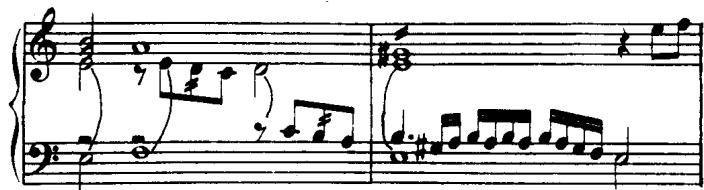
Ex.4.60 Tisdall, Galiarda (FVB II 487)
中文讲解
例4.60的来源信息:Tisdall的Galiarda,载于FVB第II卷第487首。该行仅作为谱例出处标注。
第11段(P0105)
原文复述
(a) 1:3
中文讲解
例4.60(a)部分的小节定位:小节1第3拍(或对应位置),用于指定原形陈述的观察点。
第12段(P0106)
原文复述
中文讲解
这是例4.60(a)原形陈述的谱例占位符,位于第15页。需查看原图。
第13段(P0107)
原文复述
(b) 4:1
中文讲解
例4.60(b)部分的小节定位:小节4第1拍,对应变奏重复中groppetto装饰留音的位置。
第14段(P0108)
原文复述
中文讲解
这是例4.60(b)变奏重复段的谱例占位符,位于第15页。需查看原图。
第15段(P0109)
原文复述
In Ex.4.60 the original progression is illustrated first (a rest has replaced the tie of the suspension in the discant close), with the groppetto decorating the suspension in the varied repeat (Ex.4.60(b)). Here the groppetto is doubled in the counter-tenor close in the tenor. The comparison demonstrates that the basis for diminution is e’ in the alto, with f’ as the ornamental note. This groppetto links the interval e’ - d’ of the discant close, but contrary to the groppetto in the bass close, this is only incidental. Although Bull and Byrd often employ the groppetto in the bass close in the FVB, it is Farnaby who uses it extensively as a diminution device. Farnaby employs it especially when the discant and tenor closes are left unornamented: $^{52}$
中文讲解
本段通过对Tisdall《Galiarda》原形/变奏的对照,得出与低声部终止式相对立的结论:
- 原形(a)中,高声部discant close的留音原本用一个延音连线维持,但现在改用一个休止符代替——这是一个分析上的细节,说明作者为方便对照而简化了原谱记谱。
- 变奏重复(b)中,groppetto装饰的就是这个留音;并且该groppetto在counter-tenor(次高声部)的tenor终止式中出现一次,形成双重装饰。
- 关键判断:通过对比可看出,缩减基础音是alto中的e’,f’只是装饰音;groppetto虽然跨越了discant close的e’–d’音程,但这只是“附带”的(incidental),而非该groppetto存在的主要理由。
- 作者由此将groppetto的使用风格归属于作曲家:Bull和Byrd在FVB中常用bass close中的groppetto,但真正把它当作系统性缩减装置大量使用的是Farnaby;而Farnaby特别喜欢在discant和tenor终止式保持朴素的情况下单独装饰bass close。最后的“52”是脚注上标,指向下一条注释。
读者应抓住的对照结论:bass close的groppetto以“跳进填补”为本,而discant/tenor的groppetto以“装饰留音”为本——两者性质不同。
补充说明
“counter-tenor”在本文中应理解为一种靠近tenor之上的次高声部,用于双重装饰tenor终止式时与alto声部形成音区上的呼应。
第16段(P0110)
原文复述
Ex.4.61 Farnaby, 25. (FVB II 334)
中文讲解
例4.61的来源信息:Farnaby的第25首,载于FVB第II卷第334首。该行仅作为谱例出处标注。
第17段(P0111)
原文复述
中文讲解
这是例4.61第一段的谱例占位符,位于第16页。需查看原图。
第18段(P0112)
原文复述
中文讲解
这是例4.61第二段((b))的谱例占位符,位于第16页,对应没有tenor close而以groppetto替代的那段。需查看原图。
第19段(P0113)
原文复述
中文讲解
这是例4.61第三段((c))的谱例占位符,位于第16页,对应alto的f’–g’与c"–d"是否被读作discant close的两种可能解释。需查看原图。
第20段(P0114)
原文复述
The ornamented bass and unornamented tenor and discant closes in Ex.4.61 are indicated with brackets. In Ex.4.61(b) there is no tenor close present: the b in the tenor is broken up into an ascending semiquaver figure and a groppetto which precedes the groppetto of the bass close d’ - g. Further on in the same piece groppetti occur which, in the absence of definite discant or tenor closes, may be viewed either as ornamentations of bass closes or as virtuoso decoration of the intervals d’ - g and a - d (Ex.4.61(c)). In the first case, one may regard the alto f’ - g’ and c" - d" as unprepared discant closes.
中文讲解
本段针对Farnaby作品中的三处情况逐一讨论:
- Ex.4.61整体:在原谱中,被装饰的bass close与未被装饰的tenor和discant close用括号标出,说明Farnaby倾向于只装饰低声部。
- Ex.4.61(b):这里没有tenor close——b音在tenor声部被分解为一个上行十六分音符音型加上一个groppetto;这个groppetto先于bass close的groppetto(d’–g)出现。也就是说,Farnaby在tenor声部以花音代行了tenor close的功能。
- Ex.4.61(c):更后面出现的groppetti,由于没有明确的discant或tenor close可作参照,因此存在两种读法——既可看作bass close的装饰,也可看作对d’–g和a–d两个音程的“炫技装饰”。如果取第一种读法,那么alto的f’–g’与c"–d"就可以被当作“无准备的discant close”(unprepared discant closes)。
这一段揭示了Farnaby的groppetto风格所带来的一个分析难题:当装饰脱离了明确的和声骨架(discant/tenor close)时,分析者必须重新决定该装饰归属于何种终止式。
补充说明
“unprepared discant close”指没有经过留音准备而直接出现的discant close;这一术语把“没有准备”本身当作一种风格特征看待。
第21段(P0115)
原文复述
In Ex.4.62 the diminution of the bass close interrupts and continues the virtuoso passaggi of the soprano. The penultimate note of the discant close is adorned with a double-stroke ornament and a chain of groppetti decorates the bass close which is extended to two and a half octaves from g’ - C:
中文讲解
本段引出例4.62,描述Farnaby作品中将bass close的缩减与soprano的炫技经过句(passaggi)融为一体的现象。两个细节值得注意:(1) discant close的倒数第二个音被“双击装饰”(double-stroke ornament)装点;(2) 一串groppetti构成bass close的装饰链,将音域从g’延伸到C,跨越两个半八度。读者可以把它理解为本节主题的极端化:当bass close的缩减装置足够长时,它本身就构成一段炫技性乐句,与其他声部的炫技乐句并行不悖。
补充说明
“passaggi”指声部中的快速经过乐句,常用于炫技段落;“double-stroke ornament”是一种在原音上快速重复两次的短装饰。
第22段(P0116)
原文复述
E.g., FVB II 319:3:1; 330:4:1; 332:4:2, 5:1; 340:2:3; 349:4:4.
中文讲解
这是一条提供进一步谱例位置的脚注式列举,给出FVB第II卷中若干groppetto装饰bass close的精确小节/拍位(如319:3:1表示第319首第3小节第1拍)。它说明前一句所述的“bass close延伸两个半八度”并非孤例,FVB中还有大量类似位置可作参证。
补充说明
“FVB”在此即为菲茨威廉古钢琴曲集的缩写,与正文例子一致;这些坐标可作为读者自行查阅原谱的索引。
第23段(P0117)
原文复述
Bull, Variatio Ejusdem (FVB II 245)
中文讲解
这是例4.62的来源信息:Bull的《Variatio Ejusdem》,载于FVB第II卷第245首。该行仅作为谱例出处标注。
第24段(P0118)
原文复述
中文讲解
这是例4.62谱例的占位符,位于第17页。需查看原图以获得soprano炫技经过句与bass close一串groppetti并置的实际织体。
第25段(P0119)
原文复述
中文讲解
这是例4.62可能包含的第二段谱例占位符,位于第17页。需查看原图。
第26段(P0120)
原文复述
The groppetto in the bass close also occurs at the end of a work (Ex.4.63(a)). In Ex.4.63(b) one sees that after the finalis of the mode has been reached via a proper cadence, another discant and bass close (in the soprano and bass respectively) briefly makes a cadence:
中文讲解
本段揭示bass close中groppetto的另一处典型位置——曲末,并由此讨论一种特殊的“曲终后cadence”现象:
- Ex.4.63(a)展示了bass close的groppetto出现在作品末尾。
- Ex.4.63(b)展示了更为有趣的情形:在该调式finalis已经通过一个完整cadence确立之后,又在soprano和bass上分别短暂做出一个discant close和bass close,构成“曲终之后再cadence”的效果。
读者需要理解:作者把这种额外的终止式视作groppetto装饰bass close语境的延伸,即使它们不再承担真正的调式收束功能,仍可作为装饰现象出现。
补充说明
“finalis”指教会调式的结束音,相当于现代调性中的主音,是该调式身份的核心音。
第27段(P0121)
原文复述
Ex.4.63
中文讲解
这是例4.63的总标题,本身不包含说明文字。
第28段(P0122)
原文复述
 )
中文讲解
这是例4.63(a)的谱例占位符:Farnaby第23首(FVB II 329:6:1),显示bass close的groppetto出现在曲末的位置。需查看原图。
第29段(P0123)
原文复述
Farnaby, Walter Erle’s Paven (FVB II 339:6:1)
中文讲解
这是例4.63(b)的来源信息:Farnaby的《Walter Erle’s Paven》,载于FVB第II卷第339首第6小节第1拍。该行仅作为谱例出处标注。
第30段(P0124)
原文复述
中文讲解
这是例4.63(b)的谱例占位符,显示在已经通过完整cadence到达finalis之后,soprano与bass上又出现的一个短小discant close与bass close。需查看原图。
脚注 / 边栏 / 图表 / 附加信息(如有)
本节末尾包含一条由P0116构成的脚注式列举(E.g., FVB II 319:3:1; 330:4:1; 332:4:2, 5:1; 340:2:3; 349:4:4),其作用是为前文关于bass close延伸两个半八度的论述提供进一步的谱例索引,属旁证而非新主张;正文P0109末尾的“52”是一个上标脚注编号(脚注内容未在本节输入中出现,本节不得揣测其内容)。
💡 本节核心要点
- 在bass close中,groppetto跨越的是跳进音程(如下行五度),因此其功能等同于tirata——它是对一个具体音程的缩减。
- bass close的groppetto以第一个音作为缩减基础;而discant/tenor close的groppetto以第二个音作为缩减基础,二者结构性质根本不同。
- Farnaby倾向于把groppetto作为系统的缩减装置大量使用,并且尤其偏好只装饰bass close而让discant/tenor close保持朴素。
- 当bass close的缩减被延长(如跨越两个半八度)时,它本身就足以构成炫技性乐句,与soprano的passaggi并行不悖。
- groppetto在bass close中的使用也出现在曲末,并出现finalis已确立后再次短暂cadence的特殊现象,揭示装饰装置可以脱离真正的调式收束功能而独立存在。
🔑 关键术语
- groppetto:一种装饰音型(反复围绕一两个音的快速回旋音),在本节中既可装饰持续音,也可作为缩减装置填补跳进音程,其在本节中的判定取决于它出现于何种终止式。
- bass close:低声部的终止式,对应下方声部的收束音程(常为下行五度),是本节groppetto装饰的声部载体。
- discant close:高声部(soprano/discant)的终止式,其中groppetto的缩减基础是第二个音,而非第一个音。
- tenor close:次中声部的终止式;本节指出Farnaby常常让tenor保持朴素而不装饰。
- diminution:对原本较长音或音程的节奏化细分;groppetto在bass close中被视为对d–g音程的缩减化。
- tirata:用快速音阶式经过填补跳进音程的手法;本节把bass close中的groppetto与之相类比,强调其“填补跳进”的功能。
- suspension:留音,一种和弦外音;discant close中的groppetto常围绕留音做装饰,其缩减基础是留音后的解决音。
- passaggi:声部中的快速炫技经过乐句;本节指出bass close的groppetto链可与之并行形成炫技段落。
- finalis:教会调式的结束音,相当于调式主音;本节末尾讨论finalis之后仍出现cadence的特殊现象。
- varied repeat:变奏重复,文艺复兴键盘舞曲中第一遍陈述原形、第二次陈述加花重复的结构;本节多个例子(Ex.4.59、4.60)的groppetto都出现在这一变奏重复中。
4.4 4.4 Groppo and Groppetto as Virtuoso Decoration
第1段(P0125)
原文复述
4.4 Groppo and Groppetto as Virtuoso Decoration
中文讲解
This is the heading of section 4.4, which opens a new argumentative block in the chapter. After the preceding sections have established how groppo and groppetto operate structurally within cadential progressions, this section shifts attention to their role as standalone, “virtuoso decoration”: figural writing that showcases display rather than fulfills a harmonic-cadential duty. The section will use representative FVB (Fitzwilliam Virginal Book) examples to argue that these figures are flexible in melodic direction, intervallic basis, and even placement, and that this flexibility itself is a defining trait of virginalist virtuosity.
补充说明
None.
第2段(P0126)
原文复述
The groppo and groppetto do not only occur at cadences, where they have a specific function as part of the cadence progression, but may frequently be encountered in the FVB as abstract decoration at any point in a piece as part of the written-out passaggi. Here they specifically add to the virtuoso character of the figuration, and can be considered as virtuoso decoration. The groppo and groppetto appear singly or in combination, and also together with other written-out ornaments such as the tirata. Indeed, some works in the FVB seem to be composed of nothing but tirate, groppi and groppetti. They always function in the framework of the other passaggi, as diminutions of an interval or intervals.
中文讲解
This paragraph lays down the thesis of the section. The author first draws a contrast with what came before: groppo and groppetto are not only cadential figures, they also appear as “abstract decoration” anywhere in a piece, embedded within written-out passaggi. By calling them “virtuoso decoration,” the author signals that their function now is display, not syntactic completion. The figures may be used singly, combined with each other, or paired with the tirata; in extreme cases an entire FVB piece can be built almost exclusively from these three figure-types. Nevertheless, even when used purely decoratively, they still operate within the larger passaggio framework as diminutions of one or more intervals. The conceptual move is therefore not to free these figures from intervallic logic but to widen the contexts in which that logic is permitted to operate.
补充说明
The terms passaggi, tirata, groppo, groppetto, and FVB are carried over from earlier sections; their meaning is presupposed and not redefined here.
第3段(P0127)
原文复述
In the Praeludium which follows (Ex.4.64), the passaggi consist almost exclusively of groppi, groppetti and tirate; it constitutes a mixture of virtuoso decoration and cadence ornaments. The groppetti are consistently employed in descending intervals and the groppi in ascending intervals. In b. 1 and 2 the chain of groppetti connects c’ to d, and in b. 3 and 4 it connects d’ to c. This is a device particularly favoured by composers in the FVB. In b. 6 to 7 the groppi are diminutions of the ascending scale g - a - b - c’ - d’ - e’ - f’ - g’, which is continued in the soprano in b.8. In b.9 the left hand starts an unornamented suspension cadence which is interrupted by the groppetti in the same hand, leading it to the finalis G instead of the expected C. In b.11 a groppetto and gruppo occur on the first and second notes of a simple discant close. The piece finally cadences with a gruppo in the tenor close.
中文讲解
The author uses Ex.4.64 (a Praeludium) as a paradigm of “mixture,” because it shows both functions—virtuoso decoration and cadence ornament—operating side by side. Three analytic points deserve attention. First, a directional convention is observed: groppetti are reserved for descending intervals, groppi for ascending intervals, which is why the chains in bb. 1–4 can move either c’–d or d’–c depending on direction. Second, in bb. 6–7 the groppi are explicitly identified as diminutions of an ascending G-major scale, demonstrating that even when used decoratively the figures articulate a real underlying scalar gesture, continued in plain soprano notes in b. 8. Third, the author highlights an interrupted cadence in b. 9: a left-hand suspension cadence is diverted by groppetti so that the music arrives on G rather than the expected C, with a groppetto/grppo pair then decorating a discant close in b. 11 and a final gruppo in the tenor close. The example thus shows that the figures can simultaneously decorate, articulate, and even redirect cadential motion.
补充说明
None.
第4段(P0128)
原文复述
中文讲解
This entry records the first of two page-level image or musical-score placeholders that reproduce the score of Ex.4.64 (the Praeludium analyzed in P0127). The musical content is not visible in the input, so all of the bar numbers, pitches, and ornamental details mentioned in P0127 must be verified against the original score.
补充说明
需查看原图:Ex.4.64 (a Praeludium), p. 19.
第5段(P0129)
原文复述
中文讲解
This is the second part of the image/score placeholder sequence for Ex.4.64, continued onto p. 20. As with P0128, the score itself is not embedded, but the surrounding text in P0127 is sufficient to follow the argument.
补充说明
需查看原图:Ex.4.64 (a Praeludium), p. 20.
第6段(P0130)
原文复述
230
中文讲解
This is simply the running page number 230 of the book. It carries no argumentative content but indicates that the example discussion (Ex.4.64) is being spread across two facing pages (pp. 19–20 of the source manuscript) before the analysis continues on a new page.
补充说明
None.
第7段(P0131)
原文复述
Tomkins’ Hunting Galliard (Ex.4.65) likewise demonstrates the frequent use of groppi as virtuoso decoration; here they all appear on ascending intervals of the second. Bars 23 to 28 are sequences constructed almost entirely of groppi. Only in b.29-30 are the groppetti and groppi used in two succeeding discant closes.
中文讲解
With Tomkins’ Hunting Galliard (Ex.4.65), the author reinforces the section’s central claim with a second example. Three observations are important. First, every groppo in this excerpt decorates an ascending second—the narrowest interval available—so that the figure is reduced to its smallest possible intervallic substrate while still being deployed en masse. Second, six full bars (bb. 23–28) form sequential writing made almost entirely of groppi, illustrating the earlier statement that some FVB pieces are essentially built from these figures. Third, groppi and groppetti still appear in their older, cadential role in bb. 29–30, where they ornament two consecutive discant closes. The juxtaposition confirms that the same figure-type can carry either the “virtuoso decoration” or the “cadence” function within a single piece.
补充说明
None.
第8段(P0132)
原文复述
A study of various occurrences of the groppetto as virtuoso decoration reveals that there is no consistency regarding the melodic design as far as the identification of the basic note affecting the diminution is concerned. The first or the second note of the groppetto is used interchangeably as the main note, whereas, with the groppo, the first note is always the auxiliary note. The ambiguity which exists for cadences is thus applied here as well. The following extract illustrates this point; it constitutes a comparison between the first and fourth sections of a piece, the latter being a variation of the first section:
中文讲解
This paragraph introduces an important formal observation that distinguishes groppo from groppetto in their non-cadential usage. Whereas the groppo is rigid—the first note is always the auxiliary—the groppetto is structurally ambiguous: either the first or the second note can serve as the “main note” from which the diminutional figure is heard to flow. The author explicitly ties this ambiguity to the same ambiguity already documented for cadential usage, arguing that the decorative function inherits rather than overrides the cadential ambiguity. The excerpt that follows (Ex.4.66) is announced as a comparison between the first and fourth sections of a single piece, so that the listener/reader can verify which note is the underlying main note by comparing decorated and undecorated statements.
补充说明
None.
第9段(P0133)
原文复述
Ex.4.66
中文讲解
This is the example label for Ex.4.66. It marks the beginning of a multi-staff score that the author will use to demonstrate, by direct comparison between sections, the ambiguity in identifying the main note of the groppetto.
补充说明
None.
第10段(P0134)
原文复述
Bull, Saint Thomas Wake (FVB I 131)
中文讲解
This is the attribution for Ex.4.66: the piece is John Bull’s Saint Thomas Wake, located at FVB I 131. It establishes the source for the comparative analysis that follows.
补充说明
None.
第11段(P0135)
原文复述
中文讲解
This entry preserves a caption fragment “(c); 131:1:3” together with the standard placeholder note. The codes indicate that sub-example (c) is taken from FVB folio 131, voice 1, system 3, but the embedded score image is not reproduced; one must consult the original publication to see the music.
补充说明
需查看原图:Ex.4.66(c), Bull, Saint Thomas Wake, FVB I 131:1:3.
第12段(P0136)
原文复述
中文讲解
This is a further score placeholder on p. 21, continuing the layout of Ex.4.66. As with the previous image entries, the music itself cannot be reconstructed from the text alone.
补充说明
需查看原图:Ex.4.66 sub-example, p. 21.
第13段(P0137)
原文复述

中文讲解
Page-22 score placeholder continuing the multi-part layout of Ex.4.66.
补充说明
需查看原图:Ex.4.66 sub-example, p. 22.
第14段(P0138)
原文复述
中文讲解
Second p. 22 score placeholder; one of multiple musical fragments that together comprise the sub-examples (a)–(h) of Ex.4.66.
补充说明
需查看原图:Ex.4.66 sub-example, p. 22.
第15段(P0139)
原文复述
中文讲解
Third p. 22 score placeholder, again part of the Ex.4.66 layout.
补充说明
需查看原图:Ex.4.66 sub-example, p. 22.
第16段(P0140)
原文复述
中文讲解
Fourth p. 22 score placeholder, completing the row of sub-examples on that page.
补充说明
需查看原图:Ex.4.66 sub-example, p. 22.
第17段(P0141)
原文复述
中文讲解
Score placeholder continuing onto p. 23, the page on which the detailed comparison between the first and fourth sections resumes in prose.
补充说明
需查看原图:Ex.4.66 sub-example, p. 23.
第18段(P0142)
原文复述
The fourth section (Ex.4.66 (b), (d), (f) and (h)) consists of the melody, with groppi and groppetti accompanying it in the left hand. A comparison with the first section (Ex.4.66 (a), (c), (e) and (g)) clarifies the notes upon which the diminution is based. From this, it is evident that the groppetto in b.48 of Ex.4.66(b) is based on the second b in the tenor of b.1 of Ex.4.66(a). The c’ of the groppetto is therefore the auxiliary note. The first groppetto of b.49 in the fourth section (Ex.4.66(b)), is however, based upon the g (first note of b.2, first section, Ex.4.66(a)), so that the second note of the groppetto is now the auxiliary note. The encircled notes clarify the remaining notes, with their diminutions. It shows how the auxiliary note can be either the first or the second note of the groppetto.
中文讲解
This is the analytical payoff promised by P0132. The author reads Ex.4.66 as a variational pair: the first section gives the bare melodic skeleton, the fourth section is its ornamented counterpart. Two contrasting cases are worked out. In b. 48 of the fourth section, the groppetto is anchored on the tenor b that is the second structural note of b. 1 of the first section; therefore the c’ within the groppetto is the auxiliary. By contrast, in the first groppetto of b. 49, the underlying note is the g at the head of b. 2 in the first section, so that the second note of the groppetto is now functioning as the auxiliary. The “encircled notes” in the score mark these structural correspondences visually. The pedagogical point is concrete: by juxtaposing unornamented and ornamented statements, the listener can hear that either note of the groppetto can act as the auxiliary, which is precisely the ambiguity that earlier cadential analyses had already noted.
补充说明
None.
第19段(P0143)
原文复述
The descending intervals of a second and a fifth form the basis for most groppetti in the FVB. In Ex.4.67 the outlines of the basic intervals are not obscured, as the groppetti clearly embellish the intervals of a fifth and a second. In (a) these intervals are g-c, e-A, f"-b’, c"-f", a - d, d’-g:
中文讲解
This paragraph narrows the empirical observation from the previous section to a specific intervallic claim: in the FVB, most groppetti used as virtuoso decoration are built on descending seconds or descending fifths. The author then announces Ex.4.67 as an illustration where the underlying intervals remain audibly intact through the decoration—i.e., the groppetti are transparent diminutions rather than concealing reformulations. The list of intervals in sub-example (a) (g–c, e–A, f"–b’, c"–f", a–d, d’–g) demonstrates that the same descending-fifth or descending-second motion recurs under different transpositions, supporting the claim that these two intervals are a stock resource for the composers.
补充说明
The accidental “f"” and double-prime octave notations in the original list have been preserved as written; readers familiar with the FVB will recognize these as typographical conventions used in the source.
第20段(P0144)
原文复述
Ex.4.67
中文讲解
Label for Ex.4.67, which the previous paragraph introduces. The example will consist of two sub-examples, (a) and (b), attributed to Byrd and Tomkins respectively.
补充说明
None.
第21段(P0145)
原文复述
Byrd, O Mistris Myne (FVB I 260:4:2)
中文讲解
Attribution for Ex.4.67(a): William Byrd, O Mistris Myne, located at FVB I 260:4:2. The detailed citation allows the reader to locate the exact passage being analyzed.
补充说明
None.
第22段(P0146)
原文复述

中文讲解
Placeholder for sub-example (a) of Ex.4.67 (Byrd, O Mistris Myne). The music itself is not embedded, so the listed intervals (g–c, e–A, f"–b’, c"–f", a–d, d’–g) must be read against the score.
补充说明
需查看原图:Ex.4.67(a).
第23段(P0147)
原文复述
233
中文讲解
Running page number 233, separating the Byrd citation from the Tomkins citation that follows on the next page.
补充说明
None.
第24段(P0148)
原文复述
Tomkins, Pavana (FVB II 52:1:1)
中文讲解
Attribution for Ex.4.67(b): Thomas Tomkins, Pavana, located at FVB II 52:1:1. This is the second sub-example demonstrating the descending-second basis for groppetti.
补充说明
None.
第25段(P0149)
原文复述

中文讲解
Placeholder for sub-example (b) of Ex.4.67 (Tomkins, Pavana). The image data is not embedded in the input.
补充说明
需查看原图:Ex.4.67(b).
第26段(P0150)
原文复述

中文讲解
Page-24 score placeholder, part of the layout surrounding Ex.4.67(b).
补充说明
需查看原图:p. 24.
第27段(P0151)
原文复述

中文讲解
Additional page-24 score placeholder, continuing the visual layout that accompanies Ex.4.67(b).
补充说明
需查看原图:p. 24.
第28段(P0152)
原文复述
In Ex.4.67 (b) the groppetto is employed sequentially to embellish a descending interval of the second.
中文讲解
This short paragraph closes the Ex.4.67 discussion: in the Tomkins sub-example, the groppetto is used sequentially—i.e., repeated at the same intervallic level across successive steps of a descending line—so that the pattern of descending-second diminutions is reinforced by sequential repetition. This is significant because it shows the groppetto functioning not as a one-off cadence figure but as a building block of sequential writing.
补充说明
None.
第29段(P0153)
原文复述
The groppetto also functions independently from an interval as an ornament, i.e. it need not of necessity be based upon an intervallic diminution. These excerpts show that the groppetti can act as optional decoration to fill the space between intervals:
中文讲解
The author now pushes the argument further, into the most extreme form of “virtuoso decoration.” Up to this point the section has insisted that groppo and groppetto always diminish an interval—even when used decoratively. Here the author concedes that the groppetto can also detach from any specific interval: it need not be heard as a diminution of anything. In this detached role it functions as “optional decoration” filling melodic space between structural notes. This introduces the conceptual distinction between intervallic diminutions (which still have a structural referent) and pure connective/decorative groppetti (which do not).
补充说明
None.
第30段(P0154)
原文复述
Ex.4.68
中文讲解
Label for Ex.4.68, the example that will illustrate groppetti operating independently of any underlying interval.
补充说明
None.
第31段(P0155)
原文复述
Bull, Variatio (FVB I 174:5:1)
中文讲解
Attribution for Ex.4.68(a): John Bull, Variatio, located at FVB I 174:5:1.
补充说明
None.
第32段(P0156)
原文复述

中文讲解
Placeholder for sub-example (a) of Ex.4.68 (Bull, Variatio).
补充说明
需查看原图:Ex.4.68(a).
第33段(P0157)
原文复述

中文讲解
Image caption for Ex.4.68(b): John Bull, Salvator mundi, FVB I 169:5:1.
补充说明
需查看原图:Ex.4.68(b), Bull, Salvator mundi.
第34段(P0158)
原文复述

中文讲解
Placeholder for the actual musical content of sub-example (b) of Ex.4.68; the preceding caption line carries the attribution.
补充说明
需查看原图:Ex.4.68(b).
第35段(P0159)
原文复述

中文讲解
Image caption for Ex.4.68(c): Giles Farnaby, Pavana, FVB I 143:5:2.
补充说明
需查看原图:Ex.4.68(c), Farnaby, Pavana.
第36段(P0160)
原文复述
In Ex.4.68 (a) the basic notes are g - f# - e . The groppetti link these notes without being a diminution thereof. They are employed as independent entities and function as tirate, connecting intervals. Similarly, in (b) and (c) they function as tirate connecting large disjunct intervals.
中文讲解
This paragraph delivers the analytical message of Ex.4.68. In sub-example (a), the underlying structural notes are simply g, f#, e; the groppetti sit between them but are not heard as ornamenting any specific interval—they are independent entities that, importantly, function like tirate by bridging the gap between notes. Sub-examples (b) and (c) extend the same observation to larger, disjunct intervals: in each case the groppetti are not diminutions but connectors. This is a conceptual turning point in the section: the groppetto, originally introduced as an intervallic diminution, is shown here to have migrated into the functional territory of the tirata, blurring the boundary between figure-types in the FVB.
补充说明
None.
第37段(P0161)
原文复述
A stereotyped figure - a gruppo preceded by two ornamental notes - is regularly employed as virtuoso decoration. This occurs mostly, although not always, at the end of a section, after the finalis has been reached. It acts as a mini cadence, for the last two notes of the discant close are present, the first of the two being ornamented by this figure:
中文讲解
The final analytical observation of the section concerns a recurring composite figure: a gruppo preceded by two ornamental notes. The author describes this as a “stereotyped figure,” indicating that it is a recognizable formula used by multiple FVB composers. Although most often found at the end of a section—after the finalis has already been reached—it nevertheless behaves like a “mini cadence”: the closing two notes of a discant close are present, but the first of those two notes is now ornamented by the gruppo+two ornamental notes formula. Thus even at a moment that is structurally post-cadential, the composers cannot resist inserting a cadential ornament, miniaturized and re-deployed as virtuoso decoration.
补充说明
None.
第38段(P0162)
原文复述
Ex.4.69
中文讲解
Label for Ex.4.69, the example illustrating the stereotyped “gruppo preceded by two ornamental notes” figure.
补充说明
None.
第39段(P0163)
原文复述
Morley, Goe from my window (FVB I 43:4:2)
中文讲解
Attribution for Ex.4.69(a): Thomas Morley, Goe from my window, FVB I 43:4:2.
补充说明
None.
第40段(P0164)
原文复述
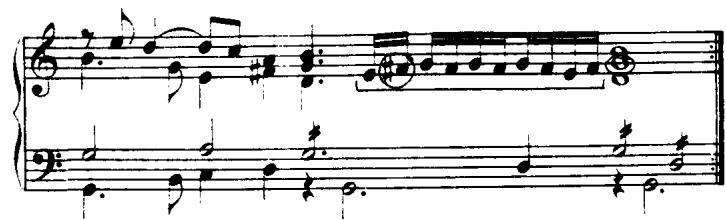
中文讲解
Placeholder for sub-example (a) of Ex.4.69, which illustrates the stereotyped gruppo-with-two-ornamental-notes figure in Morley’s Goe from my window.
补充说明
需查看原图:Ex.4.69(a).
第41段(P0165)
原文复述

中文讲解
Image caption for the second sub-example of Ex.4.69: Morley, Nancie, FVB I 60:3:1. Together with the Goe from my window citation, it provides a second illustration of the same stereotyped end-of-section formula, demonstrating that the device is a recurring Morley practice rather than an isolated instance.
补充说明
需查看原图:Ex.4.69(b), Morley, Nancie.
脚注 / 边栏 / 图表 / 附加信息(如有)
This section is heavily illustrated: Ex.4.64 (a Praeludium, occupying pp. 19–20), Ex.4.65 (Tomkins, Hunting Galliard), Ex.4.66 (Bull, Saint Thomas Wake, with paired first/fourth sections to compare unornamented and ornamented statements), Ex.4.67 (Byrd, O Mistris Myne, and Tomkins, Pavana, illustrating descending-second/fifth groppetti), Ex.4.68 (Bull, Variatio; Bull, Salvator mundi; Farnaby, Pavana, illustrating interval-independent groppetti), and Ex.4.69 (Morley, Goe from my window, and Morley, Nancie, illustrating the stereotyped gruppo+two-ornamental-notes figure). Embedded image data has been omitted in the input; readers seeking to verify specific pitches and bar numbers must consult the original publication. Two page numbers (230, 233) appear in the source text purely as running headers.
💡 本节核心要点
- Groppo and groppetto in the FVB are not limited to cadential usage: they also function as ‘virtuoso decoration’ anywhere in a piece, embedded within written-out passaggi.
- The same figure-types can co-exist in decorative and cadential roles within a single piece, as the Praeludium (Ex.4.64) and Hunting Galliard (Ex.4.65) demonstrate.
- Whereas the groppo always uses its first note as the auxiliary note, the groppetto is structurally ambiguous: either its first or its second note may serve as the main note being diminished, even in non-cadential contexts (Ex.4.66).
- Descending seconds and descending fifths form the intervallic basis for most FVB groppetti used as virtuoso decoration (Ex.4.67).
- Groppetti can detach from any underlying interval entirely, functioning like tirate to connect notes across disjunct leaps (Ex.4.68).
- A stereotyped end-of-section figure—a gruppo preceded by two ornamental notes—acts as a ‘mini cadence’ that re-deploys cadential ornamentation after the finalis has been reached (Ex.4.69).
🔑 关键术语
- discant close:A cadential formula in which two voices close on adjacent scale degrees; the section notes that the last two notes of a discant close form the structural substrate that the stereotyped gruppo+ornamental-notes figure ornamentally re-presents.
4.5 4.5 The Tirata
第1段(P0166)
原文复述
4.5 The Tirata
中文讲解
本条为第4.5节的标题,正式将讨论对象锁定为 tirata(一种十六至十七世纪键盘音乐中的展开式装饰手法)。作为小节标题,其功能在于开启全节论证:界定 tirata 的概念、与其他装饰(groppo、tremolo、tremoletto、slide)的关系、它在 FitzWilliam Virginal Book(FVB)中所承担的结构功能,以及它在风格史中逐渐失去独立分类地位的命运。
第2段(P0167)
原文复述
The tirata is intrinsically different from other written-out ornaments employed by sixteenth-and seventeenth-century musicians: it is, in fact, a passaggio, isolated and given a name. It is different from the other written-out ornaments, as it does not involve any kind of alternation between notes. Neither does it conform to the non-alternating type, as these typically employ very few notes. The tirata usually consists of eight or more notes. While the groppo, tremolo, tremoletto and slide became standardized and in time were indicated by ornament symbols, the tirata ceased to be classified in the same manner during the later seventeenth century.
中文讲解
本段是 tirata 的定义性段落,确立了它与其他记谱装饰的三重区别:(1) tirata 本质上是一个被"孤立并命名"的 passaggio(经过音阶式走句填充的段落),而非真正的装饰符号;(2) 它不涉及任何"音之间的交替"(alternation),因此与 groppo、tremolo 这类走句类型区别开来;(3) 它又不属于"非交替型装饰",因为后者通常只含很少几个音,而 tirata 通常由八个或更多音符组成。作者由此把 tirata 安置在一个特殊位置:它既不是真正的装饰,也无法用装饰符号归类。在与 groppo、tremolo、tremoletto、slide(这些最终都有了约定的符号标记)的对比中,作者指出 tirata 在十七世纪后期不再被以同样方式归类——这一历史性观察为后续讨论其风格史命运埋下伏笔。
补充说明
tirata 与其他装饰的对比是定义其本节身份的关键;alternation(音交替)特征、长度标准(≥8音)、以及与 passaggio 的同源性,是判断一段走句是否能被称为 tirata 的三个核心条件。
第3段(P0168)
原文复述
The tirata is also the one ornament which can serve as a structure upon which further ornaments can be constructed, for instance, the tremoletti. As the tirata so closely resembles the ordinary diminution employed by composers - it is the least distinguishable from the passaggi of all the written-out ornaments - it can only be classified as such when it fulfills a function associated with the tirata. It would otherwise be possible to view any passaggio which involves some kind of step-wise melodic movement as a tirata.
中文讲解
本段揭示 tirata 在装饰层级中的两个重要属性。第一个属性是"层级性":tirata 是唯一能够作为骨架、被进一步装饰(如 tremoletti 叠加其上)的装饰手法,这意味着 tirata 在结构等级上接近基础结构层而非表面装饰层。第二个属性是"可识别性问题":由于 tirata 与作曲家惯用的常规 diminution(减值)、与一般的 passaggio 在外观上极为相似,它在所有记谱装饰中是最难与一般走句区分的,因此作者提出一条判别准则——只有当一段走句实际承担 tirata 的功能时,才能被归为 tirata;否则任何包含级进旋律运动的 passaggio 都可以被误认为 tirata。这一段为下文用 FVB 实例来辨识 tirata 的功能性分类预先立下方法论。
补充说明
tremoletti 作为"建于 tirata 之上"的装饰,揭示了作者整体装饰分类中存在一种层级构造:某些装饰不是终端装饰,而是为更细致的装饰提供母体。
第4段(P0169)
原文复述
This ambiguity is already illustrated in the very first two pieces that appear in the FVB, Bull’s Walsingham and Munday’s Fantasia (Ex.4.70 and 4.71). In Ex.4.70, the encircled notes clarify the harmonic structure of the variations of the piece, while the brackets identify the tirate. The tirata at fig. 2 is clearly an expansion of the a’ at fig. 1. At fig. 3, however, the left hand is clearly occupied with passaggi, even though the stepwise descending passage e’ - e could be seen as a tirata. At fig. 4, a tirata fills the interval a - d and in the process expands it to one and a half octave. Tirate and passaggi are featured at figs. 5, 6, 7 and 8 - all of them expanding close intervals, except fig. 8, in which the expansion covers the octave, commencing at a’. Variations 22 to 24 of Walsingham (b. 169 - 192) seem to consist exclusively of tirate, which obscure the original note values to an almost unrecognizable extent.
中文讲解
本段以 FVB 开篇的两首作品(Bull 的 Walsingham 和 Munday 的 Fantasia,即 Ex.4.70 与 Ex.4.71)作为 tirata 模糊性的实例展示。在 Ex.4.70 中,作者采用了双重标记法——圆圈显示变奏的和声结构,方括号标注 tirata 的位置,这暗示读者需要从骨架和声音出发"看出"哪些走句被赋予 tirata 的功能。具体而言:(1) fig. 2 的 tirata 明显是 fig. 1 中 a’ 的扩展;(2) fig. 3 的左手虽然明显在演奏 passaggi,但下行级进 e’–e 也"可以被看作" tirata,恰恰印证了上一段"任何级进 passaggio 看起来都像 tirata"的论断;(3) fig. 4 中 tirata 填充了 a–d 的跳进,并将其扩展到一个半八度;(4) figs. 5–8 同时存在 tirate 与 passaggi,二者都在扩展窄音程,只有 fig. 8 跨越了八度;(5) Walsingham 的变奏 22–24(b.169–192)几乎全由 tirate 构成,原有时值被覆盖到几乎无法辨识的地步。本段的功能在于以实例说明 tirata 与 passaggio 的边界、其扩展跳进或窄音程的核心作用,以及极端变奏中 tirata 对原始结构的"覆盖"效应。
补充说明
Ex.4.70 与 Ex.4.71 是全节首次出现的实例,作者用同一首作品的多个 fig.(fig. 1–8)作为微观切片,使读者能在对照中观察 tirata 在不同结构位置的功能差异。
第5段(P0170)
原文复述
Munday’s Fantasia (Ex.4.71) displays a number of tirate fitting Praetorius’ description of them as ‘rapid little runs up and down the keyboard.’ $^{53}$ In this case they serve to connect the disjunct intervals whilst providing a sweeping virtuoso movement. In Ex.4.71 the notes of the intervals connected are encircled.
中文讲解
本段引出第二个实例——Munday 的 Fantasia(Ex.4.71),并引入一条 Praetorius 的权威性文献描述:“rapid little runs up and down the keyboard”(键盘上上下行的小段快速走句)。这一引文既为本节定义的 tirata 加上历史文献背书,也界定其"快速、走句式、跨越键盘"的物理形象。作者明确该作品中 tirate 的双重功能:(1) 连接跳进的音程(connect the disjunct intervals);(2) 提供一种横扫性的炫技运动(sweeping virtuoso movement)。在图例上,作者说明 Ex.4.71 中"被连接的音程的音"被圆圈标出,以便把 tirate 的功能落在具体音上。脚注 53 应指向 Praetorius 的相关原始出处。
补充说明
脚注 53 为 Praetorius 文献出处,是 tirata 概念获得历史文献支持的来源,对正文主张起文献旁证作用。
第6段(P0171)
原文复述
The principal functions of the tirata in the FVB are the filling up of a disjunct interval, and the expansion of a conjunct interval. These functions, however, may be combined with an additional purpose, that of connecting phrases. Ex.4.72, a Galliarda by Morley, provides an excellent illustration of this.
中文讲解
本段是对前两段实证分析的功能性总结。作者提出 tirata 在 FVB 中承担的两项主要功能:(1) 填充跳进(disjunct)音程——即把两个相距较远的骨架音之间的空隙填满;(2) 扩展级进(conjunct)音程——即把一个本来很窄的音程通过走句拉宽。此外,作者承认这两项核心功能可与第三种附加目的复合——连接乐句(connecting phrases)。作者预告 Ex.4.72(Morley 的 Galliarda)将作为这种"功能复合"的典范。
补充说明
本段是 4.5 节的小结性过渡:先把分散观察归纳为"功能清单",再以即将讨论的实例展示清单中各条目的真实组合方式。
第7段(P0172)
原文复述
See 1.4.6.
中文讲解
这是一条指向书中第 1.4.6 节的交叉引用,本身不含独立论点;其作用是把 tirata 的讨论回扣到更前面的章节语境(很可能涉及某些前置的概念,如 diminution、passaggio、或装饰层级),供需要的读者延伸阅读。
第8段(P0173)
原文复述
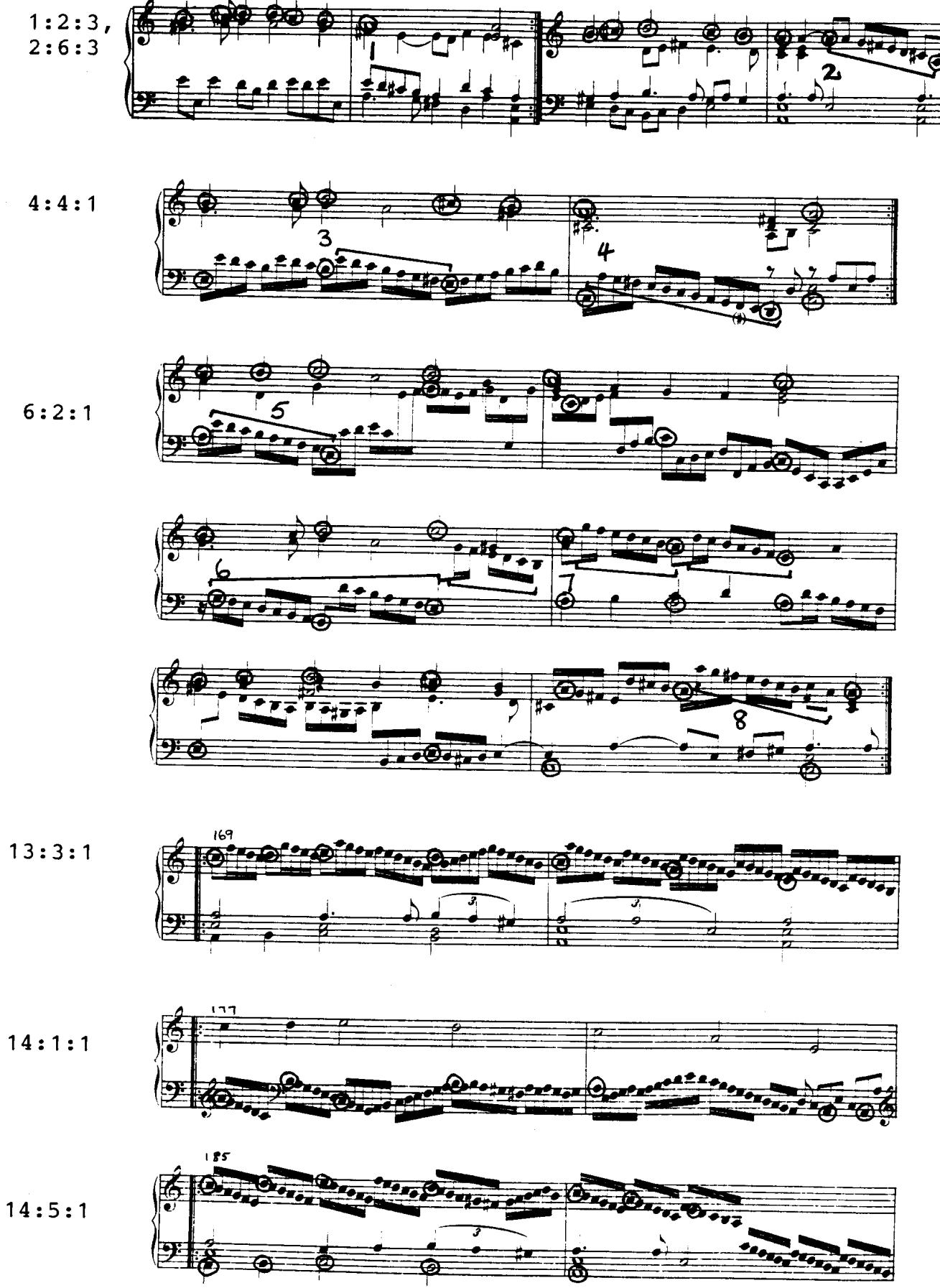
中文讲解
本页码 28 处为乐谱图像占位符,所附图注/位置已保留;图像内容(应为 Ex.4.70 Bull《Walsingham》的相关乐谱片段)需查看原图以确认 fig. 1 至 fig. 8 中被圆圈和方括号标记的具体音符与声部结构。本节其余正文已用文字描述 Ex.4.70 的图注含义,本条目仅承担版面定位功能。
第9段(P0174)
原文复述

中文讲解
本页码 29 处为乐谱图像占位符;图像内容(应为 Ex.4.71 Munday《Fantasia》的相关片段)需查看原图方可确认作者所述"被连接的音程的音"被圆圈标记的具体位置,以及 tirata 上下扫过键盘的实际音域。
第10段(P0175)
原文复述

中文讲解
本页码 29 处另一乐谱图像占位符;图像内容与上一条目同页相邻,应为同一组实例(Ex.4.70 或 Ex.4.71)的延续片段,需查看原图以确认。
第11段(P0176)
原文复述

中文讲解
本页码 29 处标记为 Ex.4.72 的乐谱图占位符;图像内容(应为 Morley《Galliarda》的两次变奏 4:3 与 1:2 比例示例)需查看原图以对照作者对"未装饰 (a)“与"变奏装饰 (b)“两个版本的描述。
第12段(P0177)
原文复述
Morley, Galliarda (FVB II 213)
中文讲解
本条为 Ex.4.72 的来源题注:作品为 Thomas Morley 的 Galliarda,出自 FitzWilliam Virginal Book 第二卷第 213 页。它为下一段分析提供"作曲家—作品—曲集页码"层面的来源定位。
补充说明
FVB II 213 这一卷页定位应与之后 Ex.4.73(Bull 的 Variatio)和 Ex.4.74(Morley 的 Nancie)的 FVB 定位对照使用,以方便读者复核谱例。
第13段(P0178)
原文复述
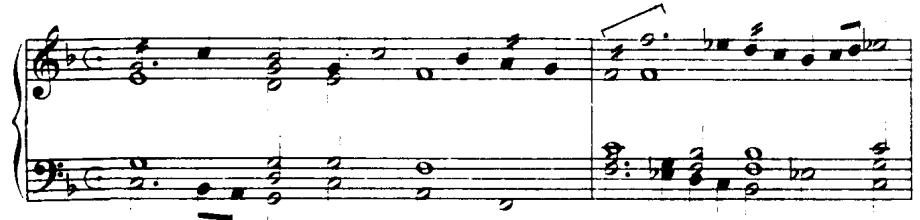
中文讲解
Ex.4.72(a) 子图占位符,标记比例 1:2(应为未装饰的原始形态 Galliarda)。比例 1:2 通常意味着纵向上把谱例压缩为半页宽度。该子图是 Ex.4.72(b) 装饰变奏版本的对照基础。
第14段(P0179)
原文复述
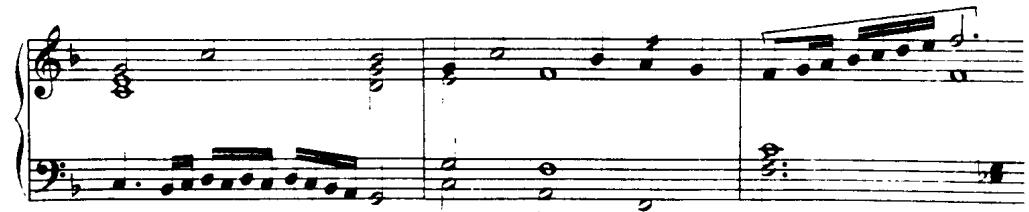
中文讲解
Ex.4.72(b) 子图占位符,标记比例 4:3(应为第一次变奏装饰后的形态)。与 (a) 1:2 形成"原形 vs. 装饰形"的对照,正是作者下一段讨论 tirata “填充八度 f’–f’’“并"连接第二段与其第一部分"所依据的视觉对照。
第15段(P0180)
原文复述
In the varied repeat of the first section (Ex.4.72(b)), the tirata fills the octave $f’ - f’’$ (unornamented in Ex.4.72(a)), and therefore also connects the second section of the repeat with its first part.
中文讲解
本段是 Ex.4.72(b) 的功能性分析。在第一段落的变奏重复中,tirata 填充了八度音程 f’–f’’(该八度在 Ex.4.72(a) 未装饰版本中是裸露的),由此 tirata 同时承担了 P0171 所总结的两项功能:(1) 填充跳进音程——这里是一个八度跳进;(2) 借由这次填充,把"重复中第二段"与"第一部分"在旋律走句层面连接起来。换言之,作者用 Morley 的 Galliarda 这一具体案例演示了 tirata"填充+连接"复合功能的真实运作。
补充说明
f’–f’’ 这一八度是分析的关键——既证明 tirata 能够填充相当大的跳进,也说明它同时具有句法连接功能。
第16段(P0181)
原文复述
Bull’s Variatio illustrates the expansion of a stepwise descending passage, g - f# - e in the bass, over two octaves by means of tirate:
中文讲解
本段引出第二个对照案例:Bull 的 Variatio(变奏),用以展示 tirata 的"扩展级进音程"功能。所述骨架是低音声部中一个下行三音级进 g–f#–e,作者声称该级进在两个八度的范围内被 tirate 所扩展。这一句的功能是为下一段 Ex.4.73(b) 的逐处分析提供导引。
补充说明
Bull 的 Variatio 与 Morley 的 Galliarda 配合,构成本节"填充跳进"与"扩展级进"两大功能的成对示范。
第17段(P0182)
原文复述
Ex.4.73
中文讲解
Ex.4.73 的图题标签,无独立论点;功能是把上一段导引与下一段分析锁定到同一谱例之上。
第18段(P0183)
原文复述
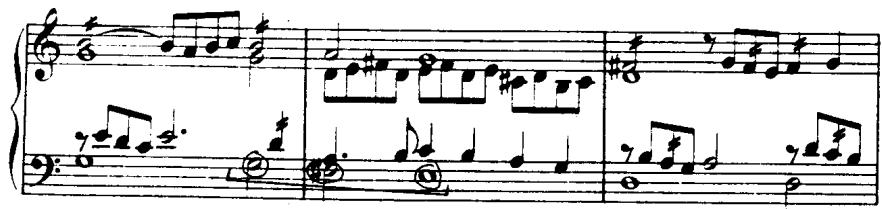
中文讲解
本页码 30 处为 Ex.4.73 的乐谱图占位符,图像内容(应为 Bull Variatio 的第一部分或 (a) 未装饰版本)需查看原图以确认 g–f#–e 低音骨架在乐谱上的实际位置。
第19段(P0184)
原文复述

中文讲解
本页码 30 处另一乐谱图占位符;应为 Ex.4.73(b) 的变奏装饰版本,其中 tirata 的起点 g、终点 F#(下方两八度)和最终回到 e(上方七度)等关键音需查看原图才能精确定位。
第20段(P0185)
原文复述
In the varied repeat of the second strain (Ex.4.73(b)), the tirata begins on g - being an extension of the groppetto preceding it, which in turn is a diminution of the d’ in the tenor which has been shifted to the third crotchet of the bar - and expands it to F# two octaves lower, and finally leads it back to e, a seventh higher. The first part of the minime is in turn adorned with a groppetto.
中文讲解
本段对 Ex.4.73(b) 进行详细的层级性分析,揭示了本节关键概念"装饰建于装饰之上"的实例:(1) 在第二变奏段的重复中,tirata 起点为 g;(2) 该 g 本身是它前面一个 groppetto 的延伸,而该 groppetto 又是对原本在男高音声部、被移至小节第三拍的 d’ 的 diminution;(3) 该 tirata 把 g 向下扩展两个八度到达 F#,再向上回到 e(比原 g 高七度);(4) 该 minime 的第一部分再以一个 groppetto 作装饰。换言之,这里呈现了一个三层装饰/扩展链:原骨架音 d’ → groppetto 作为 diminution → tirata 作为延伸 → 进一步的 groppetto 装饰。这恰好对应 P0168 中关于 tirata “可作为骨架被进一步装饰"的论点。
补充说明
“diminution of the d’ which has been shifted to the third crotchet” 揭示了变奏过程中骨架音本身的时位也已被置换,这说明变奏不仅是表面装饰,而是结构层面的再分配。
第21段(P0186)
原文复述
A study of Morley’s Nancie (Ex.4.74) provides a fruitful study of how tirate can be used in differing ways. At fig. 5 of Ex.4.74, a tirata breaks up the long note value of c’ at fig. 1, and at the same time connects the end of the three-bar phrase of the second section with the next. At fig. 6, a descending tirata expands the interval e” - d” in the soprano at fig. 4 to a ninth, and at fig. 7 an ascending tirata connects the b - f” at fig. 2. At fig. 8 the tirata serves to connect the two phrases. At figs. 9 - 10, two tirate expand the notes a’-g’-f’ of fig. 3. At first, a’ - g’ is expanded via a descending tira-
中文讲解
本段开启了对 Morley《Nancie》(Ex.4.74)的详尽功能性分析,并以"fruitful study of how tirate can be used in differing ways"宣示本例的代表性——它将穷尽性地展示 tirata 的多种用法。具体罗列的功能如下:(1) fig. 5:tirata 分解 fig. 1 中 c’ 的长时值,并连接第二段三小节短句的末端与下一句——即"分解长音+连接句法"的复合;(2) fig. 6:下行 tirata 把 fig. 4 中高声部 e”–d” 的音程扩展为九度;(3) fig. 7:上行 tirata 连接 fig. 2 中的 b–f";(4) fig. 8:tirata 用以连接两短句;(5) figs. 9–10:两条 tirate 扩展 fig. 3 中的 a’–g’–f’,首先是下行扩展 a’–g’(本段被截断在"a descending tira-",下文 P0200 继续)。本段以多个 fig. 同时陈列 tirata 在长音分解、跳进扩展、句法连接三类功能下的实际表现,为后文逐 fig. 细化奠定清单。
补充说明
figs. 1–4 通常是该作品的骨架结构层,figs. 5–18 为装饰展开层;fig. 编号系统是作者贯穿全节追踪结构对应关系的关键索引。
第22段(P0187)
原文复述
27
中文讲解
本条为版面页码 “27”,无独立论旨;属于图片或图表附近残留的页码标记。
第23段(P0188)
原文复述
33
中文讲解
本条为版面页码 “33”,无独立论旨;属于图片或图表附近残留的页码标记。
第24段(P0189)
原文复述
31
中文讲解
本条为版面页码 “31”,无独立论旨;属于图片或图表附近残留的页码标记。
第25段(P0190)
原文复述
28
中文讲解
本条为版面页码 “28”,无独立论旨;属于图片或图表附近残留的页码标记。
第26段(P0191)
原文复述
25 8
中文讲解
本条为版面页码 “25 8”,可能是页面边栏或图片旁注残留的两个数字,无独立论旨。
第27段(P0192)
原文复述
The image contains a musical score with no legible text. It is a standard musical notation sheet with treble and bass clefs, but no textual content is present. Therefore, the correct OCR output is an empty string.
(No text to output)
中文讲解
本条为页面中一个乐谱图像的 OCR 占位说明:图像为高、低音谱表构成的标准记谱谱面,但无任何可识别文本可提取;OCR 输出为空字符串。其版面位置提示该图像应是 Ex.4.74 Morley《Nancie》某一片段(与本节案例分析相关),具体音符需查看原图确认。
第28段(P0193)
原文复述
6
中文讲解
本条为版面页码或边栏数字 “6”,无独立论旨。
第29段(P0194)
原文复述
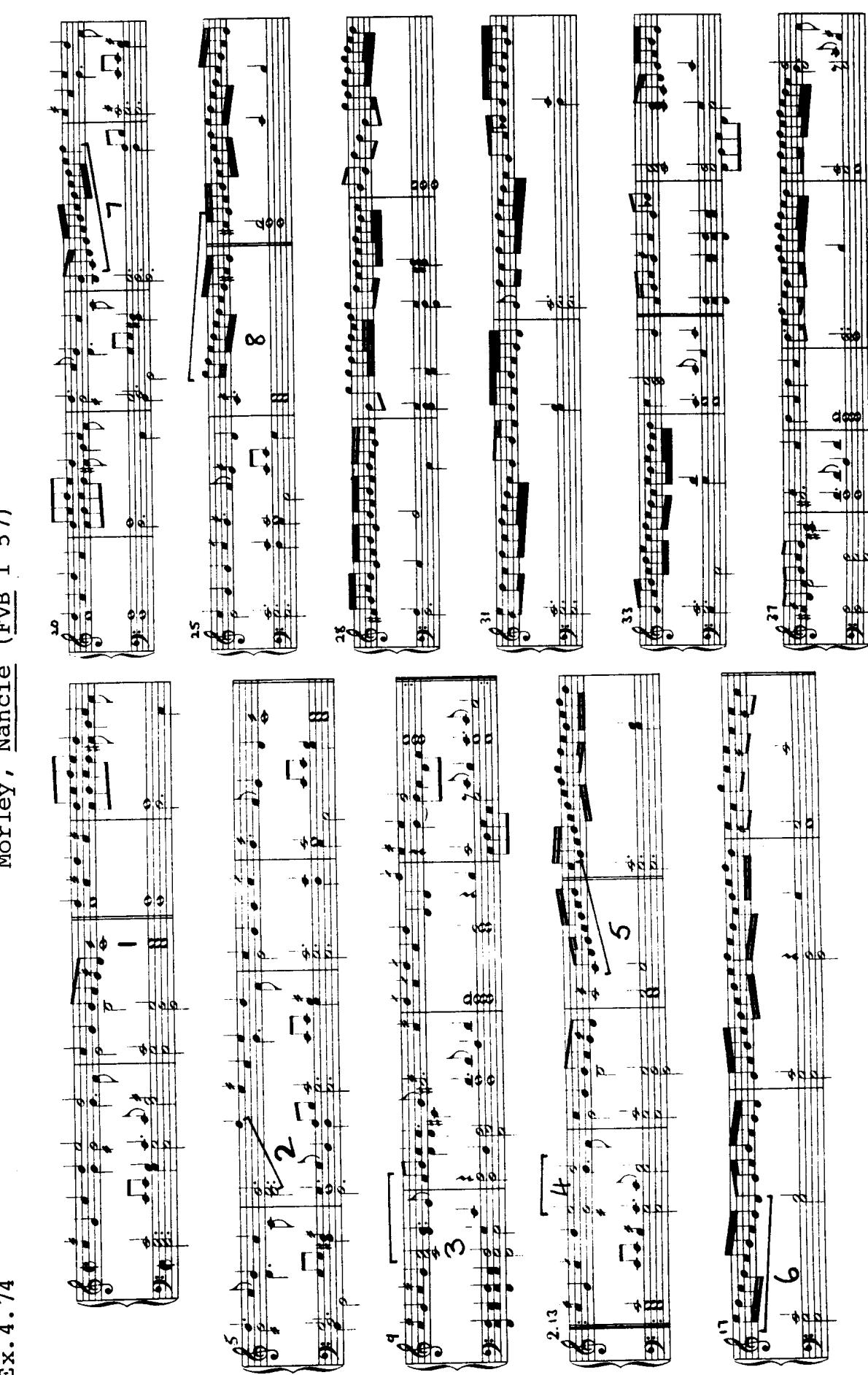
中文讲解
本页码 31 处为乐谱图像占位符;图像内容(应为 Ex.4.74 Morley《Nancie》的部分谱例片段之一)需查看原图以确认作者所述各 fig. 处的 tirata 形态与连接走向。
第30段(P0195)
原文复述
2.13 4
中文讲解
本条为版面上出现的两段数字或节拍标记残片 “2.13 4”,可能源自小节号或节拍记号,无独立论旨。
第31段(P0196)
原文复述
8
中文讲解
本条为版面页码或边栏数字 “8”,无独立论旨。
第32段(P0197)
原文复述
The image contains a musical score with two staves, each containing a single sheet of musical notation (e.g., violin, treble, string) and a separate musical staff. There is no textual content to extract.
中文讲解
本条为另一个乐谱图像的 OCR 占位说明:图像为两个谱表组成的标准记谱谱面,无可识读文本内容;其位置仍属 Ex.4.74《Nancie》一片段,具体内容需查看原图确认。
第33段(P0198)
原文复述
Morley, Nancie (FVB I 57)
中文讲解
本条为 Ex.4.74 的来源题注:作品为 Morley 的《Nancie》,出自 FitzWilliam Virginal Book 第一卷第 57 页。与 Ex.4.72(Morley Galliarda, FVB II 213)相比,《Nancie》位于 FVB 第一卷,作者以此强调本节两个 Morley 案例分别源自不同卷宗。
补充说明
FVB I 57 的卷宗定位说明本案例属于 FVB 的早期卷次,与 Ex.4.72 所在第二卷形成对照。
第34段(P0199)
原文复述
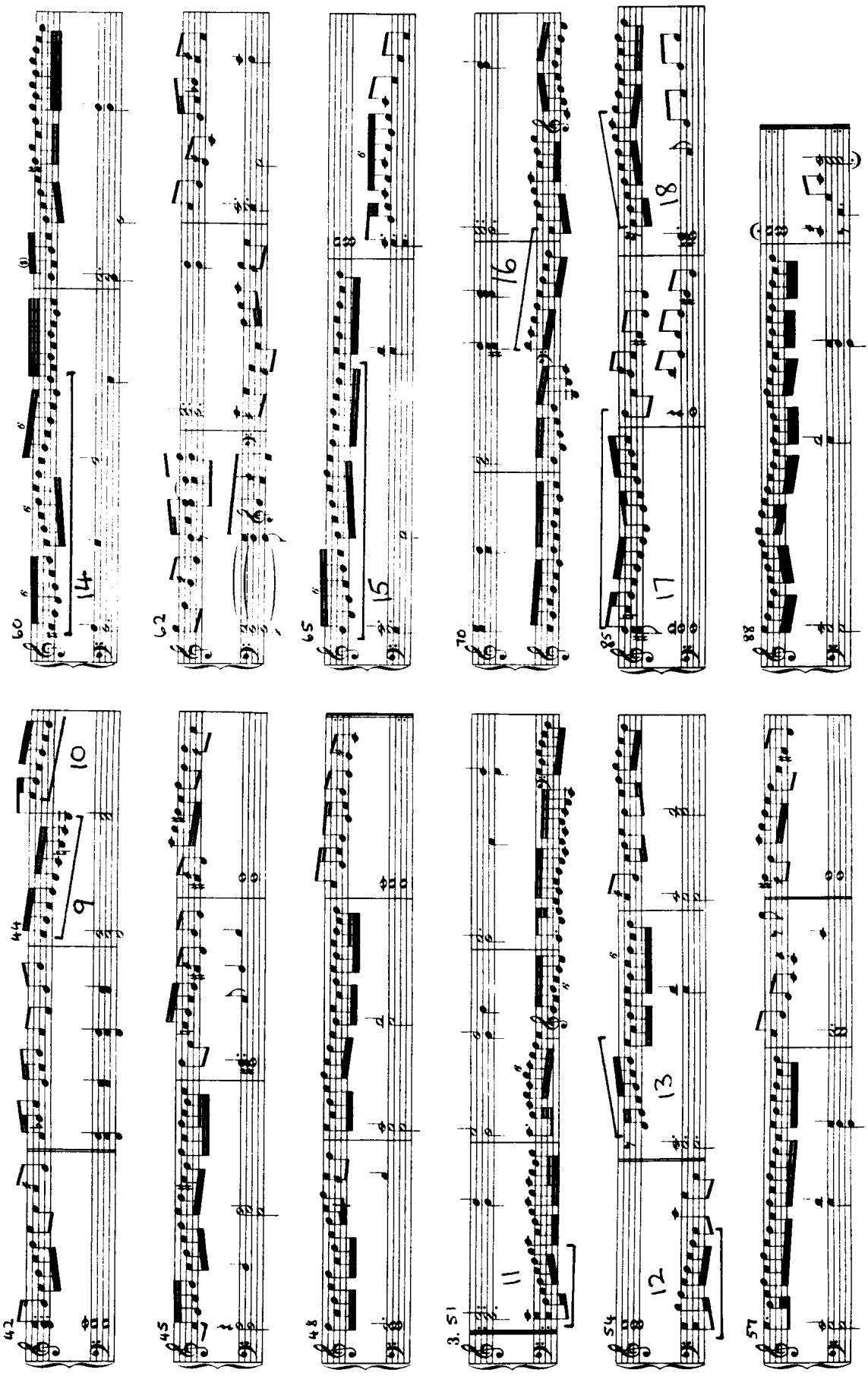
中文讲解
本页码 32 处为乐谱图像占位符;图像内容(应为 Ex.4.74《Nancie》图例的延续片段)需查看原图以对照 figs. 5–18 各图所标记 tirata 的具体音型与骨架对应。
第35段(P0200)
原文复述
ta to a’ - g, then a new tirata commences at e" expanding it to f’. At figs. 11,12 and .13, the minim c is repeatedly broken up into seven-note tirate. At figs. 14,15 and 17, the tirate, by means of virtuoso movement, prepare for the motion of the groppi in the discant closes. At fig. 16, d’ and c are linked by way of a tirata, as is the case in figs. 17 and 18 where a single note is broken up and spread over an octave.
中文讲解
本段接续 P0186 中被截断的 figs. 9–10 分析,并穷尽性补全 figs. 11–18 的功能:(1) figs. 9–10:先以一条下行 tirata 把 a’–g’ 扩展为 a’–g;其后新起一条 tirata 自 e" 起,扩展至 f’;(2) figs. 11、12、13:minim c 反复被分解为七音 tirate——同一长音被多次以同等规模走句装饰,体现变奏中"重复手法变化";(3) figs. 14、15、17:tirate 通过炫技运动为高声部终止处的 groppi 做准备——揭示了 tirata 作为"前导性炫技材料"的句法前奏功能;(4) fig. 16:d’ 与 c 通过 tirata 相连;(5) figs. 17 与 18:单个音被分解并扩展到一个八度。整段的功能是把 figs. 9–18 的功能类型补齐,与 figs. 5–8 的功能形成完整对照,从而为下一段的总结性收束提供素材。
补充说明
figs. 14–17 中"tirate prepare for the motion of the groppi"揭示了 tirata 与 groppo 在时序上的句法关系:前者提供炫技过门,后者承接终止装饰。
第36段(P0201)
原文复述
Morley’s Nancie thus offers an excellent example for illustration of the various functions a tirata can fulfill. All this occurs unobtrusively, however, due to the fact that the tirata is inseparably part of the passaggi.
中文讲解
本段是本节对 Morley《Nancie》案例的总结性收束,并由此回到 tirata 概念的总体定性。作者认为《Nancie》是一部 tirata 各种功能并存展示的典范作品:填充跳进、扩展级进、分解长音、句法连接、为终止 groppi 作炫技准备——几乎涵盖了 P0171 与 P0186 所列的所有功能。然而作者指出,这一切之所以"不引人注目地"完成,是因为 tirata 与 passaggio 在外观上不可分离——这正是 P0168 早已确立的"最不可区分性"论点的回应性重申。换言之,tirata 之所以难以辨认,不是因为它稀少,而是因为它的功能是隐性地嵌入在走句内部,需要从骨架结构反推其功能才能被识别。本句因而为本节提供了一个反向的总结性观察:tirata 在统计上多见、在功能上多样,但在外观上与一般 passaggio 融为一体。
补充说明
本段把 P0168 与 P0171 两段的核心论点合并为一个最终观察:tirata 的普遍存在与功能多样性,被其在外观上与 passaggio 的不可区分性所"遮蔽",从而使分类判断必须依赖功能性而非外观性。
脚注 / 边栏 / 图表 / 附加信息(如有)
本节非正文附加材料主要由三类构成:(1) 乐谱图像——Ex.4.70 (Bull, Walsingham)、Ex.4.71 (Munday, Fantasia)、Ex.4.72 (Morley, Galliarda, FVB II 213)、Ex.4.73 (Bull, Variatio)、Ex.4.74 (Morley, Nancie, FVB I 57),分别承担"首次实例展示"“tirata 连接跳进炫技"“功能复合填充+连接"“扩展级进+装饰层级"“穷尽功能清单"的论证推进作用;(2) 脚注 53——为 Praetorius 关于 tirata 的描述(“rapid little runs up and down the keyboard”)提供文献来源,对正文主张起文献旁证作用;(3) 交叉引用"See 1.4.6”——指向本书前部关于相关基础概念(如 diminution 或 passaggio)的章节;(4) 版面残留页码与数字(“27"“33"“31"“28"“25 8"“6"“8"“2.13 4”)以及两个空文本 OCR 占位——它们不承载独立论点,仅用于版面定位。
💡 本节核心要点
- tirata 的定义性质是"被孤立并命名的 passaggio”:它不属真正的装饰,不属音交替型装饰,也不属小规模的非交替装饰,通常含八个或以上音符。
- tirata 在所有记谱装饰中是与一般 diminution、passaggio 在外观上最不可区分的一种,因此必须依赖功能而非外观来分类。
- tirata 在装饰层级中是唯一可作为骨架、被进一步装饰(如 tremoletti)所附着的母体装饰。
- tirata 在 FVB 中承担两项主要功能:填充跳进音程(filling up of a disjunct interval)、扩展级进音程(expansion of a conjunct interval),并可与第三种附加功能——连接乐句——复合。
- tirata 的标准历史文献描述出自 Praetorius:“rapid little runs up and down the keyboard”,这一定义为其"快速、跨越键盘"特征提供权威背书。
- tirata 与 groppo、tremolo、tremoletto、slide 的命运形成对照:后者最终获得约定符号标记,而 tirata 在十七世纪后期不再被以同样方式归类。
- Bull 的 Walsingham/Munday 的 Fantasia 显示 tirata 与 passaggio 的边界模糊性;Morley 的 Galliarda 与 Bull 的 Variatio 显示 tirata"填充+扩展+句法连接+装饰层级"的复合运用;Morley 的 Nancie 穷尽性展示了几乎所有 tirata 功能——但这一切之所以"不引人注目”,是因为 tirata 与 passaggio 在外观上不可分离。
🔑 关键术语
- tirata:本节研究对象。一种十六至十七世纪键盘音乐中的展开式走句装饰:通常含八个或以上音符,本质上是"被孤立并命名的 passaggio”,不承担任何音交替,功能包括填充跳进音程、扩展级进音程、连接乐句,并可作为进一步装饰(如 tremoletti)的结构母体。
- passaggio (passaggi):意大利文术语,意为"经过、走句”,指键盘或声乐作品中跨越音域的快速音阶式走句段;tirata 在本节定义上等同于"被孤立并命名的 passaggio”,但需承担 tirata 功能方可被归类为 tirata。
- diminution:将原旋律骨架音按比例细分为更密集的音符群,是十六至十七世纪变奏实践的核心手法;tirata 与之极为相似,是所有记谱装饰中最难与一般 diminution 区分的一种。
- groppo / groppetto:一种以音交替为核心的装饰;tirata 与 groppo/groppetto 形成对比——前者不涉及音交替,后者则是音交替型的代表;本节中 groppetto 还可作为 tirata 前后的过渡或附着装饰。
- tremolo / tremoletto:另一类装饰手法,已在十七世纪后期标准化为符号标记;tremoletti 可被叠加于 tirata 之上,证明 tirata 具有"承载其他装饰"的结构母体作用。
- slide:又一种标准化的装饰,本节将其与 groppo/tremolo/tremoletto 并列,以衬托 tirata 失去独立符号分类地位的历史性命运。
- disjunct interval:跳进的音程(两音之间存在较大音距);tirata 在 FVB 中的首要功能之一即为"填充跳进音程”,见 Morley Galliarda 中 f’–f’’ 八度案例。
- conjunct interval:级进的音程(两音相邻或接近);tirata 在 FVB 中的另一主要功能为"扩展级进音程”,见 Bull Variatio 中 g–f#–e 跨两个八度的级进扩展。
- fig. (figura):作者用以标注乐谱内不同结构位置的索引编号(如 Ex.4.74 中的 fig. 1 与 fig. 5);通过 fig. 编号,作者在"骨架结构层"与"装饰展开层"之间建立系统对应,是本节追踪结构对应关系的关键方法。
- FVB (FitzWilliam Virginal Book):本节全部实例所出自的英国维吉纳乐集;具体案例见 FVB II 213 (Morley, Galliarda) 与 FVB I 57 (Morley, Nancie),是 16 世纪末英国键盘变奏艺术的核心曲集。
- minime:节拍术语,本节中作为"细分节拍单元"出现,指一段细分节拍下的细分时值结构;tirata 对 minim c 的多次七音分解即在此层面进行。
4.6 4.6 The Accento
第1段(P0202)
原文复述
4.6 The Accento
中文讲解
这是本章第4.6节的章节标题。标题"The Accento"以意大利文音乐术语命名,意为"重音装饰"或"重音化”,开启本节对FVB(菲茨威廉姆琴键曲集)中这一具体装饰音技巧的专题讨论。小节将焦点放在accento的定义、与历史文献描述的比较、其在FVB中的具体形态及其使用范围的限定。
补充说明
“Accento"为意大利语音乐术语,对应英文的"accent"或"emphasis”,在本节特指一种插入式的装饰音形式。
第2段(P0203)
原文复述
The accento is a rare occurrence in the FVB, and when it does occur, it is similar to the type which Diruta and Rogniono describe, as consisting of one ornamental note falling between strong beats. The single-note, onbeat accento of Bovicelli and Zacconi - which resembles the English lute backfall - is not in evidence in the FVB. The accenti in the FVB occur on four stepwise descending crotchets, and in each case an ornamental semi-quaver, falling between the crotchets, is introduced. A similar pattern occurs twice, but only on two descending crotchets:
中文讲解
这是本节的核心段落,阐明FVB中accento的多项关键限定。第一,accento在FVB中是罕见的装饰现象;第二,当它出现时,遵循Diruta和Rogniono描述的类型——由一个落入两个强拍之间的装饰音构成;第三,FVB中并未出现Bovicelli和Zacconi所记述的"单音、重拍上"accento(即类似英国鲁特琴backfall的那种形态);第四,FVB中的accenti出现在四个下行级进的四分音符上方,并在每对四分音符之间插入一个十六分音符作为装饰音;第五,该模式还有两次出现,但只在两个下行四分音符之间。从论证结构看,作者首先以"rare occurrence"建立量化前提,再通过四组历史文献(Diruta、Rogniono → 出现;Bovicelli、Zacconi → 不出现)划定accento在FVB中的形态边界,最后给出该装饰在节奏织体中具体的实现方式。这一递进既是历史比较,也是音乐形态学的精确定义。“stepwise descending crotchets"意味着被装饰的音组本身是同向下行级进,这暗示了与和声走向或终止式中的功能强调构成对比,从而为结尾"not in cadences"的论断埋下伏笔。
补充说明
Diruta与Rogniono是16世纪末意大利音乐理论家,二人对accento的描述一致;Bovicelli和Zacconi所给的则是另一种结构。Bovicelli(1594《Regole passaggi》)与Zacconi(1592《Prattica di musica》)均为文艺复兴晚期重要的装饰音文献作者。Backfall是英国鲁特琴传统中一种从上方解决到主音的拍上装饰音。
第3段(P0204)
原文复述
Ex.4.75
中文讲解
这是谱例4.75的指引标记(例号引用)。该谱例位于第33页,应展示与本节主题相关的一个简短音乐片段(具体音符需查阅原书)。它紧接在P0203的描述之后,提示读者此处有一个示范性例子,可能展示"下行级进的四分音符之间插入十六分装饰音"的典型形态。
第4段(P0205)
原文复述
54 E.g., FVB II 27:1:1; 266:1:2; 384:4:2.
中文讲解
这是附着于P0203的脚注54。脚注以"E.g."(例如)引导,列出三处具体证据:FVB第二卷第27首第1声部第1小节、第266首第1声部第2小节、第384首第4声部第2小节。这些位置就是P0203中"a similar pattern occurs twice, but only on two descending crotchets"的具体来源——它们共同证明"两个下行四分音符加一个十六分装饰音"的模式在FVB中确实出现过。其中第27首与第384首也分别是后文谱例4.76(Sweelinck)和谱例4.77(Byrd)所引作品的同一处。
补充说明
“FVB II 27:1:1"为菲茨威廉姆琴键曲集标注约定:第一项为卷次(II = 第二卷),第二项为曲号(27),冒号后"1:1"为声部/小节编号(如"第1声部第1小节”)。
第5段(P0206)
原文复述
243
中文讲解
这是页码标记,表明本节内容延伸至原书第243页(即第34页)。属版面属性,无独立论点。
第6段(P0207)
原文复述
Ex.4.76 Sweelinck, Ut, re, mi, fa, sol, la (FVB II 27:1:1)
中文讲解
这是谱例4.76的图题,标明作曲家Sweelinck(斯韦林克)、作品名《Ut, re, mi, fa, sol, la》(依唱名构成的音阶习语)以及曲集位置FVB II 27:1:1,即第二卷第27首第1声部第1小节,正是脚注54所列三例中的第一例。该曲是Sweelinck一首以连续唱名入题的键盘小曲,常用于展示变奏与加花手法,与本节"在音阶下行走句中插入十六分装饰"的accento讨论直接对应。
补充说明
Jan Pieterszoon Sweelinck(1562–1621)为荷兰巴洛克早期最具影响力的键盘音乐家。“Ut, re, mi, fa, sol, la"采用11世纪以来Guido d’Arezzo所创的六音音阶唱名教学序列(其中"Ut"在19世纪后被"Do"取代)。
第7段(P0208)
原文复述
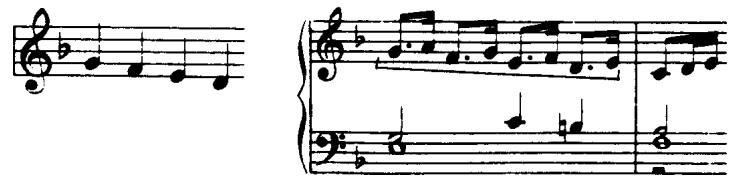
中文讲解
这是第34页的图像/乐谱占位符,对应谱例4.76的实际谱面。原书此处印有Sweelinck《Ut, re, mi, fa, sol, la》FVB II 27:1:1处的乐谱,用以具体展示"下行四分音符之间插入一个十六分装饰音"的accento形态。由于图像数据未在输入中提供,音符细节需查阅原书或扫描件。
补充说明
因图像数据未提供,本讲解不对谱面具体音符做推测。
第8段(P0209)
原文复述
In this Byrd Pavana, both the original and the accento in the repeat are shown:
中文讲解
这是谱例4.77之前的导引句,向读者预告:本例将同时展示Byrd《Pavana》中的原始陈述(即第一次出现时的旋律形)与重复段中的accento版(即第二次出现时插入装饰音的版本)。这种"原形—加花"的并列呈现,是文艺复兴键盘舞曲常见的教学示范手段,便于读者直接观察装饰音如何作用于既有旋律轮廓。
补充说明
Pavana(帕凡)为文艺复兴时期一种沉缓慢速的二拍子或四拍子宫廷对位舞曲,常以反复结构(variatio)写成,并在重复段加入变奏或装饰,这使其成为观察accento这类加花装饰技术的天然载体。
第9段(P0210)
原文复述
Ex.4.77 Byrd, Pavana (FVB II 384)
中文讲解
这是谱例4.77的图题,标明作曲家Byrd(伯德)、作品名《Pavana》(帕凡舞曲)以及曲集位置FVB第二卷第384首,与脚注54中第三例"384:4:2"属同一作品范围。
补充说明
William Byrd(约1540–1623)为英国文艺复兴晚期最重要的作曲家之一,亦是英国virginalist传统的代表人物。《Pavana》是其留存的键盘作品之一。
第10段(P0211)
原文复述
1:4
中文讲解
这是谱例4.77中第一处声部/小节位置标记,“1:4"通常按FVB约定解作"第1声部第4小节"或"第一次反复与第四次呈现”——结合P0209"both the original and the accento in the repeat"的描述,此处较有可能指原谱中第一声部首次出现原始陈述的具体节点。具体所指须结合原书乐谱位置确认。
补充说明
具体谱面无法从输入图像读取,故仅作功能性提示,不臆断。
第11段(P0212)
原文复述
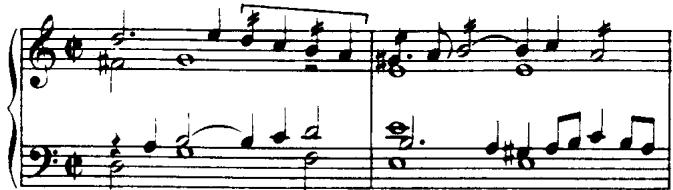
中文讲解
这是第34页的第二处图像/乐谱占位符,对应P0209所述"the original”——即Byrd《Pavana》原始陈述段的乐谱图像。由于图像数据未提供,无法核实其音符细节。
第12段(P0213)
原文复述
4:1
中文讲解
这是谱例4.77中第二处位置标记,“4:1"通常按FVB约定解作"第4声部第1小节"或"第四次进入首次呈现”,与P0211的"1:4"对应,标记Byrd《Pavana》重复段中加花版的起始节点。具体所指需结合原书乐谱确认。
补充说明
“1:4"与"4:1"在结构上形成"原形—加花"的镜像编号。
第13段(P0214)
原文复述
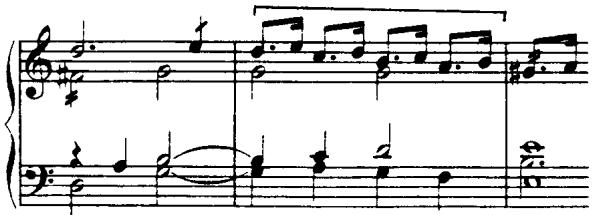
中文讲解
这是第34页的第三处图像/乐谱占位符,对应P0209所述"the accento in the repeat”——即Byrd《Pavana》重复段中插入十六分装饰音的乐谱图像。由于图像数据未提供,无法核实具体装饰音位置与方向。
第14段(P0215)
原文复述
The accento occurs only as abstract decoration of intervals and not in cadences.
中文讲解
这是本节的总结论断,明确划定了FVB中accento的功能边界:它只在"音程的抽象装饰"语境中作为纯旋律性走句的修饰出现;它不进入终止式(cadences)。这一限定有重要意义——在FVB的作曲惯例中,终止式前后常以division(细分旋律)等方式密集装饰,但作者指出accento并不属于此类场景;它专用于旋律级进片段的内部装饰,与和声终止诉求无关。从理论功能看,作者将accento归为"音程层面"的装饰,而非"和声—结构层面"的装饰,这是判断其使用语境的关键依据。
补充说明
“abstract decoration of intervals"强调其与和声进行或终止式无功能耦合;“cadences"则特指终止和声序列(如cadential trill、tierce de Picardie等终止式装饰技艺)。本句是本节论证的收束原则,也是后续章节可能借以建立对照的基准。
脚注 / 边栏 / 图表 / 附加信息(如有)
本节包含一项脚注(脚注54,附着于P0203)与三处谱例框架。脚注54以"E.g., FVB II 27:1:1; 266:1:2; 384:4:2"为P0203中"a similar pattern occurs twice"提供三处FVB曲集内的具体位置;其中FVB II 27:1:1对应谱例4.76(Sweelinck《Ut, re, mi, fa, sol, la》),FVB II 384对应谱例4.77(Byrd《Pavana》)。谱例4.75位于第33页(具体内容文本中未单独复述)。第34页布有三处图像/乐谱占位符(P0208、P0212、P0214),分别对应Sweelinck例、Byrd原版、Byrd accento版本乐谱。页码"243”(P0206)以及位置标签"1:4”(P0211)与"4:1”(P0213)均为版面性标记,分别对应原版与加花版的指示节点。
💡 本节核心要点
- FVB中accento是罕见装饰技巧,仅在少数曲目中出现。
- 其形态与Diruta和Rogniono所描述的"强拍之间一个装饰音"相符,而不同于Bovicelli/Zacconi所述的拍上单音accento。
- 在FVB中,accento出现在下行级进的四分音符之间,具体体现为每对四分音符之间插入一个十六分装饰音;最常见于四个下行四分音符之上的连续装饰,类似模式仅两次发生在两个下行四分音符之上。
- 谱例4.77以Byrd《Pavana》原形与重复段accento加花版本并列,直观展示该装饰的实操形态。
- accento在FVB中仅充当"音程的抽象装饰”,从不进入终止式(cadences),由此限定其功能为旋律级进片段的纯修饰,与和声—结构层面的终止诉求无关。
🔑 关键术语
- accento:意大利文音乐术语,本节特指FVB中插入在两个强拍(四分音符)之间的十六分装饰音,对应Diruta/Rogniono的描述,不包括Bovicelli/Zacconi所记的拍上单音类型。
- FVB (Fitzwilliam Virginal Book):菲茨威廉姆琴键曲集,本节研究的语料库主体,包含16世纪末至17世纪初英国virginalist的键盘作品。
- crotchet / semi-quaver:英式节奏术语:crotchet为四分音符,semi-quaver为十六分音符;本节中accento出现于下行crotchets之间,以semi-quaver为装饰音。
- cadence:终止式,本节明确FVB中的accento不用于终止式,限定其仅作用于旋律性音程装饰。
- backfall:英国鲁特琴传统中一种从上方解决到主音的拍上装饰音,与Bovicelli/Zacconi所描述的拍上单音accento形态相似,但此类型在FVB中并未出现。
- Diruta / Rogniono / Bovicelli / Zacconi:四位16世纪末意大利音乐理论家,是本节比较定义accento形态的文献来源:前两位描述强拍间装饰音型(与FVB相符),后两位描述拍上单音型(FVB中没有出现)。
- Pavana:帕凡舞曲,文艺复兴时期沉缓慢速的宫廷对位舞曲,常作反复结构并在重复段加入变奏或装饰,是展示accento加花技术的理想范本(见谱例4.77)。
4.7 4.7 The Tremolo
第1段(P0216)
原文复述
4.7 The Tremolo
中文讲解
这是第四章第7节的标题。The Tremolo(震音/颤音式的快速交替)作为本章最后一类装饰音技巧的小节名,标志着论述对象从此前的小节切换到一种特定的、在FVB中极为少见的写法。作者在标题之下立刻切入对这种装饰音在FVB中实际出现情况的统计与规则归纳,因此本节具有收束性的意义:它对装饰音类别的考察以最稀有、因而也最可被精确定位的写法作为结尾。
补充说明
本节是第4章装饰音讨论的最后一节,承接前文对其他装饰音写法的讨论,以一种在FVB中出现极少却结构清晰的震音写法收尾。
第2段(P0217)
原文复述
There are only two occurrences of the written-out tremolo in the FVB. Both of these are found in cadences, which is not in accordance with any prescription given by the Continental counterparts of the Virginalists. They occur as decoration of the anticipated note of resolution in a discant close:
中文讲解
本段提出了三个关键事实:第一,FVB中写明的(written-out)震音仅出现两次,数量极为稀少;第二,这两次都出现在终止式(cadences)中,这一定位与维金纳琴家们在欧洲大陆的同侪(Continental counterparts)所给出的规则并不吻合;第三,这两次震音都是作为对位终止(discant close)中预期解决音(anticipated note of resolution)的装饰出现。
所谓"写明的震音"是指作曲家把本来应由演奏者即兴奏出的快速交替音明确记在谱面上,这使我们可以把它当作作曲层面的决定来分析。“discant close"指对位终止,即两个声部以反向运动收束于完全协和音程的典型英国终止式;“anticipated note of resolution"则是指和声上预期要落到解决音但还未真正解决的那一拍,正是终止式中最需要装饰的张力点。作者在这里把FVB的实际用法与大陆的理论规则进行对照,指出英国实践偏离了大陆惯例,这是本节论证的起点。
第3段(P0218)
原文复述

中文讲解
这是图注占位符,原文指向Sweelinck所作《Ut, re, mi》在FVB第二卷第26首第5部分的第3声部中的片段。这是本节援引的核心谱例,用以展示FVB中所见的写明震音之一在终止式里的实际写法。图片本体未嵌入,故具体音高走向、对位声部安排、装饰音落点等细节需查阅原图;但其位置(紧接P0217关于FVB中两次震音的论断之后)说明作者要借这一实例落实上一段关于"装饰预期解决音"的论断。请读者直接参阅原图。
补充说明
图注中标注的定位信息(卷、编号、声部)有助于在FVB原谱中核对实例。
第4段(P0219)
原文复述
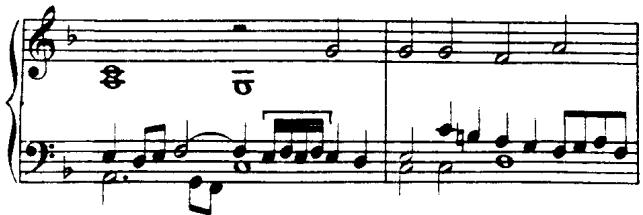
中文讲解
这是第二个图像/乐谱占位符,位置在第35页,紧接上方的Sweelinck实例。它很可能是FVB中第二次(即另一处)写明震音的实例,用以印证P0217所说的"仅出现两次"并构成第二个例证,从而让作者能够在P0220进行对照性归纳。图像本体缺失,其旋律形态、对位声部及具体装饰位置均需查阅原图确认。
第5段(P0220)
原文复述
Interestingly enough, the tremolo never occurs as decoration of the note of resolution in the FVB. As a diminution of the anticipated note of resolution, it consists of the alternation between the anticipation and the suspended dissonance. As is the case in descriptions of the tremolo in Continental sources, it typically occurs within a stepwise descending interval. There are no occurrences in the FVB of a written-out tremolo employing the lower auxiliary.
中文讲解
本段在两处实例之后给出归纳,包含四条要点:
- 在FVB中,震音从不作为对解决音本身(the note of resolution,即真正落定的协和音)的装饰。这是一个重要的反例——装饰的对象仅限于"预期解决音”,即尚未真正解决的那一拍。这意味着装饰的着力点被精确锁定在终止式最尖锐的张力瞬间,而非落在已经松弛的协和音上。
- 震音作为一种减值(diminution)形式时,其构成是预期解决音与悬挂不协和音(suspended dissonance)之间的快速交替。也就是说,每一拍并不只是一个长音,而是两个音在和声功能上的来回:一个是解决的和声目标,一个是悬挂着的不协和音。
- 与大陆文献中的震音描述一致,FVB的震音通常发生在级进下行(stepwise descending interval)的音程中。这一形态限制揭示了震音的声学合理性:级进下行的来回交替最易于听清装饰音的轮廓,避免在跳进音程中产生刺耳或含混的效果。
- FVB中没有任何使用下方辅助音(lower auxiliary)的写明震音实例。这进一步说明FVB的震音偏向单一形态(即使用上方辅助音),与大陆理论所列的多种可能形态相比,实践更为收敛。
综合来看,本段的作用是从"无"的角度补充P0217的论述:先说FVB震音出现在哪(预期解决音、终止式),再说它不出现在哪(解决音本身、下方辅助音),从而把这个装饰音在FVB中的规则完整勾勒出来。作者以"Interestingly enough"开头,暗示这种"只此一种、绝无例外"的现象具有理论意义,值得作为本节的总结。
补充说明
术语"diminution"在文艺复兴对位理论中通常指将长音符时值拆分为若干较短音符的写法,本段把它与震音等同,说明震音本质上是一种对长音符的减值处理。
脚注 / 边栏 / 图表 / 附加信息(如有)
本节包含两处乐谱/图像占位符(P0218、P0219),分别对应FVB中仅有的两处写明震音的实例:其一标注为Sweelinck《Ut, re, mi》(FVB II 26:5:3),其二未标作品名,仅给出第35页位置。它们在文中起论证支撑作用,使作者能够依据这两例归纳出P0220中的四条结论。
脚注情况:本节正文未出现脚注。
💡 本节核心要点
- FVB中写明震音仅出现两次,且都在终止式中,这一定位方式与维金纳琴家们的大陆同侪所给的规则不一致。
- 两处实例均为对位终止(discant close)中预期解决音的装饰,而非对真正解决音的装饰,作者强调后者在FVB中从未出现。
- FVB中的震音作为对预期解决音的减值,由预期解决音与悬挂不协和音之间的快速交替构成。
- 与大陆理论一致,FVB中的震音通常位于级进下行的音程内。
- FVB中不存在使用下方辅助音的写明震音实例,实践形态比大陆理论所述更为收敛。
🔑 关键术语
- written-out tremolo:写明的震音,即作曲家把本应由演奏者即兴补出的快速交替音明确记入谱面,可作为作曲层面的决定来分析。
- discant close:对位终止式,两个声部以反向运动收束于完全协和音程的典型英国终止模式。
- anticipated note of resolution:预期解决音,即和声上预期要落到解决音、但尚未真正解决的那一拍,是终止式张力最尖锐的位置。
- note of resolution:解决音,真正落定的协和音。FVB的震音从不装饰这一音,而仅装饰其前方的预期解决音。
- suspended dissonance:悬挂不协和音,与预期解决音在震音中交替出现,构成装饰音来回切换的和声张力来源。
- stepwise descending interval:级进下行音程,FVB中震音发生的典型音程形态,便于听清装饰音轮廓。
- lower auxiliary:下方辅助音,即低于主音的二度音。FVB中没有使用下方辅助音的写明震音实例,实践形态偏向单一。
4.8 4.8 The Tremoletto
第1段(P0221)
原文复述
4.8 The Tremoletto
中文讲解
这是第4章第8节的标题,开启了一个关于 tremoletto(颤音式装饰音)的专题。标题用英文给出,作者将在本节专门讨论 tremoletto 这一装饰音在 FVB(Fitzwilliam Virginal Book,菲茨威廉姆古钢琴曲集)中的形态与用法。
第2段(P0222)
原文复述
Like the tremoletto described in Chapter 1, the tremoletto in the FVB has a dual nature: that employing the upper auxiliary (ascendens) and the other which employs the lower auxiliary (descendens). It occurs in two rhythmical variants: anapestic and dactylic. The anapestic arrangement is exceptionally used as descendens, while the two variants occur with the same frequency as ascendens.
中文讲解
本段给出 tremoletto 的基本定义。它具有双重性质:一种用上方辅助音(称为 ascendens,上行式),另一种用下方辅助音(称为 descendens,下行式)。它有两条节奏变体:anapestic(短短长型)和 dactylic(长短短型)。限定条件非常关键——anapestic 节奏基本上仅作为 descendens 使用,而两种节奏作为 ascendens 时出现的频率相同。这是对 tremoletto 性质的总体规定,后续段落将围绕其在不同旋律环境中的具体应用展开。
第3段(P0223)
原文复述
In the FVB the tremoletto occurs only on crotchets and is typically used as a diminution of stepwise ascending and descending tirate. They can therefore be seen as an additional decoration of an existing diminution, and is thus a further diminution of a diminution. In descending chains of notes, the dactylic tremoletto which employs the upper auxiliary, is used to adorn the crotchets:
中文讲解
本段限定 tremoletto 在 FVB 中的应用范围:它只出现在四分音符(crotchet)上,并通常作为级进上行或下行的 tirata(音阶式走句)的进一步细分(diminution)。作者强调这是一个“装饰之上的再装饰”,即对一个已经是细分形态的细分,因此称为“再细分的细分”。在下行音链中,使用上方辅助音的 dactylic 节奏 tremoletto 用来装饰四分音符。这段为后续乐谱示例提供框架。
补充说明
术语 tirata 指键盘音乐中由级进音构成的走句式乐段,本身就已是基本旋律的细分(diminution)。
第4段(P0224)
原文复述
Ex.4.79 Bull, Praeludium (FVB I 419:2:1)
中文讲解
这是谱例 4.79 的引文标注,引用了 John Bull 的 Praeludium,出自 FVB 第 I 卷 419 页第 2 小节第 1 个声部。该谱例展示 tremoletto 在级进音链上的具体应用,需查看原谱。
第5段(P0225)
原文复述

中文讲解
此处为第 36 页上谱例 4.79(Bull, Praeludium)的图像占位符,原图为该谱例的具体音符记谱,需查看原图以确认 tremoletto 在下行音链中以 dactylic 节奏、用上方辅助音装饰四分音符的实际呈现。
第6段(P0226)
原文复述
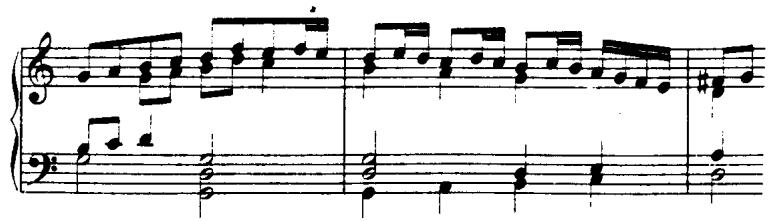
中文讲解
此处为 Byrd《Quadran Paven》(FVB II 105:1:1)的乐谱图像占位符,属于同一谱例 4.79 的延续内容,展示了 tremoletto 在另一作品中的实例,需查看原图。
第7段(P0227)
原文复述
It is evident that the tremoletti above are diminutions of the following tirate: $^{55}$
中文讲解
作者用文字总结上述谱例:上文展示的 tremoletti 显然是对下面那组 tirata 的细分(diminution)。上标 55 指向脚注 55,提示读者参阅其他类似出现位置。
第8段(P0228)
原文复述

中文讲解
此处为谱例 4.80 的图像占位符,作者在文中并未逐字描述该谱例,仅指出其展示了 tirata 的基本形态,即那些 tremoletti 即将装饰的“原型”走句,需查看原图。
第9段(P0229)
原文复述
In Ex.4.81(a), the crotchets of a stepwise ascending tirata are ornamented with dactylic tremoletti which employ the lower auxiliary: $^{56}$
中文讲解
本段指出谱例 4.81(a) 中,一个级进上行的 tirata 的四分音符被 dactylic 节奏、采用下方辅助音的 tremoletti 所装饰。这与 P0223 段形成对照:下行用上方辅助音,上行用下方辅助音,即“传统对应方式”。上标 56 指向脚注,列出其他类似例子。
第10段(P0230)
原文复述
Ex.4.81 Sweelinck, Praeludium Toccate (FVB I 380:5:2)
中文讲解
这是谱例 4.81 的引文标注,引用了 Sweelinck 的 Praeludium Toccate,出自 FVB 第 I 卷 380 页第 5 小节第 2 个声部。该作品是 tremoletto 用于装饰上行 tirata 的具体乐谱出处,需查看原图。
第11段(P0231)
原文复述
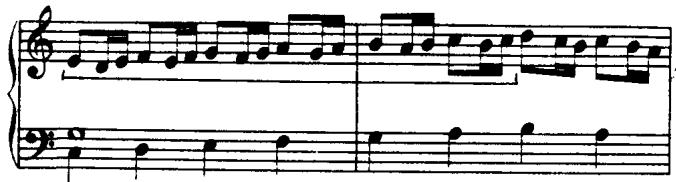
中文讲解
此处为谱例 4.81(a) 的图像占位符,标记为 (a) 以与后续 (b) 区分。需查看原图以确认其具体音符内容。
第12段(P0232)
原文复述
55 For similar occurrences, see FVB II 100:2:3; 105:1:1; 238:2:4; 240:6:4; 248:4:2; 304:2:2.
中文讲解
这是脚注 55 的内容,作用是补充文献位置:列出 FVB 中其他与谱例 4.79/4.80 类似的 tremoletti 实例的具体定位坐标。脚注作为辅助材料扩展了正文的样本范围。
第13段(P0233)
原文复述
56 For other examples, see FVB I 140:4:1; 176:5:2; II 100:2:2; 303:6:3.
中文讲解
这是脚注 56 的内容,作用是补充文献位置:列出 FVB 中其他使用 tremoletti 装饰 tirata 的例子定位坐标,对正文 P0229 的断言提供旁证。
第14段(P0234)
原文复述
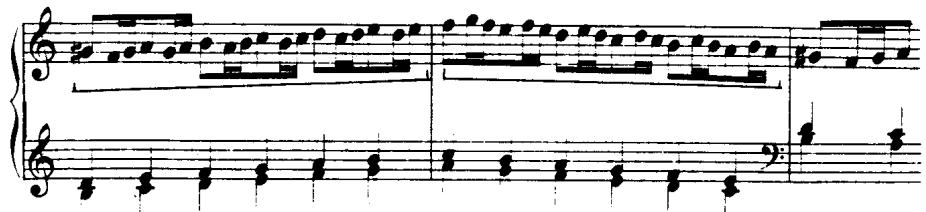
中文讲解
此处为 Tomkins《The Hunting Galliard》(FVB II 100:2:2)的乐谱图像占位符,标记为 (b),与谱例 4.81(a) 形成对比。需查看原图以确认其具体音符内容。
第15段(P0235)
原文复述
Tremoletti on descending tirate occur less often than on ascending tirate in the FVB. Ex.4.81(b) is an illustration in which tremoletti form a diminution of an ascending and descending tirata. The tremoletti are used here in the traditional fashion, as described by Praetorius, Ammerbach and Sancta Maria; that is, employing the lower auxiliary ascending and the upper auxiliary descending.
中文讲解
本段提出一个统计性观察:FVB 中 tremoletti 在下行 tirata 上的出现频率低于上行 tirata。谱例 4.81(b) 展示了 tremoletti 如何对一条兼有上行与下行的 tirata 作细分。作者强调这里采用的是 Praetorius、Ammerbach 和 Sancta Maria 等理论家所描述的传统方式——上行用下方辅助音、下行用上方辅助音——即与上下文音高走向相反的辅助音,构成对上行旋律的“下落式”装饰。
第16段(P0236)
原文复述
The tremoletto may also embellish two or three ascending or descending crotchets, which can be seen as a mini tirata. In all these examples the dactylic rhythm is used: $^{57}$
中文讲解
本段指出 tremoletto 还可以装饰两三个上行或下行的四分音符,从而构成一个“迷你 tirata”。限定条件是:在所有这些例子中仅使用 dactylic 节奏。上标 57 指向相应脚注。
第17段(P0237)
原文复述
Ex.4.82 Ascending
中文讲解
这是谱例 4.82 的标题,引出“上行”方向的 tremoletto 用例集合(具体由后续乐谱占位符呈现),需查看原图。
第18段(P0238)
原文复述
Bull, Walsingham (FVB I 17:3:1)
中文讲解
谱例 4.82 的第一处引文标注:Bull 的《Walsingham》变奏曲,出自 FVB 第 I 卷 17 页第 3 小节第 1 个声部。需查看原图。
第19段(P0239)
原文复述
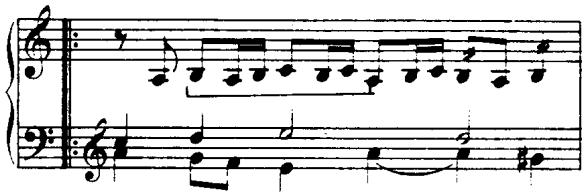
中文讲解
此处为第 37 页上谱例 4.82(Bull, Walsingham)的图像占位符,需查看原图以确认上行迷你 tirata 中 tremoletto 的实际音形。
第20段(P0240)
原文复述
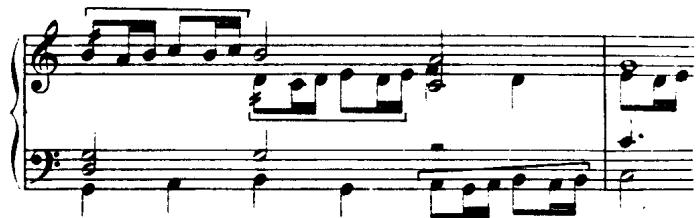
中文讲解
此处为 Bull《Variatio》(FVB I 176:5:2)的乐谱图像占位符,属于谱例 4.82 上行方向的另一实例,需查看原图。
第21段(P0241)
原文复述
434:4:3.
中文讲解
这一短片段疑为脚注 57 引用条目的残段,原列表(如 P0242 所示)包含该定位坐标,可能是排版粘连导致的呈现。该信息已并入脚注 57 的总列表中。
第22段(P0242)
原文复述
For other examples in the FVB, see I 11:3:1, 19:2:2; 27:4:4; 333:2:2; 347:2:1; II 196:4:2; 258:3:3; 288:2:3; 303:6:3;
中文讲解
这是脚注 57 的内容主体,作用是补充文献位置:列出 FVB 中其他 tremoletto 装饰两三个级进四分音符(迷你 tirata)的具体定位坐标,对正文 P0236 的断言提供旁证。脚注 57 在第 41 页图例分析中再次被引用(参见 P0266)。
第23段(P0243)
原文复述
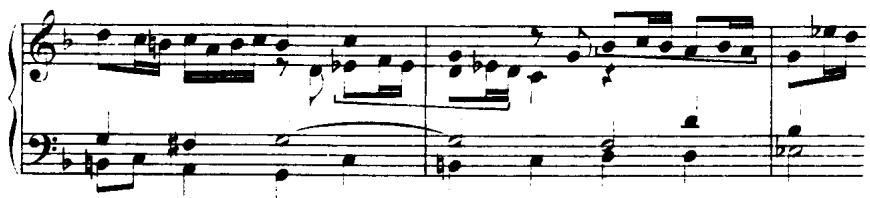
中文讲解
此处为 Sweelinck《Fantasia》(FVB II 304:2:1)的乐谱图像占位符,属于谱例 4.82“下行”方向的实例,需查看原图。文中“247”疑为排版残段(可能指 247 页或脚注编号相关)。
第24段(P0244)
原文复述
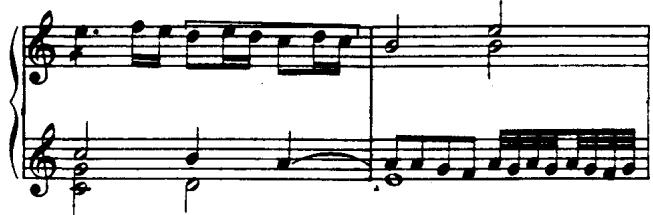
中文讲解
此处为 Byrd《Pavana》(FVB II 397:3:3)的乐谱图像占位符,属于谱例 4.82 下行方向的另一实例,需查看原图。
第25段(P0245)
原文复述
Another context in which the tremoletto is used in the FVB is as an embellishment of a single crotchet; in fact, the majority of tremoletti are used in this manner. They occur in both step-wise ascending and descending melodic lines:
中文讲解
本段开启 tremoletto 的第三类使用语境:装饰单独一个四分音符。作者给出一个重要统计事实:在 FVB 中,多数 tremoletti 是以这种方式使用的。它们可出现在级进上行或级进下行的旋律线条中。后续乐谱占位符展示具体实例。
第26段(P0246)
原文复述
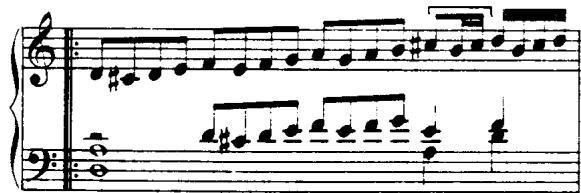
中文讲解
此处为谱例 4.83 中 Richardson《Pavana》(FVB I 27:2:1)的乐谱图像占位符,展示 tremoletto 装饰单个四分音符的实例,需查看原图。
第27段(P0247)
原文复述
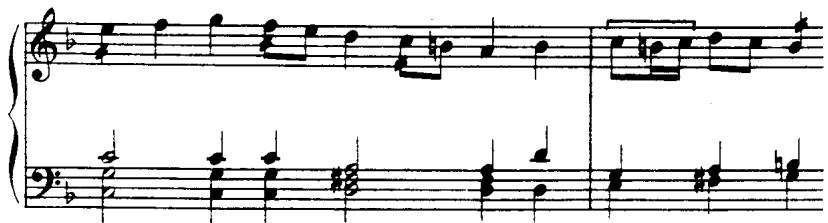
中文讲解
此处为 Byrd《Alman》(FVB II 196:3:2)的乐谱图像占位符,属于谱例 4.83 的另一实例,需查看原图。
第28段(P0248)
原文复述
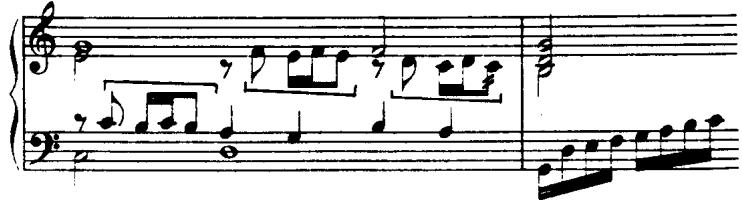
中文讲解
此处为 Bull《Variatio》(FVB I 176:2:1)的乐谱图像占位符,属于谱例 4.83 的另一实例,需查看原图。
第29段(P0249)
原文复述
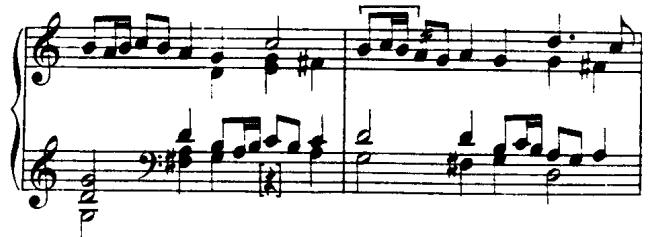
中文讲解
此处为 Byrd《O Mistris Myne》(FVB I 258:3:3)的乐谱图像占位符,属于谱例 4.83 的另一实例,需查看原图。
第30段(P0250)
原文复述
The two types of tremoletti are, however, not always applied in the context of ascendens on stepwise descending notes and descendens on stepwise ascending notes, but can be used vice versa. In the FVB this is the exception. Ex.4.84(a) illustrates a tremoletto descendens which appears on a descending tirata, and Ex.4.84(b) a tremoletto ascendens which ornaments an ascending melodic line:
中文讲解
本段提出偏离“传统对应”的例外情况:tremoletto 的两种类型并非总严格遵循“下行旋律用 ascendens、上行旋律用 descendens”的规则,反向使用(vice versa)也是可能的。作者限定这种反向用法在 FVB 中属于例外,并通过 Ex.4.84(a)(下行 tirata 上的 descendens)和 Ex.4.84(b)(上行旋律上的 ascendens)两例加以说明。
第31段(P0251)
原文复述
Ex.4.84 Bull, Variatio (FVB I 176)
中文讲解
这是谱例 4.84 的引文标注,引用 Bull《Variatio》(FVB I 176)中的多个片段(a、b、c、d)。该谱例集中展示 tremoletto 的反向使用,需查看原图。
第32段(P0252)
原文复述
(a) 6:1
中文讲解
这是 Ex.4.84 中子项 (a) 的位置坐标:Bull《Variatio》第 6 小节第 1 个声部。
第33段(P0253)
原文复述
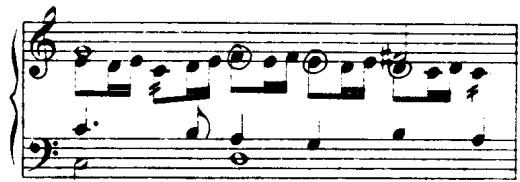
中文讲解
此处为 Ex.4.84(a) 的乐谱图像占位符,需查看原图以确认 tremoletto descendens 在下行 tirata 上的实际音形。
第34段(P0254)
原文复述
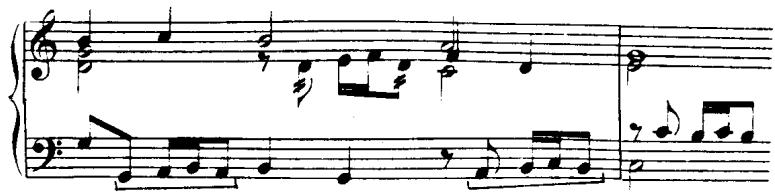
中文讲解
此处为第 39 页上 Ex.4.84(b) 的乐谱图像占位符,需查看原图以确认 tremoletto ascendens 在上行旋律上的实际音形。
第35段(P0255)
原文复述
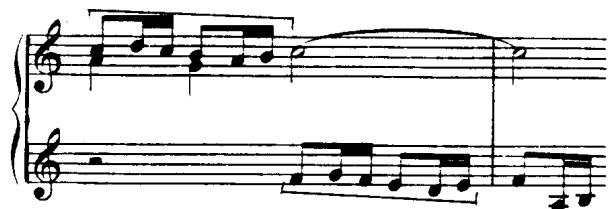
中文讲解
此处为 Philips《Margott Laborez》(FVB I 333)的乐谱图像占位符,属于 Ex.4.84 中的片段 (c) 或 (d),需查看原图。
第36段(P0256)
原文复述
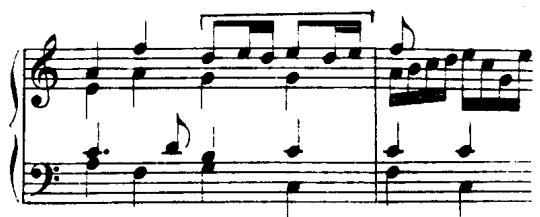
中文讲解
此处为第 39 页上 Ex.4.84 的另一乐谱图像占位符,需查看原图。
第37段(P0257)
原文复述
In Philips’ intabulation Margott Laborez the tremoletti ascendens and descendens are used alternatively on stepwise descending crotchets (Ex.4.84(c)) and then on stepwise ascending crotchets (Ex.4.84(d)).
中文讲解
本段详述 Philips 的改编曲《Margott Laborez》:tremoletti ascendens 和 descendens 在 Ex.4.84(c) 的级进下行四分音符上交替出现,然后在 Ex.4.84(d) 的级进上行四分音符上同样交替出现。这一现象是 P0250 所说“反向使用例外”的具体体现。
第38段(P0258)
原文复述
Finally, the tremoletto can occur in contexts other than stepwise ascent or descent. The contexts differ widely: the ornament may be approached and quit by an ascending or descending interval, or be approached or quit by a combination of stepwise movement - ornament - interval, or interval - ornament - stepwise movement. They are sometimes used sequentially, but more often occur isolated on single crotchets. The tremoletto descendens is also found more often in this context than the ascendens.
中文讲解
本段开启最后一类使用语境:tremoletto 出现在非级进上下行的环境中。作者列举出多种进入与离开方式:以上行或下行跳进进入并以跳进离开;或级进—装饰—跳进;或跳进—装饰—级进的组合。它们既可连续成串使用(sequentially),更常见的是孤立地出现在单个四分音符上。统计观察:tremoletto descendens 在这种非级进语境中比 ascendens 出现得更多。
第39段(P0259)
原文复述
The most popular context is that of stepwise descent - stepwise ascent, and only the descendens type of tremoletto is used, as in Ex.4.85:
中文讲解
本段提出在“非级进环境”这一大类中,最常见的具体语境是“级进下行 — 级进上行”(stepwise descent - stepwise ascent),并且只有 descendens 类型的 tremoletto 被使用。Ex.4.85 即展示此种典型语境。
第40段(P0260)
原文复述
Ex.4.85
中文讲解
这是谱例 4.85 的标题,引出关于“级进下行—级进上行”语境的实例。
第41段(P0261)
原文复述
Morley, Goe from my window (FVB I 43:1:1)
中文讲解
这是 Ex.4.85 的引文标注,引用 Morley《Goe from my window》(FVB I 43:1:1)。需查看原图。
第42段(P0262)
原文复述
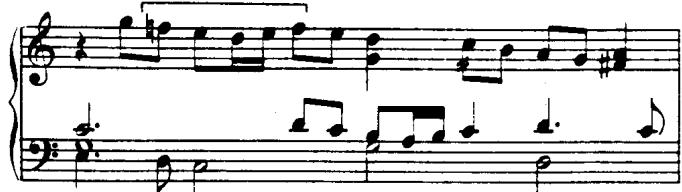
中文讲解
此处为第 40 页上 Ex.4.85 的乐谱图像占位符,展示 Morley 作品中“级进下行—级进上行”语境下仅用 descendens tremoletto 的实例,需查看原图。
第43段(P0263)
原文复述
Other contexts include stepwise ascent - stepwise descent (e.g. I 51:1:3), ascending interval - stepwise ascent (e.g. I 11:3:2), stepwise ascent - descending interval (e.g. I 176:1:1) stepwise ascent - ascending interval (e.g. I 51:3:1), ascending interval - stepwise descent (e.g. II 304:2:3), ascending interval - descending interval (e.g. I 85:3:2), ascending interval - ascending interval (e.g. I 11:3:2), descending interval - stepwise ascent (e.g. II 100:3:1) and stepwise descent - descending interval (e.g. I 343:4:2).
中文讲解
本段以穷举方式列出 tremoletto 在“非级进”大类下的其他语境,每种语境都附有 FVB 中的具体定位坐标示例:包括级进上行—级进下行、上行跳进—级进上行、级进上行—下行跳进、级进上行—上行跳进、上行跳进—级进下行、上行跳进—下行跳进、上行跳进—上行跳进、下行跳进—级进上行,以及级进下行—下行跳进。这一枚举呼应 P0258 中给出的进入/离开组合类型。
第44段(P0264)
原文复述
These tremoletti are often used sequentially as a motive, and may occur in any of the contexts mentioned above:
中文讲解
本段引出 tremoletto 的又一种用法——作为动机(motive)连续反复使用(sequentially)。这种连续性的用法可出现在前面提到的任一语境中。后续谱例(Ex.4.86)即展示此种用法。
第45段(P0265)
原文复述

中文讲解
此处为 Ex.4.86 中子项 (a) 的乐谱图像占位符,需查看原图。
第46段(P0266)
原文复述

中文讲解
此处为 Byrd《Pescodd Time》(FVB II 434:4:3)的乐谱图像占位符,属于 Ex.4.86(a)。需查看原图。这一位置也与脚注 57 列表中的“434:4:3”相符。
第47段(P0267)
原文复述

中文讲解
此处为 Ex.4.86(b) 的乐谱图像占位符,引用 Bull《Variatio》(FVB I 176:1:1)。需查看原图。
第48段(P0268)
原文复述
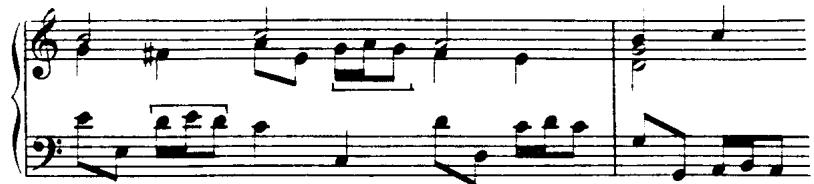
中文讲解
此处为 Ex.4.86(c) 的乐谱图像占位符,需查看原图。
第49段(P0269)
原文复述
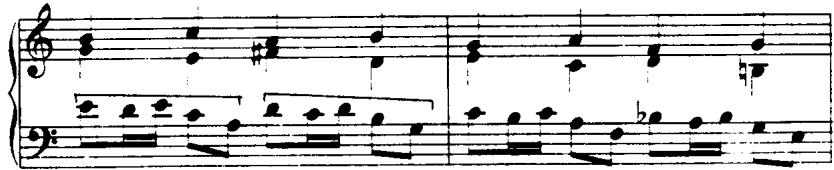
中文讲解
此处图像占位符与文字描述合并。文字部分详述 Ex.4.86 各子项的语境:Ex.4.86(a)(Byrd《Pescodd Time》)涵盖四种不同语境——级进上行—下行跳进;级进上行与下行;其后接五个下行跳进(f"-c"-a’-f’-d’);最后为级进上行—上行跳进以及级进上行—下行跳进。Ex.4.86(b)(Bull《Variatio》)中 tremoletto 之后旋律一致地级进上行。Ex.4.86(c) 和 (d) 中 tremoletto 前后的跳进结构保持相同——这部分叙述在第 42 页(P0271)继续。Anon., Praeludium (FVB I 85:3:1) 与 (d) 子项相关,需查看原图。
第50段(P0270)
原文复述
251
中文讲解
这是原书第 42 页的页码“251”(版心页码),仅起版面定位作用。
第51段(P0271)
原文复述
due to the melodic design of the sequence.
中文讲解
本段是上一段叙述的延续:Ex.4.86(c) 和 (d) 中 tremoletto 前后跳进结构保持一致,是因为这段连续反复乐句(sequence)本身的旋律设计如此——序列结构本身决定了其前后跳进相同,因此 tremoletto 的语境也随之相同。
第52段(P0272)
原文复述
A certain characteristic behaviour emerges on closer examination of the contexts other than stepwise ascent or descent in which the tremoletto is used in the FVB: all save one of the tremoletti ascendens are followed by a descending interval or a stepwise descending note, while the majority of tremoletti descendens are followed by an ascending stepwise note or interval. The melodic context preceding the tremoletto, however, is more confusing. Both ascending and descending stepwise notes and intervals occur in almost equal number here; it is therefore difficult to ascertain whether or not any specific pattern exists for the use of the tremoletto in a context other than only stepwise ascent or stepwise descent.
中文讲解
本段是本节的总结性观察,针对“非级进语境”下 tremoletto 的使用提出了两个有意义的规律:关于 tremoletto 之后——除一个例外之外,所有 tremoletti ascendens 之后都接下行跳进或下行级进音;多数 tremoletti descendens 之后都接上行级进音或上行跳进。即 tremoletto 倾向于“反向解决”到与辅助音相反方向的运动。关于 tremoletto 之前——前后环境则较为混乱,上行与下行级进及跳进的出现次数大致相等,因此很难断定在非纯级进语境下是否存在某种固定的进入模式。作者以这种“后清晰、前模糊”的对比,承认 tremoletto 在更复杂语境下的使用规律仍不清晰。
脚注 / 边栏 / 图表 / 附加信息(如有)
本节中包含三个脚注(55、56、57),均起到补充 FVB 乐谱定位坐标、扩大文献样本的作用。脚注 55 列出与谱例 4.79/4.80 类似的 tremoletti 实例位置;脚注 56 列出其他 tremoletti 装饰 tirata 的例子;脚注 57 列出 tremoletto 装饰两三个级进四分音符(迷你 tirata)的例子。本节乐谱示例(Ex.4.79–Ex.4.86)以图像占位符呈现,原图展示 tremoletto 装饰 tirata 与单独四分音符的具体音形,需查看原书以获得完整信息。
💡 本节核心要点
- tremoletto 具有双重性质:ascendens 用上方辅助音,descendens 用下方辅助音;其节奏变体包括 anapestic 和 dactylic,anapestic 仅作 descendens 使用
- 在 FVB 中 tremoletto 仅出现在四分音符上,主要作为级进 tirata 的进一步细分(diminution 的 diminution)
- 其使用可分为三大类语境:装饰 tirata 上的四分音符、装饰 2–3 个四分音符构成的迷你 tirata、装饰单独一个四分音符,其中以单独装饰单音的情况最为常见
- 传统对应方式(Praetorius、Ammerbach、Sancta Maria 等所描述)是上行旋律用下方辅助音、下行旋律用上方辅助音;FVB 中以反向方式使用属于例外
- 在非级进语境中,最受欢迎的语境是“级进下行—级进上行”且仅使用 descendens;其他跳进与级进的组合也广泛存在
- tremoletto 之后的旋律走向有相对清晰的倾向:ascendens 后多接下行、descendens 后多接上行;进入方式则无明显规律
- tremoletto 可作为动机连续反复使用(sequentially),其语境受序列整体旋律设计的制约
🔑 关键术语
- tremoletto:本节讨论的装饰音名,具有双性质——ascendens(用上方辅助音)和 descendens(用下方辅助音),并有 anapestic 和 dactylic 两种节奏变体;本节聚焦其在 FVB 中的使用语境
- ascendens:tremoletto 的两种类型之一,使用上方辅助音(即旋律主音上方的邻音)
- descendens:tremoletto 的两种类型之一,使用下方辅助音(即旋律主音下方的邻音)
- anapestic:tremoletto 的节奏变体之一,即短短长节奏;在 FVB 中仅作 descendens 使用
- dactylic:tremoletto 的节奏变体之一,即长短短节奏;在 FVB 中既可作 ascendens 也可作 descendens
- tirata:由级进音构成的走句式乐段,本身已是基本旋律的细分(diminution);tremoletto 在 FVB 中通常作为 tirata 的进一步细分
- crotchet:四分音符;tremoletto 在 FVB 中只出现在四分音符上
- diminution:将较长音符时值细分为更短时值的处理;tremoletto 装饰 tirata 被称为“diminution 的 diminution”(再细分)
- FVB:Fitzwilliam Virginal Book(菲茨威廉姆古钢琴曲集),英国文艺复兴时期键盘音乐的核心曲集,是本节所有实例的来源
- sequence (sequentially):指 tremoletto 作为动机连续反复出现,重复次数依作品段落长度而定
4.9 4.9 The Slide
第1段(P0273)
原文复述
4.9 The Slide
中文讲解
这是第4.9节的标题,主题为"滑音"(the slide)。滑音是文艺复兴与早期巴洛克键盘音乐中的一种装饰音,通常表现为两个或多个较短音符引导到一个时值较长的主要音符,形成"趋向—静止"(progression-to-repose)的效果。本节专门讨论菲茨威廉姆维金纳尔曲集(FVB)中所见滑音的形态、节拍位置、时值配置及其所处的旋律语境。
补充说明
FVB即Fitzwilliam Virginal Book,是收录英国伊丽莎白与雅各宾时期维金纳尔琴作品的重要手抄本,常用于此类装饰音研究。
第2段(P0274)
原文复述
The slide in the FVB does not occur frequently as a written-out ornament, although when it does, it conforms largely with the descriptions as given by the Continental treatises. It is used both on or before the beat, and the first two notes of the ornament can be dotted or consist of equal note values. In all cases the last note of the slide is at least double the value of the preceding ones, so that there is a characteristic progression-to-repose:
中文讲解
本段指出FVB中的滑音作为"写出"的装饰音并不常见,但出现时基本符合欧陆理论著作(如Diruta等人)的描述。两个核心特征是:(1)位置灵活——既可在拍上(on the beat)也可在拍前(before the beat);(2)节奏灵活——开头两音可附点也可等时值。唯一不变的形式规则是最后一个音的时值至少是前面音符的两倍,形成"趋向—静止"(progression-to-repose)的特征收束。这一规则界定了滑音的听觉特征:短暂的快速运行后落在一个长音上。
第3段(P0275)
原文复述
Ex.4.87
中文讲解
这是示例编号4.87的标签,标示随后乐谱为本书第4.9节的第87号例证。该例用于直观展示上一段所述滑音的形态与时值特征。
第4段(P0276)
原文复述
Munday, Fantasia (FVB I 19:2:1, 4:2)
中文讲解
图注:此例取自Munday所作的Fantasia,引用FVB第一卷第19页第2栏第1小节,以及第4栏第2小节。
第5段(P0277)
原文复述
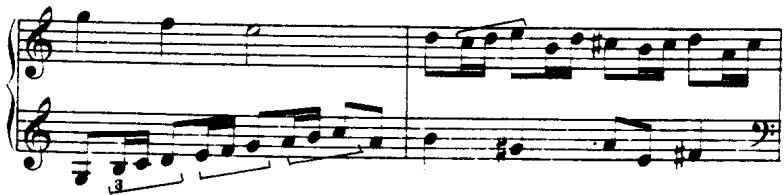
中文讲解
乐谱占位符:位于第42页,紧接Ex.4.87图注之后,呈现Munday Fantasia中两处滑音实例的记谱。具体音符需查看原图,但其在文中的功能是直观说明滑音"前两音等时值/附点—末音加长"的形态。
第6段(P0278)
原文复述
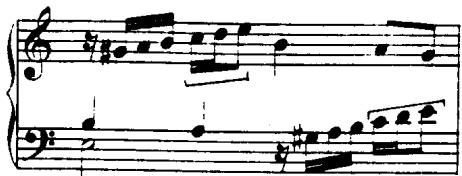
中文讲解
乐谱占位符:第42页上的第二幅谱例(与P0277并置),继续展示Ex.4.87的内容,作为滑音时值配置的进一步实例。
第7段(P0279)
原文复述
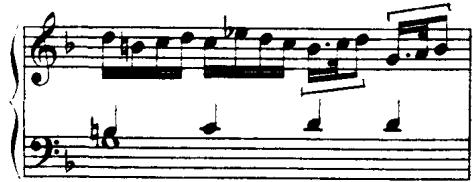
中文讲解
乐谱占位符:第43页上的谱例,承接Ex.4.87在第42页开始的展示。需查看原图以确认具体音符。
第8段(P0280)
原文复述
With a few exceptions, all the written-out slides in the FVB occur on crotchets. Only one written-out slide occurs on a quaver before the beat (Ex.4.88(a)) and only six instances are found in which the slide takes the value of a minim (Ex.4.88(b)): 58
中文讲解
本段说明FVB中滑音所附着的音符时值规律:极少数例外除外,几乎所有写出的滑音都落在四分音符(crotchet)之上。具体例外仅有:(1)一处写出滑音发生在拍前的八分音符(quaver)上,见Ex.4.88(a);(2)仅六处滑音本身占用二分音符(minim)的总时值,见Ex.4.88(b)。末尾上标58指向第43页的脚注,列出这六处minim滑音的具体位置。该段的功能是将抽象规则落到具体的时值统计上。
第9段(P0281)
原文复述
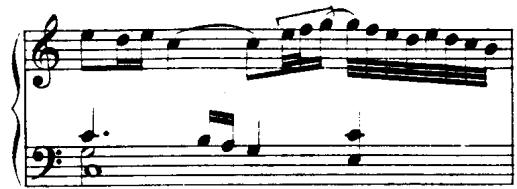
中文讲解
图注占位符:标号(a),对应正文中Ex.4.88(a)——即唯一一处出现在拍前八分音符上的写出滑音实例。需查看原图确认具体乐句。
第10段(P0282)
原文复述
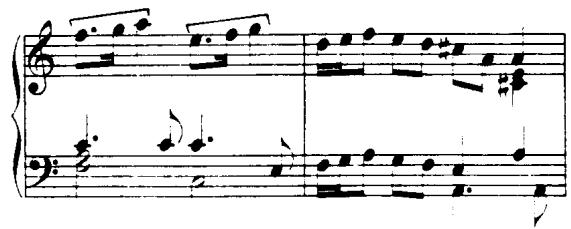
中文讲解
图注占位符:标号(b),引自Farnaby的Mal Sims(FVB第二卷第447页第4栏第3小节),是Ex.4.88(b)的实例之一,演示滑音占用二分音符总时值的形态。需查看原图。
第11段(P0283)
原文复述
The dotted slide is a rare phenomenon, making appearances at three places only. 59 The onbeat slide greatly outnumbers those occurring before the beat; the latter always employ equal note values. 60
中文讲解
本段继续给出统计观察:(1)“附点滑音”(dotted slide,即前两音附点化)极为罕见,仅在三处出现(脚注59列出位置);(2)拍上滑音(onbeat slide)在数量上远远超过拍前滑音;(3)拍前滑音一律采用等时值音符(不用附点)。这一规则暗示作曲者倾向于用等时值书写来避免拍前滑音的节奏模糊,因为拍前的等时值更易被辨识为装饰音而非结构性旋律。脚注60列出了拍前滑音的具体实例。
第12段(P0284)
原文复述
58 This occurs at FVB I 69:1:1; 217:4:3,4; II 422:4:1; 423:4:2; 449:4:4.
中文讲解
脚注58:列出六处占用二分音符时值的滑音的具体位置——FVB第一卷第69页第1栏第1小节、第217页第4栏第3与第4小节,以及第二卷第422页第4栏第1小节、第423页第4栏第2小节、第449页第4栏第4小节。该脚注对正文"六例"的说法提供精确的位置佐证。
第13段(P0285)
原文复述
59 These are, FVB II 304:4:2; 447:4:3; 449:4:4.
中文讲解
脚注59:列出三处附点滑音(dotted slide)的具体位置——均在FVB第二卷,分别为第304页第4栏第2小节、第447页第4栏第3小节、第449页第4栏第4小节。脚注对正文"仅三处"提供具体出处。
第14段(P0286)
原文复述
60 E.g., FVB I 19:1:2, 2:1, 3:2; 65:4:2; 93:6:2; 101:2:3, 3:1; 258:3:1; II 161:1:2, 3:2; 240:6:2; 245:5:1.
中文讲解
脚注60:列出拍前滑音(before-the-beat slides)的代表性实例位置——包括FVB第一卷第19页第1栏第2小节等多处,以及第二卷第161页第1栏第2小节等多处。脚注为正文"拍前滑音大量存在"的主张提供实例支持。
第15段(P0287)
原文复述
253
中文讲解
页眉/页码标识"253",为第44页的版心页码。无内容论述功能,仅起版面定位作用。
第16段(P0288)
原文复述
It is not always possible to ascertain whether the slide should be interpreted as a simple melodic motive which is part of the diminution, or whether it is meant specifically to be seen as an ornament, as the following prebeat slides indicate:
中文讲解
本段提出一个方法论上的重要问题:在FVB中,并非所有看似滑音的音型都可被确凿地识别为装饰音;某些滑音形态可能只是减缩(diminution,即对核心旋律做节奏细分)过程中产生的普通旋律动机。下列拍前滑音实例即体现这一模糊性。该段为随后Ex.4.89的讨论建立问题意识。
补充说明
“diminution"在早期音乐中指对主题旋律做等比节奏压缩的处理,使原旋律以更短时值呈现。
第17段(P0289)
原文复述
Ex.4.89 Bull, Quadran Pavan (FVB I 101:2:3)
中文讲解
示例编号4.89的图注:取自Bull的Quadran Pavan,FVB第一卷第101页第2栏第3小节。该例用于演示拍前滑音在模仿语境中的暧昧性。
第18段(P0290)
原文复述

中文讲解
乐谱占位符:第44页上的谱例(对应Ex.4.89(a) Bull, Quadran Pavan部分)。具体音符需查看原图。
第19段(P0291)
原文复述
Farnaby, The Flatt Pavan (FVB II 454:5:3)
中文讲解
图注:取自Farnaby的The Flatt Pavan,FVB第二卷第454页第5栏第3小节,作为Ex.4.89的第二组实例。
第20段(P0292)
原文复述
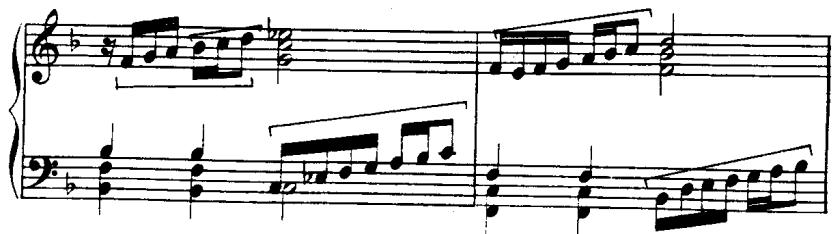
中文讲解
乐谱占位符:第44页上的谱例,对应Ex.4.89(b) Farnaby, The Flatt Pavan部分。需查看原图。
第21段(P0293)
原文复述
In Ex.4.89 the ‘slides’ are only incidental, in (a) appearing before the beat and in (b) on the beat. In both cases they are simply part of an imitated motive, as may be seen in Ex.4.90(a):
中文讲解
本段对Ex.4.89作出判断:两例中的所谓"滑音"其实只是模仿型旋律动机的副产物,而非作曲者刻意标出的装饰音。(a)例的滑音出现在拍前,(b)例的滑音出现在拍上;尽管位置不同,二者的本质相同——它们都是被模仿动机的组成音。随后通过Ex.4.90(a)展示同一动机在另一首作品中的原形,以揭示这些"滑音"其实来自模仿动机的内部音程。
第22段(P0294)
原文复述
Ex.4.90 Pearson, Pipers Paven (FVB II 240)
中文讲解
示例编号4.90的标题:取自Pearson(或作Peerson)的Pipers Paven,FVB第二卷第240页。该例含三段,分别标注为(a) 2:1、(b) 2:4、(c)见后文。
第23段(P0295)
原文复述
(a) 2:1
中文讲解
Ex.4.90的子项(a)指示:取自FVB II第240页第2栏第1小节。该子项演示被模仿的原始旋律动机——Ex.4.89中"滑音"实为该动机的片段。
第24段(P0296)
原文复述
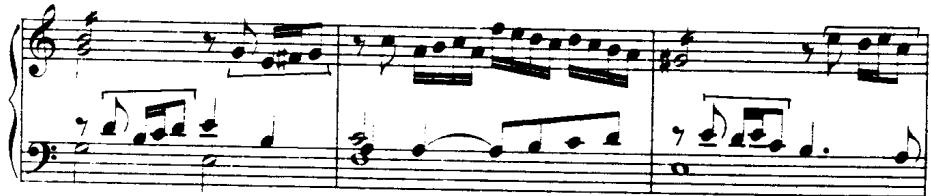
中文讲解
乐谱占位符:第44页上Ex.4.90(a)的谱例,展示被模仿的核心动机。需查看原图。
第25段(P0297)
原文复述
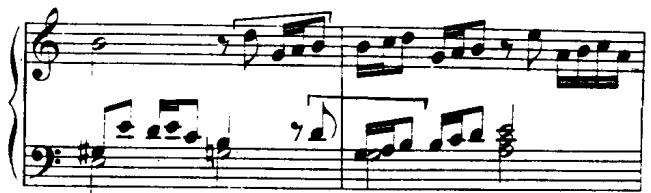
中文讲解
图注兼占位符:Ex.4.90(b)取自FVB II第240页第2栏第4小节。该例展示模仿所产生的滑音——即动机在不同声部或不同位置重复时所产生的"装饰性"音型,从而论证滑音可能是模仿的副产品而非真正的装饰音。
第26段(P0298)
原文复述
Anon., Praeludium (FVB I 86:3:2)
中文讲解
图注:取自佚名作曲家(Anon.)的Praeludium,FVB第一卷第86页第3栏第2小节,作为Ex.4.90(c)的来源。
第27段(P0299)
原文复述

中文讲解
乐谱占位符:第45页上Ex.4.90(c)的谱例。需查看原图。
第28段(P0300)
原文复述
The imitation may lead to slides which occur simultaneously (Ex.4.90(b)). In Ex.4.90(c) the slide is inherent in a five-note motive which is given sequential treatment. 61
中文讲解
本段总结模仿与滑音的关系:(1)模仿有时会导致滑音同时出现在不同声部,即多声部同时进行模仿型滑动(Ex.4.90(b));(2)Ex.4.90(c)中,滑音嵌入一个五音动机内部,该动机在乐曲中被作模进(sequential)处理。换言之,滑音既可作为模仿的横向副产品出现,也可作为模进动机本身的内部特征出现。这一结论进一步弱化了"凡是写出滑音必为装饰音"的简单判断。末尾上标61指向脚注,对应正文讨论的延伸出处。
第29段(P0301)
原文复述
A study of 139 appearances of the slide in the FVB has revealed certain characteristics in the melodic contexts in which the ornament is used: six contexts are consistently used more frequently than the rest. The most favoured melodic passage upon which the slide is found, is the stepwise approach from below (30 times), in effect being a diminution of the interval of a
中文讲解
本段开启基于139例FVB滑音实例的统计性观察:滑音出现在六种高频旋律语境中,使用频率远超其他情形。最常用的一种是"自下方级进到达主音”,共出现30次,其本质是对四度音程(待下段续完)的减缩处理。本段的统计视角将讨论从个案转向类型学,为后续逐类展示建立框架。
补充说明
本节"139次出现"指作者对FVB滑音实例的完整计数。
第30段(P0302)
原文复述
fourth:
中文讲解
承接上段:自下方级进到达主音实际上是四度音程(interval of a fourth)的减缩。
第31段(P0303)
原文复述
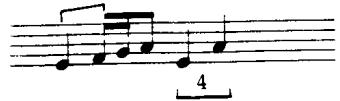
中文讲解
乐谱占位符:第45页上展示第一种高频语境——自下方级进到达主音(减缩四度)的滑音形态。需查看原图。
第32段(P0304)
原文复述
The others appear in the following manner:
中文讲解
过渡句:以下展示其余五种高频语境。
第33段(P0305)
原文复述
- approached by a descending third, diminution of two repeated notes
中文讲解
第二种高频语境:上方音由下行三度引入,滑音是对两个重复音的减缩。
第34段(P0306)
原文复述
(24 times):
中文讲解
该语境出现24次。
第35段(P0307)
原文复述
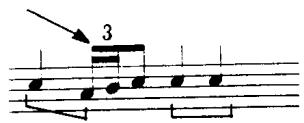
中文讲解
乐谱占位符:第45页上第二种高频语境的谱例。需查看原图。
第36段(P0308)
原文复述
- approached by a descending fifth, diminution of a descending third
中文讲解
第三种高频语境:上方音由下行五度引入,滑音是对下行三度的减缩。
第37段(P0309)
原文复述
(18 times):
中文讲解
该语境出现18次。
第38段(P0310)
原文复述
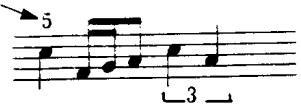
中文讲解
乐谱占位符:第45页上第三种高频语境的谱例。需查看原图。
第39段(P0311)
原文复述
- approached stepwise descending, diminution of an ascending second
中文讲解
第四种高频语境:上方音由下行级进引入,滑音是对上行二度的减缩。
第40段(P0312)
原文复述
(15 times):
中文讲解
该语境出现15次。
第41段(P0313)
原文复述
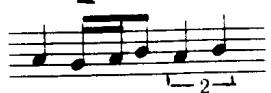
中文讲解
乐谱占位符:第45页上第四种高频语境的谱例。需查看原图。
第42段(P0314)
原文复述
- descending fourth, diminution of a descending second
中文讲解
第五种高频语境:上方音出现在下行四度,滑音是对下行二度的减缩。
第43段(P0315)
原文复述
(14 times):
中文讲解
该语境出现14次。
第44段(P0316)
原文复述
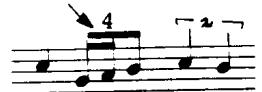
中文讲解
乐谱占位符:第45页上第五种高频语境的谱例。需查看原图。
第45段(P0317)
原文复述
- preceded by the same note, diminution of an ascending third
中文讲解
第六种高频语境:上方音之前为同音反复,滑音是对上行三度的减缩。
第46段(P0318)
原文复述
(12 times):
中文讲解
该语境出现12次。
第47段(P0319)
原文复述
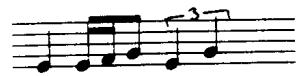
中文讲解
乐谱占位符:第45页上第六种高频语境的谱例。需查看原图。
第48段(P0320)
原文复述
See also, FVB I 104:4:4, 6:1; II 154:3:3.
中文讲解
附加指引:另可参看FVB第一卷第104页第4栏第4小节、第6栏第1小节,以及第二卷第154页第3栏第3小节。这是前六类语境之外的相关参考位置。
第49段(P0321)
原文复述
Half of the above cases are in ascending contexts, if the basic intervals are taken into account. The rest are in descending contexts. The other melodic patterns prefer the ascending context:
中文讲解
本段对六类高频语境的总体走向作出归纳:若以基本音程的方向衡量,约一半属上行语境,其余为下行。其余较少出现的旋律形态则更明显地偏好上行语境。段末引出随后逐项展示的若干低频但仍倾向上行的语境类型。该段是统计性观察的过渡与小结。
补充说明
“基本音程"指滑音末尾落点与起点之间原本应被听到的旋律音程;减缩过程中这一音程被分解为多个短音。
第50段(P0322)
原文复述
- ascending third (7 times):
中文讲解
低频语境之一:上行三度,出现7次。
第51段(P0323)
原文复述
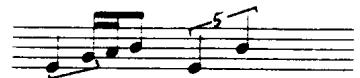
中文讲解
乐谱占位符:第46页上"上行三度"语境滑音的谱例。需查看原图。
第52段(P0324)
原文复述
- descending sixth (4 times):
中文讲解
低频语境之二:下行六度,出现4次。
第53段(P0325)
原文复述
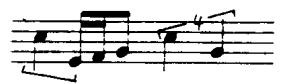
中文讲解
乐谱占位符:第46页上"下行六度"语境滑音的谱例。需查看原图。
第54段(P0326)
原文复述
- descending octave (4 times):
中文讲解
低频语境之三:下行八度,出现4次。
第55段(P0327)
原文复述
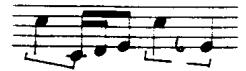
中文讲解
乐谱占位符:第46页上"下行八度"语境滑音的谱例。需查看原图。
第56段(P0328)
原文复述
- rest (twice):
中文讲解
低频语境之四:滑音之前为休止(rest),出现2次。
第57段(P0329)
原文复述
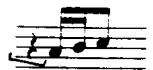
中文讲解
乐谱占位符:第46页上"休止后滑音"的谱例。需查看原图。
第58段(P0330)
原文复述
- ascending octave (twice):
中文讲解
低频语境之五:上行八度,出现2次。
第59段(P0331)
原文复述
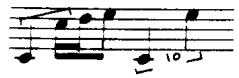
中文讲解
乐谱占位符:第46页上"上行八度"语境滑音的谱例。需查看原图。
第60段(P0332)
原文复述
- ascending fifth (twice):
中文讲解
低频语境之六:上行五度,出现2次。
第61段(P0333)
原文复述
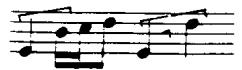
中文讲解
乐谱占位符:第46页上"上行五度"语境滑音的谱例。需查看原图。
第62段(P0334)
原文复述
- ascending fourth (twice):
中文讲解
低频语境之七:上行四度,出现2次。
第63段(P0335)
原文复述
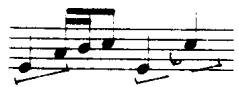
中文讲解
乐谱占位符:第46页上"上行四度"语境滑音的谱例。需查看原图。
第64段(P0336)
原文复述
- ascending sixth (once):
中文讲解
低频语境之八:上行六度,仅出现1次。
第65段(P0337)
原文复述
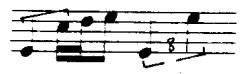
中文讲解
乐谱占位符:第46页上"上行六度"语境滑音的谱例。需查看原图。
第66段(P0338)
原文复述
- ascending seventh (once):
中文讲解
低频语境之九:上行七度,仅出现1次。
第67段(P0339)
原文复述
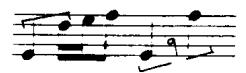
中文讲解
乐谱占位符:第46页上"上行七度"语境滑音的谱例。需查看原图。
第68段(P0340)
原文复述
- descending seventh (once):
中文讲解
低频语境之十:下行七度,仅出现1次。
第69段(P0341)
原文复述
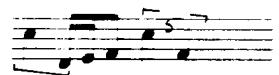
中文讲解
乐谱占位符:第46页上"下行七度"语境滑音的谱例。需查看原图。
第70段(P0342)
原文复述
Even though a variety of contexts is employed, it is clear that ascending melodic contexts - both by step and by skip - are more typical in the use of the slide. The slides often appear consecutively, especially in descending and ascending intervals:
中文讲解
本段对前述全部分类作出总结:尽管滑音出现的旋律语境多样,但上行语境——无论级进还是跳进——都更具典型性。此外,滑音常常连续出现,特别是在处理下行与上行音程时。这为下一段连续滑音的实例(Ex.4.91)提供理论依据。
第71段(P0343)
原文复述
Ex.4.91 Bull, Variatio (FVB I 175:5:2)
中文讲解
示例编号4.91的图注:取自Bull的Variatio,FVB第一卷第175页第5栏第2小节,展示滑音连续出现的实例。
第72段(P0344)
原文复述
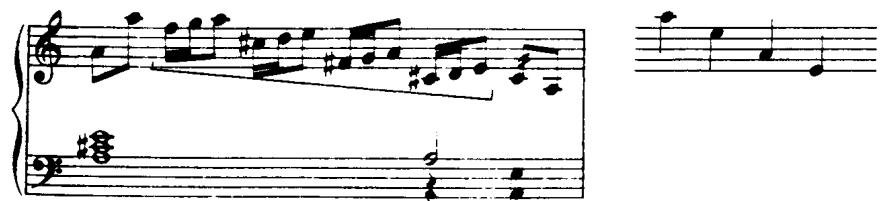
中文讲解
乐谱占位符:第46页上Ex.4.91 Bull实例的谱例。需查看原图。
第73段(P0345)
原文复述

中文讲解
图注兼占位符:第47页上Ex.4.91的另一例,取自Sweelinck的Psalme,FVB第二卷第154页第3栏第3小节,展示连续滑音。需查看原图。
第74段(P0346)
原文复述
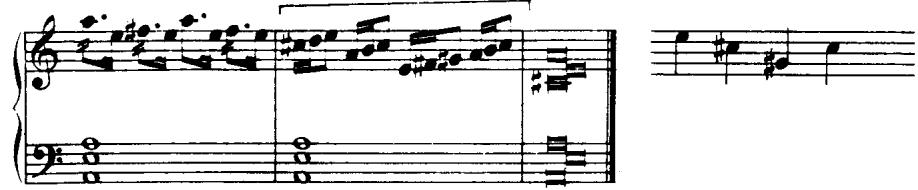
中文讲解
图注兼占位符:第47页上Ex.4.91的第三例,取自Peerson的Pipers Paven,FVB第二卷第241页第6栏第3小节。需查看原图。
第75段(P0347)
原文复述
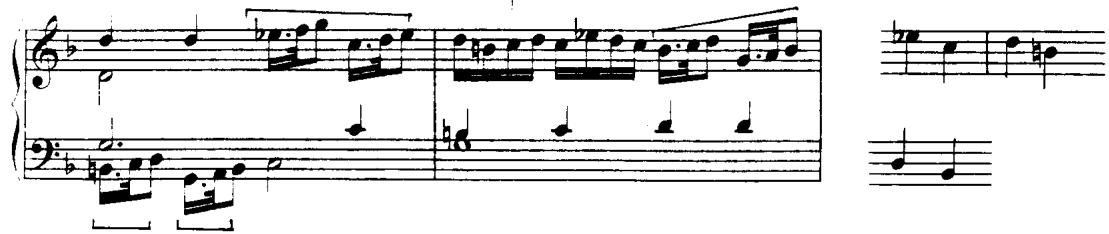
中文讲解
图注兼占位符:第47页上Ex.4.91的第四例,取自Sweelinck的Fantasia,FVB第二卷第304页第4栏第2小节(同时也是脚注59列出的三处附点滑音之一)。随后的正文指出:两个连续下行的四分音符(descending crotchets)常常作为滑音所附着的减缩素材;末尾上标62指向脚注,列出其他此类实例。该句承上启下:从连续滑音过渡到"滑音附着的特定节奏单元”。
第76段(P0348)
原文复述
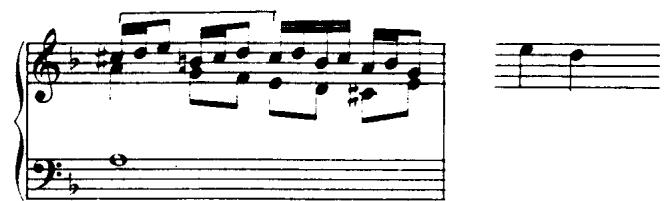
中文讲解
图注兼占位符:第47页上Ex.4.92的第一例,取自Byrd的Pavana Lachrymae,FVB第二卷第43页第5栏第1小节,展示两个下行四分音符作为滑音载体的实例。需查看原图。
第77段(P0349)
原文复述
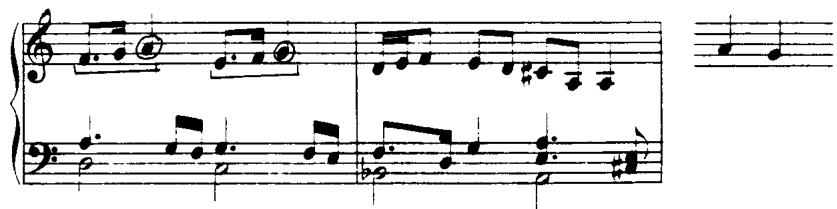
中文讲解
图注兼占位符:第47页上Ex.4.92的第二例,取自Farnaby的Mal Sims,FVB第二卷第447页第5栏第1小节。需查看原图。
第78段(P0350)
原文复述
62 For other examples, see FVB I 59:1:2; 69:1:1; II 347:2:5; 449:4:4.
中文讲解
脚注62:列出另外若干处"两个下行四分音符作为滑音载体"的实例——FVB第一卷第59页第1栏第2小节、第69页第1栏第1小节,以及第二卷第347页第2栏第5小节、第449页第4栏第4小节。该脚注对正文P0347提供佐证。
第79段(P0351)
原文复述
The slide can, of course, also occur alone in any of the melodic contexts mentioned above:
中文讲解
本段过渡:除连续出现外,滑音当然也可以单独出现在前文列举的任何旋律语境中。随后通过Ex.4.93展示单独使用的滑音实例。
第80段(P0352)
原文复述
Ex.4.93 Morley, Nancie (FVB I 57)
中文讲解
示例编号4.93的图注:取自Morley的Nancie,FVB第一卷第57页,展示单独使用的滑音实例。
第81段(P0353)
原文复述

中文讲解
乐谱占位符:第48页上Ex.4.93的第一段谱例。需查看原图。
第82段(P0354)
原文复述
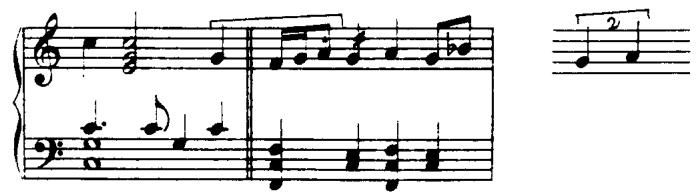
中文讲解
乐谱占位符:第48页上Ex.4.93的第二段谱例。需查看原图。
第83段(P0355)
原文复述
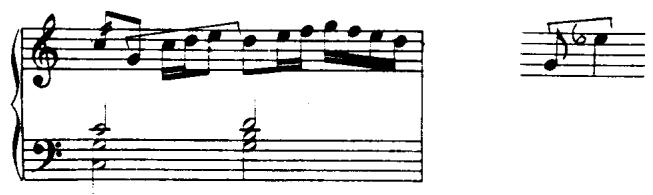
中文讲解
乐谱占位符:第48页上Ex.4.93的第三段谱例。需查看原图。
第84段(P0356)
原文复述
There are two examples in the FVB which resemble Diruta’s illustration of the clamatione, in that the left hand consists of chords changing harmony with the slide:
中文讲解
本段引入另一类滑音用法:FVB中有两例与Diruta所述"clamatione"(一种宣叙式滑音)相似——其特征是左手由和弦构成,和声随右手滑音而变化。这一观察将滑音从单纯的旋律装饰提升到多声部和声语境的层面。下一段以Ex.4.94展示这两例。
补充说明
“clamatione"为Diruta在其理论著作(如Il Transilvano)中讨论的一种带宣叙特征的滑奏方式,强调与和声变化相配合。
第85段(P0357)
原文复述
Ex.4.94 Pearson, The Primerose (FVB II 422:4:1)
中文讲解
示例编号4.94的图注:取自Pearson(Peerson)的The Primerose,FVB第二卷第422页第4栏第1小节,作为类Diruta式clamatione的第一例。
第86段(P0358)
原文复述
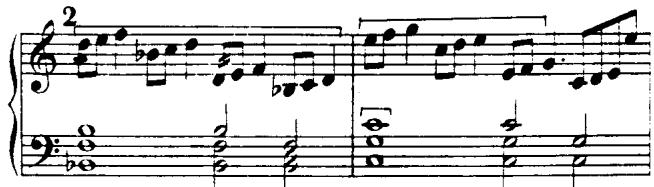
中文讲解
乐谱占位符:第48页上Ex.4.94 Pearson The Primerose实例的谱例。需查看原图。
第87段(P0359)
原文复述
Peerson, The Fall of the Leafe (FVB II 423:5:2)
中文讲解
图注:Ex.4.94的第二例,取自Peerson的The Fall of the Leafe,FVB第二卷第423页第5栏第2小节。
第88段(P0360)
原文复述
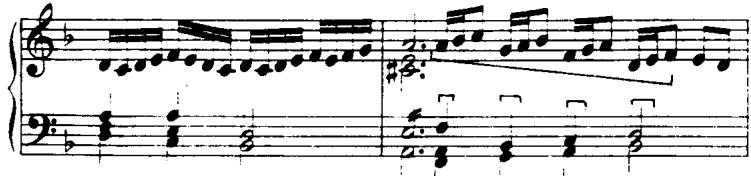
中文讲解
乐谱占位符:第48页上Ex.4.94 Peerson The Fall of the Leafe实例的谱例。需查看原图。
第89段(P0361)
原文复述
In accordance with Diruta’s prescription that the slide be used to commence a piece, one can often find a repeat or new section of a piece in the FVB which begins with a slide:
中文讲解
本段回到Diruta的理论:Diruta主张滑音可用于乐曲的开头。在FVB中常见以滑音开始一个重复段落或新段落的现象,可视为对Diruta规则的实际回应。该段将滑音的用法从内部装饰扩展到结构标志(标志新段落或重复的开始),随后以Ex.4.95展示此类实例。
第90段(P0362)
原文复述
Ex.4.95 Morley, Nancie (FVB I 58:5:3; 59:1:2)
中文讲解
示例编号4.95的图注:取自Morley的Nancie,FVB第一卷第58页第5栏第3小节及第59页第1栏第2小节——即Nancie中以滑音开始的重复/新段落的两处位置。
第91段(P0363)
原文复述

中文讲解
乐谱占位符:第49页上Ex.4.95 Morley Nancie实例的谱例。需查看原图。
第92段(P0364)
原文复述
M.S.,Pavana (FVB I 69:1:1)
中文讲解
图注:取自M.S.(佚名作曲家的首字母缩写)的Pavana,FVB第一卷第69页第1栏第1小节,作为Ex.4.95的另一例(同时也是脚注58所列六处minim滑音之一)。
补充说明
“M.S.“在FVB中通常代表作曲者姓名不详时所用的匿名标记。
第93段(P0365)
原文复述
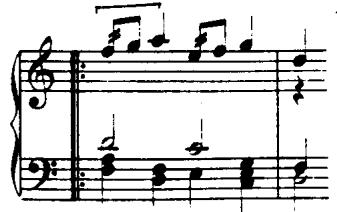
中文讲解
乐谱占位符:第49页上Ex.4.95 M.S., Pavana实例的谱例。需查看原图。
第94段(P0366)
原文复述
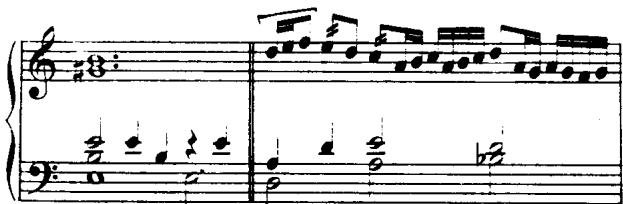
中文讲解
图注兼占位符:第49页上Ex.4.95的最后一例,取自Tisdall的Galiarda,FVB第二卷第486页第3栏第2小节。需查看原图。
脚注 / 边栏 / 图表 / 附加信息(如有)
本节包含以下附加材料:
- 脚注58(P0284):列出六处占用二分音符时值的滑音的具体位置(位于FVB I 69:1:1;217:4:3,4;II 422:4:1;423:4:2;449:4:4),对正文P0280的"六例"主张提供精确出处佐证。
- 脚注59(P0285):列出三处附点滑音的具体位置(FVB II 304:4:2;447:4:3;449:4:4),对正文P0283"仅三处附点滑音"提供出处。
- 脚注60(P0286):列出拍前滑音的代表性实例位置(FVB I 19:1:2, 2:1, 3:2;65:4:2;93:6:2;101:2:3, 3:1;258:3:1;II 161:1:2, 3:2;240:6:2;245:5:1),对P0283提供实例支持。
- 脚注62(P0350):列出其他"两个下行四分音符作为滑音载体"的实例(FVB I 59:1:2;69:1:1;II 347:2:5;449:4:4),对P0347提供佐证。
- 多个图注(例Ex.4.87的Munday, Ex.4.88的Farnaby, Ex.4.89的Bull与Farnaby, Ex.4.90的Pearson/Peerson及佚名Praeludium, Ex.4.91的Bull/Sweelinck/Peerson, Ex.4.92的Byrd/Farnaby, Ex.4.93的Morley, Ex.4.94的Peerson, Ex.4.95的Morley/M.S./Tisdall等)共同构成对正文中六种高频语境和若干低频语境的实证支持。
- 页码"253”(P0287)为第44页版心页码,仅起版面定位作用。
💡 本节核心要点
- FVB中的滑音作为写出的装饰音不常见,但出现时大体符合欧陆理论描述;其形式特征是末音时值至少为前面音符的两倍,形成"趋向—静止”。
- 滑音可出现在拍上或拍前,前两音可附点或等时值;写出滑音几乎都附着于四分音符,极少数例外附着于拍前八分音符或占用二分音符总时值;附点滑音极罕见,仅三处。
- 判断写出的滑音是否真为装饰音存在困难:它可能是减缩或模仿动机过程中的副产物,需结合上下文(尤其是动机原型)才能分辨。
- 基于139例的统计显示:滑音偏好上行旋律语境,最常见者为"自下方级进到达主音(减缩四度)",共30次;六种高频语境被持续反复使用。
- 滑音常连续出现,特别是在处理下行与上行音程时;两个连续下行的四分音符是滑音最常见的附着节奏单元。
- 滑音的用法扩展至结构层面:可作为新段落或重复段落的开始标志,对应Diruta所主张的"以滑音开启乐曲"规则;也可与左手和声变化相配合,呈现类似Diruta所述clamatione的多声部用法。
🔑 关键术语
- slide:本节核心对象——一种早期键盘装饰音,表现为以一个或多个短音符引入到一个时值显著加长的主音,形成"趋向—静止"的效果。在FVB中可写出,也可作为减缩或模仿的副产品出现。
- FVB:Fitzwilliam Virginal Book的缩写,即菲茨威廉姆维金纳尔曲集,收录英国伊丽莎白与雅各宾时期维金纳尔琴作品的重要手抄本,是本节所有实例的来源。
- onbeat / before the beat:描述滑音的节拍位置——onbeat指滑音落在拍点上,before the beat指滑音位于拍点之前。本节指出FVB中onbeat滑音在数量上远超before-the-beat滑音,且后者一律采用等时值音符。
- diminution:早期音乐术语,指对主题旋律做等比节奏压缩的处理;本节中多次用此概念解释"看似滑音实为减缩过程产物"的现象。
- progression-to-repose:本节对滑音听觉特征的概括术语——由短促音符"趋向"到长音"静止"的进行过程,源自末音时值至少为前音两倍的形式规则。
- clamatione:Diruta在其理论著作中讨论的一种带宣叙特征的滑奏方式,强调与左手和声变化相配合;本节指出FVB中有两例在功能上接近此用法。
- sequential treatment:本节用以解释Ex.4.90(c)的术语——将一个含有滑音的五音动机在不同音级上反复呈现的写作手法(模进处理)。
5.1 5.1 The Purpose and Use of the Single- and Double-Stroke Signs
第1段(P0367)
原文复述
Chapter number heading: “CHAPTER 5.”
中文讲解
这是第五章的章号标识,本身不承载论述内容,仅作为版面结构存在,标志着本论题进入新一章。
第2段(P0368)
原文复述
Chapter title: “5. THE ORNAMENTS INDICATED BY SIGN IN THE FITZWILLIAM VIRGINAL BOOK.”
中文讲解
第五章的完整章名,点出本章的研究对象——以符号标示的装饰音,材料范围限定在《菲茨威廉维金纳琴曲集》(Fitzwilliam Virginal Book, FVB) 之中。标题本身就预告了本章的分析路径:不讨论演奏中的即兴装饰,而讨论作曲家以特定符号(signs)明确写定的装饰;这是本章区别于一般装饰音研究的关键限定。
补充说明
标题中的 FVB 是 Fitzwilliam Virginal Book 的缩写,其完整名称在标题里已经展开,与本节正文 P0370 中再次出现的"FVB"缩写相对应。
第3段(P0369)
原文复述
Section heading: “5.1 The Purpose and Use of the Single- and Double-Stroke Signs.”
中文讲解
本章第一节的小节标题,把研究范围进一步收窄到两种具体的装饰符号——单划(single-stroke)与双划(double-stroke)。标题中"用途与目的"点出本节要回答的核心问题:这两种符号在 FVB 中究竟承担什么功能,是任意添加的装饰,还是音乐结构的一部分。
第4段(P0370)
原文复述
Two ornament signs — the single stroke and the double stroke — appear in the FVB. At first sight it might look as though the ornament signs are scattered over the music without any purpose, since there is virtually no page that does not contain at least some of them. Their high frequency, and the fact that they are indicated by symbols, are unique when set against sixteenth-century Continental keyboard practice. This inevitably raises the question of whether these ornaments should be understood as abstract, optional decoration, or as indispensable to the structure of the music. A further question is whether they were inserted at the composer’s whim, with no concern for exact placement. It is this latter view — that the ornaments were placed arbitrarily — that was held earlier in the twentieth century. Margaret Glyn puts it as follows: ¹
中文讲解
这一段是本章第一节的总纲。它先把研究对象钉死:FVB 中反复出现的两种装饰符号——单划与双划。然后从外观观察入手指出,这些符号几乎出现在每一页上,初看似乎毫无章法地散布于乐谱之中。作者紧接着强调两个关键特征——频率极高、以特定符号标示——并指出这与十六世纪欧洲大陆的键盘记谱实践形成鲜明对比,由此把英伦与大陆实践的分歧摆到台面。在此基础上,作者明确抛出本章要回应的两个问题:其一,装饰是抽象、可有可无的修饰,还是音乐结构中不可剥离的成分?其二,这些符号是不是作曲家凭兴致随手加上的,与具体位置无关?作者随即交代,“随手加上"这一观点恰恰是二十世纪上半叶学界的通行看法,并以 Margaret Glyn 的引文作为代表。换言之,本段的论证功能是:摆出现象、抛出问题、揭示既有解释框架的不足,从而为下文作者自己的重新评估做铺垫——作者显然不打算接受这一既有共识。
补充说明
“FVB"即 Fitzwilliam Virginal Book(《菲茨威廉维金纳琴曲集》),完整名称在章名中已展开。“single stroke"与"double stroke"是本节标题中的术语,指代两种以划痕形状出现的装饰符号,正文 P0370 同样沿用这一术语;“the latter"指代上一句问到的"随意安置"这一观点,而非前一句问到的"可有可无的修饰”。
第5段(P0371)
原文复述
“But the ornaments of this music, scattered throughout the virginal books, have no expressive character, and are not essential to the text.”
中文讲解
这是 Margaret Glyn 的原话(由作者转引)。她的主张可以拆成两层:第一层是事实判断——这些装饰散布于维金纳琴曲集中;第二层是价值判断——它们"没有表现力”、“对乐曲文本并非必需”。这两层判断合起来,就是二十世纪早期学界共识的核心:装饰对作品本体无足轻重,可以忽略。值得注意的是,作者把 Glyn 这段话放在脚注 1 之前,意味着她引述这段话不是要赞同,而是要把它作为靶子——本节下文应当会论证,FVB 的装饰其实是有表现力、有结构功能的,从而反驳这一早期观点。
补充说明
原文中"the virginal books”(复数)是十六世纪末至十七世纪初英国键盘音乐几部主要曲集的统称,FVB 是其中最重要的一部;脚注出处(P0374)用单数写法,本段原文此处仍以复数形式为准。
第6段(P0372)
原文复述
Van den Borren holds the same view: ²
中文讲解
本句是引文引导语,引出脚注 2 中的 Charles van den Borren 的观点。“同样的观点"回指上一段 Glyn 的结论——装饰只是表层、不影响作品风格——表明作者要把早期学界视为一个整体来呈现,两位学者共享同一立场。
第7段(P0373)
原文复述
“… we have, in fact, a conviction that the graces are purely superficial ornaments only, the presence of which has no determining influence on the stylistic physiognomy of virginal compositions … It suffices to read just as they are - that is to say, deprived of their…”
中文讲解
这是 Van den Borren 的引文,原文未完,句子在 “deprived of their…” 处中断(应为页面截断或 OCR 占位)。即便如此,已呈现的内容包含两层强主张:第一,“graces”(装饰音)在范·登·博伦看来"纯粹是表面的装饰”;第二,它们的有无对维金纳琴曲的"风格面貌”(stylistic physiognomy)不起决定作用——也就是说,去掉这些装饰,作品仍然是维金纳琴曲。“physiognomy"原意为"面相、相貌”,在这里是修辞性比喻——装饰改不改,不改变作品作为维金纳琴曲的"长相”。作者把范·登·博伦与 Glyn 并列,是因为两人立场高度一致;本节下文将以此为反方观点展开反驳。从截断处的句式 “deprived of their …” 可以推断,范·登·博伦的完整论点是:演奏时干脆把这些装饰略去即可——下文作者要否定的正是这种"略去无妨"的处理方式。
补充说明
“graces"是十六世纪英国音乐文献中对装饰音(ornaments)的常用术语,与本节正文中的"ornament signs"指称同一对象;“stylistic physiognomy"在音乐学语境中意指作品可被识别的风格特征或"面貌”,本节下文对此概念的反驳将是核心论证之一。
第8段(P0374)
原文复述
Footnote 1: M.H. Glyn, Elizabethan Virginal Music and its Composers (London: Wm. Reeves, 1934), p.57.
中文讲解
脚注 1 提供 P0371 中 Glyn 引文的文献出处:M.H. Glyn,《伊丽莎白时代维金纳琴音乐及其作曲家》,伦敦 Wm. Reeves 出版社 1934 年出版,第 57 页。这条脚注的功能是文献定位——为前文引文提供权威可查的来源。同时它也透露了 Glyn 写作的年代(1934 年),属二十世纪上半叶,与正文"earlier this century”(本世纪早些时候)的限定吻合。
补充说明
脚注内容只提供出版地、出版者、年份与页码,不含具体章节或段落信息;其作用是为引文提供可核查的来源,而非进一步扩展论证。
第9段(P0375)
原文复述
Footnote 2: C. van den Borren, The Sources of Keyboard Music in England (London: Novello, 1914), p.148.
中文讲解
脚注 2 提供 P0373 中 Van den Borren 引文的文献出处:C. van den Borren,《英国键盘音乐的源头》,伦敦 Novello 出版社 1914 年出版,第 148 页。该书是英国早期键盘音乐研究的经典文献,作者为比利时音乐学家。这条脚注与脚注 1 共同构成作者对"二十世纪早期学界共识"的文献基础,也表明作者有意让读者能够直接查证 Glyn 与 Van den Borren 的原文表述。值得注意的是 Van den Borren 这本著作初版于 1914 年,比 Glyn 之书还要早二十年,意味着这一立场在二十世纪上半叶的英国音乐学界具有相当长的延续性。
补充说明
Van den Borren 著作的英文译本于 1914 年由 Novello 出版;脚注本身只注明译本页码,未给出法文原版的对应信息。
脚注 / 边栏 / 图表 / 附加信息(如有)
本节包含两条文献脚注(P0374、P0375),分别对应 Margaret Glyn(1934)与 Charles van den Borren(1914)的两部英国早期键盘音乐研究专著,为本节开头引用的"装饰是表层、无足轻重"这一早期学界立场提供了原始文献依据。脚注的功能是来源标注,作者借此把引文锚定到具体可查的页码,同时透露出这两位学者写作的年代(均早于 1950 年),与正文"earlier this century"的限定相符。P0373 中 Van den Borren 的引文在 “deprived of their…” 处出现截断,应为原文跨页或 OCR 造成的占位符,需查原书第 148 页方可获得完整论述。
💡 本节核心要点
- 本节的研究对象锁定为《菲茨威廉维金纳琴曲集》(FVB) 中以符号标示的两种装饰音——单划(single stroke)与双划(double stroke),区别于即兴演奏中的装饰。
- 作者指出 FVB 中装饰符号频率极高且以特定符号标示,这一现象在十六世纪欧洲大陆键盘音乐中是独特的,构成英伦与大陆实践的鲜明对比。
- 本节抛出两个核心问题:装饰是可有可无的修饰还是音乐结构中不可剥离的成分?这些符号的位置是否由作曲家有意安排?
- 二十世纪上半叶的学界(Margaret Glyn、Charles van den Borren 为代表)倾向于把这些装饰视为"纯粹表层",认为它们对作品的表现力与风格面貌不起决定作用;这一立场在两人著作中(分别出版于 1934 与 1914 年)延续了至少二十年。
- 作者在本节通过引述两位学者的反对意见,明确把"装饰可有可无"立为靶子,为本节及本章后续论证留出空间——下一节极有可能展开对该立场的系统性反驳。
🔑 关键术语
- FVB:Fitzwilliam Virginal Book 的缩写,指《菲茨威廉维金纳琴曲集》,十六世纪末至十七世纪初英国维金纳琴曲最重要的曲集之一,章名中已给出完整名称。
- single- and double-stroke signs:单划与双划符号,是本节标题与正文共同锁定的研究对象,指 FVB 中以单划或双划形状标示的两类装饰音,作者其后将论证它们并非任意添加的表层装饰。
- ornaments / graces:装饰音的两种说法:本节正文用 “ornaments”,Van den Borren 引文(P0373)用十六世纪英国文献常见的 “graces”;两者在本节中指同一对象,即 FVB 中以符号标示的装饰音。
- stylistic physiognomy:范·登·博伦引文中的术语,字面意为"风格的面貌",引申为一件作品可被识别为某一风格类型的整体特征;该术语在本节中是反方观点的关键概念,是后续反驳所瞄准的靶子。
- virginal books:维金纳琴曲集的复数形式,指十六世纪末至十七世纪初英国出版的若干维金纳琴曲合集,FVB 是其中最重要的一部;Glyn 引文(P0371)使用此复数形式。