目录
CH29 The Texture of the Part
- CH29.S1 1. The Importance of Texture in a Good Accompaniment
- 页码:1-1
- CH29.S2 2. No Accompaniment (‘Senza Cembalo,’ etc.)
- 页码:1-2
- CH29.S3 3. Unharmonised Accompaniment (‘Tasto Solo’; ‘All’ Unisono’)
- 页码:2-3
- CH29.S4 4. How Thick the Accompaniment Should Be
- 页码:4-8
- CH29.S5 5. How Strict the Accompaniment Should Be
- 页码:8-14
- CH29.S6 6. The Filled-In Accompaniment
- 页码:14-17
- CH29.S7 7. How the Accompaniment Should Be Spaced
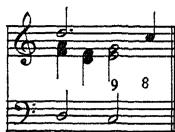
- 页码:17-18
- CH29.S8 8. How High and How Low the Accompaniment Should Go
- 页码:18-22
- CH29.S9 9. Texture Further to Be Considered in the Following Chapter
- 页码:22-22
CH29.S1 1. The Importance of Texture in a Good Accompaniment
第1段(P0001)
原文复述
CHAPTER XXIX
中文讲解
这是全书第二十九章的章号标记,作用是版面定位,标示此后的内容进入第XXIX章的范围。它本身不承载论题,仅起结构标引作用。
第2段(P0002)
原文复述
The Texture of the Part
中文讲解
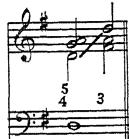
这是第二十九章的章题,揭示本章的核心论题:伴奏声部(part)的织体(texture)。作者把焦点从和声、节奏等前几章关注过的伴奏要素,转到"织体"这一概念——即伴奏各声部在密度、间距、独立性等方面的整体组织方式。章题预告:本章要论证的是,伴奏的好坏不仅取决于音高与节奏所织成的和声,还取决于声部如何被组织成不同疏密与色彩的织体。
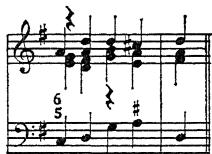
第3段(P0003)
原文复述
- THE IMPORTANCE OF TEXTURE IN A GOOD ACCOMPANIMENT
中文讲解
这是本章第1节的节题,点明本节主旨:在优秀的伴奏中,织体具有关键地位。节题中"重要性"一词提示本节属原理性论证——它要解释"为什么"织体值得专门讨论,而非具体罗列"如何"操作,从而为下文的立论铺垫。
第4段(P0004)
原文复述
An important factor in a good accompaniment is varying the texture to suit the needs of different movements and passages. Some of the most valuable resources for this purpose are mentioned in the present chapter.
中文讲解
本段是本节的总论点,提出两个判断:其一,优秀伴奏的一个重要因素是"随不同乐章和段落的需求而变换织体";其二,本章将集中提供实现此目的而可用的资源。
核心短语是"varying the texture to suit the needs":作者把织体定位为一种可调节、须因地制宜的变量,而非固定模式。“different movements and passages"界定了变化的对象范围——既包括宏观的乐章级差异,也包括微观的小段落级差异,这为下文P0005中"broad contrasts to fine nuances"的论述埋下伏笔。
本句在本节论证链中起"立论"作用:先给出结论性主张,再预示本章将提供达成此主张的手段。它不展开任何具体技术,而是把读者的注意力引向"织体应当随需求变化"这一原则。
第5段(P0005)
原文复述
Variation in the texture ranges from broad contrasts to fine nuances. It is an art akin to orchestration. At every bar and on every chord, a slightly different situation may arise with regard to the needs of balance and colouring. The success of an accompaniment very largely depends on the sensitiveness with which it is adapted to these changing needs. The fullness and the spacing of the chords, the degree of independent melodic interest, the dynamics and the registration all have their part to play in making an accompaniment which fits the music as the scoring fits the orchestral piece. The timbre and the sonority of the realisation have an influence only second to its actual harmony.
中文讲解
本段把P0004的原则展开为多层具体论述,是本节论证的主体。
第一层(变化范围与类比):织体的变化"从大跨度对比延伸至细微差异”(broad contrasts to fine nuances),同时承认宏观与微观两个层面上的调控;并提出关键比喻——“这是一种与配器(orchestration)相类似的艺术”。这一类比把伴奏织体抬高到与管弦乐配器同等的精细度,暗示伴奏者须具备类似配器者的听觉敏感度。
第二层(必要性与频度):“每一小节、每一个和弦”(every bar and on every chord)都可能出现略为不同的平衡与色彩需求。这把织体调控的粒度推到极致——它不是偶尔修整,而是贯穿始终的连续判断。
第三层(决定因素):伴奏的成功"在很大程度上取决于它对这些变化需求的敏感程度"(sensitiveness)。此词强调主观、即时反应的能力,而非可预先列出的规则表。
第四层(具体维度):作者列举决定织体效果的若干要素——和弦的饱满度(fullness)、和弦的间距(spacing)、独立旋律兴趣的程度(independent melodic interest)、力度(dynamics)、音区(registration)。这些是伴奏者手中可调用的变量。
第五层(终极类比):伴奏应"与音乐贴合,如配器与管弦乐作品贴合一样"(fits the music as the scoring fits the orchestral piece)。此类比与第一层呼应,再次把伴奏织体的适配性等同于管弦乐配器的适配性。
第六层(次重要因素):“实现(realisation)的音色与响度,其影响仅次于实际和声本身”。“only second to"这一限定很关键——它不是说音色比和声次要,而是承认和声为首位因素,音色与响度紧随其后,为下文进一步讨论音色与响度留下空间。
综上,本段把P0004的抽象主张具体化为可操作的变量集合,并通过两次"配器类比"为伴奏艺术的精细度提供参照标准。
第6段(P0006)
原文复述
The reader is referred here to the long passage from Agazzari quoted at (129) in Ch. IX, 3 above, and particularly to its third paragraph, where the importance of adapting the volume, the spacing, the colouring and the texture of a ‘fundamental’ accompaniment to the music accompanied is brought out with great clarity and in considerable detail. The date of the passage is 1607; yet it already covers all the primary principles of baroque accompaniment.
中文讲解
本段把本节原则与历史文献对接,起到"以古代权威佐证当代原则"的作用。
作者指引读者参阅第IX章第3节引用的Agazzari长文第(129)条,并特别强调其第三段——其中以"极大的清晰度与相当详尽的程度"论述了"基础型伴奏”(fundamental accompaniment)在音量、间距、色彩与织体上与所伴音乐相适配的重要性。
关键点有三:
-
“fundamental accompaniment"是Agazzari的术语,指一种基本形态的伴奏声部;本节所讨论的织体调控正是要施加于此基本形态之上。
-
“The date of the passage is 1607; yet it already covers all the primary principles of baroque accommodation."——作者用"yet"作转折,把年代(1607,巴洛克早期开端)与覆盖广度(all the primary principles)形成对照。该句的论证意义在于:尽管距作者所处时代已逾数百年,Agazzari的论述已经把巴洛克伴奏的全部主要原则囊括在内。换言之,本节所列原则并非作者的新发明,而是巴洛克伴奏传统中早已确立的共识。
-
在本节论证链中,本段起"历史回溯式确证"作用——它把P0004、P0005的当代性原则投射到17世纪初的原始文献上,使原则获得时间纵深与传统权威。
脚注 / 边栏 / 图表 / 附加信息(如有)
本节范围仅涉及正文段落,未出现独立成段的脚注、图表或边栏材料。P0006中提及的Agazzari文献(1607年,第IX章第3节第(129)条)属于跨章交叉引用,其原文未在本节复述,故不另行列为附加材料。
💡 本节核心要点
- 本节的总论点是:优秀伴奏必须随乐章与段落的需求而变换织体,变换的粒度从大跨度对比一直延伸到细微差异。
- 作者两次把伴奏织体的调控比作管弦乐配器,从而把伴奏者所需具备的精细度提升到与配器者同等的高度。
- 伴奏织体的具体可调变量包括:和弦的饱满度与间距、独立旋律兴趣的程度、力度、音区,以及实现(演奏)层面的音色与响度;后两者的影响仅次于和声本身。
- 伴奏成功的关键在于对每一小节、每一和弦所产生之"平衡与色彩"差异的敏感反应能力(sensitiveness),而非套用固定规则。
- 作者援引Agazzari 1607年的论述作为历史佐证:早期巴洛克文献已经覆盖了伴奏织体适配的全部主要原则,从而为本节原则提供了传统权威。
🔑 关键术语
- texture(织体):在本节中指伴奏声部在密度、间距、独立声部数目、音区分布等方面所呈现的整体组织形态;作者将其视为可因乐章与段落需求而变化的变量。
- orchestration(配器):在本节中被用作类比对象,指管弦乐曲中为不同乐器分配声部、色彩与力度的精细处理;作者借此暗示伴奏者应以配器者的精细度来调控织体。
- fundamental accompaniment(基础型伴奏):P0006引自Agazzari的术语,指一种基本形态的伴奏声部;本节讨论的音量、间距、色彩与织体的调控,正是施加于这一基础形态之上。
- realisation(实现):P0005中指伴奏的实际声响(具备音色与响度属性的实现结果);本节中其音色与响度对伴奏效果的影响仅次于和声本身。
- sensitiveness(敏感度):本节中指伴奏者对每一小节、每一和弦之平衡与色彩变化的即时反应能力;作者将其视为伴奏成功的关键因素。
CH29.S2 2. No Accompaniment (‘Senza Cembalo,’ etc.)
第1段(P0007)
原文复述
2. NO ACCOMPANIMENT (‘SENZA CEMBALO,’ ETC.)
中文讲解
这是本章第2节的标题,英文意为“无伴奏(‘不要羽管键琴’等标记)”。它在第1节关于持续低音一般做法的基础上,正式开启一个新论题:当作者或演奏者决定撤掉和声性的通奏低音乐器时,会出现哪些标记、惯例与判断依据。意大利术语 senza cembalo(“不要羽管键琴”)是该节将要讨论的核心标记,因此被直接放入标题括号中作为代表。
第2段(P0008)
原文复述
Provided a melodic bass instrument is present, it occasionally makes an effective contrast to withdraw the harmonic continuo instrument from a passage or movement. This may be indicated by senza cembalo (without the harpsichord), etc., or be done at the accompanist’s discretion.
中文讲解
本段提出本节的核心规则:只要低音声部由一件具有旋律性的低音乐器(例如大提琴、低音维奥尔琴或大管)承担,那么在某些段落或整个乐章中撤掉和声性的通奏低音乐器(通常是羽管键琴或管风琴),可以形成有效的对比。撤掉通奏低音的做法有两种触发方式:一是作曲家在乐谱上明确标注 senza cembalo(“不要羽管键琴”)或类似字样;二是作曲家没有标注,由通奏低音演奏者(accompanist)自行判断处理。作者用“occasionally”和“at the accompanist’s discretion”明确限定了这种对比的偶然性和可酌情性,避免读者把它误读为常规做法。
补充说明
本段中的accompanist指的不是现代意义上的“伴奏者”,而是历史演奏语境中专门负责演奏通奏低音(即在持续低音谱表上即兴补足和声)的那位键盘演奏者;与承担旋律低音声部的大提琴/低音提琴等乐器演奏者不是同一人。
第3段(P0009)
原文复述
(319) C. P. E. Bach, Essay, II, Berlin, 1762, XXIII, 2:
中文讲解
这是一个引文来源的版式小标题,标号为(319),引用自C. P. E. 巴赫的《论键盘乐器演奏艺术真谛》(Versuch über die wahre Art das Clavier zu spielen)第二部分,1762年柏林版,第二十三章第2节。它标明接下来P0010的内容是该书中一处具体段落的直接引文,本身不包含可讲解的音乐主张,但起到了来源锚定和权威背书的作用。
补充说明
无额外补充(不得补充作者生平、作品背景或版本史等task_input之外的信息)。
第4段(P0010)
原文复述
‘In Italian works, lightly-composed passages often bear the indication senza cembalo over the bass-part by way of precaution. Entire arias may sometimes have this indication.
中文讲解
这是C. P. E. 巴赫的原话。它说明了senza cembalo这一标记的具体使用习惯:在意大利风格的作品中,那些写得比较轻巧、织体较薄的段落,常会在低音谱表上方加注senza cembalo,这并非因为作曲家认为键盘通奏低音一定会盖过乐队,而更多是一种预防性的提示(by way of precaution),以免和声填充压住轻巧的织体。巴赫还指出,整首咏叹调有时也会带上这一标注,也就是说撤掉通奏低音可以不是局部而是贯穿全曲的安排。本段为P0008的论断提供了18世纪权威作曲家的直接例证。
补充说明
C. P. E. 巴赫是当时通奏低音实践最重要的理论代言人,他的《Versuch》第二部分专门论述通奏低音伴奏,因此他对senza cembalo使用场合的观察具有方法论价值,这一点由引文编号(319)及原文出处(XXIII, 2)确认。
第5段(P0011)
原文复述
[XXIX, 19:] ‘When several parts including the bass are played pizzicato, the accompanist falls silent, leaving the continuo to the violoncellos and double-basses. If only the bass is pizzicato, however, the accompanist plays staccato, with his left hand [i.e. the bass line] only, unless the composer has seen fit to set figures over the notes, when the right hand completes the chords, also staccato.’
中文讲解
这是C. P. E. 巴赫《Versuch》第二部分第二十九章第19节的引文,揭示了拨弦(pizzicato)织体下通奏低音键盘手的双重规则。第一种情况:当包括低音声部在内的多个声部同时拨弦演奏时,键盘伴奏者应当完全停止演奏,把通奏低音的功能完全让给大提琴和低音提琴——这是因为拨弦乐器的颗粒性音响已经构成通奏低音的声学基础,再叠加键盘会和声会冲淡拨弦效果。第二种情况:只有低音声部单独拨弦时,键盘伴奏者仍需介入,但只许用左手按低音声部线条演奏,并采用断奏(staccato)以匹配拨弦的颗粒感;只有当作曲家在低音声部上方标出数字低音记号时,键盘手才可以用右手在断奏下补足完整和弦。本段和P0008、P0010共同表明:撤掉键盘通奏低音,并非单一规则,而是视织体、力度和记号而定。
补充说明
巴赫括号中的[i.e. the bass line]是引文本身自带的注释,表明左手所奏即持续低音线条本身,与右手的和声填充相区分。XXIX, 19是该段在《Versuch》中的内部章节编号。
第6段(P0012)
原文复述
A rest in the continuo line implies, normally, a rest in the accompaniment, unless the rest is short and bears figures to an upper part. But in fugal openings where the bass has not yet entered (or later in the fugal movement if the bass drops out) it is open to the accompanist either to play the notes of the upper entries in unison, or to remain silent until the bass enters. In such passages, the entries itself may be shown with the appropriate clefs in the continuo part, or only the lowest part which has already entered, with figures supposed to show the higher part or parts; these methods are interchangeable and both mean playing in unison with the entries, if at all.
中文讲解
本段讨论两种特殊情形下键盘伴奏者的处理:一是通奏低音声部出现休止时的规则,二是赋格开头或赋格中段低音声部尚未/已经退出时的规则。关于休止:通常通奏低音声部的休止就意味着键盘伴奏的休止——因为低音谱表空了,键盘手没有持续低音可以据以构建和声;唯一的例外是休止很短,且休止处有数字低音标记指向某个上声部,这时键盘手可以根据这些数字低音为上声部填充和声。关于赋格:在赋格的开始段落,主题首先出现在上声部,低音声部尚未进入;或者在赋格进行中,低音声部暂时退出而只剩上声部陈述主题。这种情况下键盘手有两个选择:一是按主题在通奏低音声部所对应的音(即与上声部齐奏unison)一起演奏;二是保持沉默直到低音声部真正进入。乐谱对此的处理方式有两种:一是在通奏低音谱表上同时显示主题进入所需的正确谱号,让键盘手看清并齐奏;二是在通奏低音谱表上只显示已进入的最低声部,并用数字低音暗示高声部的进行;这两种记谱方式可以互换,意思都是“如果你要介入,就按齐奏来弹”。本段的意义在于揭示:键盘手的“沉默”本身是18世纪通奏低音实践中被允许且有意义的选项,与P0008所说的“有效对比”相呼应。
补充说明
本段中的“continuo line”特指承担通奏低音功能的那条谱表,通常由大提琴/低音提琴(实际低音)和键盘(和声填充)共同承担;休止指的是该谱表上的符号性休止,而不一定是大提琴真的不演奏。
脚注 / 边栏 / 图表 / 附加信息(如有)
本节包含一处编号参考文献:标号(319),出自C. P. E. Bach, Essay, II, Berlin, 1762,分别引自第XXIII章第2节和第XXIX章第19节。前一处为无伴奏标记习惯的总体观察,后一处为拨弦织体下键盘手具体做法的细则;两处合起来为“撤掉通奏低音”这一论题提供了18世纪权威作曲家的双重支撑——既覆盖作曲家记谱层面,也涵盖演奏者操作层面。
💡 本节核心要点
- 撤掉和声性通奏低音乐器(senza cembalo等)的目的是在已有旋律性低音乐器的条件下形成音响对比,而非一律取消持续低音。
- senza cembalo可以是作曲家标注,也可以由键盘伴奏者酌情处理;它常出现在意大利风格轻巧段落或整首咏叹调之上,作为预防性提示。
- 在包括低音声部在内的多声部拨弦情况下,键盘伴奏者应完全停止演奏;仅低音声部拨弦时,键盘手只以左手断奏跟随低音,只有当数字低音标记存在时才用右手补全和弦。
- 通奏低音声部的休止通常意味着键盘伴奏休止;只有当休止短、且数字低音指向某个上声部时,键盘手才可为该上声部填充和声。
- 在赋格开头低音声部尚未进入或赋格中段低音声部退出时,键盘伴奏者可以选择与上声部齐奏或保持沉默;两种乐谱记谱方式(完整谱号或仅最低已入声部加数字低音)互通,都暗示“若弹则齐奏”。
- 本节整体上将“没有键盘伴奏”确立为一种合法且有意义的表演选择,其触发条件、判断主体(作曲家或伴奏者)和具体做法均有清晰规则。
🔑 关键术语
- senza cembalo:意大利术语,意为“不要羽管键琴”。在本节中指作曲家或演奏者用以标示撤掉和声性通奏低音乐器的指令,常见于意大利风格轻巧段落或整首咏叹调上方,是本节标题所代表的核心标记。
- accompanist:在本节历史语境中指专门在通奏低音谱表上即兴补足和声的键盘演奏者(通常弹羽管键琴或管风琴),与演奏旋律性低音声部的大提琴或低音提琴演奏者不是同一人;其是否介入以及如何介入,是本节规则的核心对象。
- continuo line:指通奏低音谱表上那条同时承载实际低音(大提琴/低音提琴)和数字低音暗示(键盘手用来填充和声)的声部线;本节讨论它休止或低音声部尚未进入时键盘手应如何应对。
- pizzicato:拨弦奏法。本节中作为特殊织体触发条件:当多声部同时拨弦时键盘手应沉默,仅低音声部拨弦时键盘手以左手断奏跟随低音。
- staccato:断奏。本节中特指键盘伴奏者在只有低音声部拨弦时所采用的演奏法,以匹配拨弦颗粒性音响;只有在数字低音存在时右手才以同样断奏方式补足和弦。
- fugal openings / fugal movement:赋格的开头段落与赋格整体。本节指出,在赋格中主题尚未出现在低音声部或低音声部暂时退出时,键盘手可选择与上声部齐奏或保持沉默,是撤掉和声伴奏的另一种典型场景。
CH29.S3 3. Unharmonised Accompaniment (‘Tasto Solo’; ‘All’ Unisono’)
第1段(P0013)
原文复述
3. UNHARMONISED ACCOMPANIMENT (‘TASTO SOLO’; ‘ALL’ UNISONO’)
中文讲解
本段为章节标题,开启第三小节,论题为「无和声化伴奏」,即古低音通奏低音(continuo)实践中两种不演奏和声、仅以单声部方式支撑音乐的处理:其一是 tasto solo(拉丁语「仅按一键」),其二是 all’unisono(全部齐奏于同度/八度)。作者通过标题把两者的意大利术语括注在英文副标题中,预示本节将依次解释这两种做法的字面含义、历史出处、实践细节及其关系。
第2段(P0014)
原文复述
(a) The strict meaning of tasto solo (single touch) or tasto or the abbreviation t. s. is: play only the bass line till the next figures occur (or a change of clef).
中文讲解
本段以小标题 (a) 开始对小节正文第一项「tasto solo」下定义。作者交代了三种等价的标注形式:tasto solo(全写)、tasto(省略形式)、t. s.(缩写)。其「严格含义」是:键盘手只演奏低音线本身,不添加任何和声填充,直至下一个数字低音标记出现,或直至谱面上出现改变谱号的记号为止。这是字面定义,不涉及音乐性或风格上的例外。中文读者需要注意:tasto 本身在意大利语中泛指键盘琴键(也指按琴键的手指),故「单按一键」即「每个音只用一根手指按一个键」,引申为「仅奏单声部」。
第3段(P0015)
原文复述
(320) J. D. Heinichen, General-Bass, Dresden, 1728, Part I, Ch. V, Sect. 18, p. 515:
中文讲解
本段为脚注 (320) 的引文出处信息:海尼兴(J. D. Heinichen)所著《General-Bass》(《通奏低音》)1728 年于德累斯顿出版,引自第一部第五章第 18 节第 515 页。该标签本身仅为文献标注,预示下一段将引用其原话。
第4段(P0016)
原文复述
‘The words tasto solo indicate that one is to go on playing the notes concerned with one key or finger at a time, without other accompaniment, until another part, or another clef appears.
中文讲解
本段是海尼兴原话的直引:tasto solo 标记的意思是「用一根手指、每次只按一个键」地持续奏出那些音,不附加任何其他伴奏,直到另一个声部加入、或谱号发生改变为止。作者用此权威 18 世纪通奏低音理论文献为 P0014 的字面定义背书,并把「one key or finger at a time」这一动作描述(暗含不能双按、不能补和声)与「without other accompaniment」并列强调。海尼兴的版本相比 P0014 还多了「until another part . . . appears」一项终止条件——即有其他声部进来时亦须停止——这是 tasto solo 终止条件的一种额外说法。
补充说明
海尼兴(Johann David Heinichen, 1683–1729)是德国巴洛克晚期作曲家与通奏低音理论家,《Neu-erfundene und Gründliche Anweisung》(通称 General-Bass)是 18 世纪最重要的德语通奏低音教科书之一。本段为原文直引,作者保留了原句结构。
第5段(P0017)
原文复述
‘In some instances, two parts only are to be seen, one above the other, meaning that in these instances no more is to be played than what is there shown [e.g. at the opening entries of fugues].’
中文讲解
本段仍是海尼兴原话的延续,说明 tasto solo 的另一种常见情形:当谱面上只见到两行乐谱(一上一下,对应两件乐器或两声部)时,键盘手也只应奏出谱上写出的那些音,而不应自行补入和声。作者以「e.g. at the opening entries of fugues」注明典型场景——赋格的各声部依次进入处,常仅以对位线条呈现,键盘伴奏若填入完整和声便会破坏对位的清晰度。这条引文扩展了 tasto solo 的使用语境:不仅是数字缺失时需要,亦可应用于「谱面只有线条、本无和声可填」的情况。
第6段(P0018)
原文复述
(321) Lodovico Viadana, Concerti Ecclesiastici, Venice, 1602, preface, rule 5:
中文讲解
本段为脚注 (321) 的文献出处:维亚达纳(Lodovico Viadana)所著《Concerti Ecclesiastici》(《教会协奏曲集》)1602 年于威尼斯出版,引自该书前言第 5 条规则。维亚达纳此书是历史上最早使用「tasto solo」一词标注的印刷出版物之一,本书由此把 tasto solo 实践向前追溯到 17 世纪初。
第7段(P0019)
原文复述
‘When a Concerto opens in fugal fashion, the Organist also begins with a single note (con un Tasto solo), and at the entry of the several parts, it is open to him to accompany them at his own discretion.’
中文讲解
本段引用维亚达纳原话:当一部协奏曲以赋格方式开始时,管风琴师也「以单音」(con un Tasto solo)起步;等到各声部陆续进入,伴奏者再「自行斟酌」是否加入和声。此条规则展示了 17 世纪初协奏曲赋格开篇的伴奏惯例:键盘手在赋格呈示段必须保持单声部,以免遮蔽主题的逐一进入;只有当所有声部都已就位,键盘手才被赋予和声伴奏的自由。维亚达纳与海尼兴两段引文相隔一个多世纪,但都把 tasto solo 与「赋格起首、各声部尚未进入时」这一典型场景联系在一起。
第8段(P0020)
原文复述
The tasto solo is not always indicated where it is intended, or where it can be desirably introduced.
中文讲解
本段是作者自己的话,提示一个重要的实践事实:作曲家并不总在谱面上明确写出 tasto solo,即便他想要、或者客观上理应使用此法。亦即 tasto solo 不仅是按字面标记执行的「被动」操作,更是伴奏者需要主动识别、并判断是否应主动使用的「音乐决策」。这一句为下一条 C. P. E. 巴赫的引文做了过渡。
第9段(P0021)
原文复述
(322) C. P. E. Bach, Essay, II, Berlin, 1762, XXIII, 3:
中文讲解
本段为脚注 (322) 的出处信息:C. P. E. 巴赫(Carl Philipp Emanuel Bach)的《Essay》1753 年首版于柏林(1753 年版为第 I 卷,作者提到 1762 年版第 II 卷),引用自 XXIII 章第 3 节。该书是 18 世纪最重要的键盘演奏与伴奏理论文献之一,其权威性在此用于支持前段「作曲家未必标出 tasto solo」的实践观察。
第10段(P0022)
原文复述
‘We use the tasto solo with excellent effect [even where it is not marked] in suitable passages: e.g. where bass and soloists move in thirds and sixths with no further parts present [or where it is desired to avoid getting in the way of an appoggiatura, or] with a bass carrying a melody low in pitch with no accompanying instruments above it [or (XXV, 17) merely where] it is impossible to contrive an accompaniment.’
中文讲解
本段是 C. P. E. 巴赫原话,引出 tasto solo 的「主动运用」情境。巴赫指出即便作曲家未标明,也可在合适处主动采用 tasto solo,并列举数种典型情形:① 低音与独奏声部以三度、六度平行进行且无其他声部——此时补入和声会变成冗余;② 担心妨碍倚音(appoggiatura)的解决;③ 低音独自承载旋律旋律性低区旋律而上方无伴奏乐器——加入和声反会遮蔽或抬高那条旋律;④ 实在无法构思出合适的伴奏时——则宁可不弹和声。中括号内的「even where it is not marked」与「XXV, 17」均系作者所加的引文注释,前者强调「未标记亦可用」这一关键论点,后者交叉指向巴赫书中另一处相关章节。
第11段(P0023)
原文复述
(b) An effect distinct from the tasto solo is the unisoni or all’unisono, where the bass line is played on the harpsichord and also doubled at the octave or octaves above, and if desired, also at the octave below. A strict tasto solo may easily be spoiled if treated all’unisono, and the accompanist must use good judgment in the matter; but to some extent the two effects are interchangeable, and they were very naturally subject to confusion. It will be realised that a strict tasto solo is best taken without bringing in 16 ft. or 4 ft. stops unless urgently required for volume, but that an all’unisono is free from this restriction.
中文讲解
本段以小标题 (b) 引入第二种「无和声化伴奏」—— all’unisono(齐奏于同度/八度)。作者首先把它与 tasto solo 区分开来:在 all’unisono 中,低音线不仅由羽管键琴奏出,还同时在八度或多重八度(必要时包括下方八度)上叠加多重重复,使整条低音「加厚」但不引入任何新和声音程。两种效果的差别还在于音栓选择:严格的 tasto solo 最忌拉出 16 英尺或 4 英尺音栓——前者会把声部下移八度而改变和声配置,后者则相反会使单线条变成八度重复,反而破坏了「纯净单声」的意图——除非为音量所迫;all’unisono 既然本来就允许八度叠加,因此不受此限制。作者也提醒两者「到一定程度可互换」(to some extent interchangeable),所以历史上二者的标注常被混用,伴奏者须凭判断力辨别场合。
补充说明
16 ft. 与 4 ft. 音栓为羽管键琴常用音高倍增音栓:16 ft. 比标准 8 ft. 低八度,4 ft. 高八度。tasto solo 因目标是「仅一根低音线条」,拉出这些音栓会意外把单线条变形为八度重复,从而违背原意。
第12段(P0024)
原文复述
Like the tasto solo, the all’unisono is not always indicated where it is intended, or where it can be desirably introduced.
中文讲解
本段作者用类比方式总结:与 tasto solo 一样,all’unisono 也常未被作曲家在谱面上标出,即便作曲家本意即如此、或者理应使用。这意味着伴奏者必须同时具备识别这两种意图的能力——两者都是「音乐判断」多于「机械执行」。本句与 P0020 平行,结构上呼应了 (a) 与 (b) 两小项。
第13段(P0025)
原文复述
(323) C. P. E. Bach, Essay, II, Berlin, 1762, Introd., 29:
中文讲解
本段为脚注 (323) 的出处:再次出自 C. P. E. 巴赫《Essay》第 II 卷(1762 年),引自「绪论」第 29 节。这是该书整体导言部分而非具体章节,预示所引内容具有通则性质。
第14段(P0026)
原文复述
‘The indications [tasto solo and all’unisono] are often lacking.’
中文讲解
本段是巴赫原话的直接断言:「[tasto solo 与 all’unisono 这两类] 标记常常缺失。」方括号中的术语是作者对正文所指代的补充说明。短短一句以权威口吻印证了前两段作者的实践观察,强调伴奏者必须主动识别而非依赖谱面。
第15段(P0027)
原文复述
[XXII, 3:] ‘Yet it is a matter for surprise that some composers do not always indicate their desire for an all’unisono accompaniment when writing out the bass. Figures are sometimes found over the bass where none are intended to be played. . . . [The composer deliberately plans, for special effect] to renounce the beauties of harmony for a time; his phrase is to sound in unison, and to monopolise both the thoughts and the fingers of all the accompanists [i.e. including any ripieno strings. But his pleasurable anticipations] are disturbed by the accompaniment of the keyboard player, who prepares and resolves the intervals figured, with the utmost conscientiousness and accuracy. . . . Fortunately for him the composer now realises that he has made a mistake in his notation of the bass part, and is delighted when the accompanist, disgusted with his inappropriate accompaniment, leaves out the harmony of his own accord, takes no more notice of the figures, and joins in reinforcing the passage at the unison, [remembering] the first principle of accompaniment: an accompanist shall fit to the music accompanied its appropriate harmony, in the appropriate strength.’
中文讲解
本段是 C. P. E. 巴赫《Essay》第 II 卷第 XXII 章第 3 节原话的较长引文,作者在多处插入方括号注释以说明背景或补充对位。巴赫叙述了一个生动的实践场景:作曲家本意是要 all’unisono 效果,但他却未标出,反而在低音上写了若干数字——这些数字其实不打算被奏出。当键盘伴奏者「尽职地」按数字预备并解决所标记的音程时,反而扰乱了作曲家的全部精心安排(即想让独奏/齐奏线条占据整个织体)。巴赫又以略带反讽的笔调写到「万幸的是」,作曲家终于意识到自己乐谱标记有误,并对伴奏者主动放弃和声、自行加入齐奏的行为表示欣慰——他「想起了」伴奏第一原则:「伴奏者应使所配和声与所伴奏的音乐相称,强度得当。」方括号内是作者加注:「i.e. including any ripieno strings」说明「所有伴奏者」包括任何齐奏弦乐;「[The composer deliberately plans…]」「[But his pleasurable anticipations]」「[remembering]」则为作者替原话补足上下文,使读者能跟上叙事逻辑。此段同时承载三件事:① 印证 all’unisono 标记常缺;② 暴露当时音乐实践中作曲家—伴奏者沟通脱节的常见情形;③ 重申伴奏者应判断而非盲从数字。
补充说明
ripieno 来自意大利语 ripieno(指「全奏」或合奏弦乐组),与 concertino(主奏小组)相对,是大协奏曲体制中的全奏声部。本段方括号注释「including any ripieno strings」即指这些合奏弦乐也应在 all’unisono 处加入同度/八度重复。
第16段(P0028)
原文复述
(c) Pedal points over a held bass, even when figured, may always be treated tasto solo, or all’unisono.
中文讲解
本段以小标题 (c) 引入第三种「无和声化伴奏」的处理对象:持续低音上的踏板音(pedal points)。作者给出一条通则——即便作曲家标出了数字,键盘伴奏者在持续低音段也可以(甚至应当)使用 tasto solo 或 all’unisono 来处理。这条规则背后有两层逻辑:一是踏板音本身持续时间长、和声被反复回到同一根音时,重复填入同一和声会显得笨拙;二是为踏板音标注数字本就困难(详见下一条引文)。
第17段(P0029)
原文复述
(324) C. P. E. Bach, Essay, II, Berlin, 1762, XXIV, 4:
中文讲解
本段为脚注 (324) 的出处:再次引自 C. P. E. 巴赫《Essay》第 II 卷 1762 年版的 XXIV 章第 4 节。该章节讨论的是踏板音处理,故与本小节 (c) 项主题直接相关。
第18段(P0030)
原文复述
‘It is not easy to figure pedal points, and they are therefore generally handled tasto solo. Those who do figure them must put up with their being performed tasto solo just the same [because of the extreme difficulty, if not impossibility, of reading the unusual figurings required].’
中文讲解
本段是 C. P. E. 巴赫关于踏板音的原话:踏板音很难标出数字,因此通常以 tasto solo 处理;即便作曲家勉强标了数字,伴奏者还是会「tasto solo 处理」,理由是「那些不寻常的数字标记读起来极端困难甚至无法读」。方括号注释是作者补充的解释——把原因明示给读者,即标出亦无法演奏。本段为前段规则(P0028)提供权威来源,并把 tasto solo 在踏板音处的处理从「美学偏好」提升为「乐谱本身可读性的现实限制」。
第19段(P0031)
原文复述
The difficulty varies, of course, with the complexity of the harmony composed above the pedal point. When this harmony changes frequently and rapidly, a tasto solo or all’unisono makes the best effect, quite apart from the difficulty of doing otherwise. When, however, the harmony is simple and changes not too frequently or rapidly, it may often be desirable to accompany with full chords, whether these are shown by figuring or not. It may often happen that the parts above the pedal point, though melodically in rapid motion, are mainly executing broken chord figures, and that the chords change infrequently enough for the accompaniment to keep up with them quite easily if it takes the chords plain and without figuration. Indeed, the chords themselves may be mere alterations of dominant and tonic harmony. But whatever they are, if they move slowly enough to sound well when supported by the harpsichord in solid harmony, this support may be given at the accompanist’s discretion.
中文讲解
本段是作者自己的总结与延伸讨论,对小节 (c) 项做收尾与边界澄清。作者承认:踏板音上方和声的复杂程度不同,会改变处理方式的取舍。① 当上方和声变化频繁且快速时,tasto solo 或 all’unisono 效果最佳——不仅因为难以为之多写数字,更因为即便可写也跟不上节奏;② 反之,若上方和声简单且变化不频繁,则键盘伴奏者可主动补入完整和弦,即便没有数字标记;③ 进一步说,即便上方旋律跑得很快,只要底层和声只是分解和弦形态、变化稀疏,伴奏者完全可以「直取和弦原形、不照数字逐项补足」地跟上——所添补的和声往往不外乎主、属之变体;④ 总之,无论上方和声性质如何,只要其变化速度慢到可以用羽管键琴「实心和声」撑住,伴奏者即可酌情提供这种支撑。本段为整节提供了「tasto solo / all’unisono 并非铁律」的重要告诫:它本身是手段而非目的,应视上方和声的实际复杂程度而定。
脚注 / 边栏 / 图表 / 附加信息(如有)
本小节以三段脚注密集引用三位关键历史人物:① J. D. Heinichen(《General-Bass》,1728 年于德累斯顿),② Lodovico Viadana(《Concerti Ecclesiastici》前言,1602 年于威尼斯),③ C. P. E. Bach(《Essay on the True Art of Playing Keyboard Instruments》第 II 卷,1762 年于柏林)。其中 Viadana 出现于赋格开篇惯例的最早文献证据,Heinichen 提供 18 世纪中叶通奏低音权威定义,C. P. E. Bach 则贯穿全节,既给定义也给心理/实践图景。脚注 (323) 后的长引文(C. P. E. Bach XXII, 3)实际上构成一段叙事段落,作者以方括号注释补全了叙事背景,并借此重申「伴奏第一原则」。脚注 (324) 为踏板音处理的数字标记问题提供论据。
💡 本节核心要点
- tasto solo 的字面定义是「单线奏出低音,不补和声」,直至下一个数字标记或谱号变化为止(Viadana 1602 与 Heinichen 1728 同义)。
- tasto solo 的典型场景是赋格各声部依次进入的开头,此时键盘伴奏若填入和声会模糊对位线条。
- tasto solo 常未被作曲家明确标出;C. P. E. 巴赫列举的「应主动采用」情形包括三度/六度平行、低音独自承旋律、以及倚音附近。
- all’unisono 与 tasto solo 是不同效果——后者为纯净单线条、前者为低音八度重复加厚;二者到一定程度可互换,但 all’unisono 不受 16 ft./4 ft. 音栓的限制。
- 作曲家有时未标 all’unisono 却标出数字,巴赫以叙事笔法揭露此时「忠实按数字」反而扰乱了作曲家意图,伴奏者应主动放弃和声。
- 持续低音(踏板音)上的踏板音即使有数字标记,亦可按 tasto solo 处理;上方和声越简单、变化越慢,越应改用完整和弦伴奏,决定权在伴奏者的判断。
🔑 关键术语
- tasto solo:意大利语,意为「单触一键」,通奏低音实践术语。指键盘伴奏者只奏单声部低音线条、不补和声,直至下一个数字标记或谱号变化为止。
- all’unisono (unisoni):意大利语,意为「全部齐奏于同度/八度」。指低音线在羽管键琴上以八度(必要时多重八度,含下方八度)重复奏出,但不引入新和声音程。与 tasto solo 区别在于线条是否被加厚。
- tasto (t. s.):意大利语「键盘琴键」或「按键手指」,tasto solo 的省略/缩写形式。
- 16 ft. / 4 ft. 音栓:羽管键琴音高倍增音栓。16 ft. 使基音下降八度,4 ft. 使基音上升八度。严格的 tasto solo 忌用此两栓(除非为音量所迫),因为它们会改变单线条的音高形态;all’unisono 不受此限。
- appoggiatura:意大利语「倚音」,装饰音的一种。巴赫提到 tasto solo 可用于避免伴奏妨碍倚音的解决。
- pedal point(踏板音):指某一声部(通常为低音)持续保持同一个音,而其上方和声发生变化。本节 (c) 项指出踏板音处常用 tasto solo 或 all’unisono 处理,因其数字标记与演奏均较困难。
- ripieno:意大利语「全奏」/合奏声部。在大协奏曲体制中与 concertino(主奏小组)相对。巴赫原话中提到「all accompanists 包括 ripieno 弦乐」,指齐奏处合奏弦乐亦应加入同度/八度重复。
- 通奏低音(continuo / basso continuo):巴洛克及早期古典时期贯穿全曲的低音骨架,由键盘或拨弦乐器奏出并依数字低音填充和声。本节讨论的是此种伴奏中的「不填和声」特例。
CH29.S4 4. How Thick the Accompaniment Should Be
第1段(P0032)
原文复述
4. HOW THICK THE ACCOMPANIMENT SHOULD BE
中文讲解
这是第4节的标题,作用是宣告本节论题:伴奏在织体厚度上应当如何选择。本节将围绕"二部、三部、四部、密集型"等不同厚度的伴奏方式及其使用条件展开。
第2段(P0033)
原文复述
(a) The unharmonised accompaniment is naturally the rare exception. In the normal circumstances requiring harmony, the question arises as to how thick or thin this harmony should be.
中文讲解
作者首先承认不带和声的伴奏(即仅用单声部低音的"unfigured bass"式伴奏)只是例外情况;在需要和声的环境中,问题就转为和声应当"厚"还是"薄”。这一句承前启后:前文已经讨论过是否需要和声,此处进入厚度选择。
第3段(P0034)
原文复述
There is a range of choice here from two parts to as many as the fingers can manage. This entire range should be exploited to the full, not merely as a means of contrasting one movement with another, but also for internal contrasts within movements.
中文讲解
作者明确指出,可选范围从二部一直到手指能按下的尽可能多的声部,并强调这一范围应被充分利用。这里包含两层意思:一是不同乐章之间可以用厚度形成对比,二是在同一乐章内部也可用厚度做局部对比——也就是把"厚度"作为一种表现手段,而非单一标准。
第4段(P0035)
原文复述
(b) There is evidence that some organists, at any rate, of the seventeenth century preferred a three-part accompaniment when the ensemble was small.
中文讲解
作者以"at any rate”(至少)一词限定了论断强度:并非所有17世纪管风琴家都如此,但有证据表明至少一部分人在合奏规模较小时倾向于三部伴奏。这是为引出下面的Praetorius引文做铺垫。
第5段(P0036)
原文复述
(325) Michael Praetorius, Syntagma, III, Wolfenbüttel, 1619, Ch. VI, sect. on Organ, App.:
中文讲解
这是脚注325的出处信息:引自Praetorius《Syntagma音乐》第三卷,1619年沃尔芬比特尔出版,第六章"管风琴"部分附录。下面P0037是该出处中的直接引文。
第6段(P0037)
原文复述
‘When there are few voices singing, few keys [notes] should be touched, as $cg e^{1}$ , $d a f$ , $cc^{1} e^{1}$ etc., so that the voices can be heard clearly and distinctly above the organ; but when more voices begin to sing, more keys and fuller harmony should be used.’
中文讲解
Praetorius的原意是:歌唱声部少时,管风琴应少按琴键(例如仅按c g e¹、d a f、c c¹ e¹这样的稀疏音型),以便人声清晰可闻;歌唱声部多时则应增加琴键、使用更饱满的和声。括号"[notes]“是编者为现代读者加的注释,$cg e^{1}$、$d a f$、$cc^{1} e^{1}$是具体的音高组合示例,e¹表示比e高一个八度。这一引文支持上文"小合奏配以稀薄伴奏"的说法。
第7段(P0038)
原文复述
On the other hand Praetorius’ own example (loc. cit.) is in four parts, and we should be wrong to infer a general early baroque preference for three-part writing such as Heinichen seems to imply in his reference (1728) to the ‘old musicians’, at (354) in 8 (a) below.
中文讲解
作者立刻指出对前述引文的限定:Praetorius自己在同一处给出的范例却是四部,因此不能由此推断出巴洛克早期普遍偏好三部写法;Heinichen在1728年提到"老一辈音乐家"时似乎做了这样的暗示,但作者认为那是不正确的推论。这里体现出作者的方法论自觉——单一引文不足以建立普遍结论。
第8段(P0039)
原文复述
(c) There are movements so light that the best harmonisation is in two-parts, or mainly so; others for which a mainly three-part accompaniment is the most satisfactory.
中文讲解
本段开始小节(c),内容是两类特例:某些极轻盈的乐章,最佳和声配置是二部或基本二部;另一些则主要以三部伴奏为最佳。作者用"or mainly so"和"mainly"限定,说明并非绝对——而是倾向性的主导选择。
第9段(P0040)
原文复述
(326) C. P. E. Bach, Essay, II, Berlin, 1762, Introd., 26:
中文讲解
这是脚注326的出处信息:引自C. P. E. Bach《试论真正的演奏键盘艺术》第二卷,1762年柏林版,导言第26节。下面P0041是直接引文。
第10段(P0041)
原文复述
‘Accompaniments in three or fewer parts are used in lightly-composed music where the style, the execution or the feeling of the piece suggests a sparing use of harmony.’
中文讲解
C. P. E. Bach的论断:三部或更少的伴奏适用于风格、演奏方式或乐章情感暗示"节约使用和声"的轻盈作品。“three or fewer"包括二部和三部,作者借此佐证前段关于轻音乐使用稀薄和声的观点。
第11段(P0042)
原文复述
Another possible (but by no means necessary) reason for thinning the accompaniment is a bass which goes high.
中文讲解
作者提出另一种可能的稀薄化理由:低音偏高。“by no means necessary"明确指出这只是可能性之一,不是必然规则。下一条引文将对这一点给出具体说法。
第12段(P0043)
原文复述
(327) Johann Staden, Kurzer Bericht, in his Kirchen Music, II, Nuremberg, 1626:
中文讲解
这是脚注327的出处信息:引自Johann Staden的《教堂音乐》第二卷中所附的《简短说明》,1626年纽伦堡出版。下面P0044是直接引文。
第13段(P0044)
原文复述
‘When the clef [of the continuo] is Soprano or Alto, few parts are required [in the accompaniment].’
中文讲解
Staden的规则:当通奏低音使用女高音或中音谱号时(也就是数字低音位置偏高时),伴奏所需的声部就少。括号”[of the continuo]“和”[in the accompaniment]“是编者为现代读者加的注释。这条规则对应前段"低音偏高"的稀薄化理由。
第14段(P0045)
原文复述
We shall see at (g) below that mere decrease of volume is another reason for thinning the accompaniment, either momentarily or throughout, just as increase of volume may be a reason for thickening it.
中文讲解
作者预告:本节(g)段将论述"减弱音量"本身也是稀薄化伴奏的理由(短时的或贯穿全曲的),相应地"增强音量"则是加厚的理由。这是为下文(g)段做铺垫的过渡句。
第15段(P0046)
原文复述
A particular form of two-part or three-part accompaniment is that in which a running bass is accompanied mainly in tenths, etc.
中文讲解
作者指出稀薄伴奏的一个特定形式:流动低音上方主要配以十度音程。这是一个具体的织体形态描述,下面P0048的引文将详述其细节。“etc.“暗示十度只是代表,还包括其他音程。
第16段(P0047)
原文复述
(328) C. P. E. Bach, Essay, II, Berlin, 1762, XXXII, 6:
中文讲解
这是脚注328的出处信息:引自C. P. E. Bach同书第XXXII章第6节。下面P0048、P0049、P0050是该节内的三段引文。
第17段(P0048)
原文复述
‘One of the main refinements of accompaniment is parallel movement in thirds [tenths, etc.] with the bass. The right hand is never obliged here to maintain a consistent fullness of harmony. Four-part writing is seldom maintained, excepting with slow notes, since thirds cannot be clearly brought out in four-part writing at a rapid speed. Three-part writing, and indeed in most cases two-part writing, is more satisfactory.’
中文讲解
C. P. E. Bach阐明"与低音平行三度(或十度)运动"是一种重要的高级伴奏手法:右手无需保持和声饱满;快速时不能维持四部(因为快速中三度难以听清);通常三部甚至二部更令人满意。“tenths, etc.“说明三度的转位十度也是同类的处理。
第18段(P0049)
原文复述
[7:] ‘Plain chords should be played, and movement in thirds abandoned, when the solo part already has these thirds or other intervals moving in the rhythm of the bass. . . .
中文讲解
C. P. E. Bach续论:独奏声部已经在低音节奏内以三度或其他音程运动时,伴奏应改用朴素和弦,放弃三度平行——以免与独奏声部形成冗余的平行运动。这是一条具体的取舍规则。
第19段(P0050)
原文复述
[8:] ‘Sometimes sixths may be mixed in with the movement in thirds . . . [and if there are to be three parts, the whole may be bound together by the addition of] sustained notes.’
中文讲解
C. P. E. Bach补充:有时可以在三度平行中混入六度;若要形成三部的整体感,则可通过加入"持续音”(sustained notes)把各声部连接起来。这是关于混合音程和持续音手法的进一步具体化。
第20段(P0051)
原文复述
(d) Other considerations being equal, a mainly four-part accompaniment is the normal standard.
中文讲解
本段开始小节(d):在其他条件相等的情况下,以四部为主的伴奏是正常标准。“Other considerations being equal"是关键的限定语——意味着这一标准只在没有特殊理由偏离时适用,与前述(c)段的稀薄特例形成层级关系。
第21段(P0052)
原文复述
(328a) Michel de Saint-Lambert, Traité, Paris, 1707, Ch. III, p. 19:
中文讲解
这是脚注328a的出处信息:引自Michel de Saint-Lambert的《数字低音论》,1707年巴黎版,第三章第19页。下面P0053是直接引文。
第22段(P0053)
原文复述
‘You play the bass with the left hand, and to each note of the bass which you touch, you touch, you add three others in the right hand, thus making a chord on each note [this is a general statement and is later subjected to many qualifications].’
中文讲解
Saint-Lambert的总论:左手弹低音,右手在每个低音上另加三音,由此形成四部和弦。括号”[this is a general statement and is later subjected to many qualifications]“是编者加的提示——表明Saint-Lambert本人随后对该通则附加了许多限定条件。
第23段(P0054)
原文复述
(329) Joachim Quantz, Essay, Berlin, 1752, XVII, vi, 4:
中文讲解
这是脚注329的出处信息:引自Joachim Quantz《长笛演奏论》,1752年柏林版,XVII章vi节第4段。下面P0055是直接引文。
第24段(P0055)
原文复述
‘The standard rule for thorough-bass is to play regularly in four parts, though for really good accompaniment it is often better not to follow this too consistently, but instead to leave out some parts or even double the bass at the octave above in the right hand [i.e. play all’unisono].’
中文讲解
Quantz重申四部为标准规则,但紧接着指出真正好的伴奏常常不需过于严格地遵循——可省略某些声部,甚至在右手中将低音作八度重复(按方括号注释:即所谓"齐奏"all’unisono)。这与Saint-Lambert的总论形成对照,体现"标准规则"与"实际灵活操作"之间的张力。
第25段(P0056)
原文复述
(330) C. P. E. Bach, Essay, II, Berlin, 1762, Introd., 24:
中文讲解
这是脚注330的出处信息:引自C. P. E. Bach同书导言第24节。下面P0057、P0058、P0059是同节中三段顺序引文。
第26段(P0057)
原文复述
‘Consistent four-part writing, or more, is used in music which is thickly composed, or is in the learned style with counterpoint, imitations and so forth, or particularly in music composed for the music’s sake with little scope for taste [of the galant kind].
中文讲解
C. P. E. Bach界定四部或更多声部的适用场合:织体厚重之作、学究风格(含对位、模仿等)、以及"为音乐而音乐”、几乎不留给"风格趣味”(按注释:即galant风格的口味判断)发挥空间的音乐。“Consistent"一词表明这里的"四部"是贯穿性的稳定配置,而非偶发。
第27段(P0058)
原文复述
[25:] ‘To keep the spacing of the parts satisfactory it is better to bring two parts to a unison than to insist on four awkwardly distinct parts at the cost of pointless leaps and clumsy progressions.
中文讲解
C. P. E. Bach的25节续论:为保持声部间合理音域分布,宁可让两声部汇于同度,也不要为了死守四个"分明"声部而做出无意义的跳进和笨拙的进行。这是关于"四声部"应让位于良好声部进行的明确表述。
第28段(P0059)
原文复述
‘[37: We should when necessary have recourse to] first, playing a middle part [as well as the bass] in the left hand; second, bringing two parts to a unison; third, adding a fifth part momentarily to avoid consecutive fifths while at the same time changing the spacing; fourth, changing the spacing by repeating the same chord [in a higher position] over a single bass note, with a view to getting back into a higher position if the accompaniment has got too low [the same may be done in reverse].
中文讲解
C. P. E. Bach的37节列出必要时的四种应对手段:(1) 左手多弹一个中间声部(除低音外);(2) 让两声部合于同度;(3) 临时加入第五声部以避免平行五度并同时改变音域分布;(4) 在同一低音上重复同一和弦(位置较高)以使音域上移(若伴奏过低,反向亦然)。这是关于"灵活补救"的具体技术清单。
第29段(P0060)
原文复述
[Ch. II, i, 37:] ‘If the hands get too close together, or the right hand gets too low down, the same chord may be repeated in a higher position over the same [bass] note, if this note is not too quick; if there is no time for that, an additional part may be taken in at the top, and the lowest one [not counting the bass dropped]. This recourse is to be used (1) only in case of need, since I believe that as a normal procedure four regular parts should be maintained without unnecessarily adding to them; (2) only with consonances, since discords impose their own limitations on the accompaniment.’
中文讲解
C. P. E. Bach第二章(i节37段)补充:当两手距离过近或右手过低时,可在该低音上将和弦重复至较高位置(低音不过快时);若时间不允许,可在顶部加入一个声部并去掉最低一个(不算低音)。但此法有两条限定:(1) 仅在必要时使用,因为作者主张常规下应保持四部而无需增加;(2) 仅用于协和音,因为不协和音对伴奏有自身限制。这一段将"临时加部"的规则进一步收紧。
第30段(P0061)
原文复述
If it is desired to retain four-part writing rather than momentarily increase the number of parts to five, an almost identical effect may be obtained by supposing two of the parts to cross. None of the stricter authorities were prepared to admit this device as a means of avoiding forbidden consecutives which it leaves audible; but where no such forbidden consecutives are involved, it can be used to gain a higher position than could otherwise be taken without incorrectly resolving a discord.
中文讲解
作者指出另一种替代方案——声部交叉:若想保持四部而不是临时增加至五部,可以让两个声部"交叉"以获得类似效果。但作者也给出严格限制:较严格的理论家不允许用此手法规避禁用连续进行(因为声部交叉使这些连续进行仍然可闻);在没有禁用连续进行的情况下,可用于在不错误解决不协和音的前提下达到更高音区。
第31段(P0062)
原文复述
Ex. 180. Momentarily taking in a fifth part to gain a higher register:
中文讲解
这是谱例180的图题:以临时加入第五声部的方式来获得更高音区。该例对应前段P0059中"临时加入第五声部以避免平行五度并改变音域分布"的规则。需查看原谱以确认具体音型与声部安排。
第32段(P0063)
原文复述
中文讲解
这是位于第6页的图像或乐谱占位符,承接P0062图题"Ex. 180”。具体音符与声部配置需查看原图。
第33段(P0064)
原文复述
中文讲解
这是谱例181的图题与图像占位符:以声部交叉方式获得更高音区,对应P0061所论述的"声部交叉"替代方案。具体细节需查看原图。
第34段(P0065)
原文复述
(331) Johann Philipp Kirnberger, Grundsätze des Generalbasses, Berlin [1781], Sect. after 172:
中文讲解
这是脚注331的出处信息:引自Johann Philipp Kirnberger《数字低音基本原则》,1781年前后柏林版,第172节之后。下面P0066是直接引文。
第35段(P0066)
原文复述
‘With a succession of ninths, instead of taking in a fifth part, we can also allow the parts to cross without interfering with the correctness of the part-writing.’
中文讲解
Kirnberger的引文给出"声部交叉"的具体应用:在连续九度的处理中,可以不通过加入第五声部,而是让声部交叉;这不影响声部进行的正确性。这条引文为前段P0061中的"声部交叉"手法提供了权威支持,但作者本人在前段已说明较严格的理论家对此并不同意——此处是Kirnberger这一派的立场。
第36段(P0067)
原文复述
(e) The regularity of the part-writing is not disturbed by adding octaves in the bass for greater prominence and sonority. (332) C. P. E. Bach, Essay, II, Berlin, 1762, XXIX, 7:
中文讲解
本段开始小节(e),核心命题是:在低音上加入八度以增强突出度与共鸣,并不破坏声部进行的规则性。其后紧跟脚注332的出处信息:引自C. P. E. Bach同书第XXIX章第7节。下面P0068是直接引文。
第37段(P0068)
原文复述
‘Merely doubling the bass [at the octave] has also a penetrating effect, and is essential where the notes are not very quick and can readily be executed [in this way], yet have a definitely melodic character of some considerable duration. When there is a [bass] entry in a fugue, or any imitation which needs bringing out, this doubling of the bass is extremely effective. But if an entry or any other phrase needing special prominence includes ornamental figuration which cannot readily be played in octaves by one hand, the main notes at any rate should be doubled and the remainder played singly.’
中文讲解
C. P. E. Bach具体论述低音八度重复的效果:单独的低音八度重复具有穿透力,对于速度不太快、能够用此方式演奏、且具有相当长度和明确旋律性的乐句是必要的;在赋格的低声部进入或任何需要突出的模仿点,这种八度重复极为有效。但是,若该进入或需要突出的乐句含有装饰音型以致单手难以八度演奏,则主要音至少应被重复,其余部分单弹。这是关于"何时使用八度重复、何时仅重复骨干音"的具体判据。
第38段(P0069)
原文复述
(333) G. M. Telemann, Unterricht im Generalbass-Spielen, Hamburg, 1773, Introd., 8:
中文讲解
这是脚注333的出处信息:引自G. M. Telemann《数字低音演奏教学》,1773年汉堡版导言第8节。下面P0070是直接引文。
第39段(P0070)
原文复述
‘If the bass lies too low to double at the octave below, we must either not double at all, or double at the octave above.’
中文讲解
Telemann指出:当低音过低而无法在其下方加八度时,必须要么完全不重复,要么在其上方加八度。这是一个实务性的选择规则。
第40段(P0071)
原文复述
It is also quite often useful to double intermittently at the octave, sometimes adding the fifth in the left hand, and sometimes alternating octaves and fifths.
中文讲解
作者(Arnold本人)补充:间歇性地作八度重复也常常有用——有时左手加五度,有时交替使用八度与五度。这是对前面两位作者论述的延伸,提示"低音重复"手段的多样形态。
第41段(P0072)
原文复述
(f) When great sonority or great weight is required in the accompaniment, both hands may play as many notes as their fingers can accommodate. This is known as the filled-in accompaniment, and is necessarily exempt from most of the rules of correct part-writing which apply to the normal accompaniment. It may be used for entire movements of a suitable character; for certain passages in a movement otherwise normally accompanied; or for single chords to which it is desired to give additional volume and emphasis. The two chief principles on which a filled-in accompaniment is based are: keep a good progression between the topmost part and the bass (i.e. between the two outer extremes); and keep the thumbs close together (i.e. leave as little space as possible between the chords taken by the two hands, so that there is no room for prohibited consecutives to become conspicuous in the middle of the harmony).
中文讲解
本段开始小节(f),介绍"填充式伴奏”(filled-in accompaniment):当需要极大共鸣或极大分量时,两手可弹手指所能容纳的尽可能多的音;这种伴奏被特别命名为"填充式”,并必然地免于大多数适用于正常伴奏的声部进行规则。其使用场合有三:整个乐章、正常伴奏中的某些段落、或需要额外音量与强调的单个和弦。其两条基本原理为:(1) 保持最高声部与低音(即两极外声部)之间良好的进行;(2) 两手拇指尽量靠近(即两声部之间留极少空间,避免禁用连续进行在中音域变得显眼)。这一段是全节最具技术密度的小节,定义了"加厚"的极限形态及其自有的简化规则。
第42段(P0073)
原文复述
(g) It must be realised that the subtraction or addition of parts is one of the chief means by which the harpsichord, whose control of volume by touch is very slight, can make dynamic variations, either momentary or continued: see (306) in Ch. XXVIII, 2 above. The other chief means is by the registration, where the instrument possesses stops which can be brought on and off. This latter means has also, of course, a crucial effect on the colouring of the tone. On the simplest harpsichords it is not available.
中文讲解
本段开始小节(g),提出本节核心观点:增减声部是大键琴(羽管键琴)实现力度变化(瞬时或贯穿)的主要手段之一——因为大键琴几乎无法用触键控制力度。另一主要手段是音栓变换(registration),但这同时显著影响音色;最简单的单层大键琴没有音栓可用。作者指引读者参见第XXVIII章第2节(306)条以了解更多上下文。本节标题虽为"伴奏多厚为宜”,但本段将其纳入到一个更大的功能性框架——伴奏厚度是力度变化的工具。
第43段(P0074)
原文复述
(334) C. P. E. Bach, Essay, II, Berlin, 1762, XXIX, 5:
中文讲解
这是脚注334的出处信息:引自C. P. E. Bach同书第XXIX章第5节。下面P0075、P0076、P0077、P0078是该节中四段顺序引文。
第44段(P0075)
原文复述
‘Of all instruments used for continuo playing the harpsichord with one manual is the hardest to manage for forte and piano. To meet the deficiencies of the instrument in this matter, the number of parts must be increased or decreased. Yet care must be taken to include all necessary notes and to avoid any incorrect doublings. [A staccato touch is a bad solution;] it is better to decrease the volume [by striking fewer chords] in the right hand over passing notes [in the bass].
中文讲解
C. P. E. Bach论及乐器特性:在所有通奏低音乐器中,单层大键琴是最难处理强弱对比的;为弥补其不足,必须增减声部数;但同时须注意包含所有必要音符并避免错误重复。括号内的两段是编者的评论与原文片段:(1) 跳音触键是糟糕的解决方式;(2) 更好的做法是在经过音处减少右手的击键次数以降低音量。这一段直接支持本节(g)的核心论断。
第45段(P0076)
原文复述
‘[7: On two-manual harpsichords] the fortissimo and the forte are taken on the stronger manual. [For the fortissimo, the filled-in accompaniment can be used: i.e.] doubling in the left hand all the notes of consonant intervals, and the consonant intervals only of dissonant chords, so far as the playing of the bass permits. . . . In the mezzo forte the left hand may play the bass, undoubled, on the stronger manual, while the right hand accompanies on the softer. In the piano, both hands play on the softer manual. The pianissimo is taken on this latter manual, but with a decreased number of parts.
中文讲解
C. P. E. Bach续论双层大键琴的处理:fortissimo与forte在较强的键盘上演奏(fortissimo可使用"填充式伴奏”——左手在协和音程上做全部重复,在不协和和弦上仅重复协和音程部分,前提是低音允许);mezzoforte中左手在较强键盘上弹不重复的低音,右手在较弱键盘上伴奏;piano中两手均在较弱键盘上弹;pianissimo在同一较弱键盘上以更少声部演奏。这是一段将"键盘选择"与"声部增减"结合起来实现四级力度(ff-f-mf-p-pp)的完整方案。
第46段(P0077)
原文复述
[10:] ‘Modulations are brought out by reinforcing the accompaniment. Thus in a fortissimo, for example, both hands take a filled-in chord rapidly spread upwards, the bass and its octave, together with the notes in the right hand, being held on…. Distinguish the most important notes by reinforcing their chords, perhaps in both hands.
中文讲解
C. P. E. Bach论转调的强调:通过加强伴奏来突出转调。例如在fortissimo时,两手迅速向上展开一个填充式和弦,低音及其八度连同右手的音一并保持……区分最重要的音时,可通过(两手)加强其和弦来强调。这里把"伴奏厚度变化"应用到结构标记(转调)和细节强调(重要的音)上。
第47段(P0078)
原文复述
[13:] ‘When the solo part has a long sustained note which by the conventions of good style should start pianissimo, swell gradually to fortissimo, and fall back in the same way to pianissimo, the accompanist must follow it with the greatest accuracy. Every recourse open to him must be used to make the forte and the piano. His crescendo and diminuendo must correspond with the solo part, neither more nor less.
中文讲解
C. P. E. Bach论持续音上的力度跟随:当独奏声部有一个长持续音、按良好风格的惯例应从pianissimo开始、渐强至fortissimo、再同样渐弱回pianissimo时,伴奏必须以最高准确度跟随。伴奏者必须使用一切可用手段来实现强与弱,其渐强与渐弱的程度必须与独奏声部完全一致——既不更多也不更少。这一段把(g)的整套力度控制手段总结为对独奏声部戏剧性渐变的紧密配合。
脚注 / 边栏 / 图表 / 附加信息(如有)
本节包含两组图片占位符(P0063为Ex. 180"临时加入第五声部以获得更高音区”,P0064为Ex. 181"声部交叉以获得更高音区"),分别对应前段论述的两种具体技术手段,但具体音符细节需查看原图。脚注325—334共计10条,全部以Praetorius、Staden、Saint-Lambert、Quantz、C. P. E. Bach、Telemann、Kirnberger七位作者的数字低音或演奏论著为来源;它们在本节中不是旁证,而是直接论据——为各小节(a)—(g)的具体规则提供原始文本支持。
💡 本节核心要点
- 伴奏厚度的选择是一个从二部到手指所及声部数的连续范围,应被充分利用以形成乐章之间与乐章内部的对比。
- 稀薄伴奏(二部或三部)的合法理由包括:歌唱声部少而需保证清晰、低音偏高、风格轻盈、与低音平行三度(或十度)的精细处理等。
- 在其他条件相等时,以四部为主的伴奏是常规标准,但实际操作中常需通过省略声部、声部合于同度、临时加入第五声部或声部交叉等手段灵活调整。
- 在低音上加入八度重复以增强突出度与共鸣,不破坏声部进行规则——但需根据乐句速度与可演奏性决定是全程重复还是仅重复主要音。
- “填充式伴奏"是为追求极大共鸣与分量而设的加厚极限,免于正常声部进行规则的约束,其指导原则是保持两极外声部良好进行、两手拇指尽量靠近。
- 增减声部是大键琴实现力度变化(瞬时或贯穿)的主要手段之一,与音栓变换并列为两大途径;这一原则既适用于整乐章,也适用于乐章内段落乃至单音的强调。
- 本节所有论断均由Praetorius(1619)、Staden(1626)、Saint-Lambert(1707)、Quantz(1752)、C. P. E. Bach(1762)、Telemann(1773)、Kirnberger(约1781)等作者的具体引文支持,作者Arnold在其中扮演综合评判与权衡的角色。
🔑 关键术语
- unharmonised accompaniment:不带和声的伴奏,指通奏低音仅以单声部低音呈现、不附加任何上方和声音的伴奏形态;作者指出此形态在本节语境中只是例外情况。
- filled-in accompaniment:“填充式伴奏”,当需要极大共鸣或分量时两手弹尽可能多的音以加厚织体的伴奏形态;其免于正常声部进行规则,主要原则是保持外声部良好进行和两手拇指尽量靠近。
- all’unisono:“齐奏”,指在右手中将低音作八度重复以达到音区加厚或音色强化的处理方式;Quantz将其作为四部规则之外的灵活选项之一提出。
- crossing of parts:“声部交叉”,通过让两个声部互相跨越以在保持四部写作的同时获得更高音区的手法;Kirnberger等较宽松的理论家允许使用,较严格的理论家仅在无禁用连续进行时承认。
- registration:“音栓变换”,大键琴等带音栓的键盘乐器通过启闭不同音栓以改变音色(也间接改变音量)的手段;与"增减声部"并列为大键琴实现力度与音色变化的两大主要途径,最简单的单层大键琴不具备此手段。
- tenths:“十度”,三度的转位音程;在此节语境中指低音上方以十度(而非密集三度)平行运动的稀薄伴奏织体,其代表案例是C. P. E. Bach在Essay第XXXII章第6—8节详细描述的"与低音平行三度/十度"手法。
CH29.S5 5. How Strict the Accompaniment Should Be
第1段(P0079)
原文复述
5. HOW STRICT THE ACCOMPANIMENT SHOULD BE
中文讲解
本行为小节标题,宣布本章第5节进入关于伴奏严格度的讨论。该小节依次论述:(a) 伴奏语法正确性的标准应与作曲家相当;(b) 连续五八度规则的有效性及例外;(c) 用反向运动避免连续五八度的诀窍;(d) 不协和音的准备与解决;(e) 避免重复偶然升高的大调三度;(f) 在不协和音上同时奏出解决音的处理。
第2段(P0080)
原文复述
The standard of grammatical correctness, in so far as it applies to accompaniment, should be about as strict as the composer’s own standard, so that the two shall match in style. A composer of somewhat classical temperament such as Corelli needs to be accompanied rather more correctly than a composer such as Purcell whose own revolutionary boldness not merely invites but demands a comparable boldness in the accompaniment.
中文讲解
本段提出全节首要原则:伴奏者所采用的语法正确性标准,应大致与作曲家本人的标准相当,使二者在风格上相称。作者以Corelli与Purcell对比说明——Corelli性情偏古典,其伴奏需更严格地"正确”;而Purcell本人风格大胆革新,其伴奏不仅被允许、且被要求相应的胆略。这一对比揭示:严格度不是绝对的,而要看作曲家的个人风格倾向而定。
第3段(P0081)
原文复述
Within the boundaries of the style in question, the degree of strictness is a matter of individual preference. The baroque authorities themselves show a remarkable variability, and it must be remembered that the rules themselves are only generalisations about what experience shows will sound well in practice.
中文讲解
本段对上一原则作进一步限定:即使在同一风格范围内,严格度的高低仍取决于个人偏好。作者提醒读者:巴洛克权威们本身的意见就差异极大;规则只是经验上"听起来好"的概括总结,并非不可违背的律法。这句话为本节接下来频繁引用相互冲突的权威观点作了铺垫,也定下了作者本人的基调——不偏执于任何单一权威。
第4段(P0082)
原文复述
(335) Michel de Saint-Lambert, Traité, Paris, 1707, Ch. VIII (‘On the Liberties which may be taken when accompanying’), sect. 13, p. 126:
中文讲解
脚注(335)的引用来源说明:作者 Michel de Saint-Lambert,著作《Traité》(教程),1707年巴黎出版,第八章题为"论伴奏时可采取的自由",第13节,第126页。该章标题本身即表明Saint-Lambert对伴奏自由的正面态度。
第5段(P0083)
原文复述
‘Since Music is made only for the ear, a fault which does not offend it is not a fault.’
中文讲解
Saint-Lambert的核心命题:音乐只为耳朵而作,凡不冒犯耳朵的"错误"就不算真正的错误。这条简洁有力的格言为后文讨论"在听觉上不可察觉的连续五八度可被原谅"提供了最早的经典依据,是本节论证的立论基石之一。
补充说明
这条原则将在后文(339)Saint-Lambert自己的进一步论述中被再次援引。
第6段(P0084)
原文复述
(b) The rule forbidding consecutive octaves and fifths is fundamentally valid in accompaniment, but with important exceptions.
中文讲解
进入第二小点(b)。作者先承认禁止连续八度与连续五度的规则原则上有效,但同时预告存在重要例外。这一句是接下来数段的总纲——先承认规则本体,再展开讨论其适用边界。这一"原则上有效,但有例外"的句式是巴洛克伴奏规则讨论的典型范式。
第7段(P0085)
原文复述
So long as the ideal of accompaniment in polyphonic music remained a literal reduplication of the parts, consecutive fifths were inevitable on the keyboard wherever these parts produced them correctly by crossing; for crossing of this kind has no audible reality on keyboard instruments.
中文讲解
解释第一条例外的原因:当伴奏的理想是"字面复制"现有声部时,只要声部在键盘上"交叉"(crossing)而产生了正确的连续五度,那是不可避免的——因为键盘上声部的"交叉"在听觉上并无真实的存在,听众根本听不出来。这是历史上允许连续五度的最早、最朴素的依据:不是规则有例外,而是声部在键盘乐器上无法真正区分。
补充说明
“reduplication"指字面复制声部,与后文figure bass的"harmonic texture conforming to but not reduplicating"形成概念对比。
第8段(P0086)
原文复述
(336) Lodovico Viadana, Concerti Ecclesiastici, Venice, 1602, rule 9:
中文讲解
脚注(336)的引用来源说明:作者 Lodovico Viadana,著作《Concerti Ecclesiastici》(教会协奏集),1602年威尼斯出版,第9条规则。
第9段(P0087)
原文复述
‘The organ accompaniment is never under any obligation to avoid two fifths or two octaves [consecutively], but the parts sung by the voices are.’
中文讲解
Viadana的明确宣告:管风琴伴奏完全没有义务避免连续五度或连续八度,而人声声部则有此义务。这条早期规则直接印证了P0085所述"键盘伴奏字面复制声部"时代的做法——管风琴伴奏者只是声部的复述者,不承担独立和声责任。
第10段(P0088)
原文复述
As the ideal of reduplicating the existing parts gave place to the typical concept of figured bass, which is a harmonic texture conforming to but not reduplicating the existing parts, we find a somewhat increasing tendency to strictness here.
中文讲解
概述历史演变:当"复制声部"的理想让位于"数字低音”(figured bass)的典型概念——一种"和声织体服从但不复制"现有声部——对连续五八度的态度开始趋于严格。这是概念框架的转变:从"被动复制声部"到"主动和声化",伴奏者获得了更多独立和声处理的自由,因此也承担了更多规则责任。
第11段(P0089)
原文复述
(337) Lorenzo Penna, Li Primi Albori, Bologna, 1672, Book III, Ch. I, rule 10:
中文讲解
脚注(337)的引用来源说明:作者 Lorenzo Penna,著作《Li Primi Albori》(初萌),1672年博洛尼亚出版,第三卷第1章第10条规则。
第12段(P0090)
原文复述
‘Two consecutive octaves, and two fifths, together with their compounds, are to be avoided whether occurring by step or by leap; which rule is mainly applicable to the outside parts.’
中文讲解
Penna规则为:连续八度与五度,连同它们的复合音程(如十度、十二度),无论级进或跳进都应避免;但该规则主要适用于外声部。这条规则既体现了数字低音时代严格度的上升(规则扩展到复合音程),又通过"主要适用于外声部"为内声部留出回旋余地——这与Saint-Lambert的"听觉覆盖"原则方向一致。
补充说明
“compounds"在音乐理论中指复合音程,如十度是八度的复合、十二度是五度的复合——其连续也被此规则视为连续五八度。
第13段(P0091)
原文复述
(338) Matthew Locke, Melothesia, London, 1673, rule 1:
中文讲解
脚注(338)的引用来源说明:作者 Matthew Locke,著作《Melothesia》,1673年伦敦出版,第1条规则。
第14段(P0092)
原文复述
‘But (for prevention of glutting or offending the Ear) never ascend or descend with two Fifts, or two Eights together between the Treble and Bass.’
中文讲解
Locke规则以"勿使耳朵过饱或受冒犯"为出发点,明令禁止在高声部(Treble)与低声部(Bass)之间出现连续五度或八度的同向上行或下行。这与Penna规则呼应,且"between the Treble and Bass"明确指向外声部之间的同向进行——与后文"反向运动"建议形成对比。
第15段(P0093)
原文复述
Yet composers of Locke’s period, and to some extent into the eighteenth century as well, regarded the retardation of one of the parts as quite sufficient to rectify consecutive fifths or octaves: for example in preparing a ninth (even in the top part) on the octave of the bass, and then resolving it also on the octave of the bass.
中文讲解
揭示洛克时代作曲家对规则灵活解释的态度:他们认为只要使其中一个声部延迟(retardation)进入或解决,就足以"矫正"连续五八度。举例:在低音八度上准备一个九度音(即使在最高声部),并同样在低音八度上解决它——这种延迟被视为连续五八度的合法解药。这展示了当时对规则的形式化、灵活化理解。
补充说明
“retardation"指一个声部故意延迟进入或解决,从而避免形成真正"同时"的连续音程。
第16段(P0094)
原文复述
Ex. 182. Consecutive octaves justified by retardation:
中文讲解
例182的标题。该谱例展示"通过延迟证明为正当的连续八度”,是为P0093所述"延迟可纠正连续五八度"提供具体音乐例证。
补充说明
谱例具体内容需查原图。
第17段(P0095)
原文复述
中文讲解
第9页图像或乐谱占位符,对应Ex. 182的谱例。谱例具体内容需查原图,但根据上下文可确认其用途:例证"通过延迟使连续八度在和声上得到辩护"这一观点。
第18段(P0096)
原文复述
(339) Michel de Saint-Lambert, Traité, Paris, 1707, Ch. VIII, p. 125:
中文讲解
脚注(339)的引用来源说明:作者 Michel de Saint-Lambert,著作《Traité》(教程),1707年巴黎出版,第八章,第125页。
第19段(P0097)
原文复述
‘[Two consecutive octaves or fifths are harmless] when you are accompanying a big musical ensemble, where the noise of the other instruments [covers them]. . . . But when you are accompanying a single melody, you cannot attach too much importance to correctness, especially if you are the sole accompaniment; for then everything shows . . . [two consecutive fifths are correct] provided that the first is perfect, the second diminished or augmented [or vice versa if not to the bass].’
中文讲解
Saint-Lambert提出几层重要例外:(1)在大型合奏中伴奏时,其他乐器的声音会掩盖连续五八度,因此无害;(2)但当只伴奏单一旋律且独自伴奏时,正确性必须严格强调,因为一切都暴露无遗;(3)连续五度若第一个是完全五度、第二个是减五度或增五度(或反过来,且不涉及低音),则是正确的。这条规则既承认"听觉覆盖"作为辩护理由,又强调独奏伴奏情境下的严格性,还为"音程性质变化"的五八度留出空间。
补充说明
“perfect / diminished / augmented fifth"指完全五度、减五度、增五度;连续五度的可接受性往往取决于是否涉及音程性质的变化。
第20段(P0098)
原文复述
‘Finally, it would only be taking a slight license for one part to make even a perfect [as opposed to a diminished] fifth twice in succession with another part.’
中文讲解
承接(339):Saint-Lambert进一步扩大例外——即便两个声部连续出现完全五度(而非一完全一减五),也只是一点轻微的自由(little license)罢了。这是对前述例外的小幅放宽。
第21段(P0099)
原文复述
‘I know that the greatest strictness would not have it; but since this fault (if it is one) does not show at all, I hold that one can make it unhesitatingly!’
中文讲解
Saint-Lambert立场的直白总结:尽管最严格的立场不赞成,但既然这个"错误”(如果算错误的话)在听觉上完全听不出来,就可以毫不犹豫地犯。这直接呼应了脚注(335)的开篇原则——“音乐只为耳朵而作”,也是作者P0107中称其代表"典型巴洛克态度"的关键依据。
第22段(P0100)
原文复述
(340) F. W. Marpurg, Handbuch bey dem Generalbasse, I, Berlin, 1755, 2nd ed. 1762, Sect. II, ixa, p. 99:
中文讲解
脚注(340)的引用来源说明:作者 F. W. Marpurg,著作《Handbuch bey dem Generalbasse》(通奏低音手册)第一卷,柏林,1755年初版,1762年第二版,第II节ixa,第99页。
第23段(P0101)
原文复述
‘[Progression from diminished to perfect fifths is allowed in three or more parts] but only in the middle parts, or between an outside and a middle part. On the other hand, whatever the scoring, and between whatever parts, one may always progress from a perfect to an imperfect [i.e. diminished] or an augmented fifth.’
中文讲解
Marpurg的细致规则:(1)减五度到完全五度的进行,在三部或更多声部中允许,但只在内声部之间、或内声部与外声部之间;(2)反之,从完全五度到减五度或增五度的进行,无论配器与声部关系都允许。这条规则展示了一种更细致的"音程性质变化"分析框架,区分了进行方向的差异。
补充说明
“imperfect fifth"在Marpurg此处意为"减五度”——这是18世纪理论家用"imperfect"指代"减"的特殊用法,与现代术语用法有别。
第24段(P0102)
原文复述
(341) C. P. E. Bach, Essay, II, Berlin, 1762, Introd., 36:
中文讲解
脚注(341)的引用来源说明:作者 C. P. E. Bach,著作《Essay》(试论)第二卷,柏林,1762年,引论部分第36节。
第25段(P0103)
原文复述
‘While awkward progressions may be tolerated, incorrect ones cannot . . . forbidden [consecutive] fifths and octaves must be strictly avoided.’
中文讲解
C. P. E. Bach的开篇立场:棘手的进行可被容忍,但不正确的不行——禁止的连续五八度必须严格避免。这一区分至关重要——“awkward”(棘手、笨拙)与"incorrect”(不正确、错误)是两个不同范畴,前者可恕,后者不可。
补充说明
此处的区分对应后世理论中"awkward but not wrong"的概念雏形。
第26段(P0104)
原文复述
[38:] ‘Unavoidably awkward progressions, hidden fifths and octaves, and certain permitted consecutive fifths with the bass must be kept in the middle parts. The top part must always flow and keep a correct relationship with the bass.’
中文讲解
C. P. E. Bach的具体规则(第38节):不可避免的棘手进行、隐伏五八度、以及某些与低音的允许连续五度,必须置于内声部;高声部必须始终流畅并与低音保持正确关系。这一条将"棘手但不错误"的内容限定在内声部,外声部维持严格。
补充说明
“hidden fifths and octaves”(隐伏五八度)指两个声部同向跳进到完全五度或八度时,声部进行中隐含的不协和问题;这是独立于"直接连续五八度"的另一类瑕疵。
第27段(P0105)
原文复述
[II, i, 22:] ‘A perfect fifth may fall to a diminished fifth between any two parts. But a diminished fifth may fall to a perfect fifth only in case of necessity, and not, if it can be avoided, between outside parts.’
中文讲解
C. P. E. Bach的进一步规则(II, i, 22):完全五度可下行到减五度,无论在哪些声部之间;但减五度下行到完全五度仅在必要时允许,且应避免出现在外声部之间。这一不对称规则反映了"减到完全"被视为更大的让步。
第28段(P0106)
原文复述
[II, i, 23:] ‘In ascending . . . both progressions [i.e. perfect rising to diminished fifth or diminished rising to perfect fifth] are correct only between middle parts.’
中文讲解
C. P. E. Bach的上行规则(II, i, 23):上行时,两种进行(完全上行到减五度、或减五度上行到完全五度)都仅在内声部之间才正确。结合上一条下行规则,可见C. P. E. Bach对"减到完全"的把控极严——下行仅在必要时且避免外声部,上行则只允许内声部。
第29段(P0107)
原文复述
It is to be observed that C. P. E. Bach was one of the strictest of all baroque authorities in matters of musical grammar, and was unusually sensitive to consecutives occurring even in the middle parts and under circumstances where almost any other authority would certainly have excused them. A more typical baroque attitude towards accompaniment was to excuse, without actually encouraging, any consecutives which are not conspicuous to the ear in practice. This attitude produces very satisfactory results, and I have no hesitation in recommending it, as did Saint-Lambert at (339) above, or Marpurg at (340) and again very sensibly as follows.
中文讲解
作者插入关键观察性评论:C. P. E. Bach是巴洛克权威中最严格者之一,对连续音程敏感度异常,连内声部在其他权威会原谅的情况下也不放过。作者明确表态——更"典型"的巴洛克态度是:对听觉上不明显的连续五八度予以原谅(虽不鼓励);这种态度产生令人满意的结果;作者毫不犹豫地推荐它,引用Saint-Lambert (339)与Marpurg (340)为据。这是本节中作者权威性的核心表态——他不站在最严格阵营,而站在中间务实阵营。
补充说明
此段是本节的"立场宣言",作者借此将自己与最严格者(C.P.E. Bach)划出距离,并明确推崇的参考系。
第30段(P0108)
原文复述
(342) F. W. Marpurg, Handbuch, I, Berlin, 1755, 2nd ed. 1762, II, ii:
中文讲解
脚注(342)的引用来源说明:作者 F. W. Marpurg,同书《Handbuch bey dem Generalbasse》第一卷,柏林,1755年初版,1762年第二版,第II卷第ii节。
第31段(P0109)
原文复述
‘I would [merely] say that a disposition of the parts which is free from all those [consecutive] octaves and fifths which are excusable is preferable to one in which such excusable octaves and fifths occur.’
中文讲解
Marpurg的立场表述:声部安排若能避免所有"可被原谅"的连续五八度,自然胜过含有这种可原谅连续五八度的安排——但"preferable"(“更好”)不等于"必要"。这与(340)配合,构成Marpurg"理想严格但允许例外"的完整态度,与作者立场高度一致。
补充说明
此处"preferable"的措辞是关键——承认有"可原谅的"连续五八度存在,只是尽量避免,体现了典型的"严而不苛"立场。
第32段(P0110)
原文复述
To pretend that two of the parts have crossed was one of the most accommodating excuses, but we have already seen how little reality this pretence usually possesses, and it was only accepted by the laxer authorities (e.g. Johann Mattheson, Organisten-Probe, Hamburg, 1719), and even by these it was not held to cover consecutives between the two outside parts. Others (e.g. F. W. Marpurg, Handbuch, I, Berlin, 1755, II, ii) admitted it only in the case of obviously acceptable consecutives.
中文讲解
讨论一种古老而"方便"的借口:以"两个声部实际上交叉了"为由为连续五八度辩护。但作者指出,这种借口在现实中通常站不住脚(声部在键盘上交叉并无听觉实质)。只有较宽松的权威(如Mattheson《Organisten-Probe》1719)接受这一借口,且即便接受也不覆盖外声部之间的连续;其他人(如Marpurg)只在明显可接受的连续情形下才承认它。这是对"声部交叉"借口的批判性审视,与P0085所述原理呼应。
补充说明
P0085曾铺垫"crossing has no audible reality on keyboard instruments",此处形成前后对照——从理论解释到对实践借口的批判。
第33段(P0111)
原文复述
In harmony of four or more parts, or of fewer parts at a rapid speed, consecutive fifths or (but less readily) octaves in contrary motion even between outside parts were tolerated (e.g. by F. W. Marpurg, loc. cit., Figs. 27 to 29).
中文讲解
又一例外情形:在四部或更多声部的和声、或较少声部但速度较快时,反向运动(contrary motion)中的连续五度甚至(较少见地)连续八度,即便发生在外声部之间,也被容忍。引Marpurg原书图27-29为据。这揭示了"声部数量"与"速度"两个变量对规则容忍度的影响——声部越密、速度越快,听觉分辨能力相对下降,连续音程更难被察觉。
补充说明
速度与声部密度共同影响听觉辨别,这是"听觉覆盖"原则的具体技术化体现。
第34段(P0112)
原文复述
Consecutive octaves or unisons between the accompaniment and a solo part were regarded as legitimate doubling, and in no sense prohibited, although for reasons of taste, not connected with musical grammar, such doubling was not favoured as a continued recourse after the very early baroque period. It should, indeed, be used very sparingly, and either from positive necessity, or as a special effect of scoring.
中文讲解
进一步澄清一常见误解:伴奏与独奏声部之间的连续八度或同度被视为合法的doubling(声部加厚),并非被禁止。但在很早的巴洛克时期之后,出于品味(而非和声语法)的原因,不鼓励持续依赖这种做法;应当非常节制地使用,要么出于切实必要,要么作为配器的特殊效果。本段清晰区分了"语法错误"与"品味问题"两个层面。
补充说明
连续八度/同度作为加厚手段不属于"连续五八度规则"所禁止的语法错误——这是巴洛克伴奏中一个常被现代学习者误解的点。
第35段(P0113)
原文复述
Consecutive fifths between the accompaniment and a solo part, on the other hand, are apt to sound unpleasant, but may be impossible to avoid when sight-reading a continuo part printed without the solo part or parts above it, for the simple reason that there is nothing to forewarn the accompanist that they are about to occur.
中文讲解
与P0112形成对比:伴奏与独奏声部之间的连续五度则听起来可能令人不快,但在视奏没有独奏声部的通奏低音谱时几乎无法避免,因为没有任何提示告知伴奏者即将出现连续五度。这为后文引用Telemann (343)的论述埋下伏笔——伴奏者的视奏局限决定了某些"错误"实际不可责备。
第36段(P0114)
原文复述
(343) G. Ph. Telemann, Generalbass-Übungen, Hamburg, 1733–35, No. 23:
中文讲解
脚注(343)的引用来源说明:作者 G. Ph. Telemann,著作《Generalbass-Übungen》(通奏低音练习),汉堡,1733–35年出版,第23首。
第37段(P0115)
原文复述
‘For if the player were only guided by the figures, not having the score, he would play [such consecutive fifths], without being blameworthy.’
中文讲解
Telemann的权威表态:若伴奏者只看数字、无总谱,则他演奏出连续五度不应受到责备。这从权威层面支持了P0113所提的"不可避免"论断,也为后段作者关于"视奏视角"的方法论埋下种子。
补充说明
这条规则具有重要的现实意义——为通奏低音的"纸上编辑"问题提供了评判标准。
第38段(P0116)
原文复述
This last consideration is of the utmost general interest. Very many problems in the realisation (on paper) of a figured bass are solved in the best and most natural way simply by asking oneself the practical question: what would or could an accompanist make of the passage if he were reading it at sight? A great many clashes between accompaniment and solo parts which look most alarming on paper resolve themselves without even being noticed in performance. An editor may wrack his brains for a correct solution and produce a most tortuous and unconvincing result, whereas if he merely sets down what the figures allow him to know at sight in the absence of the score, he will find a straightforward progression which perfectly meets the case. It is a great mistake in figured bass accompaniment, as in other matters, to try to be too clever.
中文讲解
作者强调上述"视奏局限"考虑具有最广泛的普遍意义,并提出编辑(和伴奏者)的实用准则:解决数字低音实现问题的最佳最自然方式是自问"若视奏,伴奏者会做出什么"。许多纸上看起来可怕的冲突在演奏中根本不会被注意到——编辑若苦思冥想找出"正确"解决方案,反可能得出最迂回、最不令人信服的结果;反之按数字在无总谱情况下所允许的写下来,则会找到直截了当的进行。最后以警句收尾:在通奏低音伴奏中,与其他事情一样,过于聪明是极大的错误。这是作者方法论的纲领性陈述——强调实用主义与对伴奏者视角的尊重。
补充说明
此段是本节少见的作者直接说理段落,将前面引用的权威论述升华为可操作的编辑与伴奏原则。
第39段(P0117)
原文复述
(c) One of the best and oldest hints for avoiding unacceptable consecutive fifths and octaves is to make great use of contrary motion. This hint appears in most treatises on figured bass throughout the baroque period.
中文讲解
进入第三小点(c):避免不妥当连续五八度的最佳最古老诀窍之一是多使用反向运动(contrary motion)。这一诀窍在巴洛克时期大多数通奏低音著作中都可见到。本段设置总论,接下来引用Locke与Saint-Lambert的具体表述作为权威支持。
第40段(P0118)
原文复述
(344) Matthew Locke, Melothesia, London, 1673, rule 10:
中文讲解
脚注(344)的引用来源说明:作者 Matthew Locke,著作《Melothesia》,1673年伦敦出版,第10条规则。
第41段(P0119)
原文复述
‘For the prevention of successive Fifts and Eights in the Extream Parts . . . the certainest way for the Beginner, is, to move his Hands by contraries: That is, when one Hand ascends, let the other descend.’
中文讲解
Locke明确指出:避免外声部(Extream Parts)之间连续五八度,对初学者最可靠的方法是使两手反向运动——一手上升,另一手下降。这是反向运动诀窍的清晰操作性表述。Locke将其定为"为初学者而设"的可靠法,凸显其作为入门技巧的地位。
第42段(P0120)
原文复述
(344a) Michel de Saint-Lambert, Traité, Paris, 1707, Ch. V, p. 65:
中文讲解
脚注(344a)的引用来源说明:作者 Michel de Saint-Lambert,著作《Traité》(教程),1707年巴黎出版,第五章,第65页。
第43段(P0121)
原文复述
‘The hands should [with various qualifications] always move in opposite directions [to prevent unwanted consecutives].’
中文讲解
Saint-Lambert的核心规则(第65页):两手应(带若干限定)始终反向运动以避免不想要的连续音程。与Locke的表述相比,此处加了"带若干限定"的措辞,为下一条规则留出余地。
第44段(P0122)
原文复述
[p. 66:] ‘When the bass makes a wide interval [a fourth or more] in the progression of the notes, the two hands can make similar movement [since this does not conduce to unwanted consecutives].’
中文讲解
Saint-Lambert的限定(第66页):当低音进行跳越较大音程(四度或更多)时,两手可同向运动,因为这种情况不致引起不想要的连续。这为反向运动规则附加关键限定——低音跳进足够大时不必严格反向。这与Locke规则互补:Locke讲"初学者的稳妥法",Saint-Lambert则加入限定条件,反映更成熟的理论思维。
补充说明
低音跳进越大,声部在反向运动中越不易撞上连续音程——这是该限定的理论根据。
第45段(P0123)
原文复述
(d) Other things being equal, the more correctly the discords are prepared and resolved, the more satisfactory the accompaniment will sound. The chief gain is in the smoothness of the effect. Proper preparation and resolution give a sense of logical inevitability and stability as nothing else can do. These qualities are essential for music in the learned style. For more relaxed and informal music they are by no means so necessary, and it was recognised throughout the baroque period that many more liberties could be taken outside the learned style. Towards the end of the baroque period this distinction crystallised in the differentiation of the learned or ‘old’ style from the galant or ’new’ style. But, of course, not all earlier baroque music had been learned music, and the distinction itself was not a novelty.
中文讲解
进入第四小点(d)。核心主张:其他条件相同时,不协和音(discord)的准备与解决越正确,伴奏的听感越令人满意;关键收益是效果的顺畅性。正确的准备与解决给予逻辑必然性与稳定感,这是"学究风格"(learned style)音乐所必需的;但对更轻松非正式的音乐,这些品质并非必要——整个巴洛克时期都承认学究风格之外可采取更多自由。巴洛克晚期这种区分结晶为"学究或旧风格"与"华丽或新风格"(galant style)的分野;但并非所有早期巴洛克音乐都是学究风格的,这种区分本身也不是新事物。这段为后续讨论"自由度依风格而异"的总纲。
补充说明
“learned style”(学究风格)指严谨对位、严格语法的高级体裁(如赋格、复杂复调);“galant style”(华丽风格)是18世纪中后期兴起的更轻快、旋律化的风格。
第46段(P0124)
原文复述
In the less strict forms of music, the preparation of a discord may be either shortened (contrary to the strict rule by which the preparation must be at least as long as the discord) or dispensed with. Wholly unprepared discords are extremely common in many baroque styles of music, and the accompanist can allow himself great freedom in this respect wherever the musical context suggests doing so.
中文讲解
在不那么严格的音乐形式中,不协和音的准备(preparation)可以缩短(违反严格规则"准备至少与不协和音等长")或完全免除。完全不准备的不协和音在许多巴洛克风格中极为常见,只要音乐语境暗示可以,伴奏者可在此方面给自己相当大的自由。这是上一段"非学究风格可有更多自由"的具体化——先谈"准备"的放宽。
补充说明
“preparation of a discord"指不协和音在前一拍作为协和音出现,使之平稳进入不协和状态;严格学究风格要求准备至少与不协和音本身等长。
第47段(P0125)
原文复述
The resolution of a discord may be either transferred to another part (not necessarily in the same octave), or suppressed in such a way that the mind can in some sense supply it without its being heard. In the former case the resolution is still present, although not in its normal situation. In the latter case the resolution is not so much dispensed with as ellided. A substitute ‘resolution’ by an upwards instead of a downwards progression is also not uncommon. The freedom to dispense entirely with the resolution of a discord in baroque music is noticeably less than the freedom to dispense with its preparation.
中文讲解
不协和音的解决(resolution)可采取三种变通:(1)转移到另一声部(不必在同一八度)——解决仍存在但不在正常位置;(2)抑制到大脑可"补足"虽未实际听到——解决不算被免除而是被省略(ellipsis);(3)向上而非向下进行的"替代性解决"也不少见。最后一个关键观察:免除整个解决的自由明显小于免除准备的自由——解决仍比准备更被坚持。这一对比是本节对"准备"与"解决"态度差异的核心论断。
补充说明
“ellided”(省略)与"dispensed with”(免除)不同——省略意味着听者可脑补,仍留有逻辑期待;免除则彻底放弃这一期待。
第48段(P0126)
原文复述
Ornamental resolutions are, of course, perfectly correct, within limits for the learned style, almost without limits for the free style.
中文讲解
装饰性解决(ornamental resolutions,即解决音被装饰音所取代的形式)当然完全正确——在学究风格中有限制,在自由风格中几乎无限制。这是对前段所述变通形式的扩展:装饰也可作为合法替代。
第49段(P0127)
原文复述
The following excellent advice to accompanists can be confidently applied.
中文讲解
引导句,引出下一条Telemann的建议——作者称之为对伴奏者可放心应用的"极佳忠告"。
第50段(P0128)
原文复述
(345) G. M. Telemann, Unterricht im Generalbass-Spielen, Hamburg, 1773, I, ii, 9:
中文讲解
脚注(345)的引用来源说明:作者 G. M. Telemann(注:原文拼写为G. M. Telemann,前文(343)为G. Ph. Telemann),著作《Unterricht im Generalbass-Spielen》(通奏低音演奏指导),汉堡,1773年出版,第I部分第ii节第9条。
第51段(P0129)
原文复述
‘All the rules just given with regard to preparation and resolution are to be observed with care so long as they can be observed. . . . For since, in compliance with the figures, discords are often not prepared, and often not resolved . . . and since, moreover, discords which ought strictly to resolve downwards have sometimes, in compliance with the figures, to resolve upwards, and the other way about, and so on and so forth . . . I say: prepare so long as you can prepare, and again, resolve so long as you can resolve . . . and for the rest leave the responsibility with the author of the figures and the composer.’
中文讲解
Telemann核心忠告可概括为"能准备就准备,能解决就解决,其余的责任归数字作者和作曲家"。Telemann坦承:依据数字,不协和音常常不准备、不解决;本应向下解决者有时须向上解决。所以——能守规则时尽量守;不能守时把责任留给数字作者和作曲家。这是Telemann对伴奏者"实务主义"立场的精炼表达,与前文Saint-Lambert"听觉覆盖"立场遥相呼应。Telemann站在作者所推崇的"中间务实"立场上。
补充说明
Telemann 1773年已属巴洛克晚期向古典过渡时期,此处立场在时间上稍晚,但其精神仍属巴洛克通奏低音传统。
第52段(P0130)
原文复述
(e) Throughout the baroque treatises, rules are found forbidding the doubling of accidentally sharpened major thirds, or notes of the bass which are accidentally sharpened. These rules, which are often unclear or unsatisfactorily formulated, have as their foundation the undesirability of doubling the leading note of the prevailing key, whether diatonic or accidental, and in whatever part (including the bass) it may appear. It is the nature of a leading note to lead: i.e. to progress by a semitone upwards to its (temporary or permanent) tonic. If it is doubled, one of the parts to which it is given must progress wrongly if consecutive octaves are to be avoided. The only escape from this difficulty is by way of the licence permitting a leading note in an inner part to drop a major third to the fifth of the key. But in a normal four-part accompaniment it would sound extremely crude to use this license at the same time as the normal progression upwards by a semitone. The rule forbidding this doubling (which in any case sounds ugly in itself) is one which should be respected to the full in all ordinary circumstances.
中文讲解
进入第五小点(e)。巴洛克理论中常可见禁止重复偶然升号大调三度或低音偶然升号的规则。这些规则虽常表述不清,但根基在于:不应重复当前调的导音(无论自然或变化),无论其出现在哪一声部(包括低音)。导音的本质是"向上"——以半音上行至(暂时或永久的)主音;若重复,为避免连续八度,必须有一个声部进行错误。唯一出路是允许内声部导音下行大三度到属音;但在常规四部伴奏中,若同时使用这一许可与正常半音上行,听起来会极粗糙。因此禁止重复导音(本身也听起来不雅)的规则应在所有常规情况下充分遵守。
补充说明
“leading note”(导音)指调式音阶的第七级,自然倾向半音上行至主音;重复它会使其中一个声部无法实现正常的上行解决。
第53段(P0131)
原文复述
The following statement of the rule, though late in date, is quoted because it is put clearly and accurately, and it may be taken as generally reliable for the baroque period as a whole. Some of the earlier formulations are unnecessarily wide, and if taken literally prevent some perfectly harmless doublings. The standard implied by the following will be found adequate in any typical baroque context.
中文讲解
引导句:以下Kirnberger的规则陈述虽年代偏晚,但因表述清晰准确,可视为整个巴洛克时期的一般可靠代表;早期一些表述范围过宽,若照字面执行会禁止一些完全无害的重复;以下所蕴含的标准在任何典型巴洛克语境中都应发现是足够的。
第54段(P0132)
原文复述
(346) Johann Philipp Kirnberger, Grundsätze des Generalbasses, Berlin [1781], III, 154:
中文讲解
脚注(346)的引用来源说明:作者 Johann Philipp Kirnberger,著作《Grundsätze des Generalbasses》(通奏低音原理),柏林,约1781年出版,第III部分第154节。
第55段(P0133)
原文复述
‘Theorists agree in forbidding the doubling of the major third; but this rule is only applicable to the dominant chord, in which this third is the leading note to the following semitone above; hence it also must not be doubled when it comes by reason of an accidental chromatic to the prevailing key, since it then becomes the leading note of the note next following. In the triad of the main note or tonic, and the triad of the subdominant, it can be doubled unhesitatingly, unless special circumstances point to the contrary.’
中文讲解
Kirnberger的精确表述:(1)理论家一致禁止重复大调三度;(2)但此规则只适用于属七和弦,其中三度作为导音向上半音进行;(3)因此当偶然变化使某音成为当前调的导音时,它也不应被重复;(4)但在主音三和弦与下属三和弦中,大调三度可毫不犹豫地重复,除非有特殊情况相反。Kirnberger将"何时不应重复大调三度"限定为"该三度充当导音时",比早期宽泛的禁止更精确——只针对真正具有导音功能的三度。
补充说明
Kirnberger是J.S. Bach的学生,理论权威;其表述虽在1781年但承袭巴洛克传统,被作者视为可靠的代表陈述。
第56段(P0134)
原文复述
There have always been some authorities who dislike the mere doubling of the major third in a triad, but while this is certainly not quite satisfactory to the ear in many contexts, it hardly amounts to a fault of grammar. It would not usually be one’s first choice, but it need by no means be excluded in every instance.
中文讲解
限定与软化:总有一些权威单纯不喜欢三和弦中重复大调三度,虽然在许多语境中确实听觉不完全令人满意,但几乎不构成语法错误;它通常不是首选,但在每种情况下都未必必须排除。这体现了作者对不同权威立场差异的细致平衡——既不偏激严格,也不一味宽容,与P0107所表达的"中间务实"立场一致。
第57段(P0135)
原文复述
(f) It has commonly been regarded as a fault of grammar to sound the note of resolution at the same time as the discord about to resolve on to it: or in other words, to anticipate the resolution of a discord in the harmony accompanying it. Yet this procedure was not merely sanctioned, but encouraged and practised, by some authorities and composers at all stages in the baroque period, and indeed subsequently.
中文讲解
进入第六小点(f)。传统上,把解决音与即将解决的不协和音同时奏响——即在伴奏和声中"提前"(anticipate)不协和音的解决——被视为语法错误。然而这一做法在巴洛克各阶段(乃至之后)的一些权威与作曲家那里不仅被允许,而且被鼓励并实践。这是一个从"禁止"到"鼓励"的有趣反转,作者为接下来引用Penna的论述作铺垫。
补充说明
此节延续了作者对"语法规则"与"实际听觉效果"之间张力的关注。
第58段(P0136)
原文复述
(347) Lorenzo Penna, Li Primi Albori, Bologna, 1672, Ch. 14, end:
中文讲解
脚注(347)的引用来源说明:作者 Lorenzo Penna,著作《Li Primi Albori》(初萌),1672年博洛尼亚出版,第14章末。
第59段(P0137)
原文复述
‘To complete the accompaniment of the [bass] notes on which stand discords to be resolved on to the concords, let the student know that it is a general rule that one can or rather should add to the discords the thirds, fifths, octaves and their compounds of the [bass] note written, making them all sound at the same time [more particularly if the music is in many parts], for even the composer writes them so.’
中文讲解
Penna规则:伴奏中含不协和音(待解决到协和音)的低音时,一般规则是可以或甚至应当将所写低音的三度、五度、八度及其复合音程同时加到不协和音上,让它们同时发声(尤其在多声部音乐中),理由是作曲家本人也是这样写的。这是P0135所述"提前解决"传统的权威支持——在伴奏中故意"提前"奏出解决音以丰满和声。
补充说明
“compounds"在此同Penna规则(337)中的用法,指八度、五度的复合音程(十度、十二度等);此处特指将低音上的完整三度、五度、八度叠在不协和音上方。
第60段(P0138)
原文复述
In practice, it is only in a full accompaniment that a discord can be accompanied by the entire concord on to which it is about to resolve. Half a century after the above quotation, we find this recognised in theory also: see (349) in 6 (c) below. It became unusual, moreover, to make such full clashes, except in the case of some suspensions. It was usual at most to sound the note rather than the entire chord of resolution against the discord.
中文讲解
实际中,只有在"完整”(full)伴奏中,不协和音才能被其即将解决的整个协和音所伴随。Penna规则发表半个世纪后,这一观点在理论上也被承认(参见第6节(c)中的(349))。然而,作如此完整的"冲突"(clash)也变得不常见了——除了某些挂留音(suspensions)。最常见的是至多奏出解决音(单音)而非整个解决和弦置于不协和音之上。这是对Penna规则的实践化限定——早期支持完整叠合,但实践中逐渐演化为只奏解决音(单音)而非整个解决和弦;同时预告第6节(c)中的(349)将再次以理论形式承认这一实践。
补充说明
此段为本小节(f)的收束,将Penna的"完整叠合"原则置于历史演变中考量——既肯定其作为丰满伴奏手法的合理性,又指出实践上逐渐退化为仅奏单音。
脚注 / 边栏 / 图表 / 附加信息(如有)
本小节包含大量编号脚注(335)–(347),分别引自Saint-Lambert (335, 339, 344a)、Viadana (336)、Penna (337, 347)、Locke (338, 344)、Marpurg (340, 342)、C. P. E. Bach (341)、Telemann (343, 345)、Kirnberger (346)等巴洛克至前古典时期的通奏低音权威论著。这些脚注按主题分组:(a)段脚注为风格与个人偏好论(335);(b)段脚注围绕连续五八度的有效性与例外(336–343);(c)段脚注关于反向运动(344, 344a);(d)段脚注关于不协和音处理(345);(e)段脚注关于重复导音(346);(f)段脚注关于提前奏出解决音(347)。第9页有谱例Ex. 182图像占位符(对应P0094–P0095),展示"通过延迟辩护的连续八度"的实例,其内容需查原图。脚注(340)中Marpurg用"imperfect"指代"减"五度,这是18世纪理论家特殊术语用法;Kirnberger (346)的引言虽然年代偏晚(约1781),但作者视之为整个巴洛克时期规则的标准表述。
💡 本节核心要点
- 伴奏的语法严格度应与作曲家本人标准相当——Corelli需要更严格的伴奏,Purcell则允许并要求相应的大胆;规则本身只是经验上"听起来好"的概括,并非不可违背的律法,巴洛克权威间意见差异极大。
- 连续五八度规则原则上有效,但存在多重例外:键盘声部交叉、听觉覆盖(大型合奏、密集和声、快速)、减/增五度接续、外声部除外、声部延迟(retardation)、视奏局限等;典型巴洛克态度是"原谅而不鼓励"听觉上不明显的连续五八度。
- 反向运动(contrary motion)是避免不妥当连续五八度的最古老可靠诀窍之一,Locke与Saint-Lambert均强调;Saint-Lambert加入限定——低音跳进四度以上时两手可同向运动。
- 不协和音的准备(preparation)与解决(resolution):学究风格中应严格,自由风格中可有更多变通;准备比解决更易被省略——装饰性解决、转移到其他声部、省略到听者可脑补、向上替代解决皆可。
- 重复大调三度(尤其当其作为导音时)应避免——Kirnberger的精确表述将该禁止限定为"该三度充当导音时",可作为整个巴洛克时期的标准。
- 在不协和音上同时奏出解决音(提前解决)在传统上被视为错误,但Penna等权威明确鼓励在丰满伴奏中如此实践;实践中后期演化为仅奏单音解决音而非整个解决和弦。
🔑 关键术语
- accompaniment (伴奏):在本节中泛指键盘(尤其是通奏低音)演奏者对独奏或合奏声部的支持与和声化处理;其严格度不是绝对的,而要与作曲家的风格倾向相当。
- figured bass / continuo (数字低音/通奏低音):巴洛克至前古典时期的核心伴奏实践:在低音下方标以数字表示应奏和声;其概念本质是"和声织体服从但不复制"现有声部,是从字面复制声部向主动和声化的概念飞跃。
- consecutive fifths/octaves (连续五度/连续八度):本节讨论的核心和声错误——两个声部连续以同向进行形成五度或八度的连续音程;规则原则上有效但存在多种例外(声部交叉、听觉覆盖、减/增五度接续、视奏局限等)。
- reduplication (字面复制声部):早期巴洛克伴奏的理想——键盘伴奏只是字面复制现有声部;此理想下声部在键盘上交叉导致的连续五度不可避免,因为交叉在键盘上无听觉实质。
- contrary motion (反向运动):两手(或多声部)向相反方向运动——本节(c)小点推荐的避免连续五八度的最古老可靠诀窍;Saint-Lambert附加限定:低音跳进四度以上时不必严格反向。
- retardation (延迟):一个声部故意延迟进入或解决,从而避免形成真正"同时"的连续音程;洛克时代作曲家认为仅靠延迟即可"矫正"连续五八度。
- preparation and resolution of discords (不协和音的准备与解决):本节(d)小点的核心——准备(discord作为协和音在前一拍出现)与解决(下行到协和音)在学究风格中应严格,在自由风格中可有更多变通;准备比解决更易被省略。
- leading note (导音):调式音阶第七级,自然倾向半音上行至主音;本节(e)小点核心——重复导音会使其中一个声部无法实现正常的上行解决,因此应避免重复(尤其当大调三度充当导音时)。
- learned style vs galant style (学究风格与华丽风格):巴洛克晚期至前古典时期的风格分野——学究风格要求严格的准备与解决、复杂的对位;华丽(galant)风格则允许更多自由与轻快;本节关于严格度的讨论以这一区分作为重要参照。
- suspension (挂留音):前一和弦的某个音被保留到下一和弦成为不协和音的常见处理;本节末段提到,挂留音是少数仍可使用"完整解决和弦叠合"的情形之一。
CH29.S6 6. The Filled-In Accompaniment
第1段(P0139)
原文复述
6. THE FILLED-IN ACCOMPANIMENT
中文讲解
小节标题,正式宣告本章所讨论的对象——“密集填入式伴奏”(the filled-in accompaniment)。该术语承袭自前文关于通奏低音(basso continuo)实践的讨论,指伴奏者不再只用数字标记写出骨架和声,而是用两手把中间声部填满,形成多声部织体的做法。本节的结构为:先由作者本人给出一条通则小结(标号 a、b 两段),随后引用 Kittel、Heinichen、C. P. E. Bach 三位 18 世纪权威作为佐证与对照(标号 c 段及其后的引文)。
第2段(P0140)
原文复述
(a) The degree to which grammatical correctness may be dispensed with in the filled-in accompaniment was viewed somewhat differently by different authorities, but from the nature of the case it is obvious that very little except the relationship of the outside parts can really be kept at all ordinarily strict. With so many notes going on, and no possibility of genuinely crossing the parts to avoid faulty progressions, part-writing in the ordinary sense is not in question, and we are dealing with something much more like the doublings in orchestration.
中文讲解
本段为规则部分(标号 a)的总纲。它做两件事:(1)承认各家对"在密集填入伴奏中可以放宽多少语法规则"看法不一;(2)从事情本身的性质出发给出一个根本性说明:当声部多到无法通过真正交叉声部(genuinely crossing the parts)来回避错误进行时,常规意义上的声部写作(part-writing)实际上已经失效,因此只剩外声部关系还能勉强按严格标准维持。 作者用一个关键比喻——“这更像管弦乐配器中的叠加(doublings in orchestration)"——把读者从四声部对位写作的思路切换到音色叠加的思路:这里关心的不是声部的独立与严格,而是音响的整体效果。这一比喻为后面所有具体规则奠定基调:声部写作的严格性须让位于声学与和声色彩。这是本节最重要的方法论宣言。
补充说明
“doublings in orchestration"指管弦乐配器中将同一旋律线在不同乐器组上重复呈现以增强音响的做法;作者借此说明密集填入伴奏的多声是"音色厚度的累加”,而非"独立声部的写作”。
第3段(P0141)
原文复述
(b) The two main rules are:
中文讲解
提示语,宣告接下来的两段将给出本节关于密集填入伴奏的"两条主要规则"。两条规则分别处理外声部进行与两手之间的距离,是整个 (b) 段最核心的两点;其后将围绕它们展开若干延伸规则(第三条关于音区,第四条关于不协和音的处理)。
第4段(P0142)
原文复述
First: keep a good progression between the outside parts. This is very important and should never be disregarded.
中文讲解
第一条规则:保持外声部(最上面的旋律声部与最下面的低音声部)之间的良好进行。作者连用 “very important” 与 “should never be disregarded” 双重加重其语气,强调这是密集填入伴奏中唯一仍须无条件遵守的写作约束。 理由是隐含而显然的:低音决定和声功能,上方声部最易被听者注意,二者一旦形成禁止的平行五度或八度,听觉瑕疵便难以掩饰;与此同时,中间声部被外声部和两手的密度所掩盖,犯错不易暴露。这一条与开篇 (a) 段"只剩外声部关系仍须严格"的判断完全呼应,是该判断的具体化。
补充说明
“outside parts"指通奏低音伴奏中跨越整个音域的最外面两条线——右手最上声部与左手最低声部,二者也是听感最显著的两条线。
第5段(P0143)
原文复述
Second: keep the thumbs close together so as to avoid an awkward space between the hands in which conspicuous forbidden consecutives may occur. This is highly practical, and should only be disregarded for a definite reason. But for special effect the hands may occasionally be taken wide apart.
中文讲解
第二条规则:两手大拇指尽量靠拢,避免两手之间出现尴尬的"空隙”,因为空隙中容易暴露出禁止的平行进行(consecutive octaves / fifths)。这条规则带有强烈的键盘演奏实用性——在键盘乐器上,两手在键盘上分开过远时,中间的临时声部不会被任何一只手"盖住",原本被掩盖的平行五度或八度就会暴露出来。 作者明确承认这是出于实用而非理论的限制(“highly practical”),因此如有明确需要(“for a definite reason”),例如为制造特殊效果(“for a special effect”),可以故意将两手拉开。这是 (a) 段"更像配器叠加"思路的具体落实:声学效果可以反向优先于写作严格性。
补充说明
“thumbs close together"在键盘乐器上意味着两手的小指侧(高音侧与低音侧的最外侧手指)相邻,是判断两手间距最直觉的参照。“special effect"指为获得特定音色或情绪效果而刻意违反常规的处理。
第6段(P0144)
原文复述
When this is done, the sonority of the left hand wants careful attention. If it is taken down to a low register, it should not under any normal circumstances be given full chords, but only octaves or octaves and fifths. This is simply because of the acoustic fact that close scoring at a low pitch makes a thick effect. This thickness is less marked on a harpsichord (with its clear tone, due to the high proportion of its tonal energy going into its upper harmonics) than on the modern piano (with its massive lower harmonics) or on the organ (with its sustained sound). Nevertheless, even on the harpsichord, a third is too narrow an interval to sound at all natural below a certain pitch, and full chords sound still more unnatural. The cases in which such an excess of bottom-heavy thickness could be effective must be rare indeed, if they exist at all.
中文讲解
本段是第二条规则的延伸,专门处理"两手分开、左手被推至低音区"的情形。要点为:(1)左手在低音区不宜弹完整和弦,只用八度或八度加五度;(2)理由是声学上的——低音区的密集纵向排列会产生"沉重浑浊"的音响(a thick effect)。 作者进一步按乐器作横向比较:羽管键琴因泛音能量集中在上方(“high proportion of its tonal energy going into its upper harmonics”),听感相对清晰;现代钢琴因低音泛音"庞大厚重”,风琴因延音长,二者的问题更严重。即便如此,在羽管键琴上,低音区弹三度仍显得不自然,更不用说完整和弦。作者最后断言:那种过分"底部堆砌"的厚重效果即便偶有可用,也极其罕见。 本段密集阐述了规则背后的物理原因,并把三种键盘乐器加以横向比较。读者应抓住的核心逻辑是:“声学决定写作”,因此规则随乐器而异——同一原则下羽管键琴最宽松,现代钢琴与风琴最严格。
补充说明
“close scoring at a low pitch"指纵向间距小(八度内)和声被放置在低音区。“upper harmonics / lower harmonics"指泛音列中的高频或低频分量,决定了乐器的音色亮度与厚度——这正是三种键盘乐器听感差异的物理来源。
第7段(P0145)
原文复述
Full chords at the top of the harpsichord, on the other hand, can sound most effective; but the effect is still a special effect, particularly if the left hand is some distance away instead of being close up to give support. Like most special effects, this one has its uses; but they will not be at all common.
中文讲解
与前一段"低音区不宜完整和弦"形成对照,本段指出在羽管键琴的高音区,完整和弦可以非常有效——但仍属特殊效果,特别是当左手被放得较远、不能近距离"托住"右手时。作者承认这种特殊效果有其用途,但断言它并不常用。 这一对照揭示出作者的完整思路:决定密集填入音响的关键因素有(a)音区(高音区宽容,低音区严格)与(b)两手是否相邻(相邻可掩盖内部声部瑕疵,分开则须更谨慎)。本段与前一段共同为下一段推出的第三条规则(两手靠拢 + 中音区)作铺垫。
第8段(P0146)
原文复述
A third rule, then, is that the filled-in accompaniment will normally sound best when the two hands are not only close together but somewhere within the middle register of the harpsichord.
中文讲解
第三条规则:在密集填入伴奏中,两手既要靠近,又要落在羽管键琴的中音区,音响效果通常最佳。 这一条把前两段关于"低音区不可过厚、高音区须特殊处理"的讨论整合为一条实用准则——选择中音区可同时避免低音浑浊与高音区缺乏支撑的问题。“normally"一词提示这只是默认选择,并非绝对规则;为追求特殊效果仍可偏离。这也呼应第二条规则所给出的例外情形。
第9段(P0147)
原文复述
A fourth rule concerns the treatment of discords. Most authorities allowed the dissonant notes as well as the concordant notes to be doubled in both hands alike; some allowed only consonant notes to be doubled in the left hand, and dissonant notes to be doubled in the right hand alone, but there is certainly no need for a modern accompanist to observe this restriction unless he so desires.
中文讲解
第四条规则涉及不协和音的处理。作者指出当时存在两种做法:多数权威允许两手同等加倍协和音与不协和音;少数权威只允许左手加倍协和音,而不协和音的加倍仅限于右手。但他明确表态:现代伴奏者不必拘泥于此种限制,除非出于个人偏好。 这条规则的提出是因为:密集填入时,左手通常与右手平行移动;若不协和音被简单加倍,理论上会引发解决方式上的矛盾(这是下一段的主题)。本段的实质是:作者给出现代版本,把历史实践的严格性加以放松,交给伴奏者个人选择。
补充说明
“discord"指不协和音(dissonance),“concord"指协和音(consonance)。“doubled in both hands alike"指两手在和声上同步重复(doubling)同一音,而非声部独立写作。
第10段(P0148)
原文复述
Any doubling of dissonant notes makes it impossible to resolve them correctly in each part alike, except by allowing the parts to move in consecutive octaves. This was, in fact, very generally permitted: sometimes only in the left hand, the discords in the right hand being expected to behave correctly; sometimes in either hand.
中文讲解
本段解释为什么加倍不协和音会带来"解决方式上的矛盾”:若要把一个被两声部同时持有的不协和音在每个声部都按规则解决,两声部就必须平行移动并最终形成连续的八度。当时的实践普遍允许这种连续八度(这是四声部严格写作中的基本禁忌)——有时仅限于左手(右手的不协和音仍须严格解决),有时左右手皆可。 这是一条与四声部严格写作明显冲突的规则,再次印证本节 (a) 段的总判断:密集填入伴奏的内在逻辑并非声部独立,而是音响层面的协调;当严格对位与音响效果冲突时,前者被牺牲。
补充说明
“consecutive octaves"即平行八度,是四声部严格写作中的基本禁忌;这里作者指出在密集填入的特定语境下,它是"为正确解决被加倍的不协和音"而不得不接受的代价。
第11段(P0149)
原文复述
The alternative to allowing the doubled dissonant parts to progress correctly, but in consecutive octaves with one another, is to allow one of them to progress correctly, but the other freely. This, also, was very generally permitted: sometimes in both hands; sometimes in the right hand alone. The degree of freedom should not, however, be in excess of the need: e.g. there is no need for the doubled dissonance to move by leap if it can, with a much nearer approach to correctness, move upwards (instead of downwards) by step, etc.
中文讲解
紧接前一段,本段给出处理加倍不协和音的另一选项:让其中一个声部按严格规则解决,另一个声部自由进行。这种做法在当时同样普遍(全用或仅用右手)。但作者强调:自由要有分寸,不应超过实际需要。 他给出一个具体例子——能以就近的上行级进(而非下行)保持接近正确的解决时,就不必让该声部跳进。这一例子颇为微妙:上行级进在不协和音解决中通常更符合"准备—解决"的预期方向,因此即便要"自由”,也应优先选择与正确解决最接近的路径。这反映出作者即便在允许"自由"时,仍希望声部逻辑尽量合理。
第12段(P0150)
原文复述
For general modern purposes, the rule concerning the treatment of discords in a filled-in accompaniment may perhaps be stated in the following form: where discords are doubled, one part (normally the higher) should observe much the same standard of correct preparation and resolution as in an ordinary four-part accompaniment; the other part can be taken in either hand, and has the choice of moving in consecutive octaves or quite freely.
中文讲解
这是对前两段的总结性陈述,可视为面向现代伴奏者的实用版本:当不协和音被加倍时,通常让较高的声部(一般承担旋律的角色)按四声部严格写作的标准进行准备与解决;另一声部则可由任一手承担,要么与高声部作连续八度,要么自由进行。 这一陈述把 (a)(b) 两段关于"两条主要规则 + 关于不协和音处理的延伸规则"压缩为一句便于现代伴奏者使用的口诀,体现出作者在历史材料与现代实践之间所做的折衷:用一句现代通则(“normally the higher should observe much the same standard”)替代了上一段那种既复杂又开放的清单。
补充说明
“preparation and resolution"指不协和音的标准处理方式——先以协和音作为准备(preparation),不协和音出现后再按规则下行(或上行)解决(resolution)到协和音。
第13段(P0151)
原文复述
(c) Of the following authorities, the first, a pupil of J. S. Bach (whom he here describes), gives a remarkable confirmation of the length to which the filled-in accompaniment might be carried; and it is, indeed, one of the most important resources of a well-equipped accompanist. The second was about average for strictness; the third, stricter than average. We have to allow for all the usual baroque variability; but sonority rather than correctness is the primary consideration here.
中文讲解
段落 (c) 为引文部分的开篇导言,作者预先对三位权威的态度作定位:(1)第一位(Kittel)是 J. S. Bach 的学生,他从亲身体验角度证实 Bach 本人把密集填入发展到极致,并肯定这是训练有素的伴奏者的重要资源之一;(2)第二位(Heinichen)严格程度处于平均水平;(3)第三位(C. P. E. Bach)严格程度高于平均。 作者提醒读者:巴洛克时期的实践本就存在大量变异(“the usual baroque variability”),但本节关注的不是"对错"而是"音响”(“sonority rather than correctness”)。这一句具有方法论意义——它把读者引向以听觉为准的判断框架,与 (a) 段的总判断完全一致。
补充说明
“baroque variability"指巴洛克时期各地区、各家对通奏低音实践规则本身存在大量个体差异,并非一个单一僵化的体系。
第14段(P0152)
原文复述
(348) Johann Christian Kittel, Der angehende praktische Organist, Part III, Erfurt, 1808, p. 33:
中文讲解
文献条目标题。给出作者姓名(Johann Christian Kittel)、作品名(Der angehende praktische Organist,《初学实用风琴师》)、卷次(第三部分)、出版地与年份(埃尔福特,1808)以及页码(第 33 页)。下一段为该页的具体引文。
第15段(P0153)
原文复述
‘When Seb. Bach performed a piece of Church music, one of his most able pupils had always to accompany at the harpsichord. One can well imagine that one dare not put oneself forward with a sparse realisation of the continuo, in any case. Nevertheless one had always to hold oneself prepared frequently to find Bach’s hands and fingers suddenly mixed with the player’s hands and fingers, and, without further interfering with these, decking out the accompaniment with masses of harmony still more imposing than the unsuspected near proximity of the stern teacher.’
中文讲解
这是 Kittel 对 J. S. Bach 本人现场实践的回忆。其戏剧性场景是:Bach 演奏教堂音乐时,总让他最有才能的一位学生在羽管键琴上伴奏。伴奏者自然知道不能以稀疏的通奏低音(“a sparse realisation of the continuo”)来应付,但即便如此仍要随时准备——Bach 自己的手与手指会突然加入学生的键上,在不打扰学生的情况下,把和声堆叠得比"严师就在身旁"这一事实所暗示的还要厚重(“masses of harmony still more imposing than the unsuspected near proximity of the stern teacher”)。 这段引文证实了 (c) 段开篇的判断:密集填入伴奏在巴赫本人那里已被推至极限。作者所引的、最戏剧化的证据是"严师的双手突然加入"这一具体场景,说明"音响效果优先"不只是理论主张,而是 Bach 本人音乐实践的真实写照;同时也说明这种极端的填入并非伴奏者的主动炫技,而是独奏家对音响的持续要求。
补充说明
“Seb. Bach"即 Johann Sebastian Bach 的缩写形式。“continuo"即通奏低音(basso continuo),此处"a sparse realisation"指仅用数字标记来实现的、最基础的和声骨架。
第16段(P0154)
原文复述
(349) J. D. Heinichen, General-Bass, Dresden, 1728, Part I, Ch. II, Sect. 30, p. 131:
中文讲解
文献条目。Johann David Heinichen,《通奏低音》(General-Bass),1728 年于德累斯顿出版,第一部分,第二章,第 30 节,第 131 页。接下来的若干段均是该书的节选引文,按小节编号 §30、§32、§35、§38 出现于第一部分,第二章 §54、§55、§56、§61 出现于第三部分(按原文标注:第三章 §54 等)。
第17段(P0155)
原文复述
‘[Experienced accompanists] commonly, and particularly on such instruments as harpsichords, try to reinforce the harmony yet further, and to accompany in as many parts with the left hand as with the right, according to the lie of the two hands, in an accompaniment of from 6 or 7 to 8 parts.’
中文讲解
Heinichen §30 的引文,说明有经验的伴奏者"特别是在羽管键琴上”,倾向于进一步强化和声,使左手与右手按各自手位的便利分担同样多的声部,从而达到 6 至 8 个声部的密度。 这正是密集填入伴奏的典型写法——按手位的物理可能性来分配声部数量,而非按四声部对位原则来设计声部独立。“as many parts with the left hand as with the right"与"according to the lie of the two hands"这两个短语共同说明:声部数量从手位的物理便利出发,而不是从写作规则的逻辑出发。这与作者 (a) 段"更像配器中的叠加"的总判断直接呼应。
第18段(P0156)
原文复述
[F.n.:] ‘On such instruments as harpsichords, the fuller the accompaniment in either hand, the more satisfying [in suitable contexts] the result. With organs, however, especially in lightly-composed music, it is as well not to get too fascinated by an over-full accompaniment in the left hand, since the constant growling of so many low notes is distressing to the ear.’
中文讲解
这是对 §30 的脚注(“F.n.“即 footnote),进一步按乐器作横向比较:在羽管键琴上,任何一只手越丰满,效果(在合适语境下)越令人满意;但在风琴上,特别是在乐曲体裁轻盈时,左手不宜过于丰满,因为持续低音的"隆隆声”(“the constant growling of so many low notes”)会令听者不快。 “growling"一词形象地写出低音在延音风琴上堆叠时产生的浑浊效果。这与作者自身在 P0144 段对低音区密集音响的判断完全一致——Heinichen 在 1728 年已观察到同样的声学事实,因此本脚注对作者主张形成跨时代的旁证。
补充说明
此脚注是对 §30 引文的旁证,对正文主规则(音响优先、随乐器而异)起强化作用;其中"in suitable contexts"的方括号提示为编者所加,意在表明此规则并非无条件成立。
第19段(P0157)
原文复述
[32:] ‘One has only to take care to devise the outside [upper] part of the right hand so skilfully that it moves with the bass without any fifths, octaves or other incorrect progressions.’
中文讲解
Heinichen §32 的引文:只要巧妙地设计右手外声部(即最上面一条旋律线),使其与低音行进时避免五度、八度以及其他错误进行。 这恰好是本节第一条主要规则(外声部进行须严格)的具体出处——说明该规则并非作者个人意见,而是 Heinichen 在 1728 年就已明确写出。"[upper]“的方括号表明是译者为原文中可能不含 “upper” 的德文术语补入的说明。
补充说明
“outside [upper] part of the right hand"指右手承担的最上面那条旋律线,它是与低音声部构成"外—外"关系的另一极;这种"外—外"关系是听感与和声功能的两条骨干线。
第20段(P0158)
原文复述
[35:] ‘The great art of a filled-in accompaniment consists in managing the two outside parts.’
中文讲解
Heinichen §35 的引文,把"管理好两条外声部"提升为密集填入伴奏的"伟大艺术”(“the great art”)。这一句是 Heinichen 对该实践本质的精炼概括,与作者本人"外声部关系是唯一仍须严格的部分"形成直接呼应,构成跨时代(1728 年与本书之间)的相互佐证。 短短一句话同时给出三件事:定义(密集填入的本质)、评价(“great art”——它是一种艺术而非机械操作)、方法论(其要诀在外声部)。
第21段(P0159)
原文复述
[38:] ‘The closer the hands are kept to each other, so that no undue distance or empty space lies between the middle [adjacent] parts of the right and left hands, the more satisfying will be the resulting accompaniment.’
中文讲解
Heinichen §38 的引文:两手靠得越近、右手与左手相邻中间声部之间不存在过大距离或空隙,伴奏就越令人满意。这是本节第二条主要规则(两手靠拢)的 Heinichen 出处,与作者观点完全一致。 “[adjacent]“的方括号同样为译者所补;它在原文中可能没有,但澄清了"middle parts of the right and left hands"指的是相邻的中间声部而非各自的中间。
补充说明
“middle [adjacent] parts"指右手最下声部与左手最上声部这两个相邻的中间声部,二者之间是否存在空隙是判断两手距离是否"过远"的关键。
第22段(P0160)
原文复述
[Ch. III, Sect. 54, p. 202:] ‘All discords in the right hand should progress correctly [but those in the left hand may either double the right hand’s progressions, or move freely].’
中文讲解
Heinichen 第三章第 54 节引文(按原书页码 202):右手的所有不协和音都应按严格规则进行,而左手的不协和音既可以照搬右手的进行,也可以自由进行(方括号内容为译者补入的说明,提示该处理为 Heinichen 的原意)。 这是本节关于不协和音处理(第四条规则)的 Heinichen 出处——他给出的是"右手严格、左手自由"这一版本,与 P0149 段作者所提到的"有时仅限右手自由"完全相符。
补充说明
此处 Heinichen 的引文按原文出现于第一章第二节及第三章(Ch. III),说明该书对密集填入的讨论贯穿多章。
第23段(P0161)
原文复述
[54:] ‘In certain cases, the left hand may anticipate the resolutions of the discords taken in the right hand.’
中文讲解
Heinichen §54 的另一条引文:在某些情况下,左手可以预先奏出右手不协和音的解决音(即所谓"解决音的提前”,anticipation of the resolution)。这是一个更具体的写作技巧——左手在右手尚未解决不协和音时,便已先到达该不协和音所应解决到的音。 它表明即使在允许左手自由处理的情况下,Heinichen 仍希望两声部之间存在逻辑上的呼应,而非完全脱钩。这呼应 P0149 段作者所强调的"自由不应超过需要"的原则。
补充说明
“anticipate the resolutions"指左手先于右手奏出原本应在右手出现的不协和音的解决音,是一种节奏上的"提前解决”,与下文 §55–§56 中关于九度音的提前解决属同一类技术。
第24段(P0162)
原文复述
[55:] ‘It is well known that with the 9 taken in full harmony among other middle parts, one can also strike the octave . . . on which the 9 must resolve.’
中文讲解
Heinichen §55 的引文:众所周知,当九度音与其他中间声部构成完整和声时,可以同时奏出该九度音所应解决到的八度音。这是一种"提前奏出解决音"的具体应用——把九度音的八度解决音提前与九度音本身同时发声。 “the 9"即九度不协和音,“the octave on which the 9 must resolve"即该九度音按规则应下行解决到的下方八度音。这是 (a) 段"外声部须严格"原则的一个例外:九度与八度同时出现看似违反声部进行规则,但在此特殊用法下被视作可接受。
补充说明
“the 9"指九度不协和音(the ninth),“the octave on which the 9 must resolve"指该九度音按规则应下行解决到的八度音。
第25段(P0163)
原文复述
[56:] ‘But if the ear can accept the anticipation of the resolution of the nine, it must necessarily also be able to accept all other anticipations of resolutions which are produced merely by the inversion of this 9 in full harmony.’
中文讲解
Heinichen §56 的引文:既然耳朵能接受九度音解决音的提前,那么耳朵也必然能接受仅由九度音在完整和声中的转位所产生的其他解决音的提前。 这一段从一条具体规则推导出更一般的原则:所有由九度音转位而来的不协和音(即七度音、二度音等),其解决音的提前同样在听觉上可被接受。这是 Heinichen 以"耳朵可接受"作为合法化标准的一例,与作者 (a) 段"音响效果优先"的总判断再次呼应。
补充说明
“inversion of this 9"指九度音在完整和声中的转位——九度音倒置即得七度音、再倒置即得二度音,等等;这些转位在密集填入的中间声部中常同时出现。
第26段(P0164)
原文复述
[61:] ‘With double suspensions, one can also introduce double anticipations of the resolutions, but infrequently and with discretion, so that the cumulative dissonances shall not be unbearable to the ear.’
中文讲解
Heinichen §61 的引文:双重延留音(double suspensions)的情况下,也可以引入双重解决音的提前,但须少用、谨慎使用,以免累积的不协和音让听者难以忍受(“unbearable to the ear”)。 这是 Heinichen 对"提前解决"这一技巧的边界划定:它可以扩展到双重延留音,但必须有所节制。这是 §54–§56 系列引文的收束——作者用 Heinichen 的引文为这一技巧划出了上限。“unbearable to the ear"是听觉承受力的提示:密集填入伴奏的最终裁判仍是听感。
补充说明
“double suspensions"指两个声部同时出现延留不协和音的情形;“double anticipations"指为这两个延留音各自预先奏出其解决音。
第27段(P0165)
原文复述
(350) C. P. E. Bach, Essay, II, Berlin, 1762, XXIX, 7:
中文讲解
文献条目。Carl Philipp Emanuel Bach,《试论键盘乐器演奏的真艺术》(Versuch über die wahre Art das Clavier zu spielen;通常英译为 Essay on the True Art of Playing Keyboard Instruments)第二部分,1762 年于柏林出版,第二十九章第 7 节。下一段为该节引文。
第28段(P0166)
原文复述
‘[The filled-in accompaniment consists in] doubling in the left hand all the notes of consonant intervals, and the consonant intervals only of dissonant chords, so far as the playing of the bass permits. This doubling must not be done low down, but close to the right hand, so that the chords of both hands adjoin, and that no space may be left between them, since otherwise the growling low notes will make a hateful confusion.’
中文讲解
C. P. E. Bach 对密集填入伴奏的精确定义:在左手加倍右手的所有协和音程,以及不协和和弦中仅其协和音程(前提是低音的演奏条件允许)。这种加倍必须在靠近右手的位置进行,而不能在低音区,以免和弦分散在两手之间留下空隙——否则低音的隆隆声(“the growling low notes”)会造成令人不快的混乱(“a hateful confusion”)。 这一段是被作者在 (c) 段标为"严格程度高于平均"的那位权威对密集填入伴奏的官方定义。它同时给出三条要点:(1)左手只加倍协和音程(连同协和和弦),不协和和弦中只有协和音程被加倍,不协和音程的音不动;(2)加倍的位置要紧邻右手;(3)低音区禁止。三者分别对应本节前文的若干要点——第二条规则(两手靠拢)、P0144 段关于低音区不宜丰满的判断,以及第四条规则中"部分权威只允许左手加倍协和音"的那一派。 C. P. E. Bach 的版本比 Heinichen 更严格——他要求左手避开不协和和弦中的不协和音程,这是"严格于平均"的具体表现,也呼应作者在 P0147 段提到的"严格派"立场。
补充说明
“doubling in the left hand all the notes of consonant intervals"指左手把右手所弹和弦中的协和音程(即纯五度、大小三度、大六度等)全部重复一遍。“the consonant intervals only of dissonant chords"指不协和和弦中只取其协和音程部分(如七和弦中的三度与五度)加以加倍,而七度音本身不动——这比单纯加倍所有音更严格。“a hateful confusion"是 C. P. E. Bach 对低音区密集音响的强烈负面评价,与 Heinichen 脚注中的 “distressing to the ear” 措辞略有差异,反映出巴洛克晚期审美更趋精致化。
脚注 / 边栏 / 图表 / 附加信息(如有)
本节附加材料以脚注与文献条目形式呈现,全部来自作者对 Kittel、Heinichen、C. P. E. Bach 三位权威的引文:(1)Kittel(1808 年,§348)提供关于 J. S. Bach 本人实践的回忆性引文,作为密集填入可达极致的活见证;(2)Heinichen(1728 年,§349)分多条小节(§30、§32、§35、§38、§54、§55、§56、§61)以及一条脚注呈现,按乐器区分(羽管键琴宽松 / 风琴低音严格)、按声部区分(外声部严格 / 内声部可放宽)、按不协和音处理(右手严格 / 左手可自由或提前解决)三个维度系统阐述;(3)C. P. E. Bach(1762 年,§350)给出密集填入的精确定义(左手仅加倍协和音程),代表更严格的版本。这些引文对正文四条规则分别起支持(外声部严格、两手靠拢)、边界划定(低音区 / 风琴之例外)与对照(不同权威之严格程度差异)的作用。
💡 本节核心要点
- 密集填入伴奏的本质不是独立声部的写作,而是接近管弦乐配器中音色叠加的织体,因此常规声部写作规则大部分失效。
- 第一条主要规则是保持外声部(右手最上声部与左手最低声部)之间的良好进行——这是该实践中唯一仍须无条件遵守的写作约束。
- 第二条主要规则是两手尽量靠近,避免中间空隙暴露出禁止的平行进行;这主要是出于键盘演奏的实用性而非理论。
- 音响效果强烈依赖音区与乐器:低音区只能用八度或八度加五度,羽管键琴最宽容,风琴与现代钢琴因延音或低音泛音而须更谨慎;中音区两手靠近时效果最佳。
- 不协和音的处理有三种合法化路径:两手作连续八度、一手严格另一手自由、或允许左手提前奏出右手的解决音;现代通则是上方声部按严格标准、另一声部可连续八度或自由进行。
- Heinichen 的 §30–§61 与 C. P. E. Bach 的 XXIX,7 分别从不同严格程度印证了上述规则:Heinichen 给出多条具体小节,C. P. E. Bach 给出最严格的精确定义(左手仅加倍协和音程)。
- Kittel 关于 J. S. Bach 本人现场实践的回忆,是密集填入伴奏可被推至何种极端的活见证,也把作者所主张的"音响优先于正确性"由理论变为可观察的历史事实。
🔑 关键术语
- filled-in accompaniment(密集填入式伴奏):本节核心术语,指伴奏者不仅写出低音与和声骨架,更用两手把中间声部填满成多声部织体的通奏低音实践。其本质更接近配器中的音色叠加,而非独立声部的写作。
- outside parts(外声部):指伴奏织体中跨越整个音域的最外面两条线——右手最上声部与左手最低声部。本节第一条主要规则即要求保持二者之间的良好进行,是密集填入中唯一仍须无条件遵守的写作约束。
- doublings in orchestration(配器中的叠加):作者用以类比密集填入伴奏的关键概念,指同一旋律线在不同乐器组上重复以增强音响;这一比喻说明密集填入的多声是"音色厚度的累加"而非"声部独立的写作”。
- consecutive octaves(连续八度 / 平行八度):四声部严格写作中的基本禁忌;但在密集填入伴奏中,被允许作为处理加倍不协和音的合法手段——使两声部以连续八度解决同一不协和音。
- discord / concord(不协和音 / 协和音):本节第四条规则围绕二者展开:多数权威允许两手同等加倍二者;少数(被作者列为严格派)只允许左手加倍协和音;现代实践则进一步放宽,交给伴奏者自决。
- anticipation of the resolution(解决音的提前):Heinichen §54–§56、§61 中的具体技术,指左手先于右手奏出原本应在右手出现的不协和音的解决音;这是密集填入中合法但须谨慎使用的技巧。
- basso continuo / General-Bass(通奏低音):贯穿全书的背景实践,即由数字低音加实现和声构成键盘伴奏;本节讨论的密集填入即通奏低音实践的一种极致化形式。
- sonority vs correctness(音响 vs 严格性):作者在 (c) 段给出的本节方法论口径——巴洛克实践本就存在大量变异,但本节关注的核心不是对错而是音响;这一原则贯穿全节所有规则。
CH29.S7 7. How the Accompaniment Should Be Spaced
第1段(P0167)
原文复述
Section heading: 7. How the Accompaniment Should Be Spaced.
中文讲解
本小节标题开启的是一个关于键盘伴奏如何在两只手之间分配声部的讨论。承接前文关于通奏低音伴奏方式(filled-in 与 extended 之分)的论述,本节聚焦于’间距/分配’(spacing)这一具体技术维度,即在键盘上究竟应当把四部和声中的低声部与上方三声部分别放到左右手,还是用更开放的方式均匀分配。
补充说明
该段为版面意义上的章节标题,不含论证内容。
第2段(P0168)
原文复述
(a) During the seventeenth century, no reliable generalisation can be inferred as to the spacing of accompaniments; but in the eighteenth we find a distinct tendency to regard as standard the playing of the bass alone in the left hand, and the remaining parts in the right hand.
中文讲解
本段是本节第一段实质论述,以时间对照的方式建立历史脉络。其核心主张有二:第一,17 世纪的键盘伴奏在声部分配上没有可靠的一般规律可循;第二,进入 18 世纪后,左手仅弹低音、右手承担其余声部这种分配方式被视为’标准’做法。‘distinct tendency’(明确的倾向)和’regard as standard’(视为标准)两个短语限定了作者的论断力度——作者并未声称这是绝对规则,而是指出这是一个可观察到的时代倾向。该段为后文的 Niedt(1700)与 Heinichen(1728)两条文献脚注提供理论语境,证明这种’左手低音+右手上方三声部’的分配方式在 18 世纪初已具规范地位。
补充说明
本段中’(a)‘标记表明它是一个并列论证分支的开头,与后文’(b)‘对仗;’(b)‘将讨论另一种间距方式。
第3段(P0169)
原文复述
Footnote (351): Friedrich Erhard Niedt, Musicalische Handleitung, Part I, Hamburg, 1700, Ch. VI, rule 1:
中文讲解
这是一条文献脚注的开头,标识引用来源。其作用是为前段 P0168 中’左手弹低音、右手弹其余声部’这一 18 世纪惯例提供一手史料依据。引用对象为 Friedrich Erhard Niedt(尼德特)1700 年汉堡出版的《音乐指南》(Musicalische Handleitung)第一部分第六章规则 1,脚注编号为 351。该书是 18 世纪初关于通奏低音演奏实践的重要德文理论著作。
第4段(P0170)
原文复述
‘The written-out continuo bass is played with the left hand alone, the remaining parts (whether shown by figuring or not) with the right hand.’
中文讲解
此为 Niedt 书中原话的英文转译引文。其要点有三:第一,‘written-out continuo bass’(写出音符的通奏低音,即把低音数字还原为具体音符后的低音线条)只用左手演奏;第二,‘remaining parts’(其余声部)由右手承担;第三,括号内的’whether shown by figuring or not’(无论是否标有数字)是一个重要限定,意味着即使原谱没有数字标记,演奏者也应按此方式分配声部,而非依赖数字标记来决定。这条引文直接支持 P0168 的论断,并且把’左手单独弹低音’确立为演奏规则而非个人偏好。
补充说明
Niedt 此处的措辞以’remaining parts’统称上方声部,并未限定其数量——但读者可结合下文 Heinichen 的引文知道’剩余声部’在四声部情境下通常为三个。
第5段(P0171)
原文复述
Footnote (352): J. D. Heinichen, General-Bass, Dresden, 1728, Part I, Ch. II, Sect. 29, p. 130:
中文讲解
这是第二条史料脚注的开头,引用 18 世纪德国通奏低音理论的核心文献。J. D. Heinichen(海尼兴)1728 年于德累斯顿出版的《通奏低音》(General-Bass)第一部分第二章第 29 节,第 130 页。该书是巴洛克晚期至古典早期最具影响力的德文通奏低音教材之一。脚注编号 352 紧接上一脚注 351,形成对’左手低音/右手上方三声部’惯例的连续文献佐证。
第6段(P0172)
原文复述
‘[Four part accompaniment came to be] divided unequally between the hands, that is to say three parts to the right hand, and only the bass part to the left.’
中文讲解
Heinichen 原话的英文引文,括号内文字表明’四声部伴奏’是被省略的内容,可由上下文补足。其要点是:四声部的伴奏被’不均等地’分配到两只手——具体来说,右手承担三个声部,左手仅承担低音声部。‘unequally’(不均等)与后文 P0174 中出现的’fairly evenly’(相当均匀)形成对照,正是本节区分两种伴奏方式(filled-in 与 extended)的关键形容词。’three parts to the right hand’使低音与上方三声部的对比具体化,量化了这种’不均等’分配。
第7段(P0173)
原文复述
[30:] ‘This kind is nowadays the most general and fundamental accompaniment, which every beginner is taught.’
中文讲解
此为 Heinichen 同段论述的延续,编号 [30:] 表明它与上一段属于同一引文的继续段落。这句话强化了 P0172 的论点:‘most general and fundamental’(最为普遍与基础)、’every beginner is taught’(每位初学者都这样学)——作者用’基础’与’普遍’两个判定语,把这种左手弹低音、右手弹上方三声部的伴奏方式定位为入门级通奏低音教学的标准做法。这进一步支持了 P0168 中’regard as standard’(视为标准)的判断。’nowadays’一词提示该书写于 1728 年,表明此惯例在 18 世纪 20 年代已经根深蒂固。
第8段(P0174)
原文复述
(b) At the same period we find the more open scoring, by which the parts are divided fairly evenly between the two hands, regarded as a distinct kind of accompaniment under the name of the divided or extended accompaniment. This is the converse of the full or filled-in accompanied just described, and like that was no novelty at the time when it began to attract theoretical attention.
中文讲解
本段开启本节的第二个论证分支 ‘(b)’,与 ‘(a)’ 对照。其核心主张:与’(a)‘中’左手低音+右手上方三声部’的密集型分配同时期存在另一种’开放型’(more open scoring)做法——声部’fairly evenly’(相当均匀地)分配给双手——并被称为’divided or extended accompaniment’(分散式或开放式伴奏)。作者明确把它定位为’filled-in accompaniment’(密集式伴奏)的’converse’(反面/对照),并加了一条历史限定:这种做法在引起理论家注意时’no novelty’(并非新奇),即它早已存在,只是晚才进入理论讨论。该段为下文 P0175 的功能讨论和 P0177 的 C. P. E. Bach 引文铺垫。
补充说明
原文 ’the full or filled-in accompanied’ 中 ‘accompanied’ 似为 ‘accompaniment’ 的印刷讹误,本段在忠实复述中保留原文用词。
第9段(P0175)
原文复述
An extended spacing may be a momentary necessity to avoid awkward part-writing or forbidden consecutives; but primarily it is an effect of scoring used for its own sake, either in passing, or throughout a passage or a movement. As a resource of accompaniment, it is as valuable as its opposite, the filled-in accompaniment; but it requires no special consideration, being subject to the ordinary rules of four-part accompaniment.
中文讲解
本段深入阐释开放式间距的两类用途。第一类是’momentary necessity’(临时必要)——为避免笨拙的声部进行(awkward part-writing)或被禁止的平行进行(forbidden consecutives)而不得不采用。第二类是’primarily… used for its own sake’(主要为效果本身而使用),包括短暂经过(in passing)、整个段落或整个乐章的持续使用。‘primarily’与’may’的对比,揭示作者认为’美学效果’才是开放式间距的首要功能,‘避免声部错误’只是次要的实用原因。最后,作者作了一个对教学法很重要的判断:开放式伴奏’as valuable as’(与……同样有价值)密集式伴奏,但’no special consideration’(不需要专门讨论)——因为它受’ordinary rules of four-part accompaniment’(四声部伴奏的一般规则)约束。也就是说,掌握了四声部写作规则,就已经具备处理开放式伴奏的能力,无需另立规范。
补充说明
本段与 P0177 中 C. P. E. Bach 的引文构成对应:作者的判断(美学效果为主)与 Bach 的评语(‘pleasing refinements’)互为佐证。
第10段(P0176)
原文复述
Footnote (353): C. P. E. Bach, Essay, II, Berlin, 1762, XXXII, 10:
中文讲解
第三条史料脚注,引用对象为 C. P. E. Bach(卡尔·菲利普·埃马努埃尔·巴赫)1762 年于柏林出版的《试论键盘乐器演奏的真谛》(Versuch über die wahre Art das Clavier zu spielen,英文常称 Essay on the True Art of Playing Keyboard Instruments)第二部分第 XXXII 章第 10 节。脚注编号 353 紧接前两条。该书是古典早期最重要的键盘演奏法专著,作者为 J. S. Bach 次子,其论述兼具理论规范与演奏实践指导。
第11段(P0177)
原文复述
‘An extended accompaniment . . . is often one of the most pleasing refinements. In previous chapters we have already shown the occasional necessity for using it [for the sake of the part-writing]. Apart from such necessity, it is a familiar fact how very pleasing extended harmony can sometimes be in contrast to close harmony.’
中文讲解
此为 C. P. E. Bach 原话的英文引文,从三个层面呼应 P0175 的判断。第一个层面:‘one of the most pleasing refinements’(最令人愉悦的精妙手法之一)——‘refinements’(精致化)一词揭示开放式伴奏被视为艺术表现手段而非单纯的功能性选择。第二个层面:’[for the sake of the part-writing]‘括号内补充说明证实了 P0175 中’避免笨拙声部进行’这一实用动机。第三个层面:‘how very pleasing extended harmony can sometimes be in contrast to close harmony’(开放和声与密集和声的对比多么令人愉悦)——Bach 用’contrast’(对比)一词点明开放式间距的核心美学价值:通过’extended’(开放)与’close’(密集)两种和声织体的并置,制造色彩对比。‘In previous chapters we have already shown’表明 Bach 在更早章节中已论证过必要性,故此处只强调必要性之外的’pleasing’(愉悦性)维度。
💡 本节核心要点
🔑 关键术语
- spacing (of accompaniment):本节核心术语,指键盘伴奏中四声部在两只手之间的物理位置分配方式,本节区分两种主要间距:密集型(filled-in,左手低音+右手上方三声部)与开放型(extended/divided,声部较均匀分配)。
- filled-in / full accompaniment:密集式伴奏,即左手仅弹低音、右手同时弹上方三个声部,形成’不均等’的声部分配;Heinichen 称其为’最普遍、最基础的伴奏’。
- extended / divided accompaniment:开放式/分散式伴奏,声部在两手之间’fairly evenly’(相当均匀地)分配;C. P. E. Bach 称之为’最令人愉悦的精妙手法之一’,其美学价值主要来自与密集和声的对比。
- written-out continuo bass:Niedt 使用的术语,指把通奏低音的数字标记还原为具体音符后的低音线条;其规则是该线条只用左手弹奏,无论原谱是否标有数字。
- figuring:通奏低音上方标注的数字与符号,用以指示和弦结构;Niedt 强调无论是否标有 figuring,左手弹低音的规则都不变。
- close harmony / extended harmony:C. P. E. Bach 引文中的对照术语:close harmony 指声部紧凑排列的密集和声,extended harmony 指声部展开排列的开放和声;二者通过对比产生审美愉悦。
- forbidden consecutives:本节提到的’被禁止的平行进行’,即声部写作中需要避免的平行五度、平行八度等违例进行;是开放式间距作为’临时必要’出现的具体场景之一。
CH29.S8 8. How High and How Low the Accompaniment Should Go
第1段(P0178)
原文复述
8. HOW HIGH AND HOW LOW THE ACCOMPANIMENT SHOULD GO
中文讲解
本段是全书第 29 章第 8 节的小节标题,开启一个围绕通奏低音伴奏音域范围(高低两端)的话题,承接前面关于和声织体、左手低音线与右手填充等讨论,进入“伴奏声部究竟应该延伸到多高、多低”的具体规范及其例外。作者将按 (a)–(f) 的层次展开:先给出当时公认的一般音域限制,再依次讨论上限与下限的特殊情况、伴奏与独奏声部的位置关系、独奏声部本身偏低时的处理、bassetto(高八度记谱的低音)情形,最后总结为“伴奏者拥有相当自由裁量权”的总原则。
第2段(P0179)
原文复述
(a) It was generally agreed that the accompaniment should not persistently reach a very high or low register.
中文讲解
本段是第 (a) 点的总起句:作者以"was generally agreed”(一般公认)这一措辞建立基调——这并非某位理论家的个人主张,而是当时演奏者之间的共识。它界定了本节讨论范围,即伴奏声部不应“持续地”进入过高或过低的音区;“persistently”一词很关键:偶有越界可以接受,但持续越界则被认为不妥。该句为后面引述 Niedt、Saint-Lambert、Marpurg、C. P. E. Bach 等各家具体音域界限作铺垫。
第3段(P0180)
原文复述
The following suggests a reason for not going high which may well have influenced those accompanists who (like many organists of the seventeenth century) preferred a thin accompaniment when the ensemble was small (see 4 (b) above; but, of course, full accompaniments were also frequent at the same period, and Heinichen’s information is to that extent misleading, no doubt because he is not giving it at first hand).
中文讲解
本段为下一条 Heinichen 引文做铺垫,并对该史料的可信度保留意见。作者承认 Heinichen 所提供的“十七世纪管风琴家偏好稀疏伴奏”的说法有一定合理性(小编制合奏确实需要较薄的伴奏以避免拥挤),但提醒读者两点:第一,那个时期同样常见丰满伴奏;第二,Heinichen 的记述并非第一手材料,因此具有误导性。括号中"see 4 (b) above"将读者引回前文第 4 节 (b) 条作交叉参照,而"to that extent misleading"一句体现作者一贯的史料批判态度——既不轻信也不一概否定。
第4段(P0181)
原文复述
(354) J. D. Heinichen, General-Bass, Dresden, 1728, Part I, Ch. VI, Sect. 28, note h, p. 548:
中文讲解
本段是脚注 354 的出处标注,提供原始文献的完整信息:作者 Johann David Heinichen,著作《General-Bass》(通奏低音),1728 年于德累斯顿出版,第 I 部分,第 VI 章,第 28 节,注 h,第 548 页。脚注 (354) 的功能是为接下来的引文提供精确出处,使读者可以回到原始德文文献查证。
第5段(P0182)
原文复述
‘When the old musicians gave the rule that the right hand should not readily go above $c^{\parallel}$ [in the treble stave] and on no account above $e^{\parallel}$ [top space of treble stave], they were trying in this way to avoid in their
中文讲解
本段开始转引 Heinichen 的原话(脚注 354 内容的第一部分,引文跨页至 P0184 才结束)。原话揭示了老一辈音乐家制定右手音域上限规则的真实动机:右手不应轻易越过 $c^{\parallel}$(高音谱表上的中央 C 位置),绝不应越过 $e^{\parallel}$(高音谱表顶端的第三间)。这是“规则背后的规则”——不是为了音色或表现,而是出于实际声部配置的技术考量(具体原因在 P0184 续完)。方括号 [in the treble stave] 与 [top space of treble stave] 是编者加的音位说明,便于现代读者定位。
第6段(P0183)
原文复述
THE TEXTURE OF THE PART
中文讲解
本段是版面中的页眉/章节运行标题(running header),位于第 19 页顶部,仅起版面标识作用,提示读者当前所处章节为“THE TEXTURE OF THE PART”(织体部分)。它本身不构成论证信息,因此在原文复述与中文讲解中均只需简短确认其版面属性。
第7段(P0184)
原文复述
accompaniments, which were then very thin, and most often only in three parts, too large a distance, or empty space between the hands, and in this they were well advised.’
中文讲解
本段接续 Heinichen 引文的后半部分,揭示了 P0182 中那条音域规则的真正原因:当时的伴奏声部本身很稀薄,往往仅有三个声部;如果右手抬得太高,两手之间会出现过大的音程距离与“空洞的中间地带”,从而使织体失去连贯感。因此老一辈音乐家的这一规则"was well advised”(颇有见地)。这段话与 P0180 中作者的评论形成呼应:Heinichen 提供的理由虽然合理,但作者同时提醒这只是原因之一,且并非第一手观察。
第8段(P0185)
原文复述
The reason for not carrying the harmony too low, as we have seen, is primarily acoustic: the narrower intervals, such as thirds, beat more roughly at low pitches, and therefore sound less pleasing to the ear, so that on the whole a scoring which keeps these narrower intervals moderately high in pitch is more satisfactory than the opposite. It is therefore a natural tendency, other things being equal, to give most of the harmony to the right hand, though low dispositions are also found. They were commoner in the seventeenth century, before this tendency to restrict the left hand to the bass alone became something of a convention—see 7 (a) above—but they occur at all periods.
中文讲解
本段集中讨论“不应将和声放得太低”的原因,与 P0179–P0184 讨论的上限问题形成对照。核心论点是声学层面的:狭窄音程(如三度)在低音区会产生更粗糙的“拍频”(beats),听起来不如中高音区悦耳。因此,把这些密集和声安排在偏高的位置更可取,由此产生了“把大部分和声交给右手”的自然倾向。然而,作者并未把它绝对化:(1) 低位安排也曾出现;(2) 十七世纪这种现象更常见,因为当时左手兼任低音与和声尚未成为成规(参看第 7 节 (a));(3) 各个时期都能找到反例。“as we have seen"暗示这一声学理由在前文已经触及,这里是补充展开。
第9段(P0186)
原文复述
For most baroque music, the following general limits for the right hand are characteristic enough, though possibly a little wide for some of the earlier schools.
中文讲解
本段是接下来三条(P0187、P0188、P0189)文献引述的引言:作者明确这些来自 Niedt、Saint-Lambert、Marpurg 的音域限制是“适用于大多数巴洛克音乐”的大致范围,但同时承认其范围可能“对于较早学派而言稍宽”。这一限定至关重要——它告诉读者,下述数字不是绝对边界,而是该时期实践的典型值,早期实践可能更保守。
第10段(P0187)
原文复述
Friedrich Erhard Niedt (Musicalische Handleitung, Part I, Hamburg, 1700, Ch. VI, rule 2): between $c^{\text{l}}$ (middle $C$ ) and $c^{\text{ll}}$ (the octave above middle $C$ ) in the main, and not below $a$ or $g$ (below the treble stave) or above $e^{\text{ll}}$ or $f^{\text{ll}}$ (at the top of the treble stave) at the outside.
中文讲解
本段给出 Friedrich Erhard Niedt(1700 年汉堡版《音乐指导》第 I 部分第 VI 章规则 2)的右手音域规定:主体在 $c^{\text{l}}$(中央 C)到 $c^{\text{ll}}$(中央 C 高八度)之间,极限情况下不低于 a 或 g(高音谱表下方),不高于 $e^{\text{ll}}$ 或 $f^{\text{ll}}$(高音谱表顶端)。这与 P0182 中 Heinichen 转述的“老一辈规则”高度一致,构成 18 世纪初德国实践的标准。可与下一段 Saint-Lambert 的规定作比较——它反映了法国实践在上限上略宽一些。
第11段(P0188)
原文复述
Michel de Saint-Lambert (Traité, Paris, 1707, Ch. V): up to $e^{\text{ll}}$ or the highest $f^{\text{ll}}$ (i.e. the top space or top line of the treble clef: but higher when the bass is high, i.e. becomes a bassetto: see (e) below).
中文讲解
本段给出 Michel de Saint-Lambert 1707 年巴黎版《教程》第 V 章的规定:右手可至 $e^{\text{ll}}$ 或最高的 $f^{\text{ll}}$(即高音谱表第三间或顶线)。括号中的补充说明很重要:当低音本身较高、变成 bassetto 时,右手可以更高——这是为后续第 (e) 段(关于 bassetto 的讨论)预先埋下的呼应,体现了文本内部的逻辑衔接:上行限制在 bassetto 情形下被解除。
第12段(P0189)
原文复述
F. W. Marpurg (Kunst das Clavier zu spielen, Berlin, 1750, II, ii, 24, p. 36): not usually below e (in the bass stave) or above $g^{ll}$ (note above the treble stave).
中文讲解
本段给出 Friedrich Wilhelm Marpurg 1750 年柏林版《键盘演奏艺术》第 II 卷第 ii 节第 24 条(第 36 页)的规定:右手通常不低于低音谱表上的 e,也不超过高音谱表上方的 $g^{\text{ll}}$。与 Niedt 相比,Marpurg 1750 年的规定上限明显更宽(从 $e^{\text{ll}}$–$f^{\text{ll}}$ 扩展到 $g^{\text{ll}}$),下限也由 a 或 g 下调到低音谱表的 e。这反映了 18 世纪中叶实践的变化:三段文献并置呈现的正是“规则随时代放宽”的轨迹。
第13段(P0190)
原文复述
(b) It was also understood that these limits, particularly the upper one, might be exceeded for special effect, or for special reasons.
中文讲解
本段是第 (b) 点的总起句,引入对一般规则的首次放宽:这些音域限制——尤其是上限——可以被为特殊效果或特殊原因所突破。“particularly the upper one"特别强调上限较容易被允许越界,这暗示上限常因表现需求而放宽,而下限的放宽则受声学限制(参 P0185)较多。下一条 C. P. E. Bach 的引文将提供具体例证。
第14段(P0191)
原文复述
(355) C. P. E. Bach, Essay, II, Berlin, 1762, II, i, 24:
中文讲解
本段是脚注 355 的出处标注:作者 Carl Philipp Emanuel Bach,著作《论键盘乐器演奏的真正艺术》(Essay on the True Art of Playing Keyboard Instruments)第二部分,1762 年柏林版,第 II 卷第 i 节第 24 条。脚注为接下来两段(P0192、P0193)C. P. E. Bach 的两段直接引语提供精确出处。
第15段(P0192)
原文复述
“The right hand should not ordinarily be taken above $f^{\parallel}$ , unless the bass goes very high, or a special effect is to be made in the higher registers.
中文讲解
本段引述 C. P. E. Bach 第 II 卷第 i 节第 24 条:右手一般不应超过 $f^{\parallel}$(高音谱表顶线 F),除非低音本身已经很高,或要在高区制造特殊效果。两个例外条件被并列:(1) 低音高(如 bassetto);(2) 表现需要。这与 P0190 的概括完全对应,且原文中的 “ordinarily”(通常)与 “unless”(除非)形成清晰的“通则—例外”结构,是典型的 18 世纪演奏规则表述方式。
第16段(P0193)
原文复述
[25:] ‘The right hand should not be taken below the middle of the tenor octave [c $^{l}$ to c $^{ll}$ ], except under the opposite conditions to those mentioned in the previous paragraph [i.e. when accompanying a solo which itself is low in pitch, as on the violoncello, etc.].’
中文讲解
本段是 C. P. E. Bach 同卷第 25 条,针对右手下限的规定:不应低于“次中音八度的中段”(即 $c^{\text{l}}$ 至 $c^{\text{ll}}$ 之间),除非出现与上一条相反的条件——即独奏声部本身较低(如大提琴等低音乐器或低音人声)。两段引文合起来构成 C. P. E. Bach 的“上下限—例外”框架。方括号中 [i.e. …] 是编者对“the opposite conditions”的进一步解释,把抽象条件还原为具体乐器例子。
第17段(P0194)
原文复述
(c) The general preference was to keep the top part of the accompaniment below the solo part (or below the highest solo part in trio sonatas, etc.).
中文讲解
本段是第 (c) 点的总起句,引入另一条共识:伴奏的最高声部应保持在独奏声部(或三重奏鸣曲中最高的独奏声部)之下。这是“垂直层级”层面的规则,与前两段“绝对音高”层面的限制相辅相成。其美学理由不言自明:伴奏越过独奏会喧宾夺主、模糊旋律轮廓。下一条 Quantz 的引文将说明这一规则的合理性,同时透露其本身就有例外。
第18段(P0195)
原文复述
(356) Joachim Quantz, Essay, Berlin, 1752, XVII, vi, 21:
中文讲解
本段是脚注 356 的出处标注:作者 Joachim Quantz,著作《长笛演奏法论稿》(Versuch einer Anweisung die Flöte zu spielen),1752 年柏林版,第 XVII 章第 vi 节第 21 条。该引文将为第 (c) 点的偏好提供权威德国实践依据。
第19段(P0196)
原文复述
‘It has long been a well-established rule, that in playing continuo, the hands should not move too far apart from one another, and consequently that one should not play too high with the right hand. This rule is reasonable and good, if only it could always be observed. It is a much better effect if the accompanying part on the keyboard (Flügel) is taken below the solo part, than if it is taken in unison with the top part, or actually above it.
中文讲解
本段是 Quantz 关于“右手不应过高”规则的核心论述。他把这条规则上溯为“久已确立”的传统,并解释其两条相关理由:(1) 两手不应相距过远;(2) 键盘伴奏(Flügel,即拨弦键琴)声部放在独奏声部之下效果更好,而与独奏齐奏甚至超过独奏都不好。“if only it could always be observed"一句尤为关键——Quantz 自己承认该规则并非总能执行,暗示了实践中的灵活性,为后文讨论例外埋下伏笔。
第20段(P0197)
原文复述
In this respect, too, exceptions can always be made for special effect. There is some evidence, moreover, that the preference for keeping the accompaniment below the solo was not as universal as Quantz implies. Walter Kolneder (Aufführungspraxis bei Vivaldi, Leipzig [1955], pp. 85–9) gives examples of accompaniments, actually written out by Vivaldi, which move well above the solo part, and he suggests, I think correctly, that the Italian taste was more adventurous in this matter than the German.
中文讲解
本段分两层意思:第一,Quantz 自己也承认“为了特殊效果”可以例外;第二,更重要的修订——作者指出 Quantz 的“伴奏必须在独奏之下”并非普遍规则,他援引 Walter Kolneder《维瓦尔第的演奏实践》(1955 年莱比锡版,第 85–89 页)所举的维瓦尔第亲笔伴奏谱例,证明意大利实践中有伴奏显著高于独奏的情况。作者认为 Kolneder 的判断“正确”,并得出推论:意大利人的口味在此问题上比德国人更为大胆。“I think correctly”是作者罕见的直接评价,体现其对“南北欧风格差异”的明确立场。
第21段(P0198)
原文复述
Ex. 183. Vivaldi, Concerto PV 311, Grave, solo violin accompanied by organ:
中文讲解
本段是谱例 183 的图注,给出来源:维瓦尔第,作品编号 PV 311 的协奏曲,Grave(庄严)乐章,独奏小提琴由管风琴伴奏。这一谱例是接续 P0197 的论据——它“看得见的证据”,用以证明意大利伴奏可以高于独奏声部。谱例内容本身在下一段(P0199)以图像形式呈现。
第22段(P0199)
原文复述
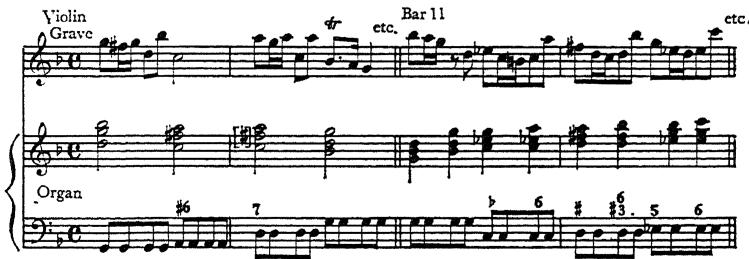
中文讲解
本段是 P0198 所引谱例 183 的图像占位符,位于第 20 页,对应维瓦尔第《协奏曲 PV 311》Grave 乐章中“管风琴伴奏声部高于小提琴独奏”的实际记谱。谱例的具体音符、和弦与节奏细节因图像省略而需查阅原书,但其在论证中的功能已由图注明确:作为意大利实践与德国主流规则不同的实证。
补充说明
需查看原谱例 183 以确认具体音高与节奏。
第23段(P0200)
原文复述
Among German composers, G. Ph. Telemann was somewhat exceptional in taking his accompaniments quite freely above the solo part (cf. his examples in his Generalbass-Übungen, Hamburg, 1733–35). He was also exceptional in having no objection to making a full close with the tonic 5 in the upper part of the accompaniment—a small point on which many German authorities (including C. P. E. Bach, Essay, II, Berlin, 1762, II, i, 36) were sensitive.
中文讲解
本段对“伴奏可高于独奏”这一规则作出进一步例证与延伸讨论:(1) 在德国作曲家中,Telemann(参其 1733–35 年汉堡版《通奏低音练习》)属于例外,伴奏可以自由地高于独奏;(2) 同时给出另一例:Telemann 不介意在终止式(full close)中把主音放在伴奏上方——而这正是多数德国权威(包括 C. P. E. Bach,1762 年第二版第二卷第二部分第 i 节第 36 条)所敏感忌讳的小细节。两层例外放在一起,刻画出 Telemann 在德国传统中的“越界者”形象,作者借此把“意大利式大胆”与“德国本土例外”连成一条线索。
第24段(P0201)
原文复述
(d) When the solo part to be accompanied was itself at a low pitch, the accompaniment could freely move above it, but was expected to be in reasonable relationship to the solo.
中文讲解
本段是第 (d) 点的总起句,处理独奏声部本身偏低时的反向情况:当独奏在大提琴、巴松、低男中音/低音等低区活动时,伴奏自然“越”过独奏去到上方,不再视为禁忌;但仍然有一条软性约束——“reasonable relationship”(合理关系),即不能远到失去对独奏的呼应。这一软性约束是下一段 C. P. E. Bach 引文的引言。
第25段(P0202)
原文复述
(357) C. P. E. Bach, Essay, II, Berlin, 1762, XXIX, 22:
中文讲解
本段是脚注 357 的出处标注:作者仍是 C. P. E. Bach,1762 年柏林版第二部分,第 XXIX 章第 22 条。该引文位于全书中较靠后的章节,说明独奏声部偏低时的处理在 18 世纪中叶的演奏法中已有专门论述。
第26段(P0203)
原文复述
‘When accompanying an instrument of low pitch, such as a bassoon, a violoncello etc., or a low voice, Tenor or Bass, in a solo or aria, one must take care, in the matter of height, not to get too far from the solo part, but must pay attention to the register within which it moves. Here one seldom takes chords above the one-stroke octave $[c^{\mathrm{l}}$ to $c^{\mathrm{ll}}]$ . If it is necessary to take chords in a rather low register, the harmony should be thinned out,
中文讲解
本段引述 C. P. E. Bach 第 XXIX 章第 22 条的前半部分:当为巴松、大提琴等低音乐器,或男中音/低音等低人声(独奏或咏叹调)伴奏时,在音高上不能离独奏太远,必须留意独奏所在的音区。这一规则给出的具体上限是:很少把和弦安排在“单八度”(one-stroke octave,即 $c^{\mathrm{l}}$ 至 $c^{\mathrm{ll}}$,即中央 C 与之上一八度)之上;如果必须在较低音区安排和弦,则和声应当变稀薄。这与 P0185 中“低区密集音程听觉粗糙”的声学理由完全一致——同一原则在不同语境下的应用。
第27段(P0204)
原文复述
THE TEXTURE OF THE PART
中文讲解
本段是第 21 页顶部的页眉/章节运行标题,仅作版面标识之用,提示读者当前所处章节仍为“THE TEXTURE OF THE PART”。它自身不引入新的论证信息。
第28段(P0205)
原文复述
since a low pitch does not permit the harmony to be thick without losing its clearness.
中文讲解
本段是 P0203 中 C. P. E. Bach 引文在第 21 页末尾的最后一两句,跨页承接:他给出“必须在低音区安排和弦时将其变薄”的理由——“低音区不容许和声过密而仍保持清晰”。这就把“和声变薄”这一操作性建议落实到声学层面,与 P0185 的论断完全呼应。
第29段(P0206)
原文复述
(e) When the continuo part is given a clef which shows that it is no longer literally a bass line, but is reproducing some higher part in the temporary role of bass, all restrictions as to the height permitted to the accompaniment are waived. The clef will normally be one of the C clefs; occasionally a G clef. Such a bass passage is known as bassetto (Ger. Basset or Bassetgen). Unfortunately, the appearance of a C clef is not quite a reliable indication of a bassetto passage, since it may be put merely for the convenience of avoiding ledger-lines when the normal bass-part goes somewhat high. But the effect is, with one exception, much the same: chords are necessarily taken higher up than usual. The exception is that a true bassetto passage is often the entry of an upper part in fugal music. Such an entry is not necessarily harmonised at all: it may be taken senza cembalo, or tasto solo, or all’unisono (see 2 above).
中文讲解
本段是第 (e) 点的总起句,篇幅较长,分三层意思展开:(1) 定义:当通奏低音部使用 C 谱号(偶尔 G 谱号)显示它不再真是低音线,而是某个高声部临时充当低音(bassetto)时,前面所有的音高限制都不再适用;(2) 限定说明:仅凭出现 C 谱号并不绝对可靠,因为它也可能只是为避免多加 ledger lines 而临时使用,但实际效果“几乎一样”——和弦被上移;(3) 例外:真正的 bassetto 段往往是赋格音乐中高声部的进入,而这种进入可能根本不需要和声化,可以 senza cembalo(不用羽管键琴)、tasto solo(仅弹低音)或 all’unisono(齐奏)处理,参看前文第 2 节。这段是把谱号记谱法的物质现实与音乐结构的逻辑结合起来,是本节中概念最密集的一段。
第30段(P0207)
原文复述
There was some variety of opinion as to whether a high bass part should have chords as full as usual, but higher up, or whether the chords themselves should be somewhat compressed to avoid an undue upward extension of the compass. It is obvious that either treatment, or a mixture of the two, may be most suitable to the passage in question, and that the accompanist should rely on his own discretion. If no figures are shown, or only a single line of figures, the probable intention is one or two parts at most (doubling one or two fugal entries without harmonising them).
中文讲解
本段承接第 (e) 点讨论 bassetto 的具体和声策略。当时存在两种意见分歧:(1) 像通常一样保持丰满和弦,只是整体上移;(2) 把和弦本身压缩,以避免总音域向上过分扩展。作者认为两种处理乃至混合处理都可能是最合适的,伴奏者应当依靠自己的判断——这与他一贯强调的“原则优先、数字次之、伴奏者裁量权最大”的立场一致。最后给出操作性提示:若无数字或仅一行数字,最可能的意图是仅一两个声部(如对位中某一两个赋格进入的单纯重叠而非和声化),这与 P0206 中关于赋格进入的讨论相呼应。
第31段(P0208)
原文复述
(358) J. D. Heinichen, General-Bass, Dresden, 1728, Part I, Ch. V, Sect. 18, p. 516:
中文讲解
本段是脚注 358 的出处标注:作者 Heinichen,《General-Bass》1728 年德累斯顿版,第 I 部分第 V 章第 18 节,第 516 页。脚注为接下来两段(P0209、P0210)的 Heinichen 引文提供精确出处。
第32段(P0209)
原文复述
‘Bassetti must never be doubled with the octave below . . .
中文讲解
本段是 Heinichen 关于 bassetto 的第一句规则:bassetto 绝不应在其下方八度再叠加(doubled with the octave below)。这是 bassetto 处理的明确禁忌:bassetto 本身就处于较高的音区,再向下叠加会跨越太宽的音域,违背前述“双手不宜过远”的原则;省略号表示此处 Heinichen 原话还有更多内容,但被作者略去以节省篇幅。
第33段(P0210)
原文复述
‘The chords over the Bassetto may, however, be played with both hands (yet with a sensible regard for the number of the voices and instruments taking part) in as many parts as there is room for in the space remaining at the top of the keyboard.’
中文讲解
本段是 Heinichen 关于 bassetto 的第二条规则:bassetto 之上的和弦可以用双手演奏——但“需对参与演奏的声部和乐器数量保持 sensible regard”(合理斟酌)——尽可能多地填满键盘顶部所剩空间。这两条规则合起来构成本节关于 bassetto 的具体技术指南:(1) 下方不叠加八度;(2) 上方可尽量多声部填充。这正是 P0207 所讨论的两种处理策略之一——“把和弦往上移但不压缩”。
第34段(P0211)
原文复述
(359) Joachim Quantz, Essay, Berlin, 1752, XVII, vi, 27:
中文讲解
本段是脚注 359 的出处标注:作者 Quantz,1752 年柏林版第 XVII 章第 vi 节第 27 条,与 P0196 的脚注 356 出自同一著作的相邻段落。脚注为接下来 P0212 的引文提供出处。
第35段(P0212)
原文复述
‘When the bass deserts its proper register and has something to play in the register of the tenor . . . the accompaniment should be kept in few parts and quite close to the left hand.’
中文讲解
本段是 Quantz 关于 bassetto 的具体建议:当低音离开其正常音区、进入次中音区时(即出现 bassetto 情形),伴奏应当声部较少、并紧紧靠近左手。这与 Heinichen 的“双手多声部填充”形成有趣对照——表明 P0207 中所说的“两种意见分歧”在两位权威之间也确实存在:Heinichen 主张向上扩展,Quantz 主张贴近左手、声部精简。
第36段(P0213)
原文复述
(f) Both in general and in relation to the other parts, the accompanist can allow himself considerable discretion as to the compass of his part, provided that he respects the principle behind these rules, which is that the solo shall not be obscured but set off to the best advantage. The danger of going unusually high is that this is very likely to confuse the solo melody or melodies; if it does not do that, and if it makes a
中文讲解
本段是第 (f) 点的总起句,是本节乃至本章思想的总收束。作者把前面所有规则收拢为一条根本原则:“独奏不应被遮蔽,而应被衬托到最佳状态”,只要尊重这条原则,伴奏者在音域选择上享有相当大的自由裁量权。作者特别警告“异常偏高”会模糊独奏旋律;但若不致模糊又能取得“令人信服的配器效果”,则并无不可。该段跨页至 P0215 才结束,但本句已为本节作了哲学层面的总结:原则统一,手段多样。
第37段(P0214)
原文复述
THE TEXTURE OF THE PART
中文讲解
本段是第 22 页顶部的页眉/章节运行标题,仅作版面标识之用,提示读者当前所处章节仍为“THE TEXTURE OF THE PART”。它自身不引入新的论证信息。
第38段(P0215)
原文复述
convincing effect of scoring, there is no objection. Like any other special effect, however, it should not become habitual.
中文讲解
本段是 P0213 中第 (f) 点总结语在第 22 页的结尾:若伴奏高位处理能产生“令人信服的配器效果”,则无可非议;但像任何其他特殊效果一样,它不应成为习惯——即不能因某次成功便反复使用而失去表现意义。这条最后的限制把“自由裁量权”再次约束在“节制”之内,体现了作者对演奏美学的整体立场:技巧上的自由永远服务于艺术上的克制与恰当。
脚注 / 边栏 / 图表 / 附加信息(如有)
本节包含三个脚注(354、355、356、357、358、359 编号,可见对应 P0181/P0191/P0195/P0202/P0208/P0211),均为文献出处标注,分别引自 Heinichen(1728)、C. P. E. Bach(1762)、Quantz(1752)三家著作的精确章节与页码。此外还有一处谱例图注(Ex. 183,P0198–P0199),引用维瓦尔第《协奏曲 PV 311》Grave 乐章中管风琴伴奏高过独奏小提琴的实际谱例作为意大利实践的实证,但图像本身在原书查阅方可确认细节。第 19、21、22 页页眉均为“THE TEXTURE OF THE PART”,是该书所属章节的运行标题,无独立内容。
💡 本节核心要点
- 总体规则:伴奏声部不应持续进入过高或过低音区,且不同权威(Niedt、Saint-Lambert、Marpurg、C. P. E. Bach)所设的上下限虽有差异,但 18 世纪中叶的趋势是上限逐步放宽。
- 低音区限制的声学原因:狭窄音程(如三度)在低音区产生粗糙的拍频,因此密集和声宜安排在偏高的音区;这也解释了为何和声大多交给右手、左手趋向单纯低音线。
- 伴奏应低于独奏:Quantz 等德国权威坚持键盘伴奏的最高声部应低于独奏或最高独奏声部,以保证独奏旋律不被遮蔽;但 Telemann 等个别德国作曲家与意大利实践均存在明显越界。
- 意大利与德国趣味的对比:Kolneder 的研究指出维瓦尔第亲笔伴奏谱中常出现高于独奏声部的处理,作者认同其结论——意大利口味在此比德国更“大胆”。
- 独奏偏低时的反向处理:当独奏处于低区(大提琴、巴松、低人声等),伴奏可自由上移,但须保持与独奏的合理距离,并因低音区听觉特性而适当减薄和声(C. P. E. Bach 规则)。
- bassetto 例外情形:通奏低音线本身因 C 谱号出现而转为高位时,前述音域限制基本解除;但具体和声策略(向上扩展还是压缩贴近左手)在 Heinichen 与 Quantz 之间存在分歧,伴奏者应依靠自身判断。
- 贯穿全节的元原则:伴奏音域选择服务于“衬托独奏而非遮蔽独奏”,自由裁量权虽大,但任何特殊处理不应沦为习惯。
🔑 关键术语
- register / compass:分别指乐音的“音区”(高、中、低区域)和“音域”(某一乐器或声部所能覆盖的音高范围)。在本节中,作者讨论的是伴奏声部不应持续地伸入过高或过低 register,以及伴奏者在 compass 选择上享有的裁量空间。
- thin accompaniment / full accompaniment:“稀疏伴奏”指仅用少数声部(如三声部)构成的伴奏;“丰满伴奏”指以较密集和声填充的伴奏。十七世纪小编制合奏时常见稀疏伴奏,这是 Heinichen 所述“右手不宜过高”规则的现实背景。
- one-stroke octave:指中央 C ($c^{\text{l}}$) 至其上八度 ($c^{\text{ll}}$) 的范围。C. P. E. Bach 在为低音乐器伴奏时规定:很少把和弦安排在该八度之上,即伴奏的最高部分基本不超过中央 C 八度。
- bassetto (Ger. Basset / Bassetgen):指通奏低音线本身不再真的是低音,而是某个高声部临时充当低音线的情况,通常通过 C 谱号(偶尔 G 谱号)标识。出现 bassetto 时,前述音高限制基本解除,但具体和声处理(向上扩展还是压缩贴近左手)存在意见分歧。
- beats (拍频):两个频率接近的音同时发声时产生的周期性响度波动现象。作者借此解释低音区三度等窄音程听起来较为粗糙,因而密集和声不宜放在过低音区。
- senza cembalo / tasto solo / all’unisono:三种不真正和声化的通奏低音处理方式:不用羽管键琴、仅弹低音线、与其他声部齐奏。它们常用于赋格中高声部进入且不需要和声化的情形,是 bassetto 段落中常见的例外。
- full close with the tonic 5 in the upper part:指在终止式中把属音(5)置于伴奏的最高声部。多数德国权威对此敏感(认为不当),但 Telemann 不避讳这种用法,是他在德国传统中作为“例外者”的小细节之一。
CH29.S9 9. Texture Further to Be Considered in the Following Chapter
第1段(P0216)
原文复述
9. TEXTURE FURTHER TO BE CONSIDERED IN THE FOLLOWING CHAPTER
中文讲解
这是第九节的标题,原文以英文大写形式呈现,标题为“将在下一章进一步讨论的织体”。它标明本节在全书结构中的位置,提示读者本节只是一段过渡性指引,真正的分析重心将在下一章展开。标题中“further to be considered”(将进一步讨论)与“the following chapter”(下一章)两个关键短语同时出现,表明本节不承担完整论述的职能,仅作为引向后续章节的桥梁。
第2段(P0217)
原文复述
The remaining, more structural aspects of the texture of the accompaniment will be considered in the following chapter.
中文讲解
作者用一句简短的陈述句告诉读者:关于伴奏织体中“更具结构性”(more structural)的剩余方面,本书将在下一章集中讨论。句子中三个信息点需要把握清楚:第一,作者承认存在尚未在本章完成的论述内容;第二,这些未完成的内容限定在“更具结构性”的范畴,与本章已讨论的方面形成对比;第三,处理这些内容的场所在“the following chapter”,即紧随其后的下一章。在论证功能上,这句话承担的是收束与转递双重任务——它先把本章的讨论画上句号,再把读者的注意力交接到下一章,因此本节整体是一个结构过渡节点,不展开新的论点。理解时要避免将本句读作对伴奏织体的进一步具体描述:它不引入新概念,而只是声明讨论范围的延后。
脚注 / 边栏 / 图表 / 附加信息(如有)
本节无脚注、无图表、无边栏附加材料;仅由一个章节标题与一句指引性陈述构成,属于结构过渡型小节。
💡 本节核心要点
- 本节标题明确宣告:伴奏织体中尚有更具结构性的部分留待下一章讨论。
- 本节在章节结构中起转递作用,收束本章并引导读者进入下一章。
- 本句中的限定语“more structural”提示本章已讨论的内容与下一章将讨论的内容在性质上有区别,前者较局部或表层,后者更关注结构性层面。
- 作者在此未给出任何具体音乐分析,只是宣告讨论范围的延后,因此本节不承载新的实质论断。
🔑 关键术语
- texture (of the accompaniment):指伴奏部分的织体,即伴奏声部内部以及伴奏与主旋律之间的音高、节奏与和声组织方式;在本节中特指其“更具结构性”的方面。
- structural aspects:在本书语境中指与作品的曲式、和声骨架或长时段组织逻辑相关的织体特征,区别于局部的音型或装饰层面。