目录
C01 Front Matter and Preface
- C01-S01 [描述性拆分] Title Page, Frontispiece, and Copyright
- 页码:1-6
- C01-S02 [描述性拆分] Preface: Origins of the Study
- 页码:8-9
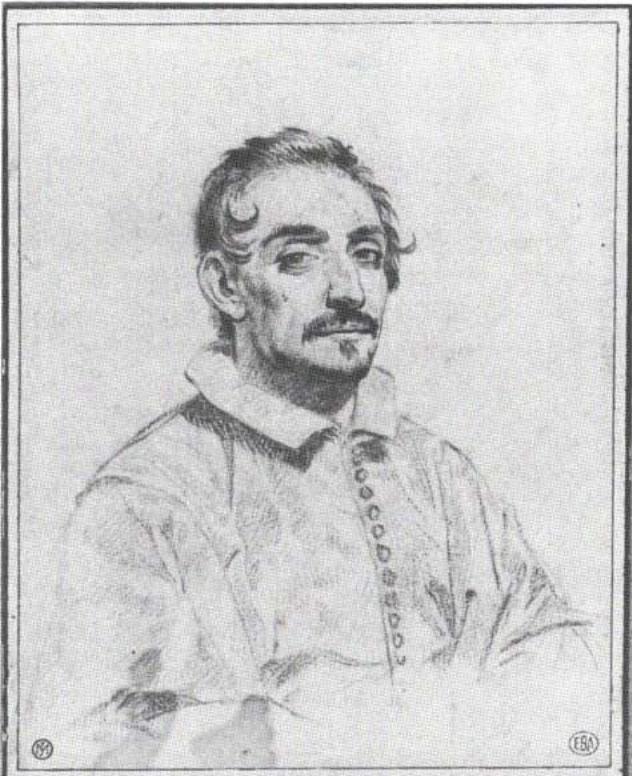
- C01-S03 [描述性拆分] Preface: Roman Experience and Institutional Acknowledgments
- 页码:10-10
- C01-S04 [描述性拆分] Preface: Recent Scholarship, Personal Thanks, and Dedication
- 页码:11-12
C02 Contents and Illustrations
- C02-S01 [描述性拆分] Table of Contents
- 页码:14-15
- C02-S02 [描述性拆分] List of Illustrations
- 页码:16-17
C03 Part One: Frescobaldi’s Life
- C03-S01 [描述性拆分] Part One Title Page
- 页码:18-18
- C03-S02 [描述性拆分] Chapter 1: Ferrara — Introduction and Frescobaldi’s Birth
- 页码:20-20
- C03-S03 [描述性拆分] Chapter 1: The Sixteenth-Century Duchy of Ferrara and Its Character
- 页码:21-23
- C03-S04 [描述性拆分] Chapter 1: Alfonso II’s Musical Establishment and the Concerto delle Dame
- 页码:24-25
- C03-S05 [描述性拆分] Chapter 1: Ferrarese Instrumental and Vocal Traditions
- 页码:26-27
- C03-S06 [描述性拆分] Chapter 1: The Succession Crisis and Papal Annexation of Ferrara
- 页码:29-31
- C03-S07 [描述性拆分] Chapter 1: Cardinal Pietro’s Entry and the Bentivoglio Family
- 页码:32-33
- C03-S08 [描述性拆分] Chapter 1: Decline of Ferrara and Emigration Toward Rome
- 页码:33-34
- C03-S09 [描述性拆分] Chapter 2: Arrival in Rome and Service with Guido Bentivoglio
- 页码:35-36
- C03-S10 [描述性拆分] Chapter 2: Roman Musical Patronage and Santa Maria in Trastevere
- 页码:37-39
- C03-S11 [描述性拆分] Chapter 2: The Duties of the Roman Church Organist
- 页码:40-41
- C03-S12 [描述性拆分] Chapter 2: The Congregation of Santa Cecilia
- 页码:41-42
- C03-S13 [描述性拆分] Chapter 2: Journey to Flanders with Guido Bentivoglio
- 页码:43-44
- C03-S14 [描述性拆分] Chapter 2: First Publications and the Flemish Musical World
- 页码:44-47
- C03-S15 [描述性拆分] Chapter 2: Return to Italy and Election to St. Peter’s
- 页码:47-49
- C03-S16 [描述性拆分] Chapter 3: The Cappella Giulia and Frescobaldi’s Election
- 页码:50-50
C01-S01 [描述性拆分] Title Page, Frontispiece, and Copyright
第1段(P0001)
原文复述
Girolamo Frescobaldi
中文讲解
本页首个文本元素为二级标题"Girolamo Frescobaldi"(吉罗拉莫·弗雷斯科巴尔迪),以双井号开头表明它是一个层级化的标题标识。Girolamo Frescobaldi(1583–1643)是17世纪意大利著名作曲家、管风琴家与羽管键琴家,曾任罗马圣彼得大教堂管风琴师。这一标题位于全书最前部(page 1),承担着点明本书研究对象的功能,让读者在翻开正文之前即获知主题人物。
补充说明
此标题后紧接作者名(P0002)与出版社名(P0003),构成扉页的基本信息组合。
第2段(P0002)
原文复述
Frederick Hammond
中文讲解
作者署名为"Frederick Hammond"(弗雷德里克·哈蒙德)。这一行文字位于主题人物名下方,表明该书由 Hammond 撰著。结合版权页信息可确认,本书为一本关于 Frescobaldi 的学术研究专著,作者是英语学界研究 Frescobaldi 的代表性学者之一。
第3段(P0003)
原文复述
Harvard University Press
中文讲解
出版社名为"Harvard University Press"(哈佛大学出版社)。该信息标明本书的出版机构,是英语世界最具声望的大学出版社之一,常出版高水准的学术著作。出版社位于作者署名下方,构成扉页的常规层级:标题—作者—出版社。
第4段(P0004)
原文复述
GIROLAMO
中文讲解
这是全大写、字号较大的"GIROLAMO",位于第2页。该词为 Frescobaldi 名字的第一部分,被独立成行,用以构成庄重、醒目的标题排版效果,与下一行的"FRESCOBALDI"(P0005)配合,形成书名的完整呈现。
补充说明
前后两段共同构成书名标题的视觉分割,与第4页正标题页(P0009–P0011)形成对照:第2页采用更醒目的全大写美术化排版。
第5段(P0005)
原文复述
FRESCOBALDI
中文讲解
全大写的"FRESCOBALDI"与上一行"GIROLAMO"并列,共同组成书名"GIROLAMO FRESCOBALDI"。这种将姓名两词分置两行、各用全大写字母排印的做法是书籍设计中的常见手法,强调了主题人物姓名的纪念意义,也提升了书名在版面上的视觉权重。
第6段(P0006)
原文复述
中文讲解
此为第3页的图像占位符标记。原书该页含一幅版画肖像,图像本体在电子文本中已被省略,仅保留位置与图注信息。占位符的存在说明此处原本是一幅可视图,需要读者查阅原书纸本以获得实际画面,故不可在缺失图像数据时猜测其细节。
补充说明
图像所附图注参见 P0007 与 P0008。
第7段(P0007)
原文复述
Jeroline Freicobaldi de Ferrare Muficien du Grand Due & Organité del’Eglife de S’ Pierre du Vatican, définé par Cl. Mellan.
中文讲解
此段为法语题词,原文拼写保留了 17 世纪法语印刷习惯(如 “Muficien” 实为 “Musicien”、“defin é” 与 “Cl.” 的连字形式等)。题词大意为:“耶罗利姆·弗雷斯科巴尔迪,费拉拉人,大公(即托斯卡纳大公)的乐师与梵蒂冈圣彼得教堂之管风琴师,由克洛德·梅朗所绘。“这段法语说明揭示了三件事:第一,Frescobaldi 的出身(费拉拉人);第二,他生前所担任的职位(先是托斯卡纳大公的乐师,后为梵蒂冈圣彼得教堂管风琴师);第三,肖像的绘者署名——“Cl. Mellan”(Claude Mellan,克洛德·梅朗),是法国17世纪著名版画家。法语版式的"defin é"与"l’Eglife"等写法是时代印刷排版的典型特征,并非错误。
补充说明
这段法语题词不仅为图像(P0006)提供解说,本身也是 17 世纪关于 Frescobaldi 身份与职位的一手史料片段,可与正文传记内容相互印证。
第8段(P0008)
原文复述
Drawing of Girolamo Frescobaldi by Claude Mellan
中文讲解
此段为英文图注,译作"Girolamo Frescobaldi 之肖像,由 Claude Mellan 所绘”。它是对 P0006 图像位置的现代英语说明,方便英语读者迅速了解图像内容;与 P0007 的 17 世纪法语题词互为对照——前者是历史题词,后者是现代编辑为读者提供的释义,两段共同构成扉页画(frontispiece)的完整图注体系。
第9段(P0009)
原文复述
GIROLAMO FRESCOBALDI
中文讲解
此为第4页一级标题"GIROLAMO FRESCOBALDI”,用单个井号标识,表明这是主标题页(title page)的正式书名。该书名以全大写字母呈现,与第2页(P0004、P0005)的装饰性大写标题相比,此处是正式的出版书名页排版方式。
补充说明
前后页关系:第1–3页为扉页(含肖像),第4页起为正式版权/书名页。
第10段(P0010)
原文复述
Frederick Hammond
中文讲解
第4页署名"Frederick Hammond",与第1页(P0002)作者署名一致,作为正式书名页上的作者标识再次出现,符合图书出版的惯例——扉页与书名页均需列出作者。
第11段(P0011)
原文复述
HARVARD UNIVERSITY PRESS Cambridge, Massachusetts, and London, England 1983
中文讲解
此段为出版社及出版地、出版年份信息:第一行"HARVARD UNIVERSITY PRESS"(哈佛大学出版社);第二行"Cambridge, Massachusetts, and London, England"(马萨诸塞州剑桥市,及英国伦敦)——这是哈佛大学出版社典型的出版地标识方式,标明其在美国与英国两地均有发行网络;第三行"1983"为出版年份。该页(P0009–P0011)共同构成本书的正式书名页(title page)。
补充说明
结合第5页(P0012)版权信息中的"Copyright © 1983"可互相印证出版时间。
第12段(P0012)
原文复述
Copyright © 1983 by the President and Fellows of Harvard College All rights reserved Printed in the United States of America
中文讲解
此段为版权声明(copyright notice),原文包括三层信息:(1) 版权归属于"the President and Fellows of Harvard College"(哈佛学院院长及院士们),这是哈佛大学的法人主体名称;(2) “All rights reserved”(版权所有),声明本书全部权利受到保留;(3) “Printed in the United States of America”(印制于美利坚合众国),交代印刷地。这三行合在一起是英文图书版权页的标准格式,确立了该书自1983年起的法律保护状态。
第13段(P0013)
原文复述
This publication has been supported by a subvention from the American Musicological Society.
中文讲解
此句声明:“本书的出版获得了美国音乐学学会(American Musicological Society)的一项资助(subvention)。“这表明该书不仅由哈佛大学出版社出版,还得到了专业学会的出版经费支持,间接体现了该著作在音乐学学术界的认可度。“Subvention"特指学会或其他机构为协助学术著作出版所提供的专项资助。
第14段(P0014)
原文复述
Designed by Victor A. Curran
中文讲解
此段为装帧设计署名:“Designed by Victor A. Curran”(由 Victor A. Curran 设计)。说明本书的版式、字体、版面等设计工作由 Curran 负责,是版权页中常见的署名项目,意在表彰并记录其装帧设计贡献。
第15段(P0015)
原文复述
Library of Congress Cataloging in Publication Data
中文讲解
此行为美国国会图书馆出版编目数据(Library of Congress Cataloging in Publication Data)的标题。依据美国出版惯例,凡正式出版的图书均须在版权页附上由国会图书馆所编制的标准化书目数据,便于全国图书馆系统进行统一编目、检索与馆藏管理。
补充说明
紧随其后的 P0016–P0020 即为该编目数据的具体内容。
第16段(P0016)
原文复述
Hammond, Frederick, 1937-Girolamo Frescobaldi.
中文讲解
此段为编目数据的作者主条目,采用"姓, 名, 生年—书名.“的标准格式。表明作者为 Frederick Hammond,生于 1937 年;书名为《Girolamo Frescobaldi》。句末的英文句号标志着该条编目主条目的结束。该格式与美国国会图书馆编目规则一致。
补充说明
可与第1页(P0002)和第4页(P0010)作者署名相互印证。
第17段(P0017)
原文复述
Bibliography: p.
中文讲解
此行"Bibliography: p.“是编目数据中的一项说明,意为"参考文献部分见本书第 p. 页以后”(具体页码在原书中以阿拉伯数字补全,本电子文本未录)。它告诉读者与图书馆员:本书附有参考文献(bibliography),是研究型学术著作的典型特征;其后须以具体页码指示参考文献所在位置,但此处的数字未出现在所提供的文本中。
第18段(P0018)
原文复述
- Frescobaldi, Girolamo, 1583–1643. I. Title.
中文讲解
此段为国会图书馆编目中的主题附加条目:“1.“为第一附加条目编号;其后"Frescobaldi, Girolamo, 1583–1643"为主题人物的标准化名称与生卒年(1583 年生,1643 年卒),用于将本书按主题人物归入美国国会图书馆分类号;“I. Title."(罗马数字 I = 1,意为"第一项”)后接"Title”,按编目规则表示本书的书名亦作为检索点之一。该格式完全遵循美国国会图书馆的英美编目规则第二版(AACR2)惯例。
补充说明
此处生卒年 1583–1643 与传记常识一致;但补充栏只能依据当前输入,不能为这个数字添加其他外部历史信息。
第19段(P0019)
原文复述
ISBN 0-674-35438-9
中文讲解
此行为国际标准书号(International Standard Book Number, ISBN)。“0-674-35438-9"中:“0"为英语区组号;“674"为哈佛大学出版社的出版者前缀;“35438"为该书在出版社内部的序号;末位"9"为校验码。ISBN 是图书的国际唯一标识,方便出版、发行、馆藏与流通管理。
第20段(P0020)
原文复述
ML410.F85H35 1983 786.5'092'4 [B] 82-11938
中文讲解
此段为美国国会图书馆分类号与附加标识,依次为:“ML410.F85H35”——美国国会图书馆音乐类(ML 类)下的分类号码,“ML410"代表各国作曲家专题研究(M 类用于音乐,其中 410 通常指某作曲家人物研究),“F85"为作者姓氏 Frescobaldi 的首字母代码,“H35"为 Hammond 的首字母代码;“1983"为出版年份;“786.5'092'4"为杜威十进分类号(786.5 指键盘乐器;092'4 指传记性人物);"[B]“表示该书属于传记类(Biography);“82-11938"为国会图书馆对该书预编目时分配的控制号。该行是研究型学者与图书馆员最关心的检索标识。
第21段(P0021)
原文复述
FOR RALPH KIRKPATRICK
中文讲解
此为一级标题"FOR RALPH KIRKPATRICK”(献给 Ralph Kirkpatrick)。它位于版权页之后、正文之前,通常印于卷首对开页(dedication page),表明本书是作者 Hammond 献给 Ralph Kirkpatrick 的著作。“FOR"在此处用作题献语的开头,等同于"献 给……"。
补充说明
紧随其后的 P0022 为题献页上的意大利文题铭,构成完整题献单元。
第22段(P0022)
原文复述
Non senza fatiga si giunge al fine
中文讲解
此为意大利文题铭(motto/epigraph),原文意为"不付出辛劳就达不到终点”(直译:“并非不付出辛劳就能抵达终点”)。“fatiga"为意大利语"辛劳、劳累”(古体拼写相当于现代意大利语"fatica”),“giunge"为"抵达”(动词 giungere 的第三人称单数),“al fine"为"到终点、到目标”。该题铭作为题献页的引文,暗示一种勤勉方得成就的治学精神,与本书所献予的对象(Ralph Kirkpatrick,一位以严谨学术研究著称的音乐学家)形成呼应。作者将这句意大利文置于题献页,意在以意大利语的母语文化语汇表达敬意。
补充说明
此句同时呼应了 P0007 的法语题词与整本书的意大利主题(研究对象 Frescobaldi 是意大利作曲家),三个语种(法语、英语、意大利语)的题铭依次出现,构成扉页材料的语言层次。
💡 本节核心要点
🔑 关键术语
C01-S02 [描述性拆分] Preface: Origins of the Study
第1段(P0023)
原文复述
The author places the inception of this study roughly twenty years before the time of writing, when Ralph Kirkpatrick remarked on the absence of any thorough account of Girolamo Frescobaldi’s life and work. In the years between, a revival of interest in Girolamo did take shape, in the form of several important but specialized monographs together with a handful of performances and recordings. Still, this foremost Italian keyboard composer of the seventeenth century remained without a comprehensive study in English and without a dependable one in any language.
The author then recounts how, beginning from that casual remark, the subject of the book gradually took possession of him. His initial contact with Frescobaldi’s music—the foundation of whatever subsequent understanding he has acquired as both performer and scholar—occurred during his undergraduate studies with Kirkpatrick at Yale. A 1965 fellowship to the American Academy in Rome brought him and a harpsichord to Italy for a year, which he spent in learning and performing a substantial body of Girolamo’s keyboard music. His commitment tightened further as his interests narrowed to the study and performance of seventeenth-century Italian keyboard music, and it became evident that a detailed examination of Frescobaldi’s life and work would supply an ideal focus during his regular visits to Rome. A few summers later he assembled a biography of Girolamo from the sources then generally available, which revealed how fragmentary and uneven the existing materials for a full-scale study were, and prompted his final surrender to the topic as a serious undertaking.
The author’s subsequent visits to Italy were given over to a minute examination of Girolamo’s background and life, drawing above all on the voluminous archival remains of his patrons in Ferrara, Mantua, Florence, and Rome. The periods between these visits were spent assembling materials for a survey of Frescobaldi’s entire production and transcribing works otherwise unavailable: the madrigals, the sacred collection, the fugitive vocal
中文讲解
本段是Preface小节开篇,承担交代全书缘起的功能。中心主张是:本书并非一时兴起,而是经二十年酝酿才成形。作者以三个层次推进论证。第一层借Ralph Kirkpatrick二十年前的提议指出研究外部的学术缺口:尽管已有专业专著与少量演出录音,但英语世界乃至任何语言都缺乏对Frescobaldi这位"the major Italian keyboard composer of the seventeenth century"的综合可靠研究。第二层以第一人称叙述作者个人逐步被题目"捕获"的过程——从耶鲁本科随Kirkpatrick学习时初次接触Frescobaldi的音乐,到1965年凭American Academy in Rome奖学金携羽管键琴赴意学习与演奏,再到以Frescobaldi为支点整合其研究17世纪意大利键盘音乐与定期赴罗马的兴趣,最后一份由既有材料拼成的传记让他意识到基础资料"fragmentary and uneven”,从而"final surrender to the topic”。“the topic of this book has hunted me down"与"the noose tightened"两个比喻,刻画出一种既被动又无法回避的学术宿命感。第三层转入实际工作:赴意大利逐处细查赞助人档案(费拉拉、曼图亚、佛罗伦萨、罗马),其余时间整理作品目录、转录尚无版本可循的作品——牧歌、宗教作品与流散声乐作品。
理解本段需把握三点:第一,作者将个人学术成长史与Frescobaldi研究史并置,使Preface兼具项目说明与以Kirkpatrick为师承起点的学术自传双重色彩;第二,“voluminous archival remains of his patrons in Ferrara, Mantua, Florence, and Rome"是后续章节将反复援用的一手史料基础,本段提前交代其地理分布;第三,本段以"the fugitive vocal"中断,并非作者本意,而是文本被锚点切分,下一段(P0026)将续写"compositions"并承接论述。
补充说明
本段中Ralph Kirkpatrick是原文中提示作者Frescobaldi研究缺口的人,也是作者在耶鲁本科时期的导师。American Academy in Rome在原文中于1965年提供给作者一份奖学金,使其能携harpsichord赴意一年。“some twenty years ago”(本段开头)与P0026末尾的"twenty-five years ago"为同一参照系下的两个时间表述,说明Preface撰写时点距1965年赴意已有约二十年。“the fugitive vocal"与P0026开头的"compositions"拼合后构成"the fugitive vocal compositions”,指未收入正式印本、以手稿形式流传的Frescobaldi声乐作品。“harpsichord"一词呼应本段作者自述的"as a performer and scholar”,点出其演奏者身份。
第2段(P0024)
原文复述
Section heading rendered as ‘## Preface’, appearing on page 8.
中文讲解
这是一个二级标题,标示下文进入"Preface”(序言)部分。标题文字"Preface"是英语学界论著常见体例名称,指作者在正文之前交代写作缘起、研究范围、方法与致谢的卷首语。本标题出现在第8页,紧随其后的正是交代研究缘起的长段(P0023),因此其版面功能是开启Preface小节,提示读者即将阅读的是项目说明而非正式章节内容。
第3段(P0025)
原文复述
Main section heading rendered in full capitals as ‘## PREFACE’, appearing on page 9.
中文讲解
这是Preface小节的主标题,以全大写形式出现于第9页。与P0024中较小的”## Preface"不同,全大写排版承担章节级主标题的版面功能,提示读者此处进入Preface主体部分。在P0024的小标题之后作者已经写完了交代研究缘起的第一大段(P0023),本标题出现在第9页新页面顶部,起到在新页面上重新宣告小节身份并分隔版面的作用,下接P0026继续展开Preface正文。
第4段(P0026)
原文复述
Picking up the sentence broken off at the end of the previous paragraph, the author continues to list the works transcribed: compositions, and the two editions of the Canzoni in part-books. Throughout this labor he was sustained by constant study and performance of Frescobaldi, and especially by the experience of recording all the toccatas of the Libro secondo.
The author then characterizes the result of these coordinated efforts as a general study of Girolamo Frescobaldi and his music. He concedes that it cannot pretend to be an overall history of Roman music of the period, nor even of Roman keyboard music, because in many fields—the polychoral mass, small sacred concertos, instrumental ensemble music, manuscript studies—the essential groundwork is still being laid. And yet a study concentrating on Girolamo alone has at least two advantages to offer a wider public. First, it contributes to the reassessment of a great composer who, if known to the general public at all, is known only by a few works, and most of them spurious. Second, in focusing on Frescobaldi rather than attempting a panorama, the historian does no violence to the evidence. No matter how fascinating the lives of lesser seventeenth-century Italian keyboard composers and how suggestive their works may be, the facts remain that Girolamo was the major keyboard composer of the epoch, that his contemporaries recognized him as such, and that, with a few exceptions, the evidence suggesting their formative influence on Frescobaldi can equally well be argued in the opposite direction.
The author further explains the arrangement of the study: he has hewn to the main current of Frescobaldi’s career as it appears to him. Girolamo did write vocal works, and in addition to the printed collections issued under the composer’s supervision there is a large body of manuscript keyboard music attributed to him. Nevertheless, the author holds that Girolamo’s significance and influence lie in the repertory of his printed instrumental works—a view shared by many of his contemporaries—and he has accordingly placed the consideration of his vocal works and of the manuscript keyboard repertory in appendices, so as not to lose the thread of his development.
Finally, the author reflects that, just as the decision to write the book was a gradual process, so in rewriting one theme emerged ever more clearly: the interaction of Girolamo’s Ferrarese musical inheritance with his Roman experience. Indeed, much of the attraction of the project lay in the opportunity to examine his own Roman experience and to embody it in a study of the City in the seventeenth century. In a kind of double focus, the depiction of Frescobaldi’s Rome—Rome in the period of its greatest change since Augustus—has been pursued within the equally dramatic transformation of modern post-war Italy. In the course of this, many of the social and religious traditions that, even twenty-five years before, provided a link with the past have disap-
中文讲解
本段承接P0023末尾被切分的句子,展开Preface的三大功能:界定研究范围、说明全书编排、揭示贯穿主题。
第一层(开头至"Libro secondo”)完成实际工作内容的列举:转录Canzoni两版分谱,并以持续的演奏与研究为支撑,尤其是录制Libro secondo全部托卡塔。作者把演奏与录音视为诠释工作的有机组成部分,而非单纯的表演活动,这是Preface开篇"as a performer and scholar"自我定位的具体兑现。
第二层是研究范围的限定与方法论辩护。作者承认本书既不是罗马音乐的通史,也不是罗马键盘音乐的通史,因为多声部弥撒、小型宗教协奏、器乐合奏与手稿研究等领域的基础工作仍在铺设之中。然而只聚焦Frescobaldi至少有两条好处:一是把一位通常只凭少数作品(且多为伪作)为人所知的大作曲家重新纳入公众视野并加以重估;二是避免为追求全景而扭曲证据——次要作曲家的影响即便诱人,但Frescobaldi是当时最主要的键盘作曲家并被同代音乐家所公认,对其影响的证据反向解读同样成立。这是以单一焦点换取证据可靠性的典型史学策略。
第三层说明编排原则:全书依Frescobaldi事业的主线展开。尽管他确有声乐作品,且除印本外还有大量归于其名下的手稿键盘乐,但作者认为其意义与影响在于已印的器乐作品——这一判断亦为同代人所共持——因此声乐作品与手稿键盘曲目被置于附录,以免打断主线索。这是把史料等级(已印/手稿、声乐/器乐)的判断直接转化为全书结构的处理。
第四层点出贯穿主题与个人写作动机:Frescobaldi费拉拉音乐传统与"Roman experience"之间的互动;同时作者坦承研究吸引力部分来自借古观今、审视自身罗马经历的机会。“Double focus”——奥古斯都以来罗马变化最剧烈的17世纪,与战后意大利同样剧烈的现代转型——由此将历史研究与作者自身在场感结合。最后以"twenty-five years before"为时间参照,暗示Preface撰写时点距作者赴意(1965年)已有约二十五年,与P0023开篇"some twenty years ago"略有错位,文本在此再次中断(“have disap-"),下一段应接续"peared”。
理解本段需注意:作者对研究范围的限定不是谦虚,而是对史学策略的正面陈述;“Ferrarese musical inheritance"与"Roman experience"的对置是全书论证骨架的预告;“double focus"一词暗示研究将兼具历史考察与回忆录色彩。
补充说明
原文中出现的专有体裁名称依原文保留:madrigal(牧歌)、Canzoni(坎佐纳,作者用此拼写)、Libro secondo(第二册,Frescobaldi于1637年印行)、toccata(托卡塔)。“part-books"是原文中修饰Canzoni两版印本的出版形式术语。“spurious"原文指一般公众所熟悉的Frescobaldi作品中多为伪托之作。“the period of its greatest change since Augustus"为作者对17世纪罗马史地位的判断。“double focus"为作者自创术语,概括本段末句的方法论立场。
脚注 / 边栏 / 图表 / 附加信息(如有)
本节无脚注、图表或边栏附加材料。两个标题(”## Preface"与”## PREFACE”)均为版面层级标题,分别出现在第8页与第9页,承担开启与重申Preface小节身份的功能。P0023与P0026在原文层面属于同一长段,被文本锚点切分为两个paragraph_id以匹配版面边界,但内容上前后衔接紧密,P0026首句即为P0023末句的续写。
💡 本节核心要点
- 本研究缘起可追溯至约二十年前Ralph Kirkpatrick对Frescobaldi综合性研究缺失的提示;作者以"the topic has hunted me down"与"the noose tightened"等比喻刻画学术宿命般的逐步投入。
- 作者兼具演奏家与学者双重身份,1965年凭American Academy in Rome奖学金携harpsichord赴意一年是研究真正起步的关键节点;演奏与录音(尤其是Libro secondo全部托卡塔的录制)被明确视为诠释工作的一部分。
- 研究的史料基础是Frescobaldi赞助人在Ferrara、Mantua、Florence、Rome的voluminous archival remains;作者并以此为据转录了此前无版本可用的madrigal、sacred collection、fugitive vocal compositions与Canzoni两版part-books。
- 作者明确将研究范围限定于Frescobaldi个人而非罗马音乐全景,并以两条理由为之辩护:可借此重估一位被spurious作品笼罩的伟大作曲家,且不致为全景图扭曲证据——对次要作曲家影响的证据反向解读同样成立。
- 全书按Frescobaldi事业主线编排,printed instrumental works构成主线索,vocal works与manuscript keyboard repertory被移入附录,以免打断其艺术发展的叙事。
- 贯穿全书的论题是Frescobaldi的Ferrarese musical inheritance与Roman experience之间的互动;作者以"double focus"将17世纪罗马(奥古斯都以来变化最剧烈的时期)与战后意大利的现代转型并置,使历史研究带有作者个人在场感。
🔑 关键术语
- Frescobaldi:Girolamo Frescobaldi,本书研究对象,原文称之为"the major Italian keyboard composer of the seventeenth century”。
- Ralph Kirkpatrick:原文中首先指出Frescobaldi综合研究缺口的人,也是作者在耶鲁本科时期的导师。
- American Academy in Rome:原文中于1965年向作者提供fellowship、使其能携harpsichord赴意一年的驻罗马机构。
- harpsichord:羽管键琴;作者于1965年携此乐器赴意,对应本段自述的"as a performer and scholar"双重身份。
- Libro secondo:“第二册”,原文中指Frescobaldi收录toccata的印本,作者曾录制其全部toccata,作为Preface开篇所宣称诠释工作的关键组成。
- Canzoni:坎佐纳,原文中指Frescobaldi以part-books形式印行的两版曲集,作者在Preface中将其列为转录对象。
- part-books:分谱印本,原文中用于修饰Canzoni两版的出版形式。
- Ferrarese musical inheritance:费拉拉音乐传统;原文中与"Roman experience"对置,构成Preface末段点明的全书贯穿主题。
- double focus:作者自创术语,原文用以概括同时描绘17世纪罗马(自奥古斯都以来变化最剧烈的时期)与战后意大利现代转型的双重视野。
C01-S03 [描述性拆分] Preface: Roman Experience and Institutional Acknowledgments
第1段(P0027)
原文复述
PREFACE
中文讲解
本页正文上方的标题’PREFACE’(序言)开启全书的序言部分。Preface 在学术著作中通常承担两项功能:一是交代写作意图、方法与缘起,二是集中致谢协助研究、写作与出版的机构与友人。从随后两段的实际内容看,本节聚焦于第二项——以作者在罗马及多个意大利城市开展研究所依赖的图书馆、档案馆、博物馆等机构的系统致谢为主体,并辅以对’试图把握一个地点和一个时代’这一写作意图的简要交代。
第2段(P0028)
原文复述
peared, to be reestablished only with much scholarly and imaginative effort. As well as being the biography of a man and the examination of a body of music, this book has become inescapably an attempt to apprehend a place and a time.
中文讲解
段首的’peared’因跨页而残缺,前文某个以 -ed 结尾的词在上一页断行被截断(与下文’reestablished’对仗,可推知原词大概率为’disappeared’之类),意思是所述对象一度消失,作者必须凭借’大量学术与想象上的努力’才能将其重新建立起来。作者随即对本书的性质作出三层并置的界定:它不仅是一部人物传记(biography of a man),也是对一组音乐作品的考察(examination of a body of music),更’无可回避地’(inescapably)演变成一次对某个地点与某个时代的整体把握(apprehend a place and a time)。‘apprehend’一词含’领悟、把握、心智领会’之意,强调对历史情境的整体性理解,而不仅仅是事实罗列;这正是后文罗列数十家罗马与海外档案馆、图书馆致谢的逻辑前提——要把’消失之物’重建起来,必须动员规模与此相称的资料基础。
补充说明
段首’peared’为前一页末行同一词语被截断后的残形,原始词语可由’disappeared—reestablished’的对偶关系还原;该信息由原文上下文直接推出,无须外部知识。
第3段(P0029)
原文复述
The completion of such an attempt evokes not only the City and its remote past but the contribution of institutions and friends as well. Among the former, my greatest debts are due in Rome to the library of the American Academy, the music history section of the German Historical Institute and its director, Dr. Friedrich Lippmann, the Archivio Storico del Vicariato di Roma at San Giovanni in Laterano, the Archivio and Archivio Segreto of the Biblioteca Apostolica Vaticana, the Archivio di Stato, the Archivio Aldobrandini, the Archivio Doria-Pamphilj, the Biblioteca Casanatense, the Biblioteca del Conservatorio di Santa Cecilia, and the Biblioteca Corsiniana. Much of the musical material was examined in the rich holdings of the Civico Museo Bibliografico Musicale in Bologna, with the kind assistance of its director, Dott. Sergio Paganelli. In Ferrara I have consulted the Archivio di Stato and the Biblioteca Comunale Ariostea; in Florence, the Archivio di Stato, the Biblioteca Nazionale Centrale, the archives of Santa Croce and San Lorenzo, and the library of the Harvard Center for Renaissance Studies at Villa I Tatti; in Modena, the Archivio di Stato and the Archivio Segreto Estense; in Reggio Emilia, the Biblioteca Municipale; and in Venice, the Biblioteca Marciana and the library of the Fondazione Cini. Outside Italy, material has been furnished by the Bibliothèque Royale of Brussels; the British Library in London; the Santini Collection now in the Priesterseminar in Münster; the Bibliothèque du Conservatoire, Bibliothèque Nationale, and Ecole des Beaux Arts in Paris; and the Minoritenkonvent and Oesterreichische Nationalbibliothek in Vienna. In the United States I have consulted the New York Public Library and the Mary Flagler Cary Collection in the Pierpont Morgan Library, New York City; the Library of Congress; the Newberry Library in Chicago; the Research and Music Libraries of the University of California at Berkeley and Los Angeles; and the libraries of Yale University and the Yale School of Music. Illustrations appear here by the kind permission of the Biblioteca Apostolica Vaticana in Rome, the Soprintendenza Beni Artistici e Storici of Florence, Princess Aldobrandini (Villa Aldobrandini, Frascati), the Staatliche Museen Preussischer Kulturbesitz in Berlin, the Bibliothèque Nationale and Ecole des Beaux-Arts in Paris, the Nationalmuseum in Stockholm, the William Andrews Clark Memorial Library and the Special Collections of the Research Library of the University of California, Los Angeles, the Metropolitan Museum of Art, the Spencer Collection of the New York Public Library, and the Smithsonian Institution.
中文讲解
本段是一段高度浓缩的致谢,开篇点明致谢的两类对象:一是’罗马这座城市(the City)及其遥远的过去’,二是’机构与友人们的贡献’(contribution of institutions and friends)。’the City’用定冠词特指,表明作者的研究以罗马为核心情境。致谢主体按地理顺序铺开:(1) 罗马——美国学院图书馆、德国历史研究所音乐史部及其主任 Friedrich Lippmann 博士、罗马教区史档案馆(位于圣乔瓦尼·拉特兰诺)、梵蒂冈教廷图书馆及其机密档案馆、罗马国家档案馆、Aldobrandini 家族档案、Doria-Pamphilj 家族档案、Casanatense 图书馆、圣塞西莉亚音乐学院图书馆、Corsiniana 图书馆;(2) 博洛尼亚——市立音乐书目博物馆,由馆长 Sergio Paganelli 协助;(3) 费拉拉——国家档案馆与 Ariostea 市立图书馆;(4) 佛罗伦萨——国家档案馆、国立中央图书馆、圣十字与圣洛伦佐两座教堂的档案,以及 Villa I Tatti 的哈佛文艺复兴研究中心图书馆;(5) 摩德纳——国家档案馆与 Estense 机密档案馆;(6) 雷焦艾米利亚——市立图书馆;(7) 威尼斯——马齐亚纳图书馆与 Fondazione Cini 图书馆;(8) 意大利境外——布鲁塞尔皇家图书馆、伦敦大英图书馆、迁至明斯特教区神学院的 Santini 收藏、巴黎音乐学院图书馆/国家图书馆/美术学校、维也纳 Minoritenkonvent 与奥地利国家图书馆;(9) 美国——纽约公共图书馆、纽约 Pierpont Morgan 图书馆内的 Mary Flagler Cary 收藏、国会图书馆、芝加哥 Newberry 图书馆、加州大学伯克利与洛杉矶分校的研究与音乐图书馆、耶鲁大学与耶鲁音乐学院图书馆。最后以独立的一句’Illustrations appear here by the kind permission of…‘单列十家图版授权机构:罗马梵蒂冈教廷图书馆、佛罗伦萨文物与历史遗产管理局、Aldobrandini 公爵夫人(弗拉斯卡蒂的 Villa Aldobrandini)、柏林普鲁士文化基金会国家博物馆、巴黎国家图书馆、巴黎美术学校、斯德哥尔摩国家博物馆、洛杉矶 William Andrews Clark 纪念图书馆、洛杉矶加州大学研究图书馆特藏部、纽约大都会艺术博物馆、纽约公共图书馆 Spencer 收藏、史密森尼学会。这份致谢并非单纯礼节,而是向读者公开了本书的证据基础——前后跨越意大利七城、欧洲五国、美国多所机构与多家博物馆,其规模与广度正是上一段’disappeared—to be reestablished’和’apprehend a place and a time’两项陈述的具体注脚:要把已经消逝的’地点与时代’重建出来,确实需要动用如此庞大而跨国界的档案与图像资源。
补充说明
本段大量出现的意大利语(Archivio、Biblioteca、Biblioteca Apostolica Vaticana 等)、德语(Oesterreichische Nationalbibliothek、Staatliche Museen Preussischer Kulturbesitz)、法语(Bibliothèque Royale、Bibliothèque du Conservatoire、Ecole des Beaux-Arts)、拉丁语(Soprintendenza 等)机构名称均按原文保留;’the City’指代罗马,符合英语学界以大写’The City’专称罗马的惯例,由上下文’scholarly and imaginative effort’与罗马实地研究的语境可证。
脚注 / 边栏 / 图表 / 附加信息(如有)
P0029 末段以独立一句单独列出’Illustrations appear here by the kind permission of…’,实质上是本书的图版授权清单,作用相当于一份内嵌于序言的图像来源附录,告知读者书中插图来自梵蒂冈教廷图书馆、佛罗伦萨文物与历史遗产管理局、Aldobrandini 公爵夫人、柏林、巴黎、斯德哥尔摩、洛杉矶、纽约、华盛顿等地的十家公私馆藏;这一清单与正文调研致谢分列,是本节特有的体例细节。无独立脚注、无表格、无边栏。
💡 本节核心要点
- 作者将本书定性为’对一处地点和一个时代的把握’(an attempt to apprehend a place and a time),超越单纯的传记与音乐考察,这是统摄全书的写作意图
- 用’disappeared—reestablished’的对偶结构暗示研究对象曾一度消失,只有借助’大量学术与想象上的努力’才能重新激活,为规模庞大的档案与图像调研埋下伏笔
- 致谢按地理序列展开:罗马(十余家机构)→其他意大利城市(博洛尼亚/费拉拉/佛罗伦萨/摩德纳/雷焦艾米利亚/威尼斯)→欧洲大陆(布鲁塞尔/伦敦/明斯特/巴黎/维也纳)→美国,可见资料基础的跨国分布
- 致谢中夹杂具名个人(Friedrich Lippmann、Sergio Paganelli)与贵族档案(Aldobrandini、Doria-Pamphilj),透露作者既动用公共馆藏,也触及教廷及私人家族收藏
- 文末以独立一句集中列出十家图版来源机构,提示本书收录大量插图,与’把握一个地点与时代’的整体取向相呼应
- 本节在Preface内部兼顾两项功能:上半(P0028)陈述写作意图与方法,下半(P0029)集中致谢机构与图版来源
🔑 关键术语
- Preface(序言):在英文学术著作中置于正文之前、由作者本人撰写的部分,通常承担写作缘起交代与方法说明、机构与友人致谢两项功能;本节即对应这两项,特别是后者
- Archivio / Archivio Segreto(意大利语’档案馆’与’机密档案馆’):本节大量出现的意大利语对应词,与英语 Archive 同义;Archivio Segreto 特指不对外公开的内部档案,如 Archivio Segreto Estense(摩德纳)、Archivio Segreto of the Biblioteca Apostolica Vaticana(梵蒂冈)
- Civico Museo Bibliografico Musicale(博洛尼亚市立音乐书目博物馆):本节指名作者在博洛尼亚检阅’大量音乐材料’(Much of the musical material)的馆藏所在,并提及馆长 Sergio Paganelli 提供的协助
- Santini Collection(桑蒂尼收藏):本节注明该批收藏’现位于明斯特的教区神学院’(Santini Collection now in the Priesterseminar in Münster),作为作者在欧洲大陆德国一方获取的意大利音乐文献来源
- Villa I Tatti / Harvard Center for Renaissance Studies:本节原文写作’library of the Harvard Center for Renaissance Studies at Villa I Tatti’,指代位于佛罗伦萨、由哈佛大学运营的文艺复兴研究中心,作为作者在佛罗伦萨使用的美国学术机构图书馆
- Mary Flagler Cary Collection:本节注明’位于纽约市 Pierpont Morgan 图书馆内的 Mary Flagler Cary 收藏’,是作者在美国征用过的音乐研究资源
C01-S04 [描述性拆分] Preface: Recent Scholarship, Personal Thanks, and Dedication
第1段(P0030)
原文复述
I have attempted to include the results of several recent studies on subjects touching Frescobaldi’s career: Anthony Newcomb’s work on the musical culture of Ferrara, his research on documents pertaining to Girolamo’s earlier years, and his article on Frescobaldi in the new Grove Dictionary; John Harper’s study of Frescobaldi’s instrumental canzonas; Susan Parisi’s examination of Mantuan court records; the researches of John Hill on Cardinal Montalto’s musical establishment; Alexander Silbiger’s work on Italian keyboard manuscripts and on Frescobaldi’s pupils, and an unpublished study on tempo and time signatures in Frescobaldi’s keyboard music; James Ladewig’s dissertation on the Recercari et canzoni; and the publications of the Frescobaldi Gesamtausgabe now in progress. Much of this material was communicated to me before publication, for which I am especially grateful. I have profited also from the work and advice of other specialists in Italian music of the seventeenth century: the late Putnam Aldrich, Lorenzo Bianconi, Adriano Cavicchi, Etienne Darbellay, Margaret Murata, Lucy Hallman Russell, Anne Schnoebelen, and Eleanor Selfridge-Field.
中文讲解
本段是作者在前言中对学术前人和同行的致谢,集中处理"近年相关研究"这一类。作者开篇用"I have attempted to include"这一限定性措辞,强调自己只是"尝试"把这些成果纳入研究,并未声称做到了穷尽式吸收——这是学术前言中常见的谦虚与免责句式。
随后作者列举了一批直接涉及弗雷斯科巴尔迪(Frescobaldi)事业的近期研究,每一项都标明学者的具体贡献方向:
- Anthony Newcomb:在费拉拉音乐文化、Girolamo 早年文献资料方面的研究,以及他为新版《格罗夫音乐辞典》(new Grove Dictionary)撰写的弗雷斯科巴尔迪条目;
- John Harper:弗雷斯科巴尔迪器乐坎佐纳(instrumental canzonas)的研究;
- Susan Parisi:曼图亚宫廷档案(Mantuan court records)的考察;
- John Hill:枢机主教蒙塔尔托(Montalto)音乐建制的研究;
- Alexander Silbiger:意大利键盘手稿、弗雷斯科巴尔迪弟子研究,以及一项关于其键盘音乐中速度和拍号的未刊出研究;
- James Ladewig:以《Recercari et canzoni》为题的博士论文;
- 此外还有正在推进中的《弗雷斯科巴尔迪全集》(Frescobaldi Gesamtausgabe)。
“Gesamtausgabe"是德语术语,意为"完整作品集”,指正在编辑出版的全集版本,“now in progress"点明该项目当时尚在进行中。
接下来"Much of this material was communicated to me before publication, for which I am especially grateful"一句作用关键:它解释了作者为什么能够利用这些材料——很多是出版前的私下交流,这意味着作者在出版时点享有信息先发优势,也欠下了人情债务。这是一种学术写作中的"双重承认”:既说明材料的来源时效,也表达感激。
最后,作者转向另一类帮助——并不直接研究弗雷斯科巴尔迪本人、但属于"十七世纪意大利音乐"领域的专家(specialists in Italian music of the seventeenth century)。所列包括已故的 Putnam Aldrich,以及 Lorenzo Bianconi、Adriano Cavicchi、Etienne Darbellay、Margaret Murata、Lucy Hallman Russell、Anne Schnoebelen、Eleanor Selfridge-Field 等。“the late"一词专门修饰 Aldrich,表明其在本书写作期间已经去世,作者特意注明以示尊重。
本段在本节论证链中的作用:建立"学术谱系”——让读者看到本书并非孤立成果,而是嵌入在一组活跃的弗雷斯科巴尔迪研究中;同时通过列举具体方向(手稿、宫廷档案、乐器、拍号体系等),暗示本书所综合的史料类型是多样的。
第2段(P0031)
原文复述
Other friends have provided assistance from their profound knowledge of things Roman: Irving Lavin, Marilyn Aronberg Lavin, the late Georgina Masson. To Msgr. Charles Burns in Rome and Dott. Gino Corti in Florence I owe thanks for assistance with archival problems. Edwin Seroussi copied the music examples. Gregory Harrold has answered questions about organ terminology and history, and Professor Gerhard Croll of the Musikwissenschaftliches Institut in Salzburg provided me with a recording of a newly restored claviorganum. Eugene Walter contributed a line from his Monkey Poems, Marchese Ferdinando de’ Frescobaldi furnished information on the Florentine Frescobaldis, and Donna Orietta and Don Frank Doria-Pamphilj gave me the opportunity of performing Frescobaldi in their Roman palace, once the home of Girolamo’s patron Cardinal Pietro Aldobrandini. Donna Livia Aldobrandini Pedicone kindly assisted in gaining permission to reproduce the portrait of Cardinal Pietro. Dr. Eckhart Knab of the Albertina in Vienna provided information on Mellan’s portrait of Frescobaldi. Isabel and Laurance Roberts read the typescript of this study astutely and sympathetically, and Paul Reale furnished detailed criticism of the analytical chapters. My family has provided support and encouragement. Much of my work in Europe has been facilitated by grants for research and other assistance from the University of California at Los Angeles, the UCLA Center for Medieval and Renaissance Studies, and the Gladys Krieble Delmas Foundation, as well as by fellowships and hospitality from the American Academy in Rome and the Harvard Center for Renaissance Studies at Villa I Tatti. Material employed here has appeared in more extended form in the Journal of the American Musicological Society, Analecta Musicologica, and the Essays Presented to Myron P. Gilmore.
中文讲解
本段将致谢对象由学术同行扩展到多类支持者:罗马事物专家、档案协助者、抄写员、乐器/演奏专家、家族后人、肖像权协助者、文稿读者、家人、机构资助方,以及已经发表过的相关素材。结构上是典型的"分类致谢"段,每一类对应一类具体帮助。
关键细节与含义:
- “Other friends have provided assistance from their profound knowledge of things Roman”:开启一类帮助——对"罗马事物”(things Roman)的深厚知识。Irving Lavin 与 Marilyn Aronberg Lavin(夫妇)以及已故的 Georgina Masson 都是罗马艺术/历史研究领域的专家。“the late"再次用于逝者。
- “Msgr. Charles Burns in Rome and Dott. Gino Corti in Florence”:头衔 Msgr.(Monsignor,主教府秘书长/阁下)与 Dott.(意大利语 Doctor,博士/先生)均原样保留,标明宗教与学术档案渠道;他们的帮助被作者用"I owe thanks for assistance with archival problems"明示为档案难题。
- “Edwin Serioussi copied the music examples”:明确点出乐谱抄写的具体承担者;这对一本含大量谱例的学术著作来说是不可或缺的协作。
- “Gregory Harrold has answered questions about organ terminology and history”:Harrold 提供的是风琴(organ)术语与历史问题的解答;“Professor Gerhard Croll of the Musikwissenschaftliches Institut in Salzburg"提供了"a newly restored claviorganum”(新近修复的 claviorganum,键盘—管风琴复合乐器)的录音——这是一条关于历史乐器实物复原的史料细节。
- “Eugene Walter contributed a line from his Monkey Poems”:诗人 Eugene Walter 为本书贡献了来自其《Monkey Poems》的一行诗句,这种致谢在前言中显得颇有人文趣味。
- “Marchese Ferdinando de’ Frescobaldi”:侯爵头衔 Marchese(意大利语侯爵)原样保留;他提供了"Florentine Frescobaldis”——即佛罗伦萨弗雷斯科巴尔迪家族的信息,是与作曲家家族史相关的家系资料。
- “Donna Orietta and Don Frank Doria-Pamphilj"允许作者在他们"Roman palace"中演奏弗雷斯科巴尔迪音乐,这座宫殿曾是其赞助人枢机 Pietro Aldobrandini 的住所;这是一条将音乐演奏与建筑—赞助史直接联系起来的细节。“Donna"与"Don"为意大利语贵族尊称,分别用于贵族夫人与贵族先生。
- “Donna Livia Aldobrandini Pedicone"协助获得枢机 Pietro 肖像的复制许可;“Dr. Eckhart Knab of the Albertina in Vienna"则提供了关于"Mellan’s portrait of Frescobaldi"的信息——即由版画家 Mellan 所作的弗雷斯科巴尔迪肖像,本书很可能收录此图。
- “Isabel and Laurance Roberts read the typescript of this study astutely and sympathetically”:通读打字稿;“Paul Reale furnished detailed criticism of the analytical chapters”:对分析性章节给出详细批评。两者合起来显示此书在出版前经过审读与专门批评。
- “My family has provided support and encouragement”:一句致谢家人,措辞克制。
- 资助与机构致谢部分列举:UCLA、UCLA 中世纪与文艺复兴研究中心、Gladys Krieble Delmas 基金会(grants for research and other assistance),以及 American Academy in Rome 与 Harvard Center for Renaissance Studies at Villa I Tatti 提供的 fellowship 与 hospitality。“Villa I Tatti"是哈佛位于佛罗伦萨的文艺复兴研究中心,作者使用其原始名称。
- 末尾"Material employed here has appeared in more extended form in…":明示本书部分材料此前以更长篇幅发表于《Journal of the American Musicological Society》《Analecta Musicologica》以及《Essays Presented to Myron P. Gilmore》——这是学术前言中常见的"先前发表声明”,让读者知晓本书哪些内容曾以论文形式先行面世。
本段在本节论证链中承担的功能:完成"外部支持网络"的展示,让读者看到这本书的诞生不只是学术成果,而是机构、家族后人、档案保管者、演奏场所提供者、肖像权授予者等多方合力。这种"罗列型致谢"也是学术著作可信度与材料广度的隐性证据。
第3段(P0032)
原文复述
Certain friends have contributed to this undertaking beyond all reasonable obligations. Sibyl Marcuse, not content with giving advice on musical instruments and examining the typescript carefully, has also read proofs. James Moore drew my attention to the Venice manuscripts containing attributions to Frescobaldi and provided meticulous catalogues of them. Howard Mayer Brown impelled me to rethink the musical chapters and with characteristic generosity vetted the result. To Margaretta Fulton’s faith in this project and to the editorial labors of Katarina Rice I owe the happy completion of my work. Since my arrival at the American Academy in 1965, Princess Margherita Rospigliosi has been a source of constant hospitality and encouragement and a living link with the Roman past. Finally, Ralph Kirkpatrick has followed this book in its slow evolution with unfailing patience and has spurred on its completion by judiciously alternating the carrot of his approbation with the stick of well-merited criticism. It is dedicated to him because, quite simply, without him it would not exist.
中文讲解
本段从"具体支持"转入"特殊贡献"与"奉献对象”——这是前言中分量最重的部分。开篇"Certain friends have contributed to this undertaking beyond all reasonable obligations"一句是关键的功能性标记:“beyond all reasonable obligations"把以下致谢对象与前两段区分开,他们不是普通帮忙,而是超出常规义务的深度投入。
逐项含义:
- Sibyl Marcuse:除在乐器方面给出建议、仔细审读打字稿外,还校读了印样(proofs)——“not content with… has also read proofs"的递进句式突出其工作量超出常规。Marcuse 是著名乐器史学者,她的参与表明本书在乐器图像与描述方面得到了权威把关。
- James Moore:将作者注意力引向"Venice manuscripts containing attributions to Frescobaldi”,并提供"meticulous catalogues”——即含有弗雷斯科巴尔迪署名归属的威尼斯手稿及其精细目录。这一帮助对应于归属判定与手稿史层面,是基础性材料支持。“attributions"是音乐文献学关键词,指"归属”(将作品归于某作曲家)。
- Howard Mayer Brown:促使作者"rethink the musical chapters”,并以其"characteristic generosity"对重写结果进行审读(“vetted the result”)。Brown 是 17 世纪音乐研究的核心人物,其参与意味着本书音乐分析章节经过了高水平同行的实质性重审。“impelled me to rethink”——迫使作者重新思考——显示出本书在写作过程中经历过方向性调整。
- Margaretta Fulton 与 Katarina Rice:前者对项目怀有"faith”(信心/信任),后者承担"editorial labors”(编辑劳作),作者将本书的"happy completion"归功于她们的合作——出版编辑往往决定一部学术著作的最终形态,这里以"happy"形容,暗示编辑过程顺畅且成效良好。
- Princess Margherita Rospigliosi:自 1965 年作者抵达 American Academy in Rome 以来,一直提供"constant hospitality and encouragement”,并被作者称为"a living link with the Roman past”——即一条通向罗马过去的活生生的纽带。Rospigliosi 是罗马古老贵族姓氏,作者将其塑造成一种"文化连续性"的象征。
- Ralph Kirkpatrick:这是本段的高潮,也是本节的高潮。“followed this book in its slow evolution with unfailing patience”——以不衰的耐心陪伴本书缓慢成形;“judiciously alternating the carrot of his approbation with the stick of well-merited criticism”——“明智地在赞许的胡萝卜与应得的批评之棍之间交替”。这是一个巧妙的隐喻:胡萝卜(carrot)与棍棒(stick)对应英语习语"carrot and stick approach”,意思是恩威并施,作者借此表明 Kirkpatrick 既是鼓励者也是鞭策者。“It is dedicated to him because, quite simply, without him it would not exist”——最终明告:本书献给 Kirkpatrick,简单地说,没有他这本书就不会存在。
Kirkpatrick(1911–1984)是著名的大键琴家与库普兰学者,其对斯卡拉蒂键盘奏鸣曲全集的研究是 20 世纪音乐学的经典成果。作者把这部弗雷斯科巴尔迪研究专著献给这样一位同时代的键盘音乐权威,构成一种跨作曲家的学术致敬。
本段在整节论证链中承担的功能:从"广泛致谢"收敛到"核心人物”,并以"献词"结束——为全书的写作缘起提供情感与学理上的归结点。
第4段(P0033)
原文复述
F.H. Rome
中文讲解
本段为前言的署名与地点落款:作者以姓名首字母缩写 “F.H.” 署名,下一行单独标注写作或定稿地点 “Rome”。这是学术著作前言常见的极简收尾格式。“F.H.” 对应作者姓名 Frederick Hammond;将签地点署在 Rome,与前两段提及的 Roman palace、Princess Marghorita Rospigliosi 以及 American Academy in Rome 等罗马线索形成呼应,确认本书是在罗马完成定稿的。版面属性上,这是落款而非正文段落,因此其功能仅在于标识作者与写作地点。
脚注 / 边栏 / 图表 / 附加信息(如有)
无独立的脚注、边栏或图表说明条目出现在本节段落中。前两段提及的"music examples"由 Edwin Seroussi 抄写(第一段未直接出现该署名,见 P0031);肖像图方面提到 Mellan 所作弗雷斯科巴尔迪肖像(信息由维也纳 Albertina 的 Eckhart Knab 提供)以及枢机 Pietro Aldobrandini 的肖像(由 Donna Livia Aldobrandini Pedicone 协助取得复制许可),这些图件本身在致谢中只是被提及,并未在本节内展开说明。机构资助方面提到的 Gladys Krieble Delmas Foundation、American Academy in Rome、Harvard Center for Renaissance Studies at Villa I Tatti 等仅作为致谢对象出现,本节内无对应说明文字。
💡 本节核心要点
- 本节是学术前言中的"致谢 + 献词"段落,承担的是学术谱系交代、致谢网络展示与情感归结点三类功能,而非主题论证。
- 第一段(P0030)建立学术谱系:既列出针对弗雷斯科巴尔迪本人的近期研究(Newcomb、Harper、Parisi、Hill、Silbiger、Ladewig、Gesamtausgabe),也列出 17 世纪意大利音乐领域的更广泛专家。“Much of this material was communicated to me before publication"一句同时承认材料时效优势与表达感激。
- 第二段(P0031)展示研究得以推进的多类外部支持:罗马事物专家、档案协助者(Burns、Corti)、乐谱抄写员(Seroussi)、乐器/历史乐器复原协助者(Croll 提供 claviorganum 录音)、家族后人(Marchese Ferdinando de’ Frescobaldi 提供佛罗伦萨家族信息)、演奏场所提供者(Doria-Pamphilj 宫殿即 Aldobrandini 故居)、肖像权授予者(Knab、Pedicone)、文稿审读者、家人,以及多项机构资助。该段的隐性功能是以合作广度支撑本书的史料可信度。
- 第三段(P0032)以"beyond all reasonable obligations"为标记进入特殊致谢,并最终落到 Ralph Kirkpatrick——本书的献词对象。“carrot of his approbation / stick of well-merited criticism"的隐喻集中表达 Kirkpatrick 对本书的双重作用,“It is dedicated to him because, quite simply, without him it would not exist"成为本节情感论证的收束。
- 第四段(P0033)以"F.H. Rome"的署名地点落款结束本节,确认作者身份与定稿地点,与前文罗马线索形成呼应。
🔑 关键术语
- Gesamtausgabe:德语术语,意为"完整作品集/全集”。本节中指当时正在出版中的弗雷斯科巴尔迪全集项目,作者将其列为参考资源。
- claviorganum:键盘—管风琴复合乐器,将羽管键琴(或大键琴)与小型管风琴结合于一架乐器。本节中由 Gerhard Croll 提供其新近修复实物的录音,是与历史乐器相关的史料细节。
- attributions:音乐文献学用语,指将作品归于某作曲家的"归属判定”。本节中 James Moore 帮助作者注意到含有弗雷斯科巴尔迪署名归属的威尼斯手稿,并提供精细目录。
- Recercari et canzoni:“Ricercari et canzoni"之拼写变体,指弗雷斯科巴尔迪的键盘作品集(含有 ricercar 与 canzona 两类体裁)。本节中作为 James Ladewig 博士论文的研究对象出现。
- Villa I Tatti:哈佛大学位于佛罗伦萨的文艺复兴研究中心(Harvard Center for Renaissance Studies)的意大利名称。本节中作为作者所获 fellowship 与 hospitality 的来源之一。
- American Academy in Rome:美国罗马学院,向美国学者提供在罗马的研究与驻院机会。本节中作者注明自 1965 年起在此驻院,并借此引出 Princess Margherita Rospigliosi 的长期接待。
C02-S01 [描述性拆分] Table of Contents
第1段(P0034)
原文复述
Contents
中文讲解
本段是第14页一个简短的章节标题"Contents”(目录)。它本身不承载论述内容,仅作为该页内容的标识,宣告读者自此进入全书目录。在本书排版中,它以二级标题的形式独立成行,开启目录区块。该标题属于版式要素而非正文段落,但因处于划定小节范围内,仍须单独登记。
补充说明
本标题在英文中既可作"目录"又可作"内容"解;在这里与正文语境相符,唯一功能即"目录”。该标题在排版上以与正文区分的视觉层级出现,提醒读者以下文本为章节列表。
第2段(P0035)
原文复述
PART ONE: FRESCOBALDI’S LIFE
中文讲解
本段是第一部的大标题"PART ONE: FRESCOBALDI’S LIFE”(第一部分:弗雷斯科巴尔迪的生平)。它揭示了全书结构上的核心二分法:第一部分聚焦于作曲家本人的生平轨迹,第二部分(紧随其后的 PART TWO: THE MUSIC)则转入对其具体音乐作品的逐一分析。这种"生平—作品"的双轨结构是音乐家研究专著的常见范式:先以传记考据为作品理解建立历史语境,再以作品分析回应传记中提出的问题。该标题本身不展开论证,但开启了第一部八个章节(按地理位置与年代分期)所代表的编年叙述。
补充说明
从其后的目录可推断,第一部共含第1至第8章,其中第1—7章按时间地点分期,第8章"Frescobaldi’s Instruments”(弗雷斯科巴尔迪所使用的乐器)作为非时间性的专题章节收束第一部。
第3段(P0036)
原文复述
1 Ferrara 3 2 Rome and Flanders, 1607–1608 18 3 Rome, 1608–1614 32 4 Mantua, 1614–1615 47 5 Rome, 1615–1628 54 6 Florence, 1628–1634 70 7 Rome, 1634–1643 79 8 Frescobaldi’s Instruments 97 PART TWO: THE MUSIC 9 The Art of Counterpoint: The Fantasie of 1608 and the Recercari et Canzoni of 1615 117 10 Songlike Affetti and Diversity of Passi: The Toccate e Partite Libro Primo of 1614–1616 141
中文讲解
本段以一行一个条目的形式罗列了第1章至第10章,以及第二部的大标题"PART TWO: THE MUSIC”(第二部分:音乐)。每一行由"章号+章题+起始页码"三部分构成。从条目中可以看出:第一部的章节标题以地名(费拉拉 Ferrara、罗马 Rome、佛兰德斯 Flanders、曼图亚 Mantua、佛罗伦萨 Florence)与年代区间作为核心信息,意在勾勒出弗雷斯科巴尔迪一生的地理流变与时段划分——这暗示作者采用严格的编年体传记写法,将作曲家一生切分为若干驻留时期。第8章"Frescobaldi’s Instruments"则脱离编年框框,是关于乐器本身的横切专题,提示读者乐器媒介对理解其键盘音乐至关重要。第二部的章节标题风格截然不同:它们以音乐分析术语与具体作品名为骨架,例如第9章"The Art of Counterpoint: The Fantasie of 1608 and the Recercari et Canzoni of 1615”(对位法艺术:1608年的《幻想曲》与1615年的《利切卡尔与坎佐尼集》),第10章"Songlike Affetti and Diversity of Passi”(歌唱般的情感与步法的多样性)。这种"通论术语+对应作品"的双层命名格式,意味着每章将先抛出一种风格命题,再以具体作品作为例证和分析对象。从第9章到第10章,目录结构由第一部第8章的非编年专题转入第二部针对作品的分析,完成了"生平→音乐"的转场。
补充说明
意大利语术语保留原样未译,是因这些均为作曲家印刷物(1615年的 Recercari et Canzoni 等)的正式书名,翻译后会失去原出版物指代。“passi”、“affetti"等词虽非意大利语印刷物名,亦被作者用作分析概念保留原文,以凸显其与意大利早期巴洛克音乐修辞传统的渊源。
第4段(P0037)
原文复述
CONTENTS
中文讲解
本段是第15页顶端的章节标题"CONTENTS”(全部大写形式),与第14页的"Contents"在拼写形式上略有差异(首字大写 vs 全部大写)。它属于跨页目录的延续性标题,功能在于告诉读者下一页仍在延续同一目录板块,避免与新作章节或新内容混淆。结合上一段末尾已展开到第10章(页码141),可知本标题的出现意味着目录从141页之后的章节跳到第15页继续呈现剩余条目(第11章起)。此标题为版式标识,不承载论点;它的核心价值是导航与结构延续。
补充说明
两页标题大小写不一致属排版惯例常见现象,多与装订后跨页时的视觉层级重新设计有关——目录跨页常用全大写确保页面顶部醒目。读者可将其视为连续页面的同一板块。
第5段(P0038)
原文复述
11 Various Subjects and Airs: 162 The Capricci of 1624 12 A New Manner: 174 The Secondo Libro di Toccate of 1627 13 A Variety of Inventions: 188 The Canzoni of 1628 and 1634 14 Last Works: 203 The Fiori Musicali of 1635 and the Aggiunta to Toccate I of 1637 15 The Performance of Frescobaldi’s Keyboard Music 222 Appendix I Other Keyboard Works 253 Attributed to Frescobaldi Appendix II Vocal Works 261 Catalogue of Works 274 Notes 326 Bibliography 375 Index 401
中文讲解
本段延续目录,列出第11章至第15章、两个附录、曲目目录、注释、参考文献与索引的页码。继续贯彻"通论术语+具体作品"的双层命名:第11章"Various Subjects and Airs”(多样主题与旋律)对应1624年的《随想曲》(Capricci);第12章"A New Manner”(一种新风格)对应1627年的《第二卷托卡塔集》(Secondo Libro di Toccate);第13章"A Variety of Inventions”(多样的创意)对应1628与1634年的《坎佐尼》(Canzoni);第14章"Last Works"(晚期作品)对应1635年的《音乐之花》(Fiori Musicali) 与1637年增补的《第一卷托卡塔补编》(Aggiunta to Toccate I);第15章"The Performance of Frescobaldi’s Keyboard Music"(弗雷斯科巴尔迪键盘音乐的演奏)则跳出具体作品论述演奏实践议题,与第一部第8章"Frescobaldi’s Instruments"遥相呼应,将乐器与演奏两端的内容分别安置于生平首尾,又将其延伸至音乐板块作演奏维度专题。附录部分显示作者附以附录I(归至弗雷斯科巴尔迪名下的其他键盘作品)、附录II(声乐作品),并附曲目目录(Catalogue of Works)、注释(Notes)、参考文献(Bibliography)与索引(Index)等学术常规附文,印证本书属学术研究型专著而非通俗读物。末尾元素页码403的体量(第15章讨论演奏、222—253页区间跨度长;Notes、Bibliography、Index加起来近两百页)也提示该书是一部以详尽注释和文献考据支撑的研究性论著。
补充说明
Secondo Libro 与 Aggiunta 等意大利语书名术语保留原文,是因这些是原印刷物正式书目名称,其中"libro"意为"卷"、“aggiunta"意为"增补”,构成区分具体版本的必要标识。Fiori Musicali 直译为"音乐之花",是该作曲家晚期弥撒套曲集(1635)的标题,目录中保留了原文以保其作为具体乐谱版本的标识。
💡 本节核心要点
🔑 关键术语
- Recercari et Canzoni (1615):意大利语原印刷物标题,目录中保留原文。“Recercari"即"利切卡尔”(ricercare,复数),是一种以模仿对位为核心的器乐体裁;“Canzoni"即"坎佐尼”(canzoni),源自法式尚松的复调变体。该作品集是弗雷斯科巴尔迪第一部系统出版的对位类键盘曲集,第9章以"对位法艺术"为命题对其展开分析。
- Toccate e Partite Libro Primo (1614–1616):意大利语原印刷物标题保留原文。“Toccate"为"托卡塔”,“Partite"为"变奏”(partite,复数形式),“Libro Primo"意为"第一卷”。这是1614—1616年间陆续出版的键盘作品集,第10章以"歌唱般的情感与步法多样性"为题重点分析之。
- Capricci (1624):意大利语"随想曲",为1624年出版的键盘作品集;“capriccio"在早期巴洛克语境中意指"不受既有体裁约束的自由构想”。第11章以此集为载体讨论作曲家"多样主题与旋律"的能力。
- Secondo Libro di Toccate (1627):意大利语"第二卷托卡塔集"。“libro"为"卷”,“secondo"为"第二”。第12章以"一种新风格"(A New Manner)为题分析此作,将其在作曲家风格演化中的突破点单独标出。
- Fiori Musicali (1635):意大利语"音乐之花",是弗雷斯科巴尔迪晚期印刷的弥撒与宗教礼仪键盘曲集(1635)。“fiori"意为"花朵”。第14章将其与1637年增补的《第一卷托卡塔补编》合并以"最后作品"为题讨论。
- Aggiunta to Toccate I (1637):意大利语"对第一卷托卡塔的增补"。“aggiunta"意为"增补”、“附录”。该集为1637年对1616/1614年初版托卡塔集的补编,目录中原文保留以区别于一卷原作的版本身份。
C02-S02 [描述性拆分] List of Illustrations
第1段(P0039)
原文复述
Illustrations
中文讲解
本段是位于第16页的一个小节标题,文字为 “Illustrations”(插图目录),用于开启正文之前的图版清单。它本身不包含任何条目内容,仅作为版式分节标记,告知读者接下来将依次列出书中所使用的插图及其来源信息。
第2段(P0040)
原文复述
Frontispiece: Drawing of Girolamo Frescobaldi by Claude Mellan (Ecole Nationale Supérieure des Beaux-Arts, Paris)
中文讲解
本条说明书前的卷首插图(Frontispiece)是一幅由 Claude Mellan 制作的 Girolamo Frescobaldi 素描作品,原作收藏于巴黎的 Ecole Nationale Supérieure des Beaux-Arts(巴黎国立高等美术学院)。这是关于 Frescobaldi 本人的视觉形象,作为卷首插图用于确立全书的研究对象与人物主题。括号中的馆藏地信息提示读者若需要核对原作可前往该机构查阅。
第3段(P0041)
原文复述
- Cardinal Pietro Aldobrandini, portrait by Ottavio Leoni 13 (Villa Aldobrandini, Frascati)
中文讲解
本条为图版1:红衣主教 Pietro Aldobrandini 的肖像,由 Ottavio Leoni 绘制。该图位于正文第13页,原作收藏于 Frascati 的 Villa Aldobrandini(阿尔多布兰迪尼别墅)。Aldobrandini 是 Frescobaldi 重要的赞助人之一,此肖像帮助读者将这一历史人物与正文叙述中的角色对应起来。
第4段(P0042)
原文复述
- Cardinal Guido Bentivoglio, portrait by Anthony Van Dyck 14 (Palazzo Pitti, Florence. Photo: Gabinetto Fotografico Soprintendenza Beni Artistici e Storici di Firenze)
中文讲解
本条为图版2:红衣主教 Guido Bentivoglio 的肖像,由 Anthony Van Dyck 绘制。该图位于正文第14页,原作收藏于佛罗伦萨的 Palazzo Pitti(皮蒂宫)。照片由佛罗伦萨艺术与历史遗产监管局摄影部(Gabinetto Fotografico Soprintendenza Beni Artistici e Storici di Firenze)提供。Bentivoglio 是17世纪初罗马政治与宗教文化中的重要人物,该肖像用于辅助正文叙述其与 Frescobaldi 圈层的关联。
第5段(P0043)
原文复述
- St. Peter’s: detail of Antonio Tempesta’s map of Rome in 1593/1606 (Biblioteca Apostolica Vaticana)
中文讲解
本条为图版3:取自 Antonio Tempesta 1593/1606 年版罗马地图中的圣彼得大教堂局部。该图原版藏于梵蒂冈宗座图书馆(Biblioteca Apostolica Vaticana)。该图用于辅助说明 Frescobaldi 作为圣彼得大教堂管风琴师的工作场所与城市空间位置。日期标注 “1593/1606” 表明原图存在两个相关版本,目录沿用了这一双年份记法。
第6段(P0044)
原文复述
- Giovanni Falda’s engraving of the Piazza Santa Maria in Trastevere (From Le fontane di Roma, 1691. Courtesy of the William Andrews Clark Memorial Library, Los Angeles)
中文讲解
本条为图版4:Giovanni Falda 制作的特拉斯提弗列圣母广场(Piazza Santa Maria in Trastevere)版画。该图取自《Le fontane di Roma》(《罗马喷泉》),1691年出版,承蒙洛杉矶 William Andrews Clark Memorial Library(威廉·安德鲁斯·克拉克纪念图书馆)提供。这一图版来源指向17世纪末罗马城市景观的图像文献,用于说明 Frescobaldi 活动过的罗马街区及其城市风貌。
第7段(P0045)
原文复述
- Location of music performances in St. Peter’s
中文讲解
本条为图版5:圣彼得大教堂内音乐演出位置示意图。该图无附注作者与馆藏地,是作者或编者为辅助正文而制作的位置图,用于让读者直观了解 Frescobaldi 等教堂音乐家举行演奏的具体空间区位。由于该图的具体呈现内容(具体位置标注、底图来源等)原目录中并未说明,需查阅原图方可确认。
第8段(P0046)
原文复述
- Concert in Santa Maria del Popolo by P. P. Sevin (Nationalmuseum, Stockholm)
中文讲解
本条为图版6:由 P. P. Sevin 绘制的、表现人民圣母堂(Santa Maria del Popolo)音乐会的图像。该图原作为斯德哥尔摩 Nationalmuseum(瑞典国立博物馆)收藏。该图作为历史视觉证据,呈现了 Frescobaldi 同时代罗马教堂音乐演出的场景氛围,对应正文对其音乐活动空间的讨论。
第9段(P0047)
原文复述
- Portrait of Urban VIII Barberini by Gian Lorenzo Bernini, engraved by Mellan 55 (From Urban VIII, Poemata, 1631. Biblioteca Apostolica Vaticana)
中文讲解
本条为图版7:教皇乌尔班八世(Urban VIII Barberini)的肖像,由 Gian Lorenzo Bernini 绘制、Mellan 雕刻。该图位于正文第55页,取自《Urban VIII, Poemata》(1631年),原版藏于梵蒂冈宗座图书馆。该肖像用于配合正文对 Barberini 家族作为 Frescobaldi 关键赞助人的叙述,确立这一宗教—政治权力人物与其艺术圈之间的关联。
第10段(P0048)
原文复述
- Portrait of Frescobaldi by Jean Saillant, engraved by Christianus Sas 57 (From Toccate II, 1627. Paris: Bibliothèque Nationale)
中文讲解
本条为图版8:Frescobaldi 本人肖像,由 Jean Saillant 绘制、Christianus Sas 雕刻。该图位于正文第57页,取自《Toccate II》(《托卡塔集》第二卷,1627年),原件藏于巴黎法国国家图书馆(Bibliothèque Nationale)。这是与卷首 Mellan 素描相对应的印刷版肖像,提供了 Frescobaldi 出版史上的重要图像记录。
第11段(P0049)
原文复述
- Engraving by Mellan of his drawing of Frescobaldi 58 (Author’s collection)
中文讲解
本条为图版9:由 Claude Mellan 根据其本人素描制作的 Frescobaldi 版画。该图位于正文第58页,原作为作者本人收藏(Author’s collection)。与第8条出自《Toccate II》的 Saillant 肖像相比,此图保留了 Mellan 原作的版画转写关系,为读者提供另一份 Frescobaldi 形象的视觉材料。
第12段(P0050)
原文复述
- Caricature of Frescobaldi(?) by Bernini, ca. 1640–1645 59 (Biblioteca Apostolica Vaticana, Chigi P.VI.4, fol. 9)
中文讲解
本条为图版10:据传为 Bernini 所作的 Frescobaldi 讽刺漫画(Caricature),年代约1640–1645年。该图位于正文第59页,原件藏于梵蒂冈宗座图书馆 Chigi P.VI.4 卷第9页(fol. 9)。标题中 “Frescobaldi(?)” 的问号表明作者身份仅为推测而非定论,这一不确定性本身即与正文关于该图归属的讨论相对应,提示读者该漫画归属存在学术争议。
第13段(P0051)
原文复述
ILLUSTRATIONS
中文讲解
本段是位于第17页的第二个插图目录小节标题,文字为大写形式的 “ILLUSTRATIONS”。它标志着插图清单在翻页后的延续,本身不包含具体条目,仅起版式分隔作用。需要注意它与第16页的 “Illustrations” 标题措辞略有差异(首字母大小写不同),但承担的功能相同。
第14段(P0052)
原文复述
- Engraving of Villa Aldobrandini at Frascati by Matthäus Greuter 61 (From J. Blaeu, Novum Italiae Theatrum, 1724. Courtesy of UCLA Research Library, Special Collections)
- The Carmine Decorated for the Canonization of Sant’Andrea Corsini by Stefano della Bella 74 (From Buonmattei, Descrizion, 1632. Biblioteca Apostolica Vaticana)
- Cardinal Francesco Barberini, portrait by Andrea Sacchi 80 (Staatliche Museen Preussischer Kulturbesitz, Kupferstichkabinett, Berlin, KdZ 25044)
- Marco Sadeler, Trajan’s Column and the neighborhood of Monte Magnanapoli 82 (From Vestigi delle antichità di Roma, 1606. Courtesy of the Spencer Collection, New York Public Library)
- Frescobaldi’s last payment receipt 94 (Biblioteca Apostolica Vaticana, Cappella Giulia)
- Harpsichord by Girolamo Zenti, Rome, 1666 101 (Metropolitan Museum of Art, Crosby Brown Collection of Musical Instruments, 1889, New York)
- Virginal by Giovanni Battista Boni da Cortona, 1617, with split keys for bass short-octave and non-enharmionic tuning 108–109 (Smithsonian Institution, Washington, D.C.)
中文讲解
本段为插图目录在第17页的延续,集中列出第11至17号图版:
- 图版11(正文第61页):Matthäus Greuter 所作 Frascati 的 Villa Aldobrandini 版画,取自 J. Blaeu 的《Novum Italiae Theatrum》(1724年),由 UCLA Research Library 特藏部提供图像。该图用于呈现 Aldobrandini 家族别墅,与图版1的人物肖像形成图像互补。
- 图版12(正文第74页):Stefano della Bella 描绘的、为 Sant’Andrea Corsini 封圣仪式而装饰的 Carmine 教堂。取自 Buonmattei 的《Descrizion》(1632年),原版藏于梵蒂冈宗座图书馆。该图呈现宗教庆典中的空间布置,呼应正文关于罗马仪式音乐的讨论。
- 图版13(正文第80页):Andrea Sacchi 绘制的红衣主教 Francesco Barberini 肖像,藏于柏林 Staatliche Museen Preussischer Kulturbesitz 的 Kupferstichkabinett,编号 KdZ 25044。该肖像用于配合正文关于 Barberini 家族赞助活动的叙述。
- 图版14(正文第82页):Marco Sadeler 制作的图拉真柱及 Monte Magnanapoli 周边版画。取自《Vestigi delle antichità di Roma》(1606年),由纽约公共图书馆 Spencer 馆藏部提供。
- 图版15(正文第94页):Frescobaldi 最后一笔薪酬收据,原件藏于梵蒂冈宗座图书馆 Cappella Giulia(Cappella Giulia 是圣彼得大教堂的合唱团机构)。这是关于 Frescobaldi 晚年任职与收入的档案实证。
- 图版16(正文第101页):Girolamo Zenti 于1666年在罗马制作的大键琴(Harpsichord),藏于纽约大都会艺术博物馆 Crosby Brown 乐器收藏。该图作为乐器实物图像,关联正文对 Frescobaldi 时代键盘乐器形制与音色的讨论。
- 图版17(正文第108–109页):Giovanni Battista Boni da Cortona 于1617年制作的维吉纳琴(Virginal),具备低音短八度(bass short-octave)与非等程调律(non-enharmionic tuning)的分排键。该琴藏于华盛顿 Smithsonian Institution。该图说明17世纪早期键盘乐器的具体形制与调律特征,为正文中键盘音乐演奏实践的讨论提供实物依据。 整段以一连串条目形式列出插图,每条目均给出图号、作者/主题、正文对应页码与馆藏来源,其结构与第16页的前半部分完全一致,构成完整的插图清单收尾。
补充说明
本段为目录中条目最为密集的一节,多幅插图集中排版,括号中馆藏地、卷册号、收藏编号等信息的保留便于研究者核对原始图像。
脚注 / 边栏 / 图表 / 附加信息(如有)
本节为完整的插图清单(List of Illustrations),跨第16–17页,由两个小节标题 “Illustrations” / “ILLUSTRATIONS” 分隔,前后合计列出1幅卷首插图(Frontispiece)与编号1至17共17幅正文插图。每条目提供主题、作者/题材、正文对应页码与馆藏来源。馆藏来源涵盖梵蒂冈宗座图书馆(Biblioteca Apostolica Vaticana)、巴黎国立高等美术学院、佛罗伦萨皮蒂宫、洛杉矶 William Andrews Clark 纪念图书馆、斯德哥尔摩 Nationalmuseum、巴黎法国国家图书馆、加州大学洛杉矶分校研究图书馆特藏部、纽约公共图书馆 Spencer 馆藏部、柏林国家博物馆版画部、大都会艺术博物馆 Crosby Brown 乐器收藏、史密森尼学会等多处机构。涉及图版来源的早期出版物包括 Tempesta 罗马地图(1593/1606)、Falda《Le fontane di Roma》(1691)、《Urban VIII, Poemata》(1631)、《Toccate II》(1627)、Blaeu《Novum Italiae Theatrum》(1724)、Buonmattei《Descrizion》(1632)、《Vestigi delle antichità di Roma》(1606)等。
💡 本节核心要点
- 本节作为书前的图版总目,完整列出卷首插图与正文17幅插图,为后续阅读提供图像导引。
- 图版按主题可分为人物肖像(Aldobrandini、Bentivoglio、Urban VIII、Francesco Barberini、Frescobaldi 本人多幅)、罗马城市与建筑空间(圣彼得大教堂、特拉斯提弗列广场、图拉真柱周边、Villa Aldobrandini)、仪式与音乐场景(Santa Maria del Popolo 音乐会、Carmine 教堂封圣装饰)、乐器实物(Zenti 大键琴、Boni da Cortona 维吉纳琴)以及档案文献(薪酬收据)几大类。
- 多幅插图直接服务于正文对 Frescobaldi 赞助网络(Barberini、Aldobrandini 等家族)的讨论,体现了视觉材料与人物—机构叙述的对应关系。
- 图版8、9、10 三幅均涉及 Frescobaldi 本人形象,分别出自不同来源与体裁(出版肖像、Mellan 自刻版画、归属存疑的 Bernini 漫画),呈现其形象史的多重证据。
- 图版15(Frescobaldi 最后一笔薪酬收据)与图版16–17(键盘乐器实物)从档案与器物两端补充其职业生涯的物质语境。
- 所有图版均标明正文中对应页码与馆藏机构,便于读者在阅读时与学术研究中双向核查。
🔑 关键术语
- Frontispiece:卷首插图,置于书名页对面,本书中为 Mellan 所作的 Frescobaldi 素描,用以确立全书研究对象。
- Biblioteca Apostolica Vaticana:梵蒂冈宗座图书馆,本节中多幅插图(如 Tempesta 罗马地图、Urban VIII 肖像、Carmine 教堂图、Frescobaldi 薪酬收据等)的原件或来源出版物藏于该馆。
- Cappella Giulia:圣彼得大教堂的朱利叶合唱团(Giulia 礼拜堂)机构,本节中 Frescobaldi 最后一笔薪酬收据即藏于其名下档案。
- Virginal:维吉纳琴,16–17世纪常见的矩形羽管键琴乐器;图版17中的1617年 Boni da Cortona 制品具有分排键与低音短八度、非等程调律特征,为 Frescobaldi 时代键盘音乐实践提供实物参照。
- Harpsichord:大键琴,羽管键琴家族的主要乐器之一;图版16中 Girolamo Zenti 1666年罗马制大键琴用于对照 Frescobaldi 时代晚期罗马的键盘乐器制造传统。
- Caricature:讽刺漫画/夸张速写;图版10中归于 Bernini 的 Frescobaldi(?) 漫画归属存在疑问,目录中的问号与正文中的讨论相对应。
C03-S01 [描述性拆分] Part One Title Page
第1段(P0053)
原文复述
PART ONE
中文讲解
这是一个分卷(部)标题,标志着整本书第一部分的开始。‘PART ONE’(第一部分)将围绕同一主题展开多章论述,与后续可能的 Part Two、Part Three 等形成层次上的并列关系。该标识本身不承担论证功能,仅起结构分块和导航作用。读者在此处应意识到:接下来即将进入的不再是前言、序言或目录性的内容,而是正式的第一部分正文。
第2段(P0054)
原文复述
Frescobaldi’s Life
中文讲解
这是第一部分下的一章标题(Markdown 中的二级标题),章名为「Frescobaldi’s Life」(弗雷斯科巴尔迪的生平)。从标题可以预判:本章将以叙述或传记的方式呈现作曲家 Girolamo Frescobaldi(弗雷斯科巴尔迪)的生平经历,作为后续讨论其作品与音乐风格的事实与时间背景。该章处于’Part One’之下,意味着它是第一部分论述的起点章节,全书或第一部分的整体论述很可能从’生平’入手,再逐步过渡到作品分析、音乐风格或历史影响等议题。标题本身不包含论点,仅声明本章节的论题范围。
脚注 / 边栏 / 图表 / 附加信息(如有)
本小节仅由两部分标题元素构成:分卷标记 ‘PART ONE’ 与章名 ‘## Frescobaldi’s Life’。无脚注、无插图、无边栏、无图表说明等附加材料。
💡 本节核心要点
- 本小节是一个标题页式(title-page)的过渡单元,仅由分卷标识和章名组成,不含论证性文字。
- ‘PART ONE’ 在全书结构中起分块作用,标志第一部分正文的开始。
- ‘## Frescobaldi’s Life’ 是第一部分下的首章标题,将以传记叙述展开弗雷斯科巴尔迪的生平。
- 从’生平’这一起点章名可以推断:本书或第一部分采用由’人’到’作品/风格’的传统论述路径。
- 该小节本身不承担信息或推论功能,仅为后续章节提供结构与论题上的入口。
🔑 关键术语
- PART ONE:分卷标题,英文原义为’第一部分’,在本书结构中用于将全书划分为若干并列的大单元,本处是首个分卷的起点标识。
- Frescobaldi’s Life:第一部分首章章名,英文原义为’弗雷斯科巴尔迪的生平’,指作曲家 Girolamo Frescobaldi 的传记性叙述章节,为后续作品与风格讨论提供时间与事实背景。
C03-S02 [描述性拆分] Chapter 1: Ferrara — Introduction and Frescobaldi’s Birth
第1段(P0055)
原文复述
Ferrara
中文讲解
这是一个二级小节标题,开启了本节关于菲耶索莱(Frescobaldi)出生地费拉拉(Ferrara)的论述。在引言段落之后,作者以地名作为分节符,把焦点从作曲家本人转向他所诞生的城市,从而为整章的“费拉拉身份”主题确立地理与文化框架。
第2段(P0056)
原文复述
The casual traveler to Italy cannot fail to visit Rome—crowded, noisy, smog-ridden, but still exasperatingly beautiful after twenty-eight centuries of recorded history. Unless he is an amateur of musical curiosities, however, he will probably overlook a modest stone tablet in the porch of a Roman basilica commemorating the death of Girolamo Frescobaldi in 1643. The proud “Ferrarese” that someone has added in pencil beside the composer’s name is unlikely to impel the traveler to visit Ferrara, a city where time seems to have run down and stopped. Four centuries ago, however, Ferrara was the seat of one of the most brilliant courts of the Renaissance, while Rome was still emerging from the abandon and decay of the Middle Ages.
中文讲解
本段以旅行者视角开篇,用一个对照结构为整章定调:一方面是罗马——拥挤、喧闹、烟雾弥漫却仍极美的两千年古都;另一方面是费拉拉——时间仿佛已经停摆的沉睡小城。作者故意安排一位“普通游客”作为叙述入口:此人会途经菲耶索莱 1643 年逝世纪念碑,却很可能忽略它;而铅笔潦草补写的“Ferrarese”(费拉拉人)更不会促使人专程前往费拉拉。这一铺垫的功能是揭示一种普遍误解——世人倾向于把菲耶索莱归入罗马的文艺圈,而忽略了他的真正出身。最后一句转折把时空拉回四百年前:在罗马仍处于中世纪衰败之中时,费拉拉已是文艺复兴时期最辉煌的宫廷之一。这层对比不是单纯的怀旧,而是为后文反复重申的论点预作准备:理解菲耶索莱必须从费拉拉出发,而非从罗马出发。
第3段(P0057)
原文复述
Another tablet—now illegible—affixed to a derelict house just off one of the main streets of Ferrara identifies the home of Frescobaldi’s youth, purchased by his father in 1584. The cathedral’s baptismal register shows that the infant Girolamo Alessandro, son of Filippo and Lucrezia Frescobaldi, was baptized in September 1583.¹ He was named for his paternal grandfather, his earliest recorded ancestor. Girolamo’s parents also produced a daughter, Giulia, and after his mother’s death his father married again and increased the family by another son and daughter. The fact that Girolamo’s half-brother, Cesare, was known as a musician supports the tradition that their father was an organist.² Filippo Frescobaldi’s property holdings and the esteem in which he was held show that he was a man of substance, but there is no evidence to connect him with the ancient Florentine noble house of Frescobaldi.³ Certainly, in later years—even in a Florentine publication—Girolamo always pointed to his Ferrarese origin and musical training as the formative influence of his career.
中文讲解
本段由三项证据构筑起菲耶索莱与费拉拉的渊源。证据一:铭牌与房屋——位于主干道附近一座破旧房屋上的(现已难以辨认的)铭牌,标识出其父亲 1584 年购置的少年故居。证据二:洗礼登记——大教堂记录显示,菲利波(Filippo)与卢克蕾齐亚(Lucrezia)之子“吉罗拉莫·亚历山德罗”(Girolamo Alessandro)于 1583 年 9 月受洗;其名取自祖父,即文献可考的最早祖先。证据三:家庭环境——母亲去世后父亲续弦,又添一子一女;其中同父异母兄弟切萨雷(Cesare)以音乐家身份闻名,这一旁证支撑了“其父为管风琴师”的口头传统。段末进一步做出两点澄清:其一,菲利波的产业与受敬重的程度说明他是殷实之人,但没有任何证据把他与佛罗伦萨古老的贵族世家 Frescobaldi 联系起来;其二,菲耶索莱本人在后来的岁月中——即便是在佛罗伦萨出版的文献里——始终把自己的费拉拉出身与早年音乐训练视为其事业的决定性影响。三处上标(¹²³)指向本章的脚注与文献注释装置。整段以“自我认同”收束,构成全章论点的硬核:菲耶索莱不是罗马作曲家,也不是佛罗伦萨贵族后裔,而是费拉拉造就的音乐家。
补充说明
原文中的上标 ¹²³ 是脚注标记,分别对应本章注释中关于洗礼记录、父亲职业传统、以及佛罗伦萨贵族世家身份考证的文献出处;脚注正文不在本小节输入范围内。
第4段(P0058)
原文复述
Ferrara’s comparative isolation has spared enough to evoke the sixteenth-century city for the modern visitor. The center of the town is still defined by two spacious streets. The Giovecca, off which the Frescobaldi house stands, marks the boundary between the medieval nucleus of Ferrara and its Renaissance enlargement; the Strada degli Angeli, crossing the Giovecca at right angles, passes the rose-and-white cathedral in which Girolamo was baptized, the palace and the massive castle of the Este dukes, and the palaces and gardens that punctuate the smaller domestic buildings. Even today, Ferrara has a unique flavor. The wide streets, the surprising extent of the small, low houses, and the prevalence of warm brick all give a neat, self-contained, and—on a gray day—almost Netherlandish air to the city. It is less than an hour’s drive from Bologna, with its mountainous approach and outposts, but in its setting of flat fields planted with wheat, vines, and fruit, Ferrara belongs unmistakably to the great plain of the Po stretching north to Venice and west to Lombardy.
中文讲解
本段从宏观空间上落实前文所立之“费拉拉身份”论题,作用有三。第一层是保存论:城市的相对隔绝使其足以让现代访客依稀想见十六世纪的原貌——这一句与 P0056 中“时间仿佛已经停摆”形成回响,把文学性的比喻变成可观察的城市证据。第二层是城市肌理:作者以两条主干道——朱韦卡街(Giovecca)与天使街(Strada degli Angeli)——作为骨架,前者恰好是菲耶索莱故居的所在,并标记出中世纪核心区与文艺复兴扩建区之间的边界;后者与之直角相交,依次经过洗礼大教堂、埃斯特(Este)公爵的宫殿与城堡,以及点缀民居之间的宫殿与花园。这条叙述路径实际上是一份“朝圣路线”,把读者从故居引向教堂与宫廷,把家庭背景与城市文化中心连为一体。第三层是文化地理的氛围收束:宽阔街道、低矮砖房、暖红砖色共同营造出近乎“尼德兰式”的整洁内敛气质;尽管距博洛尼亚不过一小时车程,但费拉拉身处麦田、葡萄园与果园交织的波河(Po)大平原,北接威尼斯,西连伦巴第,其归属无可置疑地属于这片平原。整段为后续讨论菲耶索莱早年的音乐环境提供了具体的空间坐标。
脚注 / 边栏 / 图表 / 附加信息(如有)
本小节正文中出现的上标 ¹²³(P0057)标记本章附注的三处脚注,分别对应洗礼登记文献、父亲管风琴师传统的旁证、以及佛罗伦萨贵族 Frescobaldi 世家身份辨伪的资料出处;脚注正文不在本小节输入范围内,故此处不作内容复述。小节内不包含图、表或谱例。
💡 本节核心要点
- 作者以旅行者视角在罗马与费拉拉之间设置对照,揭示人们常把菲耶索莱归于罗马而忽略其真正出身的误解,为全章“费拉拉身份”论点预作铺垫。
- 四百年前费拉拉已是文艺复兴最辉煌的宫廷之一,而罗马尚处中世纪衰败之中——这一时空对照是理解菲耶索莱早年文化环境的关键背景。
- 大教堂洗礼登记、铁拉摩亚历山德罗 1583 年 9 月受洗、其父菲利波 1584 年购置故居,构成菲耶索莱出身费拉拉的硬性文献证据。
- 同父异母兄弟切萨雷以音乐闻名,旁证其父为管风琴师的传统;家族殷实但无证据与佛罗伦萨贵族世家相关。
- 菲耶索莱本人在佛罗伦萨出版物中仍自称费拉拉出身与早年音乐训练——作曲家本人的自我认同是本章论点的最终落点。
- 朱韦卡街与天使街构成费拉拉的城市骨架,故居、教堂、埃斯特公爵宫殿沿轴线展开,使城市空间本身成为早期音乐训练的语境。
🔑 关键术语
- Ferrarese:形容词/名词,意为“费拉拉的”“费拉拉人”。在 P0056 中以铅笔潦草补写的形式出现在罗马墓碑旁的作曲家姓名之侧,作者借此象征被世人忽略的真正归属;全章反复以此词呼应“费拉拉造就了菲耶索莱”的核心论点。
- baptismal register:大教堂保存的受洗登记册。在 P0057 中被用作菲耶索莱出生于费拉拉、于 1583 年 9 月受洗的一手文献证据。
- half-brother Cesare:同父异母兄弟切萨雷。在 P0057 中因其身为音乐家而成为旁证,支持其父菲利波为管风琴师的家族口头传统。
- Giovecca:费拉拉主干道之一,菲耶索莱故居即在其旁;在 P0058 中被作者标记为中世纪核心区与文艺复兴扩建区之间的分界。
- Strada degli Angeli:费拉拉另一条主干道,天使街;在 P0058 中与朱韦卡街直角相交,沿途经过洗礼大教堂、埃斯特公爵宫殿与城堡,是作者用以串联城市文化地标的轴线。
- Este dukes:埃斯特公爵,文艺复兴时期费拉拉的实际统治者;在 P0058 中以宫殿与城堡的形式出现,象征费拉拉作为宫廷城市的政治与艺术中心地位。
C03-S03 [描述性拆分] Chapter 1: The Sixteenth-Century Duchy of Ferrara and Its Character
第1段(P0059)
原文复述
In the sixteenth century the duchy of Ferrara was one of the richest domains in Italy. Its fertile territories occupied the centre of the Pianura Padana, bounded by Venice on the north, Bologna (in the hands of the papacy) on the south, and Mantua on the west. In addition to Ferrara itself, the duchy comprised Modena, Reggio Emilia, and the port of Comacchio. The land was irrigated by the Po, the Reno, and the canal of Modena; it produced grain for export together with wine, wood, meat, dairy products, and an abundant supply of fish and game. The catalogue quoted from contemporary observers runs: “sturgeon and fresh-water fish from the Po, others from the valley of Comacchio, besides salt-water fish, and in addition pheasants, partridges, quail, hare, goats, boar, and much other game.” These natural riches were matched by the thriving industry of the cannon foundries, whose products are visible in the portraits of Alfonso I d’Este painted by Titian and by the Dossi workshop.
中文讲解
本段交代十六世纪费拉拉公国的物质基础。作者先定位其地理坐标:费拉拉位于波河平原(Pianura Padana)中央,北接威尼斯,南临教廷控制下的博洛尼亚,西邻曼托瓦;除费拉拉城外还辖有摩德纳、雷焦艾米利亚及科马基奥港。这片沃土依赖波河、雷诺河与摩德纳运河灌溉,出产谷物、葡萄酒、木材、肉类、奶制品,并出产大量鱼类(来自波河、科马基奥谷地及近海)与野味(野鸡、鹧鸪、鹌鹑、野兔、山羊、野猪等)。除了自然资源,公国还以铸炮业著称,蒂蒂安和多西作坊为阿尔方索一世所作肖像中便绘有这些火炮。作者罗列这些细节并非泛泛写风土志,而是为后文论证奠定前提:费拉拉的宫廷文化建立在异常丰裕的物质条件之上,正是这种“盈余”培育了特有的感官享受式文化倾向。需要注意,文中带引号的渔猎清单并非作者原创措辞,而是出自当时观察者的描述,作者借此显示费拉拉的富足近乎夸张。
第2段(P0060)
原文复述
These advantages produced an unmistakable Ferrarese character whose sybaritic tendencies sometimes grated on the sensibilities of other Italians. Writing in 1589, the Florentine resident in Ferrara found the Ferrarese lazy, vain, greedy of titles and distinctions, more martial in appearance than in fact, spendthrift, and disdainful of those “in trade” (including the Florentines). Owing to their laziness, their households contained disproportionate numbers of servants. Their former dissoluteness was now confined mostly to the Carnival season, when they took a childish delight in masking. Proud of their native city, they were polite and hospitable, and their children were well brought up. Their religion was not fervent, except for superstitious veneration of the dead. The men “have great inclination toward music, and are very studious of music and musical instruments,” while the women “greatly delight in music and in playing various instruments, and many of them excel in this profession.”
中文讲解
本段集中刻画“费拉拉人的性格”,由一位1589年驻费拉拉的佛罗伦萨使节笔下的观察勾勒出来。作者承认这种性格带着贪图享乐(sybaritic)的倾向,曾让其他意大利人侧目。清单式的负面评价包括:懒散、虚荣、贪求头衔与等级、看似尚武实则不然、挥霍、轻视从事“贸易”的人(佛罗伦萨人亦在此列);由于懒惰,府中仆人数量不合比例。曾经的放荡如今只在狂欢节保留,节日里他们以化装为乐,像孩子一样。这一段同时给出正面侧写:对自己城市引以为傲、有礼、好客、子女教养良好;宗教并不热忱,唯独对亡者怀有迷信式的崇敬。最关键的是本段末尾的转折:男女皆酷爱音乐——男性“倾向于音乐,钻研音乐与乐器”,女性“热爱音乐与演奏多种乐器,许多人技艺精湛”——这为后文详述宫廷音乐建制埋下伏笔。作者借“外来者的眼光”引出这种性格,既塑造人物群体画像,又把音乐爱好标记为费拉拉文化的核心标识之一。需要警惕的是,引文出自托斯卡纳外交官,带有明显的他者偏见,作者如实引用但未照单全收。
补充说明
此处脚注 5 通常指向该佛罗伦萨使节原始报告的史料出处,是支持作者所引性格描述的一手文献凭证;脚注未在本段中给出,仅以编号形式标识。
第3段(P0061)
原文复述
FERRARA
中文讲解
这是本节的二级标题,仅以“## FERRARA”标示。它结束了上一段对“费拉拉性格”的概括,开启接下来对费拉拉宫廷文化本身的集中讨论:从此处开始,作者的叙述焦点从一般风俗转向具体的艺术赞助、音乐建制与人物活动。该标题本身不提供信息内容,只承担切换话题的版面功能。
第4段(P0062)
原文复述
Almost nothing of Frescobaldi’s personality emerges from his biography, but a few incidents in his life suggest that his character resembled that of his compatriots. Despite the surviving monuments and the contemporary accounts of Frescobaldi’s native city, present-day Ferrara breathes little of the spirit that animated the duchy in its final flowering. As Girolamo himself later asserted, this was the achievement of the ruling house and above all of Alfonso II d’Este, the last legitimate duke of Ferrara. Alfonso’s reign was based on practical politics—strategic marriages, maintenance of the economic health of his duchy, prudent reform—but his consuming passion was the arts. The culture of a great court is a fragile creation, however. Although isolated products of Alfonso’s patronage survive, such as the poems of Guarini and Tasso and the madrigals of Luzzasco Luzzaschi, the ambience that formed them has been less fortunate. In Alfonso’s court the painting, music, and poetry were permeated by the spirit of villeggiatura, the life of the ducal delizie or “pleasances.” There were at least nine delizie in Ferrara alone, comprising gardens, baths, villas, and preserves for fish and game, linked by canals whose flanking paths were screened by alleys of olives and vines. This vanished world of lawns and gardens, fountains, and superbly painted rooms was filled with music. Alfonso II’s musical establishment was described in detail by the theorist Ercole Bottrigari, who lived in Ferrara from 1576 to 1587, in his Il Desiderio of 1594. Under the direction of Ippolito Fiorino, the Duke’s maestro di cappella, and Luzzasco Luzzaschi, the ducal organist, the musica contained both Italian and Flemish musicians, singers as well as performers on cornetts, trombones, dolzaines, pipes, viols, ribechini, lutes, citharas, harps, and keyboards. The keyboard players had at their disposal four claviorgana, five organs of various types, and five harpsichords, all maintained by professionals. Two large rooms were set aside for the musicians, their instruments, and their music, in which they could practice at will. According to an inventory of 1625, the Duke’s musical library, which passed to his Este cousins in Modena, contained some 254 items: masses, motets, madrigals, and lighter secular genres. The composers represented included not only Ferrarese musicians such as Luzzaschi and Milleville but also the Neapolitans Dentice, Stella, and Gesualdo, the Venetians Willaert and Andrea Gabrieli, and Marenzio, Rore, and Lassus. The public ensemble of the ducal musicians was the concerto grande under the direction of Ippolito Fiorino, which performed for “Cardinals, Dukes, Princes or other great personages” on their visits to Ferrara. This group included not only all the singers and players in the Duke’s employ, but also “every Ferrarese who can sing and play well enough to be judged by Fiorino and Luzzaschi good enough to participate in such a concert.” The ensemble actually played “no other compositions than one or two written for this purpose only, one by the late Alfonso della Viola, the other by Luzzaschi,” principally because of the difficulties of intonation in an ensemble combining voices with instruments of fixed, partly variable, and variable pitch. Performers in the concerto grande might attract the attention of Duke Alfonso himself, who frequently attended rehearsals and offered criticism, which the musicians were expected to bear “with gracious modesty.”
中文讲解
本段是小节的核心段落,篇幅最长,构造出阿尔方索二世宫廷音乐建制的全景。首先,作者交代两点背景:其一,弗雷斯科巴尔迪生平几乎不显露个性,仅有少数事迹表明他与同胞气质相似;其二,今日的费拉拉已经感受不到公国最后荣光中的精神,弗雷斯科巴尔迪本人也指出这一切应归功于统治家族,尤其是最后一位合法公爵阿尔方索二世。接着勾勒阿尔方索二世的施政特征:政治务实(联姻、维持经济、谨慎改革),但真正倾注心力的是艺术;然而伟大宫廷的文化是脆弱的——瓜里尼、塔索的诗,卢扎斯基的牧歌等具体作品留存,但孕育它们的环境已经消失。这种文化浸透着“乡村度假”(villeggiatura)的精神,场所是公爵的九处以上“愉悦之园”(delizie):花园、浴场、别墅、鱼猎苑,并以运河串联,两岸绿廊由橄榄与葡萄架遮蔽。这种“草坪、喷泉、彩绘厅”的世界充满了音乐。
随后,作者援引理论家埃尔科莱·博特里加里(1576至1587年居费拉拉)1594年的《Il Desiderio》,细述阿尔方索二世的宫廷乐队(musica):由伊波利托·菲奥里诺(maestro di cappella,即宫廷乐长)以及管风琴家卢扎斯科·卢扎斯基共同主持,包含意大利与佛兰德斯乐人,歌手与器乐手并备,乐器涵盖短号、长号、dulzaine(柔音管类)、管、维奥尔琴、ribechino(小型里拉琴类)、鲁特琴、cithara(古齐特拉琴类)、竖琴与键盘乐器。键盘乐器有四架 claviorganum(带管风琴音色的键盘混合乐器)、五架各类管风琴、五架羽管键琴,均有专人维护,并设两间专属练习室。1625年清册显示公爵音乐藏书约254件,包括弥撒、经文歌、牧歌与世俗小曲;作曲家除费拉拉本地的卢扎斯基、米勒维尔外,还包括那不勒斯的多恩蒂切、斯泰拉、杰苏阿尔多,威尼斯人维拉尔特与安德烈亚·加布里埃利,以及马伦齐奥、罗勒、拉絮斯。
公开演奏团体是“大型协奏团”(concerto grande),由菲奥里诺指挥,为来访的红衣主教、公爵、亲王等显贵演出;成员不仅包括公爵属下的歌手与乐手,也包括“任何经菲奥里诺与卢扎斯基鉴定合格而能参加此等演奏的费拉拉人”。然而此团实际上只演奏一两首为此目的而作的作品(一首由已故的阿尔方索·德拉·维奥拉所作,另一首由卢扎斯基所作),原因在于混声与固定音高、部分可变音高及完全可变音高乐器合奏时的音准难题。阿尔方索本人经常出席排练并提出批评,乐手须以“温雅恭顺”领受。作者借此勾勒出宫廷音乐的等级与精致氛围:既有专业建制,又有公众仪式属性,同时反映出公爵对艺术亲自掌控的“业主式”参与姿态。本段最终目的在于为后续谈论“女子协奏团”(concerto delle dame)和费拉拉乐人对弗雷斯科巴尔迪的影响提供制度背景。
补充说明
脚注 6 指向关于 delizie 的史料考证;脚注 7 标识 Bottrigari《Il Desiderio》1594年版本;脚注 8 与 9 涉及乐器与乐谱清册出处;脚注 10 则佐证 concerto grande 的演奏曲目与公爵亲临排练的记载。这些脚注为作者勾勒的宫廷图景提供了一手文献支撑。
第5段(P0063)
原文复述
The greatest musical jewel of Ferrara, the concerto delle dame, unlike the concerto grande and the equally famous nuns of San Vito, was not intended primarily for the public amusement of distinguished visitors but rather for the private delectation of Alfonso himself. This enjoyment had a strong proprietary note, as the Duke was jealous both of his performers and of their repertory. In the first period of its existence, from 1567 up to Alfonso’s marriage with Margherita Gonzaga in 1579, the concerto delle dame principalissime had consisted of cultivated aristocratic amateurs supplemented by professional musicians such as Luzzaschi. After Alfonso’s marriage the group was reorganized into a virtuoso chamber ensemble built around three sopranos (who also played harp, viola, and lute), a keyboard player (Luzzaschi), and a player on the archlute or pandora (Fiorino). Their regular concerts, lasting from two to four hours, were probably performed for an intimate audience, judging from the tiny but exquisite room in the ducal palace that has been identified as a music room.
中文讲解
本段聚焦“贵妇协奏团”(concerto delle dame),作者称其为费拉拉最珍贵的音乐瑰宝。它的独特性通过与其他两个对照物得以确立:第一是面向公众与显贵的 concerto grande,第二是同负盛名的圣维托修道院修女歌唱团;concerto delle dame 则是为阿尔方索本人私下享乐而设。这种享乐带有强烈的“占有色彩”,公爵既妒护乐人,也妒护曲目。从1567年起至1579年与玛格丽塔·贡扎加结婚之前,乐团由有教养的贵族业余爱好者加上像卢扎斯基这样的专业乐人组成;婚后被改组为一支以三位女高音(兼弹竖琴、维奥尔琴、鲁特琴)、键盘手卢扎斯基以及兼弹 archlute(大型鲁特琴)或 pandora(潘多拉琴)的菲奥里诺为核心的小型室内演奏团体。演出通常持续两到四小时,根据公爵宫殿中一间被认定为音乐室的小巧精致厅堂推断,应为私密小型听众场域。作者借此突出两点:其一,该团是阿尔方索的私人玩物;其二,其编制从“贵族合奏”变为“职业化精英合奏”,反映了公爵以音乐满足感官与社交需要的双重功能,同时为女性乐人提供舞台——这在十六世纪欧洲宫廷中是相当不寻常的现象,因此也成为后世学者谈论文艺复兴宫廷音乐时绕不开的范例。
补充说明
脚注 11 提供乐团改组后编制与人员身份的史料依据;脚注 12 指明被认定为公爵宫殿音乐室的那间小厅,为“私密小型听众”这一推断提供了实物凭据。
第6段(P0064)
原文复述
The young Girolamo may have encountered the musical world of Ferrara through family connections. Luzzaschi stood godfather to another of Filippo Frescobaldi’s children, and Ippolito Fiorino was later involved in the problems surrounding Girolamo’s marriage, together with a “Signor Goretti.” This was presumably Antonio Goretti, a noted Ferrarese amateur, later a collaborator of Monteverdi, who maintained a large instrumentarium and music library. There, in the presence of Luzzaschi and Fiorino, Artusi heard the madrigals that prompted his attack on Monteverdi.
中文讲解
本段把上一段描述的费拉拉宫廷音乐世界与弗雷斯科巴尔迪本人连接起来。机制是家族纽带:卢扎斯基曾为菲利波·弗雷斯科巴尔迪(即作曲家父亲)的另一个孩子担任教父;伊波利托·菲奥里诺后来参与了涉及吉罗拉莫婚事的相关事务,同一位名叫“Signor Goretti”的人也在场。作者推断这位 Goretti 即是安东尼奥·戈雷蒂——一位知名的费拉拉业余音乐家,后来成为蒙特威尔第的合作者,家中藏有大量乐器与乐谱。作者补充道:正是戈雷蒂的家中,在卢扎斯基和菲奥里诺在场的情况下,阿尔图西听到了那些引发他对蒙特威尔第发起抨击的牧歌。这段叙述的关键作用是把宫廷音乐网络(卢扎斯基—菲奥里诺—戈雷蒂)编织进弗雷斯科巴尔迪早年的成长环境,使读者理解他自幼浸润其中的并非抽象传统,而是具体的人际圈;同时顺带交代了十七世纪初著名的“阿尔图西 vs 蒙特威尔第”争论的发生地点与在场者。需要注意的是,作者用了“may have”和“presumably”等谨慎措辞,明确表示这些关联是推测而非确证。
补充说明
脚注 13 标注卢扎斯基为菲利波·弗雷斯科巴尔迪家另一子女做教父的史料出处,作为家族与宫廷音乐圈联系的实证。
第7段(P0065)
原文复述
The earliest account of Girolamo’s career, that of Agostino Superbi published in 1620, stresses his precocity: “Already in his first youth he played the most notable organs in his native city and did great things.” Libanori’s somewhat suspect account of 1674 is more circumstantial:
中文讲解
本段引出关于弗雷斯科巴尔迪最早的两则传记材料。第一则出自阿戈斯蒂诺·苏佩尔比 1620 年的著作,强调作曲家的早熟,引文为“在他最早年的青春时期,他已经在故乡最著名的管风琴上演奏并作出了不凡之事”。第二则出自 1674 年的利巴诺里,作者对这一来源明确加上“somewhat suspect”(颇可怀疑)的限定语,提示读者该记述细节虽更丰富,但可靠性存疑。本段在文本上以冒号结束,意味着更详尽的引述将接续在后文,构成本小节向下一节过渡的桥段。它本身的功能是确立传记史料谱系:最早的 1620 年记载属于“早熟”叙事,1674 年的记载则提供更具体的细节,但需谨慎对待——这一史料分层为后续讨论弗雷斯科巴尔迪生平的可靠程度预设了基调。
补充说明
脚注 14 标识苏佩尔比原文所在的 1620 年出版物,为“早熟”这一评价提供一手出处。
脚注 / 边栏 / 图表 / 附加信息(如有)
本小节脚注主要承担史料出处的功能:脚注 5 标注佛罗伦萨驻费拉拉使节 1589 年观察报告的来源;脚注 6–10 分别支持 delizie 的描述、Bottrigari《Il Desiderio》1594 年版本的乐器记载、乐器与乐谱清册出处,以及 concerto grande 的演奏曲目与公爵亲临排练的文献凭据;脚注 11–12 提供 concerto delle dame 改组编制与公爵宫殿音乐室的实物与文献依据;脚注 13 佐证卢扎斯基与弗雷斯科巴尔迪家族的教父关系;脚注 14 标识苏佩尔比 1620 年出版物,为作曲家“早熟”叙述提供一手史料。本节无图、表或乐谱占位符;唯一的小标题为 P0061 的 “## FERRARA”,起承转作用,不附加图示。
💡 本节核心要点
- 费拉拉的物质富足(农业、渔猎、铸炮业)与其地理位置共同造就了“贪图享乐”的费拉拉性格,而音乐成为该性格最具代表性的表现。
- 阿尔方索二世以务实政治支撑对艺术的狂热投入,他的宫廷音乐建制由伊波利托·菲奥里诺(乐长)和卢扎斯科·卢扎斯基(管风琴家)共同主持,规模庞大、曲目丰富、乐种多样(弥撒、经文歌、牧歌、世俗小曲),并通过 1625 年清册约 254 件藏品延续至摩德纳的埃斯特家族。
- 公开演奏的 concerto grande 涵盖公爵所有乐手与经审核的费拉拉市民,但仅演奏阿尔方索·德拉·维奥拉与卢扎斯基的少数专门曲目,反映了人声与不同音高体制乐器合奏的音准难题,凸显其精致而非大型化的属性。
- concerto delle dame(贵妇协奏团)是阿尔方索的私人珍宝,1579 年前后由“贵族业余合奏”重组为以三位女高音为核心的职业化小型室内乐团,演出于宫殿中的小巧音乐厅中,体现公爵对乐人、曲目与私人享乐的占有式控制。
- 弗雷斯科巴尔迪的早年成长通过家族纽带(教父卢扎斯基、菲奥里诺参与婚事、戈雷蒂家族的音乐沙龙)嵌入宫廷音乐网络,并由此牵连出阿尔图西抨击蒙特威尔第的著名事件,提示读者费拉拉的“宫廷世界”不仅培育了本地乐人,也成为十七世纪初意大利音乐论战的发生地。
- 关于弗雷斯科巴尔迪生平的史料呈现分层:最早的 1620 年苏佩尔比记载强调“早熟”,1674 年利巴诺里的记述则被作者明确标记为“颇可怀疑”,提示后续叙述需谨慎甄别史料可靠度。
🔑 关键术语
- Pianura Padana:波河平原。本节中指费拉拉公国所处的意大利北部冲积平原,决定了其农业与灌溉条件。
- villeggiatura:意大利文艺复兴宫廷盛行的“乡间度假”生活方式。在本节中指阿尔方索二世宫廷艺术活动浸润的整体氛围。
- delizie (ducal delizie):公爵的“愉悦之园”,由花园、浴场、别墅与渔猎苑组成,以运河串联。本节说明费拉拉一城至少有九处,是孕育宫廷艺术的具体场所。
- maestro di cappella:宫廷乐长,负责统领整个 musica。本节中由伊波利托·菲奥里诺担任。
- musica (宫廷乐队):公爵的全编制音乐机构,统辖歌手与器乐手。本节描述其规模与乐器组成,反映费拉拉宫廷音乐的建制化程度。
- concerto grande:面向来访显贵的公开大型合奏团,由菲奥里诺指挥;本节指出其曲目仅限一两首专为合奏音准而作的作品。
- concerto delle dame:“贵妇协奏团”,阿尔方索二世私密的室内乐团;本节说明其从 1567 年的贵族业余组合发展为 1579 年后的职业化小型精英合奏。
- claviorganum:键盘与小型管风琴结合的混合乐器。本节记载公爵拥有四架,是当时体现音乐财富与技术的标志。
- archlute / pandora:大型鲁特琴与潘多拉琴,均为低音鲁特琴族乐器。本节中由菲奥里诺演奏,构成 concerto delle dame 的低音声部。
- instrumentarium:私人乐器收藏。本节指安东尼奥·戈雷蒂所藏的“大型乐器库”,是连接费拉拉与蒙特威尔第圈子的物质媒介。
C03-S04 [描述性拆分] Chapter 1: Alfonso II’s Musical Establishment and the Concerto delle Dame
第1段(P0066)
原文复述
FERRARA
中文讲解
这是一个位于第24页的二级章节标题,仅以“FERRARA”(费拉拉)一词出现。它标志着叙述从对 Girolamo Frescobaldi 个人天赋的描写,过渡到把他安放在具体城市与宫廷音乐机构之中。在结构上,这一小标题把接下来的内容锁定在费拉拉这一地理与文化空间中,以便后文交代 Alfonso II 的宫廷、Frescobaldi 与 Luzzaschi 的师生关系以及 concerto delle dame 所处的环境。
第2段(P0067)
原文复述
As a boy he was deemed an Angel of the heavenly Choir for the delicacy of his voice in singing, and the swiftness of his hand in playing. While still a Youth, brought through various principal Cities of Italy, with his sweet song and sound on all the Instruments of Music, both those played by the breath, and by the hand, but especially the harpsichord and Organ, he drew the ears to hear him, and the tongues of all to praise him. He touched the keys of the Organ with such art, and fine order, and quickness of hand, that he astonished those who saw and heard him. $^{15}$
中文讲解
这段是对 Frescobaldi 童年与少年时期音乐才能的一份早期文献式描述,由作者直接引用(脚注15)。文中以“he”指代 Frescobaldi,没有直接点出名字,而是通过“天国唱诗班的天使”、“歌声的柔美”和“手法的灵巧”这种宗教化与诗化的比喻来定位他:幼年即以嗓音和器乐闻名,少年时更被带到意大利各主要城市巡演。无论“由气息吹奏”还是“由手指弹拨”的乐器他都能演奏,而 harpsichord 与 organ 尤为其所长。最后一句把 organ 演奏的“艺术性、秩序与手速”单列出来,特别强调它在听觉与视觉上同时造成的震撼。作者引用这段话的目的,是为后文把 Frescobaldi 安置在费拉拉宫廷提供“天才早熟”的叙事前提——只有这样,他后来引起 Luzzaschi 注意才显得顺理成章。脚注15作为来源支撑,提醒读者这不是作者自评,而是早期文献的记述。
补充说明
原文中的“breath”与“hand”对应风乐器与键盘/拨弦乐器两大类,是文艺复兴时期常见的乐器二分法;“Organ”与“harpsichord”被并列点出,说明键盘乐器在其技艺中地位最重。脚注15标记其文献来源,本段未呈现具体文字。
第3段(P0068)
原文复述
A poem in praise of Frescobaldi supports this description: “When [Frescobaldi] had scarcely attained the seventeenth year of his age the City heard him playing the organ with wondrous art, and was astounded.” $^{16}$
中文讲解
本段紧接前段,引入第二份独立证据:一首颂扬 Frescobaldi 的诗。诗句锁定在“差一年到十七岁”这一具体年龄,把他 organ 演奏的效果描述为“wondrous art”和“was astounded”。作者之所以把诗与前一文献并置,是用“不同来源却相互印证”的方式强化前段印象:无论传记散文还是诗歌赞辞,都把 organ 演奏描绘成惊动整座城市的场面。需要注意的是,诗句方括号中的 [Frescobaldi] 是编者插入的标识,表明原诗此处可能只以人称代词出现,编辑者补出了名字。脚注16标出该诗来源。
补充说明
脚注16对应此诗的出处;本节仅引用其文字,未给出更多背景信息。
第4段(P0069)
原文复述
Under Alfonso’s rule Ferrara had become “one single Academy” in which “the children of every father were almost all musicians,” $^{17}$ and it is not surprising that the young prodigy attracted Luzzaschi’s attention. Girolamo became his pupil and more than once acknowledged his formative influence, the last time twenty-three years after Luzzaschi’s death.
中文讲解
本段把视野从个人天才扩展到城市环境。引文把 Alfonso 治下的费拉拉形容为“一所单一的学院”,并夸张地说“几乎所有父亲的孩子都是音乐家”。这一比喻既指向音乐教育的普及,也指向城市作为一个整体的音乐氛围。在这种背景下,Frescobaldi 这位“神童”引起 Luzzaschi 注意就是“水到渠成”——作者用“it is not surprising”明确点出因果推理。然后才点出师承关系:Girolamo(Frescobaldi)成为 Luzzaschi 的学生,并“多次”承认其影响,“最后一次”是在 Luzzaschi 去世二十三年后。这一时间细节暗示 Frescobaldi 在 Luzzaschi 死后仍长期在著述或言谈中追溯师承,把这一段师生关系定位为其音乐身份的稳定根基。
补充说明
脚注17支撑“一所学院”与“几乎所有孩子都是音乐家”的引文,本段未展开该引文的原始出处。
第5段(P0070)
原文复述
The breadth of Luzzaschi’s musical experience must have made him an ideal mentor. Born sometime before 1545, he had studied with Cipriano da Rore until Rore’s departure from Ferrara in 1557, after which he probably completed his training in composition with Alfonso della Viola; his organ teacher seems to have been Jacques Brumel. $^{18}$ Luzzaschi served the Ferrarese court in a variety of capacities. He was a singer in the ducal chapel from about 1563; at Brumel’s death in 1564 he became first organist to Alfonso II, and by 1581 he was ranked with Giuseppe Guami and Claudio Merulo as one of the three great organists of the time; in 1582 he became organist of the cathedral as well. Since most of his keyboard works have been lost, however, Luzzaschi is now remembered as a vocal composer. By 1570 he had succeeded Alfonso della Viola as director of the Duke’s musica da camera, a post that presumably demanded the composition of the five-part madrigals that Luzzaschi published in 1571, 1576, and 1582. Although not issued until 1601, his madrigals for solo voices and obbligato keyboard were clearly intended for the concerto delle dame and thus written well before Alfonso’s death in 1597. In addition to his abilities as a singer, keyboard player, and composer, Luzzaschi was one of the few musicians capable not only of playing but even of composing for Nicola Vicentino’s arcicembalo, a fearsomely complex harpsichord designed to produce all three of the ancient Greek genera. $^{19}$
中文讲解
本段集中勾勒 Luzzaschi 的师承、职位与音乐专长,论证前段所说他是“理想导师”的具体根据。
第一层是师承:生于 1545 年之前;先随 Cipriano da Rore 学到 1557 年 Rore 离开费拉拉为止;之后“很可能”在 Alfonso della Viola 门下完成作曲训练;organ 教师“似乎是” Jacques Brumel。三位教师覆盖了费拉拉宫廷的两代人,作者有意用“probably / seems to have been”等限定词标明史料的不确定性。
第二层是职位序列:约 1563 年作为 singer 进入公爵礼拜堂;1564 年 Brumel 去世后升任 Alfonso II 的首席 organist;到 1581 年已被与 Giuseppe Guami、Claudio Merulo 并列为当时“三大 organist”之一;1582 年又兼任 cathedral 的 organist。这条时间线说明他在 organ 演奏上声誉极高。然而作者随即指出:因大多数键盘作品已佚,他今日主要以 vocal composer 著称——这是文献存佚造成的评价偏向,必须交代清楚。
第三层是行政与创作职务:1570 年接替 Alfonso della Viola 出任 Duke 的 musica da camera 主管,作者用“presumably”提示这只是合理推测;这一职位“大概要求”他写作五声部 madrigal,其成果即 1571、1576、1582 年三次出版。
第四层是与本节核心直接相关的一点:尽管直到 1601 年才出版,但其“为独唱声部与 obbligato 键盘”而作的 madrigal 显然是为 concerto delle dame 所写,因此写作时间远在 1597 年 Alfonso 去世之前。这里作者把出版年份与创作时间区分开,对理解 Luzzaschi 为女子声乐组合的写作至关重要。
最后,作者强调 Luzzaschi 还是少数能够“演奏甚至为 Nicola Vicentino 的 arcicembalo 作曲”的音乐家之一。这种 harpsichord“极为复杂”,被设计来产生古希腊三个 genus 的全部音响——这意味着 Luzzaschi 不仅懂古代调式理论,还具备罕见的实践能力。脚注18、19分别支撑师承与 arcicembalo 两处细节。
补充说明
本段出现多个需要本节语境才能理解的关键概念:musica da camera(公爵室内乐,区别于教堂音乐)、concerto delle dame(公爵府邸女声组合)、obbligato keyboard(在声部中承担独立对位线条的键盘声部)、arcicembalo(Vicentino 设计的微音程键盘乐器)、古代希腊三 genus(多里斯/弗里几亚/利底亚等调式范畴的细分)。这些术语在本节中的具体作用见“terms”部分。
第6段(P0071)
原文复述
Girolamo’s student years in Ferrara coincided with the significant musical developments of the 1580s and 1590s, in which Duke Alfonso’s musical establishment played a central role. In 1571 the court ladies performed solos and duets accompanied by Luzzaschi; with the arrival of a virtuoso bass singer around 1577 this repertory was supplemented by simple genres such as the arie da cantar sonetti, now cultivated as occasions for florid vocal embellishment. The same years also saw a revival of interest in the polyphonic madrigal at the Ferrarese court, and these two musical trends were fused after the creation of the semiprofessional group in 1580 in the “luxuriant” madrigal. The madrigal took on something of the structural clarity and superficial ornamentation of less sophisticated genres, resulting in a texture based not upon the older ideal of equality of voices but upon a simpler homophonic texture enlivened by diminution rather than by structural counterpoint.
中文讲解
本段把 Frescobaldi 在费拉拉的“学徒期”嵌入 1580 至 1590 年代更宏观的宫廷音乐变迁之中,并交代“luxuriant madrigal”这种新风格的诞生过程。
作者给出三条互相关联的时间线索:其一,1571 年宫廷女歌手已在 Luzzaschi 伴奏下演唱 solo 与 duet;其二,约 1577 年一位 virtuoso bass singer 到访,使曲目库加入了 arie da cantar sonetti 这类较简朴的体裁,并被改造为“florid vocal embellishment”(华彩式花唱)的舞台;其三,同一时期费拉拉宫廷出现 polyphonic madrigal 的复兴。
关键节点是 1580 年——一个“半专业”团体的建立使得这两条线索被“融合”为“luxuriant madrigal”。作者对这种新风格做了非常明确的音乐学界定——它吸收了“较简朴体裁”的“结构清晰度”和“表面装饰”,因此织体不再是早期 madrigal 中各声部平等的理想,而变成一种“较简化的 homophonic 织体”,其活力来自 diminution(细分音符式花唱)而不是结构性对位。作者用“not upon … but upon …”这一对照句把新旧风格的根本差异点出:旧风格靠声部间的结构性对位维持织体张力,新风格则靠单声部旋律的细分音符来制造装饰效果。这正是 Frescobaldi 身处的写作环境。
补充说明
本节中“luxuriant madrigal”是一个作者用语,描述 1580 年以后费拉拉兴起的、融合声乐炫技与简化和声织体的 madrigal 新风格;“semiprofessional group”指 1580 年成立的演奏团体,本段未点名该团体即 concerto delle dame,但该关联在后文与脚注中可见。
第7段(P0072)
原文复述
Although the new luxuriant madrigal was a natural development for younger composers—notably the Romans Luca Marenzio and Ruggero Giovannelli—it required a distinct effort on the part of the most distinguished senior composers of the Ferrarese circle, Luzzaschi and Wert. Luzzaschi in particular seems to have been uncomfortable with the new style; this, along with a decline in the quality of the concerto delle dame beginning about 1586, may account for his relatively small production in the 1580s. The turning point in the further evolution of the madrigal at Ferrara came with the advent of Don Carlo Gesualdo, Prince of Venosa, who journeyed to Ferrara early in 1594 to marry Donna Leonora d’Este, the sister of Duke Alfonso’s cousin and heir, Don Cesare. The arrival of Gesualdo, accompanied by the lutenist Fabrizio Filomarino and the keyboard player and composer Scipione Stella, stimulated the ducal musicians to display their skill, and the Prince was particularly struck by Luzzaschi’s performance on the organ and arcicembalo. $^{20}$ Luzzaschi’s madrigal writing, however, proved to have greater influence on Gesualdo’s career. Gesualdo acknowledged to Count Alfonso Fontanelli that he had “left that first style and put himself to imitate Luzzasco, highly loved and praised by him,” $^{21}$ an esteem Gesualdo demonstrated by dedicating to Luzzaschi his fourth book of madrigals, issued at Ferrara in 1596. The Prince’s extended visits to Ferrara—until May 1594, and again at the end of the year for about two years—seem in return to have galvanized Luzzaschi, who issued no less than three madrigal collections between 1594 and 1596, manifestos of a stylistic counterrevolution in the direction of serious and expressive madrigal writing influential far beyond Ferrara. $^{22}$
中文讲解
本段是本节的论证核心,回答“Luzzaschi 在 1580 年代为何作品稀少、而 1590 年代中期却集中爆发”这一表面看似矛盾的现象。
第一层:luxuriant madrigal 对“年轻作曲家”是自然发展,作者点出 Luca Marenzio 与 Ruggero Giovannelli 这两位罗马作曲家作为代表;但对费拉拉圈内的两位“资深作曲家” Luzzaschi 与 Wert 而言,新风格反而需要付出“distinct effort”。Luzzaschi 个人“似乎对这种新风格感到不适”,加上约 1586 年起 concerto delle dame 演出质量的下滑——作者用“may account for”谨慎地把这两点并列为 Luzzaschi 在 1580 年代产出较少的原因。
第二层:转折出现在 1594 年初,Don Carlo Gesualdo 亲王赴费拉拉迎娶 Donna Leonora d’Este——她是公爵 Alfonso 的堂兄弟兼继承人 Don Cesare 的姊妹。作者用亲属关系定位这次婚姻的政治与宫廷位置。同行者包括 lutenist Fabrizio Filomarino 与键盘家兼作曲家 Scipione Stella,他们刺激宫廷乐师“炫技”,Gesualdo 本人特别被 Luzzaschi 在 organ 与 arcicembalo 上的演奏打动(脚注20)。
第三层:但更具长远意义的是 Luzzaschi 的 madrigal 写作对 Gesualdo 的影响。Gesualdo 在给 Count Alfonso Fontanelli 的信中自承“离开了先前那种风格,转而模仿他所高度敬爱与推崇的 Luzzaschi”(脚注21)。Gesualdo 更在 1596 年于费拉拉出版的第四卷 madrigal 题献给 Luzzaschi,以示敬意。
第四层:作者最后给出因果反转的判断——Gesualdo 长时间停留在费拉拉(直至 1594 年 5 月,其后年底再来并停留约两年),反过来“激发”了 Luzzaschi:1594 到 1596 年间他接连出版了不下三本 madrigal 集,被作者形容为“风格反革命”的宣言,即朝“严肃而富有表现力的 madrigal 写作”回归,其影响远超费拉拉(脚注22)。
整段的论证结构是:先用“个人不适 + 团体衰退”解释 1580 年代的低产,再用“外来刺激(Gesualdo)+ 反向激发”解释 1590 年代中期的井喷,由此把 Luzzaschi 重新定位为风格史中的关键人物。
补充说明
脚注20、21、22 分别支撑三处具体主张:Gesualdo 对 Luzzaschi 演奏的反应、Gesualdo 的自述引文、以及 Luzzaschi 三本 madrigal 集作为“风格反革命”的评价。Don Cesare 与 Donna Leonora d’Este 的具体亲属关系在文中已被交代。
第8段(P0073)
原文复述
Some of this influence was exercised through the immediate experience of Ferrarese music, which in turn was receptive to external stimuli. Such diverse musicians as Costanzo Porta, Luca Marenzio, Claudio Merulo, and John Dowland visited Ferrara, and Giaches de Wert frequently traveled from Mantua (drawn as much by his passion for Tarquinia Molza as by the excellence of Ferrarese music). Orlando di Lasso was so impressed that he could “no longer praise my musica,” his employer complained. Although the Ferrarese displayed little interest in monody, recitative, or opera (except for scenography), the visits of Bardi, Corsi, and Rinuccini and Giulio Caccini’s close association with Ferrara in the 1580s and 1590s show that the Camerata was conversant with musical trends there. $^{23}$ Monteverdi’s intention to present a manuscript collection of madrigals to Alfonso II was frustrated by the Duke’s death, but in 1603 Monteverdi dedicated his fourth book of madrigals (many on texts by Ferrarese poets) to the new Ferrarese Accademia degli Intrepidi. The earlier strong Venetian influence on Ferrarese music does not seem to have extended to widespread adoption of the stile concertato except for an occasional polychoral mass, but works by both Luzzaschi and Frescobaldi (including a double-choir canzona) appeared in the Venetian Alessandro Raverij’s Canzoni of 1608, together with six canzons of Giovanni Gabrieli; and Luzzaschi’s lost books of ricercars were published by Gardano of Venice.
中文讲解
本段把视野进一步放大,讨论费拉拉音乐影响力的双向性质:它向外辐射的同时也吸收外来刺激。
第一层是费拉拉对外的吸引力。作者列举了多位曾到访的音乐家:Costanzo Porta、Luca Marenzio、Claudio Merulo、John Dowland,Giaches de Wert 则频繁从曼图亚前来,文中明确说明 Wert 来费拉拉一半是因为他对 Tarquinia Molza 的感情,一半是因为费拉拉音乐本身的卓越——这一句把个人情感与艺术动机并列。Orlando di Lasso 在费拉拉受到的震撼,则通过其雇主抱怨“他已‘不能再赞美我的音乐’”间接呈现——这是借第三者之口反衬费拉拉的吸引力。
第二层处理一个明显的反差:尽管费拉拉拥有强大音乐资源,却对 monody、recitative、opera(除 scenography 外)兴趣寥寥。然而 1580、1590 年代 Bardi、Corsi、Rinuccini 的到访,以及 Giulio Caccini 与费拉拉的密切往来,证明 Camerata 对费拉拉的动向相当熟悉(脚注23)。作者用这一对比承认:佛罗伦萨新风格并未在费拉拉扎下根,但费拉拉与佛罗伦萨之间存在持续的信息交换。
第三层引入 Monteverdi。他原本打算把一份手抄 madrigal 集呈献给 Alfonso II,因公爵 1597 年去世而未果;1603 年他改为把第四卷 madrigal(其中许多文本出自费拉拉诗人之手)题献给新成立的 Accademia degli Intrepidi。作者借此把 Montever迪 与费拉拉的文学圈直接挂钩。
第四层是威尼斯的影响。早期威尼斯对费拉拉的强烈影响“似乎”没有扩展到 stile concertato 的广泛采纳,仅偶尔见于 polychoral mass;但 1608 年威尼斯出版商 Alessandro Raverij 的 Canzoni 中既有 Luzzaschi 与 Frescobaldi 的作品(包括一首 double-choir canzona),也包含 Giovanni Gabrieli 的六首 canzona;此外,Luzzaschi 已佚的 ricercars 集由威尼斯的 Gardano 出版。这段用具体出版事实说明:费拉拉—威尼斯之间存在作品流通,但“stile concertato”作为风格并未被费拉拉系统采纳。
补充说明
本段密集出现的专有名词需要在 Camerata、stile concertato、polychoral mass、canzona、ricercar 之间加以区分:Camerata 指佛罗伦萨的学术性聚会;stile concertato 是十七世纪初兴起的“竞奏风格”,与对比鲜明的人声/器乐组并置有关;polychoral mass 是多合唱团配置的弥撒;canzona 与 ricercar 都是器乐曲体裁,前者较为轻快,后者较为严肃。本节中这些概念的具体作用见“terms”。脚注23支撑 Camerata 与费拉拉接触的事实。
脚注 / 边栏 / 图表 / 附加信息(如有)
本节共有 8 个脚注引用(15–23),分布在第 24–25 页:
- 脚注15:支撑 P0067 中关于童年神童描述的文献来源。
- 脚注16:支撑 P0068 中颂扬 Frescobaldi organ 演奏的诗的出处。
- 脚注17:支撑 P0069 中“一所学院”与“几乎所有孩子都是音乐家”的引文。
- 脚注18:支撑 P0070 中 Luzzaschi 师承(包括 Jacques Brumel)的史料。
- 脚注19:支撑 P0070 中关于 arcicembalo 与 Nicola Vicentino 的描述。
- 脚注20:支撑 P0072 中 Gesualdo 对 Luzzaschi 演奏的反应。
- 脚注21:支撑 P0072 中 Gesualdo 自述模仿 Luzzaschi 的引文。
- 脚注22:支撑 P0072 中 Luzzaschi 三本 madrigal 集作为“风格反革命宣言”的评价。
- 脚注23:支撑 P0073 中 Camerata 与费拉拉接触的事实。
这些脚注的功能以提供史料来源与对作者判断的限定为主,未对正文主张构成反例。
💡 本节核心要点
- 本节把 Frescobaldi 安置在 Alfonso II 治下的费拉拉:城市被形容为“一所单一的学院”,音乐普及到“几乎所有孩子都是音乐家”,从而使神童吸引 Luzzaschi 的注意显得自然。
- Luzzaschi 是本节的关键人物:他师承 Rore 与 Alfonso della Viola,担任公爵礼拜堂歌手、首席 organist、musica da camera 主管等多重职位,能演奏并作曲于 Vicentino 的 arcicembalo,并被并列为当时三大 organist 之一,但其键盘作品大部已佚,今主要以 vocal composer 闻名。
- 1571 年起宫廷女歌手在 Luzzaschi 伴奏下演唱,1580 年“半专业”团体成立后,女子独唱/重唱传统与 polyphonic madrigal 的复兴被融合为“luxuriant madrigal”,其特征为 homophonic 织体加上 diminution 装饰,取代早期“声部平等”的对位织体。
- Luzzaschi 似乎对 luxuriant 风格感到不适,加之约 1586 年起 concerto delle dame 质量下滑,使其 1580 年代产出较少;1594 年 Gesualdo 的到来成为转折,其长时间访问反向激发 Luzzaschi 在 1594–1596 年间连续出版三本 madrigal 集,被作者定性为朝“严肃而富表现力”的写作方向的“风格反革命”。
- 费拉拉对外来刺激保持开放:Marenzio、Merulo、Dowland、Wert、Lasso 等皆受吸引;但费拉拉对 monody、recitative、opera 兴趣寥寥,Camerata 成员则对其动向相当熟悉。Monteverdi 将第四卷 madrigal 题献给费拉拉的 Accademia degli Intrepidi,进一步证明其文学与音乐的双向联系。
- 费拉拉与威尼斯之间有强烈影响,但“stile concertato”并未在费拉拉广泛采纳,仅以 polychoral mass 等零星方式体现;Luzzaschi 与 Frescobaldi 的作品(包括 double-choir canzona)则出现在 1608 年 Raverij 的威尼斯 Canzoni 中。
🔑 关键术语
- concerto delle dame:Alfonso II 宫廷中由女声组成的半专业演唱团体,本节将其视为 luxuriant madrigal 与为独唱声部及 obbligato 键盘而作 madrigal 的核心演出力量;其约 1586 年起质量的下滑被作者用来解释 Luzzaschi 在 1580 年代产出较少。
- musica da camera:公爵的室内乐部门,区别于教堂礼拜音乐;Luzzaschi 约 1570 年接替 Alfonso della Viola 担任主管,被推定需写作五声部 madrigal,与 1571、1576、1582 年的三次出版直接相关。
- luxuriant madrigal:1580 年后在费拉拉形成的 madrigal 新风格,特征为 homophonic 简化织体加上 diminution 装饰,取代早期“声部平等”的结构性对位;本节以此为枢纽,把女子声乐炫技传统与 polyphonic madrigal 复兴连接起来。
- arcicembalo:Nicola Vicentino 设计的复杂 harpsichord,旨在产生古希腊三个 genus 的全部音响;本节用来说明 Luzzaschi 不仅能演奏该乐器,更能为之作曲,是其“广博音乐经验”的具体例证。
- diminution:把长音符细分为一系列短音符的装饰手法,本节中与 homophonic 织体结合,构成 luxuriant madrigal 的活力来源,以区别于早期“结构性对位”所维持的张力。
- stile concertato:十七世纪初兴起的“竞奏”风格,以不同组别人声/器乐的对比与并置为特征;本节指出,尽管费拉拉与威尼斯关系紧密,这一风格并未在费拉拉广泛采纳,仅见于偶尔的 polychoral mass。
- polychoral mass:多合唱团配置的弥撒;本节将其列为威尼斯影响在费拉拉的有限呈现之一,与 Luzzaschi、Frescobaldi 的 double-choir canzona 同属“多组并置”思路的零星实践。
- Camerata:佛罗伦萨的学术性音乐聚会,与 Bardi、Corsi、Rinuccini、Caccini 等人名相联;本节用其在 1580、1590 年代与费拉拉的接触,说明两种音乐走向之间存在持续的信息交换,但费拉拉并未采纳 monody/recitative/opera。
- Accademia degli Intrepidi:费拉拉的新学术机构,Monteverdi 在 1603 年把第四卷 madrigal 题献于此;本节借此把 Monteverdi 与费拉拉的诗人和听众直接挂钩。
C03-S05 [描述性拆分] Chapter 1: Ferrarese Instrumental and Vocal Traditions
第1段(P0074)
原文复述
The Ferrarese tradition of instrumental music is still unstudied, but its influence is obvious in Luzzaschi’s other pupils: Girolamo Belli; Fabio Richetti, organist of the cathedral in Modena; and Carlo Mentini, called Fillago, organist of Santi Giovanni e Paolo in Venice and first organist of San Marco. The second organist of the Ferrarese court, Alessandro Milleville (d. 1589), was the teacher of Ercole Pasquini, who became organist of the Cappella Giulia at St. Peter’s in Rome in October 1597.
中文讲解
本段是本节关于费拉拉器乐传统的开篇,先承认一个研究空白——该传统本身尚无专论——随即用师承谱系作为间接证据,证明其影响确实存在。作者列出 Luzzaschi(卢扎斯基)的三名弟子:Girolamo Belli、Fabio Richetti(摩德纳教堂管风琴师)、Carlo Mentini 又称 Fillago(威尼斯 Santi Giovanni e Paolo 教堂管风琴师、圣马可教堂首席管风琴师)。这三人各自的任职机构显示,费拉拉键盘传统经由 Luzzaschi 的学生扩散到摩德纳、威尼斯等地,跨越教省与城市。作者随后把师承链再延一代:费拉拉宫廷第二管风琴师 Alessandro Milleville(卒于 1589 年)是 Ercole Pasquini 的老师,而 Pasquini 于 1597 年 10 月出任罗马圣彼得教堂 Cappella Giulia 的管风琴师——这是当时罗马教廷最高级别的音乐职位之一。其论证策略:在缺乏专题研究的情况下,由“学生→任职机构”这一链条足以勾勒出费拉拉键盘风格从宫廷向意大利主要教堂系统辐射的轨迹。
第2段(P0075)
原文复述
Unfortunately, only four of Luzzaschi’s keyboard pieces survive, and Pasquini’s works are transmitted in manuscripts often corrupt and uncertain in chronology. The sources of Ferrarese keyboard style presumably lay in the work of Brumel, whose keyboard writing balances considerations of part-writing and cantus-firmus treatment with those of freer organ sonority. The wide geographical range of Alfonso’s music library suggests that the important keyboard collections issued in Venice and Rome at the end of the century also were known in Ferrara, and three of Luzzaschi’s extant keyboard works, a toccata and a pair of ricercars, appeared in Girolamo Diruta’s Il Transilvano (Venice, 1593, 1609–1610) together with pieces by the two Gabrieli, Merulo, Quagliati, and Guami. The equally important southern Italian tradition of keyboard writing, presumably transmitted by the close cultural links between the Neapolitan and Ferrarese courts, was represented in person at Ferrara by Scipione Stella. The works attributed to two other musicians of the court circle, the violist Orazio Bassano and the organist Vincenzo Bonizzi (d. 1630), a pupil of Merulo, suggest that ornamental diminution was as characteristic of Ferrarese instrumental style as it was of vocal music.
中文讲解
本段先坦白材料的稀缺与残损:Luzzaschi 现存键盘作品仅四首,Pasquini 的作品主要保存在手稿中且多有讹误、断代不明。在这种条件下,作者用四组证据拼合出费拉拉键盘风格的轮廓。其一,风格根源:推定来自 Brumel(布鲁梅尔),其键盘写作兼顾“对位写作与定旋律处理”与“更自由的管风琴音响”,即兼顾尼德兰复调传统与意大利器乐化的音响追求。其二,传播与流通:Alfonso 公爵的音乐藏书地理范围极广,可推断威尼斯、罗马出版的键盘曲集在费拉拉也为人所知;Luzzaschi 现存三首(一首托卡塔、两首 ricercare)被收入 Girolamo Diruta 的《Il Transilvano》(威尼斯,1593 年与 1609–1610 年两版),与两代 Gabrieli、Merulo、Quagliati、Guami 同列,这同时证实了费拉拉与威尼斯乐派的直接交流。其三,南方影响:与那不勒斯的宫廷文化纽带使南方意大利键盘传统通过 Scipione Stella 本人在费拉拉现身。其四,装饰性减缩(ornamental diminution):宫廷圈中的中提琴家 Orazio Bassano 与管风琴家 Vincenzo Bonizzi(卒于 1630 年,Merulo 弟子)的作品显示,装饰性减缩既是费拉拉声乐风格的特征,也是其器乐风格的特征——这是本段的关键概括性结论,把器乐与声乐两个分支统合在同一风格标签下。
第3段(P0076)
原文复述
The importance of lute music in Ferrara is evident in the careers of Leonardo Maria Piccinini and his three sons, Alessandro, Filippo, and Girolamo. From 1582 until his death (before 1597) Leonardo Maria served Duke Alfonso. Alessandro first appears on the court rolls in 1590 and his brothers in 1597. After the dissolution of the court in 1597 Filippo entered the service of Cardinal Pietro Aldobrandini and deserted it—along with Giambattista Marino—to enter that of the Duke of Savoy. Girolamo accompanied Guido Bentivoglio to Flanders and died there. Alessandro became musical adviser to Enzo Bentivoglio and is known to have furnished a Ruggiero, a romanesca, a corrente, and a ’toccata stupenda’ for the use of Enzo’s musica in 1609–1610, but none of these can be identified with certainty in his published Intavolatura di liuto, et di chitarrone of 1623.
中文讲解
本段把视线从键盘转向鲁特琴,以 Piccinini 一家三代(父 Leonardo Maria 与三子 Alessandro、Filippo、Girolamo)的宫廷履历说明鲁特琴在费拉拉宫廷中的核心地位。父亲自 1582 年起为 Alfonso 公爵服务直至去世(1597 年之前);长子 Alessandro 1590 年首次出现在宫廷名册上,两个弟弟 1597 年出现。1597 年宫廷解散后,三兄弟各奔东西:Filippo 先入 Cardinal Pietro Aldobrandini 门下,随后又与诗人 Giambattista Marino 一起叛离,投身萨伏依公爵;Girolamo 随外交官 Guido Bentivoglio 赴佛兰德斯并客死异乡;Alessandro 成为 Enzo Bentivoglio 的音乐顾问,并在 1609–1610 年为 Enzo 的 musica 提供过具体的曲目(一种 Ruggiero、一支 romanesca、一支 corrente 和一首“toccata stupenda”),但这些曲目无一能在其 1623 年出版的《Intavolatura di liuto, et di chitarrone》中被确凿指认。其论证功能有二:一是用家族连续三代任职说明鲁特琴传统在宫廷中的稳固地位;二是以 1597 年宫廷解散作为分水岭,引出音乐家向意大利各宫廷与北欧的流散(与后段 Este 王朝终结形成呼应),并暴露文献断层——我们知道 1609–1610 年演奏过某些作品,却无法在出版曲集中识别它们。
第4段(P0077)
原文复述
Frescobaldi’s first musical experiences thus witnessed the development of the luxuriant madrigal in the 1580s and 1590s, the reciprocal influence of Gesualdo and Luzzaschi that led to the more serious and expressive madrigal after 1594, and the less clearly defined but no less important developments of Ferrarese instrumental music, as transmitted through the most celebrated composer and keyboard player of the duchy. The art of Rore and Brumel, as Girolamo received it from Luzzaschi, was a compendium of mainstream Netherlands practice and idiomatic keyboard style, but it also contained the seeds of seventeenth-century second practice, as Giulio Cesare Monteverdi indicated in naming Rore and Luzzaschi among the founders of that style. On the evidence of Luzzaschi’s surviving vocal and instrumental works, Frescobaldi must have learned from him not only the rudiments of the composer’s art but also Luzzaschi’s contrapuntal skill, sophisticated handling of diminution, harmonic boldness, and sensitivity to texture. Like Luzzaschi, Girolamo became one of the few competent performers on the arcicembalo, a tradition he apparently transmitted to his own pupils. His later chromatic experiments within the context of more conventional tunings may also have been inspired by Luzzaschi. The course of Ferrarese music in the years 1580–1600 laid down the outlines of Frescobaldi’s future career. Until 1628 he worked in the categories cultivated by his Ferrarese teacher and contemporaries: keyboard compositions in both strict and free styles, the instrumental canzona, the unaccompanied madrigal, and sacred and secular concertos for voices and continuo. He never attempted opera or oratorio, and it was only after his arrival in Florence in 1628 that he experimented extensively with affective monody.
The first record of Girolamo’s musical activity occurs in a brief list compiled in 1683 of maestri di cappella and musicians of the Ferrarese Accademia della Morte. The Accademia, a hybrid of religious confraternity and humanistic academy, enlivened its principal functions with notable musical performances. From the 1590s its organists were Luzzaschi, Ercole Pasquini, and Frescobaldi, who apparently succeeded at the age of fourteen on Pasquini’s departure in 1597. They served under a number of able maestri di cappella: Fiorini (1594–1597), Giulio Belli and Alessandro Grandi (1597–1604), and Paolo Isnardi (1604–1609), perhaps the son of the homonymous maestro of the Ferrara cathedral. The cultivation of music at the Ferrarese court during the last years of Alfonso II’s reign reflected the withdrawal of the Duke and his entourage from increasingly menacing realities, above all the famine of 1591–1592 and the dilemma of the Este succession. The Este held Ferrara and Comacchio as a fief of the papacy passing in the legitimate male line. Despite three marriages, Alfonso had failed to produce an heir, and his nearest male kinsman, Don Cesare, was of illegitimate descent and therefore ineligible. Nonetheless, from 1590 Alfonso attempted without success to have the papacy accept Cesare as heir to Ferrara. The accession of Clement VIII Aldobrandini in 1592 revived Alfonso’s hopes, but the new Pope obstinately refused the Duke’s embassies. Although the Emperor invested Cesare with the imperial fiefs of Modena and Reggio, the Pope denied him succession to Ferrara and Comacchio. Perhaps impelled by supernatural warnings—noises from the tomb of the Blessed Beatrice d’Este, which traditionally heralded family disasters—Alfonso wrote and sealed his will. In October 1597 he was taken ill, and on his deathbed he ordered the document read: in defiance of the Pope and cardinals he had named Don Cesare heir to the entire duchy.
The events of the following months as narrated by Ferrarese historians are a confusion of rival claims, military expeditions, extravagant public ceremonies, and private vendettas, all culminating in the defeat of Don Cesare. His accession was at first hailed by the Ferrarese, and the Pope and cardinals failed to put up a concerted opposition. The forceful intervention of the cardinal-nephew, Pietro Aldobrandini, finally provided a plan of retaliation based on the excommunication of Cesare, a propaganda campaign to inculcate the benefits of papal rule, and the raising of an army to counter Cesare’s forces, which were commanded by Marchese Ippolito Bentivoglio. Armed with the papal excommunication, Pietro set out for Ferrara at the head of some twenty-three thousand troops. The publication of the excommunication in Bologna forced Cesare to abdicate, and the reading of the bull in Ferrara threw the city into a panic in which the sack of the town by Cesare’s mercenaries was narrowly averted. Making the best of a bad situation, Cesare secretly shipped the finest furnishings of the Castello to Modena and at the end of January 1598 rode out of Ferrara and Ferrarese history.
中文讲解
本段篇幅较长,可分为三个层次。
第一层:Frescobaldi 早年费拉拉所受影响的总括。作者把 Frescobaldi 亲历的费拉拉音乐发展归纳为三条线索并行——1580–1590 年代“奢华的”madrigal、1594 年后 Gesualdo 与 Luzzaschi 相互影响所产生的“更严肃、更富表情的”madrigal、以及同样重要但界定模糊的费拉拉器乐发展(经由该公国最负盛名的作曲家兼键盘家传承)。Rore 与 Brumel 的艺术经 Luzzaschi 传给 Frescobaldi,被定位为“主流尼德兰实践与本地键盘风格”的综合,并据 Giulio Cesare Monteverdi 的命名,被视为已经孕育了 17 世纪“第二实践”的种子。作者从 Luzzaschi 现存声乐与器乐作品中推断 Frescobaldi 所学:作曲技术基础、对位技巧、装饰性减缩、和声大胆、对织体的敏感。Frescobaldi 同 Luzzaschi 一样是少数能胜任 arcicembalo 的演奏家,并据推测把这一传统传给了自己的学生;其后来的“半音实验”亦可能受 Luzzaschi 启发。最后,作者断言 1580–1600 年的费拉拉音乐已经预定了 Frescobaldi 未来的道路:直到 1628 年,他只在费拉拉师友所培育的体裁内工作——严格风格与自由风格的键盘曲、器乐 canzona、无伴奏 madrigal、声乐与通奏低音的宗教与世俗 concerto。他从未尝试歌剧或清唱剧;affective monody 直到 1628 年抵达佛罗伦萨之后才被大量试验。这是本节最核心的因果判断:费拉拉的器乐与声乐传统不只是 Frescobaldi 的“出身背景”,而是他后来创作体裁边界的决定因素。
第二层:Frescobaldi 最早的活动记录与晚 Alfonso 宫廷的政治经济背景。其首次音乐活动见于一八六三(应为 1683——按原文)所编的费拉拉 Accademia della Morte 的一份简短名册。该学会是宗教兄弟会与人文主义学院的混合体,常以重要音乐演出装点其主要活动。1590 年代起,其管风琴师依次为 Luzzaschi、Ercole Pasquini 与 Frescobaldi——后者于 1597 年 Pasquini 离职时年仅十四岁即接任。他们所服务的 maestro di cappella 包括 Fiorini(1594–1597)、Giulio Belli 与 Alessandro Grandi(1597–1604)、Paolo Isnardi(1604–1609,后者可能为同名费拉拉大教堂 maestro 之子)。作者随即解释 Alfonso II 晚年宫廷的音乐繁荣为何带有退守色彩:1591–1592 年大饥荒、Este 王朝继承危机(费拉拉与科马基奥作为教皇采邑,须由合法男性世袭;Alfonso 三次婚姻无男嗣,最近的男性亲属 Don Cesare 因庶出而无资格)。自 1590 年起 Alfonso 即试图让教皇接受 Cesare,1592 年 Clement VIII Aldobrandini 即位曾带来希望,但新教皇顽固拒绝;皇帝虽授予 Cesare 摩德纳与雷焦两处帝国采邑,教皇却拒绝其继承费拉拉与科马基奥。Beatrice d’Este 墓中传出的“超自然警示”据传历来预示家族灾异,Alfonso 据此写下并封印遗嘱。1597 年 10 月 Alfonso 病重,于临终时下令宣读遗嘱,公然违抗教皇与枢机,把整个公国指定由 Don Cesare 继承。
第三层:1597 年末至 1598 年初的政治军事收束。据费拉拉史家所述,随后数月呈乱象:各种相互竞争的主张、军事行动、奢华公共仪式与私人恩怨,最终以 Don Cesare 的败北告终。Cesare 起初颇受费拉拉人欢迎,教皇与枢机起初亦未协同反对;枢机侄 Pietro Aldobrandini 的强力干预构成了系统的反击:对 Cesare 施以绝罚、发动宣传以灌输教皇统治的益处、并组建军队以对抗由 Marchese Ippolito Bentivoglio 指挥的 Cesare 军。Pietro 携教皇绝罚令率约两万三千兵力向费拉拉进发;绝罚令在博洛尼亚公布迫使 Cesare 退位,在费拉拉的宣读令全城恐慌,Cesare 雇佣兵对城市的洗掠险些发生。Cesare 秘密将 Castello 最精美的家具运往摩德纳,并于 1598 年 1 月底骑马离开费拉拉,从此退出费拉拉历史。
本段在本节整体中的功能:先以前两段建立起来的器乐传统(Rore–Brumel–Luzzaschi–Frescobaldi)作为收束,再以第三段的政治事件(继承危机与 Cesare 败走)解释 1597 年宫廷解散如何使前文所述的费拉拉音乐传统失去制度载体,并促使音乐家(如 Piccinini 三兄弟、Pasquini、Frescobaldi 本人)流散到罗马、佛罗伦萨、萨伏依、佛兰德斯等地,由此把“传统”与“传承危机”两个层面同时闭合。
脚注 / 边栏 / 图表 / 附加信息(如有)
本节段落中引用了编号为 24、25、26、27、28、29、30、31 的脚注(见正文 P0074 至 P0077 各段末的上标)。脚注的具体文本未包含在本次输入中,仅作为来源出处出现:24 引证 Pasquini 出任 Cappella Giulia 的日期;25 引证 Brumel 的键盘写作特征;26、27 引证 Stella 与 Bassano/Bonizzi;28、29 引证 Piccinini 父子在宫廷与 Bentivoglio 处的服务与作品;30 引证 Accademia della Morte 的管风琴师与 maestro di cappella 名录;31 引证 1598 年 1 月 Cesare 离开费拉拉的记述。这些脚注属于附加材料,作用为提供原始文献支撑与时间地点细节。
💡 本节核心要点
- 费拉拉器乐传统虽无专论,但通过 Luzzaschi 的弟子(Belli、Richetti、Mentini/Fillago)与 Milleville→Pasquini 的师承链,可推断其风格已辐射至摩德纳、威尼斯与罗马的圣彼得教堂。
- 费拉拉键盘风格的源头被推定为 Brumel,其特征是兼顾对位/定旋律与更自由的管风琴音响;通过 Alfonso 公爵藏书的广泛地理范围以及 Diruta《Il Transilvano》(1593、1609–1610)选录 Luzzaschi 托卡塔与两首 ricercare,可证明其与威尼斯、罗马键盘传统的直接交流;南方意大利传统则通过 Scipione Stella 在费拉拉的现身而进入。
- 装饰性减缩(ornamental diminution)被识别为贯通费拉拉声乐与器乐风格的共同特征,依据来自 Orazio Bassano(中提琴)与 Vincenzo Bonizzi(管风琴,Merulo 弟子)的作品。
- 鲁特琴传统在费拉拉宫廷中的核心地位由 Piccinini 一家三代(Leonardo Maria 与 Alessandro、Filippo、Girolamo)的连续任职所证明;1597 年宫廷解散使三兄弟分别流散至 Aldobrandini、萨伏依、佛兰德斯,Alessandro 为 Enzo Bentivoglio 提供的具体曲目(1609–1610)至今无法在 1623 年的《Intavolatura di liuto, et di chitarrone》中被确切指认。
- Frescobaldi 在费拉拉的早年被定位为三条线索(奢华 madrigal;1594 年后 Gesualdo–Luzzaschi 影响的严肃表现性 madrigal;器乐发展)的共同见证者;Luzzaschi 所传的 Rore–Brumel 艺术被作者视为 17 世纪“第二实践”的种子(据 Giulio Cesare Monteverdi 的命名);费拉拉 1580–1600 年的体裁(严格与自由键盘曲、器乐 canzona、无伴奏 madrigal、声乐与通奏低音 concerto)预定了他直到 1628 年的创作边界,歌剧、清唱剧与 affective monody 均不在其中,后者仅在抵达佛罗伦萨后才被大量尝试。
- Alfonso II 晚年宫廷音乐繁荣的退守色彩由两条外部危机解释:1591–1592 年大饥荒与 Este 继承问题(合法男性继承人缺失、Don Cesare 庶出无资格、教皇拒绝);1597 年 10 月 Alfonso 临终遗嘱指定 Cesare 为整个公国继承人,引发随后数月的政治军事冲突,最终于 1598 年 1 月底以教皇绝罚、Pietro Aldobrandini 率约两万三千兵力进逼、Cesare 退位并离开费拉拉告终——这一政治事件也解释了前文所述费拉拉音乐家流散的根本原因。
🔑 关键术语
- Luzzaschi:本节论述的核心枢纽:费拉拉宫廷的作曲家兼键盘家,把 Rore 与 Brumel 的艺术直接传给 Frescobaldi,本节中作为师承谱系、风格特征(Madrigal 的表现性转变、arcicembalo 演奏、装饰性减缩、和声大胆)的源头反复出现。
- Brumel:被作者推定为费拉拉键盘风格的源头;其键盘写作兼顾对位/定旋律处理与更自由的管风琴音响,体现尼德兰复调传统与意大利器乐化追求的综合。
- ornamental diminution(装饰性减缩):本节用以贯通费拉拉声乐与器乐两条线索的风格标签,依据来自宫廷圈中 Orazio Bassano(中提琴)与 Vincenzo Bonizzi(管风琴、Merulo 弟子)的作品。
- Piccinini family:Leonardo Maria 与三子 Alessandro、Filipino、Girolamo 构成的鲁特琴世家,1582 年起为 Alfonso 公爵服务,1597 年宫廷解散后流散至意大利各宫廷与佛兰德斯,是本节说明鲁特琴传统宫廷地位与流散过程的核心证据。
- second practice(第二实践):17 世纪音乐风格概念;作者据 Giulio Cesare Monteverdi 把 Rore 与 Luzzaschi 列为该风格的奠基人,主张费拉拉艺术中已包含“第二实践”的种子,影响 Frescobaldi 的和声与表情走向。
- arcicembalo:具有扩展或微分音能力的键盘乐器;Luzzaschi 与 Frescobaldi 均为其少数胜任的演奏家,后者据推测把这一传统传给自己的学生。
- Accademia della Morte:费拉拉兼具宗教兄弟会与人文主义学院性质的机构;其 1683 年所编名册是 Frescobaldi 最早的音乐活动记录,1590 年代起其管风琴师依次为 Luzzaschi、Pasquini、Frescobaldi。
- Este succession:本节用于解释 1597 年宫廷解散的政治背景:费拉拉与科马基奥作为教皇采邑须由合法男性世袭;Alfonso II 三婚无嗣;庶出的 Don Cesare 被教皇拒绝;终以教皇绝罚、Pietro Aldobrandini 率军进逼、Cesare 退位并于 1598 年 1 月底离开费拉拉告终。
C03-S06 [描述性拆分] Chapter 1: The Succession Crisis and Papal Annexation of Ferrara
第1段(P0078)
原文复述
On the last Friday of Carnival, Cardinal Pietro arrived in the city to take possession of it, and his entry had something of a comic character. He was met with three triumphal arches that had been hastily erected and only half finished, and although his retinue was imposing, it did not prevent the Ferrarese from noticing that the young prelate was short, heavily pock-marked, and wore a scrubby red beard (see fig. 1). Once the cardinal had dismissed many of his troops—something that somewhat reassured the citizens—they gave themselves up to the pleasures of Carnival, while Pietro set about reorganizing the city government. Pope Clement proclaimed a jubilee that absolved Ferrara, and in April he set out to visit his reclaimed fief, traveling with an immense retinue of cardinals, clerics, musicians, soldiers, and servants and preceded by a consecrated Host.
中文讲解
本段以具体的视觉场景开启整章:枢机主教Pietro于狂欢节最后一周的星期五入城接收Ferrara。作者刻意采用降格的笔调——“elements of the comic”“half-finished triumphal arches”,以及毫不留情的外貌描写(矮小、满脸痘疤、稀疏红须),以此削弱入城仪典本应具备的庄严感。一个关键的政治细节是:Pietro遣散大部分军队后才使市民稍感安心,这说明尽管吞并已是papal的既成事实,市民仍担心直接的军事占领。本段在结构上呈现为双线并行:一边是市民沉溺于Carnival的欢娱,一边是Pietro静悄悄重组市政——也就是说,行政上的吞并是在民众注意力被节庆转移时完成的。最后,Clement于四月单独造访、由consecated Host开道、把Ferrara框定为“reclaimed fief”而非武力征服的对象;配合宣布的jubilee,整场接管被重新包装为一次圣事性的回归,而不仅是世俗的侵占。
补充说明
本段末尾“preceded by a consecrated Host”一句中,“preceded”在礼仪层面意味着Host走在队列前方,使整个行程呈现为圣体游行而非单纯的军事或外交检阅,这是Clement为吞并赋予宗教合法性的关键修辞。
第2段(P0079)
原文复述
Whatever the feelings of the fifteen-year-old Girolamo may have been about the annexation of his native city by the papacy, he must have enjoyed the splendor and noise of the Sovereign Pontiff’s entry: crowds of nobles, a train of cardinals in full regalia mounted on their mules, “fifty sons of the noblest families of Ferrara, all dressed alike in white,” and foot- and horse-guards firing salvos of artillery. Ferrara had never been taken by a pope in battle, but Clement and his astute nephew had at last made good the great oath of Julius II—“Ferrara, Ferrara, corpo di Dio, ti avrò!” (footnote 32).
中文讲解
本段将视角切换到Girolamo这位十五岁的少年——他的故城刚被papacy吞并。作者用“Whatever the feelings… he must have relished”这一双重对冲措辞(先承认史料难以确证其内心反应,再以较弱的“must have”推测),暗示历史记录虽无法证明,但这位少年更可能为盛况所吸引而非沉溺悲痛。对游行队伍的逐项列举(贵族人群、骑骡的红衣主教、五十位穿白衣的Ferrara贵族子弟、步兵与骑兵鸣放礼炮)把这场入城勾勒为一场宗教与公民仪式交织的剧场。本段最重要的史学判断在最后一句:Ferrara从未在战场上被任何教皇攻陷,因此Clement与其机敏的侄子是通过外交与法律手段实现了Julius II曾立誓以武力完成的事。结尾的意大利语誓言“corpo di Dio, ti avrò!”(凭上帝之身,我定将得到你!)是戏剧化的点睛之笔,把吞并事件回接到一个跨越数代教皇的长期野心。脚注32应当为这句色彩鲜明的引语提供出处。
补充说明
本段中Girolamo与本城世系(即Este家族)的关系虽未在本段明确点出,但通过“annexation of his native city”可知他即代表被剥夺统治权的本地统治家族;这一点由本节标题与前后语境共同确定。
第3段(P0080)
原文复述
Guido Bentivoglio (fig. 2), to whom we owe this description of Pope Clement’s entry, may himself have taken part in the procession as one of the fifty young nobles. After the Este, the Bentivoglio were perhaps the most prominent family in Ferrara—former lords of Bologna and connected both with the Este and with the house of Aragon. Their palace, with its flamboyant façade decorated with martial trophies, still evokes a lineage of noble soldiers, diplomats, and historians whose ambitions reached beyond Ferrara to the Low Countries and even to the papal throne. Like other noble Renaissance clans, the Bentivoglio maintained a division of family roles. The eldest son, Ippolito, was a soldier; his half-brother Enzo served as head of the family, courtier, and diplomat; Enzo’s younger brother, Guido, like many other young nobles of intellectual bent, was destined for the Church, to be… [the sentence is left unfinished in the source, continuing beyond this paragraph]
中文讲解
本段由Girolamo的视角转向描述的来源者Guido Bentivoglio,并以他为窗口展开Ferrara更广阔的社会图景。句首的“may have walked in the procession as one of the fifty noble youths”是审慎的推测:从家族地位推断Guido极有可能参与其中,但史料无法确证,作者因此用情态动词予以保留。随后,作者勾勒本廷戈里奥家族作为Ferrara第二大贵族的典型形象:曾经统治Bologna、与Este及Aragon王室都有联姻——这种双重网络解释了为何其宫殿立面以兵器纹饰为装饰,并让人联想到一个在士兵、外交官与史学家之间分工明确、且志向远至Low Countries乃至papal throne的世家。作者接着引入“division of functions”这一文艺复兴贵族家族的典型结构:长兄Ippolito从军、同父异母兄Enzo主持家政并充任廷臣与外交官、最小的Guido则因才智倾向而被送往教会。句子以“was destined for the Church, to be”戛然而止,显然由下一段或下一页承接其后续生涯。从论证功能看,本段是一次家系铺陈:既交代了Guido作为目击者的可信度,也树立了Ferrara贵族圈层的代表典型。
补充说明
图2首次出现在本段句首括号中(“Guido Bentivoglio (fig. 2)”),由此可知fig. 2正是Guido本人的肖像;这与下一页P0082的图注彼此呼应。
第4段(P0081)
原文复述
[Placeholder on page 30: an embedded image or musical-score example. The visual data itself has been omitted, while its position on the page and any associated caption context are retained. The figure should be consulted in the original source.]
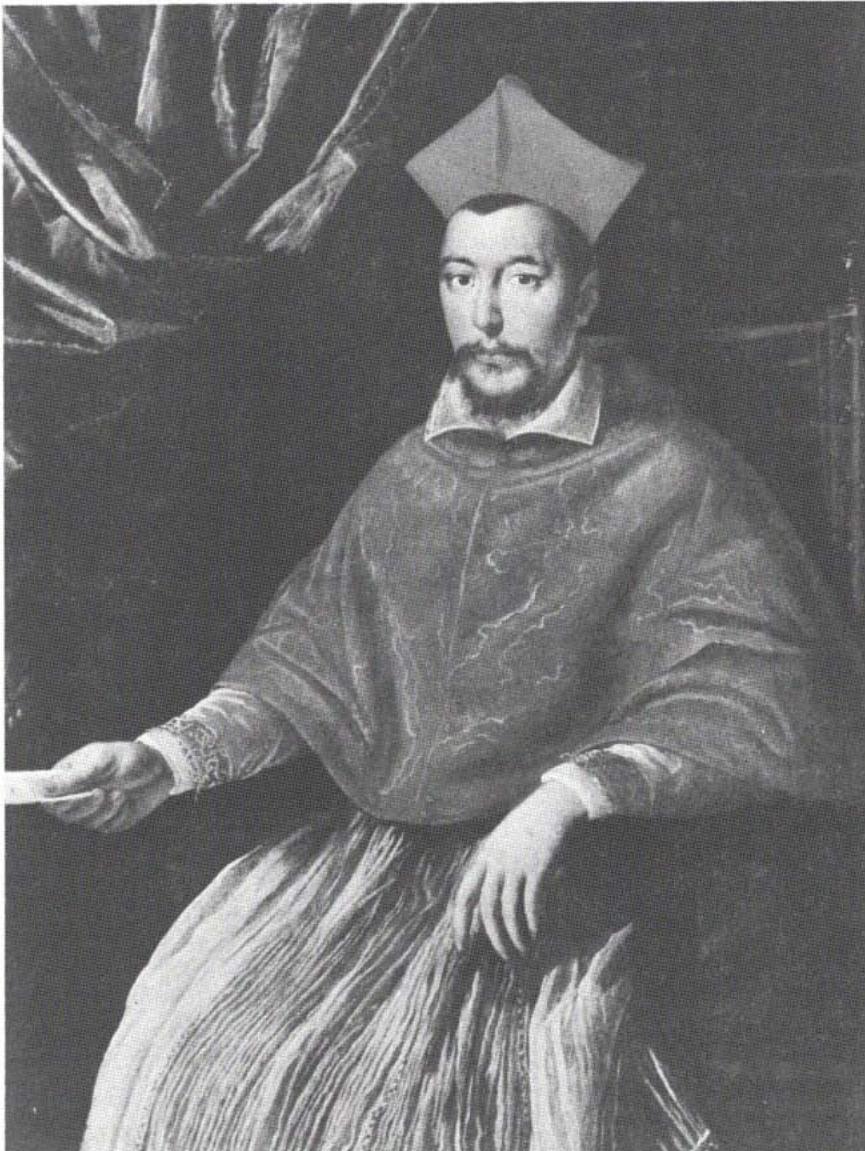
中文讲解
本条对应第30页上的一个图像或乐谱占位符,原始视觉数据未在文本中传输,故仅保留其在版面中的位置与可能存在的图注信息。在上下文叙事上,本页夹在P0080对Bentivoglio家族世系的介绍与P0082对fig. 2的图注之间,因此该图最可能涉及Bentivoglio家族、入城场面或Girolamo相关人物,但仅凭当前task_input中的文字证据无法确认其确切主题。如需完整理解该图所呈现的细节,应查阅原始版本。
补充说明
占位符文字本身未给出图号或图题,因此无法确认本图即fig. 1(P0078所引述的那幅Pietro入城图)抑或是另一幅独立图版;此处不下结论。
第5段(P0082)
原文复述
[Figure 2 on page 31: portrait of Cardinal Guido Bentivoglio, painted by Anthony Van Dyck. The embedded image data has been omitted; the figure number, the sitter’s identity, his later rank (Cardinal), and the artist’s attribution are retained in the caption.]
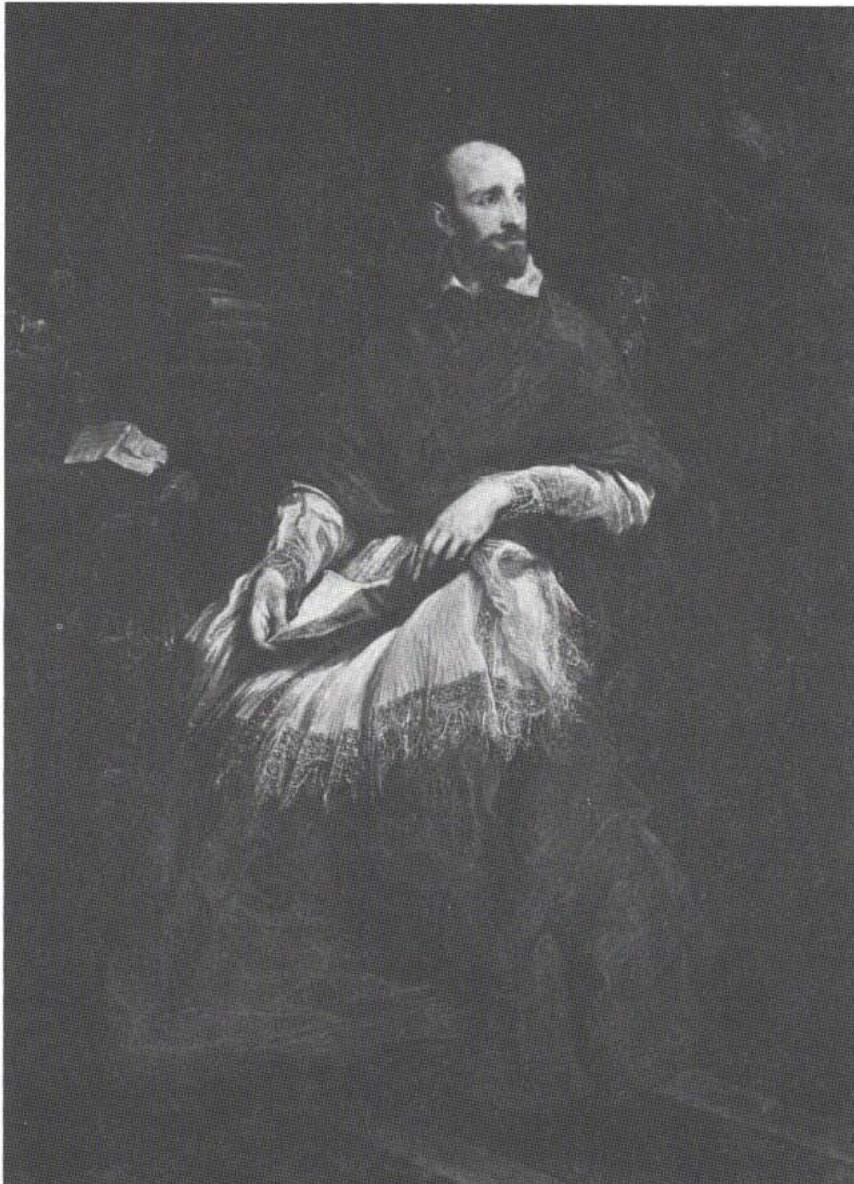
中文讲解
本条对应第31页的图注:“2. Cardinal Guido Bentivoglio, portrait by Anthony Van Dyck”,说明fig. 2为Anthony Van Dyck所绘的Guido Bentivoglio肖像。图注中的“Cardinal”这一头衔确认:P0080中那个原本“destined for the Church”的少年Guido,最终确实晋铎为枢机主教,从而与P0080末句所预留的教会生涯伏笔前后照应。需要注意的是,原始图像的视觉内容(姿态、服饰、构图、色彩等)未在task_input中传输,因此关于画面本身的任何描述均无法在当前输入范围内被证实。
补充说明
fig. 1与fig. 2的安排显示作者有意为章中两位关键人物提供视觉档案:fig. 1对应P0078所述的Pietro入城场面,fig. 2对应目击者兼后来成为枢机的Guido Bentivoglio。
脚注 / 边栏 / 图表 / 附加信息(如有)
本节包含两幅图:fig. 1(P0078中以“see fig. 1”引出,应为描绘枢机主教Pietro入城场面的图版,置于第30页即P0081位置的可能性较大,但原占位符未给出图号,无法完全确认);fig. 2(P0082图注明确为Anthony Van Dyck所绘的Cardinal Guido Bentivoglio肖像)。脚注32附于P0079的Julius II誓言“corpo di Dio, ti avrò!”之后,应为该引语的出处说明,本节未提供脚注正文。本节无表格或边栏内容。
💡 本节核心要点
- 枢机主教Pietro接管Ferrara的入城场面被作者以反讽笔调描述:匆忙搭建的半成品凯旋门、毫无威严感的外貌描写,以及遣散军队后才使市民稍感安心,这些细节共同削弱了仪典的庄严性。
- 吞并发生在Carnival期间——民众被节庆分心的同时,Pietro静悄悄重组市政;Clement随后以圣体开道、宣布jubilee,把接管重新包装为一次圣事性的“reclaimed fief”之行。
- 十五岁的Girolamo(被剥夺统治权的本地世系代表)的内心反应虽无史料确证,作者以“must have relished”推断他更可能为盛况所吸引,而非沉溺悲痛。
- 关键史学判断:Ferrara从未在战场上被任何教皇攻陷;Clement与其机敏的侄子通过外交与法律手段实现了Julius II立誓以武力完成的吞并,那句“corpo di Dio, ti avrò!”是跨代教皇野心的戏剧化点睛。
- 前文Clement入城描述的史料来源是Guido Bentivoglio,他可能亲身参与了五十名白衣贵族子弟的列队;这显示Ferrara本土精英在事件中既是目击者也是被收编的仪式性参与者。
- Bentivoglio家族是Ferrara仅次于Este的世家代表:曾统治Bologna、与Este及Aragon联姻、宫殿立面以兵器纹饰为饰,并典型地以“division of functions”在军政外交与教会之间分配子弟——Guido正是在这一结构中被送往教会。
🔑 关键术语
- jubilee:教皇颁赐的特恩大赦;Clement所宣布的jubilee既赦免Ferrara的精神罪罚,也为吞并赋予宗教正当性。
- fief:以封建效忠换得的领地;本节中Ferrara被框定为papacy的“reclaimed fief”,强调教会对其宗主权的主张。
- Sovereign Pontiff:对教皇的尊称;此处用于凸显Clement入城既是宗教礼仪也是世俗主权行为。
- consecrated Host:天主教礼仪中祝圣后的圣体;Clement由Host开道,使整支队伍呈现为圣体游行,从而把接管包装为圣事性事件。
- retinue:随行人员队伍;文中用以强调Clement入城规模之盛大与仪典色彩。
- Bentivoglio:Ferrara次于Este的贵族世家,曾为Bologda之主、与Este及Aragon联姻;本节作为Ferrara本土精英的典型代表,同时也是Pietro入城描述的史料提供者。
C03-S07 [描述性拆分] Chapter 1: Cardinal Pietro’s Entry and the Bentivoglio Family
第1段(P0083)
原文复述
FERRARA — a chapter-level heading introducing the city of Ferrara as the geographical, political, and cultural setting for the discussion that follows, marking the section’s pivot to the fate of the city after its devolution to the papacy and the role of the Bentivoglio family within that transformation.
中文讲解
This entry is a section heading rather than a discursive paragraph. Its function is to anchor the narrative in the city of Ferrara, signaling that the discussion now turns from individual patrons and musicians to the civic context that shaped them. The capitalized title, the only type on the page, frames Ferrara not just as a location but as the political and cultural arena in which Frescobaldi’s early career and the Bentivoglio family’s influence must be situated. After this heading, the prose moves from describing individual patronage networks to a broader account of Ferrara’s fall and the redirection of its musical life toward Rome.
第2段(P0084)
原文复述
Frescobaldi advanced through the ecclesiastical hierarchy with the backing of Bentivoglio money and prestige, aiming at a cardinalate or even the papacy, the ultimate prize. How he came to the Bentivoglios’ notice is unknown; one possibility is service in the Accademia della Morte, whose rival, the Accademia dello Spirito Santo, was founded by Guido Bentivoglio in 1597 (footnote 33). Guido is Girolamo’s earliest recorded patron, though it is possible that Enzo, as head of the family, first employed Frescobaldi. In any case, the influence of Casa Bentivoglio overshadowed Frescobaldi’s life long after he left Guido’s immediate service.
Guido was six years older than Girolamo. His musical interest may have come from his mother, Isabella Bendidio, sister of the more famous Lucrezia and both members of the first concerto delle dame. The family also had literary ties: Lucrezia was an early love of Torquato Tasso, who wrote well over a hundred lyrics in her honor, and Guarini married another Bendidio sister, Taddea. Their half-brother Ippolito had commanded Don Cesare’s forces, while Guido’s older brother Enzo prudently sided with the papal government. Guido first attracted Cardinal Aldobrandini’s notice by interceding for Ippolito with the ingenuous excuse that the renegade had been trained as a soldier rather than a theologian. Like virtually everyone else, Cardinal Pietro—only a few years older than Guido—seems to have fallen under the young nobleman’s charm, and Guido was promised a post as cameriere segreto at the papal court upon completing his studies at Padua (footnote 34). Despite the humiliation of the papal conquest, Ferrara enjoyed a glow of reflected splendor during Clement’s visit, with entertainments (including at least one performance by the concerto delle dame), brilliant embassies, and solemn ecclesiastical ceremonies enhanced by the papal musicians and by visitors such as Giulio Caccini. The greatest of these events was the Pope’s celebration of the double wedding uniting Philip III of Spain to the Archduchess Margherita of Austria and the Archduke Albert to the Infanta Isabella—a wedding whose political consequences were to affect Guido Bentivoglio and, through him, Frescobaldi.
At the end of November 1598 Clement set out on his return to Rome. Ferrarese life seemed to continue as before, and Carnival of 1599 was celebrated with customary jousts, comedies, maskings, and music. But the final destruction of Renaissance Ferrara’s civilization had already begun. At the end of 1598 the papal government had decided to secure the allegiance of its new subjects by building a fortress in the western part of the city. This project involved the destruction of one of the most beautiful sections of Ferrara, including the Belvedere, the loveliest of Alfonso’s delizie. Most of the Duke’s musical establishment had fled to Modena with Don Cesare, yet the artistic patrimony of Ferrara was not safe even there: as late as 1608 Cardinal Borghese was negotiating with Cesare through Enzo Bentivoglio for the remainder of the Este collections (footnote 35). A contemporary chronicler lamented that “the city which had been the right eye of Lombardy, the compendium of all the beauties and delights of Italy, has come to be deformed and laid waste” (footnote 36), and the reign of the papacy is still commemorated in Ferrara with a savagery rare even in the former papal states.
中文讲解
本段是本节的核心段落,承担三重论证任务,必须分三层理解。
第一层是关于庇护网络的因果链:Frescobaldi在教会阶梯上的上升依赖Bentivoglio家族的金钱与声望,目标是主教冠甚至教皇位;他如何进入Bentivoglio视野不详,但作者提示了一种可能——通过Accademia della Morte的服务,因为该学院的对手Accademia dello Spirito Santo正是Guido Bentivoglio于1597年创立。Guido是Girolamo最早有记载的庇护人,但作者并不排除家族首领Enzo首先雇用他的可能。关键论断是“无论哪种情况,Bentivoglio家族的影响力在Girolamo离开Guido的直接服务之后仍然笼罩着他的生活”,这句话为本节定下了基调:庇护关系不仅是个人友谊,而是一种结构性的政治-文化力量。
第二层把Guido放置于家族谱系与城市文化网络中加以考察。Guido比Girolamo年长六岁;其母Isabella Bendidio是“第一concerto delle dame”的成员,这一音乐背景解释了Guido为何可能对音乐有兴趣。家族与文学的纽带通过Lucrezia(塔索早期恋人,塔索为她写过一百多首抒情诗)和Taddea(Guarini之妻)展现出来。家族的政治分裂是下一动作的前史:同父异母兄Ippolito曾指挥Don Cesare的部队,而长兄Enzo则谨慎地站在教皇政府一边。Guido因替Ippolito向Aldobrandini红衣主教求情而出名,所用的天真借口是“他被训练成士兵而非神学家”。Aldobrandini红衣主教、Cardinal Pietro(仅比Guido大几岁)都被Guido的魅力吸引;后者在帕多瓦完成学业后获得罗马教廷cameriere segreto(私人侍从)的许诺。教皇克莱门特八世访问费拉拉期间,尽管存在被并吞的屈辱,城市仍反射出教皇廷的光辉——庆典、concerto delle dame的演出、Caccini这样的访客。最重大的事件是教皇主持的“双重婚礼”:西班牙菲利普三世与奥地利女大公玛格丽特,以及大公阿尔伯特与西班牙的伊莎贝拉公主。这场婚礼的政治后果将在日后波及Guido Bentivoglio乃至Frescobaldi。这里作者点出关键的因果链:宏观政治事件经由庇护人网络传导到具体音乐家。
第三层转向费拉拉的衰落与音乐的流散。1598年11月底克莱门特返回罗马,1599年狂欢节看似照常举行,但“文艺复兴费拉拉的文明”的最终毁灭已经启动:教皇政府决定在城西建造要塞以巩固对新臣民的忠诚,这要毁掉费拉拉最美的街区之一,包括Belvedere——阿方索诸多delizie(离宫/游乐宫)中最可爱的一座。公爵的大部分音乐建制随Don Cesare逃往摩德纳,但费拉拉的艺术遗产在那里也不安全:直到1608年,Borghese红衣主教仍在通过Enzo Bentivoglio与Cesare谈判,想取得埃斯特家族收藏的剩余部分。当代编年史家的哀叹——“曾是伦巴第右眼、意大利一切美与乐之概观的城市,如今已变形并被蹂躏”——以及至今教皇统治在费拉拉仍以罕见于前教皇国的残暴方式被纪念,构成了作者对这一衰落的情感标记。
本段在本小节的作用是搭建从庇护个人到家族网络、再到城市命运的完整因果链:庇护人的家族谱系嵌在城市文化史之中,城市的政治转折(被并入教皇国)又把音乐活动推离费拉拉,正是下一段要展开的“主流转移”。容易误解之处:作者并未断言Guido就是Frescobaldi最早的雇主,Enzo的可能性被保留;教皇来访期间的“辉光”并非无视屈辱,而是作为对屈辱的衬托;Borghese在1608年仍在通过Enzo谈判,说明艺术遗产的流失是跨越十年的渐进过程,而非一次性事件。
补充说明
本段内部术语关系:concerto delle dame既在第一层作为Isabella的音乐背景出现,又在第二层作为教皇来访期间的真实演出出现,说明该团体跨越私人与公开场合;Cardinal Pietro与Guido的年龄差(“仅比Guido大几岁”)说明他们属同代人,这有助于解释为何在教皇来访期间Guido能让Pietro“感受其魅力”。Enzo作为家族首领在两个不同时间点出现——一处为可能的首位雇主,一处为1608年与Borghese谈判的中间人——显示他在家族对外关系中的稳定角色。Cameriere segreto为教皇宫廷中的高级私人随从职位,对当时贵族而言既是社会地位标志,也是进入教廷政治核心的入口。
第3段(P0085)
原文复述
The decline of Ferrara epitomizes the general decline of the smaller Italian courts as centers of cultural influence, a waning reflected in their artistic production. The musical publications of the 1580s and 1590s—including the important ones issued at Ferrara—represented above all the courtly and Renaissance art of the madrigal; the prints around the turn of the century, however, pointed in new directions: the keyboard experiments of the Neapolitans Trabaci and Mayone, the small sacred concertos of Viadana, the monodies and dramatic works of the Florentines Peri, Caccini, and Cavalieri. These all demonstrate the concentration of effective musical patronage in the larger courts: Venice, Florence, Naples, and above all Rome. Clearly, Ferrara was no longer in the mainstream of musical activity, and both its past connections with Roman musical life and the new political orientation of the city impelled Ferrarese musicians toward Rome rather than Venice.
中文讲解
本段把费拉拉的衰落放大为整个意大利小宫廷文化影响力衰退的缩影,并把这一衰退“实证地”置于可量化的印刷物证据之上。论证逻辑分三步。
第一步是时期划分:1580至1590年代的乐谱印刷——包括费拉拉出版的重要作品——主要代表的是牧歌这一宫廷化、文艺复兴式的艺术;而世纪之交的印刷物则指向新方向:拿波里人Trabaci与Mayone的键盘实验、Viadana的小型圣乐协奏曲、佛罗伦萨人Peri、Caccini与Cavalieri的单声部歌曲与戏剧作品。作者用出版物的代际差异来标记美学范式的转变,这比单纯的文化衰落论更具说服力,因为它依赖的是可观察的物质证据(印刷物)。
第二步是因果推断:上述新方向均证明有效音乐庇护集中于更大规模的宫廷——威尼斯、佛罗伦萨、拿波里,尤其是罗马。言下之意是,小宫廷不仅失去庇护能力,连艺术上的领导权也随庇护一起转移。
第三步是把费拉拉个案回收到这个一般命题中:费拉拉已不在音乐活动的主流之中;而其过去的罗马音乐联系以及新的政治取向(已成为教皇领地)共同把费拉拉音乐家推向罗马而非威尼斯。
本段对本小节的作用是承上启下。上一段以费拉拉的具体政治事件(建要塞、毁Belvedere、流散音乐家)收尾;本段把那些具体事件升格为“意大利小宫廷衰落”这一普遍趋势的体现,并预告下一段Frescobaldi将如何利用这一格局向罗马迁移。容易误解之处:作者不是说费拉拉在1590年代末就完全没有音乐活动,而是说它不再是“主流”,因此即便其最优秀的音乐人也必须向更大的庇护中心流动;“向罗马而非威尼斯”的选择既有历史路径依赖(费拉拉与教廷的旧有联系),又有当下政治逻辑(新归教皇国),二者缺一不可。
补充说明
本段术语对照:1580–90年代以“courtly and Renaissance art of the madrigal”为代表,世纪之交则以键盘实验、小型圣乐协奏曲、单声部与戏剧作品为新方向,作者用这一对照暗示风格与赞助模式同步更替。Trabaci、Mayone属于早期那波里键盘乐派;Viadana的小型圣乐协奏曲(concerti ecclesiastici,约1602年出版)一般被视为通奏低音写作与小型合奏形式的先声;Peri、Caccini、Cavalieri则与佛罗伦萨“ Camerata”及最早的歌剧实验密切相关——这些名称在本节中作为风格标签而非人物史出现,不应过度展开为人物传记。
第4段(P0086)
原文复述
Frescobaldi was in a position to profit from such a move. Guido Bentivoglio went to take up his post at the papal court in 1599, and in 1601 Girolamo’s teacher Luzzaschi accompanied Cardinal Aldobrandini to Rome, where Luzzaschi’s accompanied madrigals were published with a dedication to the Cardinal (footnote 37). The growing prestige of the Bentivoglio family in relations with the papal government provided yet another avenue of influence. Girolamo is reported at Rome as early as 1604, and by 1607 he was established there.
中文讲解
本段是本节论证链的收束,把前文建立的宏观格局(庇护向大宫廷集中、费拉拉向罗马倾斜)落实到Frescobaldi个人轨迹上。结构上是“原因—先例—机制—结果”四步。
原因:Frescobaldi处于能从此趋势中获益的位置。前一段已经说明费拉拉不再是主流、罗马成为新的庇护中心,本段首句即把这一格局作为既定前提引入。
先例:作者用两个具体事件为Frescobaldi的迁移提供示范。1599年Guido Bentivoglio赴罗马就任教廷职位;1601年Frescobaldi的老师Luzzaschi随Aldobrandini红衣主教赴罗马,其带伴奏牧歌在该地出版并题献给红衣主教。这两个例子不是平行罗列,而是有意的“先驱”叙事:先有庇护人赴任,再有师长赴任并题献作品,最后才是Frescobaldi本人的到来。
机制:作者点出另一条因果通道——Bentivoglio家族在与教皇政府关系中日益增长的声望,又提供了另一条影响通道。这里“yet another avenue of influence”的措辞提示我们,前文已存在多条影响渠道(家族庇护、Accademia网络),而Bentivoglio家族整体政治地位的上升为Frescobaldi提供了额外的入口。
结果:以两个时间锚点收束:Girolamo最早在1604年被记于罗马,到1607年已“established”——这一措辞的稳定性意味深长,不仅指地理上扎根,更指职业上已立稳脚跟。
本段对本小节的作用是把上一段的普遍趋势收回到Frescobaldi的个人传记时间线上,结束第一章关于“他为何去罗马”的因果交代,为后续在罗马的发展铺路。容易误解之处:作者没有把Frescobaldi赴罗马简化为“被Guido带去”,而是同时呈现三条并行通道——Guido的赴任、Luzzaschi的赴任与题献、Bentivoglio家族整体声望——并以“yet another”暗示这只是众多通道中的一条;这种多通道的呈现方式应避免单线因果的简化。
补充说明
本段中的“accompanied madrigals”(madrigali accompagnati,带伴奏牧歌)是Luzzaschi晚年罗马出版活动的核心作品类型,也是牧歌向单声部/通奏低音风格过渡的标志之一;“established”一词在传记叙事中表示职业与居所的双重稳定,并非仅指“住下”。
脚注 / 边栏 / 图表 / 附加信息(如有)
本节中的脚注承担来源与佐证功能:脚注33为Accademia dello Spirito Santo由Guido Bentivoglio于1597年创立提供来源,支撑庇护网络推断;脚注34为Guido被许诺cameriere segreto职位提供来源,说明庇护承诺的具体性;脚注35为1608年Borghese通过Enzo Bentivoglio与Cesare谈判取得埃斯特收藏剩余部分提供来源,佐证艺术遗产流失的漫长过程;脚注36引用同时代编年史家对费拉拉“右眼”之叹,作为情感与舆论佐证;脚注37为1601年Luzzaschi带伴奏牧歌题献Aldobrandini红衣主教提供来源,支撑“师长辈先例”这一叙事。无独立图表或边栏。
💡 本节核心要点
- Bentivoglio家族(特别是Guido)对Frescobaldi早年生涯的庇护是结构性的,影响远超Guido本人的直接服务期
- Bendidio家族通过Isabella、Lucrezia与Taddea把Bentivoglio家族同时嵌入费拉拉的音乐(concerto delle dame)与文学(Tasso、Guarini)网络
- 1598年教皇克莱门特八世访问费拉拉期间的“双重婚礼”是宏观政治事件,经由Guido Bentivoglio这一中介传导到Frescobaldi未来的罗马生涯
- 教皇政府在费拉拉城西建要塞并毁掉Belvedere,象征着“文艺复兴费拉拉的文明”的终结,也使音乐建制随Don Cesare流散
- 1580–90年代的牧歌印刷与世纪之交的新方向(键盘、圣乐协奏曲、单声部与戏剧作品)之间的对比,证明有效庇护向威尼斯、佛罗伦萨、拿波里与罗马等大宫廷集中
- Frescobaldi向罗马的迁移有三条并行通道——Guido 1599年赴任、Luzzaschi 1601年随Aldobrandini赴任并题献、Bentivoglio家族整体声望的上升——其人在1604年已现身罗马,1607年已立足
🔑 关键术语
- Casa Bentivoglio:Bentivoglio家族/家族宅邸的统称;在本节中既指以Guido为代表的庇护人个人,也指作为整体政治-文化力量对本节音乐叙事施加结构性影响的家族势力。
- concerto delle dame:“贵妇合奏团”,本书特指最早以Bendidio家族女性为核心的声乐与器乐合奏团体;本节中既作为Isabella的音乐背景出现,也作为1598年教皇来访期间的公开演出出现,说明其跨越私人与公开场合。
- cameriere segreto:教皇宫廷中的高级私人侍从职位;在本节中作为Guido在帕多瓦完成学业后被许诺的教廷入口,标志其由地方贵族子弟升入教廷核心政治圈。
- delizie / Belvedere:delizie指阿方索二世等公爵在费拉拉城外修建的离宫/游乐宫系列;Belvedere是其中“最可爱”的一座,被1598年末教皇政府建造要塞的决定所毁,象征宫廷文明被强制改造。
- Accademia della Morte / Accademia dello Spirito Santo:费拉拉两所相互竞争的学院;前者可能是Frescobaldi与Bentivoglio家族接触的渠道,后者由Guido Bentivoglio于1597年创立,体现其在地方文化机构中的庇护者身份。
- accompanied madrigals (madrigali accompagnati):带伴奏牧歌;本节特指Luzzaschi1601年随Aldobrandini赴罗马后出版的、题献给红衣主教的作品,是牧歌风格向通奏低音/单声部过渡的标志,也是Frescobaldi赴罗马之前的“师长辈先例”。
C03-S08 [描述性拆分] Chapter 1: Decline of Ferrara and Emigration Toward Rome
第1段(P0087)
原文复述
The devolution of Ferrara to the papacy and the consequent absorption of Ferrara’s musical and artistic culture into the Roman sphere marked a turning point in the life of more than one participant. For Cardinal Pietro Aldobrandini this event constituted the foundation of his fortune and influence. For Enzo Bentivoglio it opened up the great society of Rome, within which he became an artistic arbiter. By drawing Guido Bentivoglio to the attention of the Pope and his nephew, the devolution launched him on a career as courtier, diplomat, and historian that was cut short just before the papacy. For the fourth figure, the devolution propelled
中文讲解
本段是第一章核心叙事的展开:1598年费拉拉并入教皇辖地(devolution)这一政治事件,被作者升格为一条贯穿全章的解释线索。原文用了"more than one participant"这一限定语,说明作者要讨论的并非孤例,而是一组共享命运的人物。作者随后依次点出四位代表人物,并对前三位各给出独立分句描述其命运转折:红衣主教 Pietro Aldobrandini 以此奠定权势基础;Enzo Bentivoglio 借此进入罗马上层社会并成为艺术仲裁者;Guido Bentivoglio 经人引荐见到教皇与其侄子(nephew,即指 Aldobrandini 一系),从此走上廷臣、外交家与历史学家之路,且其仕途在距教宗之位仅一步之遥时中断——这一"差一步"的说法为本节后面的人物评价埋下伏笔。段末以"It impelled"中断,刻意保留对第四人 Girolamo Frescobaldi 的揭示悬念,把读者视线推到下一段。中文讲解需要把握的关键是:本段不只是罗列人物,而是把一次政治变动(领地归属)转化为人物命运的因果链起点,从而为全章"费拉拉衰落后人才向罗马流动"这一母题定调。
补充说明
段落末尾被截断的"It impelled"是承接下一段的衔接句,需结合 P0089 阅读方可完整理解作者对 Frescobaldi 的描述;“nephew"在本节语境中指教宗的世俗家族代理人(nepot),不是普通亲属称谓,与 Aldobrandini 的身份地位直接相关。
第2段(P0088)
原文复述
FERRARA
中文讲解
本条目是版面中的小节标题"FERRARA”,以二级 Markdown 标题样式呈现。它并非正文段落,而是作者为后文(紧随其后的 Frescobaldi 段落)所加的版式标记,用以在视觉与论述单元上把焦点重新拉回"费拉拉"这一地理—文化母题,提醒读者:尽管叙事对象已经转向罗马,被讨论的人物与制度的精神源头仍在费拉拉。该标题本身不带论证内容,但其位置紧贴 P0089 开头,说明作者意在以"FERRARA"作为关键字,框定下文对 Girolamo 在罗马活动的回顾。
第3段(P0089)
原文复述
Frescobaldi from the backwater of Ferrarese musical life into the main current of Roman activity. The threads that intertwine in Girolamo’s Roman career—his study with Luzzaschi, his service with the Bentivoglio, his succession to Pasquini at St. Peter’s, his years in the household of Cardinal Aldobrandini—can all be traced back to the period of Ferrara’s final flowering and its Roman subjection. For all four men, the city’s great gifts came as a legacy.
中文讲解
本段承接 P0087 末尾被截断的"It impelled",揭晓第四位人物——Frescobaldi。作者用"backwater"(僻处)与"main current"(主流)的强烈对照,定格他从费拉拉地方音乐生活被推入罗马主流活动的轨迹。段中以"threads that intertwine"(交织的线索)这一意象,把 Girolamo 在罗马的四段经历——师从 Luzzaschi、效力于 Bentivoglio 家族、接替 Pasquini 出任圣彼得大教堂职务、入 Aldobrandini 红衣主教府——串成一条因果链,并明确指出这四段经历皆可回溯至"费拉拉的最终绽放与其被罗马征服"这一时期。换言之,作者并非简单交代 Girolamo 的履历,而是把每一次职务变动都还原为费拉拉—罗马关系链上的节点。最后一句"For all four men, the city’s great gifts came as a legacy"是本节论旨的总结:四位人物虽分散于政治、外交、宗教与艺术不同领域,但他们共同的才华与机遇,均作为遗产源自费拉拉。由此,作者把一次领地事件转化为跨领域的文化传承机制。理解本段的关键在于:不要把"final flowering"读作衰落,“最终绽放"强调的是费拉拉在被并入教皇辖地之前的文化高浓度状态,正是这一高浓度使得人才向罗马的流动具备了承载力。
补充说明
“succession to Pasquini at St. Peter’s"特指 Frescobaldi 接替 Bernardo Pasquini 担任罗马圣彼得大教堂管风琴师/音乐职务这一历史事实;“the city’s great gifts came as a legacy"中的"legacy"提示作者将费拉拉视为输出文化资源的母体,而非单纯的被征服对象,这与本章标题"Decline of Ferrara"构成辩证关系——衰落恰恰以馈赠的形式延续了影响。
💡 本节核心要点
🔑 关键术语
C03-S09 [描述性拆分] Chapter 2: Arrival in Rome and Service with Guido Bentivoglio
第1段(P0090)
原文复述
Rome and Flanders, 1607–1608
中文讲解
本段是第二章的小节标题,以 Markdown 的一级标题形式出现,标明本节叙述的时间与地理范围:1607 至 1608 年间的罗马与佛兰德斯。它为本节定下双重焦点——罗马(Girolamo 抵达、进入 Bentivoglio 府邸服务)与佛兰德斯(紧随其后随 Bentivoglio 出使)——并以时间锁住后续证据的年代坐标。
第2段(P0091)
原文复述
“O Roma nobilis, cunctarum orbium domina,” sang the medieval pilgrim, and across the centuries Goethe answered, “Eine Welt zwar bist du, o Rom.” Early seventeenth-century Rome already displayed both faces of the City: the massive ruins of the greatest empire the world had known and, rising from them, the most grandiose artistic program since the fall of that empire, the work of a Church that claimed a dominion greater even than that of the Caesars. In 1600 the City had not reached the dazzling perfection that Bernini left at his death in 1680, but much of the shambles that confronted Martin V on his return in 1420 was being transformed on the lines laid down by Sixtus V (1585–1590): restoration of the aqueducts, movement away from the center of town, and the cutting of spacious streets through the crowded medieval quarters to connect the principal pilgrimage churches. Low, undistinguished dwellings still crowded Renaissance palaces, Roman ruins scattered untended among them. The dominant accents of the City were Castel Sant’Angelo and Michelangelo’s great dome of St. Peter’s, the Cupolone, towering over a tide of construction that washed up to its very foundations (fig. 3).
中文讲解
本段为 Girolamo 抵达罗马铺设物质与文化背景,开头用中世纪朝圣者与歌德两个不同时代的声音并置,凸显罗马"世界之城"的永恒意涵(中世纪拉丁文"O Roma nobilis"意为"罗马,可敬者,万邦之女主”;歌德句意为"你确实是一个世界,哦罗马”)。随后作者给出十七世纪初罗马的双重面貌:一面是最大帝国留下的巨大废墟,另一面是从废墟中拔起的、由教会推动的宏伟艺术工程——教会声称拥有超越凯撒的统治。作者特别标出时间节点:1600 年的罗马尚未达到 Bernini 1680 年逝世时所达到的辉煌顶点,但教皇西斯都五世(Sixtus V,1585–1590 年在位)已经规划并开始实施的几项工程正在重塑城市——修复输水道、迁离中心区、开辟宽阔街道以连接各大朝圣教堂。中世纪遗留下来的低矮民居仍挤在文艺复兴宫殿之间,罗马废墟也散落其中无人照料。城市最醒目的标志是圣天使堡(Castel Sant’Angelo)和米开朗琪罗设计的圣彼得大教堂穹顶,即文中俗称的"Cupolone”(大圆顶),它高耸于一片施工浪潮之上,潮水几乎漫到其基座。该段引用图 3 作为视觉佐证。其功能在于为读者建立 Girolamo 踏入的城市图景:一个正在由教会主导的城市改造与艺术赞助下重新焕发光彩但仍显杂乱的罗马。
补充说明
本段提及的"Cupolone"(意大利语,意为"大圆顶")是当时罗马人对圣彼得大教堂穹顶的俗称;图 3 的位置与上下文表明它是一幅表现该城市景观的插图,但具体图像细节未在 source_paragraphs 中给出。
第3段(P0092)
原文复述
There is no record of Girolamo’s arrival in Rome. He may have accompanied Guido Bentivoglio in 1599, or he may have joined Luzzaschi and the Ferrarese lutenist Filippo Piccinini¹ in the suite of Cardinal Pietro Aldobrandini in 1601, which would fit one reading of Don Gregorio Rasi’s Latin encomium (see Chapter 1, n. 16). An unverifiable source named Frescobaldi as both singer and organist in the Roman Congregation of Santa Cecilia in 1604.²
中文讲解
本段处理 Girolamo 抵达罗马时间的史料空白问题,语气审慎。作者首先承认:没有任何记录能确切说明他何时抵达罗马。其后并列出两种可能:一为 1599 年随 Guido Bentivoglio 同来,二为 1601 年加入 Luzzaschi 与费拉拉琉特演奏家 Filippo Piccinini 一同进入枢机 Pietro Aldobrandini 的随从行列;后者与 Don Gregorio Rasi 拉丁赞词(参第一章注 16)的一种读法相符。最后提及一条无法核实的史料,称 Frescobaldi 于 1604 年在罗马的圣塞西莉亚会团(Roman Congregation of Santa Cecilia)中同时担任歌手与管风琴师。该段在论证结构中的作用是显示:在进入 1607 年 Girolamo 本人证据之前,作者必须以"假设"与"不可验证"并陈的方式交代早期踪迹的不确定性,从而为下一段用 Girolamo 自己的献词作"硬证据"做铺垫。脚注 1、2 在原文中被标记为附加文献来源,本节末尾的脚注区会进一步说明。
补充说明
本段中的 Luzzaschi 指 Luzzasco Luzzaschi(1545–1607),费拉拉宫廷乐派重要作曲家;Filippo Piccinini(1563–1638)为琉特演奏家,与其父 Giovanni Paolo Piccinini 同为当时著名的费拉拉琉特家系;Cardinal Pietro Aldobrandini 为克莱门特八世之侄,是高级教廷赞助人。圣塞西莉亚会团(Congregazione dei Musici di Roma sotto l’invocazione di Santa Cecilia)是罗马音乐家行会组织,1684 年由教皇英诺森十一世改组为正式学院。
第4段(P0093)
原文复述
On Girolamo’s own evidence, he was at Rome in the service of Guido Bentivoglio by 1607. In dedicating his Fantasie of 1608 to Francesco Borghese, brother of Paul V and General of the Church, Frescobaldi recalled “that honor which your ears many times deigned to do my hand while I was staying in Rome under the aegis of Mons. the Most Illustrious Bentiuogli, Archbishop of Rhodes, when I made you hear with the sound of the keys many of these musical Fantasies which I send you, now written out in these pages.“³ This would place the performances between May of 1607, when Bentivoglio was named Archbishop of Rhodes, and June of the same year, when he left Rome for Flanders. Girolamo’s documented stay in Rome may be extended back to the beginning of the year if he is to be identified with the “Girolimo Organista” (a sobriquet by which he was in fact known as late as 1627) paid by the basilica of Santa Maria in Trastevere from January through May of 1607.⁴
中文讲解
本段是本节论证的关键转折:从"史料空白"切换到"本人证据”。作者以 Girolamo 1608 年《幻想曲集》(Fantasie)献词为据,证明他至迟在 1607 年已在罗马服务于 Guido Bentivoglio。献词对象 Francesco Borghese 是教皇保罗五世之兄、教廷将军(General of the Church),Girolamo 在献词中回忆:“在罗马蒙最尊贵的 Bentivoglio 大人——罗得岛总主教——荫庇之下,我曾多次用键盘之声为您演奏这些如今书写于纸上的幻想曲。"(句中"Bentiuogli"为 Bentivoglio 的拼写变体)。作者据此把当时演奏的时间锁定在 1607 年 5 月(Bentivoglio 被任命为罗得岛总主教之月)至同年 6 月(Bentivoglio 离罗马赴佛兰德斯之月)之间。随后一段提出:若把 Girolamo 与圣玛丽亚因特拉斯提弗莱雷 basilica 支付报酬的"Girolimo Organista”(管风琴师 Girolamo)视为同一人,则 Girolamo 留居罗马的文献记录可再向前推至该年 1 月——这"Girolimo Organista"的别称他至 1627 年仍在使用。作者通过双重证据链(自述 + 教堂支付记录)把 Girolamo 在罗马的停留时段锚定为"1607 年 1 月至 6 月间”。
补充说明
献词中"sound of the keys"指键盘乐器演奏;“General of the Church"在教廷语境中指教皇军队的最高统帅(Capitano Generale della Chiesa);Bentivoglio 出使佛兰德斯一事为后续小节 C03-S10 的内容奠定伏笔;脚注 3、4 标记的是献词文本与教堂账簿两处原始文献出处。
第5段(P0094)
原文复述
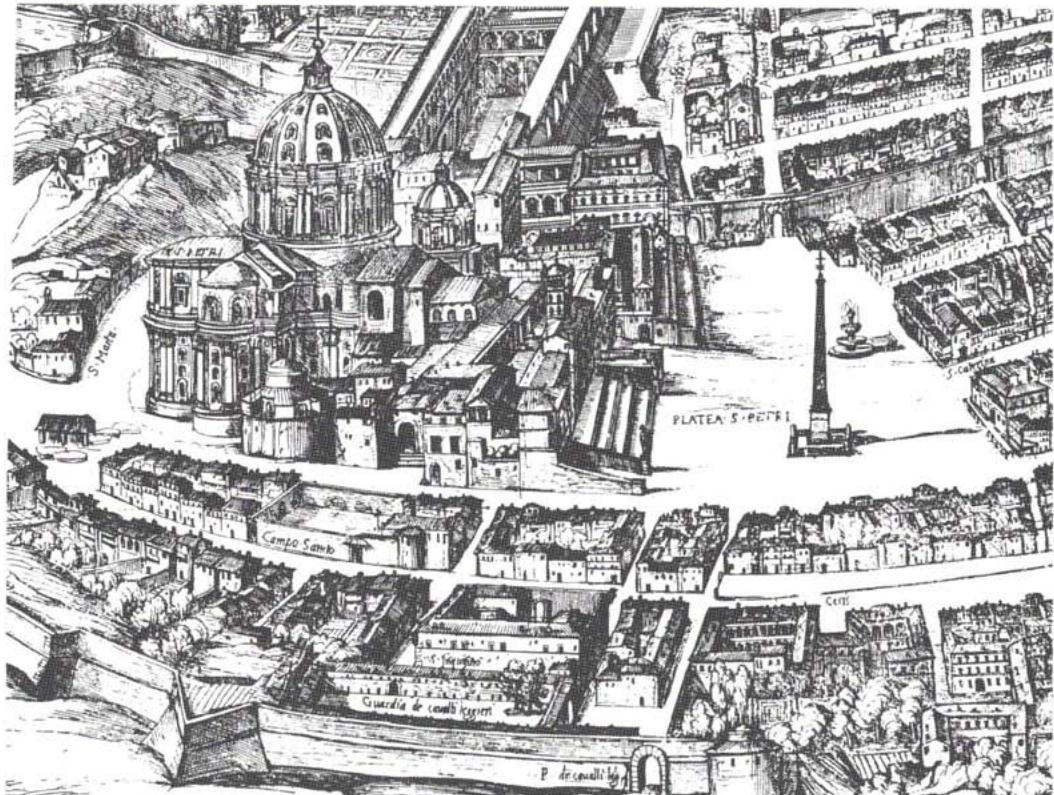
中文讲解
本项为第 36 页上的一处图像或乐谱占位符,原始内嵌数据在转录时已被省略,仅保留了它在版面中的位置信息和图注的占位。从当前可读的源文本来看,该占位符未附有可独立转录的图注文字(caption),因此本节读者需查阅原书第 36 页以获取图像或乐谱的实际内容。
补充说明
原文脚注编号在本节中已出现 1–4(即 P0092、P0093 中的尾注),故此处的占位符并不对应新的脚注编号;它是正文叙事推进到 Bentivoglio 出使佛兰德斯前夕的视觉补足。
第6段(P0095)
原文复述
ROME AND FLANDERS, 1607–1608
中文讲解
本项是第 36 页顶部的版面页眉(running head),重复本章标题"ROME AND FLANDERS, 1607–1608”,以全大写形式起版面标识作用,便于读者翻阅时辨识当前所在章节。其内容与 P0090 的小节标题一致,承担的是装订版面而非论证推进的功能。
脚注 / 边栏 / 图表 / 附加信息(如有)
本节末尾共涉及四条脚注(编号 1–4),均集中于 P0092 与 P0093:脚注 1 标识 Luzzaschi 与 Filippo Piccinini 的出处;脚注 2 标识 1604 年 Frescobaldi 在罗马圣塞西莉亚会团那条"不可核实"史料的出处;脚注 3 标识 1608 年《幻想曲集》献词文本的来源;脚注 4 标识 1607 年 1–5 月圣玛丽亚因特拉斯提弗莱雷 basilica 账簿中"Girolimo Organista"报酬记录的来源。此外第 36 页附有一幅图(图 3 或后续图,按版面位置对应 P0094 占位符),其图注文字在 source_paragraphs 中未独立转录,需查原书获取。
💡 本节核心要点
- 本节以时间与地理锁定叙事范围:1607–1608 年的罗马与佛兰德斯,焦点是 Girolamo Frescobaldi 抵达罗马并进入 Guido Bentivoglio 府邸。
- 在 Girolamo 本人证据出现之前,作者以三条零散线索(1599 年随 Bentivoglio、1601 年随 Aldobrandini、1604 年圣塞西莉亚会团的不可核实记载)勾勒他抵达罗马的几种可能。
- Girolamo 本人于 1608 年《幻想曲集》献词提供了硬证据:1607 年 5 月至 6 月间他在罗马为 Francesco Borghese 演奏键盘作品,并受 Bentivoglio(罗得岛总主教)荫庇。
- 若将圣玛丽亚因特拉斯提弗莱雷 basilica 账簿中的"Girolimo Organista"与 Frescobaldi 视为同一人,其在罗马的文献记录可前推至 1607 年 1 月。
- 作者通过双重证据链(自述献词 + 教堂账簿支付记录)将 Girolamo 留居罗马的时段锁定在 1607 年上半年,并以此为出发点衔接其后随 Bentivoglio 出使佛兰德斯的下一节。
🔑 关键术语
- Cupolone:意大利语俗称,字面意为"大圆顶";本节中特指罗马圣彼得大教堂由米开朗琪罗设计的大穹顶,是 1607 年罗马城市天际线上最具支配性的建筑标志。
- Congregation of Santa Cecilia:罗马圣塞西莉亚会团,罗马音乐家行会组织;本节提及一条无法核实的史料,称 Frescobaldi 于 1604 年在其中担任歌手与管风琴师。
- Fantaisie / Fantasie:本节中指 Frescobaldi 1608 年出版的键盘《幻想曲集》;献词中 Girolamo 回忆自己曾在罗马为 Francesco Borghese 演奏该集中的若干乐曲。
- General of the Church:教廷语境的最高军事头衔(Capitano Generale della Chiesa);本节中指 Francesco Borghese(保罗五世之兄)。
- Archbishop of Rhodes:罗得岛总主教衔;本节中 Guido Bentivoglio 于 1607 年 5 月获此衔,构成 Girolamo 自述证据中演奏时间上限的关键锚点。
- “Girolimo Organista”:圣玛丽亚因特拉斯提弗莱雷 basilica 账簿中的支付对象名,意为"管风琴师 Girolamo";本节认为该别称即指 Frescobaldi,且其使用一直延续至 1627 年。
C03-S10 [描述性拆分] Chapter 2: Roman Musical Patronage and Santa Maria in Trastevere
第1段(P0096)
原文复述
The conditions of Roman musical patronage were unique. The ruling class—the papal families and the hierarchy—was predominantly male, nonindigenous, and only partly hereditary. Under these circumstances, two institutions—the private musica and the church, represented at this stage of Frescobaldi’s career by Guido Bentivoglio’s musical establishment and Santa Maria in Trastevere—dominated the lives of most musicians. Like the musica segreta of Ferrara, the household musica of a great Roman ecclesiastic or nobleman was part of the state he was expected to keep, a social and political instrument as well as an artistic entertainment. (The performances Girolamo mentions in the dedication of the Fantasie, for example, may have been intended to ingratiate Bentivoglio, the protégé of the Aldobrandini, with the new papal family.) If its singers and instrumentalists, who were often composers as well, were sufficiently accomplished, their performances before eminent personages enhanced their patron’s status, and a request for the loan of their services provided him with an effective bargaining point.
中文讲解
本段提出全章的核心命题:罗马的音乐赞助体制在结构上非常独特。作者先勾勒出赞助者阶层的特征——教皇家族与教廷高层以男性为主,多非本地世系出身,且只在部分意义上是世袭的——由此推出两个推论:第一,赞助者群体不稳定且外来的居多,因此音乐家不可能像在世代相传的宫廷中那样,长期依附于同一家族;第二,真正能左右音乐家生计的只有两类机构,即私人 musica(贵族/高级教士的府邸乐团)和教会。作者随即把 Frescobaldi 这一时期的具体语境(Guido Bentivoglio 的乐团、特拉斯提弗列的圣母大殿)嵌进这一框架,使抽象命题立刻获得具体支点。
接着,作者援引费拉拉(Ferrara)musica segreta 的先例来说明罗马的私人 musica 的本质:它不是单纯的艺术机构,而是赞助者身份(‘state’)的一部分,承担着社交与政治功能——所谓“既能取悦宾客,也是政治筹码”。括号中关于《Fantasie》献辞的例子非常关键:Girolamo 在献辞中提及的演奏,其潜在目的是替 Bentivoglio(他是 Aldobrandini 家族的被保护人)向新任教皇家族示好,这就把“艺术表演”与“政治资本”之间的等价关系落到一笔具体文献之上。
段末收束于乐手的双重价值:一是“演给显贵”——他们的精湛演出直接抬高赞助者的体面;二是“借给外人”——别人来借人,等于给赞助者一张可交换的人情牌。这一双重价值是下一段讨论“服务条款非排他、报酬低”之所以成立的前提。
补充说明
本段引入了 Frescobaldi 时代罗马音乐生态的两个并列支点(私人 musica 与教会),是后续 P0097 论及乐手“如何在两种赞助间穿梭”的逻辑前提;括号中的《Fantasie》献辞例子把抽象的“政治功能”锚定到一份可考的印刷物上,是论证方式而非泛泛而论。
第2段(P0097)
原文复述
Typically, an influential patron assumed artists from his home city into his personal court, from which they could enter the mainstream of Roman patronage. The terms of this service were usually nonexclusive and the remuneration correspondingly meager, so that a young musician was free, and often obliged, to accept outside employment as well. This took the form of private pupils, occasional performances for other patrons, and casual or regular service in Roman churches. Any extended perusal of payment records and other documents of Roman musical life in the first half of the seventeenth century shows that Rome attracted a corps of competent musicians, whose careers frequently can be traced from training or service in such institutions as the German College or the Roman Seminary and whose names constantly recur in the records of the basilicas and churches of the City. It is likely, therefore, that the “Girolimo Organista" of Santa Maria in Trastevere was Frescobaldi. In any case, the archives of the basilica unfold a typical history of musical life in a great Roman church, including the role and duties of the organist.
中文讲解
本段承接上段“私人 musica 是政治工具”的命题,转入对乐手实际生存机制的描述。关键概念是“非排他性服务(nonexclusive service)与相应低薪”:赞助者把外乡艺术家引入自己的“小宫廷”作为进入罗马主流赞助圈的跳板,但他并不用全薪买断乐手,乐手因此被允许、甚至被期待去外面谋生——具体形式是私人学生、给其他赞助者做零散演出、以及在罗马各教堂里做临时或常规的礼拜音乐服务。
这一制度细节直接解释了为什么罗马能聚集一支“能胜任的乐手队伍”:作者提醒读者只要细查 17 世纪上半叶罗马的支付记录等文献,就会发现这些乐手的姓名反复出现在各大圣殿与教堂的档案里,而他们早年的训练或服务往往来自德国学院(German College)或罗马修院(Roman Seminary)之类的机构。这是一个非常重要的方法论说明——作者是以档案群(payment records)作为论证基础,而不是依赖理论推断。
段末由此推出本节的实证推论:圣母大殿档案里的“Girolimo Organista”很可能就是 Frescobaldi。即便这一点无法最终坐实,作者也指出该大殿的档案足以展开“一个伟大罗马教堂中音乐生活的典型历史”,这正是本节其后内容的功能定位——以一座具体教堂为案例,呈现罗马教会音乐体制的常态。
补充说明
本段把上一节的“制度框架”落到“档案证据 + 单一案例”之上:Girolamo Organista 与 Frescobaldi 的等同不是确证,而是基于多重档案交叉比对后做出的“高概率”判断,作者用 “It is likely… In any case…”这一句式明确区分了强弱两种主张。
第3段(P0098)
原文复述
The basilica of Santa Maria in Trastevere and its adjoining piazza are among the spots that still evoke seventeenth-century Rome, especially in the brief desertion at high summer when the noise of traffic and transistors gives way to the clang and boom of bells, the voices of nuns, the clatter of hooves and carriage-wheels, the twitter of birds, and the splash of fountains. Except for an eighteenth-century portico, the church, the piazza, and its fountain are much as they were in 1600 (fig. 4), as are the inhabitants, quintessential Romans with a succulent dialect of their own.
中文讲解
本段是一段氛围式的现场描写,作用不是装饰,而是为后面的音乐制度讨论铺设一个“仍可亲临”的物质场景。作者用一组感官细节——钟声轰鸣、修女的歌声、马蹄与车轮声、鸟鸣、喷泉的水声——来替代 20 世纪的“交通与晶体管噪音”,借这种反差说明:盛夏里这片广场几乎能让人重新听见 17 世纪罗马的声场。
接着,作者用一个事实性论断收束:除了一座 18 世纪的门廊外,教堂、广场、喷泉以及居民的样貌自 1600 年以来基本未变。所谓“连居民也是典型的罗马人,有着自己的鲜活的方言”,是把物质空间与活的文化连续性绑在一起。括号里的“fig. 4”指向 Falda 的雕版画插图(见 P0101),意味着读者可以将这一文字想象与一幅历史图像相互印证。
对本节论证而言,这一段的功能是“让读者意识到:后面要谈的所有音乐制度与礼仪细节,都发生在一个至今仍基本保持原貌的物理场景里”,从而为以档案与物质遗存为依据的论证做感性铺垫。
补充说明
无额外补充(本段以现场描写引入,请参见 P0101 的图注对照)。
第4段(P0099)
原文复述
The interior of the basilica mixes classical and medieval remains, hieratic mosaics of the twelfth century, and more yielding work of the thirteenth, under Cardinal Aldobrandini’s superb coffered ceiling enshrining Domenichino’s Virgin of the Assumption. The organ and the musicians’ galleries still appear as they are described in an inventory of 1624: a large organ at the side “on the Dark Street,” the façade pipes in three divisions with arches, columns of gilded wood, paintings, and shutters, and a corresponding gallery on the opposite side. In addition, two platforms for musicians were placed on the pavement beside the canons’ choir. These arrangements suggest the performance of bichoral music, although an organ was added only later to the second upper gallery. The presence and clarity of the acoustic would have complemented both polychoral liturgical music and the smaller sacred concertos that were becoming a staple of the Roman repertory.
中文讲解
本段从外观转入室内,并把建筑学与音乐制度对接起来。室内是层叠的历史:古典与中世纪遗构、12 世纪庄严的马赛克、13 世纪较为柔和的工艺,之上则是 Aldobrandini 红衣主教委托的藻井天花板,其中安置着 Domenichino 所绘《圣母升天》。这一句的关键不在艺术史,而在“叠加”——同一个空间被不同年代不断重写,正与音乐层叠的可能性相呼应。
接着,作者以 1624 年的乐器清册(inventory of 1624)为依据,复原出当时乐手使用的物质安排:“暗街”一侧的大风琴、管面分三段带拱、金木柱、绘画与音门;对面有与之对称的乐手廊;合唱团席位旁的地板上还设有两座临时演奏平台。这种两两相对的布局——一侧风琴、一侧对称的廊——正是所谓双合唱团(bichoral)演出的典型物质条件;不过第二座上层廊的风琴是后来才加的,说明清册记录的是一个逐步累积的安排。
段末由“物质条件”推出“声音结果”:该空间的声学清晰度足以同时支持大型多合唱(polychoral)礼仪音乐与较小型圣乐协奏曲(sacred concertos),后者正是 17 世纪罗马乐坛日益流行的体裁。
脚注 5 的作用:对“地板上两座演奏台”这一布置提供文献出处,并对第二座上层廊风琴加入的时间给出限定(即并非 1624 年时已有),从而支撑本段“逐步累积”这一判断。
补充说明
脚注 5 涉及此处提到的两座地板演奏台及其对称布置,并说明第二座上层廊风琴系后来添加,作用是为本段“bichoral 演出是逐步形成的”这一推论提供档案限定。
第5段(P0100)
原文复述
Before we examine the duties of “Girolimo Organista” at Santa Maria in Trastevere, it is important to recall the gap separating religious feeling and practice after the second Vatican Council from the post-Tridentine catholicism of Frescobaldi’s time. The Church Girolamo served distinguished sharply between public religion and private devotion. The newer religious orders, lay confraternities, and extraliturgical cults ministered to the latter, but official public worship—the mass and the offices—continued to be celebrated in uncompromising solemnity, mystery, and splendor without congregational participation. Since the most important parts of the liturgy were recited inaudibly, the attention of the congregation was focused on the visual spectacle and its musical accompaniment. The services of an important church like Santa Maria in Trastevere thus attained a degree of liturgical elaboration now lost even to the great papal functions, and the surviving records of the basilica’s musical life suggest a comparable degree of musical elaboration.
中文讲解
本段是一段关键的“历史距离提示”。在进入具体讨论“Girolimo Organista 的职责”之前,作者先要求读者承认一个解释学上的鸿沟:1960 年代后的梵二大公会议(Second Vatican Council)改革,已经把天主教礼仪从“看不动的壮观神秘”改造为“鼓励会众参与”的形态;因此,用现代读者的宗教经验去理解 Frescobaldi 时代的礼仪必然失真。
作者随即给出 Girolamo 所服事的那个教会的内在二分:一边是新型修会、平信友团体(lay confraternities)以及礼仪外的敬礼(extraliturgical cults),承担的是“私人虔敬”;另一边是“公共敬礼”——弥撒与日课——被以毫不妥协的庄严、神秘与辉煌举行,且刻意不邀请会众参与。由于礼仪中最核心的部分(很可能包括 canon 等祈祷)由神职人员低声念出(inaudibly),会众的注意力被自然导向“视觉奇观 + 音乐陪衬”。
由此引出一个今天已不存在的现象:像圣母大殿这样的重要教堂,其礼仪的铺张与精致程度甚至超过今日的盛大教廷仪式;其档案中保存下来的音乐生活记录,自然也反映出同等程度的音乐铺张。这就把下一段即将讨论的“管风琴师职责”放在了一个“音乐是礼仪壮观的一部分、并非会众参与工具”的语境里,从而避免读者用现代“参与式礼拜”的视角去评判 Frescobaldi 的工作。
补充说明
本段中“inaudibly recited”与“without congregational participation”两句是本节全部后续音乐讨论的前提:作者用它们锁定了“礼仪音乐 ≠ 参与式歌唱”,进而把 organist 的角色定位为“视觉壮观 + 礼仪辉煌”的声学陪衬。
第6段(P0101)
原文复述
Figure 4: Giovanni Falda’s engraving of the Piazza Santa Maria in Trastevere.
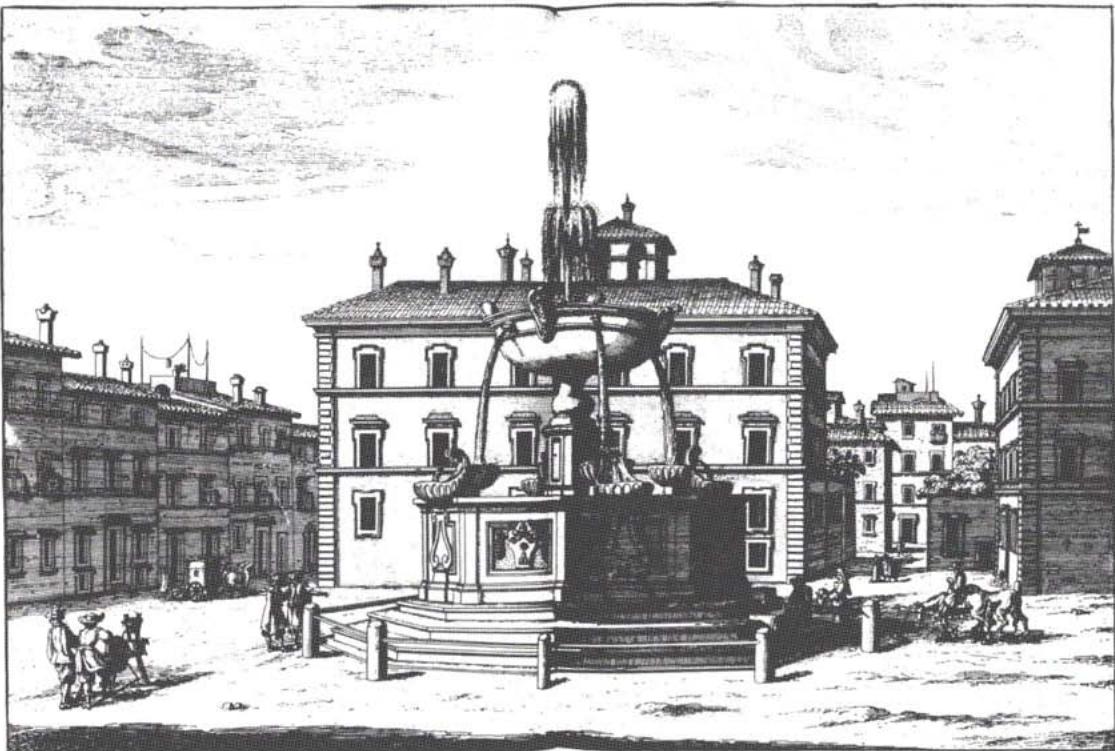
中文讲解
这是图 4 的图注,标题为“乔瓦尼·法尔达(Giovanni Falda)所雕版的特拉斯提弗列圣母广场”。该图位于第 39 页,正文 P0098 已用括号“fig. 4”引用过它。它在论证中的作用是与 P0098 的文字描写互证:法尔达的雕版画保留了 17 世纪广场的物质面貌,使读者能够将“钟声、马蹄与喷泉”的文字想象与一幅历史图像对应起来,从而直观感受到作者所谓“自 1600 年以来基本未变”的判断。
本图的具体雕版细节(线条、建筑比例、人物分布等)原书方可见,本说明仅基于可定位的图注文字。
补充说明
无额外补充;图版本身需查看原书。
第7段(P0102)
原文复述
FRESCOBALDI’S LIFE
中文讲解
这是章节或大节标题,宣告以下内容将转入对 Frescobaldi 生平的叙述。从本节(C03-S10)位于第 37–39 页、且刚以圣母大殿的氛围与制度为 Frescobaldi 的工作场景做完铺垫来看,紧接此标题的应当是“Girolimo Organista 在圣母大殿的具体职责 / Frescobaldi 的生平与任职轨迹”。该标题本身无独立主张,仅起到“分节”与“论题切换”的版式功能。
脚注 / 边栏 / 图表 / 附加信息(如有)
脚注 5 出现在 P0099,用以支撑“两座地板演奏台”这一具体布置的文献来源,并限定第二座上层廊风琴系后来加入,从而支持作者关于 bichoral 演出安排是“逐步累积”的判断。图 4(Giovanni Falda 雕版的 Piazza Santa Maria in Trastevere)在 P0098 文字描写中被引用,并以其图注形式(P0101)独立呈现,其功能是与文字互证“自 1600 年以来基本未变”的物质连续性。
💡 本节核心要点
- 罗马音乐赞助体制独特,根源在于统治阶层以男性、非本地、部分世袭的教皇家族与教廷高层为主,由此私人 musica(贵族/高级教士的府邸乐团)与教会成为音乐家生计的两大支柱。
- 私人 musica 同时承担艺术娱乐与政治筹码双重功能——这是 Frescobaldi 时代罗马与费拉拉 musica segreta 的共同逻辑,《Fantasie》献辞中的演出即为“替保护人向新教皇家族示好”的实例。
- 赞助者与乐手之间的服务条款是非排他且报酬低的,乐手被允许乃至被期待在私人学生、其他赞助者零散演出与各教堂礼拜音乐之间穿梭,由此形成一支在罗马各大圣殿与教堂档案中反复出现的“能胜任乐手”群体。
- 基于档案交叉比对,圣母大殿档案中的“Girolimo Organista”很可能就是 Frescobaldi;即便无法坐实,该大殿档案本身也足以呈现“一个伟大罗马教堂中音乐生活的典型历史”。
- 圣母大殿的物质与声学条件——1624 年清册所记的暗街大风琴、对称的乐手廊、合唱团旁的地板演奏台——是双合唱团(bichoral/多合唱)演出的典型物质基础,足以承载礼仪多合唱与新兴的较小规模圣乐协奏曲。
- 理解 Frescobaldi 时代的礼拜音乐必须先承认梵二改革前后的历史距离:礼仪中核心部分被低声念出,会众注意力落在视觉壮观与音乐陪衬上,organist 的角色因此是“礼仪辉煌”的声学陪衬,而非现代意义上引导会众歌唱的参与者。
🔑 关键术语
- musica segreta:指某些宫廷中由赞助者私人供养、常作内廷表演的乐团制度;本节借费拉拉先例说明罗马私人 musica 同时是政治工具,本节用以解释 Bentivoglio 之类红衣主教府邸乐团的双重功能。
- bichoral / polychoral music:双合唱团或多合唱团音乐,把唱诗班与器乐组分布在空间的两侧或多侧以制造回声式立体音响;本节借圣母大殿 1624 年的对称呼应布局(暗街大风琴 + 对侧乐手廊 + 地板演奏台)说明此类音乐得以在此实际演出。
- post-Tridentine catholicism:特利腾大公会议(1545–1563)之后定型、强调礼仪的庄严、神秘与辉煌、且不强调会众参与的天主教形态;本节用以把 Frescobaldi 时代的礼仪与梵二之后做对照,从而限定 organist 的功能为礼仪的声学陪衬。
- Second Vatican Council:1962–1965 年的第二次梵蒂冈大公会议;其礼仪改革把弥撒语言改为本地语言并鼓励会众主动参与,因而制造出与后特利腾时期截然不同的宗教经验,本节以此作为衡量“历史距离”的标尺。
- German College / Roman Seminary:罗马的两所训练机构,本节用以说明 17 世纪上半叶罗马“能胜任乐手”群体的养成路径,并支撑从训练或服务档案追踪到圣殿与教堂记录这一论证方法。
- Aldobrandini:本节所提及的教皇家族与受其庇护的政治网络(如 Bentivoglio 作为 Aldobrandini 的 protégé);并指圣母大殿天花板的委托人红衣主教 Aldobrandini,其藻井安置 Domenichino《圣母升天》。
- confraternity:平信徒的虔敬团体,承担“私人虔敬”;本节将其与官方公共礼仪对置,以说明后特利腾天主教对公共宗教与私人虔敬的明确二分。
C03-S11 [描述性拆分] Chapter 2: The Duties of the Roman Church Organist
第1段(P0103)
原文复述
The musical establishment of the basilica was directed by a maestro di cappella, who supervised an organist, a choir, and eight additional musicians for festal services. The principal duty of the organist was to perform at mass and vespers on Sundays and greater feasts (including Holy Week and Easter, which fell within the tenure of “Girolimo Organista”). When the liturgy was performed complete in music (whether chant, accompanied or unaccompanied stile antico polyphony, or accompanied concertato settings) solo organ music was limited to prelude, postlude, intonations, and occasional interludes. The norms for the use of the organ to replace parts of the proper and ordinary of the mass were formulated in the Ceremoniale Episcoporum issued by Clement VIII in 1600 and were explained and amplified for the church organist in a number of musical handbooks, notably L’organo suonarino (published in a variety of editions from 1605 to 1638) and the Conclusioni (1609) of Adriano Banchieri, the second part of Girolamo Diruta’s Il Transilvano (1610–1611), and the Choro et organo (1614) of Frescobaldi’s compatriot Fra Bernardino Bottazzi.
中文讲解
本段勾画了教堂音乐体制与管风琴师的基本职能框架。三个要点需要把握:
-
机构层级:maestro di cappella(合唱团大师)是音乐机构的首脑,其下辖管风琴师、合唱团以及专为节日服务的八位额外乐师;管风琴师并不是独立的“演奏家”,而是礼仪音乐体制中的一个受监督环节。
-
管风琴师的核心礼仪义务:在主日和重大节日(包括圣周与复活节)的大弥撒与晚祷中演奏。文中特别点出“Girolimo Organista”这一称谓,是当时俸禄或任期档案中对 Girolamo(本书的主人公)的拼写记录形式,是将人物锚定在制度史中的小线索。
-
独奏管风琴的功能边界:当整场礼仪都以音乐完整呈现时——无论是圣咏、有/无伴奏的 stile antico 复调,还是伴奏型 concertato——独奏管风琴只能承担前奏(prelude)、后奏(postlude)、起始音(intonations)和偶尔的间奏(interludes),绝不可取代礼拜文本本身。这一限定是理解全书的关键:管风琴师首先是礼仪的合作者,其次才是炫技演奏者。
-
规范来源:礼仪规则出自 1600 年克莱门特八世颁布的《主教礼仪书》(Ceremoniale Episcoporum),而实践层面的“讲解与扩展”则来自一批面向教堂管风琴师的音乐手册——L’organo suonarino(1605–1638 各版)、Banchieri 的 Conclusioni(1609)、Diruta《Il Transilvano》第二部分(1610–1611)、以及 Frescobaldi 同乡 Fra Bernardino Bottazzi 的 Choro et organo(1614)。这一串书目本身就显示:17 世纪初存在一个围绕“如何做一名合格的教堂管风琴师”的写作传统,本书后面的具体规则将不断回扣到这些手册。
本段在整节中的作用是给出“游戏规则”——它规定了管风琴师能做什么、不能做什么,以及这些规则的官方与实践两重来源。
补充说明
段落末尾的脚注 6 应承载与“Girolimo Organista”这一称谓、任期时间或俸禄记录相关的档案出处,但脚注正文不在本任务输入之内,仅记其存在。文中四位手册作者中,Bottazzi 被称为“Frescobaldi 的同乡”,提示下文关于 Girolamo 的讨论将与他所属的意大利中部管风琴传统相连。
第2段(P0104)
原文复述
In plainsong masses the organ interludes comprised a piece for full organ (ripieno) at the repeat of the Introit (sometimes omitted), a ripieno or short fuga after the Epistle, a motet or ricercar at the Offertory. At the Elevation of the Host the Ceremoniale prescribed music “in a graver, sweeter sound,” interpreted by Banchieri as a serious work “that promotes devotion.” A capriccio or aria alla francese, “charming but musical,” was performed after the Agnus Dei, and a short ripieno concluded the service. Specific feasts permitted other interpolations. At Easter, for example, it was customary to play a battaglia, “decent and fitting to the Holy Easter Sequence [Victimae Paschali],” with its image of the “wondrous battle” between life and death.
中文讲解
本段进入弥撒内部,列出管风琴在不同节点上必须演奏的间奏曲目,是上一段“limited to prelude, postlude, intonations, and occasional interludes”的具体落地。可以按礼仪顺序整理为下表:
| 礼仪位置 | 间奏内容 |
|---|---|
| 进台咏(Introit)反复 | ripieno(全管风琴曲),有时省略 |
| 书信(Epistle)之后 | ripieno 或短赋格 |
| 奉献咏(Offertory) | 经文歌或 ricercar |
| 举扬圣体(Elevation of the Host) | 礼仪书规定的“更庄重、更甜美”之曲,Banchieri 解释为“促进虔敬”的严肃作品 |
| 羔羊经(Agnus Dei)之后 | capriccio 或 aria alla francese——“charming but musical” |
| 礼仪结束 | 短 ripieno |
两个细节尤其值得注意:
-
举扬圣体的诠释链条:礼仪书只给出抽象风格描述(“graver, sweeter sound”),Banchieri 通过 Conclusioni 将其转译为功能定义(“promotes devotion”)。这正是上一段所说的“amplified for the church organist”的典型样本——规范文本给出风格词,实践手册给出可操作的虔敬判据。
-
battaglia 的礼仪合法性:battaglia 原属“战斗”体裁,看似世俗,但因复活节继叙咏 Victimae Paschali 本身就以“生命与死亡之间奇妙的战斗”为意象,演奏一段“体面且配合这一意象”的 battaglia 便被纳入礼仪。这里的关键不是体裁本身是否世俗,而是它是否服务于文本。复活节例子提示我们:管风琴师的曲目库比表面上看起来要宽,只要与礼仪文本的修辞相契合,battaglia 这类具象化音乐也可被接受。
本段在论证中的作用是把上一段的抽象限定化为一份“日程表”,让读者看到管风琴师实际工作时的礼仪节奏与风格切换。
补充说明
举扬圣体的“更甜美”原文引自礼仪书;Banchieri 的解释出自 Conclusioni(1609)。复活节 battaglia 与 Victimae Paschali 的对应,是本节将礼仪文本与器乐体裁挂钩的典型例证。脚注 7 当为该 battaglia 用例或 Victimae Paschali 文本出处的进一步文献说明,输入中未含其正文。
第3段(P0105)
原文复述
In the other musical sections of the mass, the organ alternated the liturgical chant with the choir except for the Creed, where recitation of the complete text was mandatory. From Girolamo Cavazzoni’s organ masses of the 1530s on, the chants selected for alternatim organ settings were the ordinaries of the masses for Sunday, feasts of the Apostles, and feasts of the Madonna, which in practice covered most of the liturgical year.
中文讲解
本段讲解弥撒中“非间奏”部分的工作模式——alternatim(轮唱/轮奏),即管风琴与合唱团轮流演唱圣咏的各句。需要把握三点:
-
轮奏的常规形态:管风琴与合唱团在圣咏的不同句段间交替承担。这一做法把管风琴的角色从“间奏的独奏者”扩展为“礼拜文本的共同陈述者”,但它依然不是取代圣咏,而是与圣咏互补。
-
信经(Creed)例外:信经必须完整念诵,不允许管风琴以任何形式介入。这是一项神学规则——信经是教义核心,不可被压缩或交由器乐代述。它提示读者,礼仪中“哪一段不容许管风琴”并非随意,而是与文本的神学权重相关。
-
历史与覆盖面:自 Girolamo Cavazzoni 1530 年代的“管风琴弥撒”起,alternatim 设置所用圣咏固定为三类礼仪的弥撒常用部分:主日、使徒庆日、圣母庆日。三者在实践中已覆盖礼仪年的绝大部分,意味着管风琴师实际要轮奏的是一份相对固定的核心曲目库。
本段在论证链中的功能是补完管风琴师在弥撒中的“另一类工作”——它不是孤立的间奏,而是与合唱团共同支撑礼拜文本的延续;同时以信经例外和 Cavazzoni 的历史源头,暗示管风琴师必须熟稔一套传统曲目库。
补充说明
Girolamo Cavazzoni(Girolamo da Cavazzone)的“管风琴弥撒”在 1530 年代问世,是后世所谓“alternatim organ mass”这一体裁的奠基性范本;脚注 8 在输入中仅以标记出现,正文未提供。
第4段(P0106)
原文复述
At vespers the organist’s duties were similar: a ripieno at the beginning and end of the service, organ interludes as substitutes for antiphons after each of the five vesper psalms, alternatim performance of the Office hymn, Magnificat, and Marian antiphon, and a canzona or motet after the Magnificat. The Ceremoniale forbade “lascivious, or impure” organ music and inappropriate, profane, or theatrical melodies, which Banchieri extended to include “dances, morescas, and suchlike pieces.” The organ was prohibited for most of Advent, Lent, and Holy Week, and at Requiem masses it was tolerated only when played “with the principal alone, without preludes [ingressi] or diminutions, and with the shutters closed.” The performance of organ interludes at mass and vespers, together with the official limitations on their character, may have been a factor in the composition of the rather severe Fantasie that Girolamo dedicated to Francesco Borghese.
中文讲解
本段把视角转向晚祷(vespers),并集中讨论“限制”而非“任务”——这两者共同塑造了管风琴师的创作美学。结构上可分为三层:
-
晚祷的任务清单(与弥撒对称但有别):
- 起、终各一首 ripieno
- 五首晚祷诗篇之后,以管风琴间奏代替各篇后的对唱(antiphon)
- 礼仪圣咏(Office hymn)、圣母玛利亚赞歌(Magnificat)、圣母对唱——三者用 alternatim
- Magnificat 之后:canzona 或经文歌
与弥撒相比,晚祷增加了诗篇对唱的替代,却没有弥撒那样的奉献咏/举扬圣体环节;体裁选择更倾向于 canzona 这一较“中性”的器乐形式。
-
风格的禁令(核心论证):
- 礼仪书禁止“lascivious, or impure”的管风琴音乐,以及一切“不合适、世俗、戏剧化”的旋律;
- Banchieri 在 Conclusioni 中把禁令扩展为具体体裁清单——禁止“dances, morescas, and suchlike pieces”。
这里呈现了一个清晰的“规范 → 实践扩张”链条:礼仪书只给出抽象的德性词(lascivious / impure / profane / theatrical),Banchieri 则把它们落到具体体裁(舞曲、moresca)上。这一链条使管风琴师在选择曲目时面对一份实质上的负面清单。
-
时段的禁令:将临期(Advent)、四旬期(Lent)、圣周的大部分排除管风琴;追思弥撒(Requiem)仅允许“只使用 principal 音色、无前奏与装饰、关闭音栓盖板”这种极度克制的形式。换言之,即使被允许演奏,音色、装饰、空间(shutters)也被一并限定。
-
关键收束句:作者提出一个因果假设——上述礼仪任务加上“性格上的官方限制”,可能就是 Girolamo 献给 Francesco Borghese 的那组以“严肃”著称的 Fantasie 的成因之一。这句话是本节最值得记的论断:它把制度约束与作曲家的具体作品相连,说明礼仪规则不只是演奏层面的禁令,也潜在地塑造了出版曲目的美学基调。
本段是全节的论证重心——它把“管风琴师的职责”从“做什么”转向“被禁止做什么”,并据此回扣到主人公作品的风格特征。
补充说明
Francesco Borghese 是 Borghese 家族成员(与教皇保禄五世出身的家族相关),Girolamo 将 Fantasie 题献给他这一史实是本书后续分析其风格成因的支点。脚注 9、10、11 分别对应本段三次礼仪书或手册引用,输入中未含正文。
第5段(P0107)
原文复述
As for the works that Girolamo performed with the choir, enough survives of the musical library of the basilica to give some idea of its repertory. The remains dating back to Girolamo’s tenure are meager, but their emphasis—as in the printed collections that the basilica began to acquire around 1614—is on functional, rather modest settings of the ordinary and proper of the mass, vespers, litanies (especially of the Virgin), and processional hymns in simple polyphony for Corpus Domini. The model for this repertory was Palestrina, whose own settings constituted the nucleus of Roman church music in the first half of the seventeenth century, albeit sometimes grotesquely modernized, as in the basilica’s copy of the 1646 Missa Papae Marcelli, where the five-part original has been rewritten for four voices and continuo.
中文讲解
本段将焦点由管风琴师本人转向他与合唱团合作的曲目库。三个层次需要拆开:
-
曲目库的总体印象:教堂图书馆的乐谱存留足以让我们对曲目面貌有“some idea”——既非完整,也非空白,是一份可以推断的残存。
-
Girolamo 任期内残存的曲目特征:以“functional, rather modest”的设置为主,覆盖弥撒常规与专属、晚祷、连祷文(尤其是圣母连祷)、以及基督圣体节(Corpus Domini)游行用的简单复调圣咏。约自 1614 年起教堂开始入藏的印刷本也保持了同样的取向——“functional, rather modest”。这里的关键判断是:罗马大教堂的日常曲目并不追求炫技,而追求礼仪可用性。
-
美学的范本与张力:
- 范本:Palestrina。他的设置构成 17 世纪上半叶罗马教堂音乐的核心。
- 张力:即便如此崇敬 Palestrina,教堂藏本中仍然出现“grotesquely modernized”的改造——具体例证是教堂藏 1646 年版的 Missa Papae Marcelli,原本的五声部被改写为四声部并加入通奏低音。
作者用“grotesquely”这个具有强烈色彩的形容词,传达一种文化判断:在 17 世纪中叶的罗马,把 Palestrina 那类典范复调“现代化”为四声部加 continuo,被认为是一种近乎荒诞的降格。这揭示了一种潜在矛盾——教堂表面以 Palestrina 为范式,但实际藏本中已经在向通奏低音的新型编制靠拢,只是手法显得笨拙。
本段的功能是为下一段铺垫:它先确立 Girolamo 所处的曲目库是“功能—简朴—以 Palestrina 为范”的基调,然后再引入他可能参与的“更现代”的 concertato 曲目,从而形成 old/new 的张力结构。
补充说明
1646 年教堂藏 Missa Papae Marcelli 是“晚于 Girolamo 任期的改编本”,用以说明其任期之后曲目库的演化方向;脚注 12 在输入中仅以标记出现。
第6段(P0108)
原文复述
In addition to providing solo organ works and participating as a continuo player in this simple and retrospective repertory, it is likely that Girolamo was also called upon to perform more modern works in the concertato idiom as well. According to Banchieri, the small sacred concertos of Viadana were particularly appropriate: works “tender, devout, pleasing, and recitative” and avoiding elaborate contrapuntal devices that obscured the words. On occasion these concertato pieces might employ as many as four choirs of voices, violins, viols, and a continuo section including organ, harpsichord, violone, lutes, and chitarroni, in which case the organist played an important role by adjusting his registrations and the details of his continuo-realization to the ensemble. Thus a young organist in a great Roman basilica was exposed to the whole spectrum of contemporary church music: free and cantus-firmus organ works, vocal pieces in stile antico ranging from modest settings to the monuments of the style, and contemporary works employing recitative, concertato, and polychoral media.
中文讲解
本段是全节的收束,将管风琴师的工作拼成一张完整图谱。三个要点需要看清:
-
从“守旧”到“现代”的双重身份:除独奏作品与在“simple and retrospective”曲目中担任通奏低音演奏者外,作者认为 Girolamo 也极有可能被要求演奏 concertato 体裁中更现代的作品。这里用的是“it is likely”——并非断言,而是一种基于同时期罗马礼仪实践的合理推断:通奏低音手在大型 basilica 几乎不可避免要参与 concertato。
-
现代曲目的审美判据(Banchieri 论 Viadana):
- Viadana 的“小型圣乐协奏曲”被 Banchieri 评价为“tender, devout, pleasing, and recitative”,并强调其避免“obscured the words”的复杂对位。
- 这一组形容词与上一段 P0106 的禁令形成对照:禁的是“lascivious / profane / theatrical”,褒的是“tender / devout / pleasing / recitative”。新型协奏曲的美学合法性来自虔敬感与文本清晰度,而不在于炫技。
-
多 choir 编制与管风琴师的关键角色:
- 编制规模可达四组 choir(人声、小提琴、维奥尔琴等),通奏低音部分可包括管风琴、羽管键琴、violone、鲁特琴、chitarroni。
- 管风琴师在此并非被动地奏一个数字低音,而是主动“adjusting his registrations and the details of his continuo-realization to the ensemble”——即根据整体编配调整音栓选择和通奏低音的声部细节。这一表述揭示:通奏低音手的专业能力体现在他对音色平衡与和声细节的实时判断。
-
总结句(整节收束):作者把一位“great Roman basilica”中的年轻管风琴师所接触的当代教堂音乐版图概括为三个并列区间:
- 自由与固定旋律(cantus-firmus)管风琴作品;
- stile antico 声乐作品,从简朴设置到该风格的丰碑;
- 使用宣叙风格、concertato、polychoral 媒介的当代作品。
这是一个完整的“谱系”:从最古老的器乐传统,到 Palestrina 式的复调范本,再到当时最新的协奏与多合唱团写法,跨度近一百年。管风琴师必须同时栖居在这三种时间层中。
本段的功能是把前面各段铺陈的制度、曲目、体裁、限制汇成对 Girolamo 整体音乐环境的描述,为本书后续讨论其作品风格、出版策略与历史地位奠定基础。
补充说明
Viadana 即 Ludovico Viadana,其 Cento concerti ecclesiastici(1602 起多版)是 concertato 体裁在圣乐中的奠基性出版物;chitarroni 是大型低音鲁特琴,常与 violone 共同支撑通奏低音;脚注 13 在输入中仅以标记出现。
脚注 / 边栏 / 图表 / 附加信息(如有)
本节六段正文共涉及脚注 6–13 共八个引用标记(其中 P0103 的 6、P0104 的 7、P0105 的 8、P0106 的 9–11、P0107 的 12、P0108 的 13)。脚注正文未包含在当前任务输入中,因此本汇总仅记其出现位置与最可能承载的内容类型:礼仪书条款的引用、人物与俸禄记录的出处、所引体裁(Battaglia 等)的文献依据、1646 藏本的谱例/版本说明,以及对 Viadana 小型协奏曲的进一步评论。节内无图表、无乐谱、无边栏插图。
💡 本节核心要点
- 管风琴师在礼仪体制中受 maestro di cappella 监督,其独奏空间被严格限定为前奏、后奏、起始音与偶尔的间奏,绝不取代礼拜文本本身;规范源头是 1600 年克莱门特八世的《主教礼仪书》及一批面向教堂管风琴师的实践手册。
- 弥撒与晚祷各自拥有一份按礼仪位置排布的“管风琴日程”:弥撒中进台咏反复用 ripieno、奉献咏用 motet/ricercar、举扬圣体用“更甜美”的虔敬作品、Agnus Dei 后用 capriccio 或 aria alla francese;晚祷则在五首诗篇后用间奏代替对唱,并在 Magnificat 后接 canzona 或经文歌。
- 礼仪书的禁令(lascivious / impure / profane / theatrical)经 Banchieri 等人扩展为具体体裁清单(禁舞曲、moresca 等),并辅以时段禁令(大斋期、圣周、临期禁用;追思弥撒仅可使用 principal、无装饰、关闭音栓盖板),共同塑造了管风琴曲目“严肃”的美学基调,并被认为是 Girolamo 献给 Francesco Borghese 的“严肃”Fantasie 之成因之一。
- 教堂藏本显示其曲目库以 Palestrina 为范、以“functional, rather modest”为取向,但 1646 年藏 Missa Papae Marcelli 等实例表明,典范复调正被以“grotesquely modernized”的方式改写为四声部加通奏低音,揭示旧范式与新编制之间的张力。
- 管风琴师同时是通奏低音演奏者,需在 concertato 曲目(自 Viadana 式“小型圣乐协奏曲”直至四 choir 多组编制)中根据整体编配调整音栓与通奏低音细节,因而必须同时掌握从固定旋律管风琴、stile antico 声乐丰碑、到宣叙风格与 polychoral 现代作品这一整套当代教堂音乐谱系。
🔑 关键术语
- maestro di cappella:教堂音乐机构的首脑,负责监督管风琴师、合唱团以及为节日服务的额外乐师;管风琴师在此体制中是受监督的环节,而非独立演奏家。
- stile antico:“旧风格”,指以 Palestrina 为典范的复调传统,在本节中既可无伴奏,也可由管风琴伴奏,构成罗马教堂音乐的核心范式。
- concertato:“协奏风格”,以器乐伴奏、人声与乐器分组对比为特征的新型圣乐写法,与 stile antico 并存于 17 世纪初罗马礼仪中。
- alternatim:“轮唱/轮奏”,管风琴与合唱团轮流演唱同一圣咏不同句段的实践,是管风琴师介入礼拜文本而非取代它的主要方式。
- ripieno:本节中兼指“全管风琴(所有音栓齐用)”及其相应的全管风琴曲体裁,用于进台咏反复、书信后及礼仪起止。
- Ceremoniale Episcoporum:1600 年克莱门特八世颁布的《主教礼仪书》,是规范管风琴在弥撒中何时可用、何时禁用的官方文本源头。
- Victimae Paschali:复活节继叙咏,其“生命与死亡之间奇妙的战斗”意象为 battaglia 体裁进入礼仪提供了合法性依据。
- battaglia:“战斗”体裁,原本属世俗器乐语境,在本节中作为复活节礼仪间奏的特殊用例出现。
- moresca:一种舞蹈体裁,在 Banchieri 的解释中被明确列入教堂禁止的世俗体裁清单。
- Viadana 的小型圣乐协奏曲:以“tender, devout, pleasing, and recitative”为理想、避免复杂对位遮蔽词文的 concertato 圣乐作品,是 17 世纪初新风格在教堂中可被接受的代表范本。
- Palestrina:16 世纪罗马复调典范,本节中他既是教堂曲目库的“范式”,又在其被“现代化”改写时成为新旧风格张力的标志。
- polychoral / 四 choir 编制:由多组人声与乐器分组构成的大型 concertato 编制,管风琴师在其中以通奏低音演奏者的身份通过音栓与低音细节的调整塑造整体平衡。
C03-S12 [描述性拆分] Chapter 2: The Congregation of Santa Cecilia
第1段(P0109)
原文复述
The Congregation of Santa Cecilia constituted the bond uniting musicians who served in Roman private musical establishments and churches. In the mid-sixteenth century, papal musicians—most of them possessing clerical status—had formed a closed society that excluded what the author calls the “rabble of Roman musicians.” One of the notable efforts of the Counter-Reformation was to draw the laity into the sanctification of their personal and professional lives beyond the formal ritual of the church, an effort epitomized in St. Philip Neri’s Oratorio. The Congregation of Santa Cecilia was modeled on the Virtuosi del Panteon, the artists’ confraternity, and was confirmed in 1585 by Sixtus V as an association of lay musicians outside the papal chapel. Precisely because of this lay character, it was bitterly opposed by the musicians of the Cappella Sistina. By 1589, nevertheless, the membership of the Congregation, as represented in Le gioie (a collection of sacred madrigals), constituted a musical elite ranging in allegiance from the traditional stronghold of St. Peter’s (Palestrina, Anerio, Giovannelli, Crivelli) to the new Counter-Reformation centers allied with the Oratorio (Griffi, Quagliati), and spanning Italy from the courts of Ferrara and Florence (Marenzio, Malvezzi) to the Kingdom of Naples (Roi, Macque). Membership in the Congregation was divided into four categories: maestri di cappella, organists, instrumentalists, and singers. From about 1596 onward, applicants had to pass an audition that, for instrumentalists, included knowing how to beat time and intone, and for organists, knowing how to play figured basses ably (correr li bassi). From its earliest years, Santa Cecilia moved between the two poles of attraction in Roman musical life: St. Peter’s and the Oratorio with its later offshoots.
中文讲解
本段为整章奠定制度与意识形态框架,核心主张是:服务于罗马私人音乐机构和教堂的乐师之间的纽带,就是他们在圣塞西莉亚会(Congregation of Santa Cecilia)的会员资格。
首先,作者把这一组织放进反宗教改革的背景里。十六世纪中叶的教廷乐师多具神职身份,构成一个封闭社团,将所谓"罗马乐师的乌合之众"(rabble,原文带贬义色彩,应如实保留)排斥在外。反宗教改革的一项显著努力,是把平信徒拉进个人与职业生活的圣化过程,使其超出教会正式仪式的范围——这一努力的典范是圣斐理伯·内里(St. Philip Neri)的祈祷所(Oratorio)。圣塞西莉亚会即按罗马万神殿艺术家兄弟会(Virtuosi del Panteon)的模式建立,并于1585年由西斯克特五世(Sixtus V)确认为一个位于教廷唱诗班之外的平信徒乐师团体。正因其平信徒身份,它遭到西斯廷礼拜堂(Cappella Sistina)乐师的激烈反对。
其次,本段以1589年的《Le gioie》(一部圣歌牧歌集)作为证据,展示该会成员的广度与威望。括号中列出的作曲家名单同时具有两种含义:一是地理跨度,从费拉拉、佛罗伦萨宫廷一直延伸到那不勒斯王国;二是意识形态跨度,从圣彼得大教堂的"传统堡垒"(帕莱斯特里纳、安内里奥、乔瓦内利、克里韦利)到与祈祷所结盟的新反宗教改革中心(格里菲、夸利亚蒂)。这一名单不是装饰,而是作者用以证明该会"覆盖了整个意大利的乐坛精英"的关键证据。
第三,本段揭示会内的制度化程度:成员分为四类——maestri di cappella(教堂乐长)、管风琴师、器乐家、歌手;约自1596年起,申请者须通过 audition(试听),器乐家须会打拍子和起唱,管风琴师须会熟稔地演奏数字低音(correr li bassi,即通奏低音的即兴实现)。这说明该会并非松散的联谊组织,而是有专业门槛的同业公会。
最后一句"两个引力极"——圣彼得大教堂与祈祷所——是本章后面论证的伏笔:吉罗拉莫(Girolamo)的职业轨迹将在这两极之间移动。这一框架解释了为什么一位服务于私人礼拜堂的乐师,同时能与反宗教改革的祈祷所圈子发生关联。
补充说明
本段末尾出现一个脚注引用编号14,但当前任务输入未提供该脚注内容,故仅可确认其存在,不作内容推测。所列作曲家姓名皆以原拼写保留;“rabble"为作者带有评判色彩的自评词,应在阅读时注意其立场而非当作中性描述。
第2段(P0110)
原文复述
Girolamo’s tenure at Santa Maria in Trastevere was probably brought to an end by the new responsibilities of his patron, Guido Bentivoglio. In his Memorie, Guido presented a vivid picture of his life at the court of Clement VIII, where he served as a cameriere segreto—the ecclesiastical equivalent of a noble page. The unusual length of Clement’s reign, and the consequent scarcity of opportunities for advancement, discouraged Guido from pursuing a career in the Vatican; he began instead to prepare himself for a diplomatic post abroad, studying law, history, geography, and languages—Spanish especially.
中文讲解
本段把焦点从罗马的乐师组织转向具体的庇护关系,解释吉罗拉莫在特拉斯提弗列圣母堂(Santa Maria in Trastevere)任职何以结束。
关键点是:一位乐师的岗位并不只由其本人决定,而取决于庇护人(patron)的命运。这里的庇护人是吉多·本蒂沃利奥(Guido Bentivoglio)。作者援引吉多本人的《回忆录》(Memorie),描绘其在克莱门特八世(Clement VIII)宫廷的生活——身份是 cameriere segreto(贴身侍从),相当于教廷体系中的贵族侍童。这一对应关系很重要:它显示庇护人在教会体系内起步。
但克莱门特八世在位时间异常之长,导致教廷内部升迁机会稀缺。吉多于是放弃在梵蒂冈内部晋升的打算,转而修习外交官所需的科目:法律、历史、地理、语言——尤其西班牙语。这一细节并非闲笔:吉多后来确实成为驻外使节,而西班牙语训练指向他在西班牙宫廷的外交任命。
由此可以理解:当庇护人开始为出国任职做准备时,吉罗拉莫依附于他的教堂职位自然就难以为继。这是一种典型的十七世纪初罗马艺术赞助结构——庇护人的职业转向会直接重塑被庇护乐师的生计。
补充说明
本段中"probably"一词是作者对因果关系的谨慎限定(任职终止与庇护人新职责之间的关联并非确证),应在中文讲解中保留这一不确定性,避免读成已确证的事实。
第3段(P0111)
原文复述
His foresight was rewarded when Clement’s thirteen-year pontificate ended abruptly with the Pope’s death in March 1605. Whereas the daily life of the papal court saw members of the reigning family and their favorites shift into new positions of power as old ones fell vacant, the death of a pope swept the board clean for a new game, a new set of maneuvers and alliances. Although his seven years’ supremacy as the favorite nephew of Clement VIII had earned Cardinal Aldobrandini the enmity of many of his colleagues, he still commanded a bloc of votes large enough to secure the election of Leo XI Medici. Battle was again joined after the almost immediate death of the new pope, and Camillo Borghese was elected as a compromise candidate. Paul V, as he chose to be called, was the youngest of the papabili. His age augured a long reign; his character, and that of his cardinal-nephew Scipione Borghese Caffarelli—intelligent, vigorous, and avid for power—promised a strong papacy. Neither prospect was welcome to Bentivoglio’s patron, Cardinal Aldobrandini. The last straw in his deteriorating relations with the Borghese was Paul V’s enforcement of the Tridentine ruling that bishops reside in their dioceses. Forced to choose between Rome and the revenues of his archdiocese of Ravenna, Cardinal Pietro left the City in May 1606, not to return until 1610.
中文讲解
本段展开1605—1606年的教廷权力重组,并解释它如何直接动摇本蒂沃利奥的庇护网络,进而影响吉罗拉莫所处的罗马乐坛格局。
作者首先以一组对比建立分析框架:教廷日常的人事更替——当权家族及其亲信随着职位空缺而流动——与教皇驾崩带来的"洗牌"截然不同。“Swept the board clean”(清空棋盘)这一比喻把教皇之死刻画为整套权力关系的重置,新一轮角逐与结盟随即开始。克莱门特八世在位十三年后于1605年3月突然去世,正触发了这种重置。
接着叙述阿尔多布兰迪尼枢机(Cardinal Aldobrandini)的处境:他作为克莱门特八世的"侄儿宠臣"已有七年优势,因此得罪了众多枢机同僚;但他仍掌握足够票数,足以选出利奥十一世·梅迪奇(Leo XI Medici)。然而利奥十一世几乎立即去世,争夺重启,卡米洛·博尔盖塞(Camillo Borghese)以折衷人选身份当选,自称保罗五世(Paul V)。“Papabili"一词指被视为可当选教皇的枢机;保罗五世是其中最年轻者,因此其年龄预示着在位时间会很长。
教廷的实际权力还掌握在 cardinal-nephew(枢机侄儿)手中。保罗五世的枢机侄儿是 Scipione Borghese Caffarelli,作者用 intelligent, vigorous, and avid for power(聪明、精力旺盛、渴求权力)三个修饰语勾勒其性格,并由此推出这将是一届强势教廷。对阿尔多布兰迪尼而言,无论"长任期"还是"强势枢机侄儿”,都不是好消息。
压垮双方关系的最后一根稻草,是保罗五世严格执行特利腾大公会议(Council of Trent)关于主教须驻在教区的规定。阿尔多布兰迪尼被迫在罗马与其拉文纳总教区的收入之间二择一,最终选择离开罗马——1606年5月离城,至1610年才返回。这一离去直接造成本蒂沃利奥庇护网络的断裂,也间接说明了吉罗拉莫为何需要另谋职位。
阅读本段时需注意:作者把罗马乐师的生计嵌入教廷政治的宏观节拍之中,这一节拍——教皇在位时长、枢机侄儿的更替、特利腾会议规定的执行——比乐师个人的技艺更能决定其岗位的去留。
补充说明
本段末尾出现脚注引用编号15,但当前任务输入未提供其内容,故仅可确认其存在,不作内容补写。“Cardinal Pietro"指阿尔多布兰迪尼枢机的名字(Pietro),需与上下文枢机侄儿的身份加以区分;“Cardinal-nephew”(枢机侄儿)是教皇任命的近亲属枢机,是教廷实际行政权力的核心位置。
脚注 / 边栏 / 图表 / 附加信息(如有)
本节包含两处脚注引用——P0109 文末编号14、P0111 文末编号15——但其具体内容未在当前任务输入内提供,故仅可确认其存在,不可补写或推测其内容。节标题"Chapter 2: The Congregation of Santa Cecilia"附有”[描述性拆分]“标记,应理解为编辑层面的拆分说明,不属于作者正文。三段皆无插图、表格或乐谱占位符。
💡 本节核心要点
- 圣塞西莉亚会(Congregation of Santa Cecilia)是联结罗马私人音乐机构与教堂乐师的纽带组织,按罗马万神殿艺术家兄弟会模式建立,并于1585年由西斯克特五世确认为教廷之外的平信徒乐师团体。
- 该会体现了反宗教改革对平信徒职业圣化的推动,圣斐理伯·内里的祈祷所是其典范;但其平信徒身份引发西斯廷礼拜堂乐师的激烈反对。
- 1589年的《Le gioie》牧歌集展示了该会成员的精英性:从圣彼得大教堂传统阵营(帕莱斯特里纳等)到祈祷所阵营(格里菲等),从费拉拉—佛罗伦萨宫廷到那不勒斯王国,地理与意识形态两轴皆覆盖。
- 该会按专业分为四类(maestri di cappella、管风琴师、器乐家、歌手),约自1596年起设有 audition 门槛(含数字低音 correr li bassi),显示其制度化与专业化水平。
- 圣塞西莉亚会自始即在罗马音乐生活的两个引力极——圣彼得大教堂与祈祷所——之间移动,这一框架为后续叙述吉罗拉莫的跨极活动埋下伏笔。
- 吉罗拉莫在特拉斯提弗列圣母堂的任期随庇护人吉多·本蒂沃利奥转向外交准备而结束;后者从克莱门特八世宫廷的贴身侍从起步,因教皇长期在位而放弃教廷内部升迁,转而修习西班牙语等外交科目。
- 1605年克莱门特八世去世触发教廷权力洗牌:阿尔多布兰迪尼枢机虽曾主导选出利奥十一世,但利奥旋即去世,卡米洛·博尔盖塞以折衷身份当选保罗五世,并严格执行特利腾会议关于主教驻教区的规定,迫使阿尔多布兰迪尼于1606年5月离罗马至1610年方归。
🔑 关键术语
- Congregation of Santa Cecilia:圣塞西莉亚会,罗马平信徒乐师的兄弟会组织,1585年由教皇西斯克特五世确认建立,是本章论证的核心机构。
- Virtuosi del Panteon:罗马万神殿艺术家兄弟会,圣塞西莉亚会的制度模板,体现了十六世纪罗马艺术家之间通过兄弟会组织职业生活的传统。
- Cappella Sistina:西斯廷礼拜堂,即教廷礼拜堂乐师群体;因其神职身份与封闭性,对圣塞西莉亚会这一平信徒团体持敌对立场,是本节制度冲突的另一极。
- St. Philip Neri’s Oratorio:圣斐理伯·内里创立的祈祷所,是反宗教改革推动平信徒圣化生活的代表机构;圣塞西莉亚会的精神与组织理念与之同源。
- Le gioie:1589年出版的圣歌牧歌集,本节用作圣塞西莉亚会成员广度的文献证据,其参与作曲家名单跨越意大利地理与意识形态阵营。
- maestri di cappella:教堂乐长,圣塞西莉亚会四类成员之首;管风琴师、器乐家、歌手构成其余三类,体现专业分工。
- correr li bassi:熟稔演奏数字低音,即通奏低音的即兴实现;约自1596年起作为管风琴师申请者的 audition 要求,反映该会制度化的专业门槛。
- cameriere segreto:教廷贴身侍从,等同于世俗贵族体系中的侍童;本节中吉多·本蒂沃利奥在克莱门特八世宫廷所担任的身份。
- Cardinal-nephew / papabili:枢机侄儿(cardinal-nephew)是教皇任命的近亲属枢机,掌握教廷实际行政权力;papabili 指被视为可当选教皇的枢机人选。本节中 Scipione Borghese Caffarelli 为保罗五世的枢机侄儿,其性格被用以推断新教廷的施政方向。
- Tridentine ruling on residence:特利腾大公会议关于主教须驻在各自教区的规定;保罗五世于1605年后严格执行,迫使阿尔多布兰迪尼在罗马与其拉文纳总教区收入之间二择一,是本节政治断裂的关键触发点。
C03-S13 [描述性拆分] Chapter 2: Journey to Flanders with Guido Bentivoglio
第1段(P0112)
原文复述
Bentivoglio’s early association with the Aldobrandini did not cost him the favor of the new papal family. On the contrary, in early May of 1607 a consistory named him papal nuncio to Flanders, and a few days later the Pope confirmed the post publicly and named the new nuncio titular Archbishop of Rhodes. When Bentivoglio set out for Brussels on 11 June 1607, the twenty-four-year-old Frescobaldi presumably formed part of his imposing retinue. Girolamo had served his apprenticeship as a household musician, church organist, and composer, and had begun to frequent the great Roman families he was to serve throughout his career. His musical education was now to be completed by exposure to the Netherlandish tradition on its native soil.
中文讲解
本段交代了 Frescobaldi 前往弗兰德斯的政治契机与个人背景,可分三层理解。第一层处理政治层面:Bentivoglio 此前虽与 Aldobrandini 家族关系密切,但并未因此失去新教皇家族(指 Borghese 家族,即教皇保罗五世的家族)的支持;反而在 1607 年 5 月初的枢机会议上被任命为驻弗兰德斯教廷使节,几天后教皇本人公开确认此任命,并授予他’罗得岛 titular 主教’的荣衔——这是一项兼具宗教与外交双重身份的职位,可见教廷对其倚重。第二层把时间精确钉到 1607 年 6 月 11 日 Bentivoglio 启程赴布鲁塞尔之时,并推定二十四岁的 Frescobaldi 是其’规模庞大的随行团’(imposing retinue)的一员——这里用 ‘presumably’(推定)一词,说明作者对 Frescobaldi 是否确实随行留有余地,只是据情势作出的合理推断。第三层以简短履历的方式为本书主角作阶段性小结:Frescobaldi 此前已作为家庭乐师、教堂管风琴手和作曲家完成了学徒期,并开始出入罗马望族之家;而此行赴弗兰德斯的目的之一,是让他在尼德兰音乐传统的本土环境中完成其音乐教育的最后阶段。这一句把全书主角的音乐成长与下一段的政治—外交叙事紧密扣合:弗兰德斯之行既是外交活动,也是 Frescobaldi 的’音乐留学’。
补充说明
本段所说的’罗得岛 titular 主教’(titular Archbishop of Rhodes)是天主教传统中一种荣誉性教衔,历史上与医院骑士团(Knights of Rhodes / Knights Hospitaller)相关;本节未作进一步解释,仅作背景知识简注。
第2段(P0113)
原文复述
Guido Bentivoglio’s embassy to Flanders was typical of an age that valued the grand gesture. He traveled with a suite including the household officials, footmen, and liveried pages dear to the Ferrarese, as well as two musicians, Frescobaldi and the lutenist Girolamo Piccinini. The journey was not a simple excursion across the Alps, but a semi-royal progress broken by a week’s stay in Ferrara and strategic visits to important personages along the way—notably Cardinal Pietro Aldobrandini in his exile at Ravenna. After Ferrara, Bentivoglio and his retinue set off in the summer heat for Switzerland by way of Modena, Parma, and Milan, after which all the rest was “alps, crags, cliffs, precipices, one mountain on another, and St. Gothard”—still snow-covered in midsummer—“above them all.” They descended at Lucerne and went on to Basel, traveling about thirty miles a day. After a journey of nearly two months they reached Brussels by way of Nancy and Luxembourg.
中文讲解
本段详写前往弗兰德斯的旅程,目的不在地理介绍,而在于呈现十七世纪初外交使团’准皇室出行’(semi-royal progress)的礼仪规格与政治功能。作者开篇先点明这是一次’重视大排场’(grand gesture)之时代的典型使馆行;随行人员包括费拉拉公爵府那一套家臣、仆役与穿号衣的童仆(liveried pages),外加两位音乐家——Frescobaldi 与琉特演奏家 Girolamo Piccinini——后者是当时著名的职业乐师,这一人名把随行音乐家的规格抬到了’名家’层次。旅程被形容为’半皇室式巡行’,途中在费拉拉停留整整一周,并作’策略性’拜访沿途要人,其中特别提到处于流放状态的枢机 Pietro Aldobrandini(在拉文纳)——这暗示了 Bentivoglio 与前教皇家族(克莱门特八世系)的政治脉络并未因现任教皇改换而断裂。离开费拉拉后,队伍在盛夏酷暑中经摩德纳、帕尔马、米兰进入瑞士;翻越阿尔卑斯时,作者以斜体直引的方式保留了 Bentivoglio 本人的描述——‘alps, crags, cliffs, precipices, one mountain on another, and St. Gothard’——并点出圣哥达山口(St. Gothard)在盛夏仍积雪,被列为’众山之上’。下行至琉森后继续前往巴塞尔,每日约行三十英里;最后经南锡(Nancy)与卢森堡(Luxembourg),在近两个月后抵达布鲁塞尔。‘将近两个月’的行期与沿途的高规格停留,是为凸显此行绝非普通外交差旅,而是当时典型的礼仪—政治表演。
补充说明
本段含有两条脚注(编号 16、17),分别关于同行琉特演奏家 Piccinini 的身份以及 Bentivoglio 关于翻越圣哥达山口之描述的原文出处;’liveried pages’指身穿主人家族制服的侍童,是当时贵族府邸显示规格的标志之一;‘Nancy’与’Luxembourg’在十七世纪初分别处于洛林公国与西班牙辖下低地国家的版图中,途经两地是进入布鲁塞尔的常规路线。
第3段(P0114)
原文复述
Bentivoglio and his entourage made their formal entry into Brussels on the eve of San Lorenzo, 9 August, escorted by the court and the Spanish ambassador. To the Italians of Bentivoglio’s party, Flanders must have been disconcerting. The countryside was still springlike in mid-August, by contrast with the heat and dust of the Ferrarese summer; Italian was little spoken, as the court language was Spanish; and even the familiar uses of their religion must have seemed somewhat alien in the gray Gothic churches of Brussels. Bentivoglio himself, however, felt thoroughly at home; six of his family had fought in the Spanish wars, and “it only remained for me to come here myself to become completely Flemish.” Indeed, Bentivoglio’s affection for his adopted country shines through his accounts of the Flemish provinces, with their abundance of livestock in bright meadows, their temperate climate, and their handsome, independent inhabitants.
中文讲解
本段描写入城仪式以及意大利随行人员与弗兰德斯之间的文化落差,可视为本书主角进入异文化环境的总写照。首先强调 8 月 9 日——圣洛伦佐瞻礼(San Lorenzo,8 月 10 日)的前夕——的入城仪式是’正式的’(formal entry),由弗兰德斯宫廷与西班牙大使联合迎入,这是当时外交使节入城规格的最高形式,凸显 Bentivoglio 的使节地位已获得驻在国的高度承认。接着从三个层面铺陈意大利人在弗兰德斯可能感到的不适:其一,气候——八月中旬的乡野仍是春意,与费拉拉夏季的炎热尘土形成强烈反差;其二,语言——宫廷用语为西班牙语而非意大利语,意大利语极少被使用;其三,宗教建筑——即便意大利人熟悉的宗教仪式,在布鲁塞尔灰色的哥特式教堂中也显得陌生。这三层对比并非单纯渲染异乡感,而是为下文点出 Bentivoglio 本人对弗兰德斯’毫无违和感’作铺垫:他家族中已有六人参加西班牙的战争,他自陈’只差自己亲自到此便可彻底变为弗兰德斯人’(completely Flemish)。作者由此把 Bentivoglio 塑造为对这片土地怀有真感情的’归化者’(adopted country),并以牲畜丰饶、牧场明丽、气候温和、居民俊朗独立的省民形象收束全段。这套田园诗般的描述,与 1607 年仍处于八十年战争中的弗兰德斯实际处境之间形成一种有意味的反差——这是作者的修辞选择,而非历史事实的全部。
补充说明
San Lorenzo(圣洛伦佐瞻礼日)在 8 月 10 日,‘前夕’即 8 月 9 日,作者因此把入城日期定为该日;‘six of his family had fought in the Spanish wars’说明 Bentivoglio 家族与哈布斯堡—西班牙体系早有渊源,这既是其个人情感认同的来源,也解释了他后来得以担任驻弗兰德斯使节的政治资本。
第4段(P0115)
原文复述
Guido Bentivoglio’s nunciature was not a post of the first rank such as those of Paris and Madrid, the primary axes of political influence in Catholic Europe. Its peculiar importance arose from the fact that the nuncio’s jurisdiction included major areas of religious conflict: Belgium, the Low Countries, and Burgundy. Further, the nuncio also functioned as an agent and clearinghouse for Catholic resistance in the British Isles, the Dutch provinces, and Germany. The nuncio’s diplomatic duties included regular reports to the Pope’s nephew, Cardinal Scipione Borghese, on the negotiations between Catholics and Protestants that eventually resulted in the Twelve Years’ Peace. His ecclesiastical responsibilities centered on the reform of the local church and the suppression of heresy especially in Antwerp, Ghent, and Brussels itself.
中文讲解
本段从制度与功能角度说明 Bentivoglio 这个驻弗兰德斯使节职位’为何重要’,并区分其外交与教会两条职责线。作者先以巴黎和马德里两个使节职位作为参照,明确指出布鲁塞尔职位不属于’第一梯队’;其特殊重要性在于管辖范围覆盖当时天主教与新教冲突最激烈的几个地区——比利时(Belgium)、低地国家(Low Countries)与勃艮第( Burgundy)。除此之外,使节还兼具另一重身份:英伦三岛、荷兰各省与德国’天主教抵抗运动’的代理人与情报交换枢纽(agent and clearinghouse),即把零散的天主教反新教活动在布鲁塞尔汇集、上报并协调。在外交职责层面,使节须定期向教皇保罗五世的侄子——枢机 Scipione Borghese——汇报天主教徒与新教徒之间的谈判进展,这些谈判最终促成了 1609 年签订的’十二年停战协定’(Twelve Years’ Peace)。在教会职责层面,使节工作的核心是本地教会的改革(reform of the local church)以及对异端的压制(suppression of heresy),尤其集中在安特卫普、根特和布鲁塞尔三地。值得注意的是,‘reform of the local church’在反宗教改革语境下并非单纯的内部整顿,也包括按特利腾大公会议(Council of Trent)标准改造地方礼仪与纪律;这与下文 P0116 中’反宗教改革虔诚’的宫廷气氛直接呼应。本段为全书同时讨论 Frescobaldi 的音乐活动与宗教—政治背景埋下双重伏笔:尼德兰的宗教冲突既是 Frescobaldi 接触北方音乐传统的环境背景,也是教廷持续关注的政治议题。
补充说明
‘十二年停战协定’(Twelve Years’ Peace)指 1609 年西班牙与荷兰联省共和国签订的休战协议,是八十年战争期间的一次重大停火,使节的汇报工作正是围绕促成此协定的谈判展开;Scipione Borghese 是教皇保罗五世的侄子,下文与本书其余章节还会反复出现;‘Low Countries’与’Belgium’在十七世纪初尚未分化出今天的国别含义,作者在原文中并列使用,意指哈布斯堡治下的整个低地地区。
第5段(P0116)
原文复述
Flanders was ruled by the Infanta Isabella of Spain and the Archduke Albert of Austria, whose wedding had been solemnized at Ferrara by Clement VIII in 1598. The Infanta, a sister of Philip III of Spain, was the nominal sovereign, but in practice she and her husband were coregents. Foreign policy was dictated by Spain, religious policy by the Jesuits. Bentivoglio’s accounts of the regents’ court describe a world of festivity and splendor within a context of Counter-Reformation piety. Francken and Pourbus showed Isabella and her taciturn spouse presiding over an elegant court ball; Rubens depicted her in the habit of a Franciscan nun. In the hands of the regents and their ecclesiastical mentors, the normal piety of Catholic sovereigns became an instrument of state policy, exemplified in the splendid religious processions of the Flemish court. On Corpus Domini of 1608, for example, the regents and their court followed on foot the procession in which Bentivoglio himself carried the Sacrament through most of Brussels (returning home “very tired and sweaty,” he noted privately).
中文讲解
本段勾勒弗兰德斯的政教体制与宫廷宗教气氛,并把制度分析落到 1608 年基督圣体节(Corpus Domini)的一次具体游行上。第一句交代统治者:西班牙的’公主’伊莎贝拉(Infanta Isabella)与奥地利的阿尔伯特大公(Archduke Albert),二人于 1598 年由教皇克莱门特八世在费拉拉主持婚礼——这一细节把弗兰德斯宫廷与本书主角 Frescobaldi 出身的费拉拉再次直接联系起来,也为下文讨论 Frescobaldi 在弗兰德斯的音乐活动提供了’家族—宫廷’网络入口。伊莎贝拉按原文表述是西班牙国王腓力三世之姐(‘a sister of Philip III of Spain’),名义上的统治者(nominal sovereign),但实际上夫妇二人为共同统治者(coregents);外交政策由西班牙主导,宗教政策由耶稣会主导。这一政教分工揭示了弗兰德斯正是天主教反宗教改革(Counter-Reformation)前线的关键据点:世俗外交听命于马德里,宗教事务则由耶稣会把控。作者借 Bentivoglio 的宫廷记述,描述这是一个在反宗教改革虔诚背景下的节庆与华彩世界——并通过三位画家的画作把这个双重形象具象化:Francken 与 Pourbus 描绘伊莎贝拉与沉默寡言的丈夫(’taciturn spouse’)主持优雅宫廷舞会;Rubens 则把她画成身穿方济各会修女会衣(’the habit of a Franciscan nun’)的形象。两种画作的并置说明宫廷同时具备世俗享乐与宗教克制的双重面貌,也提示画家及其赞助网络本身就是反宗教改革视觉文化的重要载体。最后,作者指出,在统治者及其教会导师手中,本属于天主教君主惯常的虔敬行为已转化为’国家政策的工具’(instrument of state policy),其典范即弗兰德斯宫廷华丽的宗教游行。1608 年基督圣体节就是最具体的例子:统治者与宫廷步行随行游行队列,而 Bentivoglio 本人则在布鲁塞尔大部分街段亲手捧圣体(Bentivoglio 私下记述自己回家时’非常疲倦且浑身是汗’——‘very tired and sweaty’)。这一细节既凸显宗教游行在弗兰德斯的政治—仪式分量,也借 Bentivoglio 本人的亲自参与,把外交官与宗教仪式直接系在一起,为下文讨论 Frescobaldi 在宫廷礼拜音乐中所扮演的角色作了制度与仪式背景的铺垫。
补充说明
’the habit of a Franciscan nun’指方济各会修女的会衣/会服(habit 是修会术语,为修会成员按会规穿着的特定服装),是宗教身份与个人虔敬的外在标志;Francken、Pourbus 与 Rubens 三位画家的具体作品在本段并未给出名称,故仅指出三位画家的画作共同构成了本节讨论的视觉证据;’taciturn spouse’形容阿尔伯特大公的沉默寡言,与伊莎贝拉形成对比,是当时多位宫廷观察者的常见描述。
脚注 / 边栏 / 图表 / 附加信息(如有)
本节脚注共 6 处:16 关于同行琉特演奏家 Girolamo Piccinini 的身份;17 关于 Bentivoglio 翻越圣哥达山口之描述的原文出处;18 关于 Bentivoglio 自陈’彻底变为弗兰德斯人’的私人信函;19 关于其描述弗兰德斯省民富庶、温顺、独立的私人记述;20 关于其使节辖区的地理范围与宗教职责说明;21 关于 1608 年基督圣体节 Bentivoglio 亲自捧圣体的私人记录。这些脚注共同构成’叙事—引文—背景’三层的文献骨架:原文复述保留了脚注标记以体现这些材料的存在,但本节正文讨论并不依赖脚注细节。本节无单独图表或边栏材料。
💡 本节核心要点
- Bentivoglio 在 1607 年 5 月被任命为驻弗兰德斯教廷使节,并被授予罗得岛 titular 主教荣衔;Frescobaldi 推定随其庞大的使节团于同年 6 月 11 日启程赴布鲁塞尔,本节是他接触尼德兰音乐传统的开端。
- 赴弗兰德斯之旅是一次’半皇室式巡行’规格的外交出行:随行含家臣、号衣童仆与两位乐家(Frescobaldi 与琉特演奏家 Piccinini);途中在费拉拉停留一周以拜访失势中的枢机 Aldobrandini,行程经摩德纳、帕尔马、米兰、圣哥达山口、琉森、巴塞尔、南锡与卢森堡,历时近两个月。
- 1607 年 8 月 9 日(圣洛伦佐前夕)以最高规格正式入城布鲁塞尔;对意大利随行人员而言,气候、语言、宗教建筑均构成异文化冲击,但 Bentivoglio 因家族渊源自视为’彻底弗兰德斯人’,对弗兰德斯怀有真感情。
- 布鲁塞尔使节职位虽非第一梯队,却覆盖比利时、低地国家、勃艮第等天主教—新教冲突核心区,并兼作英伦三岛、荷兰各省与德国天主教抵抗运动的代理人与情报中枢;其外交汇报直接关联 1609 年《十二年停战协定》的谈判。
- 弗兰德斯由伊莎贝拉公主与阿尔伯特大公共同统治(二人 1598 年在费拉拉由克莱门特八世主婚),外交依从西班牙、宗教依从耶稣会;Francken、Pourbus、Rubens 三家画作共同呈现宫廷的世俗华彩与反宗教改革虔诚之双重面貌。
- 1608 年基督圣体节的宗教游行把宫廷虔敬直接转化为’国家政策工具’:统治者步行随行,Bentivoglio 本人在布鲁塞尔街头亲手捧圣体,回家时自陈’非常疲倦且浑身是汗’——这是下一节讨论 Frescobaldi 宫廷礼拜音乐角色之前的仪式背景。
🔑 关键术语
- 教廷使节 / Papal nuncio:教宗派驻外国宫廷或地区的常驻代表,兼具外交代表与教会监督双重职责;本节特指 Bentivoglio 驻布鲁塞尔的职位,覆盖宗教冲突地区并兼作天主教抵抗运动的情报中枢。
- titular Archbishop of Rhodes:天主教传统中的荣誉性主教衔,历史上与医院骑士团相关;在本节指 Bentivoglio 赴任前夕所获的荣衔,与使节任命同时由教皇公开确认。
- 十二年停战协定 / Twelve Years’ Peace:1609 年西班牙与荷兰联省共和国签订的停战协议;本节指出 Bentivoglio 的外交汇报工作即围绕促成此协定的天主教—新教谈判展开。
- 反宗教改革 / Counter-Reformation:十六世纪中后期天主教会对宗教改革所作出的内部整顿与对外回应;在本节被作为弗兰德斯宫廷宗教气氛的总体背景,并被作者描述为’虔敬被转化为国家政策工具’的语境。
- 基督圣体节 / Corpus Domini:天主教礼仪年中纪念圣体圣事(Eucharist)的瞻礼日;本节以 1608 年弗兰德斯宫廷步行宗教游行及 Bentivoglio 亲自捧圣体为例,揭示宫廷虔敬如何被转化为公开的国家仪式。
- 半皇室式巡行 / semi-royal progress:十七世纪初欧洲外交使团途中借停留与访问要人展示规格、扩大政治影响的旅行模式;本节以此概念刻画 Bentivoglio 赴弗兰德斯的近两个月行程,是理解其使团规格的关键术语。
C03-S14 [描述性拆分] Chapter 2: First Publications and the Flemish Musical World
第1段(P0117)
原文复述
Girolamo’s journey to Flanders was something of a rite of passage. It saw his only travel outside Italy, personal contact with a non-Italian musical culture, and his first publications: a book of madrigals and three canzonas in Alessandro Raverij’s Canzoni (Venice, 1608; see Catalogue III.A.1, II.1). Both the publications and his letters from the period show an increasing desire on Frescobaldi’s part to make himself known and to compete on equal terms with established musicians. This was perhaps initiated by the death of his teacher Luzzaschi in September 1607, a month after Girolamo’s arrival in Flanders. The musicians of Ferrara—some eighty in number—sang a Requiem, after which Ippolito Fiorino placed a gilded laurel wreath on Luzzaschi’s coffin, “as they considered him worthy of being crowned the greatest master of his profession.” As the musical tradition of Renaissance Ferrara in the person of Luzzaschi was borne, laurel-garlanded, to its grave, the composer who carried that tradition into the musical culture of its Roman conquerors was preparing to submit his art “to the judgment of the World.”
中文讲解
本段将弗雷斯科巴尔迪的弗兰德斯之行定性为一种“成人礼”(rite of passage),它集中承载了三项标志性意义:这是他一生中唯一一次离开意大利的远行;是他首次与非意大利音乐文化发生直接接触;也是他首次发表作品——一组牧歌以及收入亚历山德罗·拉韦里《Canzoni》(威尼斯,1608年)中的三首卡佐纳。作者强调,无论是这些出版物还是这一时期的信件,都反映出弗雷斯科巴尔迪日益强烈的自我推介意愿:他渴望与既有的大师“平起平坐”地竞争。触发这一转变的可能契机是其师卢扎斯基于1607年9月去世——这恰好是他抵达弗兰德斯一个月之后。作者用极具画面感的对比来收束全段:八十位费拉拉乐人齐唱安魂曲,伊波利托·菲奥里诺把镀金月桂花冠安放在卢扎斯基棺木上,象征文艺复兴费拉拉的音乐传统随其代表人物入土;而继承这一传统、将其带入“罗马征服者”即教皇国音乐文化中的弗雷斯科巴尔迪,此刻正准备“将自己的艺术交付世界的审判”。这种将“月桂加冕的葬礼”与“自我呈交”并置的修辞,暗示一位新时代的承继者正从旧传统的废墟中崛起。
补充说明
文中提到的拉韦里《Canzoni》(1608年)以及文中所指的花冠仪式,作用是将费拉拉乐派的“师—徒”传承与弗雷斯科巴尔迪转向罗马—弗兰德斯世界两件事并置在同一画面中。
第2段(P0118)
原文复述
Most of our information about Girolamo’s service in the household of Guido Bentivoglio is derived from the dedicatory letter of Frescobaldi’s first published work, a collection of five-voice madrigals issued by the noted firm of Phalese at Antwerp in 1608. The letter—Girolamo’s first preserved statement—is addressed to Bentivoglio, the dedicatee, and dated from Antwerp, 13 June 1608, but it is likely that Frescobaldi was already on his way back to Italy by then. “I have come to Antwerp,” he states,
中文讲解
本段交代了后续两段引文的历史来源与文献属性:关于弗雷斯科巴尔迪服务于教廷使节圭多·本蒂沃利奥府邸的情况,几乎全部来自他首部出版物的献辞。这部作品是由安特卫普著名出版商法莱兹发行的五声部牧歌集(1608年)。作者同时提醒读者注意:这是弗雷斯科巴尔迪存世的第一篇自述文字,日期署为1608年6月13日,写于安特卫普,但很可能彼时他已经在返回意大利的途中。换言之,这封标注为安特卫普的献辞,可能并非真正在当地写成,而是带有“回顾性”的自我陈述;它既是一封致敬信,也是弗雷斯科巴尔迪首次以作者身份面向公众的发言。
第3段(P0119)
原文复述
with the permission of Your Illustrious Lordship to see this City, and to try out a collection of Madrigals which I have been composing in Brussels in the house of Your Illustrious Lordship since my arrival in Flanders, and I have satisfied with equal pleasure both these desires of mine; it has happened meanwhile that since these Musicians showed that they highly enjoyed my work, with great insistence they have persuaded me to consent to have it printed, whence I have chosen to obey even with some blushes, rather than to refuse with obstinate boorishness. This first work of mine will therefore appear, and as is fitting under the Name of Your Illustrious Lordship, who with infinite kindness has deigned always to favor me in the exercise of the talent, which it has pleased God to give me. In the present resolution, which I make to begin to submit my works [le cose mie] to the judgment of the World, I beg Your Illustrious Lordship to recognize my singular devotion to you, and my obligation as most grateful servant to your Most Illustrious House.
中文讲解
本段是弗雷斯科巴尔迪献辞的核心原文,其内容须逐层解读。第一层是“双重目的”的陈述:他来安特卫普,一是经本蒂沃利奥大人允许“看看这座城市”,二是试演他自抵达弗兰德斯以来在布鲁塞尔本蒂沃利奥宅邸中一直在创作的一部牧歌集,并称两者都“同等地”满足了他的愿望。第二层是出版动机:他强调是当地的乐师们“高度赞赏”并“执意劝说”他同意付印,他本人则宁愿“略带羞赧地遵从”,也不愿“固执粗野地拒绝”。这一表述是一种典型的“被劝而出”修辞——既抬高对方的眼光,又掩饰自己的主动。第三层是宗教—道德化的感恩:他将作品归于上帝赋予的才华,把保护人描绘成“以无限善意”庇佑其才能练习的人。最后一句最为关键:他宣称当下的决心是“开始将自己的作品(le cose mie)交付世界的审判”。这一短语贯穿全节,成为弗雷斯科巴尔迪自我定位的标志性宣言——从这一刻起,他不再只是府邸中的演奏者,而是面向公众发表作品的作曲家。
补充说明
原文括注的意大利文 le cose mie(“我的作品/事情”)出现在正文中,作者特意保留并翻译,是为了让读者注意这一短语在弗雷斯科巴尔迪语境中的分量:它不仅是“我的作品”,也含有“我的所作所为/我所造就的事物”之意。
第4段(P0120)
原文复述
The dedication shows that the madrigals were the direct result of Frescobaldi’s service with the nuncio, who in addition to Frescobaldi and Piccinini may have employed singers for their performance. Jan Breughel’s splendid Hearing, painted a few years later, gives some idea of music in a great Flemish household. In the background madrigals are performed by two singers, transverse flute, recorder, lute, and gamba, while in the foreground an array of these and other instruments—cornetts, a sackbut, a shawm, a rebec, a lyra, and a magnificent two-manual Flemish harpsichord—surrounds a table bearing the part-books of a madrigal collection à 6 by Peter Philips, “Organista delliserenissimi Principi Alberto et Isabella.”
中文讲解
本段对前文引文做出“史实性结论”:献辞表明,这批牧歌是弗雷斯科巴尔迪服务于教廷使节的直接产物;使节府中除弗雷斯科巴尔迪和皮奇尼尼之外,可能还雇有歌手以配合演出。随后,作者引入一幅由扬·勃鲁盖尔稍后创作的油画《听觉》(Hearing),以“形象化”的方式复原弗兰德斯贵族府邸中音乐生活的面貌。须理解作者使用这幅画的论证目的:它并非装饰性插图,而是一种“视觉史料”,用以填补文字史料的空白。画面分为两层——背景中两位歌手、横向笛、 recorder、琉特、gamba 在表演牧歌;前景中堆放着 cornett、sacbut、shawm、rebec、lyra 以及一架华丽的两层键盘弗兰德斯大键琴,桌上摊开着彼得·菲利普斯所作六声部牧歌集的分谱,而菲利普斯的头衔正是“阿尔贝托与伊莎贝拉两位最尊贵的亲王之宫廷管风琴师”。通过这幅画,作者把弗雷斯科巴尔迪所置身的音乐环境具体化、可视化,从而让读者直观感受弗兰德斯府邸音乐的乐器编制、曲目类型与宫廷文化氛围。
补充说明
画中提到的“à 6”即六声部;“Organista delliserenissimi Principi Alberto et Isabella”指菲利普斯担任的宫廷管风琴师一职,与下文 P0122 中布鲁塞尔宫廷的描述相呼应。
第5段(P0121)
原文复述
Frescobaldi’s resolution “to begin to submit my works to the judgment of the World” was expressed in rather conservative and retrospective works. Of the nineteen madrigals in the collection, the texts so far identified include four of the Annibale Pocaterra, two of Carlo Rinaldi, one of Horatio Ariosti (apparently first published in 1611), and five of Marino (three set as the three parts of a single madrigal). While the older authors point back to Ferrara, the number of Marino settings suggests a Roman influence, since Marino was in the service of Cardinal Pietro Aldobrandini. The style of the collection matches the amorous, pastoral character of the texts, with none of the exaggerated expressiveness of Gesualdo or the harmonic boldness and vivid pictorialism of Monteverdi.
中文讲解
本段对弗雷斯科巴尔迪首次公开发表的十九首牧歌进行“风格定位”。作者指出,尽管“交付世界审判”的宣言雄心勃勃,但实际呈现的却是“保守且回顾性”的作品。判断依据来自文本与风格两个层面。在文本层面:已确认的作者中,四首出自费拉拉宫廷诗人安尼巴莱·波卡特拉,两首出自卡尔罗·里纳尔迪,一位出自奥拉齐奥·阿里奥斯蒂(其诗作似乎直到1611年才首次出版),五首出自马里诺(其中三首被组合为同一首牧歌的三个部分)。前几位较年长的诗人指向费拉拉的渊源,但马里诺(他服务于枢机主教彼得罗·阿尔多布兰迪尼)所占的比重则暗示着一种罗马的影响——也就是说,这部曲集在文化取向上是“费拉拉—罗马”双源汇流的产物。在风格层面:作者强调,作品整体契合其文本的“爱恋与田园”性格,但既没有杰苏阿尔多那种夸张的表现主义,也没有蒙特威尔第那种大胆的和声与鲜明的形象化描绘。这一判断意义重大:弗雷斯科巴尔迪的首部出版物是经过深思熟虑地选择了“安全且正统”的姿态——他以一名“成熟乐派继承者”的身份登场,而非以前卫者姿态亮相。
第6段(P0122)
原文复述
Girolamo’s interest in the local musicians at Antwerp suggests that he also investigated his peers at the court of the regents in Brussels. Their cosmopolitan musical establishment included Italian, Spanish, and English as well as native musicians. At least two of these were composers and performers of the first rank. Although few of Pierre Cornet’s keyboard works survive, although few of Pierre Cornet’s keyboard works survive, their size, variety, and finish establish him as the Catholic counterpart of Sweelinck. The great school of the English virginalists was represented at Brussels by Philips, who had become organist to the Archduke in 1597, sixteen years before the arrival of the better known John Bull. Philips’s rich, rather Crashaw-like style attracted a Catholic compatriot to include him in the Fitzwilliam Virginal Book, but also prompted a Continental Protestant, Sweelinck, to write variations on a Pavana Philipi.
中文讲解
本段把视角从弗雷斯科巴尔迪本人扩展到他所接触的弗兰德斯同行。作者认为,他对安特卫普本地乐师的兴趣,提示我们他也曾考察布鲁塞尔摄政宫廷的同侪。布鲁塞尔宫廷的音乐建制是“国际化”的:意大利、西班牙、英国与本土乐师并存。作者重点引介两位第一流作曲家。其一是皮埃尔·科尔内:虽然留存下来的键盘作品不多,但其规模、变化与完成度足以使他被确立为斯韦林克的“天主教对应者”。其二是彼得·菲利普斯:作为英国维金纳琴派在布鲁塞尔的代表,他于1597年成为大公爵的管风琴师,比名声更大的约翰·布尔早到十六年。菲利普斯的风格“丰富、近似克拉肖”,这使一位天主教的英国同胞将其收入《菲茨威廉维金纳琴曲集》中;同时,这种风格也促使新教大陆作曲家斯韦林克撰写了以“Pavana Philipi”为主题的变奏曲。本段的论证功能有二:第一,呈现弗雷斯科巴尔迪所置身的音乐环境的多元与高度;第二,引出下一段关于他是否受到斯韦林克影响的关键问题,因为斯韦林克与菲利普斯之间的“对话”,正是判断这种影响是否成立的参照系。
补充说明
文中提及的克拉肖(Crashaw)并非英国诗人理查德·克拉肖(此处只是风格类比,用以形容菲利普斯风格中带有宗教神秘色彩的“丰富”质感);Pavana Philipi 是以菲利普斯本人为主题的帕凡舞曲。
第7段(P0123)
原文复述
It is sometimes assumed that Frescobaldi himself was significantly influenced by Sweelinck. The young Girolamo may have journeyed to Amsterdam, like Philips in 1593, to hear the older master. On the other hand, Frescobaldi’s obligations in Brussels and the shortness of his stay in Flanders—less than a year—cast doubt on this assumption, and it is known that Sweelinck never left Amsterdam for more than a few days at a time during this period. Superbi’s phrase, “Then he was brought to Flanders, where he made himself talked of for many years,” suggests that Girolamo was already regarded as a finished musician. In any case, the elements in Frescobaldi’s style that most closely resemble Sweelinck’s writing, such as his contrapuntal virtuosity and his rigor in the treatment of musical material, are the products of Girolamo’s Ferrarese training and are already evident in the fantasias, which (at least in part) antedate his journey to Flanders. Moreover, nothing could be further from the ruthless consistency (and occasional monotony) of Sweelinck’s figural writing than the nervous and ever-changing patterns of Frescobaldi’s figuration.
中文讲解
本段直面一个长期流传的学术假设:弗雷斯科巴尔迪是否受到斯韦林克的显著影响?作者采用“先承认假设,再层层反驳”的结构。首先承认存在一种可能性——年轻的弗雷斯科巴尔迪或许像1593年的菲利普斯那样前往阿姆斯特丹聆听斯韦林克。然而,他随即从“客观条件”和“风格证据”两个维度对此提出质疑。在客观条件层面:弗雷斯科巴尔迪在布鲁塞尔有差事在身,在弗兰德斯停留不到一年,时间上不允许一次阿姆斯特丹之行;同时有记录显示,斯韦林克此期间每次离开阿姆斯特丹都不超过几天,两人难以相遇。苏佩尔比的引语“他被带到弗兰德斯,在那里他被谈论了许多年”,则暗示弗雷斯科巴尔迪当时已被视为“成品”音乐家,无需再远赴他处求学。在风格证据层面:作者提出一个关键判断——即便弗雷斯科巴尔迪作品中确有与斯韦林克相似之处(如对位技巧的精湛与对音乐材料处理的严格),这些特征也是费拉拉训练的产物,并已在他前往弗兰德斯之前就已部分写就的幻想曲中显现。最后,作者用一句对比性极强的论断收束:斯韦林克装饰性写作那种“无情的连贯性(及偶有的单调)”与弗雷斯科巴尔迪那种“紧张且不断变化的音型”截然相反。换言之,表面的相似性源于共同的传统背景(费拉拉—弗兰德斯—北方的严谨对位传统),而非直接的师承或影响。
第8段(P0124)
原文复述
Girolamo’s statement that he went to Antwerp to see the city is the only interest he ever expressed in his surroundings. It must have been well worth seeing. An English visitor in 1616 described it as a city exceeding “any I ever saw any where else, for bewtie and the uniformity of buildings, heith and largeness of streets, and strength and fairness of the rampars.” Despite its irreversible decline as a commercial center, Antwerp still had a flourishing cultural life, about to enter its Indian summer with Rubens’s return from Italy late in 1608. In addition to Pierre Phalèse and his circle, who gave Frescobaldi’s madrigals so flattering a welcome, Antwerp offered another inducement to the visiting musician: the harpsichords of the Ruckers family, which were known throughout Europe and exported as far as Peru. The Ruckers made instruments in a variety of shapes, sizes, and dispositions greater than that of contemporary Italian instruments, and their rich, diffuse sound must have been a surprise to a player accustomed to the sinewy clarity of Italian harpsichords. Indeed, the Flemish harpsichord that Guido Bentivoglio sent to Cardinal Borghese became a nine days’ wonder in Rome.
中文讲解
本段回到弗雷斯科巴尔迪唯一的“环境陈述”——他曾说去安特卫普是为了“看看这座城市”——并将这句话扩展为对安特卫普整座城市文化与物质诱惑的描述。须理解作者组织本段的层次:第一层是“城市观感”,引用一位1616年的英国访客对安特卫普的高度赞美(建筑之美、街道之高宽、城墙之坚美),借他人之眼为读者还原这座城市的辉煌。第二层是“文化地位”:尽管作为商业中心它已无可挽回地衰落,但文化生活仍然繁荣,并即将因鲁本斯于1608年末从意大利归来而进入“印度之夏”(即最后的全盛期)。第三层是“乐坛诱因”:除了皮埃尔·法莱兹及其圈子对弗雷斯科巴尔迪牧歌的欢迎之外,安特卫普还以另一种方式吸引着来访的音乐家——鲁克斯家族的大键琴。这种乐器以丰富多样的形制、尺寸与“disposition”(音栓/音域配置组合)著称,并远销至秘鲁。其“丰富而弥漫”的音色,对于习惯意大利大键琴“肌肉般清晰”音色的演奏者来说必然是新奇而陌生的。最后,作者用一个具体史实印证这种冲击:本蒂沃利奥赠送给枢机主教博尔盖塞的弗兰德斯大键琴,曾在罗马轰动“九日”。本段的功能是把弗雷斯科巴尔迪的弗兰德斯之行锚定在一个有城市、有画家、有出版商、有乐器工坊、有跨文化反响的具体世界中——他不是“出门去看看”,而是被一种独特的物质与文化生态所包围。
脚注 / 边栏 / 图表 / 附加信息(如有)
本节脚注序号集中在22–29号之间(原文以脚注上标形式给出,但本节转写未保留编号表),按文中出现顺序依次涉及:卢扎斯基葬礼上镀金月桂冠的放置(弗洛里奥/伊波利托·菲奥里诺)、弗雷斯科巴尔迪献辞的抄本与日期问题、献辞文本与译本、Pavana Philipi 的流传、斯韦林克影响问题、Superbi 关于“被带到弗兰德斯”的引文、1616年英国访客对安特卫普的赞美(疑为Fynes Moryson)、以及本蒂沃利奥赠博尔盖塞大键琴在罗马引起的轰动。其中P0120引用的扬·勃鲁盖尔《听觉》属于图像史料,作者借助画作还原弗兰德斯贵族府邸中乐器编制与曲目实践,具有“以图代史”的论证作用。
💡 本节核心要点
- 弗雷斯科巴尔迪的弗兰德斯之行集“唯一出国旅行、首次接触非意大利文化、首次发表作品”三重意义于一身;卢扎斯基去世可能促成他主动面向世界。
- 其首部出版物(五声部牧歌集,安特卫普法莱兹,1608年)的献辞是其存世第一篇自述,其中“将自己作品交付世界审判”的宣言构成其自我定位的关键转折。
- 该牧歌集在文本来源上呈现“费拉拉诗人(波卡特拉、里纳尔迪、阿里奥斯蒂)+罗马诗人(马里诺)”的双源结构,风格上则被定位为保守、回顾性、非前卫的作品。
- 作者有意识地用扬·勃鲁盖尔《听觉》一画作为视觉史料,重建弗兰德斯府邸音乐环境。
- 作者明确反对“弗雷斯科巴尔迪深受斯韦林克影响”的传统假设:从客观行程条件与费拉拉训练所形成的风格自主性两方面加以反驳。
- 安特卫普的文化吸引力不仅来自法莱兹出版圈,还来自鲁克斯家族大键琴——其形制多样、音色丰富,与意大利大键琴形成鲜明对比,并对罗马产生了跨文化冲击。
🔑 关键术语
- rite of passage:原指人类学中标志个体从一种社会身份过渡到另一种的仪式;作者在此借用,以强调弗雷斯科巴尔迪弗兰德斯之行在其艺术生涯中具有“由府邸乐师转为公开作曲家”的过渡意义。
- le cose mie:意大利文,弗雷斯科巴尔迪献辞原文用语,意为“我的作品/我所做的事”。作者特意保留并译出,凸显其作为“自我呈交宣言”的分量。
- Indian summer:英语中“晚秋一段温暖晴朗的时期”,比喻安特卫普在1608年末鲁本斯自意大利归来后即将进入的文化最后全盛期。
- disposition:大键琴/羽管键琴术语,指一台琴上不同音栓、键盘组合所形成的音色配置;鲁克斯家族以提供多样 disposition 而闻名于世。
- à 6:音乐术语,意为“为六个声部(人声或乐器)而作”;勃鲁盖尔画中桌上所示即六声部牧歌集。
- Pavana Philipi:以彼得·菲利普斯为主题的帕凡舞曲(变奏基础),由斯韦林克作变奏,是英欧大陆新教—天主教音乐交流的代表性案例。
- figural writing / figuration:键盘音乐中基于固定音型(figuren)展开的装饰性写法;斯韦林克以严谨、连贯的 figuration 著称,而弗雷斯科巴尔迪则以多变、紧张的 figuration 为特征,是作者用以反驳“斯韦林克影响说”的关键风格对照点。
C03-S15 [描述性拆分] Chapter 2: Return to Italy and Election to St. Peter’s
第1段(P0125)
原文复述
Girolamo’s visit to Antwerp probably concluded his stay in Flanders. (The assertion that he became organist at Malines and remained there for several years is unfounded.) 30 The conclusion of the dedication to the Madrigali suggests that Frescobaldi’s service with Guido was only part of his general obligation to the Bentivoglio family. The head of the family, Enzo, was about to take up the post of Ferrarese ambassador at Rome and apparently summoned Frescobaldi to enter his service. On 9 August 1608 Guido wrote to his brother, “I will be happy that Frescobaldi come to Rome with Your Lordship for the taste you show for having him in your house.” 31 (Not only did Enzo have prior claim, but Guido was hard-pressed for money to feed the “tante bocche” of his household.) 32
中文讲解
本段交代乔利诺结束弗兰德行程、返回意大利的政治与社会背景。三个层次层层递进:第一,作者明确否定一种流传说法——乔利诺曾在梅赫伦任管风琴师并滞留数年,认为此说毫无根据(脚注30);第二,依据《牧歌集》献词的结尾推断,乔利诺为圭多·本蒂沃利奥服务只是他对整个本蒂沃利奥家族义务的一部分——这意味着他并非圭多的私产,而是受整个家族调配;第三,真正召唤他去罗马的是家族掌门人恩佐,他即将赴任驻罗马的费拉拉大使,因此要把乔利诺召入自己门下。1608年8月9日圭多写给恩佐的信是直接证据:圭多不仅不阻拦,反而乐见乔利诺随恩佐去罗马。括号中的补充则从两个角度解释这种顺从——一是恩佐作为族长对乔利诺有优先使用权,二是圭多家口众多、财用窘迫(“tante bocche"即"许多张嘴”),无力再供养一位音乐家。本段的实质是为下一段乔利诺的迟延和自行其是做出铺垫:他有约在先,但他的义务对象是整个家族而非圭多一人,且恩佐尚在赴任途中,这给了他一段相对自由的过渡期。
补充说明
脚注30、31、32分别支撑或限定本段的三个判断:30对应否定梅赫伦任职之说,31是圭多1608年8月9日信件的出处,32解释圭多的经济窘迫。本段中"Madrigali"指乔利诺1608年出版的《牧歌集》(第一集),其献词显示他对本蒂沃利奥家族的整体依附关系。
第2段(P0126)
原文复述
Frescobaldi’s first surviving personal letters date from this trip back to
中文讲解
此条为页面分界造成的残句,原文在此页底部被截断,下半句与具体内容由下一页(P0127)承接。功能上它是一个过渡钩子,预告下文即将引入乔利诺最早的私人书信作为证据——因此虽然形式上不完整,却是作者论证链条的一环:从此行起,乔利诺的人格形象将从出版物的献词转向他自己的书信话语。
补充说明
本段在原文版面上是第47页末行被切断的句子片段,与P0127首句直接连读为完整句。本节对此类版面残句不作扩展解释。
第3段(P0127)
原文复述
Italy and already display the self-willed irresponsibility that was to characterize his relations with Enzo Bentivoglio. By late June, Frescobaldi had reached Milan, where he lodged in the monastery of Sant’ Ambrogio. Instead of coming directly to Enzo in Ferrara as he had promised, Girolamo remained in Milan “to try my fortune in various parts, and also to have the opportunity of making myself known.“33 On 29 July he was still there, reiterating to Enzo his desire “to make myself known,” which now included the publication of a work—the Fantasie issued by the firm of Tini and Lomazzo—“to fulfill the opinion of these musicians [and] . . . to give them a worthy sign of my ability.” He assured Enzo that he was “making every effort to have them hurry to print this work of mine, and I will immediately be in Ferrara to execute the command of Your Most Illustrious Lordship.“34 (When the Fantasie in fact appeared is uncertain, since the dedication is dated 8 November 1608 from Ferrara, by which time Girolamo had been in Rome for over a week.)
中文讲解
本段紧接P0126的残句,引入乔利诺最早存世的书信,并据此为其性格定下基调——作者用"self-willed irresponsibility”(任性与不负责任)作为他日后与恩佐关系的标签,这一定性贯穿全节,须结合具体事件来理解。事件链如下:6月下旬乔利诺抵达米兰,住进圣安布罗焦修道院;他违背了直接赴费拉拉向恩佐报到的承诺,滞留米兰,给出的理由是"四处碰碰运气,也借机让人认识自己”(脚注33);7月29日仍在原地,再次以"让人认识自己"为由,并把这种自我推介具体化为出版《幻想曲》——由Tini与Lomazzo书坊发行,理由是"满足这些音乐家的期望……向他们展示我能力的可靠标志”;他同时向恩佐保证正在催印此书,印毕立即赴费拉拉听候差遣(脚注34)。括号内的作者按语揭示了事实与言辞之间的落差:书最终何时出版不详,但献词落款为1608年11月8日、发自费拉拉,而此时乔利诺已在罗马超过一周——也就是说,他在米兰对恩佐作的承诺并未按字面兑现,他先去了罗马而非费拉拉报到。本段的论证意义在于:以乔利诺自己的书信为据,把这位未来罗马圣彼得教堂管风琴师的早期形象钉在"自我推销优先、对赞助人的服从置于其后"这一矛盾上。
补充说明
脚注33和34是乔利诺本人1608年从米兰寄出(或涉及)的信件原文出处。Tini与Lomazzo是当时米兰重要的音乐出版商;Fantasie即《一十首幻想曲》(Il primo libro delle fantasie),但本节本身未提供出版日期与确切地点。括号内按语揭示了献词日期(1608年11月8日)与乔利诺实际行踪之间的不一致,这是本段最关键的内部张力。
第4段(P0128)
原文复述
The reputation Frescobaldi established in these first publications and the patronage of the Bentivoglio brought him the opportunity that was to determine his future career. On 21 July 1608 the Chapter of St. Peter’s in Rome elected Frescobaldi to succeed Ercole Pasquini as organist of the Cappella Giulia. He was now provided with a regular income, a forum for performance and composition, and a secure position in the musical life of Rome.
中文讲解
本段是全节的小结与转折:从此前乔利诺的任性辗转,一下子跳到决定其一生的任命。作者给出双重原因——既有早期出版物所积累的声誉,也有本蒂沃利奥家族的庇护——并将两者共同导向一个具体事件:1608年7月21日,圣彼得教堂参事会(Chapter of St. Peter’s)选举乔利诺继任埃尔科莱·帕斯奎尼(Ercole Pasquini),担任朱利奥礼拜合唱团(Cappella Giulia)的管风琴师。作者用三个并列名词概括这份职位的实质意义:定期俸禄(regular income)、演出与创作的舞台(forum for performance and composition)、罗马音乐生活中的稳固地位(secure position)。这是理解乔利诺此后生涯的关键转折点:之前他是流动的、被赞助人调配的雇佣音乐家,从此他成为罗马最重要教堂之一的有编制的固定成员。值得注意的是,本段把任命的日期(7月21日)放在乔利诺仍滞留米兰、向恩佐保证印完书即赴费拉拉的那个时段内,这一时间并置为下一段(P0132)的"令人惊讶"埋下伏笔。
第5段(P0129)
原文复述
Rome, 1608–1614
中文讲解
这是本传记的一个章节小标题,开启的时间段为1608年至1614年,正对应乔利诺抵达罗马并就任圣彼得教堂管风琴师之后的第一阶段。这一标题的功能是把此前流动的、北意大利与弗兰德辗转的时期封闭起来,正式进入他在罗马建立稳定地位的章节;其下各段将围绕他在圣彼得教堂的职责、出版物与社交圈展开。
第6段(P0130)
原文复述
From the Recercari of 1615, Frescobaldi’s publications describe him as “Organist of St. Peter’s in Rome.” In fact, he was attached to only one of the two musical organizations that functioned in the basilica. The first of these, the Cappella Pontificia (Cappella di Nostro Signore, Cappella Sistina), was the pope’s private musica, which performed when the pope himself was present at a function. It employed only adult males—falsettists, later castrati, for the higher parts—without instruments, not even the organ. 1 The Cappella Giulia (so called from its original foundation by Julius II), on the other hand, was tied to the service of the basilica and churches under its jurisdiction and functioned under the immediate supervision of the Chapter of St. Peter’s and the less direct authority of the Archpriest of the basilica.
中文讲解
本段为读者厘清一个常被混用的关键区分:圣彼得大教堂里其实并存着两个独立的音乐机构,而乔利诺只属于其中之一。论证分三步:第一步,作者提醒读者注意1615年《寻获曲》的署名"罗马圣彼得管风琴师"是一种笼统说法,下一句"事实上”(In fact)立即限定其范围。第二步,介绍第一个机构——教皇礼拜合唱团(Cappella Pontificia,又称Cappella di Nostro Signore或Cappella Sistina):它是教皇的私人音乐班底,仅在教皇本亲临礼仪时演出;其编制只使用成年男性——高声部起初为假声歌手,后改为阉伶;不用任何乐器,甚至不用管风琴(脚注1)。第三步,转入乔利诺所属的朱利奥礼拜合唱团(Cappella Giulia),得名于朱利乌斯二世的初创基金:它服务于大教堂及其管辖下的各堂区,直接受圣彼得参事会监督,并间接受大教堂总铎节制。作者通过这一对照,揭示乔利诺职务的实质:他不服务于教皇亲临的礼仪,而服务于大教堂本身的常规礼拜——这是理解他日后创作以管风琴音乐、而非教皇仪式音乐为核心的关键。
补充说明
脚注1支撑关于教皇礼拜合唱团编制与乐器禁令的具体细节。两个机构的中文译名在中文音乐学文献中并不统一,本段译文采用"教皇礼拜合唱团"与"朱利奥礼拜合唱团”,以与下文职位名称一致。
第7段(P0131)
原文复述
The composition of the Cappella Giulia in 1608 still followed the stipulations of Sixtus V’s bull of 1589. The choir consisted of four basses, four tenors, four contraltos (castrati or falsettists), and six boy sopranos. These were directed by Francesco Soriano, a former pupil of Palestrina and a member of the Congregation of Santa Cecilia, who received fifteen scudi a month. The adult singers were paid seven scudi, and the organist of the Cappella received six scudi monthly. 2
中文讲解
本段为乔利诺所进入的机构提供具体编制与薪酬数字,使读者能够量化他在圣彼得教堂的地位。论证分三层:第一层确立权威来源——1608年的朱利奥礼拜合唱团仍按1589年西斯都五世教皇诏书的规定运作,这意味着乔利诺面对的是一份延续了近二十年的制度框架。第二层给出合唱团的具体编制:4名低音、4名 tenor、4名女低音(阉伶或假声歌手)、6名男童高音,共18名歌者;指挥由弗朗切斯科·索里亚诺担任,他身兼帕莱斯特里纳的门徒与圣塞西莉亚会成员两重身份,月俸15斯库多。第三层给出薪酬层级:成年歌手每月7斯库多,管风琴师每月6斯库多(脚注2)。这组数字看似琐碎,作用却很关键——它将乔利诺的"固定收入"具体化:他月入6斯库多,低于指挥(15)甚至低于普通成年歌手(7),这种偏低俸禄揭示出此职位的声望与象征意义大于经济意义,作曲家必须通过出版、赞助、私人授课等渠道另辟财源,这对他日后多渠道经营的生涯模式是一种结构性解释。
补充说明
脚注2支撑1589年教皇诏书与具体编制、薪酬数字。索里亚诺(Francesco Soriano, 1549–1621)是帕莱斯特里纳晚年的学生,长期活跃于罗马的教堂音乐界;其指挥身份的注明表明乔利诺的直属上级是一位具有罗马乐派正统传承的资深音乐家。
第8段(P0132)
原文复述
Girolamo’s appointment as organist of the Cappella Giulia is surprising in that the Chapter had no chance to interview the candidate. On 19 May 1608 they had dismissed Ercole Pasquini “for just cause” (presumably insanity), but he apparently continued to serve until the end of the month. He was replaced temporarily by Alessandro Costantini, who had been organist of Santa Maria in Trastevere in 1602. On 21 July the Chapter voted on the two candidates for the vacant post, Costantini and
中文讲解
本段揭示乔利诺任命中一个反常的事实:圣彼得参事会其实根本没有面试他本人。论证按时序展开:第一步点明任命的"出人意料"之处——不是能力问题,而是程序问题,参事会没有机会对候选人进行面试,这暗示任命更多是庇护关系运作的结果。第二步交代前任的去职与过渡:1608年5月19日参事会以"正当理由”(括号中作者推测大概是精神失常)解聘埃尔科莱·帕斯奎尼,但他显然仍履职至月底;其空缺由亚历山德罗·科斯坦蒂尼临时填补,此人1602年曾任特拉斯提弗列的圣母堂管风琴师。第三步落到1608年7月21日的投票——参事会在科斯坦蒂尼与另一位候选人之间进行表决。本段在此处被原文截断,投票结果留待下文。从论证角度看,这一段把乔利诺的任命从"能力加庇护"的简化解释,进一步推向"程序上不正规"这一更微妙的层面,为后续讨论他与恩佐、本蒂沃利奥家族之间持续的庇护—依赖—摩擦关系提供制度史的底色。
补充说明
本段在原文版面上于"Costantini and"处被截断,下句(投票结果与乔利诺当选)应位于后续段落,本节不展开。Alessandro Costantini(阿·科斯坦蒂尼)此人是临时替补而非正式任命,他在1602年已担任过特拉斯提弗列的圣母堂管风琴师,这些事实构成本段判断其资历的可见依据。
脚注 / 边栏 / 图表 / 附加信息(如有)
本节涉及若干脚注编号(30、31、32、33、34、1、2),脚注正文未包含在source_paragraphs中,故其具体内容不能据本节补写;可从上下文确认的是:脚注30对应否定乔利诺曾任梅赫伦管风琴师之说;脚注31对应1608年8月9日圭多致恩佐的信件;脚注32对应圭多家口与经济困境的旁证;脚注33、34对应乔利诺1608年从米兰寄出的信件;脚注1支撑教皇礼拜合唱团只用成人男性、不用乐器的细节;脚注2支撑1589年西斯都五世诏书与朱利奥礼拜合唱团的具体编制、薪酬数字。P0126是位于第47页末行的残句,与P0127首句直接连读构成完整句。P0129为章节小标题,标示1608–1614年罗马时期的开始。P0132在第49页底部被截断,投票结果留待下一节段落。
💡 本节核心要点
- 乔利诺结束弗兰德行程、返回意大利的契机是本蒂沃利奥家族的安排:作为族长,恩佐即将赴任驻罗马费拉拉大使,要把乔利诺召入自己门下;他对家族负有整体义务,而非仅服务于圭多一人。
- 乔利诺在米兰的滞留体现作者所概括的"任性与不负责任":他违背对恩佐的直接承诺,以"让人认识自己"为由周旋出版《幻想曲》,其行踪与对赞助人的许诺并不一致。
- 1608年7月21日,圣彼得教堂参事会选举乔利诺继任帕斯奎尼,出任朱利奥礼拜合唱团管风琴师;这一任命由早期出版物声誉与本蒂沃利奥家族庇护共同促成,是他此后生涯的奠基性事件。
- 圣彼得大教堂内并存两个独立音乐机构:教皇礼拜合唱团(教皇私人音乐班底,不用乐器)与朱利奥礼拜合唱团(服务于大教堂常规礼拜);乔利诺只属于后者,其职责与创作语境因此被精确定位。
- 1608年朱利奥礼拜合唱团按1589年西斯都五世教皇诏书运行:18名歌者,由索里亚诺指挥;管风琴师月俸6斯库多,低于指挥与普通成年歌手,象征意义大于经济意义。
- 乔利诺任命的反常之处在于参事会并无面试他的机会,前任帕斯奎尼以"正当理由"(作者推测为精神失常)被解聘后由科斯坦蒂尼临时顶替,最终由参事会在科斯坦蒂尼与另一候选人之间投票——这显示庇护关系在程序中的运作。
🔑 关键术语
- Bentivoglio family:本蒂沃利奥家族,来自博洛尼亚/费拉拉地区的贵族世家;本节中与乔利诺关系密切的核心人物是圭多(Guido,时任驻弗兰德费拉拉使节)与其兄恩佐(Enzo,赴任驻罗马费拉拉使节)。乔利诺对该家族负有整体服务义务。
- Cappella Giulia:朱利奥礼拜合唱团,因教皇朱利乌斯二世初创基金而得名;服务于圣彼得大教堂及其管辖下的堂区,直接受圣彼得参事会监督,是乔利诺所任职的机构。
- Cappella Pontificia (Cappella Sistina):教皇礼拜合唱团,又称西斯廷礼拜合唱团;教皇的私人音乐班底,仅在教皇亲临时演出,只用成人男性声部,不用任何乐器,包括管风琴。
- Chapter of St. Peter’s:圣彼得教堂参事会,负责管理大教堂及其附属礼拜合唱团事务的教士机构;本节中由该参事会于1608年7月21日选举乔利诺继任帕斯奎尼。
- Sixtus V’s bull of 1589:1589年教皇西斯都五世颁布的诏书,是1608年朱利奥礼拜合唱团人员编制与薪酬所依据的现行法规。
- scudi:斯库多,当时教皇国及意大利各邦广泛使用的货币单位;本节中指挥月俸15、成年歌手7、管风琴师6。
- Fantasie:《幻想曲》,乔利诺由米兰Tini与Lomazzo书坊出版的早期作品;其确切出版时间不详,但献词落款为1608年11月8日发自费拉拉。
- Madrigali:《牧歌》,指乔利诺1608年出版的牧歌集(第一集),其献词结尾透露他与本蒂沃利奥家族的整体依附关系。
- Archpriest of the basilica:圣彼得大教堂总铎,对朱利奥礼拜合唱团行使较间接的管辖权;与参事会的直接监督形成两层管理结构。
C03-S16 [描述性拆分] Chapter 3: The Cappella Giulia and Frescobaldi’s Election
第1段(P0133)
原文复述
The election results are reported: Costantini received ten favorable votes, but Frescobaldi was elected, having obtained twelve positive votes and two negative ones.³
中文讲解
本段以最简洁的数字交代了选举结果,呈现了两位候选人之间的票数差距。需要注意两个细节:第一,Costantini 得到的是「favorable votes(赞成票)」,而 Frescobaldi 的票数被拆分为「twelve positive」与「two negative」,这意味着他是通过差额选举——而非一致通过——当选的;第二,即便有两位 Chapter 成员投反对票,选举仍然有效。本段在小节中的作用是定下事实基线:Frescobaldi 确实赢得了职位,但并非毫无异议,这为下一段揭示选举背后的政治操控和他本人对职位的轻视埋下伏笔。脚注 3 标记了这段选举结果的文献来源。
第2段(P0134)
原文复述
Letters recently discovered in the Bentivoglio archive in Ferrara reveal that the election was engineered by the Bentivoglio, and that from the very beginning Frescobaldi treated the conditions of the post with carelessness. The decisive role of the Bentivoglio family in Girolamo’s election is made evident in a letter addressed to Enzo from Mons. Ottavio Estense Tassoni, a Ferrarese nobleman and member of the Chapter of the basilica, dated from Rome, 6 August 1608, in which Tassoni wrote: “I have so much more pleasure in having promoted M. Girolamo Frescobaldi for the post of organist here at St. Peter’s as I see that I have done a thing pleasing to Your Most Illustrious Lordship.“⁴ As another correspondent noted, by securing Girolamo’s election Enzo intended to make him available for his own service in Rome: “I rejoice with him that with this opportunity he may also continue his service with Your Most Illustrious house, and particularly with the person and under the protection of Your Most Illustrious Lordship.“⁵
中文讲解
本段是这一小节信息最密的一层,承担了三重功能:第一,公布新史料来源——最近在费拉拉本蒂沃利奥家族档案中发现的信件;第二,揭示选举并非教会内部自然产生的结果,而是被本蒂沃利奥家族(特别是恩佐)一手策划的工程;第三,首次暗示 Frescobaldi 从一开始就对就任条件漫不经心(carelessness),这与下文他在米兰拖延赴任形成呼应。两段引文的作用不同:第一段(Tassoni,1608年8月6日)证实本蒂沃利奥方面有人(身为 Basilica 议事司铎之一的 Tassoni)亲自参与了拉票,并自称「为恩佐阁下做了一件令他高兴的事」;第二段(另一通信者)则进一步点明恩佐的真实动机——他扶持 Frescobaldi 不是单纯赞助艺术,而是要把 Frescobaldi 圈入自己的庇护网络,使他在罗马能继续为「本蒂沃利奥家族」,尤其是为「阁下本人」效力。这就把 Frescobaldi 的罗马任命与意大利贵族的庇护制(clientelismo)紧密联系起来:教会的音乐职位成为贵族外交资产。
第3段(P0135)
原文复述
The election was confirmed by the Chapter and accepted by Frescobaldi. He was asked to write a letter of acknowledgment, as both of Enzo’s correspondents had suggested, to the Chapter, and to travel to Rome together with Enzo, or at the very least to be in Rome in time for Enzo’s arrival as Ferrarese envoy. Girolamo made no move to fulfill either condition. He remained in Milan, seeing the Fantasie through the press, although he may also have been ill and fearful of the Roman malaria. (Tassoni advised: “It will be well that he stay there until he is restored, since wishing to make him come now would be to put him in peril of his life.“⁶) As late as October, Tassoni was still reminding Frescobaldi of the need to satisfy the canons of the basilica and to reach Rome by the time of Enzo’s arrival.⁷ To a Milanese envoy of Enzo, Girolamo declared flatly that he did not wish to leave Milan, despite “his word given to you and to me, not one time but several, to come to Rome with Your Most Illustrious Lordship.“⁸
中文讲解
本段推进了上段开启的矛盾:选举合法有效且 Frescobaldi 本人也已接受,但他拒不履行接受时的两项附加条件——致谢信和随恩佐赴任。文本用「made no move」这种强烈措辞刻画他的消极抵抗。表面理由有两层:客观上,他要在米兰把《Fantasie》付梓;主观上,他可能生病并恐惧罗马的疟疾。Tassoni 的引文看似在替他说话(「让他养好身体再来,否则是拿他的命冒险」),但讽刺之处在于:Tassoni 同时也是一直催促他的那个人——这段引文因此既提供了拖延的合理化借口,也暴露了恩佐阵营在「保他健康」与「催他赴任」之间的拉扯。直到 10 月底,恩佐派驻米兰的使者听到 Girolamo 几乎不加修饰地直说「不想离开米兰」,完全无视他曾「不止一次」许下的诺言。本段因此把前文隐含的「carelessness」具体化为公开的违约与对抗:Frescobaldi 显然更在意自己的出版计划和米兰生活,而非罗马职位背后的庇护义务。
第4段(P0136)
原文复述
Finally, Enzo sent one Bernardo Bizzone to meet his reluctant servant in Florence: “I went as far as Siena, whence . . . I had to turn back, and the evening of the vigil of All Saints [31 October] I was again at Rome where with the greatest pleasure and happiness I found our Frescobaldi at my home, safe, sound, and pleased, who arrived here on the 29th.“⁹ Girolamo, once arrived, lost no time in taking up his post. The traditional account of his debut is that of Libanori, who asserted that “since the news had spread of this stupendous and marvelous Musician, and miraculous organist, the first time, they say, that [he played] he had more than thirty
中文讲解
本段在情节上是一次急转:经过数月的拖延之后,恩佐派 Bernardo Bizzone 去佛罗伦萨拦截 Girolamo,但 Bizzone 才走到锡耶那就被迫折返——因为 Girolamo 已经自行抵达罗马,并于 10 月 29 日出现在恩佐的宅邸,「safe, sound, and pleased(安然无恙且心情愉快)」。这意味着 Girolamo 的赴任并非被迫,而是以自己的方式、在自己的时间表内完成;恩佐派人的动作被叙述为多余的「扑空」。紧接着作者指出「Girolamo 一到便立即就职」,这与前段他长期抗拒的形象形成鲜明对比,提示他的拖延更多是博弈而非真正拒绝就职。最后,作者引入了 Libanori 的传统叙事:他首次演奏即被冠以「stupendous and marvelous Musician」和「miraculous organist」之誉,第一次登台便吸引了「more than thirty」(原文在此处中断,应为「thirty thousand」之类——但按原文字面保留)听众。本段因此完成了从「选举争议—庇护政治—长期拖延—戏剧性登场—传奇性首演」这一完整叙事弧线,为下一段(未在本节内)展开首演盛况做铺垫。
补充说明
原文在此段末尾以「more than thirty」戛然而止,对应版本中的段落截断边界;Libanori 引文的后半句与数字(很可能是「thirty thousand」)将在下一节继续。
💡 本节核心要点
🔑 关键术语
- Cappella Giulia:朱利小堂,圣彼得大教堂内的音乐机构,本节 Frescobaldi 当选为该机构管风琴师。
- Chapter of the basilica:圣彼得大教堂的议事司铎团,负责教区管理与选举表决,本节中 Tassoni 即为其成员之一。
- Bentivoglio archive (Ferrara):费拉拉本蒂沃利奥家族档案,本节新史料的来源,用以揭示恩佐对 Frescobaldi 选举的政治操控。
- Ferrarese envoy:费拉拉使节,指恩佐·本蒂沃利奥作为本蒂沃利奥家族代表常驻罗马的外交身份,Frescobaldi 被期待在其抵达前到达罗马。
- malaria:疟疾,罗马地区在 17 世纪的严重流行病,被 Frescobaldi 用作(至少是部分)拖延赴任的借口。
- Fantasie:Frescobaldi 的键盘作品集,本节指出他在米兰期间正将其付梓出版,是其留守米兰的客观理由之一。
- Libanori:传统史料作者,本节末尾引述其关于 Frescobaldi 在罗马首演的传奇性记述。