目录
ch_2_imitation Imitation
- ch_2_imitation_s1 [描述性拆分] Imitation
- 页码:1-1
- ch_2_imitation_s2 [描述性拆分] Analysis of Milán’s Fantasias on Concept and Idiom
- 页码:1-1
- ch_2_imitation_s3 [描述性拆分] Table 2.2 and Textural Density
- 页码:2-50
ch_2_imitation_s1 [描述性拆分] Imitation
第1段(P0001)
原文复述
the so-called imitation in his works is, in fact, a
中文讲解
该句片段以"所谓(so-called)“一词开篇,立刻对传统术语"模仿”(imitation)保持距离,暗示作者将在后文重新定义它。“is, in fact, a"这一判断句式是一个关键的转折标志——它把读者引向一个修正性的再分类:表面看似模仿的音乐实践,其本质其实是别的什么。片段末尾的不定冠词 “a” 表明下文将给出一个具体的类属名词,作为新的定义核心。
第2段(P0002)
原文复述
kind of motivic repetition strongly directed by
中文讲解
本片段补全 P0001 留下的名词短语:作者将所谓的模仿重新定性为"一种动机重复(motivic repetition)"。“动机”(motive)指可辨认的短小乐思单元;“重复”(repetition)则强调同一材料的反复出现。修饰语 “strongly directed by”(强烈地受……支配)尚未完成,它预告了重复并非随意,而是被某种结构性力量所管控——这一管控者将在下一片段揭晓。
第3段(P0003)
原文复述
harmonic forces which exploits the characteristic
中文讲解
本片段指明管控动机重复的结构性力量是"和声动力(harmonic forces)"。在复调写作中,和声动力通常指底层进行的和声序列或收束运动,它决定声部在何时、如何重复乐思。作者的判断——动机重复"强烈地"受和声支配——意味着重复的时机与变形服从和声逻辑,而非旋律的偶然性。片段随后以 “exploits the characteristic” 引领出具体的音程列表。
第4段(P0004)
原文复述
intervals of imitation, the octave, fourth and
中文讲解
本片段列出三个具体音程——八度(octave)、四度(fourth),以及在下一片段中补完的五度——它们是该作曲家"模仿"的典型进入音程。这三者在文艺复兴与早期巴洛克声乐复调中是最常见的模仿进入音程:八度产生同音色的加倍效果,四度与五度则形成更具对位意味的对比。作者通过列举具体音程,把抽象讨论落到可观察的音乐实践上。
第5段(P0005)
原文复述
fifth. This type of preferred texture has
中文讲解
本片段以句号结束音程列表(五度),并以 “This type of preferred texture has” 开启新句,描述这种织体(texture)。“This type"回指前文勾勒的动机重复形态;“preferred"一词点明这是作曲家规范的、常态化的选择,而非偶然为之。“has"在此处为及物动词,其宾语将在下一片段给出——这是关于织体特征的陈述尚未完整。
第6段(P0006)
原文复述
successive voices entering without overlapping one
中文讲解
本片段开始描述该织体的具体特征:声部"逐次进入(successive voices entering)“而"互不重叠(without overlapping one…)"。在严格的模仿写作中,后进入的声部往往在前一声部尚未结束时便开始陈述动机,从而形成重叠;与此相对,此处的写作风格是前一声部完整结束后下一声部才进入。这种"非重叠"的安排,使音响效果更接近转调重复(sequence),而非真正意义上的对位模仿——这正是作者将改用术语的根据所在。
第7段(P0007)
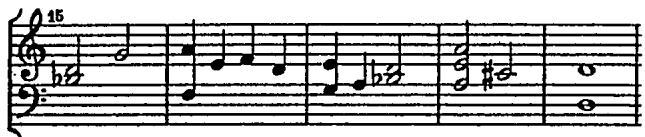
原文复述
another. It is more satisfactorily described as
中文讲解
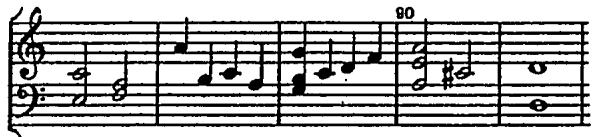
本片段以 “one another” 收束织体描述,并过渡到方法论层面的判断:“It is more satisfactorily described as”。作者明确表示对"模仿"这一标签不满意,并准备提出一个更贴切的替代词。“more satisfactorily"是比较级兼评价性表达:这不是中性描述,而是术语上的修正建议——读者由此被引导接受作者即将给出的新名。
第8段(P0008)
原文复述
imitative sequence. Imitative writing more akin to
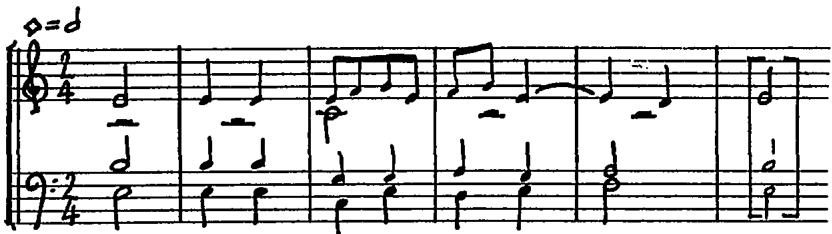
中文讲解
本片段给出作者主张的替代术语:“imitative sequence(模仿序列)"。这一命名既保留了模仿进入(八度、四度、五度)所具有的模仿性,又叠加了序列式的非重叠织体特征,因此比单独的"模仿"更精确。随后片段转向新分句 “Imitative writing more akin to”,引出一种不同的模仿写作——更接近声乐风格——为下一片段的具体作品定位做铺垫。
第9段(P0009)
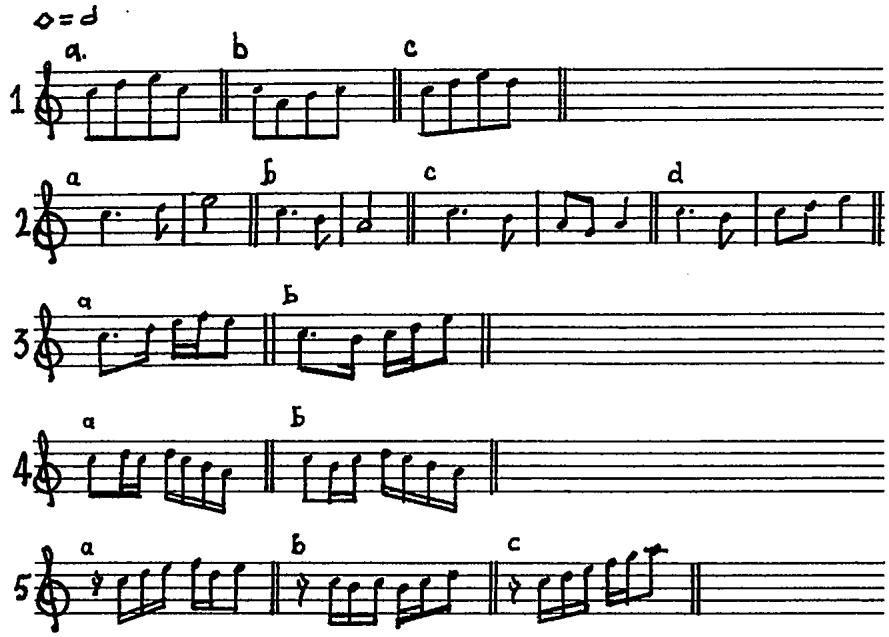
原文复述
vocal style is found in Fantasias 20, 21, and 23.
中文讲解
本片段指明真正贴近声乐风格(vocal style)的模仿写作集中出现在三首具体作品——《Fantasias》(幻想曲)第 20、21 和 23 首中。作者通过精确编号表明:其笔下作曲家绝大多数作品遵循上述"模仿序列"模式,而真正的声乐式模仿只是例外而非通例。编号方式显示这些作品出自某一有序编号的曲集(具体作曲家身份超出本节信息范围,故此处不作判定)。
💡 本节核心要点
- 作者对"模仿"这一传统标签持保留态度,以"所谓(so-called)“一词与既有术语拉开距离。
- 被称作模仿的实践被重新定性为受和声动力强烈支配的"动机重复”。
- 这种动机重复惯常使用的进入音程是模仿写作的典型音程:八度、四度与五度。
- 声部逐次进入且互不重叠,使该织体更接近转调重复而非严格的对位模仿。
- 基于以上特征,作者主张用"模仿序列(imitative sequence)“取代单纯的"模仿"称谓。
- 贴近声乐风格的真正模仿写作仅见于 Fantasias 第 20、21 与 23 首,是通例之外的例外。
🔑 关键术语
- imitation(模仿):传统术语,指一声部陈述动机后另一声部以典型音程进入进行重复;本节作者认为该术语不足以覆盖此作曲家的实际做法。
- motivic repetition(动机重复):作者用以替代"模仿"的核心描述,强调对可辨认短小乐思单元的反复呈现;其本身"强烈地"受和声动力管控。
- harmonic forces(和声动力):底层和声进行对动机重复时机的支配力量;作者借此说明该作曲家的重复选择服从和声逻辑而非旋律任意性。
- intervals of imitation(模仿音程):模仿进入时常用的音程;在本节具体指八度、四度与五度,是文艺复兴与早期巴洛克声乐复调的典型音程选择。
- imitative sequence(模仿序列):作者提出的更贴切命名,兼具模仿进入(八度/四度/五度)与声部逐次进入、互不重叠的序列式织体。
- vocal style(声乐风格):更贴近歌唱化对位的模仿写作形态;本节指出此风格仅出现在 Fantasias 第 20、21、23 首中,并非作曲家的通例。
ch_2_imitation_s2 [描述性拆分] Analysis of Milán’s Fantasias on Concept and Idiom
第1段(P0010)
原文复述
Analysis of Milán’s fantasias in terms of their
中文讲解
这是本段起首的一个不完整句子片段,作用是引出整段的论题:从「概念」(conceptual)和「习语/手法」(idiomatic)两个维度去分析Milán的fantasias,并由此揭示他的风格取向。短语 “in terms of their” 后接两个并列形容词,表示分析所依据的视角。
第2段(P0011)
原文复述
conceptual and idiomatic forces clearly indicates
中文讲解
承接上一片段,揭示这两个维度所关注的核心问题:作品中的"概念性力量"与"习语性力量”。“clearly indicates” 强调这种分析能够明确指向作者的某种风格定位,而非含糊概览。
第3段(P0012)
原文复述
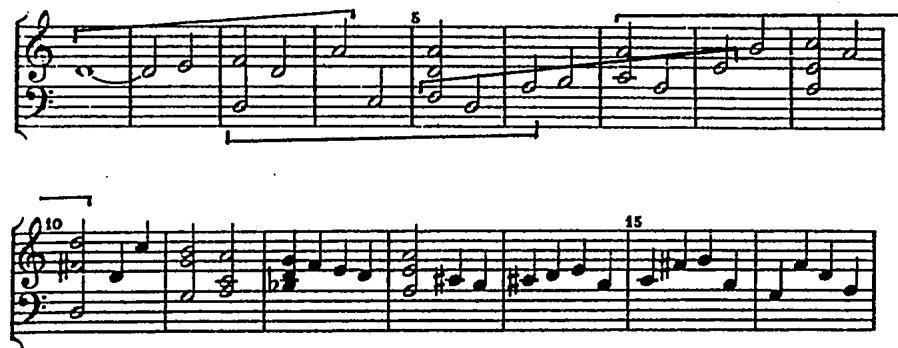
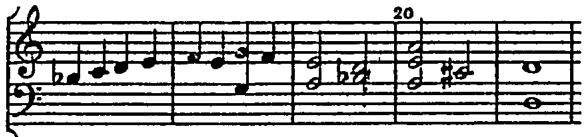
their stylistic orientation. Table 2.2 shows the
中文讲解
本句收束开头论断——分析能指向其风格取向——并过渡到表格证据:Table 2.2 即将呈现某种"分布”。作者用 “Table 2.2 shows the” 作半截引入,把读者的注意力引向即将展示的量化结果。
第4段(P0013)
原文复述
distribution of his works on the Concept parameter
中文讲解
明确Table 2.2 的内容:展示Milán各作品在 Concept(概念)参数上的分布。“Concept parameter” 在本节的分析框架中是一个特定维度,区别于下文将提到的 Idiom(习语)维度;它涉及作品是否依赖模仿、非模仿对位等概念性手法。
第5段(P0014)
原文复述
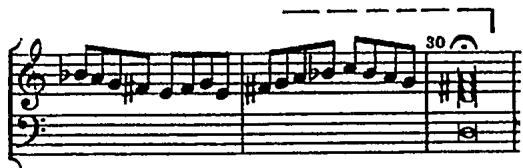
and Table 2.3 shows their components according to
中文讲解
与上一片段并列,引出第二份表格 Table 2.3;该表依据 Idiom(习语/手法)标准来拆分作品的组成成分。两个表格形成对照:一张对应 Concept,一张对应 Idiom,覆盖作者所提出的两条分析轴线。
第6段(P0015)
原文复述
the Idiom criteria. Table 2.2 shows the consistency
中文讲解
完成Table 2.3 的描述(依据 Idiom 标准),随即回转Table 2.2,引出一个新的判断:Milán 在 Concept 维度上表现出"一致性”(consistency)。“一致性"暗示其处理较为稳定,而非杂乱多变。
第7段(P0016)
原文复述
of Milán’s approach to Concept. Most of the
中文讲解
承接上文,把"一致性"具体落到"Milán对 Concept 的处理方式"上,并用 “Most of the” 引入对大多数作品的统计性描述——这是本节主要依靠量化陈述而非个别举例的写法。
第8段(P0017)
原文复述
fantasias show a low imitative content with six
中文讲解
指出主要发现之一:多数fantasias在 Concept 维度上呈现"低度的模仿内容”(low imitative content),其中有六部作品作为例外被单独列出。这种"低模仿"特征暗示Milán的风格并不主要依赖模仿手法(如卡农、严格模仿段落)。
第9段(P0018)
原文复述
works demonstrating a complete absence of imitative
中文讲解
承接上句,说明这六部作品的特殊之处:完全没有出现模仿手法(complete absence of imitative procedures)。“procedures” 指具体的模仿写作技术,如主题模仿进入、点模仿对位等,与"content"形成层级互补。
第10段(P0019)
原文复述
Non-imitative counterpoint accounts for
中文讲解
开始一个新的统计陈述:从对位角度看,“非模仿性的对位"在Milán作品中占比多少。“accounts for” 是统计表达,意味着接下来要给出占比份额。这与上一片段形成互补——既然模仿手段少,那么非模仿对位是否填补了空缺?
第11段(P0020)
原文复述
a similarly small proportion of the works.
中文讲解
完成上一句,揭示一个反直觉的发现:非模仿性对位在Milán作品中所占比例同样很小。换言之,模仿少并不意味着他就转向了非模仿对位——两者同时不占主导地位,提示读者另有一种手法才是真正的主项。
第12段(P0021)
原文复述
Accompanied melody, particularly in sequential form,
中文讲解
引出占主导地位的那一类:“带伴奏的旋律”(accompanied melody),尤其是"以序列/模进形式呈现”(in sequential form)的伴奏旋律。这里的 “sequential” 指模进式写法(sequence),即同一音型在不同音高上重复,是文艺复兴器乐常用的发展手法。
第13段(P0022)
原文复述
makes up the largest proportion of the works.
中文讲解
明确结论:带伴奏的旋律(在序列形式上尤甚)构成了Milán作品中的最大比例。结合上一片段可知——模仿与非模仿对位都只占小份额,而"伴奏旋律"才是真正的核心类别。
第14段(P0023)
原文复述
Milán’s imitative sequences, a highly individual
中文讲解
开始一个插入性说明:Milán的"模仿性序列”(imitative sequences)被视为他风格中"高度个性化"的部分。这里"imitative sequences"指的是模仿进入与模进手法并用的段落;作者用 “highly individual” 强调这种处理具有Milán独特的个人印记。
第15段(P0024)
原文复述
part of his style, have been included in this
中文讲解
承接上一片段,告知读者这些具有个人色彩的"模仿性序列"在分类上被归入哪一类——这关系到Table 2.2 的统计口径。作者有意把"模仿"性质的段落算入"伴奏旋律"类别,反映出他对 Concept 与 Idiom 的归类逻辑。
第16段(P0025)
原文复述
category. His use of unaccompanied melody is
中文讲解
完成上一句的分类说明,并把论点转向另一类手法——“无伴奏旋律”(unaccompanied melody)。这是vihuela(西班牙六弦吉他族乐器)独奏曲中相当独特的一类:仅有单声部旋律,没有内声部和声填充。
第17段(P0026)
原文复述
greater than any other vihuelist and appears most
中文讲解
给出比较性论断:Milán对无伴奏旋律的运用,超过了同时代任何其他vihuelist。“any other vihuelist” 说明这是横向比较(Milán与其他vihuela作曲家之间),从而凸显Milán在这一手法上的突出地位,并暗示接下来要说明这种手法出现的语境。
第18段(P0027)
原文复述
significantly in the idiomatic works.
中文讲解
承接上一句,限定这种突出表现的出现场合:主要、最显著地出现在Milán的"idiomatic works”(习语性作品,即充分发挥vihuela乐器特性的作品)中。这与Concept维度形成对照——无伴奏旋律是Idiom维度的典型体现。
第19段(P0028)
原文复述
A greater diversity of approach is reflected in
中文讲解
段落进入新的论题:与 Concept 维度上的"一致性"形成对照,作者指出在"织体类型”(textural types)方面呈现出"更大的多样性”(greater diversity)。这一对比暗示Idiom维度比Concept维度更为多变。
第20段(P0029)
原文复述
Milán’s textural types. Nearly half his works are
中文讲解
承接上句,把"更大的多样性"落到具体数据:Milán的作品中,“将近一半”(nearly half)由某种特定织体构成。“Nearly half” 是一个粗略但具有标志性的统计阈值,说明这种织体在数量上举足轻重。
第21段(P0030)
原文复述
built from highly contrasting textures. This is
中文讲解
完成上句,指出将近一半的作品由"高度对比的织体”(highly contrasting textures)构成——即同一首作品内部不同段落之间织体差异显著。最后的 “This is” 是一个未完结的开头,预示下文将进一步阐释这一现象的意义,本节止于此处。
脚注 / 边栏 / 图表 / 附加信息(如有)
本节为单一页内容,未见脚注、图示说明或边栏;正文提到的Table 2.2 与Table 2.3 是该书后文表格,本节文字本身未给出表格内具体数字,仅以统计性陈述引用其结论。
💡 本节核心要点
- 本节以「概念」(Concept)和「习语」(Idiom)两个维度作为分析框架,分别由Table 2.2 和Table 2.3 提供统计支持。
- 在Concept维度上,Milán的处理具有一致性:模仿内容低(且六部作品完全无模仿),非模仿对位占比同样小。
- 占主导的并非对位类手法,而是「带伴奏的旋律」(尤其是模进形式);Milán的"模仿性序列"也被归入这一类,并被作者标为其风格中"高度个性化"的部分。
- Milán对"无伴奏旋律"的使用超过同时代任何其他vihuelist,且最显著地出现在idiomatic作品中,体现他在Idiom维度上的突出取向。
- 在织体类型方面Milán呈现更大的多样性——将近一半的作品由"高度对比的织体"构成,这与Concept维度上的"一致性"形成对照,提示读者Idiom维度比Concept维度更为多样。
🔑 关键术语
- Concept (parameter):本节分析框架中的一维,指作品在概念层面所依赖的写作手法类别(如模仿、非模仿对位、伴奏旋律等);对应Table 2.2 的统计分布。
- Idiom (criteria):本节分析框架中的另一维,指作品如何发挥vihuela乐器自身的演奏与织体特性;对应Table 2.3 的拆分。
- Imitative content / procedures:作品中所含的模仿性写作内容或具体模仿技术(如卡农、点模仿进入);本节显示Milán此方面较弱。
- Non-imitative counterpoint:不使用模仿进入的对位写法;本节显示其在Milán作品中占比同样很小。
- Accompanied melody (sequential form):带伴奏的旋律写法,尤其是以模进/序列方式发展的伴奏旋律;本节指其为Milán作品中占比最大的类别。
- Imitative sequences:模仿进入与模进/序列手法并用的段落;本节将它们归入"伴奏旋律"类别,并认为是Milán风格中高度个性化的部分。
- Unaccompanied melody:无内声部和声填充的纯单声部旋律写法;本节指Milán对它的运用超过任何其他vihuelist。
- Vihuelist:为vihuela(六弦弹拨乐器,西班牙文艺复兴时期与吉他同族)作曲或演奏的人;本节用作Milán与其他作曲家的横向比较对象。
- Textural types / highly contrasting textures:作品内部织体的类型及其对比程度;本节指出将近一半Milán作品由高度对比的织体构成,体现Idiom维度上的多样性。
ch_2_imitation_s3 [描述性拆分] Table 2.2 and Textural Density
第1段(P0031)
原文复述
TABLE 2.2
中文讲解
本段为第二章的第二个表格标题(TABLE 2.2),是前一页讨论的延展表格,本页开始详细叙述该表所揭示的音乐织体密度特征。
第2段(P0032)
原文复述
This paragraph explains that textural density in Milán’s tablature is reflected in nineteen works that reveal extremes of texture, which are predominantly the works of the consonancias y redobles. The works of consistent texture predominantly use three-voice textures. Four of the easy works presented early in El Maestro show a predominance of two-part writing, and only two, nos.27 and 37, are predominantly a4. Despite a strong instrumental inclination, no five or six-voice chords occur in Milán’s tablature. The possibility of writing chords which could be strummed is something which he avoids in favour of the four-voiced textures of contemporary vocal polyphony. His only gestures in this direction occur in Fantasia 16 and Tentos 2 and 3 where there are the brief passages of arpeggiation shown in the table. The fantasias show a proportionally high incidence of homophony, figuration, and accompanied melody. These three qualities are particularly characteristic of Milán’s idiomatic concern. His didactic intentions are reflected in the gradual movement towards more difficult works shown in the assessment of performance difficulty. The success with which he realizes his intentions, and creates attractive, effective works is mirrored in the scores for the final category.
中文讲解
本段紧接表2.2的标题,归纳米兰作品织体密度的几个核心发现:(1)十九首作品呈现织体极端化的倾向,且多为consonancias y redobles(延音与颤音交替风格)作品;(2)稳定织体的作品以三声部为主;(3)El Maestro开头的简易作品中,四首以二声部写法为主,仅第27和37首以四声部为主;(4)米兰即便有强烈的器乐倾向,也未使用五或六声部和弦——这与可扫弦的拨弦乐器传统不同,他倾向于当时声乐复调的四声部织体;(5)仅在Fantasia 16和Tento 2、3中以短暂琶音片段作试探性处理;(6)幻想曲中同音齐唱(homophony)、音型化(figuration)和带伴奏的旋律(accompanied melody)比例特别高,体现其器乐习语取向;(7)其教学意图(难度循序渐进)与最终类别的评分共同反映作品的艺术成功度。
这些发现的意义在于:米兰在器乐语境下刻意保持声乐化的四声部织体,体现了他作为声乐复调作曲家对器乐传统的继承;同时他对homophony、figuration和accompanied melody的偏好,则明显带有器乐思维——这正是其风格的独特混合。
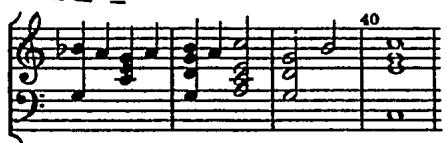
补充说明
“consonancias y redobles”与“tañer de gala”均为vihuela演奏术语,指一种华丽演奏风格,特征是延音和弦与快速反复音(redoble)的交替使用。
第3段(P0033)
原文复述
Improvisation
中文讲解
本段为章节小标题,开启对米兰作品即兴性(Improvisation)的讨论。这是从织体密度走向作品生成机制的过渡——接下来作者要论证米兰的音乐并非严格意义上的作曲,而更多源于一种积累性即兴创作。
第4段(P0034)
原文复述
Milán’s fantasias reveal a pragmatic approach
中文讲解
本段是过渡句的左半(段首跨行),与下一段拼接形成完整句。意思是:米兰的幻想曲表现出一种对维韦拉琴及器乐艺术的实用主义态度。
第5段(P0035)
原文复述
to the vihuela and the instrumental art. This is seen in their textural clarity, their minimal reliance upon vocally based counterpoint, and prolific use of idiomatic devices. His music suggests a style based on improvisation from an accumulated stock of formulae. The improvisatory basis of Milán’s style has been discussed by Ward who likens him to the Italian
中文讲解
本段(与P0034合并阅读)阐述米兰风格的三层证据:织体清晰、对声乐复调的依赖极低、大量使用器乐习语。由此推断其风格基于"积存公式库"的即兴式创作。Ward曾将米兰与意大利某位作曲家类比(脚注27指向Ward V, p.248,即Ward’s Music for the Elizabethan Lute等参考文献)。
关键概念是"formulae(公式/套式)"——指米兰反复使用的、带有个人特征的音型、终止式、和声进行等可复用单元。这种"即兴=选择与组合公式"的创作观将贯穿接下来的讨论。
补充说明
“Ward”即John M. Ward,20世纪重要的维韦拉琴与琉特琴研究者。其著作是本论文的重要参考文献体系。
第6段(P0036)
原文复述
MILAN : TEXTURAL TYPES (IDIOM)
中文讲解
本段是表注或图注,说明接下来要呈现的是按习语(idiom)维度对米兰织体类型的统计。这是表2.1(作品难度)、表2.2(声部数)和表2.3中关于器乐习语维度数据的图表说明。
第7段(P0037)
原文复述
The improvisatory and spontaneous character of Milán’s music reveals itself in several ways. It is seen in the consonancias and redobles of the tañer de gala works, in the loose structures of all his fantasias, and their rapid succession of short-lived ideas. The recurrence of material, often fragmentary, in many works also appears related to improvisation. It would seem that Milán accumulated a stockpile of polyphonic complexes, themes and motives, chord progressions, cadences, as well as more abstracted formulae for processing melodic material. This stockpile, it appears, provided him with a basis for improvisatory composition. Milán’s reservoir of devices is highly individual, containing formulae which bear little resemblance to the music of any other instrumental composer. Its
中文讲解
本段系统列出米兰即兴性的具体表现:(1)tañer de gala作品中的consonancias与redobles;(2)幻想曲松散的结构;(3)短小构思的快速交替;(4)片段化材料的反复出现。作者由此推断米兰拥有一个"积存库(stockpile)",包含复调组合、主题动机、和弦进行、终止式及处理旋律的抽象公式。这些构成了他即兴式作曲的基础。
重要的是这一积存库的"高度个性化"——与其他器乐作曲家鲜有共同点。这意味着米兰不是继承一种共享的器乐传统,而是自行积累了一套个人化的创作资源。
补充说明
“tañer de gala”是一种特定演奏风格术语,强调华丽、技术性强的演奏方式。
第8段(P0038)
原文复述
$^{27}$ Ward V, p.248.
中文讲解
脚注27:Ward著作第V部分第248页。这是P0035中"Ward who likens him to the Italian"的支持性引证来源。
第9段(P0039)
原文复述
idiomatic derivation is obvious. The individuality of Milán’s stockpile significantly distinguishes his music from that of the other vihuelists who together share a common stock of thematic ideas.
中文讲解
本段(与P0037合并阅读)完成前段论述:米兰积存库的"习语派生(idiomatic derivation)“是显然的——其个性化特征使他的音乐与其他维韦拉作曲家形成显著对比,因为其他维韦拉作曲家之间共享一套共同的主题素材库。
这一对比揭示了16世纪维韦拉乐派的内部结构:除米兰外,其他维韦拉作曲家(可能指Narváez、Fuenllana、Valderrábano、Daza、Mudarra等)之间存在大量共享主题素材的"共同曲目”,而米兰是个例外。这为米兰风格的独特性提供了社会学维度的证据。
第10段(P0040)
原文复述
A polyphonic complex which appears to have been part of Milán’s stockpile occurs at the beginning of Fantasia 1:
中文讲解
过渡句,引出下文具体例证。作者即将举Fantasia 1开头的复调组合(polyphonic complex)作为积存库元素的实例。
第11段(P0041)
原文复述

中文讲解
乐谱占位符:例2.4,米兰《Fantasia 1》第1-19小节。该片段呈现米兰积存库中的一个复调组合。需查看原谱以获取具体音高与节奏细节。
第12段(P0042)
原文复述

中文讲解
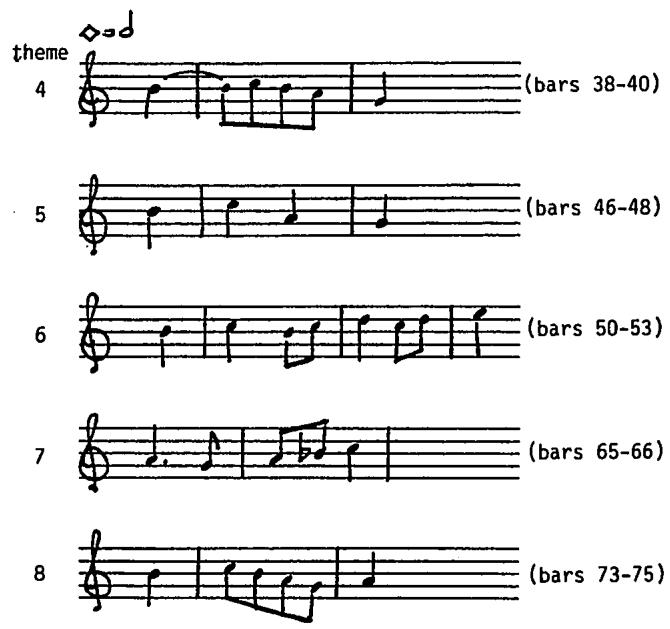
乐谱占位符,第6页图像。位置紧接Ex.2.4,为该例的延续或附加谱例。需查看原图。
第13段(P0043)
原文复述
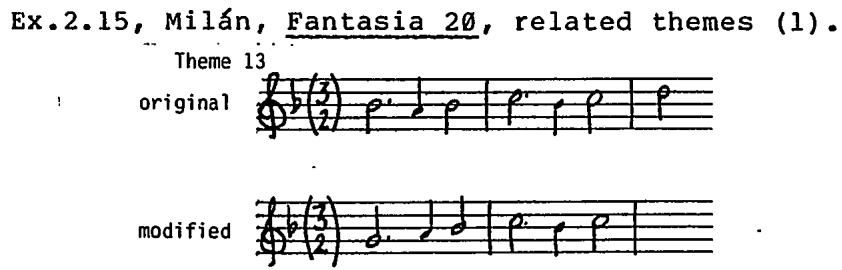
中文讲解
图注说明:同一复调组合以变体形式(paraphrased form)再次出现在《Fantasia 11》中。
第14段(P0044)
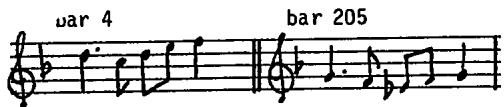
原文复述

中文讲解
乐谱占位符:例2.5,米兰《Fantasia 11》第80-91小节,展示前述同一组合在Fantasia 11中的变体再现。需查看原谱。
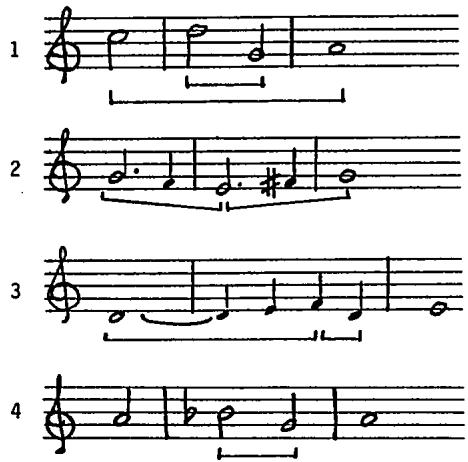
第15段(P0045)
原文复述
中文讲解
乐谱占位符,第6页图像,紧接Ex.2.5,为该例的延续或附加谱例。需查看原图。
第16段(P0046)
原文复述
Example 2.4 comprises two cadentially separated phrases: bars 1-9 and 10-19, each based on a different thematic cell although sharing the common interval of the minor third. The third statement of the first motive is delayed one compás in Ex.2.5. Thereafter, the former material is abbreviated and the two passages conclude with variants of the same cadence. The differences between these two passages highlight the manner in which the same material could serve as a germinal idea and, through improvisation, could develop differently.
中文讲解
本段分析两例乐谱的核心内容:例2.4(《Fantasia 1》第1-19小节)包含两个以终止式分隔的乐句(1-9和10-19小节),虽基于不同主题细胞,但共享小三度音程。例2.5中第一个动机的第三次陈述延迟了一个compás(小节单位)。此后材料被缩减,两段以同一终止式的变体结束。
关键论点:两段之间的差异——一个动机可作为"萌芽意念(germinal idea)",通过即兴发展成不同形态。这直接证明了作者关于米兰"公式积存+即兴展开"的创作观。
补充说明
“compás”指vihuela记谱法中的时间单位;有时被英译为measure(小节)。
第17段(P0047)
原文复述
Less varied than the complex discussed are the cadential formulae which permeate Milán’s works. They too must surely spring from a stockpile. The most idiosyncratic of them is a Phrygian cadence which Milán elevates to thematic status in the second of his pavanas.
中文讲解
本段论述米兰的终止式公式。与前述复调组合相比,终止式公式的变体更少,因此必定源于同一积存库。其中最具个性的是弗里几亚终止式(Phrygian cadence),米兰在第二首帕凡舞曲中将其提升为主题地位。
Phrygian cadence作为终止式公式是16世纪西班牙音乐的典型特征;将其"主题化"是米兰的特殊用法。
补充说明
“Phrygian cadence(弗里几亚终止式)”指终止于弗里几亚调式主音的终止式,特征是从主音上方半音下行到主音,构成iv-V(或IV-V-I)进行,是16世纪西班牙音乐的核心特征。
第18段(P0048)
原文复述
中文讲解
乐谱占位符:例2.6,米兰《Pavana 2》第1-5小节。该例展示前述弗里几亚终止式被提升为主题地位的实例。需查看原谱。
第19段(P0049)
原文复述
This formula recurs in several fantasias, including nos.2 (b.75-78), 9 (b.117-21, 124-27), 11 (b.37-43), 12 (b.14-17), and 26 (b.96-99). Several other less distinguished cadences recur throughout Milán’s works in the same way.
中文讲解
本段为前述弗里几亚终止式公式提供传播谱系证据:它在多首幻想曲(2、9、11、12、26)的具体小节位置反复出现。作者还补充说明其他不太突出的终止式也以同样方式贯穿米兰作品。
通过罗列具体小节位置,作者展示了终止式公式在米兰作品中的"流通网络"——这是积存库实际运作方式的具体表现。
第20段(P0050)
原文复述
Several motivic figures appear in the fantasias of El Maestro with great frequency. These can be safely attributed to Milán’s stockpile of devices. Most frequent are the figures shown in Example 2.7, as well as their many variants. The variant forms are usually built from the same rhythmic configurations with minor pitch discrepancies, or are extended into slightly longer forms. They are used in imitation, sequences, or are incorporated into free passage work. They are transposed to the same initial pitch in the example.
中文讲解
本段引入例2.7:El Maestro幻想曲中以极高频率出现的几个动机音型,可被安全地归于米兰的积存库装置。变体通常保留相同节奏配置,仅在音高上有微小差异,或延伸为更长的形态。它们的用法包括模仿、序列或融入自由段落。例2.7中所有动机均转调到同一初始音高以便比较。
这一观察与终止式分析共同构成"积存库"理论的实证基础——通过统计出现频率来识别真正属于米兰"个人词汇"的音型。
第21段(P0051)
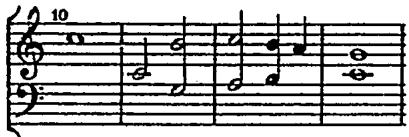
原文复述
Ex.2.7, Milan, Recurrent motives.
中文讲解
图注:例2.7,米兰,常见动机集合。
第22段(P0052)
原文复述
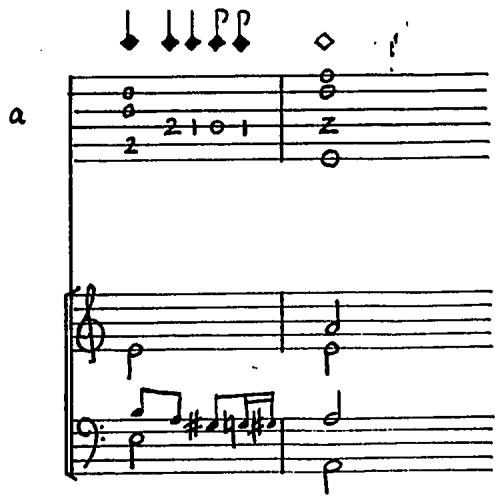
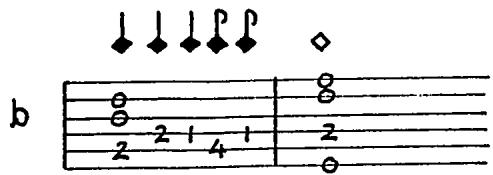
中文讲解
乐谱占位符,第8页图像,展示例2.7的具体音型谱例。需查看原图。
第23段(P0053)
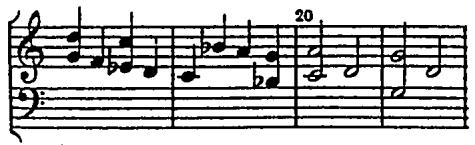
原文复述
Form Milán’s fantasias are conglomerate structures. They are assemblages created spontaneously in performance time, and have no predetermined
中文讲解
本段开启新的二级小标题"Form(曲式)"。作者先提出核心论点:米兰的幻想曲是"聚合式结构(conglomerate structures)"——在演奏时间内即兴拼装的组合体,没有预定……(跨行,续下段)。
第24段(P0054)
原文复述
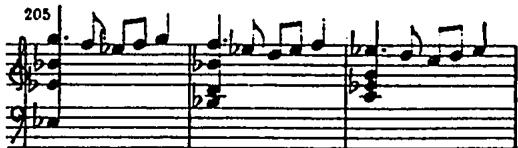
structural obligation besides ensuring their own
中文讲解
与上段拼接。意思是这些组合体除了确保自身的……之外,没有其他结构义务。
第25段(P0055)
原文复述
coherence and self-sufficiency.
中文讲解
与P0053-P0054合并阅读:这些组合体除了确保自身的连贯性(coherence)和自足性(self-sufficiency)外,没有其他结构义务。
这是对米兰幻想曲曲式本质的关键定义:“自足"意味着每个作品独立完整;“连贯"是最低限度的内在约束。
第26段(P0056)
原文复述
Great diversity is
中文讲解
跨行片段。完整句:尽管外在形态展现巨大多样性(续下段)。
第27段(P0057)
原文复述
exhibited in their external form, yet they reveal
中文讲解
续:尽管外在形态展现巨大多样性,但它们揭示……
第28段(P0058)
原文复述
patterns of construction which relate them to a
中文讲解
续:……一种中心结构模型相关的构造模式。
至此形成核心论点:表面多样性 vs 内在统一模式。这种"多样中的一致"是即将展开的"三段式模型"的引入。
第29段(P0059)
原文复述
Each of the episodes from which the fantasias
中文讲解
新句起始。意思是:构成幻想曲的每一个段落(episode)通常……(续下段)。
第30段(P0060)
原文复述
are assembled is usually devoted to a single
中文讲解
续:通常致力于一个单一的主题或织体意念。
第31段(P0061)
原文复述
thematic or textural idea, and separated from the
中文讲解
续:……一个单一的主题或织体意念,并与下一段落……
第32段(P0062)
原文复述
next by a cadence. The episodes of the fantasias of
中文讲解
续:……由一个终止式分开。consonancias y redobles类型幻想曲的段落……
第33段(P0063)
原文复述
consonancias y redobles are also frequently
中文讲解
续:consonancias y redobles类型幻想曲的段落还经常……
第34段(P0064)
原文复述
separated by a fermata on the closing consonance.
中文讲解
续:……由结束协和音上的延长记号(fermata)分隔开。
这里提出段落分离的两种机制:终止式(cadence)和延长记号(fermata)。这是段落划分的具体形式特征。
第35段(P0065)
原文复述
Episodes normally vary in length between fifteen and
中文讲解
新信息:段落长度通常在……之间变化。
第36段(P0066)
原文复述
forty bars of tablature.
中文讲解
续:段落长度通常在15到40小节(按tab记谱)之间。
这是一个具体数字限定,对"段落长度范围"做了精确描述,为接下来讨论结构模型提供尺度参照。
第37段(P0067)
原文复述
Most of Milán’s fantasias appear to be
中文讲解
新句起始。意思是:米兰大多数幻想曲似乎都是……
第38段(P0068)
原文复述
conceived in terms of a loosely-definable tripartite
中文讲解
续:……以一种可大致定义的三部式(tripartite)模型构思的……
第39段(P0069)
原文复述
model, which itself appears to be a product of
中文讲解
续:……这一模型本身也似乎就是即兴式作曲的产物。
这里首次提出关键概念:三部式模型,且该模型本身就是即兴过程的产物——也就是说,它不是预设的"曲式理论”,而是作曲家即兴实践中自然形成的结构惯性。
第40段(P0070)
原文复述
improvisatory composition. The works display some
中文讲解
续:作品在其开头、中部和结尾段落展现某种……
第41段(P0071)
原文复述
degree of consistency in their opening, middle, and
中文讲解
续:……一致性程度。
第42段(P0072)
原文复述
closing episodes. After beginning with attentively
中文讲解
续:在以精心构思的主题和过程开始之后,幻想曲……
第43段(P0073)
原文复述
considered themes and processes, the fantasias
中文讲解
续:……在以精心构思的主题和过程开始之后。
第44段(P0074)
原文复述
dissolve increasingly into spontaneous improvisation
中文讲解
续:……越来越陷入公式库的自发即兴中……
第45段(P0075)
原文复述
of stock formulae, and are terminated by another
中文讲解
续:……以另一种或多或少的标准程序结束。
第46段(P0076)
原文复述
more or less standard procedure. The works usually
中文讲解
续:作品通常以逐渐减少对声乐派生……
第47段(P0077)
原文复述
unfold with decreasing reliance on vocally derived
中文讲解
续:……装置的依赖来展开。
第48段(P0078)
原文复述
devices. The model is a constructional framework and
中文讲解
续:模型是一个构造框架,它的划分……
第49段(P0079)
原文复述
its divisions are independent of the inner dramatic
中文讲解
续:……独立于赋予音乐外在形态的内在戏剧性张力。
第50段(P0080)
原文复述
tensions which give the music its external shape.
中文讲解
本句(与P0078合并)说明三部式模型与戏剧性张力的关系:模型作为构造框架,其划分与内在戏剧性张力是独立的。
这是关键的方法论区分:曲式模型(外部分段)≠ 戏剧性张力结构(动态起伏)。两者是不同维度的结构力。
第51段(P0081)
原文复述
Because it is a highly generalized model, examples
中文讲解
新句起始:由于这是一个高度概括的模型,因此……
第52段(P0082)
原文复述
can also be found that only partially identify with it. These exceptional works, however, usually contain two of the constituent parts.
中文讲解
续:……也存在仅部分符合该模型的实例。然而这些例外作品通常仍包含两个组成部件。
这表明三部式是"松散可定义"的:完整三段、缺一段、缺两段(仅含两段)的变体均可能存在。这种灵活性是"高度概括模型"的本质特征。
第53段(P0083)
原文复述
Opening episodes are usually composed as
中文讲解
新小主题开始:开头段落通常被……
第54段(P0084)
原文复述
imitation or as idiomatic complexes which combine a
中文讲解
续:……作为模仿或结合多种装置的习语组合体构成。
第55段(P0085)
原文复述
number of devices. Broad phrases characterize these
中文讲解
续:宽广的乐句是这些段落的特征。
第56段(P0086)
原文复述
sections. Compared with other episodes, they show
中文讲解
续:与其他段落相比,它们展现……
第57段(P0087)
原文复述
greater distance between cadences, a slower rate of
中文讲解
续:……终止式之间的间距更大,和声变化速率更慢……
第58段(P0088)
原文复述
harmonic change with strong reinforcement of tonic
中文讲解
续:……对主音和声的有力巩固。
第59段(P0089)
原文复述
harmony, and a minimal use of short repetitive
中文讲解
续:……对短小反复动机的极简使用。
第60段(P0090)
原文复述
motives. Central sections are usually the longest
中文讲解
续:中部段落通常是最长的,由若干更短的段落组成。
第61段(P0091)
原文复述
and made up of a number of shorter episodes.
中文讲解
本句完成中部段落特征:最长,由若干更短段落组成。
第62段(P0092)
原文复述
Episodes are characteristically built from brief
中文讲解
续:这些段落的特征是由简短动机构成……
第63段(P0093)
原文复述
motives in imitation, imitative sequence or
中文讲解
续:……模仿、模仿序列或序列中的简短动机。
第64段(P0094)
原文复述
sequence. Each cadentially distinct episode is
中文讲解
续:每个有独立终止式的段落通常基于……
第65段(P0095)
原文复述
usually based on a single theme. Scale passages,
中文讲解
续:……单个主题。音阶段落、同音齐唱和自由对位……
第66段(P0096)
原文复述
homophony, and free counterpoint also occur in
中文讲解
续:……也出现在中部段落。
第67段(P0097)
原文复述
central sections, and several works additionally
中文讲解
续:若干作品还加入了三拍子段落。
第68段(P0098)
原文复述
incorporate episodes in triple metre. Final
中文讲解
续:结尾段落以三种方式区别于其他段落。
第69段(P0099)
原文复述
episodes distinguish themselves in three ways: they
中文讲解
续:结尾段落以三种方式区别于其他段落:它们……
第70段(P0100)
原文复述
are seldom imitative, phrases are frequently longer
中文讲解
续:……很少是模仿性的,旋律长度常比中部段落更长……
第71段(P0101)
原文复述
than in middle episodes, and the entire episode is
中文讲解
续:……整个段落通常被重复以给出结束感。
第72段(P0102)
原文复述
usually repeated in order to give a sense of
中文讲解
续:……整个段落通常被重复以给出结束感。
第73段(P0103)
原文复述
finality. A short coda is frequently added. The
中文讲解
续:……结尾感。短小的coda经常附加。
第74段(P0104)
原文复述
following discussion examines the properties which
中文讲解
续:……以下讨论检视了……
第75段(P0105)
原文复述
characterize the opening and closing episodes of the
中文讲解
续:……特征化幻想曲开头和结尾段落的特性……
第76段(P0106)
原文复述
fantasias, their structural organization and means
中文讲解
续:……其结构组织和统一手段。
第77段(P0107)
原文复述
of unification. The diverse material which
中文讲解
续:构成中部段落的多样化材料……
第78段(P0108)
原文复述
comprises the central episodes forms the basis of
中文讲解
续:……构成下一节米兰音乐语言讨论的基础。
第79段(P0109)
原文复述
the discussion of Milán’s musical language,
中文讲解
续:……从第98页开始的米兰音乐语言讨论。
第80段(P0110)
原文复述
commencing on page 98. They account for the largest proportion of the fantasias, and constitute Milán’s most typical style.
中文讲解
续:……它们占幻想曲最大比例,构成了米兰最具代表性的风格。
本段(与P0103合并阅读)结束对三段式模型的总体描述,并预告后续讨论结构:先详细分析首尾两段(因特征更典型),中部段落则因其多样性延后到"音乐语言"一章专门讨论,因为它是米兰"最典型风格"的所在——这一安排本身就揭示了中部在作品中的核心地位。
第81段(P0111)
原文复述
The first episode of Fantasia 3 typifies the imitative openings used by Milán (Example 2.8). It is built of two phrases, bars 1-13 and 13-21. The first phrase comprises four imitative statements of the initial theme in the order S-B-T-S. The climax of the phrase is in bar 10 where the superius reaches its highest note, also the upper limit of mode 1 range, and is unusually harmonized with a major triad. The phrase is concluded by a cadence on the dominant, approached by a descending superius accompanied by chords. The unusual voice crossings of the cadence are typical of Milán. The second phrase is energetic and simple; a partly imitative, two-voiced texture in shorter note values which opens out to a three-voiced cadential formula on the tonic. The two phrases of the episode thus define modal range and the harmonic polarities of tonic and dominant.
中文讲解
本段是例2.8(Fantasia 3第1-21小节)的详细分析,作为米兰"模仿性开头"的典型范例。段落由两个乐句构成:1-13小节和13-21小节。第一乐句包含四次主题的模仿陈述,顺序为S-B-T-S(女高音-男低音-男高音-女高音)。第一乐句的高潮在第10小节——superius达到其最高音,也是调式1范围的上限,且异常地使用大三和弦和声化。乐句以属音上的终止式结束,由下行superius加和弦引向。终止式中的不寻常声部交叉是米兰的典型特征。第二乐句简洁有力:部分模仿的二声部织体,音符时值较短,展开为属音上的三声部终止式。两个乐句共同界定了调式范围与主属和声两极。
这个分析的关键在于:米兰的"模仿性开头"不仅追求模仿技巧,还承担了建立调式范围与和声两极的"定调功能”。S-B-T-S的进入顺序和superius的最高音位置都不是随意的。
补充说明
“S-B-T-S”指四个声部的进入顺序:Superius(女高音)、Bassus(男低音)、Tenor(男高音)、Superius再次。vihuela作品中声部名称沿用声乐复调传统。Mode 1即多利亚调式(Dorian)。
第82段(P0112)
原文复述
中文讲解
乐谱占位符:例2.8,米兰《Fantasia 3》第1-21小节,呈现前述"模仿性开头"的典型实例。需查看原谱。
第83段(P0113)
原文复述
(Ex.2.8 contd.)
中文讲解
图注续标:例2.8的续页。
第84段(P0114)
原文复述
中文讲解
乐谱占位符,第12页图像,例2.8续页的具体谱例内容。需查看原图。
第85段(P0115)
原文复述
The opening of Fantasia 27, in mode 3 transposed to G, shows a more extended imitative technique (Example 2.9). Four repetitions of an eight-bar phrase initiate the work. The phrase is in two voices, comprising a melody with a harmonically conceived accompaniment. In the first statement, the lower part gives the root音 of the harmonic formula which is itself a dilated Phrygian cadence, and thus strongly pronounces the characteristics of the mode. The first half of the phrase is harmonized by the final, while the second half is accompanied by the cadential turn. The second statement is an octave repetition of the first. The third and fourth statements are repetitions of the first two, and声ically expanded into a stronger four-voiced texture. The two component phrases of the upper voice, bars 1-4 and 5-9 are used separately as the melodic material for the continuation of the episode from compás 32-67. Only in this second part is there any harmonic deviation from the tonal centre that is stubbornly asserted in the opening phrases.
中文讲解
本段是例2.9(Fantasia 27,开头在转调到G的调式3中)的详细分析,展示更扩展的模仿技巧:四句八小节乐句开启全曲。乐句为二声部(旋律加和声化伴奏)。第一次陈述中低声部给出和声公式的根音——该和声公式本身就是延展的弗里几亚终止式,因此强烈突出了调式特征。前半乐句由final和声化,后半乐句由终止式回旋伴随。第二次陈述是第一次的八度重复。第三和第四次陈述重复了前两次的内容,并和声地扩展为更强的四声部织体。开头乐句的两个组成乐句(1-4和5-9小节)分别作为第32-67小节段落延续的旋律材料。只有在第二部分中才有对开头顽固确立的主音中心的偏离。
关键点:Fantasia 27展示了更"扩展性"的模仿开头——四句重复而不是一句;通过和声扩展为四声部;同时利用前乐句的组成短语作为后续材料的"种子"。这种"种子化"使用是积存库式创作的进一步证据。
(注:原文中有OCR造成的少量字符错误,已根据上下文修正。)
补充说明
mode 3即弗里几亚调式(Phrygian),转调到G即为G弗里几亚,是西班牙音乐常用的调式。Final即调式的结束音(finalis),是调式的"主音"。
第86段(P0116)
原文复述

中文讲解
乐谱占位符:图中文字混入了下一段开头。展示Fantasia 11在调式1和2中的实例,并包含例2.9(Fantasia 27第1-49小节)的谱例。需查看原图。
第87段(P0117)
原文复述

中文讲解
乐谱占位符,第13页图像。需查看原图。
第88段(P0118)
原文复述

中文讲解
乐谱占位符,第13页图像。需查看原图。
第89段(P0119)
原文复述

中文讲解
乐谱占位符,第13页图像。需查看原图。
第90段(P0120)
原文复述

中文讲解
乐谱占位符,第13页图像。需查看原图。
第91段(P0121)
原文复述
example of a work whose opening is based on repetitions of a non-imitative polyphonic complex. The opening comprises two statements of the fifteen bar complex. The episode gives complete prominence to the uppermost voice of the texture which is harmonized and accompanied by the lower two, and concludes with a three bar redoble. The first statement begins on the tonal centre of D, and concludes with harmony built on A, the dominant of mode 1. The second phrase begins on G, without preparation or modulation, and returns to D. The phrases are separated by fermatas in Milán’s tablature.
中文讲解
本段描述Fantasia 11(在调式1和2中)的开头——与前两个例子(Fantasia 3和27)的"模仿性开头"形成对比,这是一个基于非模仿性复调组合重复的开头实例。开头由一个十五小节组合的两次陈述构成。段落将最高声部完全突出,由下方两声部和声化和伴奏,以三小节的redoble结束。第一次陈述从D的主音中心开始,结束于A上构建的和声(即调式1的属音)。第二次乐句在G上开始,没有预备或转调,回到D。乐句之间由米兰tab记谱中的延长记号(fermata)分隔。
这一例子展示了米兰"非模仿性开头"的另一种类型:以复调组合块(complex)的整体重复代替逐声部模仿。其和声安排(D→A,D→G→D)形成了与模仿开头不同的结构力。
第92段(P0122)
原文复述

中文讲解
乐谱占位符:例2.10,米兰《Fantasia 11》第1-30小节,展示前述非模仿性开头的复调组合。需查看原谱。
第93段(P0123)
原文复述

中文讲解
乐谱占位符,第14页图像。需查看原图。
第94段(P0124)
原文复述

中文讲解
乐谱占位符,第14页图像。需查看原图。
第95段(P0125)
原文复述

中文讲解
乐谱占位符,第14页图像。需查看原图。
第96段(P0126)
原文复述
中文讲解
乐谱占位符,第14页图像。需查看原图。
第97段(P0127)
原文复述
Final episodes also exhibit considerable variety. Repetition occurs on a large scale for example, in Fantasia 22 where bars 106-168 are an exact restatement of bars 40-101. An eight bar homophonic coda is appended to conclude the second statement. Repetition in this case involves two-thirds of the material of the work, including nine different themes. It includes material normally associated with the central episodes. $^{28}$
中文讲解
本段开启对结尾段落(Final episodes)的讨论。结尾段落也展现相当大的多样性。重复大规模出现——以Fantasia 22为例,第106-168小节是第40-101小节的精确重述。一个八小节的同音齐唱coda被附加在第二次陈述之后以结束。这种重复涉及全曲三分之二的材料,包括九个不同主题,还包含通常与中部段落相关的材料。
这是结尾段落的极端例子:用大段落重复作为结束手段。值得注意的是,重复材料包括"通常与中部段落相关"的内容——说明米兰结尾段落可以"回收"中部材料。
第98段(P0128)
原文复述
$^{28}$ Schrade M, pp.125-31; Jacobs M, pp.96-100.
中文讲解
脚注28:Schrade M,第125-131页;Jacobs M,第96-100页。这是对Fantasia 22分析的相关参考文献。
(注:“Schrade M"和"Jacobs M"均为学者姓氏首字母+名首字母的标准学术引用格式;Schrade即Leo Schrade,Jacobs即Charles Jacobs,均为重要的vihuela/El Maestro研究者。)
第99段(P0129)
原文复述
Fantasia 32 has a concluding episode of more
中文讲解
新例起始:Fantasia 32有一个更……
第100段(P0130)
原文复述
typical proportions. $^{29}$ A twenty-bar phrase, bars
中文讲解
续:……更典型长度的结尾段落。一个二十小节乐句,bars……
第101段(P0131)
原文复述
188-207, is repeated from bars 208-27, followed by a
中文讲解
续:……188-207小节,从208-27小节重复,后面接一个……
第102段(P0132)
原文复述
coda of another three bars. This final section is
中文讲解
续:……另外三小节的coda。这个最后的段落……
第103段(P0133)
原文复述
one of the few, however, which use imitation as a
中文讲解
续:……却是少数使用模仿作为重要元素的最后段落之一。
第104段(P0134)
原文复述
significant component. Fantasia 1 has a shorter
中文讲解
续:Fantasia 1有更短的结尾……
第105段(P0135)
原文复述
conclusion, representative of the type found in the
中文讲解
续:……代表短幻想曲中发现的类型。
第106段(P0136)
原文复述
shorter fantasias. $^{30}$ The phrase given in bars 75-78
中文讲解
续:75-78小节的乐句……
第107段(P0137)
原文复述
is repeated in 79-82 with an added three-bar coda.
中文讲解
续:……在79-82小节重复,附加一个三小节coda。
第108段(P0138)
原文复述
Whereas the conclusion of Fantasia 1 is an
中文讲解
续:尽管Fantasia 1的结尾是一段……
第109段(P0139)
原文复述
accompanied melody, Fantasia 6 concludes with a
中文讲解
续:……带伴奏的旋律,Fantasia 6以同音齐唱段落结束。
第110段(P0140)
原文复述
homophonic passage. The chord sequence of bars 131-
中文讲解
续:131-140小节的和弦序列……
第111段(P0141)
原文复述
140 is repeated from 141-151 with a slightly
中文讲解
续:……从141-151小节重复,有略微……
第112段(P0142)
原文复述
modified final cadence. The conclusion of Fantasia
中文讲解
续:……修改的最终终止式。Fantasia的结尾……
第113段(P0143)
原文复述
38 is exceptional in that it has a threefold
中文讲解
续:……38例外,因为它有三重的……
第114段(P0144)
原文复述
repetition of its final phrase: bars 210-215, 215-
中文讲解
续:……最终乐句重复:第210-215、215-220、220-225小节……
第115段(P0145)
原文复述
220, 225 plus two added bars of coda. Fantasia
中文讲解
续:……加上附加的两小节coda。Fantasia……
第116段(P0146)
原文复述
26 has no sectional repetition, only eight bars of
中文讲解
续:……26没有段落重复,只有八小节……
第117段(P0147)
原文复述
free homophony.
中文讲解
续:……自由同音齐唱。
本段(P0129-P0147汇总)通过Fantasia 32、1、6、38、26等多个例子展示结尾段落的多样性:从二十小节乐句重复(Fantasia 32)→ 短小的四小节加coda(Fantasia 1)→ 同音齐唱段落重复(Fantasia 6)→ 三重重复(Fantasia 38)→ 完全无重复的自由同音齐唱(Fantasia 26)。这种变体序列既证明"结尾段落"概念的灵活性,也展示米兰为达到"结束感"可采用的不同手段。
第118段(P0148)
原文复述
Most of Milán’s fantasias conform in some way
中文讲解
新句起始:米兰大多数幻想曲以某种方式……
第119段(P0149)
原文复述
to the model outlined above, although their variety
中文讲解
续:……符合前述模型,尽管其多样性……
第120段(P0150)
原文复述
is great. This is firstly due to the many textures
中文讲解
续:……是巨大的。这首先是因为他手头有许多……
第121段(P0151)
原文复述
and devices which he had at his disposal. It is
中文讲解
续:……织体和装置。其次依赖于……
第122段(P0152)
原文复述
secondly dependent upon the length of each fantasia;
中文讲解
续:……每首幻想曲的长度……
第123段(P0153)
原文复述
the number of episodes from which it is assembled,
中文讲解
续:……其组成的段落数量……
第124段(P0154)
原文复述
and the sequence in which they occur. As Milán’s
中文讲解
续:……以及它们出现的顺序。由于米兰的……
第125段(P0155)
原文复述
episodes are of fairly constant length, there is an
中文讲解
续:……段落长度相当恒定,因此……
第126段(P0156)
原文复述
$^{29}$ Schrade M, pp.248-55; Jacobs M, pp.191-95.
中文讲解
脚注29:Schrade M,第248-255页;Jacobs M,第191-195页。这是P0129中Fantasia 32分析的相关参考文献。
第127段(P0157)
原文复述
$^{30}$ Schrade M, pp.2-7; Jacobs M, pp.33-35.
中文讲解
脚注30:Schrade M,第2-7页;Jacobs M,第33-35页。这是P0135中Fantasia 1分析的相关参考文献。
第128段(P0158)
原文复述
Milán sometimes varies the basic tripartite model by the irregular interpolation of episodes. Fantasia 16, for example, begins unusually with approximate correlation between the length of a work and the number of episodes it comprises. Even in the longer works where a greater number of episodes permits greater flexibility of form, Milán generally shapes his music around characteristic expository, intermediary and terminal episodes. Fantasias 29, 32 and 36 are typical examples of this. Fantasia 29, for example, has a length of 222 bars. Its first episode of 28 bars comprises imitation of the opening theme, and is followed by 172 bars in Milán’s usual style. The conclusion of the work is less regular. The final episode, commencing at bar 200, consists of a brief redoble passage followed by a twelve bar homophonic coda which draws the work to its conclusion. Sectional repetition does not occur in the final episode but is reserved for the preceding sixth episode where it serves the identical function of heralding the work’s approaching end. In this episode, bars 142-60 are repeated as bars 166-85. The divisions of the work are shown in the following diagram.
中文讲解
本段展开对基本三部式模型的变体讨论。米兰有时通过段落的非常规插入来变化基本模型。以Fantasia 16为例,它罕见地以作品长度与所含段落数之间的大致相关性作为开始。即使在较长作品中(更多段落允许更大形式灵活性),米兰通常围绕具特征的"展示性、中介性、终止性"段落塑造音乐。Fantasia 29、32、36是典型例证。
详细分析Fantasia 29:长222小节。第一段落28小节,包含开头主题的模仿,接着172小节是米兰的常见风格。作品结尾不那么规则。最终段落从第200小节开始,由简短的redoble乐段后接十二小节同音齐唱coda构成,将作品引向结束。段落重复不出现在最终段落,而是被保留在前面的第六段落——在那里它承担"预示作品即将结束"的相同功能。在该段落中,142-60小节被重复为166-85小节。作品的分段将在下图中展示。
这一例子揭示了米兰的一个精妙手法:把"预示结束"的功能从最终段落前移到第六段落。这种"功能前移"是即兴式结构规划的灵活表现。
第129段(P0159)
原文复述
arpeggiated chords, although with the characteristic
中文讲解
段落起始片段(与下段拼接):琶音和弦,尽管具有特征性的……
第130段(P0160)
原文复述
breadth of an opening episode. After a passage of
中文讲解
续:……开头段落的特征性广度。在一段调性过渡后,中部段落……
第131段(P0161)
原文复述
tonal transition, the central episodes commence at
中文讲解
续:……从第25小节开始,通过模仿和序列展开。
第132段(P0162)
原文复述
bar 25 and proceed by imitations and sequences. The
中文讲解
续:……通过模仿和序列展开。第五段落……
第133段(P0163)
原文复述
fifth episode (b.44-59), although sequentially
中文讲解
续:……第五段落(44-59小节),尽管是序列化模仿……
第134段(P0164)
原文复述
imitative, has the strength of a concluding section,
中文讲解
续:……具有结束段落的力度……
第135段(P0165)
原文复述
created by the upward sweep of its homophonic first
中文讲解
续:……由其同音齐唱首句的上行扫动所创造……
第136段(P0166)
原文复述
phrase, and the balanced descent of the following
中文讲解
续:……以及其后序列的平衡下行所创造。
第137段(P0167)
原文复述
sequence. Milán, in fact, repeats this section to
中文讲解
续:米兰事实上重复这一段落以……
第138段(P0168)
原文复述
conclude the fantasia (bars 87-104), after having
中文讲解
续:……结束幻想曲(87-104小节),在……
第139段(P0169)
原文复述
extended it with two further episodes characteristic
中文讲解
续:……用两个进一步的段落延伸它,这些段落具中部段落的特征。
第140段(P0170)
原文复述
of the central sections. The reappearance of a
中文讲解
续:先前出现段落的重现免去了……
第141段(P0171)
原文复述
section presented earlier in the work obviates the
中文讲解
续:……免去了进一步重复的需要。
第142段(P0172)
原文复述
need for further reiteration. The work then,
中文讲解
续:这首作品因此代表了……
第143段(P0173)
原文复述
represents a variant form of the tripartite model.
中文讲解
续:……三部式模型的变体形式。
P0159-P0173整体描述Fantasia 16的具体结构作为"变体"案例:开头段落具有广度,但用琶音和弦;中部段落自25小节开始;第五段落(44-59小节)具有终止段落的功能特征(上行+平衡下行);米兰重复该段落(87-104小节)作为结束。先前段落重现避免了再次重复的必要。
这一例子的价值在于展示米兰如何"挪用"中部段落作为终止手段——打破了"展示-中介-终止"的严格顺序,体现了即兴式形式规划的自由度。
第144段(P0174)
原文复述
The preceding discussion defines the type of
中文讲解
新段落起始:前述讨论界定了……
第145段(P0175)
原文复述
material used to begin and end fantasias as the
中文讲解
续:……用于开始和结束幻想曲的材料类型……
第146段(P0176)
原文复述
basis of a formal appraisal of them. It explains in
中文讲解
续:……作为对其形式评估的基础。它部分解释了……
第147段(P0177)
原文复述
part how the music is assembled but does not tackle
中文讲解
续:……音乐是如何被组合的,但并未处理……
第148段(P0178)
原文复述
the deeper formal problems of unity, continuity and
中文讲解
续:……统一性、连贯性和发展的更深层形式问题。
第149段(P0179)
原文复述
development. Milán unifies the diverse, independent
中文讲解
续:米兰将每首作品中多样且独立的段落……
第150段(P0180)
原文复述
episodes of each work by programming them into
中文讲解
续:……通过将它们编排为具有隐含戏剧性连贯性的序列来统一。
第151段(P0181)
原文复述
sequences which have an implicit dramatic
中文讲解
续:……具有隐含戏剧性连贯性的序列。
第152段(P0182)
原文复述
continuity. Material is shaped into growth patterns
中文讲解
续:材料被塑造成增长模式,可被描述为……
第153段(P0183)
原文复述
which may be described as the ebb and flow of
中文讲解
续:……戏剧性音乐张力的潮起潮落……
第154段(P0184)
原文复述
dramatic musical tension, with discernible climactic
中文讲解
续:……具有可识别的高潮与反高潮时刻。
第155段(P0185)
原文复述
and anti-climactic moments. Milán constructed
中文讲解
续:米兰构造了……
第156段(P0186)
原文复述
fantasias whose musically unrelated episodes are
中文讲解
续:……幻想曲,其中音乐上不相关的段落……
第157段(P0187)
原文复述
combined in a thoroughly convincing way. His
中文讲解
续:……以一种完全令人信服的方式组合。他的……
第158段(P0188)
原文复述
technique is analogous to the sixteenth-century
中文讲解
续:……技巧类似于16世纪……
第159段(P0189)
原文复述
method of composing vocal polyphony with each line
中文讲解
续:……创作声乐复调的方法——每行歌词配一个新主题……
第160段(P0190)
原文复述
of text being set to a new theme, and in a new
中文讲解
续:……配以新主题,并采用新的织体配置。
第161段(P0191)
原文复述
textural configuration. Milán’s fantasias cohere by
中文讲解
续:米兰的幻想曲通过相同的力量连贯……
第162段(P0192)
原文复述
the same forces as vocal polyphony, although the
中文讲解
续:……与声乐复调相同的力量,尽管……
第163段(P0193)
原文复述
controlling role of the text is substituted by the
中文讲解
续:……文本的控制角色被……替代……
第164段(P0194)
原文复述
abstract association of components. In this
中文讲解
续:……被组件的抽象联想所替代。在这种……
第165段(P0195)
原文复述
abstraction lies their fantasy.
中文讲解
续:……抽象中蕴含着它们的fantasy(幻想性)。
P0174-P0195整体(合成完整论述)提出了一个重要的方法论类比:米兰的统一技巧类似于16世纪声乐复调——每行歌词配以新主题和新织体配置。米兰的幻想曲通过与声乐复调相同的力量连贯,但文本的角色被"组件的抽象联想"所替代。这种抽象正是米兰fantasy(幻想性)的本质所在。
这是一个深刻的论断:米兰的"幻想"不是无序,而是用抽象的内在连贯替代了文本的外在连贯。这是理解米兰风格的诗学钥匙。
第166段(P0196)
原文复述
In some of Milán’s works, the Gestalt of the
中文讲解
新段落起始:在米兰某些作品中,音乐戏剧的完形……
第167段(P0197)
原文复述
musical drama is seemingly unequivocal. Fantasias
中文讲解
续:……似乎是明确的。幻想曲……
第168段(P0198)
原文复述
12, 15 and 21 exemplify clarity of design. Fantasia
中文讲解
续:……12、15和21是设计清晰的范例。Fantasia……
第169段(P0199)
原文复述
12, for example, is not typical of the consonancias
中文讲解
续:……12例如,不是consonancias……
第170段(P0200)
原文复述
y redobles works. Its textural contrasts have
中文讲解
续:……与redobles作品的典型。它的织体对比……
第171段(P0201)
原文复述
little structural importance: they provide variety
中文讲解
续:……结构重要性不大:它们在强大的叙事连贯性中提供变化。
第172段(P0202)
原文复述
within a strong narrative continuity. Pitch and
中文讲解
续:……在强大的叙事连贯性中提供变化。音高和……
第173段(P0203)
原文复述
melodic direction are the prime elements which
中文讲解
续:……旋律方向是控制形态的主要元素。
第174段(P0204)
原文复述
control shape. The climax of the ninety-eight bar
中文讲解
续:98小节作品的高潮……
第175段(P0205)
原文复述
work occurs in bar 54, the point of highest pitch in
中文讲解
续:……发生在第54小节,幻想曲中最高音的位置。
第176段(P0206)
原文复述
the fantasia. All music preceding is directed
中文讲解
续:所有先前的音乐都朝向……
第177段(P0207)
原文复述
towards this point with ascending melodic gestures,
中文讲解
续:……这一点,以上行的旋律姿态……
第178段(P0208)
原文复述
and all material following is wrought from
中文讲解
续:……而所有后续材料则被锻造成……
第179段(P0209)
原文复述
anticlimactic, descending motives.
中文讲解
续:……反高潮的、下行的动机。
P0196-P0209汇总:米兰某些作品的音乐戏剧完形是明确的。Fantasia 12、15、21是设计清晰的范例。Fantasia 12不是consonancias y redobles作品的典型。它的织体对比结构重要性不大——它们在强大叙事连贯性中提供变化。音高和旋律方向是控制形态的主要元素。98小节作品的高潮在第54小节,即全曲最高音处。所有先前的音乐都朝向上行旋律姿态汇向该点,所有后续材料则由反高潮的下行动机构成。
这是一个极简的"黄金分割"式结构——54/98≈0.55,接近高潮点偏前的经典布置。
补充说明
“Gestalt”借用格式塔心理学概念,指"完形”——音乐作为整体被感知的结构。
第180段(P0210)
原文复述
A number of the fantasias divide into units of
中文讲解
新段落起始:一些幻想曲分成几乎等长的单元。
第181段(P0211)
原文复述
almost equal length. Fantasia 17 may be regarded as
中文讲解
续:Fantasia 17可被视为……
第182段(P0212)
原文复述
two equal dramatic units. Its 90 semibreve bars
中文讲解
续:两个相等的戏剧单元。它的90个全音符小节……
第183段(P0213)
原文复述
divide into units of 43 and 44 bars, plus a
中文讲解
续:……分成43和44小节的两个单元,加一个……
第184段(P0214)
原文复述
cadential extension of three bars. Fantasia 23
中文讲解
续:……三小节的终止式延伸。Fantasia 23……
第185段(P0215)
原文复述
consists of two analogous programmes set out in the
中文讲解
续:……由两个类似方案组成,按下表设置……
第186段(P0216)
原文复述
following scheme: $^{31}$
中文讲解
续:……如下方案……
(注:脚注31提示Ward对该作品的分析从"完全不同的视角"出发。)
第187段(P0217)
原文复述
$^{31}$ Ward V, pp.250-52, presents an analysis of this work from a vastly different perspective.
中文讲解
脚注31:Ward V,第250-252页,对该作品从完全不同的视角进行了分析。
这是作者与Ward观点的明确分歧标记:作者将Fantasia 23视为"两个类似方案"的对称结构,而Ward则从另一视角分析。作者引用Ward并标注差异,体现了学术对话的开放性。
第188段(P0218)
原文复述
- voice pairs.
中文讲解
方案表第1项:声部对(voice pairs)。
第189段(P0219)
原文复述
- intermediate episodes (sequential imitation, polyphonic complexes, non-imit. counterpoint)
中文讲解
方案表第2项:中介段落(序列模仿、复调组合、非模仿对位)。
第190段(P0220)
原文复述
- stretto imitation
中文讲解
方案表第3项:紧接模仿(stretto imitation)。
第191段(P0221)
原文复述
- coda
中文讲解
方案表第4项:coda。
P0218-P0221构成Fantasia 23"方案(programme)“的结构表——每首作品由四个要素组成:声部对、中介段落、紧接模仿、coda。这构成一个完整的内部戏剧弧线。
补充说明
“stretto”指紧接模仿,主题进入间隔小于主题长度,造成主题重叠。
第192段(P0222)
原文复述
The repetition of the final section serves instead of a coda in the second period. Fantasia 27 also displays similar equal periods. It comprises two long programmes of 102 and 103 bars, plus 20 bars which repeat and extend the final episode of the second period.
中文讲解
本段完成Fantasia 23与27的结构分析:Fantasia 23中,最终段落的重复在第二时期中充当coda。Fantasia 27也展现类似的相等时期——它由102和103小节的两个长方案组成,加上20小节重复并扩展第二时期最终段落的材料。
关键观察:在两个时期结构中,第二时期的"重复最终段落"功能上等同于coda——重复本身就是结束手段。
第193段(P0223)
原文复述
While many of the fantasias show clarity of conception and design, others have no single, unequivocal Gestalt. Their structures are flexible enough to allow a number of different realizations. The performer is able to fashion his own set of dramatic programmes using the music provided by Milán. The choices are not infinite. The works have some direction, but there appears a greater margin of choice. Even the division of each work into episodes sometimes seems to involve artificially arbitrary decisions. Fantasia 19 is typical of Milán’s loosely structured works. Its small constituent components are clearly constructed in Milán’s usual fashion. Themes are processed in cadentially defined phrases. It is the association of phrases into larger units on the basis of their
中文讲解
本段开启对"清晰度光谱另一端"的讨论:与许多具有清晰构思和设计的幻想曲不同,另一些没有单一明确的完形(Gestalt)。它们的结构足够灵活,可允许多种不同的实现方式。演奏者能够用米兰提供的音乐塑造自己的戏剧方案集。选择不是无限的——作品有一定方向,但有更大的选择余地。甚至将每首作品划分为段落有时似乎涉及人为的武断决定。Fantasia 19是米兰松散结构作品的典型——其小组分明显以米兰常见方式构成,主题以终止式界定的乐句处理。是基于……的乐句组合成更大单元。
这是从"作品客观结构"向"演奏者解释空间"的关键转向:米兰的某些作品具有"开放完形"的特征,演奏者参与结构意义的生成。
第194段(P0224)
原文复述
dramatic potential that is subject to variability.
中文讲解
续(前段):……戏剧潜力之上的乐句组合成更大单元……这是可变的。
第195段(P0225)
原文复述
The opening forty bars of the work illustrate this.
中文讲解
续:作品开头40小节说明了这一点。
第196段(P0226)
原文复述
Four themes are introduced within this short
中文讲解
续:在这个短小段落中介绍了四个主题。
第197段(P0227)
原文复述
passage. Theme 1 is presented four times in
中文讲解
续:主题1以序列模仿方式……
第198段(P0228)
原文复述
sequential imitation before a cadence at bar 16.
中文讲解
续:……在第16小节终止式前呈现四次。
第199段(P0229)
原文复述
Theme 2 is treated in the same manner in bars 20-25.
中文讲解
续:主题2在20-25小节以同样方式处理。
第200段(P0230)
原文复述
A passing cadence introduces brief appearances of
中文讲解
续:一个经过性终止式引入……
第201段(P0231)
原文复述
theme 3 in bars 28-30, and proceeds directly to
中文讲解
续:……主题3在28-30小节的简短出现,直接进入……
第202段(P0232)
原文复述
theme 4 which is sequentially imitated from bars 32-
中文讲解
续:……主题4,从32小节开始……
第203段(P0233)
原文复述
- This phrase is extended to form a cadence at
中文讲解
续:……进行序列模仿。这个乐句被延伸以形成终止式于……
第204段(P0234)
原文复述
bar 40. The passage is presented as Example 2.12,
中文讲解
续:第40小节。该段落作为例2.12呈现……
第205段(P0235)
原文复述
and four different interpretative possibilities are
中文讲解
续:……并展示四种不同的解释可能性……
第206段(P0236)
原文复述
shown in Example 2.13.
中文讲解
续:……在例2.13中。
P0223-P0236整体描述Fantasia 19开头40小节的结构模糊性:四个主题依次出现,但段落划分存在多种合理方式。例2.12呈现乐谱,例2.13展示四种不同的解释方案。
第207段(P0237)
原文复述
Several ambiguities in the music permit the
中文讲解
新段落起始:音乐中的几个模糊性允许多种……
第208段(P0238)
原文复述
variety of interpretations. The first concerns the
中文讲解
续:……解释的多样性。第一个涉及……
第209段(P0239)
原文复述
function of the three-bar phrase (b.17-19) which
中文讲解
续:……三小节乐句(17-19小节)的功能……
第210段(P0240)
原文复述
could serve either as an extension to the first
中文讲解
续:……它可作为第一部分的延伸……
第211段(P0241)
原文复述
section, to effect a modulation to C, or as a
中文讲解
续:……以实现向C的转调,或作为……
第212段(P0242)
原文复述
preamble to introduce theme 2. The former
中文讲解
续:……介绍主题2的前奏。前者……
第213段(P0243)
原文复述
interpretation is based on the textural likeness of
中文讲解
续:……前一种解释基于该段落与……的织体相似性。
第214段(P0244)
原文复述
the passage to the ‘redoble-plus-chords’ formula
中文讲解
续:……段落与’redoble加和弦’公式的织体相似性……
第215段(P0245)
原文复述
used in bars 8-10, while the second is supported by
中文讲解
续:……用于8-10小节,而后者由……支持。
第216段(P0246)
原文复述
the assertiveness of the cadence in bar 16
中文讲解
续:……第16小节终止式的肯定性所支持……
第217段(P0247)
原文复述
(Exx.2.13a and b). The next ambiguity concerns the
中文讲解
续:……(例2.13a和b)。下一个模糊性涉及……
第218段(P0248)
原文复述
relationship of the passages built from themes 1 and
中文讲解
续:……从主题1和……构建的段落之间的关系。
第219段(P0249)
原文复述
- The theme 2 passage could possibly stand either
中文讲解
续:主题2段落可能独立……
第220段(P0250)
原文复述
in its own right as a brief independent episode or
中文讲解
续:……作为一个简短的独立段落……
第221段(P0251)
原文复述
as the completion of a single episode comprising
中文讲解
续:……或者作为包含两个主题的单一完整段落的一部分……
第222段(P0252)
原文复述
both themes, bars 1-27 (Exx.b and c). Themes 3 and
中文讲解
续:……1-27小节(例b和c)。主题3和……
第223段(P0253)
原文复述

中文讲解
乐谱占位符:例2.12,米兰《Fantasia 19》第1-40小节。需查看原谱。
第224段(P0254)
原文复述

中文讲解
乐谱占位符,第21页图像。需查看原图。
第225段(P0255)
原文复述

中文讲解
乐谱占位符,第21页图像。需查看原图。
第226段(P0256)
原文复述

中文讲解
乐谱占位符,第21页图像。需查看原图。
第227段(P0257)
原文复述

中文讲解
乐谱占位符,第21页图像。需查看原图。
第228段(P0258)
原文复述
中文讲解
乐谱占位符,第21页图像。需查看原图。
第229段(P0259)
原文复述
4 which make up the next section are related by inversion. Bars 28-40 appear to make up a complete unit, beginning with the short lived ascending motion of theme 3 and balanced by the descending theme 4. This passage could be viewed as the second episode of the fantasia (Exx.a-c). As it is introduced by a passing cadence, it might be interpreted as a further extension of the first
中文讲解
本段(P0248-P0259合并)阐述第二种和第三种模糊性:主题2段落可能独立成段,也可能与主题1共同构成一个完整段落(例b和c)。主题3和4(构成下一部分)通过倒影(inversion)相关。28-40小节似乎组成一个完整单元——以主题3的短暂上行开始,以下行的主题4平衡。该段落可被视为幻想曲的第二段落(例a-c)。因为它由一个经过性终止式引入,它可能被解释为第一段落的进一步延伸……(跨页)。
注意主题3与4通过"倒影”(inversion)相关——这是统一技巧之一。
补充说明
“inversion”此处指旋律倒影,即主题的音高方向上下翻转。
第230段(P0260)
原文复述

中文讲解
乐谱占位符:例2.13,米兰《Fantasia 19》第1-40小节的可能解释方案图。需查看原谱以了解四种不同解释的具体呈现方式。
第231段(P0261)
原文复述

中文讲解
乐谱占位符,第22页图像。需查看原图。
第232段(P0262)
原文复述

中文讲解
本段(拼接自P0259)完成第四种解释:段落(例d)。仅凭音乐本身,没有足够证据表明这些可能性中任何一种比另一种更接近米兰的意图。
这一结论具有重要的方法论意义:作者主张在分析某些米兰作品时,应承认演奏者/分析者的解释自由度,而非强行追求"唯一正解"。这是对传统音乐分析客观性假设的微妙修正。
第233段(P0263)
原文复述
Some diversity is evident in the quality of Milán’s fantasias when measured in terms of the narrative continuity of their structure. Some works appear to have little dramatic impetus to connect their independent episodes. They are not even set in a partially focused framework such as that seen in the previous example. In some of the longer fantasias, Milán appears to have been unable to sustain energy and direction throughout. Fantasia 27 is one example of a work with erratic dramatic energy. It is in many ways an interesting, cohesive and beautiful work, but seems unable to maintain its sense of purpose through its entire duration.
中文讲解
本段开启对"戏剧能量不足"作品的讨论:以叙事连贯性为标准衡量,米兰幻想曲的质量有明显的多样性差异。一些作品似乎缺乏戏剧动力来连接其独立段落。它们甚至不像前例那样置于部分聚焦的框架中。在一些较长的幻想曲中,米兰似乎无法在整个过程中维持能量和方向。Fantasia 27就是这种"戏剧能量不规则"作品的例证——它在许多方面是有趣、连贯且美的作品,但似乎无法在整首作品中维持其目的感。
这一评价坦率承认了米兰作品质量的不均衡——即使是作者高度评价的Fantasia 27,也有"戏剧目的感无法贯穿全程"的问题。
第234段(P0264)
原文复述
Despite its excellent beginning (Ex.2.9) the
中文讲解
新段落起始:尽管有优秀的开头(例2.9)……
第235段(P0265)
原文复述
fantasia settles onto a plateau with few
中文讲解
续:……幻想曲停滞在高原上,很少有……
第236段(P0266)
原文复述
undulations, and verges on monotony. It relies
中文讲解
续:……波动,濒于单调。它依赖……
第237段(P0267)
原文复述
extensively on improvised formulae, and is notable
中文讲解
续:……广泛依赖即兴公式,且值得注意的是……
第238段(P0268)
原文复述
for the integration of its themes, but it remains
中文讲解
续:……主题的整合,但它仍然是……
第239段(P0269)
原文复述
more a tribute to Milán’s natural flair than to his
中文讲解
续:……更多是对米兰天赋的致敬,而非其……
第240段(P0270)
原文复述
formal capacities.
中文讲解
续:……形式能力。
P0263-P0270汇总了对Fantasia 27的具体批评:尽管开头精彩,但中段陷入单调的高原,主题整合性强,但更多依靠天赋而非形式规划能力。
这是对米兰局限性的坦率评价:他的整合能力(旋律、动机层面)很强,但宏观曲式规划能力有限。这种区分对理解米兰作为作曲家很有价值。
第241段(P0271)
原文复述
Other more tangible means of unification also
中文讲解
新段落起始:其他更具体的统一手段也……
第242段(P0272)
原文复述
occur in Milán’s fantasias. These too, are the
中文讲解
续:……出现在米兰的幻想曲中。这些也是……
第243段(P0273)
原文复述
apparent result of an improvisatory compositional
中文讲解
续:……即兴式作曲实践的明显结果……
第244段(P0274)
原文复述
practice where development occurs as one idea
中文讲解
续:……在这种实践中,发展发生于一个意念……
第245段(P0275)
原文复述
suggests another. Milán’s unifying devices are
中文讲解
续:……引出另一个。米兰的统一装置……
第246段(P0276)
原文复述
simple and the result of spontaneously generated
中文讲解
续:……简单,是自发产生的音乐的结果……
第247段(P0277)
原文复述
music more than of studied technique.
中文讲解
续:……而非精研技术的结果。
这一观察非常重要:米兰的统一手段是"自发"的而非"精心设计"的——这与"即兴式创作"的总论点一致。
第248段(P0278)
原文复述
Related themes are found in many works. In
中文讲解
新段落起始:相关主题出现在许多作品中。在……
第249段(P0279)
原文复述
some cases one theme becomes another by simple
中文讲解
续:……一些情况下,一个主题通过简单……
第250段(P0280)
原文复述
modification or transformation. In other works,
中文讲解
续:……修改或变形而成为另一个。在其他作品中……
第251段(P0281)
原文复述
themes show a family resemblance by giving
中文讲解
续:……主题通过强调……呈现家族相似性。
第252段(P0282)
原文复述
prominence to a chosen interval, or by incorporating
中文讲解
续:……一个被选中的音程,或通过纳入……
第253段(P0283)
原文复述
identical or similar decorative motives in sometimes
中文讲解
续:……相同或相似的装饰动机,有时在……
第254段(P0284)
原文复述
quite different contexts. Themes related by
中文讲解
续:……相当不同的语境中。通过……相关的主题。
第255段(P0285)
原文复述
modification or transformation usually occur within
中文讲解
续:通过修改或变形相关的主题通常出现于……
第256段(P0286)
原文复述
the same period of a fantasia, sometimes
中文讲解
续:……同一幻想曲的同一时期,有时……
第257段(P0287)
原文复述
consecutively. None of the fantasias is built on a
中文讲解
续:……连续地。没有幻想曲是建立在……
第258段(P0288)
原文复述
single theme whose transformations make up the whole
中文讲解
续:……一个单一主题的变形构成整首作品……
第259段(P0289)
原文复述
composition. $^{32}$ Transformation involves minor
中文讲解
续:……作品。变形涉及对主题旋律或节奏形态的……
第260段(P0290)
原文复述
modification of the melodic or rhythmic shape of a theme which does not alter its original character. It is a process closely linked to improvisation. Example 2.14 presents five successive, related themes (nos.4-8) occurring in Fantasia 7 between bars 38 and 81. They are not carefully wrought themes with cleverly conceived relationships; each motive merely suggests the next. The skeleton of theme 4 is given as theme 5. Theme 6 begins with same semitone as theme 5, but develops differently. Emphasis is on the ascending third, C-E, between its first and last stressed notes which is an inversion of the central interval of the previous theme. Theme 7, an inversion of theme 4 also emphasizes the ascending third. Theme 8 is also closely related to theme 4.
中文讲解
本段(与P0278-P0289合并阅读)阐述米兰的统一技巧——主题变形与家族相似性:变形涉及对主题旋律或节奏形态的微小修改,但不改变其原始特征。这是与即兴密切相关的过程。例2.14呈现Fantasia 7中第38-81小节之间连续出现的五个相关主题(编号4-8)。它们不是被精心构造的主题,没有巧妙构思的关系——每个动机仅暗示下一个。主题4的骨架作为主题5给出。主题6以与主题5相同的半音开始,但发展不同。强调点在于首尾重音之间的上行三度C-E,这是前一主题中心音程的倒影。主题7(主题4的倒影)也强调上行三度。主题8也与主题4密切相关。
关键论点:变形不是"精心构思"的,而是"自然暗示"的结果——每个动机自然地引出下一个。这与即兴创作的逻辑高度一致。
第261段(P0291)
原文复述
$^{32}$ Ward V, pp.243-45, discusses Fantasia 27 as a monothematic fantasia, a view with which the present author’s analysis does not wholly concur.
中文讲解
脚注32:Ward V,第243-245页,将Fantasia 27讨论为单主题幻想曲——这一观点与本作者的分析并不完全一致。
这是作者与Ward的关键分歧:Ward将Fantasia 27视为单主题作品(即全曲由一个主题的变形构成),而作者持保留意见。这与正文"没有幻想曲是建立在一个单一主题的变形构成整首作品上"的论断相呼应。
第262段(P0292)
原文复述
中文讲解
乐谱占位符:例2.14,米兰《Fantasia 7》中的相关主题集合。需查看原谱以了解五个主题的具体音高关系与变形方式。
第263段(P0293)
原文复述
Another typical example is drawn from Fantasia 20. Theme 13 is introduced in the triple metre passage commencing at bar 174. After brief imitative repetition, the theme is modified and treated sequentially in bars 182-95. The opening note has been lowered in the modified form, and the last note deleted. The modified version is transposed to a comparable pitch.
中文讲解
本段给出Fantasia 20中的另一典型变形例子:主题13在174小节开始的三拍子段落中介绍。经过简短的模仿重复后,主题在182-95小节被修改并序列处理。开头音在修改形式中被降低,最后音被删除。修改版本被转调到一个可比音高。
这是一个具体的"变形"实例——不仅保留节奏特征,还调整音高轮廓(降低首音、删除末音)。这种微调是即兴过程的典型痕迹。
第264段(P0294)
原文复述
Ex.2.15, Milán, Fantasia 20, related themes (1).
中文讲解
图注:例2.15,米兰《Fantasia 20》的相关主题(第一组)。
第265段(P0295)
原文复述
中文讲解
乐谱占位符,第25页图像,展示例2.15的具体谱例内容。需查看原图。
第266段(P0296)
原文复述
In another example from the same fantasia, a motive appearing in bar 4 as part of an imitative complex is sequentially treated in bars 205-08. Modification of pitch pattern causes no loss of identity to its distinctive rhythm.
中文讲解
本段是Fantasia 20中另一变形例子:第4小节出现的一个动机作为模仿组合的一部分,在205-08小节以序列方式处理。音高形态的修改没有损失其独特节奏的身份认同。
关键观察:节奏是保持主题身份的核心要素——即使音高被修改,节奏特征使主题仍可识别。
第267段(P0297)
原文复述
Ex.2.16, Milán, Fantasia 20, related themes (2).
中文讲解
图注:例2.16,米兰《Fantasia 20》的相关主题(第二组)。
第268段(P0298)
原文复述
中文讲解
乐谱占位符,第25页图像,展示例2.16的具体谱例内容。需查看原图。
第269段(P0299)
原文复述
Intervallically related themes occur in a sufficient number of fantasias for them to be considered a significant means of unification. A particular interval is stressed either by its use as an important step in a theme, as a “filled” interval where the space between important notes of a motive constitute that interval, or where it is formed by the highest and lowest notes of the theme. The four themes of Fantasia 4 provide melodic unity by their common reliance on the third, particularly in descending motion.
中文讲解
本段开启"音程相关主题"的讨论:音程相关的主题在足够多的幻想曲中出现,可被视为一种重要的统一手段。特定音程的强调通过以下方式:(1)作为主题中的重要步骤;(2)作为"填充"音程——动机重要音之间的空间构成该音程;(3)由主题的最高音和最低音构成。Fantasia 4的四个主题通过共同依赖三度(特别是下行三度)提供旋律统一性。
这揭示了米兰主题统一的另一层机制:不是旋律轮廓或节奏的一致,而是某个核心音程的反复出现。这种"音程中心"的统一是16世纪西班牙音乐常见手法。
第270段(P0300)
原文复述
中文讲解
乐谱占位符:例2.17,米兰《Fantasia 4》的主题集合。需查看原谱以了解四个主题如何共享三度音程。
第271段(P0301)
原文复述
Melodic unity is also strengthened by decorative motivic formulae which embellish the structural tones of themes, or which form an integral part of them. The most frequent are those given in Example 2.7. In Fantasia 21, for example, the motive given in Example 2.7 as la is prominent in four themes: numbers 3 (b.17-21), 4(b.24-34), 10(b.102-10), and 11(b.117-127); one quarter of the entire work. In Fantasia 27 the rhythmic figure permeates the entire work in varied melodic configurations.
中文讲解
本段讨论装饰性动机公式如何强化旋律统一:装饰性动机公式装饰主题的结构音,或构成主题的有机部分。最频繁出现的是例2.7中给出的那些。在Fantasia 21中,例2.7中标为1a的动机在四个主题中突出:3号(17-21小节)、4号(24-34小节)、10号(102-110小节)和11号(117-127小节)——占整首作品的四分之一。在Fantasia 27中,该节奏形态贯穿全曲,以变化的旋律配置出现。
这是积存库公式作为统一手段的具体证据:同一装饰动机可出现在四分之一的作品篇幅中,说明它不是偶然装饰,而是结构性贯穿元素。
第272段(P0302)
原文复述
Another form of unity occurs through the use of related material in places of less thematic significance, especially precedential passages. The harmonic formulae and polyphonic complexes used in these positions probably have their origins in Milán’s stockpile of resources. They function to draw together episodes based on diverse ideas. The cadences of Fantasia 10, for example, function to conclude phrases which follow the formula:
中文讲解
本段开启另一种统一形式的讨论:通过在主题意义较低的位置(特别是过渡性段落)使用相关材料实现统一。这些位置使用的和声公式和复调组合可能源自米兰的资源积存库。它们的功能是将基于不同意念的段落拉在一起。Fantasia 10的终止式就是例子——它们的功能是结束遵循以下公式的乐句:(续下段)。
第273段(P0303)
原文复述
main material—descending redoble—cadence.
中文讲解
公式:主要材料——下行redoble——终止式。
这是一个简洁的乐句结构公式:先呈现核心材料,再以下行redoble引导进入终止式。这种公式是"过渡性"的统一手段——连接不同的主题材料。
第274段(P0304)
原文复述
Five cadences within the short 75 bar work share a common identity. They move homophonically in minims over a predominantly descending stepwise bass line which is frequently harmonized with tenths, and conclude with leading-tone cadences. This cadential formula occurs in bars 6-8, 13-15, 22-24, 36-38, and 46-49, but no two occurrences are identical. Exact reiteration of a cadence fulfilling the same function occurs in Fantasia 20, in bars 39-41, 76-78, 171-3, 210-12, and in a varied form in bars 56-58. Similar in other respects to the previous example, this cadence is based on the harmonic progression VII-I-V-I, with a 4-3 suspension on the dominant. The unification provided by these devices is particularly effective. The various episodes of a work are directed towards a common goal, no matter how diverse their initial material.
中文讲解
本段详述Fantasia 10终止式的统一作用:在这首75小节短作品中,五个终止式共享共同特征——以全音符为单位同音齐唱运动,在主要下行阶梯低音上方进行,低音常以十度音程和声化,以导音终止式结束。该终止式公式出现在6-8、13-15、22-24、36-38和46-49小节,但没有两次出现完全相同。Fantasia 20中有精确重复的同功能终止式,出现在39-41、76-78、171-173、210-212小节,以及56-58小节的变体形式。类似于前例,这一终止式基于VII-I-V-I和声进行,在属音上有4-3悬挂。这些装置提供的统一特别有效——一首作品中的各个段落无论其起始材料多么多样,都被引向共同目标。
这是"重复终止式作为统一手段"的具体证据:即使每次出现略有不同,共同的公式性保证了听者感知的连贯性。
补充说明
“tenths”指十度音程,是16世纪对位中常用的和声间距。
第275段(P0305)
原文复述
Further unifying properties are found in several other fantasias. These are unique to individual works or common to a small number. They appear to be the unpredictable and fortuitous accidents of improvisation. Fantasia 8 achieves unity through diversity. The regular alternation of two distinct textures produces a natural balance within a constantly changing框架work of melodic ideas. The opening passage, and subsequent alternate episodes are set as accompanied melody, with the principal thematic activity occurring in the superius. Accompaniment is either同音齐唱 as in the first episode, or in the form of slower moving chordal progressions. The contrasting episodes are all based on sequential imitation. Fantasia 16, on the other hand, revolves around a strong tonal principle. The prevalence of I-V-I and IV-V-I progressions gives the work its primary coherence, aided by strong reinforcement of the tonal centre, and with few modulations or cadences on other modal degrees.
中文讲解
本段讨论更多"个别性"统一手段:进一步统一特性见于其他若干幻想曲中——它们是单个作品独有或少见的,似乎是不可预测的、偶然的即兴产物。Fantasia 8通过多样性实现统一——两种不同织体的规律交替在不断变化的旋律意念框架内产生自然平衡。开头段落及随后交替段落设置为带伴奏的旋律,主要主题活动发生在superius。伴奏要么像第一段中那样同音齐唱,要么以较慢的和弦进行形式呈现。对比段落全部基于序列模仿。另一方面,Fantasia 16围绕强有力的调性原则——I-V-I和IV-V-I进行的盛行赋予作品主要连贯性,辅以对调中心的强力巩固,以及很少的转调或其他调式级的终止。
(注:原文中"同音齐唱"位置有OCR错误"chordal"“同音齐唱”,已修正。)
这揭示了统一手段的多样性:Fantasia 8用"织体交替"统一,Fantasia 16用"调性中心稳固"统一。这些都是即兴创作中偶然发现的"妙手"。
第276段(P0306)
原文复述
Musical Language
中文讲解
本段为新的二级小标题"Musical Language(音乐语言)"。作者即将从曲式分析转向具体的音乐语言分析——旋律、对位、织体、和声、调性等组成元素。
第277段(P0307)
原文复述
The following pages present a detailed account of the melodic and contrapuntal style of Milán’s fantasias, the textures and harmonies that support them, and the tonal framework that binds them. It effectively accounts for the materials used in the diverse inner sections of the works which were omitted from the discussion of formal principles.
中文讲解
本段是"音乐语言"小节的开篇导言:接下来将详细论述米兰幻想曲的旋律和对位风格、支撑它们的织体与和声、以及约束它们的调性框架。这一论述实际上解释了曲式原则讨论中被略过的作品中多样化内部段落所使用的材料。
这一导言清楚地划分了"曲式"与"音乐语言"两个分析维度:前者处理段落组合的宏观结构,后者处理段落内部的微观材料。两者互补但关注对象不同。
第278段(P0308)
原文复述
Melody
中文讲解
本段为三级小标题"Melody(旋律)",开启对米兰旋律风格的具体分析。
第279段(P0309)
原文复述
Milán’s melodic style is principally motivic. His themes tend to be short, often no more than four to six notes. They are central to the music’s
中文讲解
本段开启旋律分析:米兰的旋律风格主要是动机化的。他的主题通常简短,常不超过四到六个音。它们是音乐……(跨行)的核心。
第280段(P0310)
原文复述
dynamic impetus. Their movement is predominantly
中文讲解
续:……动态冲力的核心。它们的运动主要是……
第281段(P0311)
原文复述
stepwise, with thirds being common and larger leaps
中文讲解
续:……阶梯式的,三度常见,较大跳进……
第282段(P0312)
原文复述
infrequent. Their rhythmic configurations are of
中文讲解
续:……罕见。它们的节奏配置……
第283段(P0313)
原文复述
paramount importance. Dotted rhythms are common.
中文讲解
续:……至关重要。附点节奏常见。
P0309-P0313汇总了米兰旋律风格的核心特征:(1)动机化、简短(4-6音);(2)动态冲力的核心;(3)以级进为主,三度常见,大跳罕见;(4)节奏配置至关重要;(5)附点节奏常见。
第284段(P0314)
原文复述
The recurrence of similar motives in many works
中文讲解
新段落起始:许多作品中相似动机的反复出现……
第285段(P0315)
原文复述
reduces thematic individuality. It is texture,
中文讲解
续:……降低了主题的个性。正是织体……
第286段(P0316)
原文复述
Milán’s polyphony, which most readily distinguishes
中文讲解
续:……米兰的复调,最容易区别……
第287段(P0317)
原文复述
his style. The corporate identity of his themes is
中文讲解
续:……他的风格。他的主题的集体身份……
第288段(P0318)
原文复述
strong, however. In terms of the entire vihuela
中文讲解
续:……很强。然而,就整个vihuela曲目而言。
第289段(P0319)
原文复述
repertory they are individualistic, but they are
中文讲解
续:……它们是个性化的,但……
第290段(P0320)
原文复述
less distinguished within his own personal output.
中文讲解
续:……在其个人作品中不那么突出。
P0314-P0320提出一个重要观察:米兰主题的"重复性"使其内部主题个性较弱,但就整个vihuela曲目而言仍是独特的。最能区别其风格的是织体和复调,而非主题本身。
第291段(P0321)
原文复述
Longer themes are usually found only at the
中文讲解
新段落起始:较长的主题通常仅出现于……
第292段(P0322)
原文复述
beginning of works or in structurally important
中文讲解
续:……作品的开头或结构重要的……
第293段(P0323)
原文复述
internal episodes. These themes are usually placed
中文讲解
续:……内部段落。这些主题通常被置于……
第294段(P0324)
原文复述
as the upper voice of a duo or polyphonic complex.
中文讲解
续:……二重或复调组合的上方声部。
第295段(P0325)
原文复述
The openings of Fantasias 6 and 11 are typical
中文讲解
续:Fantasia 6和11的开头是典型……
第296段(P0326)
原文复述
examples of each type. $^{33}$ Fantasia 6 opens with four
中文讲解
续:……每种类型的例子。Fantasia 6以四个……
第297段(P0327)
原文复述
slightly varied statements of its theme given in the
中文讲解
续:……略作变化的主题陈述开始……
第298段(P0328)
原文复述
highest sounding voice. Its style is more
中文讲解
续:……最高音中。其风格更……
第299段(P0329)
原文复述
reminiscent of vocal themes than is usual in Milán’s
中文讲解
续:……比米兰音乐中通常的更让人联想到声乐主题……
第300段(P0330)
原文复述
music. Its arch shape of seven bars is built from
中文讲解
续:……音乐。其七小节的拱形由……
第301段(P0331)
原文复述
two shorter phrases. In each presentation, the
中文讲解
续:……两个较短的乐句构成。在每次陈述中……
第302段(P0332)
原文复述
first half of the theme is used to form the lower
中文讲解
续:……主题的前半用于构成……
第303段(P0333)
原文复述
voice of the duo. Example 2.18 gives the first two
中文讲解
续:……二重的低声部。例2.18给出前两次……
第304段(P0334)
原文复述
statements.
中文讲解
续:……陈述。
P0321-P0334描述"较长主题"的特征:通常在作品开头或结构性内部段落;置于二重或复调组合的上方声部;Fantasia 6和11是两种类型的典型——Fantasia 6展示"声乐化主题在二重中",其七小节拱形由两个较短乐句构成,每次陈述中主题前半用于构成二重的低声部。
第305段(P0335)
原文复述
$^{33}$ The opening of Fantasia 11 is quoted as Ex.2.10.
中文讲解
脚注33:Fantasia 11的开头作为例2.10引用。
这是交叉引用说明——Fantasia 11的开头谱例在前文已作为例2.10出现过。
第306段(P0336)
原文复述

中文讲解
乐谱占位符:例2.18,米兰《Fantasia 6》第1-13小节。需查看原谱。
第307段(P0337)
原文复述
中文讲解
乐谱占位符,第30页图像。需查看原图。
第308段(P0338)
原文复述
Fantasia 11 opens with two statements of a fifteen-bar complex built from elements typical of the consonancias y redobles style. Great textural and rhythmic variety is concentrated into a short space. The second statement is an exact transposition of the complex. Sounding a fourth higher, it is achieved idiomatically by moving the same finger configurations one course higher on the vihuela. Example 2.10 gives the opening statements of the complex. A similar technique occurs in many of the works in the tañer de gala style. The opening of Fantasia 2 combines both techniques. It is built from three interlocking nine-bar duos whose upper theme resembles the style of Fantasia 11.
中文讲解
本段是Fantasia 11开头的详细描述(已作为例2.10引用):Fantasia 11以一个十五小节组合的两次陈述开始,该组合由consonancias y redobles风格的典型元素构建。在短小空间中浓缩了巨大的织体和节奏多样性。第二次陈述是该组合的精确转调——在四度上方发声,通过在vihuela上将相同指法配置上移一弦(course)以符合习语方式实现。例2.10给出该组合的开头陈述。类似技巧出现在许多tañer de gala风格作品中。Fantasia 2的开头结合了两种技巧——它由三个交错的九小节二重构成,上方主题类似Fantasia 11的风格。
这揭示了米兰"组合转调"的器乐习语本质:转调不是通过声部变换实现,而是通过指法整体平移——这是vihuela音位结构决定的。
补充说明
“course”指vihuela的弦组,每组通常包含两根同度或八度弦。
第309段(P0339)
原文复述
Milán’s love of sequence also forms part of his melodic technique. Themes are often built from repetitions of a single cell, most frequently in stepwise sequence. Example 2.19, from Fantasia 24, is typical of a great number. Milán was able to incorporate motives from his stockpile in this way to create larger melodic units. Tonally oriented harmonic progressions frequently determine the direction of such melodic construction.
中文讲解
本段讨论米兰旋律技巧的另一面——序列(sequence):米兰对序列的喜爱也是其旋律技巧的一部分。主题常由单个细胞的重复构成,最常见的是级进序列。例2.19(来自Fantasia 24)是大量此类例子的典型。米兰能以这种方式将积存库中的动机组合成更大的旋律单元。调性导向的和声进行常决定此类旋律构造的方向。
这是"积存库+即兴"理论的旋律层表现:单元(细胞)来自积存库,组合方式(序列)受和声方向引导。
第310段(P0340)
原文复述
Ex.2.19, Milán, Fantasia 24 (b.36-40).
中文讲解
图注:例2.19,米兰《Fantasia 24》第36-40小节。
第311段(P0341)
原文复述

中文讲解
乐谱占位符,第31页图像,展示例2.19的具体谱例内容。需查看原图。
第312段(P0342)
原文复述
Chromatic alteration in Milán’s music usually occurs for reasons associated with musica ficta practice. Notes are chromatically raised to provide the cadential sub-semitone; other alterations are associated with avoidance of the tritone and modification of the sixth modal degree. Chromaticism is seldom used for colour. Extraordinary chromatic alteration sometimes occurs, however, as an idiomatic expedient in order to avoid awkward fingerings. A cadential turn in Fantasia 34 substitutes G-natural for F-sharp for this reason. The cadence is given in Example 2.20a. Use of F-sharp would require the cadence to be notated as in part b of the example. This latter form is more difficult to perform. It appears inconsistent that Milán should make this compromise when he is so unsparing of the performer in many other ways. Both Jacobs and Schrade treat this anomaly as an error in the tablature, but the same configuration occurs also in Fantasia 36 (bar 37). It seems unusual that there should be two appearances of the same error in close proximity.
中文讲解
本段讨论米兰音乐中的半音变化:通常与musica ficta实践相关——半音升高提供终止式下属音;其他变化与避免三全音及修改第六调式级相关。半音主义很少用于色彩。然而,特殊的半音变化有时作为习语性变通以避免笨拙指法。Fantasia 34中一个终止式回旋用还原G代替升F,原因即此。终止式见例2.20a。使用升F需要按例b的方式记谱——后者更难演奏。米兰在其他许多方面对演奏者毫不留情,却在此处妥协显得不一致。Jacobs和Schrade都将这一反常视为tab记谱错误,但相同配置也出现在Fantasia 36(第37小节)。同一错误在相近作品中两次出现显得不寻常。
这一观察既是音乐学分析,也是"演奏友好性"的判断——米兰在指法方便性上的妥协是他风格中罕见的人性化痕迹。
补充说明
“musica ficta”是中世纪和文艺复兴时期未在乐谱中标注的临时半音变化实践。
第313段(P0343)
原文复述
中文讲解
乐谱占位符,第32页图像。需查看原图。
第314段(P0344)
原文复述
中文讲解
乐谱占位符,第32页图像。需查看原图。
第315段(P0345)
原文复述
Examination of Milán’s non-thematic lines reveals his greater interest in vertical rather than horizontal relationships. These lines are often slower moving and awkwardly shaped, with their continuity frequently broken by rests. The result is textural clarity and a division of forces into surprisingly modern roles of melody and accompaniment. The accompanying voices are generally written homophonically. In imitative passages, lines are supple and consistent, although more quickly curtailed than in contemporary vocal style. The opening of Fantasia 6 quoted above is typical, although the opening of Fantasia 23 shows Milán’s use of a style that most approximates vocal polyphony.
中文讲解
本段讨论米兰非主题线条的特征:对米兰非主题线条的考察揭示他对纵向(垂直)关系比对横向关系更感兴趣。这些线条常移动较慢、形态笨拙,其连贯性常被休止打断。结果是织体清晰,以及声部功能被分成"令人惊讶地现代的"旋律与伴奏角色。伴奏声部通常以同音齐唱方式写作。在模仿段落中,线条柔顺一致,但比同时期声乐风格更快结束。前引Fantasia 6的开头是典型,尽管Fantasia 23的开头展示了米兰最接近声乐复调风格的用法。
“令人惊讶地现代"这一评价值得关注:米兰的旋律-伴奏分工与19世纪以来的主调音乐思维惊人相似,说明其器乐写作已超越了纯粹的复调传统。
第316段(P0346)
原文复述

中文讲解
乐谱占位符:例2.21,米兰《Fantasia 23》第1-21小节,展示米兰最接近声乐复调风格的开头。需查看原谱。
第317段(P0347)
原文复述

中文讲解
乐谱占位符,第33页图像。需查看原图。
第318段(P0348)
原文复述
中文讲解
乐谱占位符,第33页图像。需查看原图。
第319段(P0349)
原文复述
Texture
中文讲解
本段为三级小标题"Texture(织体)",开启对米兰织体风格的具体分析。作者接下来将展示织体是米兰风格最独特的元素。
第320段(P0350)
原文复述
Texture is the most distinctive element of Milán’s style. Textures are strongly influenced by practical considerations and are always effective. As shown in Tables 2.1 and 2.3, the fantasias are mostly written in four voices with two and three-part writing predominant in most passages. Much of Milán’s writing is influenced by vocal imitation, but is adapted to his instrumental idiom through the use of the textures defined as accompanied melody. The data presented in Table 2.2 shows the large extent to which he utilized this style. Four types can be delineated: accompanied melodic sequence, imitative sequence, textural complexes, and freely composed melody with accompaniment. In comparison to these textures, imitation plays an unimportant role in the fantasias. The other prominent textures are those based on idiomatic devices, principally consonancias and redobles.
中文讲解
本段是"织体"小节的核心论点:织体是米兰风格最独特的元素——受实用考虑强烈影响,总是有效。如表2.1和2.3所示,幻想曲大多为四声部写作,二、三声部写作在大多数段落中占主导。米兰的许多写作受声乐模仿影响,但通过使用定义为"带伴奏旋律"的织体适应了器乐习语。表2.2数据显示他对这一风格的大量使用。可区分四种类型:带伴奏旋律序列、模仿序列、织体组合体、带伴奏的自由旋律。相比这些织体,模仿在幻想曲中扮演不重要角色。其他显著织体基于习语装置,主要是consonancias和redobles。
关键论点是:米兰风格的核心不是模仿(尽管受声乐模仿影响),而是"带伴奏旋律"及其四种变体。这一论断重新定位了理解米兰风格的关键钥匙。
第321段(P0351)
原文复述
Sequences of the type discussed in relation to melodic technique create by nature a concentration of activity and interest in one voice of the texture. Most frequently in Milán’s music this is the highest sounding voice. Melodic passages of this type are usually set with a simple chordal accompaniment. The following fragment from the closing passages of Fantasia 20 provides a typical example.
中文讲解
本段引出第一种织体类型——带伴奏旋律序列:与旋律技巧相关的序列类型自然产生织体中一个声部的活动和兴趣集中。在米兰音乐中,这最常是最高声部。此类旋律段落通常配以简单和弦伴奏。Fantasia 20结尾段落的以下片段提供了一个典型例子。
第322段(P0352)
原文复述
Ex.2.22, Milán, Fantasia 20 (b.205-07).
中文讲解
图注:例2.22,米兰《Fantasia 20》第205-207小节。
第323段(P0353)
原文复述
中文讲解
乐谱占位符,第34页图像,展示例2.22的具体谱例内容。需查看原图。
第324段(P0354)
原文复述
The type of setting used for sequential passages provides the basis of Milán’s pseudo-imitative technique which was described earlier in this chapter as imitative sequence. In contrast to genuine imitation where successive thematic statements are shared among fully independent parts, Milán employs a technique which only feigns the same effect. Thematic reiterations occur at the intervals customarily used in imitative writing, but each statement is normally given as the highest-sounding voice in the texture. Thematic motives are chordally accompanied in the same manner as the sequential passages, usually with a single chord sounded beneath each thematic statement. Such settings are particularly idiomatic. Normally, the accompanying chords or notes can be sustained for the duration of the thematic motive and provide bold harmonic方向. Imitative sequence occurs with much greater frequency in Milán’s music than does pure imitative counterpoint. The technique is an adaptation of imitative procedure which substitutes a variant of sequential technique for the independent part writing of genuine counterpoint. The opening of Fantasia 14 provides a typical example of the texture, although the placement of the second thematic statement a sixth higher than the first is unusual.
中文讲解
本段详述米兰的"模仿序列(imitative sequence)"——一种"伪模仿"技巧:用于序列段落的设置类型提供了米兰伪模仿技巧的基础——本章前面描述为imitative sequence。与真正的模仿(连续的主题陈述在完全独立的声部间分配)相反,米兰使用的技巧仅模拟相同效果。主题反复出现在模仿写作惯用的音程上,但每次陈述通常作为织体中的最高声部。主题动机以与序列段落相同的方式和弦化伴奏——通常在每个主题陈述下配一个和弦。这种设置特别符合习语。通常伴奏和弦或音符可被持续主题动机的整个时长,提供大胆的和声方向。模仿序列在米兰音乐中出现的频率远高于纯模仿对位。该技巧是对模仿程序的适应——用序列技巧的变体替代真正对位的独立声部写作。Fantasia 14的开头提供了该织体的典型例子,尽管第二次主题陈述在第一次上方六度的位置放置并不常见。
这是米兰风格的核心创新之一——模仿的"外观"而无复调的"实质”。这是器乐适应声乐传统的关键策略。
第325段(P0355)
原文复述

中文讲解
乐谱占位符:例2.23,米兰《Fantasia 14》第1-7小节,展示模仿序列的典型例子。需查看原谱。
第326段(P0356)
原文复述
The motives used for imitative sequence are commonly single-bar cells. Milán was able to manipulate harmonic direction of such motivic constructs with great ease. The motives in the following example from Fantasia 25 form a harmonic pattern which traces a cycle of fourths:
中文讲解
本段进一步说明模仿序列中的动机特征:用于模仿序列的动机通常是单小节单元。米兰能轻松操纵此类动机结构的和声方向。Fantasia 25的以下例子中的动机形成了一个追踪四度循环的和声模式……(续下段)。
第327段(P0357)
原文复述

中文讲解
乐谱占位符:例2.24,米兰《Fantasia 25》第80-86小节,展示追踪四度循环和声模式的动机。需查看原谱。
第328段(P0358)
原文复述
A further extension of the technique of imitative sequence is that of the repeated polyphonic complex. Used either in stepwise sequence or with the same quasi-imitative intervals of imitative sequences, these complexes involve the transposition of an entire textural block. Their use is innovative and unique to Milán’s style, and finds no parallel among his contemporaries. It is essentially an extension of sequential technique from the linear dimension to entire textural units. It may be viewed as a device which combines imitative sequence with the orthodox polyphonic duo technique of paired theme and countertheme such as occurs at the beginning of Fantasia 24. In each statement of these three and four-voiced textural networks, the relationship of one voice to another remains fixed. Textures are transposed and repeated as fixed immutable blocks. Complexes vary in length. In many cases they are short units such as those used in sequential writing. Longer complexes are also found, such as that which begins Fantasia 11.34 Complexes most frequently occur in internal episodes. Example 2.25 is a complex from Fantasia 17. It is nothing more than a melodic sequence extended vertically. After three virtually identical statements of the four bar unit repeated in descending stepwise sequence, the fourth statement dissolves into a free cadential extension. Arpeggiation is a notable part of the harmonically
中文讲解
本段详述米兰的"重复复调组合(repeated polyphonic complex)"——模仿序列技巧的进一步延伸:模仿序列技巧的进一步延伸是重复复调组合。这些组合用于级进序列或与模仿序列相同的准模仿音程,涉及整个织体块的转调。其使用是创新的,独属于米兰风格,在同时代人中找不到对应物。本质上是将序列技巧从线性维度延伸至整个织体单元。可视为一种将模仿序列与正统复调二重技巧(如Fantasia 24开头的成对主题与对题)相结合的装置。在这些三、四声部织体网络的每次陈述中,一个声部与另一声部的关系保持固定。织体作为固定的不可变块被转调和重复。组合体长度多样——许多情况下是用于序列写作的短单元,也有更长的组合体,如Fantasia 11开头的那个。组合体最常出现于内部段落。例2.25是Fantasia 17中的一个组合体——它只不过是一个纵向延伸的旋律序列。在三次几乎相同的四小节单元陈述(按下行级进序列重复)之后,第四次陈述消解为自由的终止式延伸。琶音是和声……(续下段)静态组合体的显著部分。
第329段(P0359)
原文复述
$^{34}$ Ex.2.10 above.
中文讲解
脚注34:上文的例2.10。
这是交叉引用——指出Fantasia 11开头的长组合体即前文的例2.10。
第330段(P0360)
原文复述
static complex.
中文讲解
续(前段P0358):琶音是和声静态组合体的显著部分。
至此完成对"重复复调组合"的描述。这是米兰最具创新性的织体技巧——把整个织体作为不可变块进行转调重复。
第331段(P0361)
原文复述

中文讲解
乐谱占位符:例2.25,米兰《Fantasia 17》第51-69小节,展示作为纵向延伸旋律序列的复调组合。需查看原谱。
第332段(P0362)
原文复述

中文讲解
乐谱占位符,第37页图像。需查看原图。
第333段(P0363)
原文复述
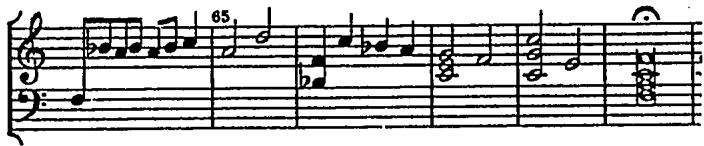
中文讲解
乐谱占位符,第37页图像。需查看原图。
第334段(P0364)
原文复述
A shorter complex of two bars from Fantasia 14 shows the sequential polyphony very clearly (Ex.2.26).
中文讲解
本段引出更简短的例子:Fantasia 14的一个两小节简短组合体非常清楚地展示了序列化复调(例2.26)。
第335段(P0365)
原文复述
Like melodic sequences, complexes are also another form of accompanied melody. As well as the obvious difference in the relationship between the accompaniment and the principal voice, each type has a distinct phrasing structure. The complex is usually a small self-contained phrase unit, whereas a sequential phrase is the numerous repetitions of a single melodic cell aggregated together. In both cases, the prime function of the accompaniment is harmonic propulsion. The harmonic design of the preceding example is clearly its driving force. It outlines descending stepwise triads moving towards a Phrygian cadence, the formula subsequently to become the most recognized cliché of Spanish music. Diatonic harmony is equally important to the structure of a short passage of melodic sequence from Fantasia 18. Threefold repetition in ascending sequence is accompanied by chords of identical voicing, resulting in parallel octaves and fifths. The harmony forms two interlocking progressions IV-V-I to G and then D. The melodic cell is one of Milán’s common formulae. The simplicity and unorthodoxy of this passage exemplify the charm of his naivety.
中文讲解
本段是比较分析:与旋律序列一样,组合体也是带伴奏旋律的另一种形式。除了伴奏与主旋律关系的明显差异外,每种类型有不同的乐句结构——组合体通常是小型的自含乐句单元,而序列乐句是单个旋律细胞多次重复的聚合。在两种情况下,伴奏的主要功能是和声推进。前例的和声设计显然是驱动力——它勾勒出向弗里几亚终止式移动的下行阶梯三和弦,这一日后成为西班牙音乐中最被认可的套式。和声调性对Fantasia 18中一段简短旋律序列的结构同样重要——以相同声部配置的和弦伴随的三次上行重复,导致平行八度和五度。和声构成两个交错的IV-V-I进行,到G再到D。旋律细胞是米兰的常见公式之一。该段的简洁和不正统性体现了他天真质朴的魅力。
关键观察:弗里几亚终止式是"日后成为西班牙音乐最被认可的套式"——米兰的"公式"已成为西班牙音乐的标志。此外,作者坦率承认米兰的"天真"魅力——包括违反对位规则(平行五度、八度)。
第336段(P0366)
原文复述
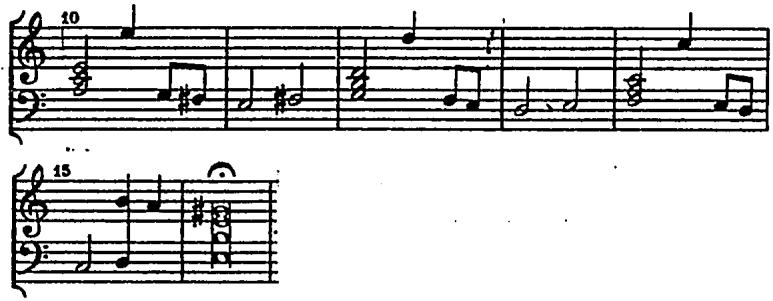
中文讲解
乐谱占位符:例2.26,米兰《Fantasia 14》第10-16小节,展示简短的两小节组合体。需查看原谱。
第337段(P0367)
原文复述
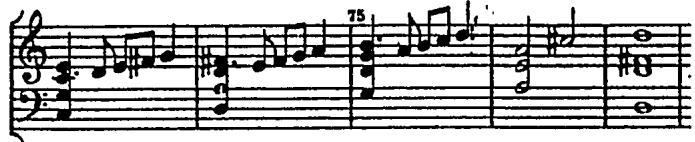
中文讲解
本段是图注与正文混合:图注标记例2.27(Fantasia 18第73-77小节);正文说明带伴奏序列、模仿序列和重复复调组合都是序列技巧的变体,为适应具体情况而被修改。在许多情况下,它们彼此难以区分。Fantasia 8中一个段落说明了这些区分如何模糊。
三种织体类型的边界是模糊的——这反映了米兰风格的灵活性:他不是用固定的"类型"写作,而是根据具体需要修改同一种基本技术(序列)。
第338段(P0368)
原文复述
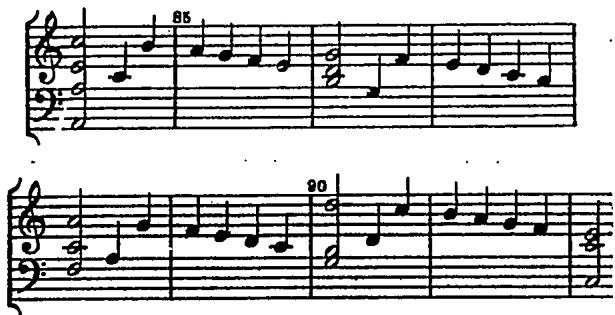
中文讲解
乐谱占位符:例2.28,米兰《Fantasia 8》第84-92小节,展示三种织体类型界限的模糊。需查看原谱。
第339段(P0369)
原文复述
Free, non-motivic accompanied melody is also commonly used by Milán, most frequently in cadential passages. Together with homophony, the style of writing shown in Example 2.29 accounts for the largest proportion of Milán’s free polyphony.
中文讲解
本段引入第二种主要织体类型——自由、非动机化的带伴奏旋律:自由、非动机的带伴奏旋律在米兰作品中也很常用,最常见于终止式段落。与同音齐唱一起,例2.29中展示的写作风格占米兰自由复调的最大比例。
第340段(P0370)
原文复述
Ex.2.29, Milán, Fantasia 28 (b.67-73)
中文讲解
图注:例2.29,米兰《Fantasia 28》第67-73小节。
第341段(P0371)
原文复述
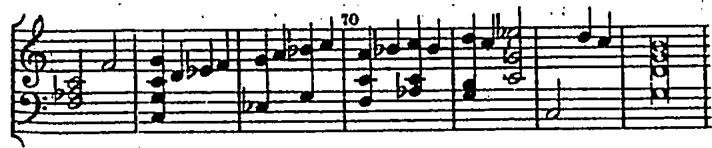
中文讲解
乐谱占位符,第40页图像,展示例2.29的具体谱例内容。需查看原图。
第342段(P0372)
原文复述
Imitation based neither on sequence nor duos
中文讲解
新段落起始:基于模仿但既非序列也非二重……
第343段(P0373)
原文复述
occurs in the fantasias. It is usually used for
中文讲解
续:……出现在幻想曲中。它通常用于……
第344段(P0374)
原文复述
short themes of less than four bars and is not used
中文讲解
续:……少于四小节的短主题,且不用于……
第345段(P0375)
原文复述
for extended dialogue. Complexity is avoided:
中文讲解
续:……扩展对话。避免复杂性……
第346段(P0376)
原文复述
clarity of texture prevails. The opening of
中文讲解
续:……织体清晰占主导。开头……
第347段(P0377)
原文复述
Fantasia 3 shows Milán’s typical technique. $^{35}$ A
中文讲解
续:……Fantasia 3展示米兰的典型技巧。一个……
第348段(P0378)
原文复述
redundant entry gives the impression of a four-
中文讲解
续:……冗余进入给四……
第349段(P0379)
原文复述
voiced exposition to the three-voice work. The
中文讲解
续:……三声部作品以四声部呈示的印象。
第350段(P0380)
原文复述
first superius entry is imitated at the octave by
中文讲解
续:第一个superius进入在八度被……模仿……
第351段(P0381)
原文复述
the bass, and the tenor enters at the fifth in bar 5
中文讲解
续:……低音模仿,tenor在第5小节以五度进入……
第352段(P0382)
原文复述
with the first note of the theme altered, presumably
中文讲解
续:……主题的第一个音被改变,推测……
第353段(P0383)
原文复述
for harmonic reasons. The A which should have begun
中文讲解
续:……为和声原因。本应开始的A……
第354段(P0384)
原文复述
the entry instead of the D is given in bar 6 in
中文讲解
续:……作为开始但改为D的进入,在第6小节以……
第355段(P0385)
原文复述
place of the normal prolongation of the first note.
中文讲解
续:……替代第一个音的正常延长。
第356段(P0386)
原文复述
The redundant entry follows in the superius.
中文讲解
续:冗余进入紧随superius。
P0372-P0386详述米兰对"纯模仿"(既非序列也非二重)的使用:通常用于少于四小节的短主题;不用于扩展对话;避免复杂性,追求织体清晰。Fantasia 3展示典型技巧——冗余进入给三声部作品以四声部呈示的印象:第一个superius进入在八度被低音模仿;tenor在第5小节以五度进入,主题第一个音被改变(推测为和声原因);本应开始的A改为D的进入在第6小节替代第一个音的正常延长;冗余进入紧随superius。
第357段(P0387)
原文复述
Shorter motives in textures where only one part
中文讲解
新段落起始:在只有一部分的织体中……
第358段(P0388)
原文复述
moves at a time produce music which is transparent
中文讲解
续:……一次移动的较短动机产生透明……
第359段(P0389)
原文复述
and abounding in energy. As in passages of
中文讲解
续:……且充满活力的音乐。如在……段落中……
第360段(P0390)
原文复述
sequential imitation, this more motivic style is
中文讲解
续:……序列模仿,这种更具动机的风格……
第361段(P0391)
原文复述
particularly suitable as a means of controlling the
中文讲解
续:……特别适合作为控制……的手段。
第362段(P0392)
原文复述
direction and speed of harmonic change. Example
中文讲解
续:……和声变化的方向和速度。例子……
第363段(P0393)
原文复述
2.30, from the three-voice Fantasia 6, introduces voices in the sequence T-S-B-T-S-B-S, and outlines a harmonic progression C-F-D-G-C. The entire passage is stated twice.
中文讲解
本段举具体例子:例2.30来自三声部Fantasia 6,以T-S-B-T-S-B-S的顺序引入声部,并勾勒C-F-D-G-C的和声进行。整个段落陈述两次。
米兰的纯模仿虽简短,但可以"勾勒"完整的和声弧线,且整个段落重复以强化统一。
第364段(P0394)
原文复述
$^{35}$ Ex.2.8 above.
中文讲解
脚注35:上文的例2.8。
这是交叉引用——指出Fantasia 3开头的谱例即前文的例2.8。
第365段(P0395)
原文复述
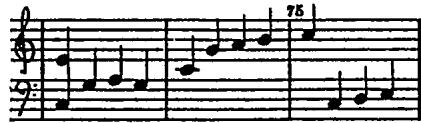
中文讲解
乐谱占位符:例2.30,米兰《Fantasia 6》第73-81小节。需查看原谱。
第366段(P0396)
原文复述

中文讲解
图注说明:Fantasia 22开头的一个段落展示米兰如何将他Pavana 4的第一个动机适应于模仿情境。
这是Pavana材料被移植到幻想曲中的例子——说明米兰跨曲式调用积存库材料的实践。
第367段(P0397)
原文复述

中文讲解
乐谱占位符:例2.31,米兰《Fantasia 22》第1-15小节,展示Pavana 4动机在模仿情境中的适应。需查看原谱。
第368段(P0398)
原文复述
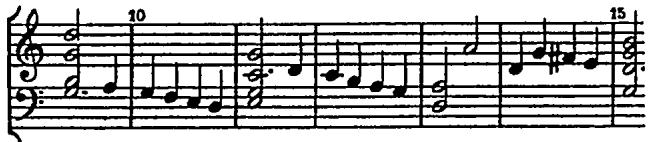
中文讲解
本段是图注与正文混合:图注内容讲同音齐唱与vihuela习语相关;正文讲米兰对consonancia和redoble段落速度的指示说明他有这种意识,并将……(续下段)。
第369段(P0399)
原文复述
chords as vertical entities and organizes them into
中文讲解
续:……将和弦作为纵向实体并组织成……
第370段(P0400)
原文复述
logical progressions. They are not a by-product of
中文讲解
续:……合理的进行。它们不是……的副产品。
第371段(P0401)
原文复述
homorhythmic part-writing. Invariably, the logic of
中文讲解
续:……同节奏声部写作。一如既往地,逻辑……
第372段(P0402)
原文复述
the progressions is melodic: the most important part
中文讲解
续:……进行的逻辑是旋律性的:最重要的部分……
第373段(P0403)
原文复述
of the chord is its highest note. Chordal
中文讲解
续:……和弦是其最高音。和弦……
第374段(P0404)
原文复述
harmonization naturally falls within conventional
中文讲解
续:……和声化自然落在传统……
第375段(P0405)
原文复述
limits, but these are limits of tonality more
中文讲解
续:……范围内,但这些范围更多是调性的限制……
第376段(P0406)
原文复述
significantly than of counterpoint. One flagrant
中文讲解
续:……而非对位的限制。一个明显的……
第377段(P0407)
原文复述
abuse of contrapuntal convention has been noted
中文讲解
续:……对位规则的滥用已在前文……中注意……
第378段(P0408)
原文复述
already in Fantasia 18 (Ex.2.27). There are also
中文讲解
续:……到Fantasia 18(例2.27)。也有……
第379段(P0409)
原文复述
passages of more animated homophony where melodic
中文讲解
续:……更具动感的同音齐唱段落,其中旋律……
第380段(P0410)
原文复述
function is shared between the highest voice and one
中文讲解
续:……功能由最高声部和另一声部共享。
第381段(P0411)
原文复述
other.
中文讲解
续:另一声部。
P0398-P0411详述米兰对同音齐唱(homophony)的处理:与vihuela习语使用密切相关;他对consonancia和redoble段落速度的指示说明对此有意识。他将和弦作为纵向实体,组织成合理的进行——它们不是同节奏声部写作的副产品。和声进行的逻辑是旋律性的——和弦最重要的部分是其最高音。和弦和声化自然落在传统范围内,但这些更多是调性的限制而非对位的限制。一个明显的对位规则滥用已在Fantasia 18(例2.27)中注意。也有更具动感的同音齐唱段落,其中旋律功能由最高声部和另一声部共享。
关键论点:米兰的同音齐唱本质上是"旋律性的"——和声服从于最高音线条,而非对位框架内各声部的平等。这是主调音乐思维的体现。
第382段(P0412)
原文复述
Passages of free homophony are most commonly
中文讲解
新段落起始:自由同音齐唱段落最常……
第383段(P0413)
原文复述
used to conclude works. As solid blocks of sound,
中文讲解
续:……用于结束作品。作为固体声块……
第384段(P0414)
原文复述
chordal passages reduce the momentum accumulated in
中文讲解
续:……和弦段落减少累积的动量……
第385段(P0415)
原文复述
preceding episodes. Fantasia 24 concludes in this
中文讲解
续:……在前面段落中。Fantasia 24以这种方式结束……
第386段(P0416)
原文复述
manner with fifteen bars of homophony quoted in
中文讲解
续:……十五小节的同音齐唱,引于……
第387段(P0417)
原文复述
Example 2.32. Root position triads prevail, only
中文讲解
续:……例2.32。根位三和弦占主导,只有……
第388段(P0418)
原文复述
the passing notes in bars 193-4 create first
中文讲解
续:……193-4小节的经过音形成第一……
第389段(P0419)
原文复述
inversions. The voice leading is clear, and free of
中文讲解
续:……转位。声部进行清晰,且无……
第390段(P0420)
原文复述
ungainly movement. Motion between outer parts is
中文讲解
续:……笨拙运动。外部声部之间的运动……
第391段(P0421)
原文复述
mostly disjunct or oblique. It is, however, a
中文讲解
续:……主要是跳进或斜向。然而,这是一个……
第392段(P0422)
原文复述
paradoxical passage. While its homophony is simple
中文讲解
续:……自相矛盾的段落。虽然其同音齐唱简单……
第393段(P0423)
原文复述
and direct, tonal orientation is playfully
中文讲解
续:……且直接,调性取向玩味地……
第394段(P0424)
原文复述
ambiguous. The work is in mode 2, transposed to G.
中文讲解
续:……模糊。作品在调式2中,转调到G。
第395段(P0425)
原文复述
The crux of the ambiguity is seen in the very last
中文讲解
续:模糊的关键在最后……
第396段(P0426)
原文复述
bars. The work which concludes on G with a plagal
中文讲解
续:……小节。以G结束的作品带一个副……
第397段(P0427)
原文复述
cadence is approached by a tonic chord with
中文讲解
续:……终止式被一个主和弦加……接近……
第398段(P0428)
原文复述
suspension of the fourth. It is heard, therefore, either in a “g minor” context as a progression $\mathbf{I}^{4-3}$ -iv-I, or in “c minor” as $\mathbf{V}^{4-3}$ -i-V. The ambiguity seen in this final cadence persists throughout the passage. Chords built on G and C prevail above others, and both appear an equal number of times in “major” and “minor” form to give leading-tone potential to the raised third. The use of the F chord, the seventh degree, further diminishes the tonal pull towards G, as in bars 185-6 where B-flat is used to prevent the progression being a decided IV-V-I in C. A passage from Fantasia 15 serves to demonstrate a homophonic style which is different in every respect to the previous example, yet no less characteristic of Milan’s style. It is motivic homophony, clear in harmonic方向, again predominantly built from root position chords, but far from orthodox in its counterpoint. The motive in the first four-bar phrase in the superius is inferred in the following phrase, shared between the other three voices. The third phrase carries a
中文讲解
本段是论述最复杂的段落之一,详细分析Fantasia 24结尾15小节同音齐唱:根位三和弦占主导,只有193-4小节的经过音形成第一转位。声部进行清晰,无笨拙运动。外部声部间运动主要是跳进或斜向。然而,这是一个自相矛盾的段落——同音齐唱简单直接,调性取向却玩味地模糊。作品在调式2中转调到G。模糊的关键在最后小节——以G结束的作品带一个副终止式,被一个主和弦加四度悬挂接近。因此它可在"g小调"语境中作为I⁴⁻³-iv-I进行被听到,或在"c小调"中作为V⁴⁻³-i-V。这一最终终止式的模糊贯穿整个段落。G和C上构建的和弦比其他更常见,两者以"大调"和"小调"形式出现次数相等,为升三度提供导音潜力。F和弦(第七级)的使用进一步削弱对G的调性拉力,如185-6小节使用降B防止成为C中明确的IV-V-I。Fantasia 15中的一个段落展示了与前例在各方面都不同但同样特征的米兰风格同音齐唱——它是动机性同音齐唱,和声方向清晰,同样主要由根位和弦构成,但远非对位正统。superius中第一个四小节乐句的动机在下一乐句中被暗示,由其他三个声部分享。第三乐句承载……(续下段)。
这一段展示了米兰作品中罕见而精妙的"调性模糊"技巧——g小调与c小调的双重解读、F和弦的使用等。这与之前"米兰偏好清晰调性中心"的描述形成有趣张力。
补充说明
“plagal cadence(副终止式)”指IV-I进行,与"authentic cadence(正终止式)“V-I相对。
第399段(P0429)
原文复述
Ex.2.32, Milán, Fantasia 24 (b.185-99)
中文讲解
图注/小节标题:例2.32,米兰《Fantasia 24》第185-199小节。
第400段(P0430)
原文复述
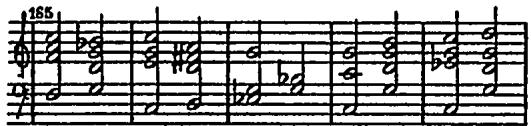
中文讲解
乐谱占位符,第43页图像,展示例2.32的具体谱例内容。需查看原图。
第401段(P0431)
原文复述

中文讲解
乐谱占位符,第43页图像。需查看原图。
第402段(P0432)
原文复述
modified version of the motive in the superius, transposed a third higher. The fourth phrase emulates the harmonic progression of the second phrase and imitates the last four notes of the modified motive as it appears in the third phrase. The third phrase is built from chords whose outer voices move in parallel tenths, with striking false relations in bar 41, together with parallel fifths in the lower parts. In Example 2.33 motives are shown by larger note heads.
中文讲解
本段延续Fantasia 15的动机性同音齐唱分析:第三乐句承载superius动机的修改版本,转调高一个三度。第四乐句模拟第二乐句的和声进行,并模仿第三乐句修改动机的最后四个音。第三乐句由外部声部以平行十度移动的和弦构成,第41小节有显著的交叉关系(false relations),加上低声部的平行五度。在例2.33中动机以较大的符头表示。
这是米兰"动机性同音齐唱"的具体技法——动机变形+和声进行模仿。注意"对位不正统”:交叉关系和平行五度均被使用。
补充说明
“false relation(交叉关系)”指同一音在两个声部以不同形式(如自然对升高)出现,形成刺耳的半音冲突。
第403段(P0433)
原文复述
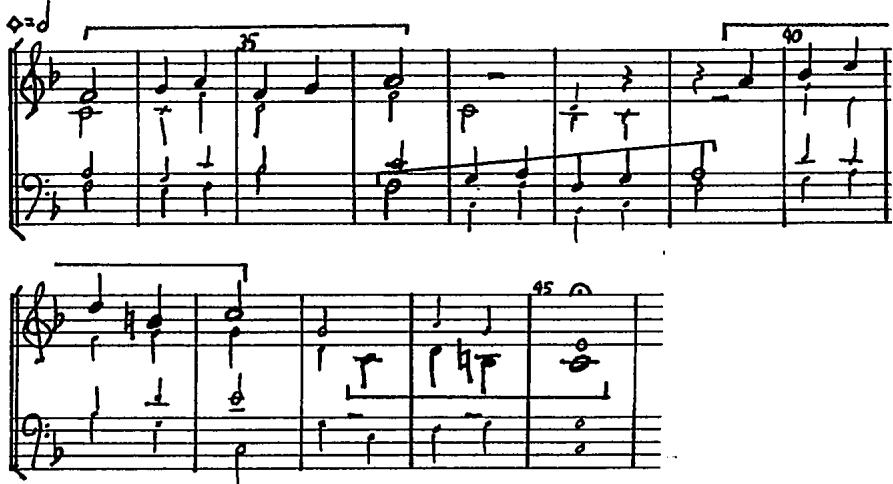
中文讲解
乐谱占位符:例2.33,米兰《Fantasia 15》第33-45小节,动机以较大符头显示。需查看原谱。
第404段(P0434)
原文复述
An examination of Milán’s passages of redobles completes this survey of his stylistic devices. Redobles appear in both accompanied textures or alone, either in motivic or through-composed form. They are usually interspersed in homophonic or polyphonic textures more frequently than they are used as the generative idea of an episode. In the latter case, they are usually harnessed by imitation or melodic sequence. The use of redobles is not limited to the fantasias in idiomatic style and the tentos.
中文讲解
本段开启对redoble(颤音/快速反复音)的讨论:对米兰redoble段落的考察完成了对其风格装置的调查。Redoble出现在带伴奏织体中或单独出现,或为动机形式或通谱形式。它们通常散布于同音齐唱或复调织体中,比作为段落的生成性意念更常用。在后者情况下,它们通常被模仿或旋律序列所驾驭。Redoble的使用不限于习语风格的幻想曲和tento。
第405段(P0435)
原文复述
Non-motivic redobles frequently occur in homophonic, sequential or motivic passages in precedential position. Their function is to direct momentum towards the cadence. The redobles are seldom used within cadences: phrases with redobles usually terminate chordally. The redoble functions either to intensify the phrase in which it occurs, directing energy towards the cadence; or conversely, as a means of releasing tension after a climax, to ease the music to a more gentle cadence. Example 2.34 shows a homophonic episode built from sequential repetition of a superius theme being directed towards its cadence by the rapid movement of a short redoble.
中文讲解
本段详述redoble的功能:非动机redoble常出现于同音齐唱、序列或动机段落中,置于过渡位置。其功能是将动量引向终止式。Redoble很少在终止式内部使用——含redoble的乐句通常以和弦方式结束。Redoble的功能要么是强化所在乐句,将能量引向终止式;要么相反,作为高潮后释放张力的手段,使音乐过渡到更柔和的终止式。例2.34展示一个由superius主题序列重复构成的同音齐唱段落,通过一个简短redoble的快速运动被引向其终止式。
关键观察:redoble具有"双向"功能——既可强化,也可释放张力。这种灵活性是器乐习语的具体表现。
第406段(P0436)
原文复述
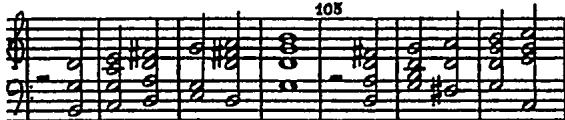
中文讲解
乐谱占位符:例2.34,米兰《Tento 4》第101-119小节。需查看原谱。
第407段(P0437)
原文复述

中文讲解
乐谱占位符,第45页图像。需查看原图。
第408段(P0438)
原文复述
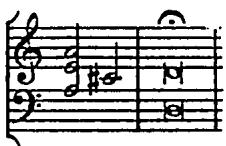
中文讲解
乐谱占位符,第45页图像。需查看原图。
第409段(P0439)
原文复述
Example 2.35 exemplifies the use of a redoble to lessen tension in a short passage from Fantasia 18. An ascending sequence is balanced by the descending redoble which spans a range of almost two octaves before giving way to cadential homophony.
中文讲解
本段举例redoble"释放张力"功能:例2.35示例redoble在Fantasia 18短段落中用于减轻张力。一个上行序列由下行redoble平衡——跨越近两个八度的音域——然后过渡到终止式同音齐唱。
下行跨越两八度的redoble是这段音乐的戏剧性"放松"——这种结构性的对比是米兰风格的重要特征。
第410段(P0440)
原文复述

中文讲解
乐谱占位符:例2.35,米兰《Fantasia 18》第78-86小节。需查看原谱。
第411段(P0441)
原文复述

中文讲解
乐谱占位符,第46页图像。需查看原图。
第412段(P0442)
原文复述
Examples of the redoble, used in both imitative and sequential contexts, show its essential characteristic to be its speed. The episode from Fantasia 16 quoted as Example 2.36 uses a one-bar redoble motive for two-voiced consecutive imitations in unbroken rhythmic motion.
中文讲解
本段说明redoble本质特征:模仿和序列语境中使用的redoble例子表明其本质特征是速度。引自Fantasia 16的例2.36使用一个一小节redoble动机,用于不间断节奏运动的二声部连续模仿。
第413段(P0443)
原文复述

中文讲解
乐谱占位符:例2.36,米兰《Fantasia 16》第25-35小节。需查看原谱。
第414段(P0444)
原文复述

中文讲解
乐谱占位符,第46页图像。需查看原图。
第415段(P0445)
原文复述
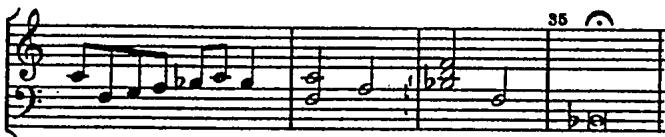
中文讲解
乐谱占位符,第47页图像。需查看原图。
第416段(P0446)
原文复述
Example 2.37 is an excerpt from Tento l which uses a redoble motive in sequential form. As in the previous example, there is no novelty in Milán’s contrapuntal technique: the rhythmic values of the motives are their only distinguishing feature. They also provide the performer with material for virtuosic display.
中文讲解
本段是Tento 1中的例子:例2.37是Tento 1的一个摘录,使用redoble动机的序列形式。与前例一样,米兰的对位技巧无新奇之处——动机的节奏值是它们唯一的区别特征。它们也为演奏者提供炫技展示的材料。
关键评价:米兰redoble的对位技巧并不创新——区别仅在于节奏;这印证了redoble本质是节奏性装置。
第417段(P0447)
原文复述

中文讲解
乐谱占位符:例2.37,米兰《Tento 1》第97-106小节。需查看原谱。
第418段(P0448)
原文复述
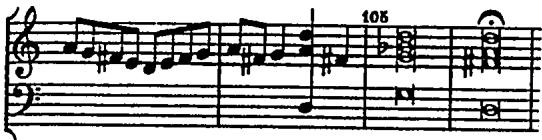
中文讲解
乐谱占位符,第47页图像。需查看原图。
第419段(P0449)
原文复述
Tonality
中文讲解
本段为三级小标题"Tonality(调性)",开启对米兰调性思维的分析。作者即将讨论米兰作为最早维韦拉琴作家之一在调性方面的"现代性"。
第420段(P0450)
原文复述
It is paradoxical that the earliest surviving vihuela music is tonally the most modern, particularly when its author was the only vihuelist to include an explanation of modal theory with his works.36 The present discussion aims to draw together the threads that have already emerged in this chapter concerning Milán’s reliance on harmonic progressions and tonal thinking. Given the nature of his music, this approach is taken in preference to measuring his practice against modal theory. Modal distribution and the prolific use of the tono mixto have already been discussed.37 The principal novelty of Milán’s discussion of modal theory is his advocacy of using the melodic range of the superius instead of the tenor to determine modal range. Usually in vocal music both superius and tenor utilize the same range, an octave apart. The superius voice is easier to isolate in compositions notated in tablature. Grebe has indicated that this also represents a progressive step in the development of diatonic tonality as it “points up a tendency that leads towards a new type of harmonic writing, in which the upper and lower parts are the focal points of the musical structure.“38 The aptness of her statement to Milán’s music has been demonstrated in the present study.
中文讲解
本段是"调性"小节的开篇核心论断:现存最早的维韦拉琴音乐在调性上最现代,这是矛盾的——特别是因为其作者是唯一在其作品中包含调式理论解释的维韦拉琴家。本讨论旨在汇集本章已出现的关于米兰依赖和声进行和调性思维的线索。鉴于其音乐性质,本研究采取这一方法而非按调式理论衡量其实践。调式分布和tono mixto的丰富使用已讨论过。米兰调式理论讨论的主要新颖之处是他主张使用superius而非tenor的旋律范围来确定调式范围。在声乐音乐中,superius和tenor通常使用相同范围(相距八度)。在tab记谱作品中,superius声部更容易隔离。Grebe指出这也代表了调性发展的进步步骤,因为它"突出了导致新型和声写作的倾向——其中上下声部是音乐结构的焦点”。她的说法对米兰音乐的贴切性已在当前研究中得到证明。
这一段具有重要的学术史价值:它引用了Grebe(智利裔音乐学家)的研究,将米兰的superius范围确定法视为向主调-调性思维的过渡标志。这是20世纪音乐学界对早期调性形成过程理解的体现。
补充说明
“tono mixto”是米兰引入的概念,指混合调式——将一个调式的某些特征与另一个调式结合,以适应实际的旋律音域需要。
第421段(P0451)
原文复述
Milán’s prolific use of the tono mixto reflects the decreased importance of melodic range as a modal determinant, and its diminished value in the tonality of polyphonic music. His preference for modes 1 and 6 among the individual modes, and his comments concerning the virtual identicality of modes 5 and 6 to modes 7 and 8 suggest an orientation towards “major” and “minor” tonality. $^{39}$ The Phrygian modes 3 and 4 form a third tonal group which knows no modern equivalent.
中文讲解
本段分析米兰调性偏好:米兰对tono mixto的丰富使用反映了旋律范围作为调式决定因素的重要性下降,以及它在复调音乐调性中的价值减损。他对各调式中调式1和6的偏好,以及他关于调式5和6实际上等同于调式7和8的评论,暗示了一种朝向"大调"和"小调"调性的取向。弗里几亚调式3和4形成第三个调性群组,没有现代对应。
关键观察:米兰的调式1+6偏好(≈C大调与a小调方向)和调式5/6与7/8的等同看法,已隐含现代大小调区分。弗里几亚调式则保留为"无现代对应"的特殊类别。这是16世纪音乐向17世纪调性体系过渡的具体证据。
第422段(P0452)
原文复述
$^{36}$ El Maestro, fols.Rv $^{V}$ -Rvi. Translated in Jacobs M, pp.25-26.
中文讲解
脚注36:El Maestro,fol.RvV-Rvi(手稿第v页背面第5版至第vi页正面)。译文见Jacobs M,第25-26页。
这是对米兰调式理论原始文献的精确标注——El Maestro手稿的具体位置及Jacobs译本的对应页码。
第423段(P0453)
原文复述
$^{37}$ P. 63.
中文讲解
脚注37:第63页。
这是前文关于米兰调式分布和tono mixto讨论的页码引用——指本书第二章中对该主题的讨论位置。
第424段(P0454)
原文复述
$^{38}$ Grebe, “Modality”, Anuario Musical, 26 (1971) p.42.
中文讲解
脚注38:Grebe,“Modality”,Anuario Musical,第26期(1971年),第42页。
这是引用Grebe关于调性发展的关键文献——发表于西班牙音乐学年刊Anuario Musical。
第425段(P0455)
原文复述
Milán’s harmony is simple and direct and depends strongly on chords built on I, IV, and V of each mode. The opening of Fantasia 16, for example, is unusual in its use of arpeggiation based around a I-V-I-IV-V-I progression in its first phrase.
中文讲解
本段进入米兰和声实践的具体分析:米兰的和声简单直接,强烈依赖每个调式I、IV、V上构建的和弦。Fantasia 16的开头就是例子——它罕有地在第一乐句使用基于I-V-I-IV-V-I进行的琶音。
第426段(P0456)
原文复述

中文讲解
乐谱占位符:例2.38,米兰《Fantasia 16》第1-14小节。需查看原谱。
第427段(P0457)
原文复述

中文讲解
乐谱占位符,第49页图像。需查看原图。
第428段(P0458)
原文复述
Harmonic simplicity is primarily due to the predominance of root position chords. Bass lines consequently have frequent leaps. Dissonance is used almost exclusively as a tonal device in 4-3 suspensions in V-I cadences. Triads occur on most modal degrees, including the flattened or natural seventh. The chord built on this note was commonly used in early sixteenth-century Italian music and it abounds in Milán’s works. Passages of smoother harmony, are in most instances achieved by movement in parallel tenths in the outer voices. Inner voices usually move in contrary motion to these. A brief passage from Fantasia 10 shows this movement in homophony and also in the accompaniment of motivic figuration.
中文讲解
本段详述米兰和声的简化倾向及其技术原因:和声简洁主要源于根位和弦的主导地位——因此低音线条常有频繁跳进。不协和音几乎仅作为调性装置使用于V-I终止式的4-3悬挂。三和弦出现在大多数调式级上,包括降七度或自然七度。此级上构建的和弦在16世纪初意大利音乐中常用,在米兰作品中也很丰富。更流畅的和声段落大多通过外部声部平行十度运动实现——内部声部通常与之反向运动。Fantasia 10的一个简短段落展示了同音齐唱中以及动机音型伴奏中的这种运动。
“七级和弦"在16世纪初意大利的常用是当时风格的标志——米兰继承了这种风格。
第429段(P0459)
原文复述
$^{39}$ See the rubric to Fantasia 38, El Maestro, fol.P[i].
中文讲解
脚注39:参见Fantasia 38的标题,El Maestro,fol.P[i]。
这是米兰本人关于调式5/6与7/8等同看法的原始文献位置标注。
第430段(P0460)
原文复述

中文讲解
乐谱占位符,第50页图像。需查看原图。
第431段(P0461)
原文复述
In other works, harmonic progressions play a vital role in large or small-scale organization. In some passages, repeated chord progressions assume virtual thematic status. Example 2.40 quotes a short episode from Fantasia 15 where repetition of the progression of chords built on C-G-A-G-F-C is more prominent than any melodic unit. The theme given in the superius in bars 73-77, is submerged in the alto of the preceding statement of the progression, but
中文讲解
本段(不完整——段末以"but"结尾,下一段在下一页)开始讨论和声进行在米兰作品中的组织作用:在其他作品中,和声进行在大小规模组织中扮演关键角色。在某些段落中,反复的和弦进行承担实际的主题地位。例2.40引用Fantasia 15的一个短段落,其中基于C-G-A-G-F-C的和弦进行重复比任何旋律单元更显著。第73-77小节superius中给出的主题在前一次进行陈述的alto中沉没,但……
关键论点:在某些作品中,和弦进行的反复比旋律单元更具结构性意义——这暗示米兰和声思维的高度发达。这是"调性"小节的延续段(在物理书中跨越第50页)。