目录
C1 Venegas Left-Hand Quiebro and Ornament Duration
- C1.S1 [描述性拆分] Venegas’s Left-Hand Quiebro and Duration of Ornaments
- 页码:1-2
- C1.S2 [描述性拆分] Bermudo’s Redoble and Simultaneous Applications
- 页码:2-2
- C1.S3 [描述性拆分] Bermudo’s Simultaneous Two-Part Redobles
- 页码:3-3
- C1.S4 [描述性拆分] Introduction to Sancta María’s Ornament Treatise
- 页码:3-50
C1.S1 [描述性拆分] Venegas’s Left-Hand Quiebro and Duration of Ornaments
第1段(P0001)
原文复述
left-hand instructions differs from the quiebro for the right hand (Example 5.3), but Johnson points out that if Venegas had omitted mention of the first (notated) note of the quiebro (Example 5.3A), it would have been identical to that given for the right hand (Example 5.2A). $^{228}$ While it seems odd to assume that Venegas would fail to mention the initial striking of the main note, this interpretation is actually as consistent as the first, which requires an assumption that Venegas failed to mention that his fingering for the ornament requires starting one note below the main note.
中文讲解
本段是本小节的核心论证段落,交代了 Venegas 关于左手 quiebro 的记谱与 Johnson 的解读之间的张力。其中心主张是:左手 quiebro 的指法说明表面上与右手不同,但 Johnson 提出,如果假设 Venegas 省略了装饰音首音(即主音)的记写,那么左手谱例(5.3A)就会与右手谱例(5.2A)完全一致。也就是说,两种解读——一种是“左手指法确实从主音下方一度开始”,一种是“Venegas 漏写了主音的起始击弦”——在文本层面同样可行。作者并不急于裁决,而是指出:乍看之下“作者漏写主音”显得不合常理,但这种解读与“作者漏写指法从主音下一音开始”其实是同等合理的,二者都要求我们对 Venegas 文本的完整性作出某种假设。这里值得注意的是作者的论证姿态:他不取“常识性直觉”,而是坚持两条假设的对称性,从而把判断推回到读者自己的考据偏好。这一段为后续两个谱例(5.3 与 5.3A)做了问题铺设。
补充说明
“第一个(记写出的)音符”指谱面中装饰音开头那个主音;“主音下方一度开始”指左手 fingering 从主音的下一个低音(即下一弦或下一音级)起奏,这是吉他类乐器上常见装饰音的预备方式。两条解读的对等性是本段论证的关键。
第2段(P0002)
原文复述
中文讲解
这是 Example 5.3 的图注与占位符。它是图示的标题与说明文字,告诉我们:这是 Venegas 左手键盘 quiebro 的一种“可能的”解读(注意“Possible interpretation”这一限定语,说明此谱并非定论);其中节奏时值是编者所加,并非 Venegas 原谱所有,因此可以根据上下文调整节奏。图后注释 229 指向 Johnson 的著作第 13 页。由于内嵌图像数据被省略,具体音符排列与节奏图样需查阅原图,但从图注可知其功能是:与 Example 5.2(右手版本)对照,展示左手指法的表面差异,从而支持 P0001 中提出的“两谱若忽略首音则完全相同”的论证。
补充说明
图注中的“Rhythmic values are editorial”提示读者:谱中具体的短–长音符比例是后人推测的演示性选择,不是 Venegas 原文的硬性规定,这对评估“解读的合理性”非常关键。
第3段(P0003)
原文复述
中文讲解
这是 Example 5.3A 的图注与占位符。它与 5.3 配对出现,展示的是 Johnson 的反事实假设版本:假设 Venegas 实际上漏写了主音起始击弦,那么左手谱例就会与右手谱例 5.2A 一致。其图注没有再单独加注释编号(编号随 5.3 共享 229),文字也没有像 5.3 那样加节奏限定语,说明本谱作为“若省去首音”的简化形式存在,强调与右手谱的对称性,而非节奏细节。本图占位符的功能是:以视觉方式落实 P0001 中“if Venegas had omitted mention of the first (notated) note of the quiebro”这一假设,从而把抽象假设变成可对照的谱面。
补充说明
5.3 与 5.3A 在结构上是一对:A 版本是省去首音记写的“还原版”,主版本则保留了 Venegas 原文(包含可能的首音)。二者并列出现正是为了支撑 P0001 中两条解读的对称性论证。
第4段(P0004)
原文复述
Venegas does not mention use of these ornaments on the vihuela, but in some musical contexts they might be usable. His discussion of keyboard ornaments does contain the valuable information that he
中文讲解
本段是一句过渡句,承担两个功能。第一,它明确承认:Venegas 在原文中从未提及这些装饰音用于 vihuela(西班牙古典吉他形制的拨弦乐器),因此把键盘装饰音移植到 vihuela 上只是“或许可用”的推论,而非 Venegas 自己的建议。“in some musical contexts they might be usable”里的“might”与“some”这两个限定词必须保留——作者并未主张普适适用,只是承认在某些语境下可能。第二,它引出下一段(即 P0007)的实质内容:尽管 Venegas 未谈 vihuela,但他关于键盘装饰音的讨论包含了一条“对维韦拉也大概适用”的有价值信息。这样一来,本段既限定了论域(不可越界宣称 Venegas 写了 vihuela 装饰音),又为下段“推断可外推”铺路。
补充说明
vihuela 与 keyboard 在本节是两类不同乐器:vihuela 是拨弦,键盘是击弦或拨弦机制,两者的发声方式决定装饰音的可行性不完全相同。这正是作者在 P0007 中必须用“presumably”作推论性桥接的原因。
第5段(P0005)
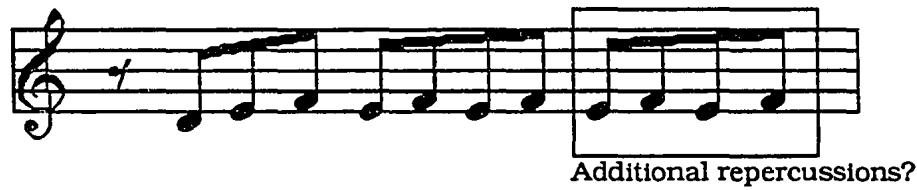
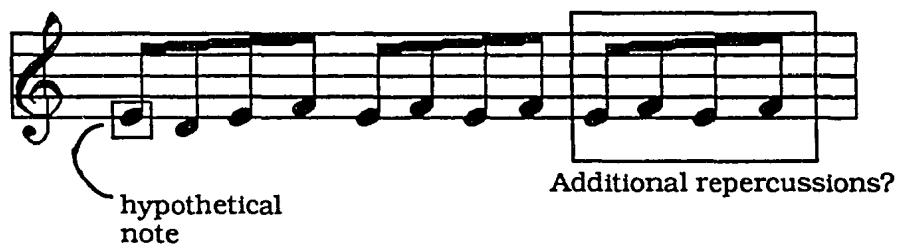
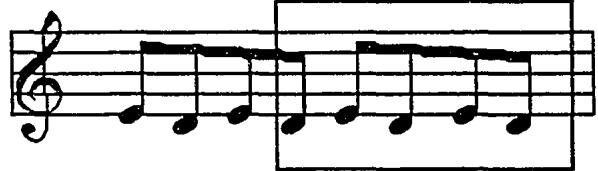
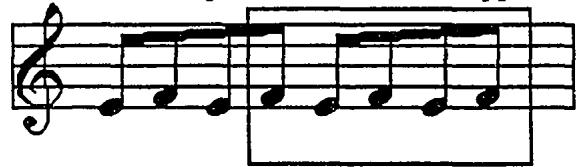
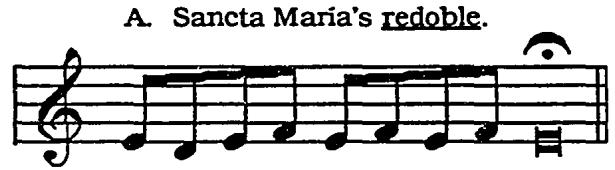
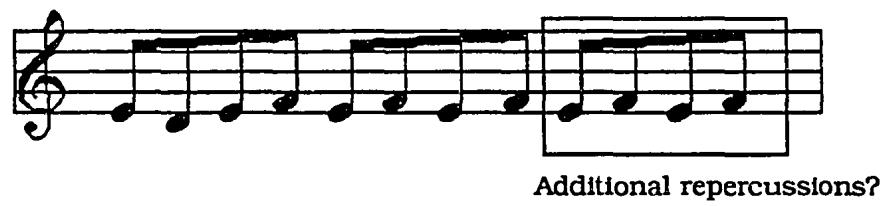
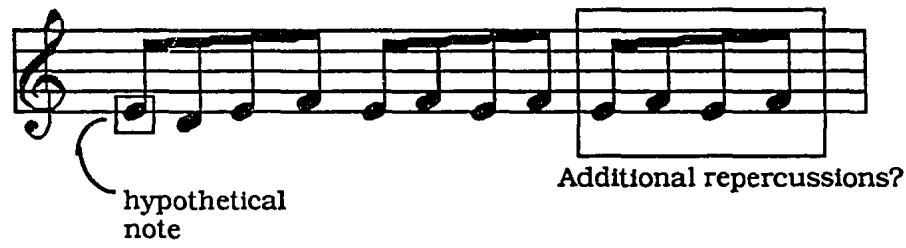
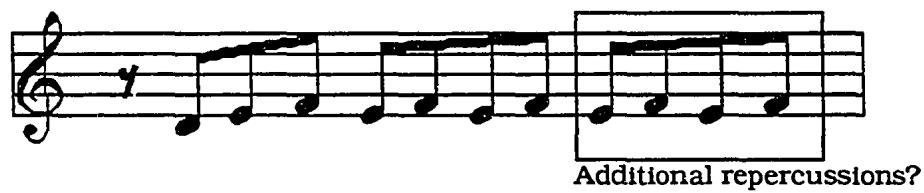
原文复述
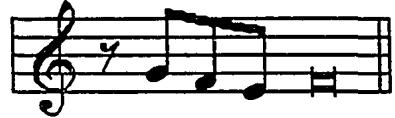
228 Johnson 13.
中文讲解
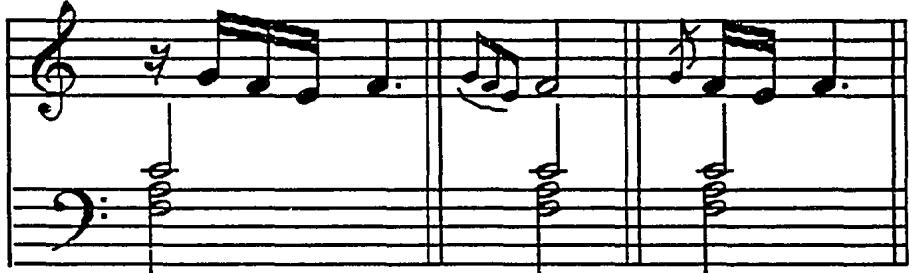
这是正文中 P0001 末尾上标 228 所对应的脚注。内容极其简短,仅为引文出处:“Johnson 13”,意指 Johnson 的著作第 13 页。它属于来源类脚注,功能是为 P0001 中“Johnson points out that if Venegas had omitted mention of the first (notated) note of the quiebro”这一具体论断提供权威出处,说明“左手谱与右手谱在省去首音后一致”的观察并非本文作者原创,而是引自 Johnson。读者由此得知,Johnson 的解读构成了作者讨论的起点。
第6段(P0006)
原文复述
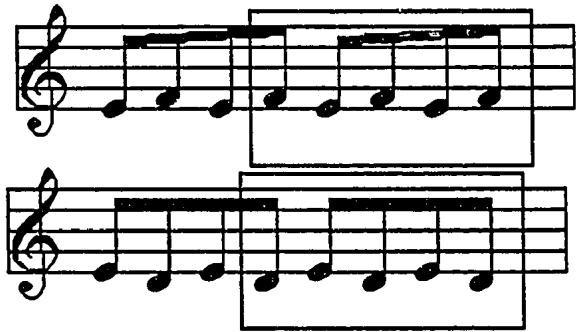
229 Johnson 13.
中文讲解
这是 P0002(Example 5.3 图注)中上标 229 所对应的脚注。内容同样是“Johnson 13”,与脚注 228 出处相同。它的功能是为图 5.3 的“可能解读”提供文献来源,表明这一解读方案(即图 5.3 的节奏与音符安排)出自 Johnson 第 13 页。由于图 5.3 与图 5.3A 共享同一个注释编号 229,所以这个脚注事实上同时支撑了这两个谱例背后的解读框架。
补充说明
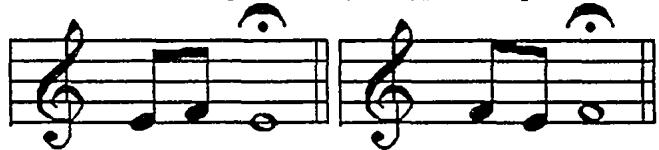
脚注 228 与 229 都指向 Johnson 第 13 页,说明本节核心论证(含两种对称解读及对应的两个谱例)的原始出处都集中在 Johnson 一处文献。
第7段(P0007)
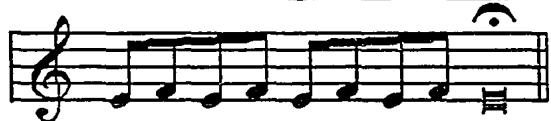
原文复述
wished them to be extended until either the next note or the next measure, in other words, for the entire duration of the ornamented note. $^{230}$ Presumably this advice extends to the vihuela ornament.
中文讲解
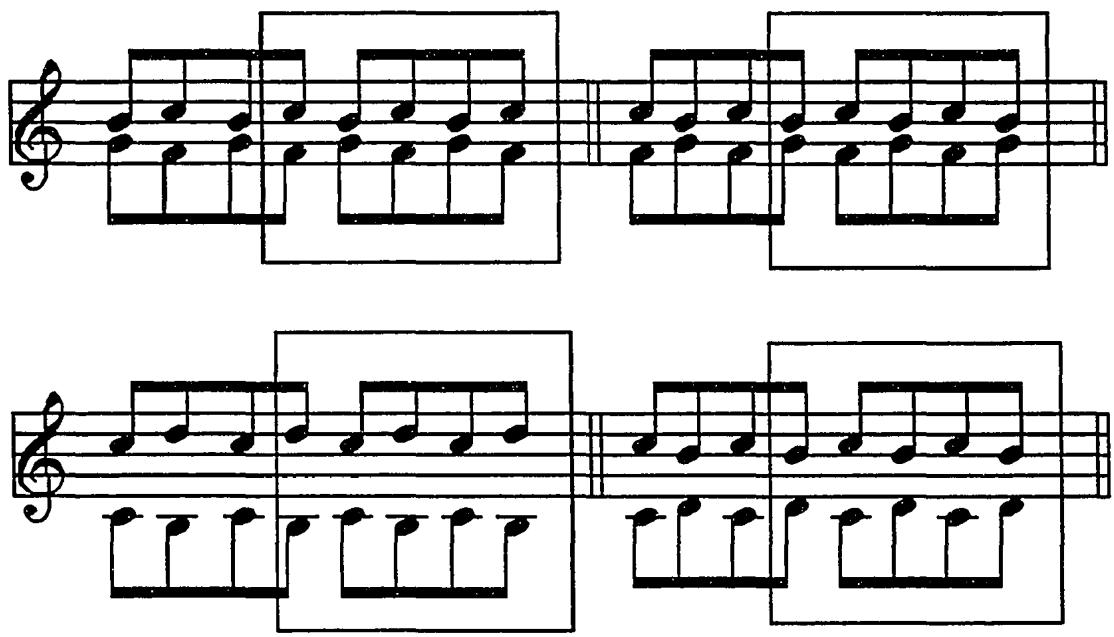
本段是 P0004 末尾“His discussion of keyboard ornaments does contain the valuable information that he”这一悬垂句的真正主语与谓语,跨越了第 1 页到第 2 页的版心。其中心主张是:Venegas 希望装饰音在时值上延伸至“下一个音符或下一小节”,也就是覆盖整个被装饰音符的全部时值。这是一个具体的、可操作的规定:装饰音不是瞬时点缀,而是占据被装饰音符的全部时长。第二个句子是关键推论:“Presumably this advice extends to the vihuela ornament.”——作者用 “presumably”(推测地)明确标示这只是推论而非 Venegas 原话。其逻辑链是:Venegas 写了键盘装饰音的时长规则 → 他未写维韦拉装饰音 → 但同一作者的同一原则大概可以类推。 “presumably” 这一限定词承担了论证责任:它承认维韦拉版本只是合理外推,避免把推论当作 Venegas 的明文主张。
补充说明
“for the entire duration of the ornamented note”把“下一音符”或“下一小节”两种结束点统一为“被装饰音的全部时长”,这是装饰音记谱中的常见规范,相当于现代意义上的“将装饰音唱/奏满主音符的全部时值,而非抢拍”。注释 230 未在本段提供具体引文,但其作用是为此推论提供原始出处。
脚注 / 边栏 / 图表 / 附加信息(如有)
本小节共含两条脚注(228、229),均指向 Johnson 第 13 页,分别支持正文论证与 Example 5.3/5.3A 两幅谱例。脚注 230 在 P0007 中标出(其具体引文信息未在本节呈现),用于支撑“装饰音延伸至被装饰音的全部时值”这一规则。此外,本小节包含两幅内嵌图像占位符(Example 5.3 与 Example 5.3A),均位于第 1 页,功能为:以视觉化方式展示左手 quiebro 的两种对称解读,从而落实 P0001 中“两种解读同等合理”的论证。
💡 本节核心要点
- 左手 quiebro 的记谱(Example 5.3)与右手 quiebro(Example 5.2A)在表面上不同,但 Johnson 指出:若假设 Venegas 漏写了装饰音首音(主音),二者就会完全一致(Example 5.3A)。
- 这两种解读——“Venegas 漏写主音”与“Venegas 漏写指法从主音下一音开始”——在文本假设上是对称等价的,作者并不通过直觉偏好来裁决。
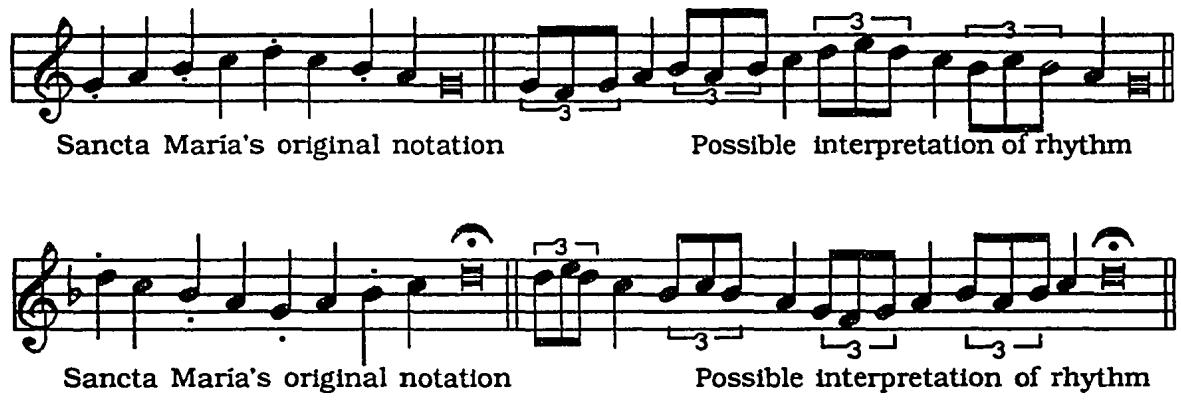
- Venegas 在原文中并未提及这些装饰音用于 vihuela,作者仅以“in some musical contexts they might be usable”承认其可能性,明确限定了论域。
- Venegas 关于键盘装饰音给出的可移植规则是:装饰音应延伸至下一音符或下一小节,即覆盖被装饰音符的全部时值。
- 作者以“presumably”将该规则外推至 vihuela 装饰音,承认这是合理推论而非 Venegas 明文主张。
🔑 关键术语
- quiebro:一种键盘(或弦乐)装饰音,本节特指 Venegas 文本中所讨论的左手/右手两种装饰音形式,是本节论证对象。
- notated note:谱面上实际写出的音符,本节特指装饰音起始处的主音;Johnson 的反事实假设就是假设该主音被 Venegas “漏写”。
- Example 5.3 / 5.3A:分别为 Venegas 左手键盘 quiebro 的两种可能解读谱例,二者构成对照,体现“保留首音”与“省去首音”两种解释路径的对称性。
- vihuela:西班牙文艺复兴时期的拨弦乐器,形制类似吉他但不同于键盘;本节中 Venegas 未明文讨论其装饰音,作者因此对外推保持谨慎。
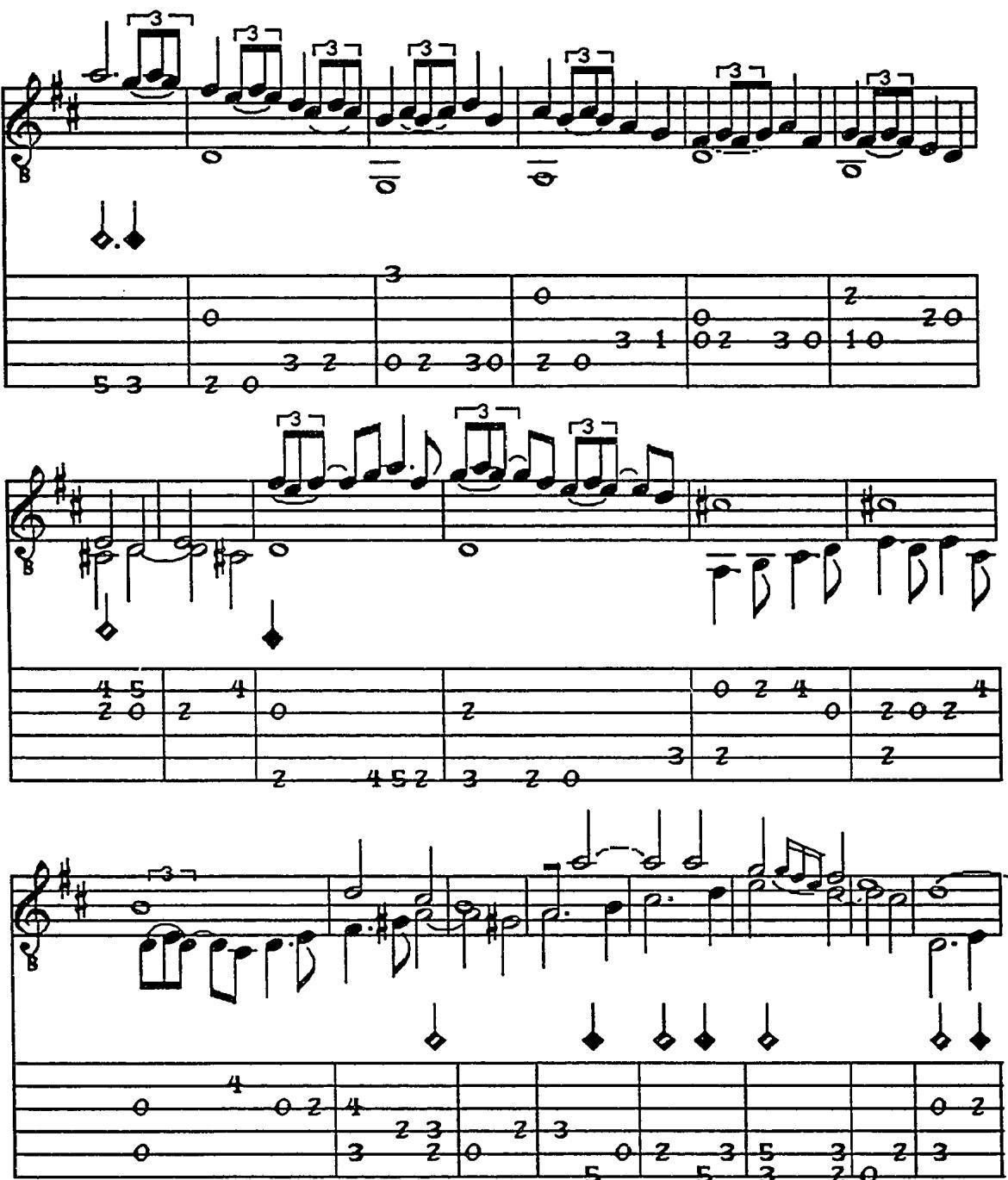
- duration of the ornamented note:指装饰音在时值上贯穿被装饰音符的完整长度,结束于下一音符或下一小节,是本节从 Venegas 键盘规则中提取出的可外推原则。
C1.S2 [描述性拆分] Bermudo’s Redoble and Simultaneous Applications
第1段(P0008)
原文复述
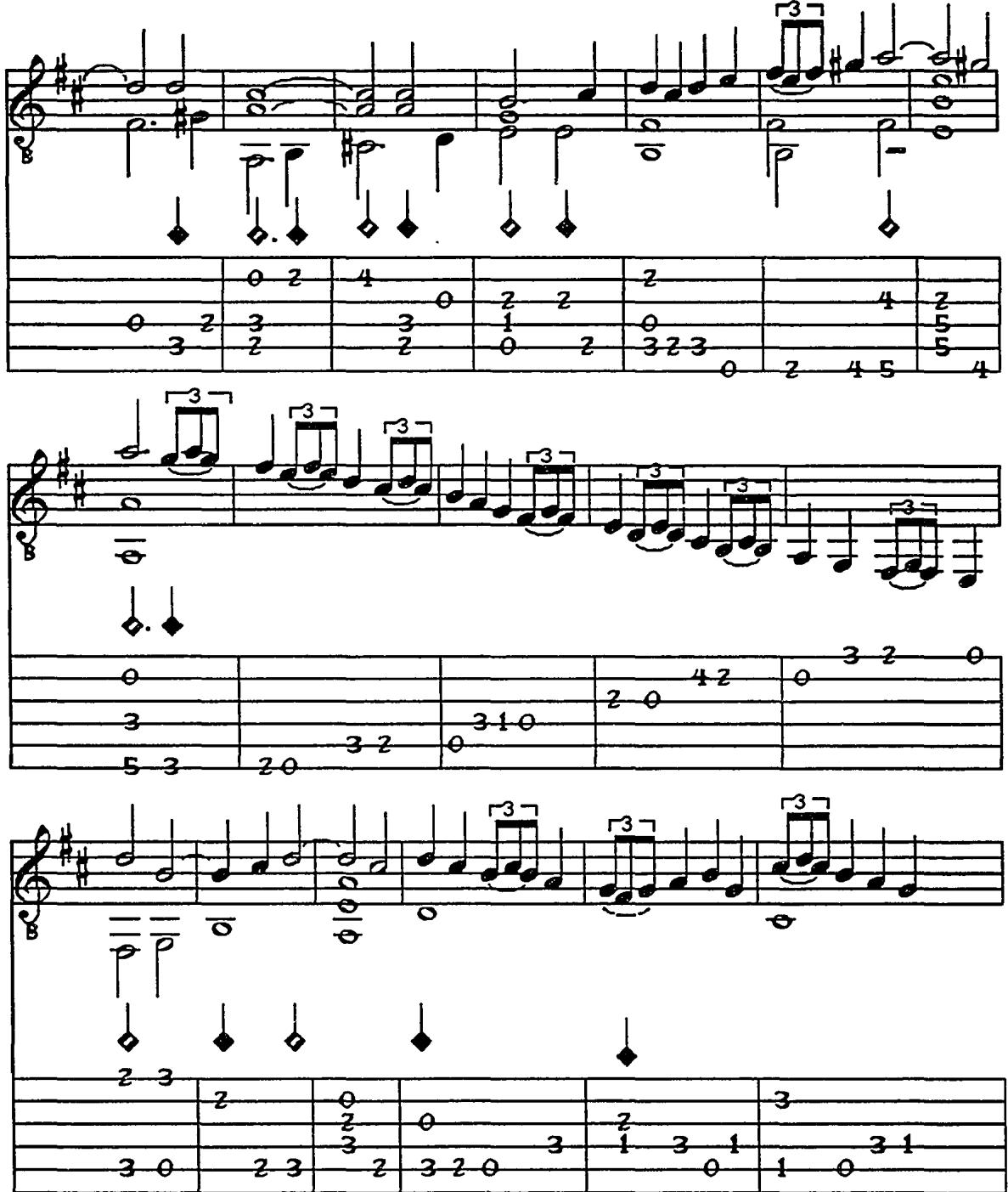
Bermudo does not give a notated example of his only ornament, which he calls a redoble, but his description is clear: “There is a redoble above the principal note, and one below it.“231
中文讲解
这段话交代了贝尔穆多装饰音论述的核心特征:(1) 贝尔穆多书中只描述了一种装饰音,名为 redoble;(2) 他并未为此装饰音提供乐谱示例,因此后人对它的理解完全依赖文字;(3) 他的描述——“在主要音之上有一个 redoble,在其之下也有一个 redoble”——将 redoble 定义为围绕"主要音”(principal note)上下各发生一次的装饰动作,本质上接近一种短促的颤音。这段为整节定下基调:贝尔穆多对 redoble 的说明简洁而缺少细节,正是这种简略引发了其后关于演奏实现的大量讨论。
补充说明
句末的上标 231 指向前文的脚注 231(Bermudo fol. 60v, 61r; trans Wyly 236),标明了这段直接引语的原始页码与英译来源。
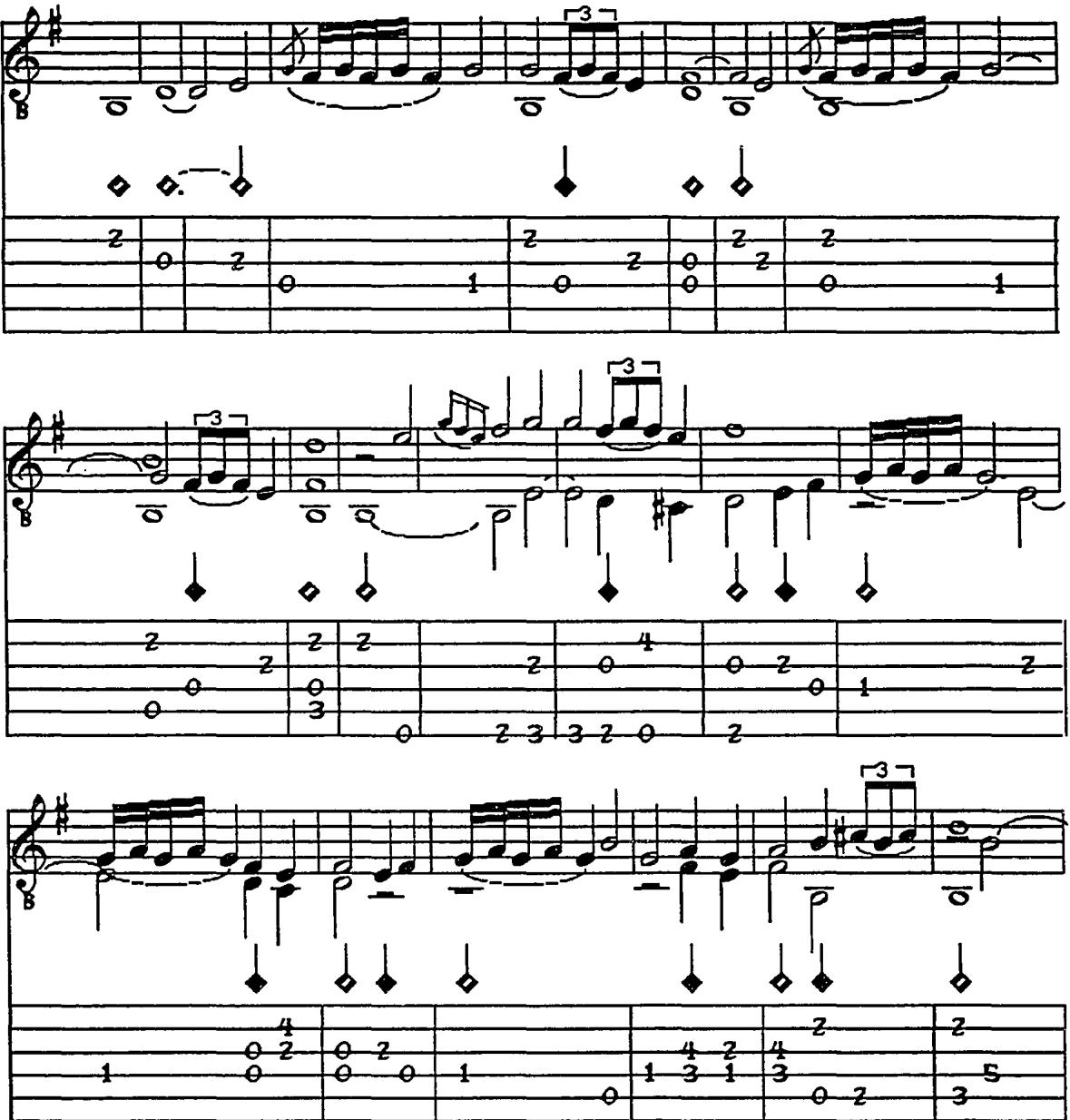
第2段(P0009)
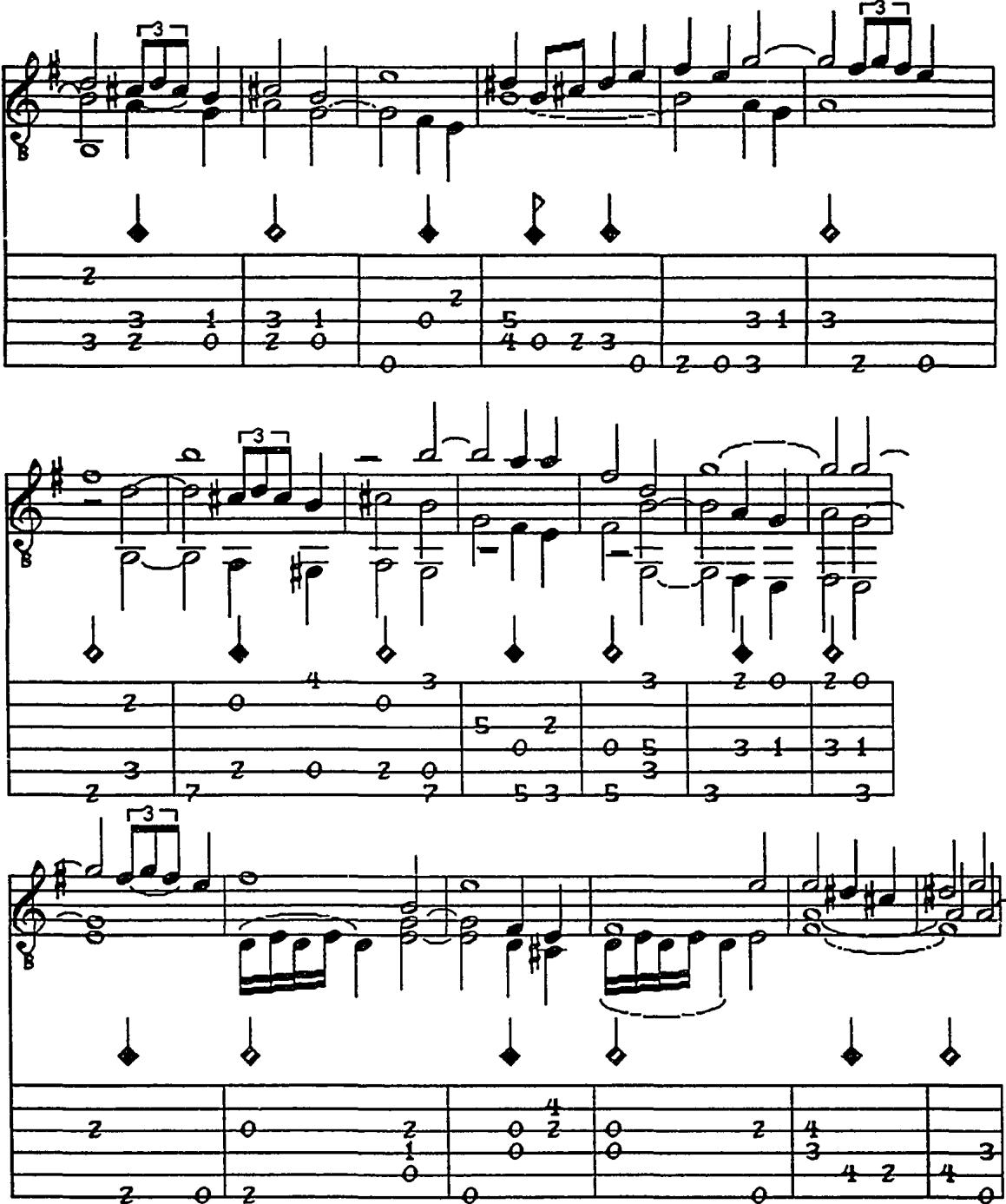
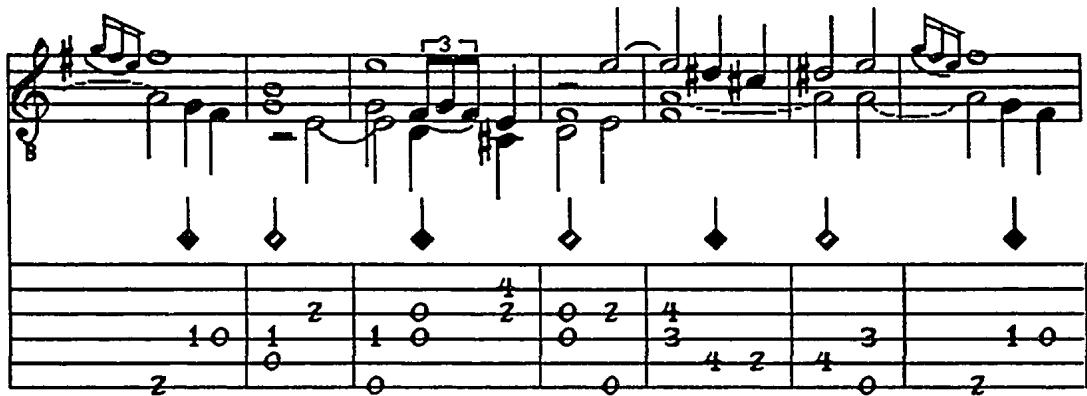
原文复述
[Example 5.4: Realization of Bermudo’s two redobles. Rhythmic values are editorial and could be changed in context.]
中文讲解
这是一幅编辑者绘制的实现图,标题为"Realization of Bermudo’s two redobles”(贝尔穆多两种 redoble 的实现),副说明明确指出"节奏时值是编辑所加,可视上下文而改"。该图紧接在 P0008 文字描述之后出现,其功能是把上一段那句简短文字转译为可视的乐谱形态,使读者直观看到 redoble 如何被构想为主音上下各一次的发音图样;然而由于节奏数值由编辑而非贝尔穆多所给,该图同时也是一种"诠释",而非历史原件。具体音符、谱号、拍号与具体音高关系需查阅原图确认。
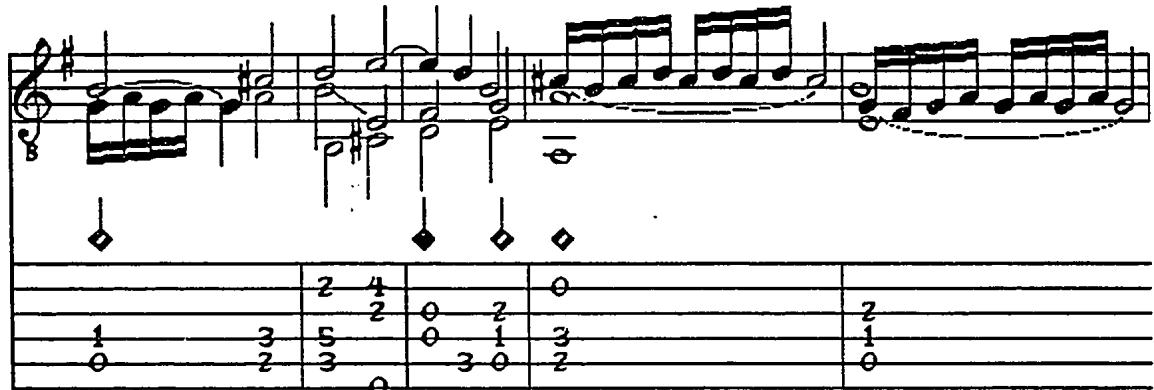
补充说明
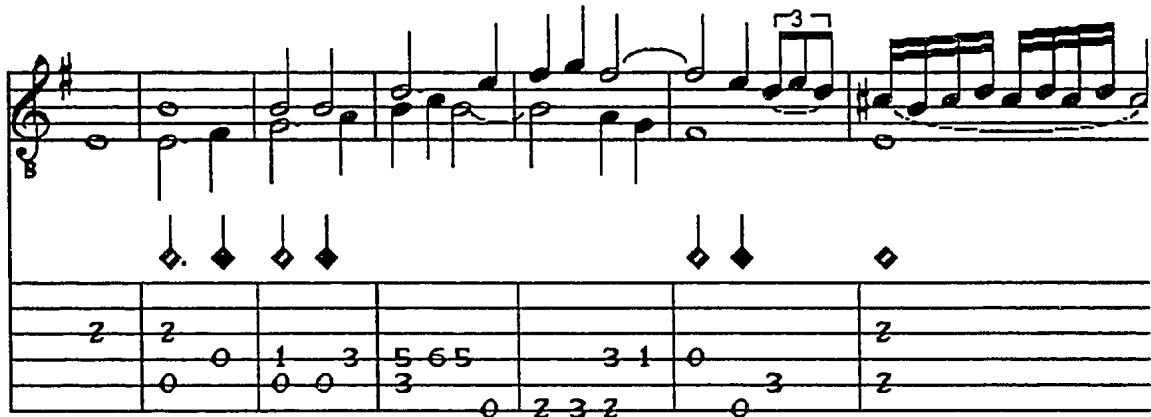
图中"rhythmic values are editorial"的副说明与下一段 Johnson 关于节奏、速度、位置皆未由贝尔穆多提示的引语彼此呼应,强调该图本质上是后人补全的实现方案,而非贝尔穆多原谱。
第3段(P0010)
原文复述
Although his comments can be interpreted as describing an ornament identical to the vihuela quiebro of Venegas, whether Bermudo intended this trill-like ornament to be continuous or short is unknown. As Calvert Johnson has pointed out: “The duration of the ornamented note, number of repetitions, relative speed (eighth or sixteenth notes) and rhythmic placement (on or before the beginning of the ornamented note), are not even hinted at.“232
中文讲解
这段承接前文,把 redoble 放进更广的西班牙维韦拉装饰音传统加以考察,并明确暴露贝尔穆多原文的局限。其论证要点有四:第一,贝尔穆多的文字可以被解读为与 Venegas 在维韦拉传统中称作 quiebro 的装饰音相同——这是把两者画上等号的一种合理解读;第二,这种颤音类装饰究竟应当被演奏得绵长持续还是短促一掠,原文并未给出答案;第三,Calvert Johnson 的引语系统列出了演奏 redoble 时本应决定却未被贝尔穆多提及的四项参数:被装饰音的时值、重复次数、相对速度(八分音符或十六分音符)、节奏位置(在主音开始时还是之前);第四,这些不确定性提醒我们:在把 redoble 当作一种"已知"的颤音使用之前,必须承认其细节其实是后人补足的。该段在论证中承担"暴露空白"的功能,为后文讨论演奏实现的自由度做铺垫。
补充说明
Calvert Johnson 的引语把"作者未说的内容"逐条列出,是评估任何 redoble 演奏实现可靠性的关键依据。
第4段(P0011)
原文复述
Bermudo also mentions several applications of simultaneous redobles in both hands. While the historical “correctness” of this simultaneous ornamentation of two lines should be remembered by vihuelists, guitarists, or lutenists performing sixteenth-century Spanish ensemble music, its feasibility for a solo vihuelist is doubtful.
中文讲解
这段把讨论从单音装饰推进到双手同时装饰的情形。论证结构可分两层:第一层陈述事实——贝尔穆多还提到若干在两手同时使用 redoble 来装饰两条旋律线的例子,意味着在当时的合奏实践中双手同时装饰是被认可的;第二层是面向现代演奏者的提醒,作者明确区分了两个维度:(a) 历史"正确性”——在复原十六世纪西班牙合奏音乐时,演奏维韦拉、吉他或鲁特琴的人应记得这种同时装饰的史料指示;(b) 独奏可执行性——由一位维韦拉演奏者独自承担两手同时的 redoble,技术上是否可行,值得怀疑。该段的关键意义在于揭示史料与独奏实践之间的张力:演奏者既要尊重文献原意,又要面对独奏乐器在生理层面的限制。
第5段(P0012)
原文复述
230 Parkins 8.
中文讲解
脚注 230,内容为"Parkins 8”,即引自 Parkins 著作第 8 页。该脚注编号延续自上一节,作为本节开篇处的遗留脚注出现于版面。
补充说明
脚注原文极简,仅标注作者姓氏与页码;其完整上下文需回到该编号最初对应的正文位置才能确认。
第6段(P0013)
原文复述
231 Bermudo fol. 60v, 61r; trans Wyly 236.
中文讲解
脚注 231,注明贝尔穆多 redoble 描述所在原书页码为 fol. 60v(60 页背面)和 61r(61 页正面),并标注英文译文出自 Wyly 第 236 页。这说明贝尔穆多对 redoble 的文字描述横跨原书的相邻两页,且现代学界通用的英译本由 Wyly 提供。该脚注支撑 P0008 中关于"贝尔穆多没有给出记谱但文字描述清楚"的引语。
补充说明
fol. 为 folio(对开页)的缩写;60v 中的 v 表示 verso(背面),61r 中的 r 表示 recto(正面),是早期印刷与手稿标识页码的常规方式。
第7段(P0014)
原文复述
232 Johnson 12.
中文讲解
脚注 232,内容为"Johnson 12",即引自 Johnson 著作第 12 页,对应 P0010 中所引 Calvert Johnson 关于 redoble 时值、重复、速度与节奏位置皆未提示那段话的来源。
脚注 / 边栏 / 图表 / 附加信息(如有)
本小节包含三条脚注(230–232)与一幅编辑者实现图(Example 5.4)。脚注 231(Bermudo fol. 60v, 61r; trans Wyly 236)标明 P0008 中贝尔穆多关于 redoble 直接引语的原始页码与英译出处;脚注 232(Johnson 12)对应 P0010 中 Calvert Johnson 的引语来源;脚注 230(Parkins 8)作为上一节遗留的脚注编号出现在本小节版面范围内。Example 5.4(“Realization of Bermudo’s two redobles”)由编辑者根据贝尔穆多文字描述绘制,其节奏时值注明为编辑所加,故属于实现谱而非历史原件;其作用是把 P0008 的简短文字转译为可视图样,并与 P0010 中 Johnson 关于细节未提示的提醒彼此呼应。
💡 本节核心要点
- 贝尔穆多没有为 redoble 提供乐谱示例,仅以"主音之上与之下各一"的文字加以描述。
- 编辑者据此绘制 Example 5.4 作为实现谱,但其节奏时值为后人添加,不能视作贝尔穆多原谱。
- 红oble 可被解读为与 Venegas 在维韦拉上所述的 quiebro 相同,但其持续抑或短促、速度、时值与节奏位置在原文中均未提示。
- 贝尔穆多还提到两手同时使用 redoble 装饰两条旋律线的情形,这在十六世纪西班牙合奏传统中具历史正确性,但由独奏维韦拉演奏者同时执行则可行性存疑。
- 演奏 redoble 必须在"尊重史料"与"独奏可执行性"之间做出判断,这是文献与实践之间的固有张力。
🔑 关键术语
- redoble:贝尔穆多所述的唯一装饰音,被描述为位于主音上方与下方各一次的颤音类装饰;本节将其与 Venegas 的 quiebro 进行比较,并探讨其在合奏与独奏中的实现。
- quiebro:Venegas 在维韦拉传统中所用的装饰音术语,作者认为贝尔穆多的 redoble 可能与之相同。
- principal note:被 redoble 所装饰的主音;redoble 的上下两处活动皆围绕该音进行。
- vihuela / vihuelist:维韦拉琴及其演奏者;本节讨论的演奏语境既涉及维韦拉独奏,也涉及近代吉他与鲁特琴演奏者对十六世纪西班牙合奏音乐的借鉴。
- folio (fol.):早期印刷与手稿的页码单位,60v 表示第 60 页背面(verso),61r 表示第 61 页正面(recto);脚注 231 据此标明贝尔穆多原书页码。
C1.S3 [描述性拆分] Bermudo’s Simultaneous Two-Part Redobles
第1段(P0015)
原文复述
Example 5.5: Simultaneous redobles in two parts as given by Bermudo. One voice must trill up from main note, the other down, and both the main notes and trilled notes should be consonant. 233
中文讲解
本段是一段图注/例注,标注编号为 Example 5.5(例 5.5),内容指向 Bermudo 所记述的同时进行的二部 redobles(颤音式装饰)。注释本身给出了该例的要点:第一,两声部同时奏出颤音;第二,两个声部在颤音方向上必须相反——一个从主音向上颤,另一个从主音向下颤;第三,无论主音本身,还是各声部被颤到的邻音,都必须协和。括号外的脚注编号 233 表示该处引自 Bermudo 的论述,需查阅原书页码。理解上的关键在于:redoble 在这里不仅是装饰音的简单重复,而是被赋予了一种"二部对位化"的规则——同一时间两声部分别向上与向下颤,且协和性需在静态(主音对主音)与动态(颤到的音与颤到的音之间)两个层面同时成立。这意味着作者在借助 Bermudo 来证明历史上已有对颤音协和性的明确约束,而非仅凭直觉即兴处理。
补充说明
本段中的脚注编号 233 指向前文脚注中的 Bermudo 文献出处;其作用是为"两个方向同时颤且须协和"这一规则提供原始权威来源,属于来源型脚注,而非限定或反驳型。
第2段(P0016)
原文复述
中文讲解
本条是页内的图像或乐谱占位符,紧接在 Example 5.5 的图注之后,用以承载该例的实际谱例或图示。它对应的是上一段所描述的 Bermudo 式二部同时 redobles——两声部分别向上与向下颤,且主音与颤音均须协和。由于内嵌图像数据未保留,具体音高、调号、节奏与声部走向需查阅原图才能确认;占位符本身在版面中起"图—文对应"的视觉定位作用。
脚注 / 边栏 / 图表 / 附加信息(如有)
本小节附加材料仅包含一处内嵌的乐谱/图像占位符(对应 Example 5.5 的实际谱例)以及一个脚注编号 233,该脚注的功能是为 Bermudo 关于同时二部 redobles 的协和规则提供原始出处。除此之外没有边栏或独立图说。
💡 本节核心要点
- Example 5.5 引用 Bermudo,说明同时进行的二部 redobles 是一种历史上有明文规则的颤音方式。
- 两声部的颤音方向必须相反:一个从主音向上颤,另一个从主音向下颤。
- 协和性的要求覆盖两个层面:主音与主音之间协和,被颤到的音与被颤到的音之间也协和。
- 脚注 233 为该规则提供 Bermudo 的原始文献出处,属于来源型支持。
- 本节以图注加谱例占位符的形式呈现,核心信息集中在图注文字中。
🔑 关键术语
- redoble:本节中的装饰性颤音,被 Bermudo 进一步规则化为可同时在二部中进行的协和装饰。
- Bermudo:本节中所引文献的作者,作为同时二部 redobles 协和规则的原始来源。
- consonant (协和):在本节中既要求主音与主音协和,也要求各声部被颤到的邻音之间协和,即协和性须在静态与动态两个层面同时成立。
- trill up / trill down:分别指从一个主音向上颤向更高的邻音,以及从主音向下颤向更低的邻音;本节要求两声部采用相反方向。
C1.S4 [描述性拆分] Introduction to Sancta María’s Ornament Treatise
第1段(P0017)
原文复述
A welcome contrast to the sometimes cryptic descriptions of ornamentation by Venegas and Bermudo is encountered in Thomás de Sancta María’s Libro llamado Arte de tañer Fantasia así para tecla como para vihuela y todo instrumentos, published in Valladolid in 1556. Since Sancta María routinely gives musical examples of his ornaments, their interpretation is less problematic than those given by Venegas
中文讲解
本段开启小节,引出第三位西班牙文艺复兴装饰音理论家 Sancta María(托马斯·德·桑克塔·玛丽亚)。作者指出,相对于 Venegas 与 Bermudo 那种常令人费解的文字描述,Sancta María 因"经常用乐谱例示其装饰音"而使解读大大简化。小节标题虽号称适用于"tecla(键盘)、vihuela 和一切乐器",但正文脚注透露其对 vihuela 的处理其实是简略的。重点在于:因为有谱例,Sancta María 的装饰音术语比前两位更可靠。
第2段(P0018)
原文复述
233 Example from Parkins, 6, realized from Bermudo, fol. 60v.
中文讲解
脚注 233:来源标注,指出所引谱例出自 Parkins 第 6 页,是据 Bermudo 原书第 60v 叶的转写还原。
补充说明
脚注性质,属于前一节对 Bermudo 装饰音图示的出处说明。
第3段(P0019)
原文复述
234 Despite this title, Sancta María’s treatment of the vihuela is cursory.
中文讲解
脚注 234:补述 Sancta María 虽然书名涉及 vihuela,但实际论述相当简略。
补充说明
脚注起限定作用——提醒读者书名有夸大的广告成分。
第4段(P0020)
原文复述
Although Sancta María gives more detailed information than and Bermudo, and most of his lengthy descriptions can be omitted. The first group of ornaments as well as some of Sancta María’s suggestions and proscriptions on their exact usage are given below.
中文讲解
本段承上启下:Sancta María 比 Venegas 和 Bermudo 给出更详细的装饰音信息,作者因此省略冗长描述,只保留第一组装饰音及 Sancta María 对其精确用法的若干建议与禁忌。这一选择决定了后续小节的取材范围——只摘取与本论文论证最相关的部分。
补充说明
原文似有缺漏(“more detailed information than and Bermudo”),应为"than Venegas and Bermudo"之误。
第5段(P0021)
原文复述
47-51v;
中文讲解
脚注片段:folio 47 至 51v(书页编号区间)。
补充说明
属于脚注 235 的页码标注片段。
第6段(P0022)
原文复述
235 Translations of Sancta Maria’s comments on ornamentation, folios 47-51 v, are available in the following: Wyly 228-234; Jacobs, “The Performance” 152-54, 156-62. A much-summarized but accurate paraphrase can be found in Poulton, “How to Play” 26-30.
中文讲解
脚注 235:列出 Sancta María 关于装饰音的英译本与转述来源——Wyly 的 228–234 页、Jacobs《The Performance》152–154、156–162 页、以及 Poulton《How to Play》26–30 页的概括性改述。
补充说明
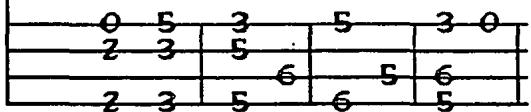
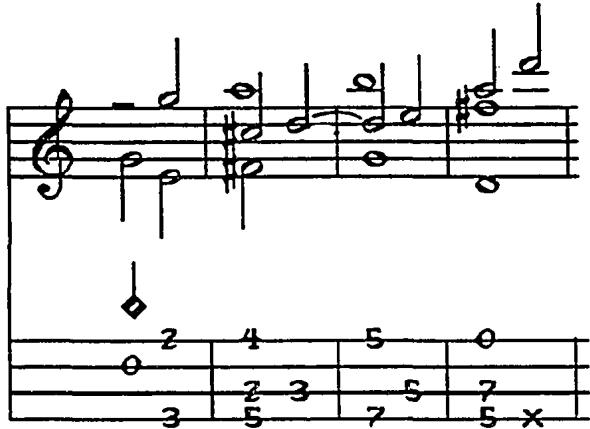
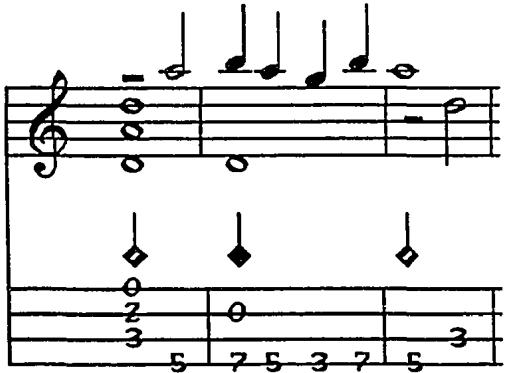
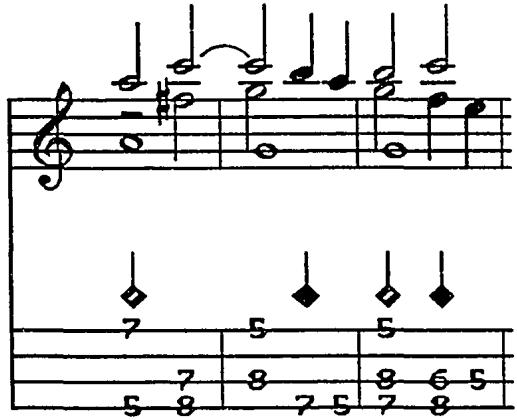
脚注为研究 Sancta María 装饰音理论提供了英译与综述的三种主要二手文献入口。
第7段(P0023)
原文复述
236 Table based on transcription into modern notation by Parkins 6. All other secondary sources were in essential agreement with these realizations.
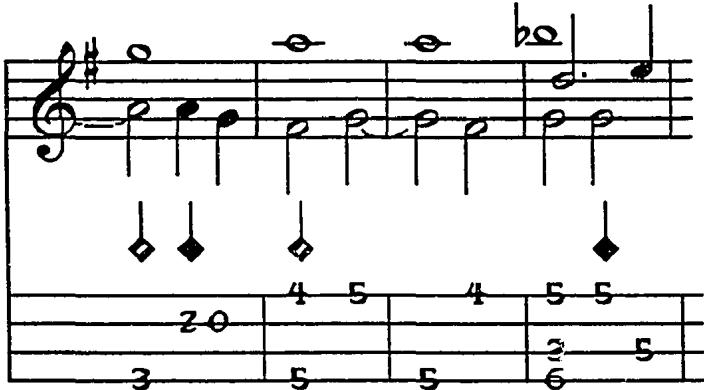
中文讲解
脚注 236:指出后文谱表依据 Parkins 第 6 页的现代记谱转写,并说明其他二手文献的还原结果与 Parkins 基本一致。
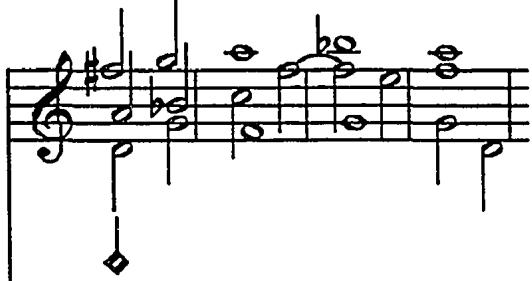
补充说明
脚注起方法论作用——交代谱表来源与可靠性。
第8段(P0024)
原文复述
Each example ends with either a held whole note or breve. If this rhythmic notation is taken literally, this last note cannot be included in the time allotted to each ornament by Sancta María. (The quiebro reiterado will not fit into its prescribed time even without the last note.) The notation implies instead that this is the note to which each ornament resolves. However, Sancta María’s verbal description of these ornaments always includes the last note without any such distinction, as in the following: “Observe that redoble means doubled or reiterated notes, the doubling or reiteration involving only two successive notes, such as mi, re, mi, fa, mi, fa, mi, fa, mi.”
中文讲解
本段揭示 Sancta María 装饰音谱例的一个关键解读难题:每个例子末尾都有一个全音符或 breve(短音符)的延音,如果按字面时长来算,连最后这个音都塞不进 Sancta María 文本所规定的时间内(quiebro reiterado 即便不算最后音也不够时长)。作者因此提出两种可能解读:(1) 最后音是装饰音所要"解决"到的音,而非装饰音的一部分;(2) Sancta María 的文字描述(如 redoble 的定义)却又把最后音算作装饰音的一部分。引文以 Sancta María 原文说明 redoble = “重复的或回旋的音”,重复仅在两个相邻音之间(如 mi, re, mi, fa, mi, fa, mi, fa, mi)。这一矛盾是本节最核心的方法论议题。
补充说明
breve 在中世纪—文艺复兴记谱法中等于现代的 breve(双全音符),比 whole note 时值更大。
第9段(P0025)
原文复述
Two interpretations of this notation are possible. Although he never addresses the problem directly, Jacobs follows two different procedures with different implications. In his realizations of some of the ornaments Jacobs includes the last note in the ornament itself. However, in his search for notated occurrences of the ornaments almost all the occurrences listed are followed by their beginning note, exactly as required by a literal interpretation of Sancta María’s notation.
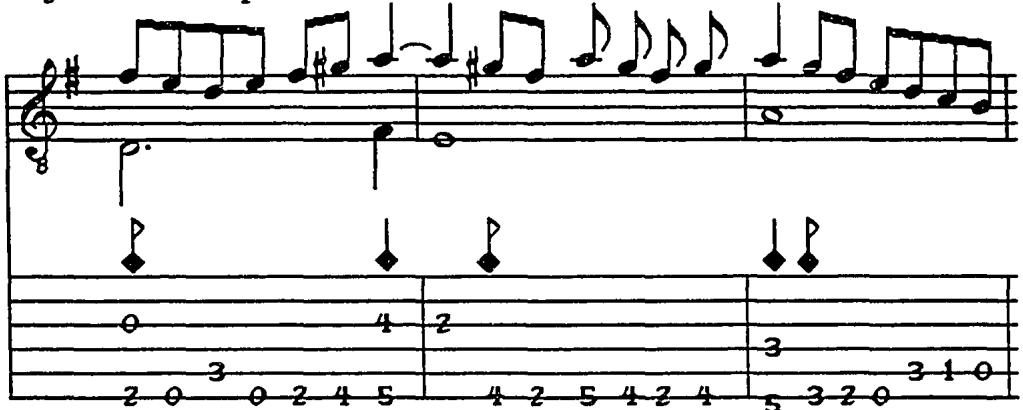
中文讲解
本段指出现代学者 Jacobs 在其释读中其实"暗中"走了两条路:(a) 在某些装饰音的谱面还原中,他把最后音算进装饰音本身;(b) 在曲谱中考证这些装饰音的出现位置时,则按 Sancta María 字面记谱的方式,找的是"被同一起始音紧接其后"的实例。这两套做法的内在矛盾,Jacobs 本人从未在文本中点明。
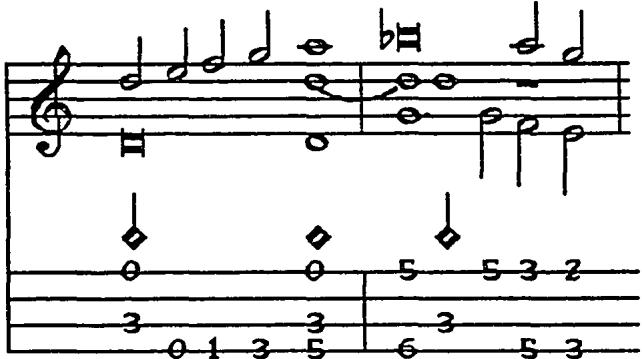
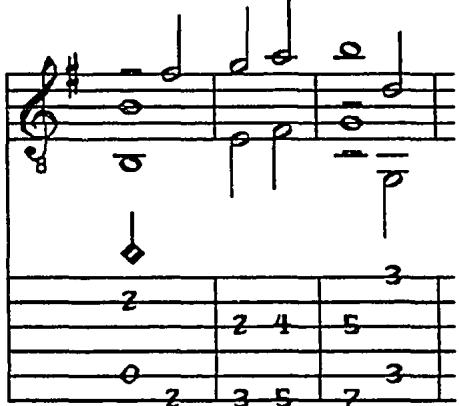
补充说明
段落要点:揭示主要二手研究者在方法上的不一致。
第10段(P0026)
原文复述
One strong objection comes to mind regarding this second approach: Of what use is an ornament that must always be followed by the same note? Another more likely solution is hinted at when Wyly states, “It should be remembered that though the examples are largely written in eighth-notes, [sic] it is only because they have to be written in something. Santa María gives no indication as to whether the trills are to be played with or without the point d’arret other than ’the redobles have in no way to be very long.'”
中文讲解
本段对字面解读法提出最强质疑——如果装饰音必须后面紧跟同一音,那它有何艺术价值?作者随后援引 Wyly 的意见,认为 Sancta María 把谱例写成八分音符只是"权宜",他本人只说"redobles 绝不应太长",而没有规定是否应停在主音之前(point d’arrêt 指在主音前的停顿)。这暗示 Sancta María 的记谱只是书写上的方便,并不严格表示时长。
补充说明
point d’arrêt 是法语术语,指颤音主音出现前的短促停顿;这里用来类比 Sancta María 是否要求颤音在主音前结束。
第11段(P0027)
原文复述
46v;
中文讲解
脚注片段:folio 46v(Sancta María 原书页码)。
补充说明
属于脚注 237 的出处片段。
第12段(P0028)
原文复述
237 Sancta Maria fol. 46 v; trans. by Jacobs, “The Performance” 152.
中文讲解
脚注 237:注明 P0024 段中"redoble"释义的 Sancta María 原文出自第 46v 页,译文取自 Jacobs《The Performance》第 152 页。
补充说明
脚注起出处标注作用。
第13段(P0029)
原文复述
238 Jacobs, “The Performance” Vol. 2, 121; Vol 1, 161, fn 8. As an added complication, Jacobs does occasionally “find” these ornaments in rhythmic values other than those specified by Sancta Maria. In several of his listed occurrences I can find no musical figure matching the specified ornament at all.
中文讲解
脚注 238:进一步指出 Jacobs 在考证这些装饰音的实例时,偶尔会用与 Sancta María 规定不同的节奏值,甚至在若干所列实例中根本找不到符合规格的乐句——这让字面解读法又添一层不确定性。
补充说明
脚注揭示 Jacobs 方法论的内在混乱,作者借此进一步质疑字面解读。
第14段(P0030)
原文复述
Thus Sancta Maria’s choice of note values for the examples is arguably mere convenience, and the greater time value given to the last note is meant to convey only that the ornament need not occupy the note’s complete duration, not that this last note falls after the ornament proper. It may additionally imply a slight lingering on the terminal note of the ornament, or that the “eighth” notes are to be played as quickly as possible.
中文讲解
本段提出作者的最终判断:Sancta María 选择最后音给予较大时值,“只是一种书写便利”,其作用是说明装饰音不必占满该音的全部时值,而不是说最后音落在装饰音之后。还可能附带表示:装饰音尾音稍微延长、或那些"八分音符"实际上应尽快奏出。这是本节方法论问题的核心结论。
补充说明
这是综合 Wyly 引文与内在矛盾后提出的最合理解读。
第15段(P0031)
原文复述
Further proof that this is Sancta María’s intention is given both by the fact that the quiebro reiterado in his example will not fit into the rhythmic situation given for it in the text, and by another example showing which types of simple quiebro should be used for ascending and descending scales. Although Sancta María does not realize the ornaments in actual notation in this example, his indicated placement of them makes it clear that the only reasonable interpretation includes the last note of his example in the ornament itself, and involves playing the “eighths” at least as fast as triplets.
中文讲解
本段再举两重证据:(1) 例中 quiebro reiterado 按文本的节奏位置根本无法塞入——证明 Sancta María 的时值不是死规定;(2) 关于简单 quiebro 应用于上行/下行音阶的另一例,虽未实写装饰音,但凭其指示位置,可推断合理读法是把最后音算进装饰音本身,并把"八分音符"按至少三连音的速度演奏。
补充说明
结论的二次加固:作者用 Sancta María 自己的例子反证其本意。
第16段(P0032)
原文复述
239 Wyly 228. The avoidance of notated sixteenth notes occurs often enough in Renaissance music and treatises to have been dubbed “horror fusae” by some musicologists.
中文讲解
脚注 239:出处 Wyly 第 228 页;并解释 Sancta María 在谱中不写十六分音符的现象——这种回避在文艺复兴音乐与论著中常见到足以被某些音乐学家戏称为"horror fusae"(对十六分音符的恐惧)。
补充说明
horror fusae 是音乐学家的戏称,反映了 Renaissance 谱面习惯。
第17段(P0033)
原文复述
[Example 5.7: Sancta Maria’s original notation of correct use of simple quiebros, indicated by dots (left). Realization showing one possible necessary reduction of note values from those given in Sancta Maria’s examples of simple quiebros (right). 240]

中文讲解
谱例 5.7 的图题:左为 Sancta María 关于简单 quiebros 正确用法的原始记谱(用圆点标出装饰音位置);右为根据 Sancta María 的时值示例所做的一种必要缩减(节奏压缩)的还原谱。
补充说明
图注保留;原图未提供,需查看原版以比较 Sancta María 原谱与作者的简化还原。
第18段(P0034)
原文复述
Inherent in this interpretation of Sancta María’s notation is the answer to another question: was all necessary ornamentation already written into vihuela music? Although musical figurations similar to each of the ornaments can be found in the tablatures, they are rarely if ever written in values smaller than eighths. The necessary use of notes smaller than eighths in Sancta María’s ornaments therefore argues against this theory. In addition, in Venegas’s earlier description of his vihuela ornament, the repercussions after the main note are sounded with the left hand alone, the same sort of execution called for in descriptions of Renaissance lute ornaments. Since none of the vihuela tablatures include instructions for playing notes in this manner, it seems likely that such ornaments were meant to be indicated by signs (which were too difficult for printers to include), or added entirely at the performers’ discretion, just as they were in lute sources.
中文讲解
本段由记谱解读转入实质问题:vihuela 乐谱是否已经写入了"所有必要的装饰"?作者分三步论证:(1) tablature 中虽然能找到与各装饰音相似的乐句,但极少用小于八分音符的时值——而 Sancta María 的装饰音实操中必须用更小时值的音(如十六分、三十二分),故"已经全部写入"之说不攻自破;(2) Venegas 早先描述的 vihuela 装饰在主音后的回旋只用左手完成,这与 Renaissance 鲁特琴装饰音的执行方式相同;(3) vihuela 谱面没有任何左手这种奏法的说明,所以这些装饰很可能是用记号标出(但对印刷来说太难)或完全由演奏者即兴添加——这与鲁特琴文献的做法一致。
补充说明
段落承担双重论证:解决 Sancta María 记谱问题,同时证明 vihuela 演奏者本来就享有装饰的自由。
第19段(P0035)
原文复述
Sancta María goes on to describe another slightly altered execution of two of his ornaments as being “very new and gallant.” The altered execution involves beginning the redoble and the quiebro reiterado with an added upper auxiliary played before the beat.
中文讲解
本段引入 Sancta María 对两个装饰音的"新且优雅"变体:redoble 与 quiebro reiterado 在拍前加一个上辅助音起奏。这是小节内"新派"装饰音的开端,作者将逐步讨论其节奏位置与多种解读。
补充说明
“very new and gallant” 是 Sancta María 原文用语,传达当时审美上的新潮感。
第20段(P0036)
原文复述
240 Poulton, “How to Play” 30.
中文讲解
脚注 240:来源 Poulton《How to Play》第 30 页,对应 Example 5.7。
补充说明
出处标注。
第21段(P0037)
原文复述
241 Poulton, “How to Play” 29.
中文讲解
脚注 241:来源 Poulton《How to Play》第 29 页,对应 P0035 提及的"新派"装饰描述。
补充说明
出处标注。
第22段(P0038)
原文复述
[Example 5.8: Realization of “new manner” for Sancta Maria’s quiebro reiterado and redoble with uncorrected note values. 242]

中文讲解
谱例 5.8 图题:Sancta María 的 quiebro reiterado 与 redoble 在"新方式"下的还原谱,未对其节奏值进行修正(保留 Sancta María 原谱的时值比例)。
补充说明
原图未提供,需查看原版;与 Example 5.7 对照可看出"不修正"与"必须修正"两种解读的差别。
第23段(P0039)
原文复述
Sancta María also includes, in retrospect, another ornament in this “very new and gallant” category which he originally listed with the first group, a second quiebro suitable for minims (half-notes), given below. Example 5.9: “New and gallant” quiebro for half-notes given only by Sancta María. 243
中文讲解
本段引出另一个被 Sancta María 归入"新派"、但最初却被列在第一组中的装饰音:一种适用于 minim(二分音符 / half-note)的"第二个" quiebro。Sancta María 是唯一给出此装饰音的西班牙资料来源。
补充说明
“in retrospect” 表明 Sancta María 在回顾第一组时把这条装饰重新归入"新派"。
第24段(P0040)
原文复述
[Several possible interpretations of this problematic ornament are presented by Robert Parkins.]
中文讲解
图题补述:Robert Parkins 提供了对这条棘手的二分音符 quiebro 的多种可能解读谱例。
补充说明
原图未提供,需查看原版以对照不同解读方案。
第25段(P0041)
原文复述
The presence of a rest before the first note of this particular quiebro in Santa Maria’s example would seem to indicate that the first note is not to coincide with the beat. At first glance one might reason that the entire figure is delayed until after the consonancia is struck. Another interpretation might be that the first three notes precede the beat, thereby placing the main beat on the note in conformance with the other ornaments mentioned. Still another possible solution would be to play the upper auxiliary immediately before the beat, allowing the first occurrence of the main note to fall on the beat. This third possibility is least likely, though, for it would result in the less preferred form of the quarter-note quiebro senzillo preceded by the upper neighbor. To begin the half-note quiebro senzillo before the beat is certainly not out of the question, for Santa Maria describes it as “very new and elegant”, similar to the new and elegant fashion of playing the redoble and quiebro reiterado, in which the main note of the beat is preceded by the upper neighbor (stated by Santa María in no uncertain terms).
中文讲解
本段详细讨论 Sancta María 例中第一条二分音符 quiebro 之前休止符的功能,由此提出三种节奏解读:(A) 整个音型推迟到 consonancia(协和音)奏出之后;(B) 前三个音在拍前奏出,主音落在拍上;(C) 上辅助音紧贴拍前奏出,主音则落在拍上。作者判断 (C) 最不可取,因为它会变成"较不受偏好的"四分音符简单 quiebro 上加一个上邻音的形式。而把整条二分音符简单 quiebro 提前到拍前则完全可能——Sancta María 形容其为"very new and elegant",与他在 redoble 与 quiebro reiterado 中明文规定"主音前加一个上邻音"的做法是同一审美取向。
补充说明
consonancia 指音乐中的协和音点;本段是该装饰音节奏位置讨论的关键。
第26段(P0042)
原文复述
242 Parkins 6.
中文讲解
脚注 242:来源 Parkins 第 6 页,对应 Example 5.8。
补充说明
出处标注。
第27段(P0043)
原文复述
243 Poulton, “How to Play” 27.
中文讲解
脚注 243:来源 Poulton《How to Play》第 27 页,对应 Example 5.9。
补充说明
出处标注。
第28段(P0044)
原文复述
Therefore there are at least three possible interpretations of this ornament, as given below.
中文讲解
本段为承前总结:该装饰音至少有三种可能解读,并以谱例呈现(接 Example 5.10)。
第29段(P0045)
原文复述
[Example 5.10: Possible realizations of Sancta Maria’s “new and gallant” quiebro for half-notes.; Only one ornament is given without notation by Sancta María, a type]
中文讲解
谱例 5.10 图题:对 Sancta María 二分音符"新派" quiebro 的几种可能还原。本图题末段也预告了下一条装饰——Sancta María 未给出谱例的一条简单 quiebro。
补充说明
原图未提供,需查看原版以比较三种还原方案。
第30段(P0046)
原文复述
of simple quiebro that resembles an accaciatura. His description of
中文讲解
本句接上条图题末尾:未给谱例的简单 quiebro 类型近似倚音(acciaccatura)。下接 Sancta María 的文字描述。
补充说明
accaciatura 即现代所谓的 acciaccatura(短倚音),此处用西班牙语拼写。
第31段(P0047)
原文复述
the ornament (originally spread over several paragraphs), reads:
中文讲解
过渡句:Sancta María 对该装饰的描述原本散见于数段中,下引其完整译文。
第32段(P0048)
原文复述
Of these four quiebros, two differ from the other two in that some are made with three notes . . . and the other two are made with only two notes . . . [my emphasis] one makes them with two fingers [and] one has to note two things. The first is that the finger which strikes the first note, after having struck the key, does not have to rise from it, but can remain holding it down, and the finger which strikes the second note has to come up from the key, sliding off it and then the finger which struck the first note has to press down a little on the key . . . the second note of the above-mentioned two quiebros has to be struck so quickly after the first that they almost sound together at the same moment, so that it seems by chance that one sounds second.
中文讲解
本段为 Sancta María 原文译文(由 Wyly 译出),描述四种简单 quiebros 中两条两音装饰的具体指法:(1) 第一个音的手指击键后不必抬起,可继续按着;(2) 第二个音的手指击键后须从键上滑起;(3) 第一音的手指再稍向下压一点;(4) 第二个音必须极快地紧接第一音奏出,几乎同时发声,以致第二个音像是"偶然"才被听见。这正是倚音(acciaccatura)的核心奏法。
补充说明
“press down a little” 描写了左手指在键上"压"出轻微重音,是文艺复兴键盘指法中的关键动作。
第33段(P0049)
原文复述
A realization from this description is given below:
中文讲解
过渡句:根据 Sancta María 的文字描述给出谱面还原(Example 5.11)。
第34段(P0050)
原文复述
244 Parkins 8.
中文讲解
脚注 244:来源 Parkins 第 8 页,对应 P0041 节奏位置讨论。
补充说明
出处标注。
第35段(P0051)
原文复述
245 Wyly 232.
中文讲解
脚注 245:来源 Wyly 第 232 页,对应 P0048 关于四类简单 quiebros 的译文。
补充说明
出处标注。
第36段(P0052)
原文复述
[Example 5.11: Realization of Sancta Maria’s quiebros senzillos for quick passages in quarter notes. 246]

中文讲解
谱例 5.11 图题:根据 Sancta María 文字描述还原的、用于快速四分音符经过句的简单 quiebros。
补充说明
原图未提供,需查看原版;节奏错误已被作者按 Wyly 原还原订正。
第37段(P0053)
原文复述
Before discussing which musical situations are proper for these ornaments, it might be best to see if the mass of material given by Bermudo, Venegas, and Sancta María can be summarized. Sancta María’s non-repeated quiebro for half-notes (Example 5.10) and his accaciatura-like quiebro for quarter notes (Example 5.11) are unique in Spanish sources, but the other ornaments of all these musicians fall into two categories: those resembling a trill and those resembling a turn. The trill-like ornaments are given below.
中文讲解
本段开启小节的综合阶段:先把 Bermudo、Venegas、Sancta María 三人的装饰音材料归并汇总。作者指出,Sancta María 的二分音符非重复 quiebro(Ex. 5.10)与类倚音四分音符 quiebro(Ex. 5.11)乃西班牙文献中所独有;其余装饰则可分为两大类——类似颤音(trill)者与类似回音(turn)者。本段给出的是颤音类(trill-like)对照(Example 5.12)。
补充说明
Sancta María 的两条独特装饰使他在西班牙装饰音文献中具有不可替代性。
第38段(P0054)
原文复述
Example 5.12: Comparison of trill-like ornaments given by various sixteenth-century Spanish musicians. Rhythmic values in all examples are only approximate and would probably be smaller in actual use.
中文讲解
谱例 5.12 标题:16 世纪西班牙诸音乐家所给颤音类装饰音的比较。所有示例中的节奏值仅是大致估计,实际演奏时可能更小。
补充说明
该谱例是本节最重要的对照表之一。
第39段(P0055)
原文复述
A. Venegas’s first vihuela quiebro, Bermudo’s lower-auxiliary redoble.
中文讲解
谱例 5.12 第一项:A —— Venegas 的第一条 vihuela quiebro,对应 Bermudo 的下辅助 redoble。
第40段(P0056)
原文复述
[Additional repercussions?]
中文讲解
图注或版面问题:作者在 A 项下写有"Additional repercussions?",提示该谱可能还应加上额外回旋音。
补充说明
原图未提供,需查看原版。
第41段(P0057)
原文复述
B. Venegas’s second vihuela quiebro, Bermudo’s upper-auxiliary redoble.
中文讲解
谱例 5.12 第二项:B —— Venegas 的第二条 vihuela quiebro,对应 Bermudo 的上辅助 redoble。
第42段(P0058)
原文复述
[第10页图像或乐谱示例]
中文讲解
B 项对应的乐谱图。
补充说明
原图未提供,需查看原版。
第43段(P0059)
原文复述
246 Based on Wyly’s realization, 232, but with rhythmic mistakes corrected.
中文讲解
脚注 246:Example 5.11 系据 Wyly 第 232 页的还原,但修正了其节奏上的错误。
补充说明
脚注说明该谱例经过作者修订。
第44段(P0060)
原文复述
C. Sancta Maria’s quiebro reiterado.
中文讲解
谱例 5.12 第三项:C —— Sancta María 的 quiebro reiterado(重复 quiebro)。
第45段(P0061)
原文复述
[第11页图像或乐谱示例]
中文讲解
C 项对应的乐谱图。
补充说明
原图未提供,需查看原版。
第46段(P0062)
原文复述
D. Sancta María’s quiebro reiterado in “new and gallant” manner.
中文讲解
谱例 5.12 第四项:D —— Sancta María 的"新且优雅"式 quiebro reiterado。
第47段(P0063)
原文复述
[第11页图像或乐谱示例]

中文讲解
D 项对应的乐谱图。
补充说明
原图未提供,需查看原版。
第48段(P0064)
原文复述
E. Sancta María’s quiebros senzillos for quarter notes.
中文讲解
谱例 5.12 第五项:E —— Sancta María 用于四分音符的简单 quiebros(senzillos)。
第49段(P0065)
原文复述
[第11页图像或乐谱示例]
中文讲解
E 项对应的乐谱图。
补充说明
原图未提供,需查看原版。
第50段(P0066)
原文复述
Example 5.12 above and the preceding discussion of these ornaments show that their historically “proper” use can be summarized as follows: Spanish Renaissance trills start on the main note and can involve alternation with either the upper or lower neighbor by half-step or whole-step depending on the circumstances. The preferred duration, speed, and number of repercussions vary from source to source, therefore the choice to end the trill before the next note, or to extend it throughout the trilled note’s duration, is up to the performer’s individual taste. The repeated trill to the lower neighbor is probably used less than the repeated trill to the upper neighbor. The addition of an upper auxiliary to the trill before the beat on the main note is historically justifiable, but is by no means mandatory.
中文讲解
本段是颤音类装饰音历史"规范"用法的总结:(1) 西班牙 Renaissance 颤音从主音开始,可与上或下邻音作半音或全音交替;(2) 持续时间、速度、重复次数各源不一,是否在下一音前结束或贯穿全音取决于演奏者趣味;(3) 向下邻音的重复颤音用得较少,向上邻音较多;(4) 在拍前加一个上辅助音有历史依据但并非强制。
补充说明
本段是装饰音小节最关键的"原则性结论"之一,为后续应用到 Mudarra 曲谱提供理论依据。
第51段(P0067)
原文复述
The longer ornaments given by Venegas and Sancta María can all be described as a combination of a turn-like figure and a main-note, upper-auxiliary trill. Note also that at least one of Venegas’s quiebros is identical to Sancta María’s.
中文讲解
本段概括较长的装饰音:Venegas 与 Sancta María 所给的较长装饰音都可视为"类回音乐句 + 主音上辅助颤音"的组合。值得一提:Venegas 至少有一条 quiebro 与 Sancta María 的完全相同——再次证明三者装饰音传统之间存在传承。
补充说明
该观察为作者整合三大资料来源提供关键桥梁。
第52段(P0068)
原文复述
Example 5.13: Comparison of turn-like ornaments given by sixteenth-century Spanish musicians. Rhythmic values in all examples are only approximate and would probably be smaller in actual use.
中文讲解
谱例 5.13 标题:16 世纪西班牙音乐家所给类回音装饰音比较。所有节奏值仅为近似估计。
补充说明
与 Example 5.12 平行,对应"较长 / 复合"装饰音类别。
第53段(P0069)
原文复述
[B. Venegas’s right-hand quiebro.]
中文讲解
谱例 5.13 之 B 项:Venegas 的右手 quiebro。
补充说明
原图未提供,需查看原版。
第54段(P0070)
原文复述
[第12页图像或乐谱示例]
中文讲解
第 12 页乐谱图。
补充说明
原图未提供,需查看原版。
第55段(P0071)
原文复述
[C. Possible interpretation of left-hand quiebro assuming Venegas did not mention striking of main note.]
中文讲解
谱例 5.13 之 C 项:在假设 Venegas 未提及主音敲击的前提下对左手 quiebro 的可能解读。
补充说明
原图未提供,需查看原版;与 D 项(字面解读)形成对照。
第56段(P0072)
原文复述
[D. Literal realization of Venegas’s left-hand keyboard quiebro.]
中文讲解
谱例 5.13 之 D 项:Venegas 左手键盘 quiebro 的字面还原。
补充说明
原图未提供,需查看原版。
第57段(P0073)
原文复述
[E. Sancta María’s redoble in “new and gallant” manner.]

中文讲解
谱例 5.13 之 E 项:Sancta María “新派” redoble。
补充说明
原图未提供,需查看原版。
第58段(P0074)
原文复述
A verbal summary of the use of these compound ornaments can be appended to the verbal explanation for trills as follows: On notes of longer duration, the upper-auxiliary trill can be preceded by one alternation to the lower-auxiliary, with the main note starting on the beat. The alteration of this figure by adding an additional upper auxiliary before the beat or by replacing the main note with a rest is also historically justifiable but not mandatory.
中文讲解
本段补充复合装饰音(turn + trill)的使用原则:在较长时值音上,上辅助颤音之前可先做一个下辅助交替,主音落在拍上;在拍前再增加一个上辅助、或把主音替换为休止,都是历史上有据但非强制的变化。这与 P0066 的颤音原则合在一起,构成全文"装饰音合法用法"的完整总结。
补充说明
与 P0066 共同构成论文装饰音理论的"两段式"规范陈述。
第59段(P0075)
原文复述
Spanish Renaissance Ornaments Applied
中文讲解
小节标题:“西班牙文艺复兴装饰音的应用”。作者由此转入把上述理论用于具体 vihuela 曲目(特别是 Mudarra《Tres Libros》)的实践检验阶段。
第60段(P0076)
原文复述
Sancta María also gives a detailed description of how and where his ornaments could be applied. As can be seen in Example 5.6, Sancta María lists certain ornaments as suitable for certain time values. This “restriction” is nothing more than stated common sense: the longer ornaments are considered suitable for the longer notes, shorter ornaments for shorter notes. A better feel for Spanish taste in ornamentation can be derived from the frequency of ornamentation recommended by Sancta María. Since the ornaments recommended by Bermudo and Venegas have been shown to be basically identical to Sancta María’s, a case might be made that these recommendations also reflect Spanish Renaissance taste in general.
中文讲解
本段开启应用部分:Sancta María 对装饰音的使用场合与频率均有详细说明。其按时值分组指定装饰的做法其实是常识——长装饰配长音、短装饰配短音。从 Sancta María 推荐的装饰频率可更好地感受西班牙装饰口味。既然 Bermudo 与 Venegas 的装饰音与 Sancta María 基本一致,其频率建议也可视为整个西班牙 Renaissance 装饰口味的一般反映。
补充说明
这是作者将 Sancta María 上升为"西班牙 Renaissance 装饰标准"的关键论证。
第61段(P0077)
原文复述
Sancta María gives no guidelines for frequency of use for two ornaments: the one he terms a redoble and the turnlike quiebro for half-notes; but he is quite specific about the use of the other ornaments. Repeated quiebros (i.e., trills) on half-notes should be played wherever possible. His rules for trills on quarter notes are much more complex. To begin with, he recommends that in most cases quarter-note trills should alternate with unornamented notes. As he later makes clear, the trills can occur either on the notes we would usually stress in a succession of quarter notes (the first, third, fifth, etc.), or on the notes modern musicians would usually not stress or ornament (the second, fourth, sixth, etc.). Sancta María also specifies use of a lower-auxiliary trill in ascending passages and an upper-auxiliary on descending passages. When a line changes direction, the highest note should receive a descending trill (upper auxiliary) and the lowest note should receive an ascending trill (lower auxiliary).
中文讲解
本段详述 Sancta María 对装饰频率的规定:redoble 与二分音符回音式 quiebro 未给频率规则;但二分音符上的重复 quiebro(即颤音)应"尽可能多地使用"。四分音符颤音的规则更复杂:(1) 通常应与未装饰音交替;(2) 颤音可落在我们通常会强调的音(第 1、3、5 等)或通常不强调的音(第 2、4、6 等)上;(3) 上行乐句用下辅助颤音,下行乐句用上辅助颤音;(4) 当乐句改变方向时,最高音用下行颤音(上辅助),最低音用上行颤音(下辅助)。
补充说明
这是 Sancta María 装饰音应用规则的核心段落,被后文 Example 5.14 图示。
第62段(P0078)
原文复述
247 Wyly 229.
中文讲解
脚注 247:出处 Wyly 第 229 页,对应 P0077 关于二分音符重复 quiebros 的建议。
补充说明
出处标注。
第63段(P0079)
原文复述
[Example 5.14: Sancta Maria’s rules for use of ascending and descending quarter note gulebros. 248]
中文讲解
谱例 5.14 图题:Sancta María 关于上行/下行四分音符 quiebros 用法的规则图示。
补充说明
原图未提供,需查看原版;图中可能演示上行下辅助、下行上辅助的对照。
第64段(P0080)
原文复述
Sancta Maria recommends special treatment of quarter-note trills in two circumstances: the first quarter note after a dotted half-note in a descending line should always be trilled, and both quarter notes immediately following a whole note in a descending line can be trilled.
中文讲解
本段补充 Sancta María 关于四分音符颤音的两种特殊情境:(1) 下行线中附点二分音符之后的第一个四分音符应"总是"加颤音;(2) 下行线中全音符之后的两个四分音符都可以加颤音。
补充说明
这两条规则为后文 Example 5.15 提供素材。
第65段(P0081)
原文复述
248 Poulton, “How to Play” 30.
中文讲解
脚注 248:出处 Poulton《How to Play》第 30 页,对应 Example 5.14。
补充说明
出处标注。
第66段(P0082)
原文复述
[Example 5.15: Sancta Maria’s two special cases concerning quarter-note quiebros.]

中文讲解
谱例 5.15 图题:Sancta María 关于四分音符 quiebros 的两种特殊情况图示。
补充说明
原图未提供,需查看原版。
第67段(P0083)
原文复述
[第15页图像或乐谱示例]

中文讲解
第 15 页乐谱图,对应 Example 5.15。
补充说明
原图未提供,需查看原版。
第68段(P0084)
原文复述
Having categorized and examined all of these ornaments, the question remains: How practical are they for the vihuela? The two examples below show the result of application by Sancta María’s rules of as much ornamentation as is technically and aesthetically reasonable to two pieces from Mudarra’s Tres Libros. Also incorporated into the examples is a liberal use of the rhythmic alterations suggested by Sancta María, particularly in long passages of quarter notes.
中文讲解
本段由"理论总结"转入"实际应用":在已对装饰音分类、考察之后,留下的核心问题是——这些装饰对 vihuela 是否实用?以下两例对 Mudarra《Tres Libros》中两首作品应用 Sancta María 规则所能容许的(技术上和美学上合理的)尽可能多的装饰,并充分运用 Sancta María 关于节奏变化的建议,尤其在长段四分音符中。
补充说明
从理论到实践的关键转折,作者开始用 Mudarra 作品作为试金石。
第69段(P0085)
原文复述
Example 5.16 below is a technically possible ornamented version of part of the “Fantasia de pasos de contado,” a short and moderately simple fantasia from Book One of Mudarra’s Tres Libros.
中文讲解
本段说明 Example 5.16 是 Mudarra《Tres Libros》卷一中一首短而较简单的"Fantasia de pasos de contado"的部分乐谱,由作者按 Sancta María 规则加上装饰而成的"技术上可行"版本。
补充说明
曲名"pasos de contado" 意为"数步的幻想曲",是 Mudarra 的舞曲式幻想曲之一。
第70段(P0086)
原文复述
249 Poulton, “How to Play” 29-30.
中文讲解
脚注 249:出处 Poulton《How to Play》第 29–30 页,对应 P0084 应用 Mudarra 装饰的实例。
补充说明
出处标注。
第71段(P0087)
原文复述
[Example 5.16: #4, “Fantasia de pasos de contado” (excerpt) with ornaments added to musical realization. 250]
中文讲解
谱例 5.16 图题:Mudarra 第 4 首《Fantasia de pasos de contado》选段,加入装饰后的音乐还原谱。
补充说明
原图未提供,需查看原版;这是检验"短装饰实用"的样本。
第72段(P0088)
原文复述
250 Mudarra fol 4 r; Chantarelle edition 31.
中文讲解
脚注 250:原版 Mudarra 第 4r 叶;Chantarelle 影印版第 31 页。
补充说明
指出 Mudarra 原文与影印本双重页码。
第73段(P0089)
原文复述
[As might be expected, the shortest ornaments, the simple quiebros for quarter notes given by Sancta María, are the most workable,]
中文讲解
图题残句续:本图下文字残缺,仅余首句"如预期,最短的装饰——Sancta María 给出的简单四分音符 quiebros——最可行",下文将承接讨论。
补充说明
原图未提供,需查看原版。
第74段(P0090)
原文复述
although inserting them on every other note, as a literal reading of Sancta María’s instructions implies, is technically impossible except at a very slow tempo. Additionally, the performance of some of the quiebros for ascending quarter notes would often involve refingering notes given by Mudarra on open strings.
中文讲解
本段指出 Sancta María 字面规则在实际应用中的两个困难:(1) 在每个交替音上都加颤音——除非极慢速度,否则技术上不可能;(2) 一些用于上行四分音符的 quiebros 执行时往往需要对 Mudarra 原来标在空弦上的音重新按弦。
补充说明
空弦演奏是 vihuela 演奏的常见简化方案;装饰音强制按弦会牺牲这一便利。
第75段(P0091)
原文复述
The practical application of the quarter-note ornaments simultaneously with the rhythmic alterations does answer an earlier question as to whether the quarter-note rhythmic alterations should be viewed as mandatory. Sancta María’s suggested application of trills on the second and fourth notes of four-note groups as well as the first and third cannot be performed with this rhythmic alteration, since it turns these notes into untrillable eighth notes. Therefore Sancta María’s directions for this rhythmic alteration must be viewed as an option to be applied at the performer’s discretion.
中文讲解
本段解决前文悬念:四分音符的节奏变化是否"必须"执行?答案是"否"——因为 Sancta María 建议在四音组的第 2、4 音和第 1、3 音都加颤音,而同时进行节奏变化会把这些音变成八分音符,无法再颤音。因此节奏变化应视为演奏者可自主选择的选项。
补充说明
这是装饰音与节奏变化相互冲突的关键例证。
第76段(P0092)
原文复述
The longer ornaments for half-notes are more problematic. The half-note values in Mudarra’s music tend to occur primarily on chords, which often means that no fingers are free or available for trills. Nonetheless, several places did occur where their application was technically possible. Sancta María’s special quiebro for half notes (in its second possible interpretation in Example 5.10) is actually easier to perform in many situations than the additional repercussions asked for by Sancta María for the regular half-note quiebro. The temptation to do a trill with only one repercussion on a half-note raises the question of whether it is acceptable to use ornaments specified for short notes (for instance the simple quiebros for quarters) on longer notes. Since Sancta Maria’s designation of rhythmic values to specific ornaments primarily seems to be concerned with making sure that the ornament is technically possible, application of short-note ornaments to longer notes is probably acceptable.
中文讲解
本段讨论二分音符上较长装饰的实际困难:Mudarra 音乐中的二分音符多出现在和弦上,没有空闲手指做颤音。但仍有一些位置技术上可行;Sancta María 那个特殊的二分音符 quiebro(按 Example 5.10 的第二种解读)实操上比要求多回旋的常规二分音符 quiebro 更容易。这引出一个原则问题——能否把为短音设计的装饰(如四分音符简单 quiebros)用到长音上?作者认为 Sancta María 按时值指定装饰主要出于"确保技术上可行"的考虑,所以把短音装饰用到长音上应属可接受。
补充说明
这是作者对"装饰音时长分类"作出弹性解释的关键论证。
第77段(P0093)
原文复述
The most problematic ornament is Sancta María’s redoble, which requires a whole note. A quick scan of Mudarra’s tablature for whole notes is deceptive: although they are rare in the rhythm signs above the tablature it must be remembered that tablature rhythmic signs are based on the fastest moving voice only. In reality, whole notes in various voices are common. However, the technical difficulties of keeping an ornament sounding while simultaneously playing other voices make the performance of Sancta María’s redoble on these notes almost impossible. This redoble is not always possible even when all voices have a whole note; to perform a redoble also requires that the ornamented note be fretted and that the chord leave a finger free to play the upper neighbor, since the ornament requires slurring to both the upper and the lower auxiliary.
中文讲解
本段聚焦最难实操的装饰:Sancta María 的 redoble 需要全音符。Mudarra 谱面看似全音符稀少,但 tablature 的节奏符号只反映最快声部,其他声部里全音符其实常见。然而在多声部同时进行时维持一个颤音在技术上几乎不可能;即使所有声部都有全音符也未必能奏出 redoble——它要求装饰音所在的音被按住、和弦中留出一指能奏上邻音,因为装饰需要同时向上和向下两个辅助音滑奏。
补充说明
本段是整篇应用部分对"最长装饰实用性"的最终判决。
第78段(P0094)
原文复述
To show the effect of Sancta María’s ornamentation in a piece of an entirely different mood, Example 5.17 below presents an ornamented version of Mudarra’s intabulation of the “Pleni” from Josquin’s Missa Faisant regrets.
中文讲解
本段引出第二个应用例:Example 5.17 是 Mudarra 改编 Josquin《Missa Faisant regrets》中"Pleni"的 vihuela 改编谱,附加装饰后的版本。旨在与上一例的舞曲式幻想曲在情绪上形成对比。
补充说明
Josquin des Prez 的《Missa Faisant regrets》是文艺复兴复调弥撒的代表作之一;“Pleni"即"Pleni sunt caeli"段。
第79段(P0095)
原文复述
[Example 5.17: Mudarra’s intabulation of the “Pleni” from Josquin’s Missa faisant regrets (excerpt) with ornaments added in musical realization. 251]
中文讲解
谱例 5.17 图题:Mudarra 对 Josquin《Missa faisant regrets》“Pleni"的改编谱(选段),加装饰后的音乐还原。
补充说明
原图未提供,需查看原版;为"庄重声乐曲改编"类装饰应用样本。
第80段(P0096)
原文复述
251 Mudarra fol. 12 r; Chantarelle edition 47.
中文讲解
脚注 251:Mudarra 原版第 12r 叶;Chantarelle 影印版第 47 页。
补充说明
指出该 Pleni 改编的原始与影印双重位置。
第81段(P0097)
原文复述
[第21页图像或乐谱示例]
中文讲解
第 21 页乐谱图,Example 5.17 续页。
补充说明
原图未提供,需查看原版。
第82段(P0098)
原文复述
[第22页图像或乐谱示例]
中文讲解
第 22 页乐谱图。
补充说明
原图未提供,需查看原版。
第83段(P0099)
原文复述
[第22页图像或乐谱示例]
中文讲解
第 22 页乐谱图(续)。
补充说明
原图未提供,需查看原版。
第84段(P0100)
原文复述
[第22页图像或乐谱示例]
中文讲解
第 22 页乐谱图(续)。
补充说明
原图未提供,需查看原版。
第85段(P0101)
原文复述
In this example, the shortest ornaments are again the most technically feasible, and the longer redobles and half-note trills are often possible as well. However, the longer ornaments are sometimes technically impossible in phrases where their application seems musically necessary to match the effects of other ornamented passages.
中文讲解
本段对 Example 5.17 的实操结果作出小结:最短的装饰再次最具可行性,较长的 redobles 与二分音符颤音也常常可行;但在某些乐句中,长装饰在音乐上似乎有必要、却在技术上不可能。
补充说明
这一矛盾为下一段总结埋下伏笔。
第86段(P0102)
原文复述
musically necessary to match the effects of other ornamented passages. Since this is not a problem that occurs to any great extent with the simplest ornaments, it is probable that the longer redobles and half-note trills were used with great discretion if they were used at all.
中文讲解
本段接续 P0101:因为这种矛盾在最简单的装饰上不存在,所以可以推测——较长的 redobles 与二分音符颤音即使被使用,也是极为审慎的——如果它们真的被使用过的话。
补充说明
作者的语气由肯定转为推测,反映其方法的谨慎。
第87段(P0103)
原文复述
Summary
中文讲解
小节标题:“总结”。开启全文最后的总结段,对装饰音应用的实用性、美学价值与历史正当性作总评判。
第88段(P0104)
原文复述
A final judgement of the aesthetic advisability of ornamentation in Mudarra’s music is necessarily subjective, but in this author’s opinion, the examples presented in this paper sound rather stark and plain without ornamentation, particularly after hearing the ornamented versions. In experimentation with other works by Mudarra, a slightly more restrained use of ornamentation has met with equally positive results. While the above examples may represent an extreme in their amount of ornamentation, the overall effect of some ornamentation seems extremely pleasing.
中文讲解
本段给出美学判断:装饰与否在 Mudarra 音乐中的美学价值终归主观,但作者认为本文展示的无装饰版本"显得冷峻而平淡”,特别是与装饰版对比后更明显。对其他 Mudarra 作品的实验显示"略加节制"的装饰也能达到同样好的效果;上文举例可能用量偏多,但加上"一些"装饰的整体效果是非常令人愉悦的。
补充说明
作者坦承这是个人判断,但以"听过装饰版"为先决条件。
第89段(P0105)
原文复述
Upon examination, historical objections to ornamentation seem unfounded. Although some sixteenth-century musicians express their dislike of the excessive elaboration described as “glossing,” these denunciations may not have been meant to include tasteful extempore ornamentation at all, and the denunciations themselves prove that some musicians used (and perhaps abused) some form of ornamentation. Although ornamentation is not mentioned in the tablature prefaces or printed in the music, this is also the case with many printed sixteenth-century lute sources. However, the greater
中文讲解
本段回应"反对装饰的历史声音”:作者认为反对理由站不住脚——(1) 16 世纪音乐家所抨击的"glossing"式过度修饰,未必包含"有品位的即兴装饰",且抨击本身正说明有人使用(甚至滥用)了某种装饰;(2) 虽然 vihuela 谱面前言与曲谱印刷中未提装饰,这在印刷版 Renaissance 鲁特琴文献中也同样如此。然而,存活下来的更多鲁特琴手稿……
补充说明
段落在此处被截断,下段继续。
第90段(P0106)
原文复述
number of surviving manuscripts for lute present a picture of a fairly extensive use of ornamentation. In addition, the shorter ornaments are eminently practical. The longer ornaments were probably less used, but are also technically feasible in many cases.
中文讲解
本段续 P0105:……却呈现"装饰音被广泛使用"的画面。此外,较短的装饰高度实用;较长的装饰可能用得较少,但在许多场合技术上也可行。
补充说明
鲁特琴手稿证据被用作类比,以支持 vihuela 上同样存在装饰传统。
第91段(P0107)
原文复述
In this author’s opinion, the judicious application of all of the above ornaments described by sixteenth-century musicians for keyboard and vihuela improve the effect of Mudarra’s music, are technically feasible, and can be historically justified.
中文讲解
本段为全文装饰音论证的总结句:作者认为,明智地应用上文所述 16 世纪键盘与 vihuela 音乐家所描述的全部装饰,能够改善 Mudarra 作品的效果,技术上可行,并具有历史正当性。
补充说明
这是全文装饰音部分的核心结论句。
第92段(P0108)
原文复述
Appendix One / Part One Meantone Fretting Analyses
中文讲解
附录一部分的标题:“平均律品位分析”。自此进入论文的数据/参考材料部分。
补充说明
此节开启的论题与上文音乐分析与装饰音应用无直接关联,而是为正文中的"vihuela 调律/品位使用"提供原始数据。
第93段(P0109)
原文复述
Pieces using Vihuela in A
中文讲解
附录子标题:“使用 A 调 vihuela 的曲目”。
第94段(P0110)
原文复述
The following pieces have been analyzed by Pujol as requiring a vihuela in A. All page numbers are from the Chantarelle facsimile edition of Tres Libros. Foliation in Book Three follows system used in original text, not table of contents.
中文讲解
本段说明:以下作品经 Pujol 分析被认定为需要 A 调 vihuela。所有页码以 Chantarelle 影印版《Tres Libros》为准。第三卷的叶码以原文系统为准,而非目录。
补充说明
本段交代整个附录的方法论:曲目分组、Pujol 是分析者、页码与叶码系统。
第95段(P0111)
原文复述
Book One
中文讲解
子标题:“第一卷”。下接第一卷曲目列表。
第96段(P0112)
原文复述
1 Fantasia de pasos largos para desenboluer las manos, pg 25, folio 1 r, Dorian, Hypodorian modal complex
中文讲解
第 1 首:Fantasia de pasos largos para desenboluer las manos,第 25 页、第 1r 叶,多里安调式 / 副多里安调式复合体。
补充说明
“desenboluer las manos"意为"活动手指”,是一种常见于开篇的训练性幻想曲标题。
第97段(P0113)
原文复述
#7 Fantasia facil, pg 37, folio 7 T, Dorian, Hypodorian modal complex
中文讲解
第 7 首:Fantasia facil,第 37 页、第 7v(原文标记作 7T,应为 verso 误植)叶,多里安 / 副多里安调式复合体。
补充说明
叶码标记的"T"疑为印刷或抄写错误,应为 verso(背面)。
第98段(P0114)
原文复述
Book Two
中文讲解
子标题:“第二卷”。下接第二卷曲目列表。
第99段(P0115)
原文复述
#43, # 44 Tiento and Fantasia, pg 113, folio 20 r, Mixolydian mode (seventh tone) #45 Glosa Sobre el Cum Sancto Spiritu de la missa de Beata Virgine de Josquin, pg 117, folio 22 r. Mode 7.
中文讲解
第 43、44 首:Tiento 与 Fantasia,第 113 页、第 20r 叶,混合利底亚调式(第七调式)。第 45 首:Josquin《Beata Virgine 弥撒》中 Cum Sancto Spiritu 的 glosa(华丽改编),第 117 页、第 22r 叶,第七调式。
补充说明
“Glosa"是西班牙文艺复兴特有的器乐改编体裁,指对既有声乐曲的装饰性改编。
第100段(P0116)
原文复述
Book Three
中文讲解
子标题:“第三卷”。下接第三卷曲目列表。
第101段(P0117)
原文复述
#58 Claros y frescos rios, pg 171, folio C8 r, Mode 2.
中文讲解
第 58 首:Claros y frescos rios,第 171 页、第 C8r 叶,第二调式。
补充说明
曲名意为"明亮而清凉的河”,是 Mudarra 的著名声乐改编之一。
第102段(P0118)
原文复述
71 Si me llaman, pg 224, folio G2v, mode 1
中文讲解
第 71 首:Si me llaman,第 224 页、第 G2v 叶,第一调式。
第103段(P0119)
原文复述
72 Gentil Cavallero, pg 229, folio G5 r, mode 1.
中文讲解
第 72 首:Gentil Cavallero,第 229 页、第 G5r 叶,第一调式。
补充说明
曲名意为"高贵的骑士"。
第104段(P0120)
原文复述
74 Si viesse e me levasse, pg 239, folio H2 v, mode 1
中文讲解
第 74 首:Si viesse e me levasse,第 239 页、第 H2v 叶,第一调式。
第105段(P0121)
原文复述
Vihuela in A
中文讲解
子标题:“A 调 vihuela”。下接其品位分析表。
第106段(P0122)
原文复述
In situations where there were fewer possible sharp uses of a fret than flat uses, a lack of such instances was considered proof the fret could function in the flat position as soon as some flat use was verified.
中文讲解
本段说明分析方法:若某品位的可能升号用法少于降号用法,则"缺乏升号用例"被视作品质可在降号位置使用的证据——只要出现某种降号用法即可确认。
补充说明
这是 Pujol 分析中用以判定品位升降号可用性的逻辑规则。
第107段(P0123)
原文复述
In situations where there were fewer possible flat uses of a fret than sharp uses, a lack of such instances was considered proof the fret could function in the flat position as soon as some sharp use was verified.
中文讲解
本段与 P0122 配对:若某品位的可能降号用法少于升号用法,则同样以"缺乏降号用例"作为可在降号位置工作的证据——只要出现某种升号用法即可。
补充说明
两条规则分别处理"升少降多"与"降少升多"两种情形,逻辑上彼此对称。
第108段(P0124)
原文复述
Abbreviations, terms:
中文讲解
过渡标题:“缩写与术语”。下接缩写列表。
第109段(P0125)
原文复述
end.= endemic, i.e., usual use, at least four occurrences
中文讲解
缩写:end. = endemic,即通常使用,至少出现四次。
第110段(P0126)
原文复述
nt= not tabulated
中文讲解
缩写:nt = not tabulated(未列入表内)。
第111段(P0127)
原文复述
dh= harmonic decay use
中文讲解
缩写:dh = harmonic decay use(和声衰减用法)。
第112段(P0128)
原文复述
h= harmonic use
中文讲解
缩写:h = harmonic use(和声用法)。
第113段(P0129)
原文复述
mu=melodic use lc=last chord of piece c=compás (i.e. bar, although without metrical implications)
中文讲解
缩写:mu = melodic use(旋律用法);lc = last chord of piece(作品最末和弦);c = compás(相当于"小节",但不计节拍重音含义)。
补充说明
“compás” 是西班牙语小节之意。
第114段(P0130)
原文复述
Pieces using Vihuela in G, Modes 1-6
中文讲解
子标题:“使用 G 调 vihuela 的曲目,调式 1–6”。
第115段(P0131)
原文复述
The following pieces in modes 1-6 have been analyzed by Pujol as requiring a vihuela in G Book One
中文讲解
本段说明:以下第一卷中调式 1–6 的作品经 Pujol 分析认定需要 G 调 vihuela。
第116段(P0132)
原文复述
2 Fantasia pa(ra) desenboluer las manos, pg 27, folio 2 r, mode 1 or 2
中文讲解
第 2 首:Fantasia para desenboluer las manos,第 27 页、第 2r 叶,调式 1 或 2。
第117段(P0133)
原文复述
#4 Fantasia de pasos de contado, pg 31, folio 4 r. mode 5 or 6
中文讲解
第 4 首:Fantasia de pasos de contado,第 31 页、第 4r 叶,调式 5 或 6。
补充说明
此曲即上文装饰音应用例 Example 5.16 的原件。
第118段(P0134)
原文复述
#5 Fantasia facil, pg 33, 35, folio 5 r, 6 r, (foliation error) mode 5 or 6
中文讲解
第 5 首:Fantasia facil,第 33、35 页、第 5r、6r 叶(叶码错误),调式 5 或 6。
第119段(P0135)
原文复述
#6 Fantasia facil, pg 34, 36, folio 5 v, fol 6 v, (foliation error) mode 5 or 6
中文讲解
第 6 首:Fantasia facil,第 34、36 页、第 5v、6v 叶(叶码错误),调式 5 或 6。
第120段(P0136)
原文复述
#9 Fantasia, pg 41, folio 9 r, mode 1 or 2
中文讲解
第 9 首:Fantasia,第 41 页、第 9r 叶,调式 1 或 2。
第121段(P0137)
原文复述
#10 La segunda parte de la gloria de la misa de faysan regres, pg 44, folio 10 v, mode 1 or 2 #11 Pleni de la misa de faysan regres, pg 47, folio 12 r, mode 1 or 2
中文讲解
第 10 首:La segunda parte de la gloria de la misa de faysan regres(Josquin《Missa Faisant regrets》中 Gloria 第二段),第 44 页、第 10v 叶,调式 1 或 2。第 11 首:Pleni de la misa de faysan regres,第 47 页、第 12r 叶,调式 1 或 2(即上文 Example 5.17 改写的那首)。
补充说明
“faysan regres"为原文对"Faisant regrets"的拼写形式。
第122段(P0138)
原文复述
#12 Fantasia que contrahaze la harpa en la manera de Luduvico, pg 49, folio 13 r, mode 1 or 2 #13 Conde claros, pg 54, folio 15 v,
中文讲解
第 12 首:Fantasia que contrahaze la harpa en la manera de Luduvico(模仿 Ludovico 鲁特琴家弹奏方式的"harpa 风格"幻想曲),第 49 页、第 13r 叶,调式 1 或 2。第 13 首:Conde claros,第 54 页、第 15v 叶。
补充说明
“Luduvico"应为指 Ludovico 系鲁特琴家的拼写。
第123段(P0139)
原文复述
#15 Pavana, pg 59, folio 18 r, mode 1 or 2
中文讲解
第 15 首:Pavana,第 59 页、第 18r 叶,调式 1 或 2。
第124段(P0140)
原文复述
#16 Pavana de Alexandre, pg 62, folio 19 v, mode 5 or 6
中文讲解
第 16 首:Pavana de Alexandre,第 62 页、第 19v 叶,调式 5 或 6。
补充说明
“Alexandre"指西班牙王后 Catherine of Aragon 时期的宫廷舞曲风格。
第125段(P0141)
原文复述
#17 Gallarda, pg 63, folio 20 r, mode 5 or 6
中文讲解
第 17 首:Gallarda,第 63 页、第 20r 叶,调式 5 或 6。
第126段(P0142)
原文复述
Book Three
中文讲解
子标题:“第三卷”。下接第三卷曲目。
第127段(P0143)
原文复述
#60 Si por amar el hombre (soneto), pg 180, folio D4 v, mode 6 #61 Por asperos caminos (soneto), pg 185, folio D7 r, mode 6 #63 Dulces exuvie del quarto de Vergilio, pg 194-196, 199, 201 (foliation error) folio E3 v-E4 v, E6 r, E7 r, mode 2
中文讲解
第 60 首:Si por amar el hombre(soneto),第 180 页、D4v 叶,调式 6。第 61 首:Por asperos caminos(soneto),第 185 页、D7r 叶,调式 6。第 63 首:Dulces exuvie del quarto de Vergilio(维吉尔第四歌的"甜蜜遗蜕”),第 194–196、199、201 页(叶码错误),E3v–E4v、E6r、E7r 叶,调式 2。
补充说明
“soneto"为十四行诗体的声乐曲;维吉尔《农事诗》(Georgics)第四卷即著名的"蜜蜂之歌”。
第128段(P0144)
原文复述
#64 Beatus ille…, pg 197, folio E5 r, mode 5
中文讲解
第 64 首:Beatus ille…(“幸福的人啊”,对 Horatius《Epodon》第二首的回应),第 197 页、E5r 叶,调式 5。
第129段(P0145)
原文复述
#65 Hanc tua Penelope, pg 198, 200 (foliation error) folio E5 v, E6 v, mode 2
中文讲解
第 65 首:Hanc tua Penelope(“你的 Penelope”),第 198、200 页(叶码错误),E5v、E6v 叶,调式 2。
第130段(P0146)
原文复述
#73 Isabel, perdiste la tu faxa, pg 235, folio G8 r, mode 1
中文讲解
第 73 首:Isabel, perdiste la tu faxa(“Isabel,你丢失了你的腰带”),第 235 页、G8r 叶,调式 1。
第131段(P0147)
原文复述
Vihuela in G
中文讲解
子标题:“G 调 vihuela”。下接品位分析表(调式 1–6 部分)。
第132段(P0148)
原文复述
Modes 1-6
中文讲解
子标题:“调式 1–6”。下接相应分析表。
第133段(P0149)
原文复述
c=compás (i.e. bar, although without metrical implications)
中文讲解
缩写:c = compás(即"小节”,但不计节拍重音含义)。
补充说明
与 P0129 中同条缩写一致;此处为该表重复说明。
第134段(P0150)
原文复述
Pieces using Vihuela in G, Modes 7-8
中文讲解
子标题:“使用 G 调 vihuela 的曲目,调式 7–8”。
第135段(P0151)
原文复述
The following pieces in modes 7-8 have been analyzed by Pujol as requiring vihuela in G #46, #47 Tiento, Fantasia, pg 121, folio 24 r, mode 8
中文讲解
本段说明:以下调式 7–8 的作品经 Pujol 分析认定需要 G 调 vihuela。第 46、47 首:Tiento 与 Fantasia,第 121 页、第 24r 叶,调式 8。
第136段(P0152)
原文复述
#48 Fantasia, pg 124, folio 25v, mode 8
中文讲解
第 48 首:Fantasia,第 124 页、第 25v 叶,调式 8。
第137段(P0153)
原文复述
#49 Fantasia va sobre fa mi fa re ut sol fa sol mi re, pg 127, folio 27 r, mode 8
中文讲解
第 49 首:Fantasia sobre fa mi fa re ut sol fa sol mi re,第 127 页、第 27r 叶,调式 8。
补充说明
曲名以 solfège 唱名作为旋律主题的标志。
第138段(P0154)
原文复述
#56 Sin dudar (Cancion al milagro), pg 160, folio C2 v, mode 8
中文讲解
第 56 首:Sin dudar(“毫无疑问”,Cancion al milagro = 奇迹之歌),第 160 页、C2v 叶,调式 8。
补充说明
“Cancion al milagro"可能是某次奇迹事件相关的歌曲。
第139段(P0155)
原文复述
#68 O gelosia d’amanti, pg 212, folio F4v, mode 8
中文讲解
第 68 首:O gelosia d’amanti(“啊,情人的嫉妒”),第 212 页、F4v 叶,调式 8。
补充说明
曲名以意大利语呈现,是 Mudarra 改编意大利语声乐曲的例子。
第140段(P0156)
原文复述
Pieces using Vihuela in D
中文讲解
子标题:“使用 D 调 vihuela 的曲目”。
第141段(P0157)
原文复述
The following pieces have been analyzed by Pujol as requiring a vihuela in D #3 Fantasia de pasos pa(ra) desenboluer las manos, pg 29, folio 3 r, mode 7 or 8 #8 Fantasia, pg 39, folio 8 r, mode 1 or 2 # 28, 29 Tiento, Fantasia, pg 84, folio 6 v, mode 2 # 30 Fantasia de sobre fa mi ut re, pg 87, folio 7 r, mode 2
中文讲解
本段说明:以下作品经 Pujol 分析认定需要 D 调 vihuela。第 3 首:Fantasia de pasos para desenboluer las manos,第 29 页、第 3r 叶,调式 7 或 8。第 8 首:Fantasia,第 39 页、第 8r 叶,调式 1 或 2。第 28、29 首:Tiento 与 Fantasia,第 84 页、第 6v 叶,调式 2。第 30 首:Fantasia de sobre fa mi ut re,第 87 页、第 7r 叶,调式 2。
补充说明
第 3 首与第 2 首为姊妹训练性幻想曲;第 30 首曲名同样以 solfège 唱名为主题。
第142段(P0158)
原文复述
c=compás (i.e. bar, although without metrical implications)
中文讲解
缩写:c = compás(即"小节”,但不计节拍重音含义)。
补充说明
重复说明。
第143段(P0159)
原文复述
Pieces using Vihuela in E, Modes 1-2, 5-8
中文讲解
子标题:“使用 E 调 vihuela 的曲目,调式 1–2、5–8”。
第144段(P0160)
原文复述
The following pieces in modes 1, 2, 5-8 have been analyzed by Pujol as requiring a vihuela in E
中文讲解
本段说明:以下调式 1、2、5–8 的作品经 Pujol 分析认定需要 E 调 vihuela。
第145段(P0161)
原文复述
14 Romanesca: o Guardame las vacas, pg 57, folio 17 r, mode 1 or 2
中文讲解
第 14 首:Romanesca: o Guardame las vacas(“罗马内斯卡:哦,请看好我的牛”,西班牙最流行的 Renaissance 旋律之一),第 57 页、第 17r 叶,调式 1 或 2。
补充说明
“Romanesca"是文艺复兴时期最重要的和声基础模型(formula)之一。
第146段(P0162)
原文复述
#24,25 Tiento, Fantasia, pg 75, folio 1 r, mode 1
中文讲解
第 24、25 首:Tiento 与 Fantasia,第 75 页、第 1r 叶,调式 1。
第147段(P0163)
原文复述
26 Kyrie primero de la missa de Beata Virgine de Josquin glosado, pg 79, folio 4 r, mode 1
中文讲解
第 26 首:Josquin《Beata Virgine 弥撒》Kyrie primero 的 glosa(华丽改编),第 79 页、第 4r 叶,调式 1。
第148段(P0164)
原文复述
27 Fantasia, pg 81, folio 5 r, mode 1
中文讲解
第 27 首:Fantasia,第 81 页、第 5r 叶,调式 1。
第149段(P0165)
原文复述
40, # 41 Tiento, Fantasia, pg 106, folio 16 v, mode 6 # 42 Glosa sobre el primer Kirie de una missa de Fevin que va sobre Ave Maria, pg 109, folio 18 r, mode 6
中文讲解
第 40、41 首:Tiento 与 Fantasia,第 106 页、第 16v 叶,调式 6。第 42 首:Fevin 一首基于 Ave Maria 的弥撒中"第一 Kirie"的 glosa,第 109 页、第 18r 叶,调式 6。
补充说明
Fevin(Antoine de Fevin)是早期 16 世纪法国—佛兰德作曲家。
第150段(P0166)
原文复述
52 Clamabat autem, pg 141, folio B1 r, mode 5 or 6
中文讲解
第 52 首:Clamabat autem,第 141 页、B1r 叶,调式 5 或 6。
补充说明
“Clamabat autem"为拉丁语"于是他呼喊”,是某段经文的起句。
第151段(P0167)
原文复述
55 Israel, mira tus montes, pg 157, folio C1 r, mode 1
中文讲解
第 55 首:Israel, mira tus montes(“以色列啊,眺望你的群山”),第 157 页、C1r 叶,调式 1。
第152段(P0168)
原文复述
57 Recuerde el alma dormida, pg 169, folio C7 r, mode 2
中文讲解
第 57 首:Recuerde el alma dormida(“沉睡的灵魂回忆”),第 169 页、C7r 叶,调式 2。
补充说明
此曲名与"Claros y frescos rios"同为 Mudarra 著名改编曲。
第153段(P0169)
原文复述
62 Regia que mesto, pg 190, folio E1 v, mode 1
中文讲解
第 62 首:Regia que mesto,第 190 页、E1v 叶,调式 1。
第154段(P0170)
原文复述
67 Lassato a yl tago, pg 207, folio F2 r, mode 1
中文讲解
第 67 首:Lassato a yl tago,第 207 页、F2r 叶,调式 1。
补充说明
曲名疑为意大利语俗写"Lasciato a il lago”(“被遗留于湖边”)。
第155段(P0171)
原文复述
76 Exurge quare obdormis domine, pg 243, folio H4 r, Tone 1
中文讲解
第 76 首:Exurge quare obdormis domine(“主啊,请醒来,为何仍在沉睡?"),第 243 页、H4r 叶,第一调式。
补充说明
“Exurge"是诗篇第 44 首的开头。
第156段(P0172)
原文复述
Vihuela in E
中文讲解
子标题:“E 调 vihuela”。下接品位分析表。
第157段(P0173)
原文复述
Modes 1, 2, 5-8
中文讲解
子标题:“调式 1、2、5–8”。
第158段(P0174)
原文复述
c=compás (i.e. bar, although without metrical implications)
中文讲解
缩写:c = compás(即"小节”,但不计节拍重音含义)。
补充说明
重复说明。
第159段(P0175)
原文复述
Pieces using Vihuela in E, Modes 3-4
中文讲解
子标题:“使用 E 调 vihuela 的曲目,调式 3–4”。
第160段(P0176)
原文复述
The following pieces in modes 3-4 have been analyzed by Pujol as requiring vihuela in E Book Two
中文讲解
本段说明:以下调式 3–4 的作品经 Pujol 分析认定需要 E 调 vihuela,第二卷。
第161段(P0177)
原文复述
31, 32 Tiento, Fantasia, pg 89, folio 8 r, mode 3 # 33 Glosa sobre un Kyrie postrero de una misa de Josquin qua va sobre Pange Lingua, pg 92, folio 9v, mode 3
中文讲解
第 31、32 首:Tiento 与 Fantasia,第 89 页、第 8r 叶,调式 3。第 33 首:Josquin 一首基于 Pange Lingua 的弥撒中"最后一个 Kyrie"的 glosa,第 92 页、第 9v 叶,调式 3。
第162段(P0178)
原文复述
66 La vita fugge, pg 201, folio E7V, mode 4
中文讲解
第 66 首:La vita fugge(“生命在消逝”,意大利语),第 201 页、E7v 叶,调式 4。
第163段(P0179)
原文复述
Special case: Mudarra’s setting of Willaert’s “Pater Noster” for voice and vihuela, includes marked tablature notes which may or may not be intended for doubling by the vihuelist. It has thus been tabulated twice, once with the “sung” part included, once without.
中文讲解
特殊案例:Mudarra 为 Adrian Willaert 的"Pater Noster”(主祷文)所作的人声与 vihuela 改编,其中标注的 tablature 音符可能是、也可能不是由 vihuela 演奏者加倍的。因而该曲被列出两次:一次包含"演唱"声部,一次不含。
补充说明
这是附录方法论对"声部归属不明"情况的处理范例。
第164段(P0180)
原文复述
50 Pater noster a quatro de Adrian Williart, pg 131, folio A2 r, mode 1 or 2
中文讲解
第 50 首:Adrian Willaert 四声部"Pater noster”,第 131 页、A2r 叶,调式 1 或 2。
补充说明
即 P0179 提及的特殊案例曲目。
第165段(P0181)
原文复述
Pieces using Vihuela in F#
中文讲解
子标题:“使用升 F 调 vihuela 的曲目”。
第166段(P0182)
原文复述
The following pieces have been analyzed by Pujol as requiring a vihuela in F# #34 #35 Tiento, Fantasia, pg 95, folio 11 r, mode 4 #51 Respice in me deus de Gomberth, pg 137, folio A5 r, mode 1 or 2 #54 Triste estava el rey David, pg 155, folio B8 r, mode 3 or 4 #59 Que llantos son aquestos, pg 175, folio D2 r, mode 3 or 4 #70 Dime a do tienes la mientes, pg 219, folio F8 r, mode 1
中文讲解
本段说明:以下作品经 Pujol 分析认定需要升 F 调 vihuela。第 34、35 首:Tiento 与 Fantasia,第 95 页、第 11r 叶,调式 4。第 51 首:Gomberth(Nicolas Gombert)“Respice in me deus”,第 137 页、A5r 叶,调式 1 或 2。第 54 首:Triste estava el rey David(“大卫王悲伤地”),第 155 页、B8r 叶,调式 3 或 4。第 59 首:Que llantos son aquestos(“这些是什么哀歌”),第 175 页、D2r 叶,调式 3 或 4。第 70 首:Dime a do tienes la mientes(“告诉我你的心意所在”),第 219 页、F8r 叶,调式 1。
第167段(P0183)
原文复述
end.= usual use, at least four occurrences
中文讲解
缩写:end. = usual use, at least four occurrences(通常使用,至少出现四次)。
补充说明
与 P0125 含义相同,此处为重复说明。
第168段(P0184)
原文复述
nt= not tabulated
中文讲解
缩写:nt = not tabulated(未列入表内)。
补充说明
重复说明。
第169段(P0185)
原文复述
dh= harmonic decay use
中文讲解
缩写:dh = harmonic decay use(和声衰减用法)。
补充说明
重复说明。
第170段(P0186)
原文复述
h=harmonic use
中文讲解
缩写:h = harmonic use(和声用法)。
补充说明
重复说明。
第171段(P0187)
原文复述
mu=melodic use
中文讲解
缩写:mu = melodic use(旋律用法)。
补充说明
重复说明。
第172段(P0188)
原文复述
lc=last chord of piece
中文讲解
缩写:lc = last chord of piece(作品最末和弦)。
补充说明
重复说明。
第173段(P0189)
原文复述
c=compás (i.e. bar, without metrical implications)
中文讲解
缩写:c = compás(即"小节",不计节拍重音含义)。
补充说明
重复说明。
第174段(P0190)
原文复述
c=compás (i.e. bar, without metrical implications)
中文讲解
缩写:c = compás(即"小节",不计节拍重音含义)。
补充说明
重复说明。
第175段(P0191)
原文复述
Frets two, four, and nine are problematic, containing both sharps and flats.
中文讲解
分析说明:第 2、4、9 品位较为棘手,同时含有升、降两种用法。
补充说明
这是 Pujol 分析中对升 F 调 vihuela 品位的特殊提示。
第176段(P0192)
原文复述
Pieces using Vihuela in F
中文讲解
子标题:“使用 F 调 vihuela 的曲目”。
第177段(P0193)
原文复述
The following pieces have been analyzed by Pujol as requiring a vihuela in F Book Two #37, #38 Tiento, Fantasia, pg 100, folio 13 v #39 Fantasia, pg 103, folio 15 r
中文讲解
本段说明:以下第二卷作品经 Pujol 分析认定需要 F 调 vihuela。第 37、38 首:Tiento 与 Fantasia,第 100 页、第 13v 叶。第 39 首:Fantasia,第 103 页、第 15r 叶。
第178段(P0194)
原文复述
69, I tene a l’ombra, pg 217, folio F7 r
中文讲解
第 69 首:I tene a l’ombra(意大利语"他在树荫下"),第 217 页、F7r 叶。
补充说明
曲名为意大利语俗写形式。
第179段(P0195)
原文复述
Vihuela in B
中文讲解
子标题:“B 调 vihuela”。下接相应分析表。
第180段(P0196)
原文复述
Appendix One / Part Two
中文讲解
附录一部分第二段的标题。
第181段(P0197)
原文复述
Calculations of fret distances, Bermudo’s Pythagorean system, meantone based on Dombois’ tables. Calculated for 60 cm. vihuela.
中文讲解
本段说明附录第二段内容:计算品位距离,包含 Bermudo 的毕达哥拉斯体系与基于 Dombois 表格的平均律;按 60 cm vihuela 计算。
补充说明
这是方法论说明:Bermudo 使用毕达哥拉斯调律,本文分析以 Dombois 平均律表为参照,按 60 cm 琴身长度计算。
第182段(P0198)
原文复述
Appendix Two Part One Uses/ Avoidances of Split Courses in Fuenllana’s Orphénica Lyra Book Three
中文讲解
附录二第一段的标题:“Fuenllana《Orphénica Lyra》第三卷中分体弦的使用与避免”。
补充说明
本节与装饰音主题不同,转向另一独立研究议题——分体弦(split courses)的使用。
第183段(P0199)
原文复述
Procedure: Since Fuenllana admits the difficulty of splitting courses only the intabulations occurring in Book Three (which Fuenllana classifies as containing the most difficult music ) were examined. Each use of a split-course in Fuenllana’s intabulations was tabulated and compared with the corresponding measures in the vocal originals. This examination showed that Fuenllana used the device to intabulate voices in the pre-existing vocal compositions, not to add additional notes or ornamentation. The available vocal originals were then examined for similar situations in which splitting a unison fifth-course would have been useful for one of the following reasons:
中文讲解
本段交代方法:因 Fuenllana 自承分弦困难,故仅考察第三卷中的改编曲(Fuenllana 自评为最难的乐曲)。每处分弦用法被记录下来并与原声乐曲对应小节比较;结果显示 Fuenllana 使用分弦是为了"把声部改写为器乐谱",而非添加新音或装饰。然后考察在哪些类似情境中,分开同度第五弦本应有用——按下列两种理由:
补充说明
本段交代 Fuenllana 分弦研究的方法论与假设。
第184段(P0200)
原文复述
- Use of a split fifth course would have allowed intabulation of an otherwise unfingerable note from the vocal original;
中文讲解
理由 (1):分体第五弦可使原本不可按的原谱音在改编谱上获得演奏可能。
第185段(P0201)
原文复述
- Use of a split fifth course would have allowed notes to be held (i.e. sustained) by the left-hand fingers for more of their complete value in comparison with the more conventional fingering actually used by Fuenllana.
中文讲解
理由 (2):分体第五弦可使左手按指保留(持续)某音的时值更长,相较 Fuenllana 实际使用的常规按法为佳。
第186段(P0202)
原文复述
Assumptions: It is assumed that evidence of an octave-strung fifth course presupposes an octave-strung sixth as well, since the practical acoustic problems presented by using unisons on the fifth would be even greater on the sixth course, and the detrimental voice-leading effects of octave-stringing would be less on the sixth course than the fifth course.
中文讲解
假设:若第五弦为八度调弦,则推定第六弦亦为八度调弦——因为同度在第五弦上的实际声学问题在第六弦上只会更严重;而八度调弦对声部进行的负面影响在第六弦上比第五弦上要小。
补充说明
这是论证"八度调弦"立场的关键假设链。
第187段(P0203)
原文复述
Complicating factors: Although Fuenllana’s preservation of the original polyphony of these five- and six-part vocal pieces has been called “astonishing” the intabulations are not literal. Fuenllana’s “changes” usually involve repetition of sustained notes, fusion of two or more parts (i.e. a pitch produced by a single course fulfills a polyphonic role in two or more “voices”); embellishment of polyphonic lines, particularly the stepwise “filling in” of leaps; and the occasional addition of extra sections. Instances where Fuenllana’s intabulation differed significantly from the vocal original have been discarded in the present tabulation.
中文讲解
复杂因素:尽管 Fuenllana 对五、六声部声乐曲原复调的"保留"曾被称为"惊人",但其改编并非逐字照搬。Fuenllana 的"改动"通常包括:持续音的重复、两声部或更多声部融合(单弦一个音承担多重复调角色)、复调线条的装饰(特别是对跳进的"逐步填充"),以及偶尔添加新段落。在本表中,凡 Fuenllana 改编与原谱差异显著者均被剔除。
补充说明
这表明附录研究在方法上已剔除"差异过大"的样本,结论较为保守。
第188段(P0204)
原文复述
252 Fuenllana, Orphénica fol. 3r.
中文讲解
脚注 252:来源 Fuenllana《Orphénica》第 3r 叶,对应 P0199 中 Fuenllana 自评"第三卷最难"之说。
补充说明
出处标注。
第189段(P0205)
原文复述
253 Jacobs edition, Orphénica xliv.
中文讲解
脚注 253:来源 Jacobs 编辑的《Orphénica》导言第 xliv 页,对应 P0203 中"惊人"之评语。
补充说明
出处标注。
第190段(P0206)
原文复述
254 Jacobs edition, Orphénica xliv.
中文讲解
脚注 254:同样出自 Jacobs 编辑版第 xliv 页,对应 P0203 关于 Fuenllana"改动"方式的论述。
补充说明
出处标注。
第191段(P0207)
原文复述
Modern editions used for comparison with intabulations were those recommended as concordances by Charles Jacobs, listed in his edition of Orphénica lyra, lvii- lx.
中文讲解
本段说明用于比较的现代版本:所用者为 Charles Jacobs 在其《Orphénica lyra》编辑版导言 lvii–lx 页所列、与改编相对应的声乐谱现代版本。
补充说明
Jacobs 编辑版导言为本文提供"对应声乐原谱的现代版本"清单。
第192段(P0208)
原文复述
Conclusions: Since split fifth and sixth courses are never called for in Orphénica lyra, the frequent occurrence of situations in which use of the device would have been advantageous stands in need of explanation. Splitting the fifth or sixth courses would have been useless if Fuenllana had used octave-stringing on these courses and not unisons, therefore his avoidance of the device on these courses in situations similar to those in which he felt free to use it on other courses points to octave-stringing on the fifth and sixth courses.
中文讲解
结论:因《Orphénica lyra》中从未实际出现分体第五、第六弦,而本应有用的情况频繁出现,故需解释。若 Fuenllana 在第五、六弦上用八度调弦而非同度,则分弦无用;他在本可分弦处却不分弦——与他对其他弦的灵活处理形成对照——说明第五、六弦确为八度调弦。
补充说明
这是 Fuenllana 分弦研究的结论,从"避免分弦"反证"八度调弦"。
第193段(P0209)
原文复述
Five-part music
中文讲解
子标题:“五声部乐曲”。
第194段(P0210)
原文复述
Motets a 5
中文讲解
子标题:“五声部经文歌”。
第195段(P0211)
原文复述
Appendix Two Part Two Technically Unnecessary Uses of the Fourth Course in Mudarra’s Tres Libros
中文讲解
附录二第二段标题:“Mudarra《Tres Libros》中技术上不必要的第四弦用法”。
补充说明
本节承接正文关于 Mudarra 八度调弦的讨论,专门列出第四弦"技术不必要"的实例。
第196段(P0212)
原文复述
In each of the following examples, Mudarra chose to finger a note on the fourth course when a fingering of the same pitch on the third course would have been technically easier. For a complete discussion of the implications of these fingerings, see “Musical Evidence for Octave-Stringing in the Music of Mudarra” in the body of this paper.
中文讲解
本段说明:以下每个例子中,Mudarra 都选用第四弦按某音,而用第三弦按相同音高在技术上本更容易;其意义完整讨论见正文"Mudarra 音乐中的八度调弦证据"一节。
第197段(P0213)
原文复述
For the reading convenience of guitarists, each example has been transcribed assuming a “Vihuela in E” or a “Guitar in E” so some accidentals and modal transpositions outside the range of Renaissance common usage may be encountered.
中文讲解
本段说明:为了吉他演奏者的阅读便利,每个例子均按"E 调 vihuela"或"E 调吉他"转写,因此可能遇到一些超出 Renaissance 常规用法的临时升降号与调式移调。
补充说明
这是面向吉他读者的转写约定。
第198段(P0214)
原文复述
Four-Course Guitar Pieces
中文讲解
子标题:“四弦吉他曲”。
第199段(P0215)
原文复述
Pujol # 19, “Fantasia del quarto tono,” compás 7-10. Book One, fol. 21 v. Chantarelle edition 66.
中文讲解
Pujol 第 19 首:《第四调式幻想曲》(Fantasia del quarto tono),compás 7–10,第一卷第 21v 叶,Chantarelle 版第 66 页。
补充说明
“quarto tono"指"第四调式”。
第200段(P0216)
原文复述
[第48页图像或乐谱示例]
中文讲解
第 48 页乐谱图,对应 P0215 之谱例。
补充说明
原图未提供,需查看原版。
第201段(P0217)
原文复述
Pujol # 19, “Fantasia del quarto tono,” compás 24-27. Book One, fol. 21v. Chantarelle edition 66.
中文讲解
Pujol 第 19 首同一曲 compás 24–27,第一卷第 21v 叶,Chantarelle 版第 66 页。
补充说明
同曲的另一段引用。
第202段(P0218)
原文复述
[第48页图像或乐谱示例]
中文讲解
第 48 页乐谱图,对应 P0217。
补充说明
原图未提供,需查看原版。
第203段(P0219)
原文复述
[第48页图像或乐谱示例]
中文讲解
第 48 页乐谱图(续)。
补充说明
原图未提供,需查看原版。
第204段(P0220)
原文复述
Pujol # 20, “Fantasia del quinto tono,” compás 17-20. Book One, fol. 22 r. Chantarelle edition 67.
中文讲解
Pujol 第 20 首:《第五调式幻想曲》compás 17–20,第一卷第 22r 叶,Chantarelle 版第 67 页。
第205段(P0221)
原文复述
[第49页图像或乐谱示例]
中文讲解
第 49 页乐谱图,对应 P0220。
补充说明
原图未提供,需查看原版。
第206段(P0222)
原文复述
Pujol # 20, “Fantasia del quinto tono,” compás 48-50. Book One, fol. 22 r. Chantarelle edition 67.
中文讲解
Pujol 第 20 首同一曲 compás 48–50,第一卷第 22r 叶,Chantarelle 版第 67 页。
补充说明
同曲另一段引用。
第207段(P0223)
原文复述
[第49页图像或乐谱示例]
中文讲解
第 49 页乐谱图,对应 P0222。
补充说明
原图未提供,需查看原版。
第208段(P0224)
原文复述
Pujol # 21, “Fantasia del primer tono,” compás 27-29. Book One, fol. 23 r. Chantarelle edition 69.
中文讲解
Pujol 第 21 首:《第一调式幻想曲》compás 27–29,第一卷第 23r 叶,Chantarelle 版第 69 页。
第209段(P0225)
原文复述
[第49页图像或乐谱示例]
中文讲解
第 49 页乐谱图,对应 P0224。
补充说明
原图未提供,需查看原版。
第210段(P0226)
原文复述
Pujol # 23, “Romanesca o guardame las vacas,” compás 18-19. Book One, fol. 24r. Chantarelle edition 71.
中文讲解
Pujol 第 23 首:《Romanesca o guardame las vacas》compás 18–19,第一卷第 24r 叶,Chantarelle 版第 71 页。
补充说明
与 P0161 同曲,此处再次作为"第四弦技术不必要"的实例。
第211段(P0227)
原文复述
[第50页图像或乐谱示例]
中文讲解
第 50 页乐谱图,对应 P0226。
补充说明
原图未提供,需查看原版。
第212段(P0228)
原文复述
Vihuela Pieces
中文讲解
子标题:“vihuela 曲”。
第213段(P0229)
原文复述
Pujol # 1, compás 29-31. Book One, fol. 1 r. Chantarelle edition 25.
中文讲解
Pujol 第 1 首(Fantasia de pasos largos para desenboluer las manos),compás 29–31,第一卷第 1r 叶,Chantarelle 版第 25 页。
补充说明
与 P0112 同曲的第四弦不必要用法实例。
第214段(P0230)
原文复述
[第50页图像或乐谱示例]
中文讲解
第 50 页乐谱图,对应 P0229。
补充说明
原图未提供,需查看原版。
第215段(P0231)
原文复述
[Pujol # 2, compás 31- 33. Book One, fol. 2 r. Chantarelle edition 27.]
中文讲解
谱例图题:Pujol 第 2 首(Fantasia para desenboluer las manos),compás 31–33,第一卷第 2r 叶,Chantarelle 版第 27 页。
补充说明
原图未提供,需查看原版;与 P0132 同曲。
脚注 / 边栏 / 图表 / 附加信息(如有)
本节集中两条线索:(1) 正文中的装饰音理论(Sancta María 体系及其与 Bermudo、Venegas 的对照)配有 20 余幅谱例(Example 5.7–5.17),其中 5.7、5.10、5.12、5.13 是关键对照表;5.14、5.15 演示使用规则;5.16、5.17 给出 Mudarra 作品的应用实例。(2) 文末附两套原始数据:Appendix One(按 vihuela 调与调式分组的 Pujol 品位分析)与 Appendix Two(Fuenllana 分弦使用分析与 Mudarra 第四弦不必要用法实例)。脚注 233–254 集中提供 Sancta María 译文来源(Wyly、Jacobs、Poulton)、Parkins 谱例、Wyly 引文以及 Fuenllana《Orphénica》原文页码。
💡 本节核心要点
- Sancta María 装饰音谱例的"最后音"应被理解为装饰的一部分而非装饰所解决到的音——这是本节最核心的解读判断(解决字面时长与文字描述的矛盾)。
- Sancta María 与 Venegas、Bermudo 的装饰音在本质上一致:颤音类可由主音起始并交替上下邻音,时长/速度/重复次数由演奏者裁量;复合装饰可视作"回音 + 上辅助颤音"。
- Sancta María 对装饰频率有具体规定:二分音符颤音"尽可能多用";四分音符颤音应与未装饰音交替,可出现在重读或非重读位置;上行乐句用下辅助颤音,下行用上辅助颤音,转折处按高低点反向处理。
- 装饰音的实用性与时值正相关:短装饰(四分音符简单 quiebros)最易实操;二分音符装饰有时受和弦阻碍;全音符 redoble 因多声部及按弦要求几乎无法在 Mudarra 曲中实现。
- 全节结论:把 16 世纪西班牙键盘与 vihuela 装饰音"审慎"地应用到 Mudarra 作品,技术上可行、美学上悦耳、并具有历史正当性。
🔑 关键术语
- quietro reiterado:Sancta María 体系中的一种重复型装饰音,特点是回旋音的时长超过 Sancta María 谱例所规定的节奏位置——是论证"最后音应纳入装饰"的关键证据。
- redoble:Sancta María 体系中"重复音"的总称,指在两个相邻音之间的快速来回。变化形式可"在拍前加上辅助音",Sancta María 称之为"very new and gallant"。
- quiebro senzillo:Sancta María 体系中的"简单装饰音",分二音、三音两种;二音型极近似现代倚音(acciaccatura),第二音须极快地紧接第一音奏出。
- acciaccatura:现代所称的"短倚音",西班牙语写作 accaciatura。Sancta María 四种简单 quiebros 中两音型的描述与该奏法一致。
- point d’arrêt:法语术语,指颤音主音前的短暂停顿。Sancta María 未明文规定其装饰是否在主音前结束;Wyly 由此推断 Sancta María 的谱例时值仅是书写便利。
- horror fusae:音乐学家对"文艺复兴乐谱与论著中普遍避免十六分音符"现象的戏称(意为"对十六分音符的恐惧")。
- compás:西班牙语"小节"之意,附录中用于定位品位分析谱例的节段,不含现代节拍重音含义。
- Pujol 分析:由 Pujol 进行的 vihuela 调律与品位使用统计;本附录所列作品分组、升/降号用法规则以及第四弦不必要用法实例,均出自该分析。
- split course:分弦——vihuela / 鲁特琴中把同度(或八度)双弦分开以提供两个不同音高的技法。Fuenllana 自承其困难,故本附录考察他实际使用与避免分弦的情况,以反证第五、六弦为八度调弦。
- octave-stringing:八度调弦——把通常同度双弦改为八度双弦,以扩展低音的有效音域;Fuenllana 案例中据其避免分弦的事实推断第五、六弦采用此法。